
Reading view

How Indonesia’s Thriving Tourism Industry Will Surpass Pre-COVID Levels in 2026, with Growth in Bali, Sumatra, and Labuan Bajo – Here’s What to Know About Its Remarkable Growth
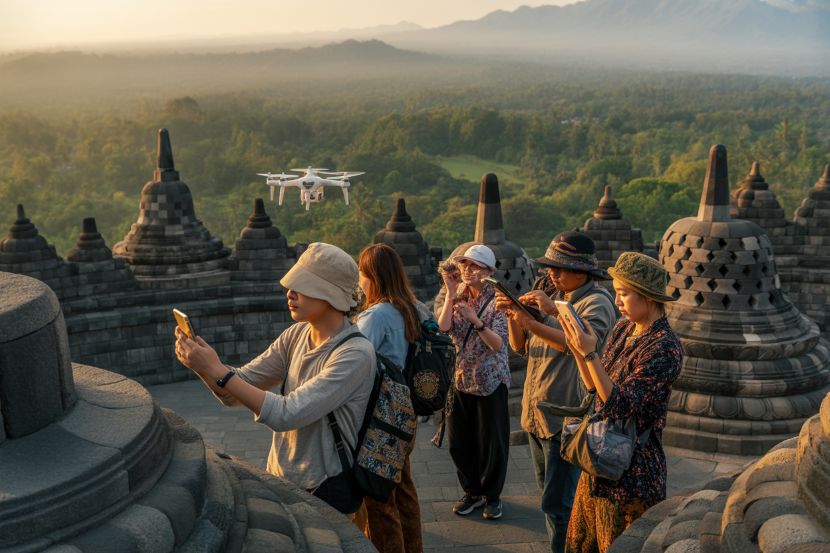
How Indonesia’s Thriving Tourism Industry Will Surpass Pre-COVID Levels in 2026, with Growth in Bali, Sumatra, and Labuan Bajo – Here’s What to Know About Its Remarkable Growth
How Indonesia's Thriving Tourism Industry Will Surpass Pre-COVID Levels in 2026

Indonesia’s tourism industry is experiencing a remarkable resurgence, with 2026 expected to be a year of significant growth, surpassing pre-COVID levels. The country’s tourism sector has witnessed a substantial recovery, bolstered by an influx of international visitors and an impressive surge in domestic travel. With a population of over 280 million, domestic tourism alone has reached new heights, reflecting Indonesia’s status as a top destination for both locals and international travelers alike. As the nation focuses on enriching experiences and sustainable growth, the coming year presents promising opportunities for travelers to explore this vast archipelago, whether through its cultural heritage, vibrant cities, or stunning natural beauty. This article explores how Indonesia’s tourism sector is on the cusp of reaching new heights in 2026, paving the way for exciting travel prospects.

Indonesia’s Tourism Sector: On the Path to Surpassing Pre-COVID Numbers

Indonesia’s tourism recovery is not only evident in its rebound in visitor numbers but also in its enhanced quality of services and overall economic impact. In 2025, the country welcomed nearly 14 million international visitors, and with projections for 2026 targeting between 16 and 17 million arrivals, the nation’s tourism industry is set for a powerful comeback. This momentum, driven by both international and domestic tourism, signals a shift from recovery to sustained growth.

With a focus on higher-value tourism rather than just increasing foot traffic, Indonesia is aiming to increase the contribution of the sector to its GDP, a key indicator of its economic recovery. This targeted growth is underpinned by several strategic efforts, including the promotion of less-visited destinations beyond Bali, and initiatives to enhance visitor spending and job creation within the sector.

Domestic Tourism Surge: A Strong Foundation for Growth

The domestic tourism market in Indonesia is booming. In 2025, Indonesians took over 1.09 billion trips, showcasing the country’s immense internal market. With the national population topping 280 million, Indonesians are traveling more frequently, with many taking an average of three to four trips per year. This presents a huge opportunity for tourism-related businesses, creating a dynamic market for local economies across the archipelago.

Looking ahead to 2026, domestic trips are expected to increase to 1.18 billion, which will further solidify Indonesia’s status as a tourism powerhouse in Southeast Asia. Alongside this, international arrivals are expected to soar to between 16 million and 17.6 million, ensuring that Indonesia not only recovers but thrives in the tourism sector.

Economic Impact: Jobs and GDP Growth Driven by Tourism

Tourism in Indonesia is becoming an increasingly significant economic contributor. The sector employs over 25 million people, encompassing various industries from hospitality to creative arts. As travel demand rises, job creation is expected to grow, with projections for the tourism workforce to increase to 26.5 million by the end of 2026.

Tourism’s contribution to Indonesia’s GDP has reached approximately 4% by the third quarter of 2025. With a target contribution of 4.6% by 2026, the sector is poised to generate between $22 billion to $24.7 billion in tourism receipts, driven by higher visitor spending and growing international demand.

Strategic Focus on Priority Markets

Given the geographical expanse of Indonesia—spanning over 17,000 islands—the country’s tourism strategy has become increasingly targeted. The government has identified 15 priority markets based on factors such as growth potential, connectivity, and visitor spending patterns. These key markets include Japan, Malaysia, Singapore, India, Saudi Arabia, Germany, the UK, and France.

Each of these countries presents unique opportunities, whether through established travel routes or emerging travel trends. For example, India’s growing middle class and the increasing number of direct flights from Saudi Arabia to Indonesia open new doors for the nation’s tourism growth. With the right marketing and infrastructure, Indonesia aims to draw even more visitors from these priority regions.

Enhancing Visitor Experience: Tourism 5.0 and AI Integration

Indonesia is embracing technological innovation to improve the tourist experience, with AI-driven solutions playing a key role. The country’s Ministry of Tourism launched Tourism 5.0 in late 2025, a digital transformation initiative aimed at creating personalized travel experiences for visitors.

At the heart of this transformation is MAIA, an artificial intelligence travel companion that helps visitors navigate their journeys from planning to post-arrival. By leveraging AI, Indonesia is positioning itself as a forward-thinking destination that meets the demands of modern travelers looking for convenience, customization, and seamless travel experiences.

Sustainable and Quality Tourism: Key Themes for 2026

Looking forward, Indonesia is focusing on quality tourism in 2026, emphasizing environmental responsibility, cultural respect, and meaningful travel experiences. This approach aligns with global trends where tourists are increasingly seeking out destinations that offer authentic, sustainable, and enriching experiences.

The marine tourism, wellness and health tourism, gastronomy, arts and culture, and design sectors are expected to see substantial growth as Indonesia seeks to provide visitors with more than just typical sightseeing. These niches will cater to travelers looking for deeper connections with nature, culture, and personal well-being.

Indonesia’s tourism campaign, “Go Beyond Ordinary,” launched in late 2025, emphasizes the nation’s unique blend of natural beauty, cultural diversity, and authentic experiences, making it a top destination for those seeking a diverse and memorable trip.

Travel Tips for Exploring Indonesia in 2026

  1. Explore Beyond Bali: While Bali remains a popular choice, make sure to explore some of Indonesia’s lesser-known gems such as Labuan Bajo (Flores), Yogyakarta, or Sumatra for more unique and tranquil experiences.
  2. Embrace Sustainable Travel: With a focus on sustainability, consider eco-friendly accommodations, such as those in Bali’s Ubud or Lombok, which emphasize environmental responsibility and support local communities.
  3. Dive into Cultural Experiences: Indonesia’s diverse cultures offer a rich array of experiences, from the ancient temples of Borobudur and Prambanan to the traditional arts of Ubud and Solo.
  4. Take Advantage of AI Travel Tools: With the introduction of MAIA, you can expect a more personalized travel experience. Use the AI companion to help navigate your itinerary and get customized recommendations.

Looking Ahead: A Bright Future for Indonesia’s Tourism Industry

The Indonesian tourism industry’s recovery is a remarkable success story, positioning the country to surpass pre-COVID numbers in 2026. As the sector continues to thrive, tourists can expect new innovations, more personalized experiences, and the chance to discover Indonesia’s stunning diversity. With an emphasis on quality, sustainability, and economic impact, Indonesia is set to become an even more attractive destination for international travelers and locals alike.

The post How Indonesia’s Thriving Tourism Industry Will Surpass Pre-COVID Levels in 2026, with Growth in Bali, Sumatra, and Labuan Bajo – Here’s What to Know About Its Remarkable Growth appeared first on Travel And Tour World.


Flight Cancellations in Jakarta, Surabaya and Medan Creates Travel Interruptions in Indonesia as Batik Air, Garuda Indonesia and others Face 22 Suspensions and 453 Delays, New Update

Flight Cancellations in Jakarta, Surabaya and Medan Creates Travel Interruptions in Indonesia as Batik Air, Garuda Indonesia and others Face 22 Suspensions and 453 Delays, New Update

Flight disruptions are currently rippling through Indonesia, leaving hundreds of travelers searching for answers. Operations at three critical aviation hubs face significant setbacks today. Jakarta-Soekarno-Hatta International Airport reports the highest volume of issues, followed by regional hubs in Surabaya and Medan. Batik Air and Garuda Indonesia are the primary carriers navigating these operational hurdles. While some flights remain grounded, others face hours of uncertainty on the tarmac. Consequently, these delays impact both business travelers and the vital tourism sector. There’s a total of 22 flight cancellations and 453 delays reported.

Major Airports Affected

The most substantial volume of disruptions was observed at Jakarta-Soekarno-Hatta International Airport, which serves as the primary gateway to Indonesia. As the country’s most active aviation hub, the impact here was pronounced, with 20 total cancellations and 298 delays reported within a single day. The density of traffic in Jakarta means that these 318 combined incidents likely affected a vast demographic of business and leisure travelers, creating a ripple effect across connecting flights.

Further east, Juanda International Airport, which serves the city of Surabaya, also reported operational hurdles. While the total number of cancellations remained low at just 1 flight, the facility dealt with 97 reported delays. For those traveling through Surabaya, the high volume of delayed departures necessitated extended wait times within the terminal, straining airport amenities and ground handling services.

Similarly, in North Sumatra, Kuala Namu International Airport—the primary airport for Medan —was not immune to the day’s challenges. Data indicates that 1 cancellation and 58 delays occurred at this location. Although the figures in Medan are lower than those seen in Jakarta, the impact on regional connectivity remains significant, especially for those utilizing the airport as a transit point for the northern regions of the archipelago.

Impacted Airlines

Batik Air emerged as the most heavily affected airline across all three monitored locations. In Jakarta, Batik Air accounted for 13 of the 20 cancellations and 80 of the 298 delays. The trend continued in Surabaya, where the airline was responsible for the sole cancellation of the day and 23 delays. In Medan, the airline again saw 1 cancellation and 3 delays.

Garuda Indonesia, the national flag carrier, also experienced some setbacks, though these were concentrated at the Jakarta-Soekarno-Hatta International Airport. At this hub, Garuda Indonesia recorded 7 cancellations and 20 delays. The concentration of these issues within the capital’s airport suggests that the airline’s primary hub operations were under significant strain today. The disparity in numbers between Batik Air and other carriers indicates that while the broader aviation environment in Indonesia faced hurdles, certain fleet schedules were more vulnerable to the day’s specific operational conditions than others.

Beyond these specific figures, delays were being experienced by several other Airlines, like Indonesia AirAsia, Citilink, Lion Air, Super Air Jet, Sriwijaya Air, TransNusa, Singapore Airlines and more.

Probable Impact on Local Tourism

The concentration of flight delays and cancellations in Jakarta, Surabaya and Medan carries inevitable implications for local tourism and hospitality sectors. As these three cities represent the commercial and cultural hearts of Indonesia, the sudden interruption of travel flows can lead to a temporary downturn in visitor arrivals and hotel occupancy rates.

In Jakarta, where the volume of cancellations was highest, the tourism sector often relies on the seamless transition of international tourists to domestic destinations. Delays of this magnitude can lead to missed connections for “multi-city” itineraries, potentially resulting in shortened stays within the capital.

For Surabaya and Medan, the delays affect the accessibility of key tourist landmarks. Surabaya is often used as a base for excursions to Mount Bromo, while Medan is the gateway for those traveling to Lake Toba. When nearly 100 flights are delayed in Surabaya or over 50 in Medan, the scheduled tours, transport bookings and local guide services are often thrown into disarray. The reliability of the aviation network is a cornerstone of tourism confidence and such a high frequency of interruptions may necessitate a period of recovery for the local travel markets in these regions.

What Affected Passengers Can Do Now

For those currently navigating the travel interruptions in Jakarta, Surabaya or Medan, several professional protocols should be followed to mitigate the impact of these delays and cancellations. As the situation remains fluid, staying informed through official channels is paramount.

  • Monitor Flight Status Constantly: Passengers are advised to utilize the official mobile applications or websites of Batik Air and Garuda Indonesia. Given the high volume of delays in Jakarta, real-time digital updates are often more efficient than waiting for terminal-wide announcements.
  • Documentation for Claims: It is recommended that travelers keep a record of all communications from the airline regarding their delay or cancellation. In the context of Indonesia’s aviation regulations, documented proof of the duration and nature of the delay is essential for any potential compensation or rebooking assistance.
  • Engagement with Ground Staff: At airports like Juanda International or Kuala Namu, where delays are high but cancellations are fewer, engaging directly with airline service desks can provide clarity on estimated departure times. It is often possible to request vouchers for refreshments or meals if a delay exceeds a specific time threshold, as per standard industry practice.
  • Travel Insurance Consultation: Those with comprehensive travel insurance should review their policies immediately. Many plans cover travel interruption or travel delay, which can help offset costs incurred by unexpected hotel stays or alternative transport arrangements necessitated by the 22 suspensions recorded today.

-The information provided is sourced from FlightAware.

The post Flight Cancellations in Jakarta, Surabaya and Medan Creates Travel Interruptions in Indonesia as Batik Air, Garuda Indonesia and others Face 22 Suspensions and 453 Delays, New Update appeared first on Travel And Tour World.

Sweden Joins Denmark, Netherlands, Switzerland, Italy, Spain, UK and More in Europe as Key Drivers Of Growth in Indonesia’s Post-Pandemic Tourism Revival and Economic Boom

Sweden Joins Denmark, Netherlands, Switzerland, Italy, Spain, UK and More in Europe as Key Drivers Of Growth in Indonesia’s Post-Pandemic Tourism Revival and Economic Boom
Sweden, tourism

Sweden, along with Denmark, the Netherlands, Switzerland, Italy, Spain, and the UK, has become a driving force behind Indonesia’s post-pandemic tourism revival, significantly contributing to its economic recovery. These European nations lead in both the number of visitors and the high spending per trip, with tourists from these countries staying longer and investing more in Indonesia’s luxury resorts, cultural experiences, and eco-tourism destinations. Their ongoing presence and increased expenditure reflect the strong demand for Indonesian travel, fueling growth in the country’s tourism sector and boosting its overall economic recovery post-pandemic.

Indonesia’s tourism sector has experienced a remarkable resurgence in 2025, driven in part by increased arrivals from European countries. According to data from Indonesia’s Central Statistics Agency (BPS), European tourists are the biggest spenders among all foreign visitors, with their spending and stay duration setting new records for the country. This influx is a crucial component of Indonesia’s tourism recovery, following the global pandemic’s significant impact on travel.

As the 2025 tourism year draws to a close, figures indicate a notable improvement in foreign tourist arrivals, with 15.39 million visitors recorded — up 10.8% from 2024, but still short of pre-pandemic levels. Despite the lingering effects of COVID-19, European nations have emerged as the largest contributors to tourism spending in Indonesia, with travellers from the continent setting new benchmarks for expenditure and stay length.

Let’s dive into how European nations are leading the charge in driving Indonesia’s tourism sector to new heights, focusing on the key countries propelling this surge in both arrivals and spending.

Sweden Joins Denmark, Netherlands, Switzerland, Italy, Spain, UK and More in Europe Driving Record Growth in Indonesia Tourism

While tourists from across the globe have been flocking to Indonesia’s tropical islands, European visitors have been leading the pack in terms of their overall spend. European tourists spent an average of $1,916.50 per visit in 2025, with their average stay lasting 16.75 days—the longest among all regions.

This surge in spending reflects more than just an increased number of visitors; it highlights a changing travel dynamic, with Europeans opting for longer stays and higher expenditures per trip. Below is a breakdown of key European countries contributing to the tourism boom in Indonesia, driving the country’s tourism recovery and pushing the limits of spending.

1. United Kingdom

  • Average Spending: $1,916.5
  • Average Stay: 16.75 days

Tourists from the United Kingdom have always been among the top contributors to Indonesia’s tourism sector, and in 2025, they continue to set records. British visitors are high spenders, with an average expenditure of nearly $2,000 per trip. The UK leads not only in spending but also in travel preferences, with travellers choosing longer stays, which often extend to 16.75 days on average. As Bali remains the most popular destination among British tourists, the surge in spending reflects an ongoing demand for luxury experiences and longer holidays.

This growth in the UK market highlights an overall boost in British travel post-pandemic, as they embrace new, extended holiday plans and re-discover Indonesia’s appeal, not just as a tropical paradise, but as a cultural hub for high-end tourism.

2. France

  • Average Spending: $1,897.23
  • Average Stay: 12.1 days

France remains another European powerhouse for Indonesia’s tourism industry. French tourists, while spending slightly less than the British, have increased their average length of stay, which is 12.1 days—more than most other international tourists. Visitors from France are particularly drawn to Bali’s beaches and Java’s cultural landmarks, showcasing the French appreciation for Indonesia’s mix of luxury relaxation and cultural richness.

This surge is largely attributed to French travellers seeking a combination of relaxation and immersion in Indonesian culture—a trend that’s been seen across Europe’s high-end tourism market. French tourists are booking longer stays in luxury resorts, contributing significantly to the country’s tourism revenue.

3. Germany

  • Average Spending: $1,741.22
  • Average Stay: 15.27 days

German tourists round out the top three European spenders in Indonesia, with an average expenditure of $1,741.22 per visit. Tourists from Germany are often attracted to Indonesia’s natural beauty and adventurous experiences, from mountain treks to cultural village tours. Their stay in Indonesia lasts an average of 15.27 days, and this extended holiday period speaks to the German desire for extended explorations.

Germany’s growing interest in sustainable travel has also played a role in boosting the number of eco-tourism trips to places like Bali, where green tourism practices are becoming more prevalent. Many Germans are not just looking for a vacation, but for a cultural experience that will immerse them in local Indonesian communities.

4. Italy

  • Average Spending: $1,726.02
  • Average Stay: 13.06 days

In Italy, an old favourite in the European travel market, visitors to Indonesia are spending an average of $1,726.02. While the average length of stay is slightly shorter than the UK or Germany at 13.06 days, the high expenditure reflects Italians’ growing preference for luxury holidays and cultural escapades. Indonesians’ diverse landscapes, from luxurious beachfront resorts to ancient temples and jungles, cater perfectly to Italian tourists seeking a rich and immersive experience.

5. Spain

  • Average Spending: $1,398.70
  • Average Stay: 9.43 days

Spanish tourists are also contributing to the rise in tourism revenue in Indonesia, though their spending is slightly lower compared to other European nations, averaging $1,398.70. Their stay in Indonesia averages 9.43 days, indicating a balance between relaxation and exploration.

Visitors from Spain typically focus on areas such as Bali and Yogyakarta, drawn to both the cultural experiences and vibrant beach resorts. As a growing source market, Spain’s involvement in Indonesia’s tourism boom is undeniable, and Spanish-speaking tourists are finding Indonesia increasingly appealing for longer trips.

6. Netherlands

  • Average Spending: $1,234.16
  • Average Stay: 13.27 days

The Netherlands rounds out the top six, contributing significant tourism revenue despite a lower average spend of $1,234.16 per visit. However, Dutch visitors are more likely to stay for longer periods, averaging 13.27 days—a reflection of their desire for extended travel that allows them to fully explore Indonesia’s cultural and natural wonders.

The Dutch have long enjoyed visiting Indonesia, particularly due to the country’s colonial history and the appeal of historical destinations such as Jakarta’s National Museum and Bali’s traditional villages.

7. Switzerland

  • Average Spending: $1,500
  • Average Stay: 10.5 days

Switzerland, although not as large a market as others, consistently contributes to the growing demand for luxury and cultural tourism in Indonesia. The Swiss traveller spends an average of $1,500 per trip and enjoys stays that last around 10.5 days. Their interest is mainly drawn to Bali and the quieter destinations like Ubud, where they can enjoy a combination of high-end hospitality and cultural experiences.

Tourism Growth by Region:

The European continent has set a new benchmark in tourism spending in Indonesia, especially as the overall tourist numbers climb back to near pre-pandemic levels. While Southeast Asia remains the largest source of visitors, European tourists’ spending per visit remains unmatched. Moreover, average stay lengths from European visitors tend to be longer, which significantly impacts the total revenue generated per traveller.

Indonesia’s Key Airports and Tourism Hubs:

As the number of tourists from Europe increases, it’s clear that Bali’s Ngurah Rai International Airport remains Indonesia’s busiest entry point, especially for Australian visitors during the holiday periods. Bali also remains the dominant destination for European travellers, particularly those looking for a luxury escape.

Further expansion of facilities at Ngurah Rai and Soekarno-Hatta International in Jakarta ensures that Indonesia’s major tourism hubs will continue to handle the growth in European arrivals.

Looking Forward to 2026: A Bright Future for Indonesia’s Tourism Sector

The year 2025 marked a significant milestone for Indonesia’s tourism recovery, with Europe’s wealthier nations playing a critical role. As the tourism sector continues to grow, the focus on attracting high-spending visitors will only intensify. The European market will undoubtedly remain a crucial factor in driving Indonesia’s tourism economy, with luxury experiences, long stays, and cultural exploration at the forefront of the country’s appeal.

Sweden, Denmark, the Netherlands, Switzerland, Italy, Spain, and the UK are key drivers of Indonesia’s post-pandemic tourism revival, contributing significantly to the country’s economic growth through high-spending, long-staying European tourists attracted to its luxury and cultural experiences.

In 2025, Sweden, Denmark, Netherlands, Switzerland, Italy, Spain, and the UK have demonstrated their key roles in boosting Indonesia’s tourism sector. Their high spending and longer stays represent a growing trend of European tourists embracing luxury, culture, and adventure in Indonesia. With Bali and Java leading the charge, the country is witnessing an impressive comeback. As we look toward 2026, Indonesia’s tourism sector is poised for even greater growth, with European nations continuing to contribute significantly to the island nation’s tourism revenue and overall economic recovery.

The post Sweden Joins Denmark, Netherlands, Switzerland, Italy, Spain, UK and More in Europe as Key Drivers Of Growth in Indonesia’s Post-Pandemic Tourism Revival and Economic Boom appeared first on Travel And Tour World.

Bali Tourist Arrivals 2025 Reach Nearly 7 Million: Insider Travel Guide to Beaches, Culture, and Adventure for Global Visitors

Bali Tourist Arrivals 2025 Reach Nearly 7 Million: Insider Travel Guide to Beaches, Culture, and Adventure for Global Visitors
Bali Faces Seasonal Plastic Waste Surge: What Tourists Should Know and How to Help

Bali has seen a remarkable growth in tourism in 2025. Official reports indicate that Bali tourist arrivals 2025 reached nearly seven million, marking a near 10% increase from the previous year. The island has reaffirmed its position as one of Southeast Asia’s most popular destinations. Its blend of pristine beaches, lush rice terraces, vibrant culture, and luxurious resorts continues to captivate global travellers. For holidaymakers seeking a combination of relaxation, adventure, and cultural experiences, Bali remains an irresistible destination in 2026.

Australians Remain Bali’s Top Visitors

One of the standout trends in Bali tourist arrivals 2025 is the dominance of Australian travellers. Australians accounted for a significant portion of visitors, reaffirming the strong travel ties between the two nations. Short flight times, affordable fares, and Bali’s iconic beaches such as Kuta, Seminyak, and Nusa Dua make the island a go-to choice for Australians.

Beyond beaches, Bali’s cultural hubs like Ubud, with its arts and crafts scene, and the cliffside temples of Uluwatu offer unique experiences that appeal to both first-time and returning travellers. The combination of sun, surf, and cultural immersion ensures Bali remains a favourite for holidaymakers from Down Under.

Cruise Tourism Boosts Visitor Numbers

Another significant factor in the growth of Bali tourist arrivals 2025 is the increase in cruise tourism. More visitors are arriving by sea, enjoying scenic voyages along Indonesia’s coastline. Cruise passengers often combine Bali visits with nearby destinations such as Lombok and the Komodo islands.

This rise in sea arrivals offers travellers a luxurious, relaxed alternative to air travel. Cruise tourism is particularly appealing for those who enjoy exploring multiple destinations while onboard world-class ships. It also highlights Bali’s strategic importance as a regional travel hub in Southeast Asia.

Global Travellers Expand Bali’s Reach

While Australians lead in numbers, Bali’s tourist demographic is increasingly diverse. Visitors from India, China, Europe, and North America are steadily growing. Many travellers are drawn to Bali’s cultural festivals, traditional villages, and natural landscapes.

This diverse visitor base reinforces Bali’s global appeal. Families, couples, and solo travellers find something for everyone—from adventure sports like surfing and diving to peaceful retreats in rice terrace villas. Bali’s tourism sector is benefiting from this wide mix of nationalities, keeping the island vibrant and internationally relevant.

Improved Connectivity Makes Travel Easier

The increase in Bali tourist arrivals 2025 is also supported by better flight connections and transport infrastructure. International and domestic airlines have expanded routes, making it easier for travellers from Asia, Europe, and Oceania to reach the island.

Bali’s main airport now handles a larger volume of flights efficiently, allowing smoother travel experiences. Coupled with taxi services, ride-hailing apps, and scooter rentals, visitors can explore the island conveniently. Improved connectivity ensures that Bali continues to attract global tourists seeking easy and comfortable travel options.

Practical Travel Tips for Visitors

For travellers planning their Bali holiday, understanding visitor trends can help plan a better experience. Peak tourist seasons, such as school holidays and festival periods, may require early bookings for accommodation and activities.

Cultural experiences are a highlight. Temples, traditional dance performances, and art workshops offer immersive insight into Balinese life. Beaches and adventure activities remain top draws, with surfing, diving, and island-hopping offering memorable experiences.

Sustainable travel is encouraged. Respecting local customs, supporting eco-friendly tours, and engaging with community-based tourism ensures a positive impact while enjoying Bali’s natural and cultural beauty.

Bali’s Tourism Outlook Remains Strong

The strong growth in Bali tourist arrivals 2025 shows the island’s resilience and global appeal. Australians may dominate visitor numbers, but the island continues to attract travellers from around the world. With improved flight connectivity, rising cruise tourism, and a diverse range of attractions, Bali remains a premier travel destination in Southeast Asia.

For global travellers, the island offers a perfect blend of relaxation, adventure, and cultural immersion. The tourism boom of 2025 signals that Bali will continue to enchant visitors, making it one of the most sought-after destinations for the foreseeable future.

The post Bali Tourist Arrivals 2025 Reach Nearly 7 Million: Insider Travel Guide to Beaches, Culture, and Adventure for Global Visitors appeared first on Travel And Tour World.

Bali’s Tourism Outlook Amidst Legal Risks: What Indian and International Travelers Need to Know About Indonesia’s Criminal Code Changes

Bali’s Tourism Outlook Amidst Legal Risks: What Indian and International Travelers Need to Know About Indonesia’s Criminal Code Changes
Bali’s Tourism Outlook Amidst Legal Risks

Bali’s tourism sector, a crucial pillar of Indonesia’s economy, is currently in a state of flux due to the new criminal code introduced by the Indonesian government. While this law promises to modernize the country’s legal framework, it has also sparked widespread legal challenges and concerns over how it will affect tourism in popular destinations like Bali. As the Constitutional Court reviews 21 lawsuits contesting various provisions of the law, its potential effects on travelers and investors remain uncertain.

In particular, Indian tourists, a significant portion of Bali’s visitor base, are closely watching the situation as any shifts in the law could influence their travel plans. The ongoing court cases could create a sense of uncertainty, which might lead to changes in booking patterns, cancellations, or even shifts in travel destination preferences.

Legal Uncertainty Surrounding Bali’s Criminal Code

Indonesia’s updated criminal code has been a subject of much debate, with 21 lawsuits filed at the Constitutional Court. These lawsuits challenge specific provisions in the code, including those concerning morality laws and public-order regulations. The uncertainty surrounding these provisions has raised concerns among tourists and investors, particularly in regions like Bali where tourism is a major economic driver.

The Bali tourism sector relies heavily on international visitors, and any perceived legal risks could lead to a decrease in bookings and even create reputational risks for businesses catering to tourists. As court proceedings unfold, travelers are left uncertain about the interpretation and enforcement of these laws, creating a temporary slowdown in travel demand.

Impact on Indian Travelers and Bali’s Tourism Economy

Indian tourists represent a growing segment of Bali’s tourism industry, with many travelers visiting for holidays, weddings, and business events. However, the ambiguity surrounding the new criminal code could result in cautionary travel behavior. Indian tourists are known to be sensitive to policy risks, and negative headlines regarding Bali’s legal landscape could prompt some to rethink or delay their trips.

This change could also affect various sectors such as hotels, airlines, and tour operators. For example, online travel agencies (OTAs) may adjust their offerings to accommodate the concerns of tourists, offering more flexible booking options, and clarifying their cancellation policies in response to the law’s ambiguity. Similarly, hotel managers in Bali may offer flexible rates to encourage bookings during uncertain periods, ensuring they can manage potential cancellations effectively.

What Should Travelers Know About Bali’s Legal Landscape?

As Bali braces for the outcome of the Constitutional Court’s review, visitors should stay informed about any changes or updates on legal interpretations and enforcement. The Indonesian government is actively engaged in public outreach, aiming to educate tourists and locals about the new law. Officials are promoting a restorative justice approach, suggesting that education and mediation will play a significant role in how the law is implemented on the ground. However, until there is more clarity on the application of these laws, travelers should be prepared for potential changes in how certain public conduct regulations are enforced.

Travelers should also pay attention to official advisories from their embassies or local authorities, especially regarding potential legal risks while visiting Bali. It is always advisable to maintain proper identification and familiarize oneself with the local customs and laws to avoid running into legal troubles.

Tips for Tourists Visiting Bali Amid Legal Changes

Stay flexible with bookings: Since the legal uncertainty may affect travel demand, travelers should opt for flexible cancellation policies when booking flights and accommodations. Travel insurance that covers legal disruptions should also be a consideration for tourists planning a trip to Bali.

Follow official updates: Stay updated with news releases from both the Indonesian government and Indian consular services regarding the status of the new criminal code and how it affects travelers. Social media monitoring can also provide insights into the tone of the media and public sentiment surrounding the law.

Respect local norms and regulations: Bali, being a culturally rich destination, has strict norms regarding behavior in public places. While the government is encouraging education over enforcement, visitors should continue to respect local customs to avoid any legal issues.

Investor Insights: Monitoring the Impact of Bali’s Legal Landscape

For investors, particularly those with exposure to the Bali tourism sector, the ongoing legal challenges present some short-term risks. Companies operating in Bali and Southeast Asia, including Indian airlines and tourism-related businesses, should keep a close watch on booking patterns, customer feedback, and fluctuations in cancellation rates.

It’s essential to monitor search volumes for Bali-related queries, particularly from India, as this can signal shifts in interest. Additionally, tracking hotel occupancy rates, average daily rates, and tourism trends in Bali will provide important indicators of how the legal uncertainty is impacting the tourism market.

Strategic Steps for Businesses in Bali

To mitigate the risk associated with legal uncertainty, businesses should prioritize clear communication with potential customers. This includes updating websites, travel platforms, and customer service teams to reflect the latest information on the law’s impact. Furthermore, businesses should ensure their staff is trained to handle inquiries related to the law and ensure that they are offering flexible policies for customers concerned about legal risks.

Final Thoughts: How to Navigate Bali’s Legal Landscape for a Safe Vacation

The Bali criminal code debate underscores the importance of staying informed when traveling to places where legal changes are in the spotlight. Although the law remains under review, the potential impacts on tourism are clear. Travelers from India and other countries should remain alert to any new official announcements or court rulings. Until these matters are settled, adopting flexible travel plans, clear communication, and respect for local laws will ensure that your Bali adventure remains both enjoyable and legally sound.

The post Bali’s Tourism Outlook Amidst Legal Risks: What Indian and International Travelers Need to Know About Indonesia’s Criminal Code Changes appeared first on Travel And Tour World.
❌