Reading view

One specific reason for having sex is associated with higher stress levels the next day

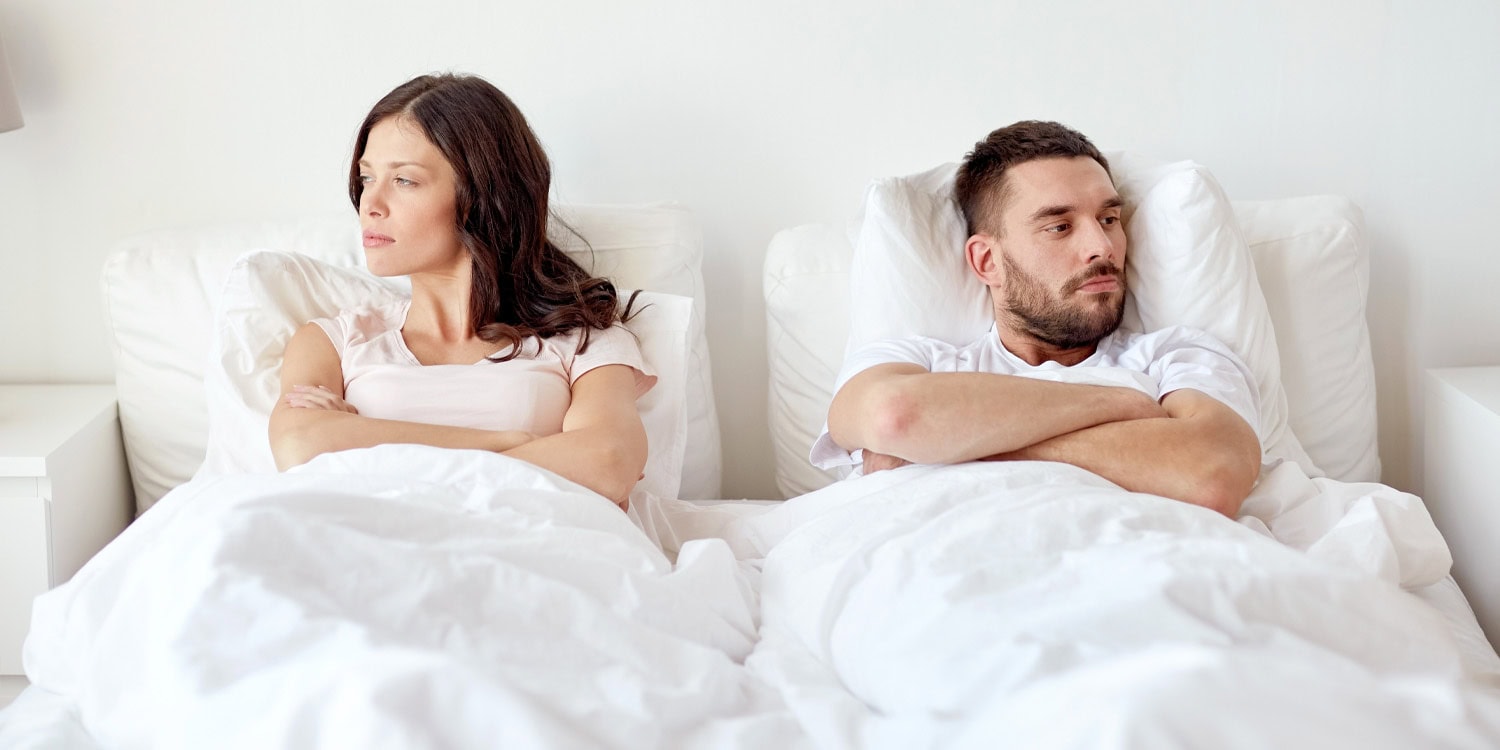
Sexual activity is often touted in popular culture as a natural remedy for daily tension and anxiety. A recent study published in the Archives of Sexual Behavior provides evidence that while sex is associated with lower stress on the day it occurs, these benefits generally do not persist into the following day. The findings also suggest that the motivation behind the sexual encounter plays an important role in its emotional aftermath, as sex initiated to avoid relationship conflict was linked to increased stress levels 24 hours later.

The idea that physical intimacy can alleviate stress is not merely a product of television sitcoms or magazines. Psychological theories regarding affectionate touch suggest that physical contact reduces negative emotions through specific neurobiological pathways. Sexual activity triggers the release of hormones like oxytocin and endogenous opioids, which are known to modulate the body’s stress response.

Prior research has supported this connection to some degree, linking frequent sexual activity to higher life satisfaction and lower negative mood. However, few studies have examined the day-to-day fluctuations of this relationship or tested how long the stress-relieving effects actually last.

Previous daily-diary studies have produced mixed results and often relied on small samples of college students or older adults. The authors of the current study aimed to address these gaps by analyzing a large, pooled sample of newlywed couples to provide a more robust test of these associations.

“There’s this widespread, lay belief that sex is a natural stress reliever, but very little research has actually provided compelling empirical evidence to support this belief,” explained study author Sierra D. Peters, an assistant professor of psychology at Rhodes College. “Prior studies were small, inconsistent, and often focused on students or single individuals. Thus, our goal was to examine whether sexual activity actually does reduce stress in a high-powered study of real long-term couples. We were also interested in whether the context of sex—why couples are having it and how satisfying it is—impacts any stress-relieving properties of sex.”

To investigate the temporal relationship between sex and stress, the researchers combined data from three independent studies. The final sample included 645 individuals, comprising 319 couples. The participants were generally young adults in their mid-twenties to early thirties. All participants were in the early stages of marriage, having been wed for less than six months on average.

The research employed a daily-diary design, which allows researchers to capture real-life experiences as they happen rather than relying on retrospective memory. Couples first completed a baseline session where they provided demographic information and completed standard measures of personality and relationship satisfaction. Following this, each partner completed a survey every evening for 14 consecutive days.

On each of these 14 days, participants reported whether they had engaged in sexual activity with their partner. They also rated their daily experiences of stress and anxiety on a scale from one to seven. The researchers combined reports from both partners to ensure accuracy regarding whether sex occurred on a given day.

When sexual activity did take place, participants answered additional questions about the encounter. They rated how satisfied they were with the sex. They also indicated their motives for being intimate. Specifically, they reported the extent to which they engaged in sex to please their partner, known as an approach motive. They also reported if they had sex to avoid conflict in the relationship, known as an avoidance motive.

The researchers used advanced statistical modeling to analyze the daily fluctuations within each person and couple. They looked at the association between sex and stress on the same day. They also examined the “lagged” association to see if having sex on one day predicted stress levels on the subsequent day.

The researchers found an association between sexual activity and reduced stress on the same day. On days when couples engaged in sex, they reported lower levels of stress compared to days when they did not. This association remained significant even when the researchers accounted for other factors like daily negative mood.

This immediate reduction in stress appeared to be universal within the sample. The researchers found no evidence that the effect differed between men and women. It also did not depend on the couple’s general level of marital satisfaction. Both husbands and wives in happy or less happy marriages experienced similar same-day benefits.

However, the stress-relieving properties of sexual activity appeared to be transient. The analysis revealed that engaging in sex on a given day was not associated with reduced stress the next day. The beneficial effects observed on the day of intimacy did not carry over across a 24-hour period. This suggests that the neurobiological or psychological boost provided by sex is relatively short-lived.

“I was a little surprised to see how transient the benefits of engaging in partnered sex were; we expected them to last at least 24 hours, but they did not,” Peters told PsyPost.

The researchers also found that the quality of the sexual experience mattered for immediate well-being. People who reported higher satisfaction with the sexual encounter experienced greater reductions in stress that same day. However, like the act of sex itself, this satisfaction did not predict lower stress levels the following day.

One of the most significant findings concerned the motivations behind sexual activity. The data indicated that why people have sex is just as important as whether they have sex. When individuals engaged in sexual activity to avoid negative outcomes, such as conflict or partner disappointment, the results were detrimental.

Specifically, engaging in sex with avoidance motives was associated with higher levels of stress the next day. This finding aligns with broader psychological theories regarding approach and avoidance motivation. Actions taken to evade negative experiences often result in increased anxiety and vigilance. In the context of a relationship, having sex to prevent a fight may paradoxically create the very tension the individual hopes to escape.

On the other hand, engaging in sex for approach motives, such as wanting to please a partner, showed a different pattern. There was some evidence that this motivation was linked to lower stress the next day. However, this particular finding was not as robust when the researchers controlled for other personality variables.

“One big takeaway from this research is that sex can reduce stress—but these beneficial effects appear to be fairly short-lived,” Peters explained. “We found that on days couples had sex, they felt less stressed that same day. However, those benefits didn’t carry over to the next day. Another important conclusion from this research is that why people are having sex matters. When couples had sex to avoid conflict or tension in their relationship, they actually felt more stressed, and that heightened stress carried into the next day.”

“These were small effects, but that’s typical for daily events that occur within relationships (e.g., mood, stress) which are influenced by many different things simultaneously. The changes we observed weren’t dramatic—but they were reliable across more than 8,000 days of data. In practical terms, sex isn’t the end all, be all cure for stress. It may provide a short-term buffer, but it’s probably not a substitute for addressing the underlying sources of stress.”

The study has several strengths, including its large sample size and the use of dyadic data from both spouses. Focusing on newlyweds also provided a sample where sexual frequency is typically higher than in long-term marriages. This allowed for sufficient variability in the data to detect these daily patterns.

Despite these strengths, the study is not without limitations. The data is correlational, which means researchers cannot definitively claim that sex causes the reduction in stress. It is equally plausible that days with lower stress levels simply make people more inclined to engage in sexual activity. The researchers attempted to control for prior-day stress to account for this, but the direction of causality remains a question.

Another limitation involves the demographic homogeneity of the sample. The participants were primarily heterosexual, Caucasian, and residing in the United States. They were also all newlyweds, a group that typically reports high relationship satisfaction.

“One caveat worth noting is that these data come from newlywed couples,” Peters noted. “Thus, the findings may not generalize to longer-term marriages, dating couples, or single individuals. It’s also important to remember that these data are correlational, so drawing causal conclusions is not appropriate.”

“Going forward, I’m interested in differentiating between different sources (e.g., internal versus external) and types (e.g., acute versus chronic) of stress and complementing self-report measures with physiological indicators of stress, such as cortisol or blood pressure. If the benefits of sex are primarily short-term and neurobiological, these kinds of measures may provide a clearer picture of the conditions under which sexual activity truly helps regulate different kinds of stress.”

The study, “Does Sex Today Relieve Stress Tomorrow? Examining Lagged Associations Between Partnered Sexual Activity and Stress Among Newlywed Couples,” was authored by Sierra D. Peters, Devon S. Glicken, and Andrea L. Meltzer.
Depression and anxiety linked to stronger inflammation in sexual minority adults compared to heterosexuals

A new study published in the journal Brain, Behavior, and Immunity provides evidence that sexual minority adults may experience a distinct physiological reaction to mental health challenges compared to heterosexual adults. The findings indicate that while depression and anxiety are more common in sexual minority populations, these conditions are also accompanied by stronger inflammatory responses for this group.

Health disparities affecting lesbian, gay, bisexual, and other non-heterosexual individuals are well-documented in medical literature. Statistics indicate that these groups face a higher risk for chronic physical conditions like heart disease, asthma, and diabetes compared to heterosexual adults. They also report rates of anxiety and depression that are often significantly higher than those seen in the general population.

Scientists often utilize the minority stress theory to explain these gaps. This framework suggests that the unique social stressors faced by marginalized groups create a burden that wears down physical health over time.

A key biological mechanism that might explain how stress becomes physical illness is inflammation. While acute inflammation is a necessary immune response to heal injuries or fight infection, chronic low-grade inflammation is damaging to the body.

Elevated levels of inflammatory markers are linked to a range of age-related conditions, including cardiovascular disease and cognitive decline. This process is sometimes referred to as “inflammaging,” where chronic inflammation contributes to accelerated biological aging.

“Sexual minority adults face well-documented disparities in both mental and physical health, including higher rates of depression, anxiety, and chronic conditions like cardiovascular disease,” said study author Lisa M. Christian, a professor and member of the Institute of Brain, Behavior and Immunology at The Ohio State University.

“While minority stress theory provides a framework for understanding these disparities, there has been very little research on the biological mechanisms that link psychological distress to physical health in this population. Specifically, data on inflammation, a key pathway to chronic disease, are scarce. Our study aimed to address this gap by examining whether depressive symptoms and anxiety are associated with greater inflammatory responses among sexual minority adults compared to heterosexual adults.”

The research team analyzed data from the National Couples’ Health and Time Study (NCHAT). This project involves a population-representative sample of married and cohabiting adults across the United States.

“This study utilizes data from Wave 1 of the National Couples’ Heath and Time (NCHAT) Stress Biology Study (NCHAT-BIO),” Christian noted. “NCHAT-BIO the first US-based study focused on stress biology within a large, diverse sample of married/cohabiting sexual minority and heterosexual adults.”

“NCHAT-BIO capitalized on the unique opportunity of NCHAT, a population-representative US sample which intentionally oversampled sexual minority respondents. Wave 1 NCHAT-BIO data have been deposited at ICPSR for public release to all researchers. We encourage interested researchers to take advantage of this unique and impactful dataset.”

The researchers focused on a subset of participants who provided biological samples. The final analysis included 572 participants. There were 321 individuals who identified as heterosexual and 251 who identified as sexual minorities, a group that included lesbian, gay, bisexual, and other non-heterosexual identities.

Participants completed detailed surveys assessing their mental health. To measure anxiety, they used the Generalized Anxiety Disorder scale (GAD-7). This tool asks respondents how often they have been bothered by problems such as feeling nervous or being unable to stop worrying.

To evaluate depressive symptoms, the researchers used the Center for Epidemiologic Studies Depression scale (CES-D 10). This measure asks participants how often they felt specific ways, such as fearful or lonely, during the past week.

The study also assessed adverse childhood experiences (ACEs) to understand early life stress. Participants reported if they had experienced events before age 18 such as abuse, neglect, household dysfunction, or parental incarceration.

Additionally, the survey asked about experiences of everyday discrimination and aggression. This included questions about being treated with less respect, being harassed, or facing physical attacks.

To measure biological markers, participants provided dried blood spots. They collected these samples at home by pricking a finger and placing blood drops on a special collection card. The researchers analyzed these samples for two specific markers of systemic inflammation: Interleukin-6 (IL-6) and C-reactive protein (CRP).

IL-6 is a cytokine that signals the immune system to respond to trauma or infection, while CRP is a protein produced by the liver in response to inflammation. Higher levels of these markers generally indicate a state of higher systemic inflammation.

The results showed that sexual minority participants reported higher levels of both anxiety and depressive symptoms compared to heterosexual participants. This aligns with prior statistics regarding mental health in these communities.

A statistical analysis revealed that this difference was partially explained by a higher number of adverse childhood experiences among the sexual minority group. Sexual minority respondents reported an average ACE score that was significantly higher than that of heterosexual respondents.

The most distinct finding emerged when the researchers analyzed the relationship between these mental health symptoms and inflammation levels. The data revealed a physiological pattern for sexual minority adults that was absent in heterosexual adults.

Among sexual minority participants, higher scores on the depression scale were associated with higher levels of both IL-6 and CRP. Similarly, higher anxiety scores were linked to higher CRP levels in the sexual minority group.

“We expected sexual minority adults to have higher depression and anxiety, which is consistent with prior research,” Christian told PsyPost. “What surprised us was the pattern of inflammatory response: sexual minority adults showed greater elevations in CRP with rising anxiety and depression. This effect was not seen in heterosexual adults. This suggests a unique physiological sensitivity among sexual minority individuals that warrants further investigation.”

The researchers adjusted their statistical models to account for potential confounding factors. They controlled for age, race, sex assigned at birth, education level, and existing health conditions.

They also ran sensitivity analyses that included body mass index and tobacco use. Even with these behavioral and physical factors included, the connection between distress and inflammation remained significant for sexual minority adults.

The study authors propose that this heightened inflammatory response is not an inherent trait of sexual minority individuals. Instead, it is likely a consequence of living in a marginalized social context.

Chronic exposure to stressors, such as discrimination or the threat of judgment, can sensitize the immune system. This sensitization means that when an individual experiences depression or anxiety, their body mounts a stronger inflammatory defense than it otherwise would.

This sensitization contributes to a “double burden” for sexual minority adults. First, they experience a higher prevalence of anxiety and depression, largely due to adverse childhood experiences and minority stress.

Second, when they do experience these symptoms, their bodies react with greater inflammation. Over time, even modest elevations in markers like CRP and IL-6 can increase the risk for chronic illnesses, potentially explaining some of the physical health disparities seen in this population.

“The main takeaway is that sexual minority adults not only experience higher rates of depression and anxiety but also show stronger inflammatory responses when they do,” Christian explained. “Even modest elevations in inflammation can increase long-term risk for chronic illnesses. This means that mental health challenges in sexual minority populations may have ripple effects on physical health, underscoring the importance of integrated care and targeted prevention efforts.”

There are some limitations to consider. The study used data collected at a single point in time for the survey, with blood samples collected several months later. This timeline makes it difficult to determine causality.

It is possible that inflammation exacerbates mood symptoms, rather than the other way around. The gap between the survey and the blood collection introduces some statistical noise, though the findings remained robust despite this.

“It is notable that the current effects in sexual minority adults were observed despite the presence of this statistical ‘noise,'” Christian said. “However, future studies in which time of collection is both simultaneous and longitudinal would be ideal.”

“Indeed, it is plausible that the presence of associations between inflammation and mental health indicators among sexual minority respondents, but not heterosexual respondents, is a function of greater chronicity of symptoms among sexual minority respondents. This could not be tested in the current analyses.”

The sample consisted entirely of married or cohabiting adults. People who are partnered often have better health outcomes and more social support than single individuals. This means the results might not fully reflect the experiences of unpartnered sexual minority adults.

The researchers also caution against interpreting these results to mean that sexual minority adults are inherently less healthy. “There is nothing problematic or unhealthy about being a sexual minority,” Christian told PsyPost.

“The differences we observed reflect the physiological costs of living in a society where sexual minority individuals are exposed to higher levels of stress, discrimination, and adversity, not something intrinsic to their identity. In other words, the burden comes from external exposures, not from who people are.”

The researchers have received funding from the National Institute on Aging to extend this work into a longitudinal study. They intend to examine how inflammatory markers change as the participants age. They also plan to look at epigenetic aging, which uses DNA methylation to measure biological age. This will help determine if the observed inflammation is translating into accelerated aging at the cellular level.

“This manuscript is part of a larger longitudinal study,” Christian said. “As with NCHAT-BIO Wave 1 data, assay results from Wave 3 will be made publicly available to other researchers through ICPSR alongside the survey, time diary, and contextual data from NCHAT Waves 1 through 3, and biological data from NCHAT-BIO Wave 1. Together, these resources will provide an exceptional dataset for future researchers.”

The study, “Sexual minority adults exhibit greater inflammation than heterosexual adults in the context of depressive symptoms and Anxiety: Pathways to health disparities,” was authored by Lisa M. Christian, Rebecca R. Andridge, Juan Peng, Nithya P. Kasibhatla, Thomas W. McDade, Tessa Blevins, Steve W. Cole, Wendy D. Manning, and Claire M. Kamp Dush.

High-precision neurofeedback accelerates the mental health benefits of meditation

A new study published in the journal Mindfulness has found that high-precision brain training can help novice meditators learn the practice more effectively. The findings indicate that neurofeedback can assist individuals in reducing self-critical or wandering thoughts. This training appears to lead to sustained improvements in mindful awareness and emotional well-being during subsequent daily life.

Meditation is often promoted for its ability to reduce stress and improve mental health. The practice frequently involves focusing attention on a specific anchor, such as the sensation of breathing.

The goal is to notice when the mind wanders and gently return focus to the breath. While the concept is simple, the execution is often difficult for beginners. Novices frequently struggle to recognize when their minds have drifted into daydreams or self-referential thinking. Because meditation is an internal mental process, it lacks the external feedback that accompanies learning physical skills.

“A key problem that motivated this project, is ‘not being able to know whether what we are doing internally while meditating is what we were actually meant to be doing,'” said study author Saampras Ganesan, a postdoctoral research associate at the Laureate Institute for Brain Research and honorary research fellow at the University of Melbourne.

“You can look at a mirror to get live and detailed feedback while learning an intricate dance or exercise move. But this is not the case with something so abstract like meditation. This may be holding back the mental health benefits and wider impact that meditation could have in modern life.”

The researchers aimed to address this challenge by providing an external “mirror” for the mind. They sought to determine if real-time information about brain activity could act as a scaffold for learning.

The study focused on helping participants identify and reduce activity in the posterior cingulate cortex. This brain region is a key hub of the default mode network. This network typically becomes active when a person is not focused on the outside world, such as during daydreaming, worrying, or thinking about oneself.

To test this, the investigators recruited 40 healthy adults who had little to no prior experience with meditation. They screened these individuals to ensure they had no history of psychiatric or neurological conditions. The participants were randomly assigned to one of two groups. One group was the experimental condition, and the other served as a control.

The study employed a 7-Tesla fMRI scanner. This machine creates a magnetic field much stronger than the standard MRI scanners found in hospitals. The high magnetic field allows for extremely precise imaging of brain function. Participants lay inside the scanner and were instructed to practice focused attention meditation. They kept their eyes open and watched a visual display.

The display functioned like a thermometer. For the experimental group, the level on the thermometer changed based on the real-time activity of their own posterior cingulate cortex.

When they successfully focused on their breath and quieted this brain region, the thermometer reading went down. If their mind wandered and the region became active, the reading went up. This provided immediate confirmation of their internal mental state.

The control group went through the exact same procedure with one critical difference. The feedback they saw was not from their own brains. Instead, they viewed a recording of brain activity from a participant in the experimental group.

This is known as “sham” feedback. It allowed the researchers to control for the effects of being in the scanner, seeing visual stimuli, and trying to meditate. The participants did not know which group they were in.

The training took place over two consecutive days. Following this laboratory phase, all participants were asked to continue meditating at home for one week. They used a mobile app to guide 5-minute meditation sessions. They also completed surveys to track their mood, stress levels, and mindful awareness.

The results revealed that the blinding procedure was successful. Participants in both groups believed they were receiving genuine feedback. They also reported similar levels of effort and perceived success. This suggests that any differences in outcomes were due to the specific brain training rather than placebo effects or expectations.

“Surprisingly, people could not easily tell whether the brain feedback came from their own brain (experimental group) or someone else’s (control group),” Ganesan told PsyPost. “Both groups rated the feedback as equally accurate – even though the group receiving their own brain feedback showed more meaningful positive changes in the brain circuit linked to meditation.”

“This suggests that people, especially beginners at meditation, may not be completely aware of all the factors driving effects in meditation, and that perceivable benefits may only become clearer with time and more consistent practice following targeted, reliable training.”

Despite these similar perceptions, the brain imaging data showed distinct differences. The experimental group exhibited a change in how their brain regions communicated.

Specifically, they developed a stronger negative connection between the posterior cingulate cortex and the dorsolateral prefrontal cortex. The dorsolateral prefrontal cortex is involved in executive functions, such as controlling attention and managing distractions.

This finding implies that the neurofeedback helped the experimental group recruit their brain’s control systems to down-regulate the mind-wandering network. This neural pattern was not observed in the control group.

The ability to suppress the default mode network is often associated with experienced meditators. The novices in the experimental group appeared to acquire this neural skill rapidly through the targeted feedback.

The benefits of the training extended beyond the laboratory. During the week of home practice, the experimental group maintained higher levels of mindful awareness. In contrast, the control group showed a decline in awareness over the week. This suggests that without the specific guidance provided by the neurofeedback, the control participants struggled to sustain the quality of their meditation practice.

The study also found improvements in emotional well-being. The experimental group reported a significant reduction in emotional distress. This measure combined ratings of depression, anxiety, and stress.

The researchers found a correlation between the brain changes and the mood improvements. Participants who showed the strongest connection between the attention and default mode networks experienced the greatest reduction in distress.

“Teaching people to meditate with live feedback from their own brain can help them meditate more effectively on their own over time, with early benefits for self-awareness and mood,” Ganesan explained. “For these benefits to matter, the brain feedback needs to be well-targeted and specific to the meditation goal – more precise feedback leads to stronger results.”

One unexpected finding involved a breath-counting task. This is an objective test often used to measure mindfulness. Participants press a button for each breath and a different button for every ninth breath.

The experimental group actually performed worse on this task after the training. The researchers suggest this might be because the task requires cognitive effort and counting. The neurofeedback training emphasized “letting go” of thoughts, which might have conflicted with the requirement to actively count.

As with all research, there are limitations. The sample size was relatively small. While 40 participants is common for complex neuroimaging studies, it is small for drawing broad behavioral conclusions. The equipment used is also rare and expensive. A 7-Tesla scanner is not a tool that can be easily deployed for general therapy or training.

“An important takeaway is that while the idea of using brain feedback to support meditation is promising, most current wearable and commercial devices are not yet reliable enough to deliver clear benefits,” Ganesan said. “Many studies testing such devices find little evidence beyond placebo, often because the brain signals used are not precise enough.”

“At present, there are no widely accessible, well-validated brain-feedback systems detailed enough to reliably guide meditation training and practice. Highly advanced brain-imaging approaches, like the one used in our study, show what may be possible in principle, but they are not practical for everyday use. As technology improves, reliable and scalable tools may emerge. But until then, the benefits of brain-feedback-assisted meditation will remain limited for most people.”

The follow-up period was also short. It remains unclear if the benefits would persist longer than one week without further reinforcement.

“While the study offers promising signs that detailed brain-feedback–supported meditation training can have real-world benefits, larger studies over longer periods are needed to confirm these results,” Ganesan told PsyPost. “A major strength of the current study is the use of a well-matched control group, which helped show that the benefits were greater than placebo or other unrelated effects.”

Future research will likely focus on whether these results can be replicated with larger groups. Scientists may also explore if similar results can be achieved using less expensive technology, such as EEG sensors. If scalable methods can be developed, this approach could offer a new way to support mental health treatments. It provides a proof of concept that technology can accelerate the learning curve for meditation.

“My long-term vision is to develop a scalable but personalized, science-backed brain-feedback tool that can reliably support meditation training and mental health at a population level,” Ganesan explained. “By developing such technology and making it accessible in schools, clinics, and homes, the goal is to promote everyday emotional well-being, strengthen mental resilience, and help reduce the burden of mental illness in the modern world.”

“While there are many types of meditation, the technique studied here – focused-attention or breathing-based meditation, often grouped under mindfulness – is widely regarded by researchers and meditation experts as a foundational practice,” the researcher added. “The skills developed through this form of meditation are considered essential for learning and practicing other techniques effectively. As a result, developing reliable and targeted brain-based tools to support training in this practice is especially valuable.”

The study, “Neurofeedback Training Facilitates Awareness and Enhances Emotional Well-being Associated with Real-World Meditation Practice: A 7-T MRI Study,” was authored by Saampras Ganesan, Nicholas T. Van Dam, Sunjeev K. Kamboj, Aki Tsuchiyagaito, Matthew D. Sacchet, Masaya Misaki, Bradford A. Moffat, Valentina Lorenzetti, and Andrew Zalesky.

Stress does not appear to release stored THC into the bloodstream

A new study published in Psychopharmacology investigates the biological phenomenon known as reintoxication in cannabis users. The findings indicate that acute physical stress caused by cold water immersion does not release stored THC back into the bloodstream. This research suggests that moderate physical stressors encountered in daily life are unlikely to cause a person to test positive for cannabis or experience impairment long after their last use.

The primary psychoactive compound in cannabis is delta-9-tetrahydrocannabinol, commonly known as THC. This chemical is highly lipophilic, meaning it dissolves readily in fats rather than water.

When a person consumes cannabis, the body metabolizes much of the THC, but a significant portion is absorbed and stored in fat tissue throughout the body. These fat deposits can act as a long-term storage depot for the drug. Traces of THC have been detected in human fat biopsies weeks after consumption has stopped.

This biological storage mechanism has led scientists to propose the reintoxication hypothesis. The body naturally breaks down fat deposits for energy when it faces a deficit, such as during periods of starvation or intense physical stress. This process is called lipolysis. The hypothesis suggests that when the body breaks down fat cells during stress, the stored THC could be released back into the bloodstream along with the stored energy.

“It has been suggested that THC stored in body fat could be released back into circulation during periods of acute stress, potentially increasing blood THC concentrations,” said study author Danielle McCartney, an associate lecturer in pharmacology at the University of Sydney.

“This idea has been discussed in scientific and legal contexts, but there is very little direct human evidence to support it. We wanted to test this under controlled conditions to see whether acute stress actually increases blood THC concentrations in regular cannabis users.”

Previous research on animals has provided some evidence for this phenomenon. Studies involving rats showed that stress hormones and food deprivation could increase blood THC concentrations in animals that had been pre-treated with the drug.

Human studies, however, have been less conclusive. One study found that intense exercise significantly raised plasma THC levels in regular users. Another study involving food deprivation and running produced mixed results. The authors of the current study aimed to clarify these findings by using a different form of stress.

The researchers recruited fifteen volunteers for the experiment. The sample included nine females and six males. All participants were regular cannabis users who reported consuming the drug at least three days per week. On average, the group used cannabis five days a week. To ensure that any THC detected was not from immediate use, participants were required to abstain from cannabis for at least twelve hours before the test. They also fasted for more than eight hours to ensure their bodies were ready to metabolize fat.

The chosen stressor for this experiment was cold water immersion. This method is known to trigger a robust “fight or flight” response and stimulate the breakdown of fats. Participants sat in a bath filled with water cooled to approximately 10 degrees Celsius, or 50 degrees Fahrenheit. They remained submerged up to their clavicles for ten minutes. This duration and temperature were selected to induce significant physiological stress without posing a danger to the volunteers.

The research team collected detailed measurements at three specific time points. They took baseline measurements immediately before the cold water immersion. They collected a second set of data five minutes after the participants exited the bath. A final set of data was collected two hours after the intervention. At each point, the team drew blood samples and administered cognitive tests.

The blood samples were analyzed for several chemical markers. The researchers looked for plasma THC and its metabolites to see if concentrations rose after the stress. They also measured levels of glycerol and free fatty acids. These compounds are byproducts of fat breakdown. An increase in glycerol and free fatty acids serves as biological proof that lipolysis is occurring. Additionally, the team monitored heart rate, blood pressure, and body temperature to quantify the physiological stress response.

Subjective and cognitive effects were also assessed. Participants completed computerized tasks designed to measure attention, processing speed, and psychomotor function. Specifically, they performed the Digit Symbol Substitution Task, the Divided Attention Task, and the Paced Serial Addition Task. Participants also used visual scales to rate how “stoned” or “euphoric” they felt, as well as their levels of calmness and nervousness.

The results demonstrated that the cold water immersion successfully induced a stress response. Participants exhibited elevated heart rates and higher systolic blood pressure following the bath. Their body temperature dropped as expected. Subjective ratings confirmed that the participants felt less calm and more nervous after the exposure.

The blood analysis confirmed that the intervention triggered the breakdown of fat. Concentrations of glycerol and free fatty acids increased significantly from the baseline to the post-intervention measurements.

Despite the successful induction of stress and fat breakdown, the researchers found no corresponding increase in blood THC levels. The concentrations of THC remained stable across all three time points. The levels of 11-COOH-THC, a primary metabolite of the drug, also did not rise following the cold water stress. In fact, the concentration of this metabolite tended to decrease slightly over the two-hour monitoring period, likely due to natural clearance from the body.

Cognitive performance remained unaffected by the stressor. The participants showed no signs of impairment on any of the computerized tasks. Their reaction times and accuracy scores did not change significantly after the cold water immersion. This aligns with the lack of change in blood THC concentrations. Without a spike in the drug’s presence in the bloodstream, functional impairment would not be expected.

There was a minor change in subjective sensations. Participants reported a slight increase in feeling “stoned” immediately after the cold bath. However, the researchers note that this effect was negligible. The average rating on a 100-point scale increased by fewer than three points. The authors suggest this was likely a result of the general physiological shock of the cold water or a placebo effect, rather than true intoxication.

The researchers also examined oral fluid, which is commonly tested in roadside drug screenings. The researchers found that the cold water stress did not lead to a surge in positive results for oral fluid tests. This provides evidence that stress-induced fat breakdown is unlikely to cause a false positive on saliva-based drug tests used by law enforcement.

“We found that brief physical stress, like cold water immersion, does not increase blood THC concentrations or cause intoxication in regular cannabis users,” McCartney told PsyPost. “This suggests that everyday stressors are unlikely to meaningfully impact blood THC concentrations. That said, our participants were moderate regular users rather than very heavy or dependent users, so the findings should be interpreted in that context.”

The researchers offered several explanations for why their results differed from the previous study that found exercise increased THC levels. The primary factor appears to be the intensity of the stress. The exercise study involved thirty-five minutes of cycling, which raised heart rates to roughly 130 beats per minute. The cold water immersion in this study only raised heart rates to about 80 beats per minute.

Consequently, the exercise study induced a much stronger metabolic response. The increase in free fatty acids observed in the exercise study was nearly six times greater than the increase observed in the cold water study.

It appears that while cold water causes some fat breakdown, it may not be intense enough to liberate a detectable amount of stored THC. The stressor in the real world would likely need to be severe and prolonged to mimic the effects seen in the exercise study.

Another factor could be the usage habits of the participants. The volunteers in this study were moderate regular users. Individuals with heavier consumption habits might store larger quantities of THC in their fat tissue. It is possible that a similar stressor could trigger a release in very heavy users or those with a higher body mass index.

Studies involving heavier cannabis users or different types of psychological and physical stress would provide a more complete picture. For now, the evidence indicates that brief, moderate physical stress is not a risk factor for sudden cannabis intoxication.

The study, “Does acute stress induced via cold water immersion increase blood THC concentrations in regular cannabis users,” was authored by Danielle McCartney, Jordan Levoux, Rebecca Gordon, Laura Sharman, Katie Walker, Jonathon C. Arnold, and Iain S. McGregor.

The neural path from genes to intelligence looks different depending on your age

New research published in Scientific Reports provides evidence that the path from genetic predisposition to general intelligence travels through specific, frequency-dependent networks in the brain. The findings indicate that these neural pathways are not static but appear to shift significantly between early adulthood and older age.

Intelligence is a trait with a strong biological basis. Previous scientific inquiries have established that genetic factors account for approximately 50% of the differences in intelligence between individuals. Genome-wide association studies have identified hundreds of specific variations in the genetic code that correlate with cognitive ability.

These variations are often aggregated into a metric known as a polygenic score, which estimates an individual’s genetic propensity for a certain trait. Despite this knowledge, the specific biological mechanisms that translate a genetic sequence into the ability to reason, plan, and solve problems remain unclear.

Scientists have hypothesized that the brain’s functional connectivity acts as the intermediary between genes and behavior. Functional connectivity refers to how well different regions of the brain communicate with one another. While past studies using functional magnetic resonance imaging (fMRI) have attempted to map these connections, the results have been inconsistent.

fMRI is excellent at locating where brain activity occurs but is less precise at measuring when it occurs. The authors of the new study opted to use electroencephalography (EEG). This technology records the electrical activity of the brain with high temporal resolution, allowing researchers to observe the speed and rhythm of neural communication.

“We already know that intelligence is highly heritable, which is why we are especially interested in the role of the brain as a ‘neural pathway’ linking genetic variation to cognitive ability,” said study author Rebecca Engler of the Leibniz Research Centre for Working Environment and Human Factors (IfADo).

“The lack of integrative approaches combining genetics, brain network organization, and intelligence motivated us to take a closer look at resting-state EEG markers, with a particular focus on differences between young and older adults.”

“In a recent large-scale study (Metzen et al., 2024) using resting-state fMRI, we found no robust association between functional architecture of specific brain regions and intelligence. This motivated our shift toward resting-state EEG, which captures brain dynamics at much higher temporal resolution. EEG measures brain activity as oscillations across different frequencies, allowing us to study frequency-specific brain networks that may carry distinct information relevant to cognitive ability.”

For their study, the researchers recruited a representative sample of 434 healthy adults from the Dortmund Vital Study. The participants were categorized into two distinct age groups. The young adult group consisted of 199 individuals between the ages of 20 and 40. The older adult group included 235 individuals aged 40 to 70.

To measure intelligence, the research team administered a comprehensive battery of cognitive tests. These assessments covered a wide range of mental capabilities, including verbal memory, processing speed, attention span, working memory, and logical reasoning. The scores from these tests were combined to calculate a single factor of general intelligence, often denoted as g. This factor serves as a reliable summary of an individual’s overall cognitive performance.

Genetic data were obtained through blood samples. The researchers analyzed the DNA of each participant to compute a polygenic score for intelligence. This score was calculated based on summary statistics from previous large-scale genetic studies. It represents the cumulative effect of many small genetic variations that are statistically associated with higher cognitive function.

Brain activity was recorded while participants sat quietly with their eyes closed for two minutes. This “resting-state” EEG data allowed the researchers to analyze the intrinsic functional architecture of the brain.

The team employed a method known as graph theory to quantify the organization of the brain networks. In this framework, the brain is modeled as a collection of nodes (regions) and edges (connections).

The researchers calculated metrics such as “efficiency,” which measures how easily information travels across the network, and “clustering,” which measures how interconnected specific local neighborhoods of the brain are. These metrics were analyzed across different frequency bands, including delta, theta, alpha, and beta waves.

The study employed complex statistical modeling to test for mediation effects. A mediation analysis determines whether a third variable—in this case, brain connectivity—explains the relationship between an independent variable (genetics) and a dependent variable (intelligence). The researchers looked for instances where the polygenic score predicted a specific brain network property, which in turn predicted the intelligence score.

The results showed that global measures of brain efficiency did not mediate the link between genetics and intelligence. This suggests that simply having a “more efficient” brain overall is not the primary mechanism by which genes influence cognition.

In other words, “there is no single brain region responsible for intelligence,” Engler told PsyPost. “Instead, cognitive ability relies on efficient and dynamic communication across a broad network of regions throughout the brain, and this network organization changes as we age.”

The specific neural pathways identified varied substantially by age. For young adults, the connection between genetics and intelligence was mediated by brain activity in the beta and theta frequency bands. These effects were predominantly located in the frontal and parietal regions of the brain.

The frontal and parietal lobes are areas traditionally associated with executive functions, such as decision-making, working memory, and attention. This aligns with prominent theories that attribute intelligence to the efficient integration of information between these higher-order brain regions.

But for older adults, the mediating effects were found primarily in the low alpha and theta frequency bands. Furthermore, the specific brain regions involved shifted away from the frontal cortex. The analysis identified the superior parietal lobule and the primary visual cortex as key mediators. These areas are largely responsible for sensory processing and integration.

This shift suggests that the neural architecture supporting intelligence evolves as people age. In younger adulthood, cognitive ability appears to rely heavily on the rapid, high-frequency communication of executive control networks in the front of the brain. As the brain ages, it may undergo a process of reorganization.

The reliance on posterior brain regions and slower frequency bands in older adults implies a strategy that prioritizes the integration of sensory information. This finding is consistent with the concept of neural dedifferentiation, where the aging brain recruits broader, less specialized networks to maintain performance.

The researchers also found that certain brain areas, such as the primary visual cortex, played a consistent role across both groups, though the direction of the effect varied. In both young and older adults, higher nodal efficiency in the visual cortex was associated with higher intelligence.

However, a higher genetic predisposition for intelligence was associated with lower efficiency in this region. This complex relationship highlights that the genetic influence on the brain is not always a straightforward enhancement of connectivity.

“When comparing the two age groups, we were surprised that the brain regions consistently mediating the link between genetic variation and intelligence are primarily involved in sensory processing and integration,” Engler explained. “One might expect such stable neural anchors to be associated with higher-order executive functions like reasoning or planning, typically located in frontal networks. Instead, our results suggest that sensory and associative regions play a more central role in maintaining cognitive ability than is typically emphasized in dominant models of intelligence.”

As with all research, there are some limitations to note. The study utilized a cross-sectional design, meaning it compared two different groups of people at a single point in time. It did not follow the same individuals as they aged.

Consequently, it is not possible to definitively prove that the observed differences are caused by the aging process itself rather than generational differences. Longitudinal studies that track participants over decades would be necessary to confirm the shift in neural strategies.

The study focused exclusively on resting-state EEG. While intrinsic brain activity provides a baseline of functional organization, it does not capture the brain’s dynamic response to active problem-solving.

It is possible that different network patterns would emerge if participants were recorded while performing the cognitive tests. Future research could investigate task-based connectivity to see if it offers a stronger explanatory link between genetics and performance.

“A crucial next step would be to replicate our findings in independent samples to ensure their robustness and generalizability,” Engler said. “Furthermore, it would be interesting to investigate age-related changes in functional network organization from a longitudinal rather than from a cross-sectional perspective. A further long-term goal is to investigate the triad of genetic variants, the brain’s functional connectivity, and intelligence by analyzing task-based EEG data rather than resting-state EEG data.”

The study, “Electrophysiological resting-state signatures link polygenic scores to general intelligence,” was authored by Rebecca Engler, Christina Stammen, Stefan Arnau, Javier Schneider Penate, Dorothea Metzen, Jan Digutsch, Patrick D. Gajewski, Stephan Getzmann, Christoph Fraenz, Jörg Reinders, Manuel C. Voelkle, Fabian Streit, Sebastian Ocklenburg, Daniel Schneider, Michael Burke, Jan G. Hengstler, Carsten Watzl, Michael A. Nitsche, Robert Kumsta, Edmund Wascher, and Erhan Genç.

Data from 560,000 students reveals a disturbing mental health shift after 2016

A comprehensive analysis of data spanning fifteen years reveals that depression symptoms have increased among college students in the United States, with the most severe rises occurring after 2016. The findings indicate that while distress is growing across the board, the escalation is particularly steep for women, racial minorities, and students facing financial difficulties. These results were published in the Journal of Affective Disorders.

Mental health professionals recognize depression as a debilitating condition that can severely impact daily functioning. Rates of the disorder have been climbing for decades, with young adults showing some of the highest prevalence.

While the general increase in diagnosis rates is well-documented, less is understood about how specific symptoms manifest and change over time within different groups. Some theories suggest that exposure to stress varies by demographic, potentially altering how depression presents itself.

Past research has debated whether cultural background or social status influences the expression of distress. Some scholars propose that individuals from minority groups or lower socioeconomic backgrounds may express depression through physical symptoms, such as fatigue or sleep issues.

Others suggest that Western cultures are more likely to manifest distress through emotional or cognitive symptoms, like guilt or hopelessness. The authors of this new study aimed to clarify these distinctions by analyzing trends at the level of individual symptoms rather than just overall diagnosis scores.

“The motivation for this study was an interest in understanding if the increase in prevalence of youth depression over the past two decades, which is a known phenomenon for which we don’t have definite answers, was also reflected in college students,” explained study author Carol Vidal, an associate professor at Johns Hopkins Medicine and author of Status and Social Comparisons Among Adolescents.

“I am a pediatric psychiatrist and personally had an experience with one of my patients a few years ago who made me think about looking at item level changes. This young patient had presented to us for depression initially, but after treatment, her depression improved in our clinical assessment and by her report, but she continued to have elevated PHQ-9 scores.”

PHQ-9, or the Patient Health Questionnaire-9, is a screening tool that asks participants to rate how often they have been bothered by nine specific problems over the past two weeks. The items cover a range of experiences, including low interest in activities, feelings of failure, trouble concentrating, and thoughts of self-harm. Responses are rated on a scale from zero to three.

“When looking closely at her repeated PHQ-9s, her therapist and I saw that those scores were driven mostly by sleep, appetite, and concentration problems, but her mood was much better and she did not present anhedonia, which are core symptoms of depression,” Vidal said.

“We thought maybe the increase in depression at the population level was driven by certain items and decided to explore PHQ-9 changes over time by item. We also wanted to see if the global increases in youth depression were driven by increases in certain demographic groups.”

For their new study, the researchers utilized data from the Healthy Minds Study. This is a large, nationally representative survey of undergraduate and graduate students. The dataset included responses from approximately 560,000 students across 450 colleges and universities collected between 2007 and 2022. The primary measure used was the PHQ-9.

The researchers used statistical models to estimate the trends of depression symptoms over time. They examined how these trends interacted with sex, race, ethnicity, and self-reported financial stress. The analysis focused on identifying which specific symptoms were rising the fastest and which groups were most affected.

The analysis showed that average scores for every single item on the PHQ-9 increased from 2007 to 2022. The total depression scores remained relatively stable from 2007 to 2015 but began a meaningful ascent starting in 2016. By 2022, the average student score was approaching the threshold for moderate depression.

“The main findings are that depression increased for all PHQ-9 items between 2007 and 2022, but that the most meaningful increase was after 2016. I was surprised to find the steep increase after 2016. Other epidemiological studies find steeper increases starting in 2012,” Vidal told PsyPost.

The specific symptoms that saw the largest growth were alarming. The most dramatic increase was in suicidal ideation, defined as thoughts of being better off dead or hurting oneself. This specific symptom increased by 153.9 percent over the study period.

Other symptoms also showed sharp rises. Psychomotor agitation, which involves moving or speaking slowly or being fidgety and restless, increased by 79.6 percent. Trouble concentrating on things like reading or watching television rose by 77.7 percent. Feelings of worthlessness increased by 66 percent.

When breaking the data down by sex, clear disparities emerged. Women and intersex students reported steeper annual increases in nearly every symptom compared to men. Intersex students showed the most rapid growth in fatigue, psychomotor changes, and suicidal ideation. While men also experienced increases, the rate of change was slower.

The study also revealed nuanced differences regarding race and ethnicity. For several physical symptoms, White students showed flat or declining trends, while other racial groups reported increases. For instance, sleep problems remained stable among White students but rose among all other groups. The steepest rise in sleep disturbances was observed among Hispanic students.

Similar patterns appeared for symptoms like fatigue and appetite changes. White students did not show aggregate increases in fatigue, yet every other racial group did. This suggests that the burden of physical symptoms of depression is growing disproportionately among racial and ethnic minority students.

However, cognitive symptoms showed more uniformity. Feelings of worthlessness and depressed mood increased at similar rates across all racial and ethnic groups. Most notably, suicidal ideation increased across all groups without significant differences in the rate of growth by race. This indicates that the most severe indicator of distress is rising universally, regardless of racial background.

Financial stress also proved to be a powerful predictor of worsening mental health. The researchers categorized students based on whether they found their financial situation to be stressful. Students who reported that their finances were “always stressful” had higher levels of all depression symptoms.

Furthermore, financially stressed students experienced faster yearly increases in symptoms compared to those who reported their finances were never stressful. This was particularly true for symptoms like poor appetite, feelings of worthlessness, and suicidal ideation. The gap between financially secure and financially stressed students appears to be widening over time.

“Students experiencing financial stress had higher levels of all symptoms of depression and faster yearly increases compared to those without financial stress, which is important to consider in an environment of economic uncertainty,” Vidal said.

The sharp increase in suicidal ideation is a major concern highlighted by the data. Although the absolute mean scores for this item remain lower than for common symptoms like fatigue, the rate of change is much faster. This suggests a need for targeted suicide prevention strategies on college campuses that go beyond general mental health support.

The findings challenge the idea that depression trends are monolithic. The variation in symptom trajectories suggests that different groups are experiencing the rising tide of mental health issues in distinct ways. The consistent pattern of higher increases among women and racial minority groups points to widening disparities in mental health burdens.

“I’d like to point out that popular explanations about depression causes tend to be simplistic (i.e., social media) and that we don’t really know well if other factors like economic or political changes, or even things a decrease in stigma, are also contributors,” Vidal told PsyPost.

One limitation of the study is that it relied on cross-sectional data. This means different students were surveyed each year, rather than tracking the same individuals over time. The results reflect population-level changes but cannot confirm individual trajectories of illness.

Additionally, the data is self-reported. This introduces the possibility that changes in how people perceive or report mental health issues could influence the results. For example, a decrease in stigma might lead to more students being willing to admit to symptoms they previously would have hidden.

The study focused exclusively on college students. The experiences of young adults who do not attend college may differ. However, given the large proportion of young adults who attend higher education institutions, the findings have broad relevance for this age group.

Future research aims to investigate the macro-level and environmental causes of these trends. Understanding the role of economic instability, political climate, and other societal factors is a priority for the researchers. They hope to move beyond simplistic explanations to identify the structural drivers of youth distress.

“The changes we are seeing put many youth in the clinically meaningful threshold for depression,” Vidal noted. “Prevention and promotion of mental health involving peers and other individuals who are more accessible to youth can help with having less people get to that level of severity, and at the same time, interventions with professionals for those students in need for higher level services need to be made available on campus.”

The study, “Fifteen-year trends in depression symptoms by sex, race, and financial stress among U.S. College Students,” was authored by Carol Vidal, Jenny Owens, Phillip Sullivan, and Flavius Lilly.

A process thought to destroy brain cells might actually help them store data

Recent research provides evidence that the nervous system actively promotes the formation of amyloid structures to stabilize long-term memories. While amyloids are often associated with neurodegenerative conditions, this study identifies a specific protein chaperone that drives the creation of beneficial amyloids in response to sensory experiences. These findings, which offer a new perspective on how the brain encodes information, were published in the Proceedings of the National Academy of Sciences.

Scientists have studied the biological basis of memory for decades. A prevailing model posits that long-term memory requires the physical alteration of synapses, the connections between neurons. This process involves changes in the proteins located at these synapses.

One specific protein, known as Orb2 in fruit flies, plays a central role in this process. Orb2 creates a stable memory trace by self-assembling into an amyloid, a tight stack of proteins that is durable and self-perpetuating.

Most research on amyloids focuses on their toxic role in diseases such as Alzheimer’s. In those contexts, proteins misfold and aggregate in ways that damage cells. However, the brain appears to use a similar aggregation mechanism for beneficial purposes. The question remained regarding how the brain ensures that Orb2 forms amyloids only when a memory needs to be stored and not at random times.

A research team led by Kyle Patton investigated the regulatory systems that might control this precise timing. They hypothesized that molecular chaperones, which are proteins that assist others in folding or assembling, might be responsible for this regulation.

To identify the specific molecules involved, the researchers focused on the J-domain protein (JDP) family. This is a diverse group of chaperones known to regulate protein states. The team utilized Drosophila melanogaster, the common fruit fly, as their model organism. They examined 46 different JDPs found in the fly genome. The team narrowed their search to chaperones expressed in the mushroom body, a brain structure in insects that is essential for learning and memory.

The researchers conducted a genetic screen to determine which of these chaperones influenced memory retention. They used a classical conditioning experiment known as an associative appetitive memory paradigm. In this procedure, the researchers starved flies for a short period to motivate them. They then exposed the flies to two different odors. One odor was paired with a sugar reward, while the other was not. After training, the flies were given a choice between the two odors.

Most wild-type flies remember which odor predicts food for a certain period. The researchers genetically modified groups of flies to overexpress specific JDPs in their mushroom body neurons. They found that increasing the levels of one specific chaperone, named CG10375, significantly enhanced the flies’ ability to form long-term memories. The researchers named this protein “Funes,” inspired by a fictional character with the inability to forget.

The study showed that flies with elevated levels of Funes remembered the association between the odor and the sugar for much longer than control flies. This effect was specific to long-term memory. Short-term memory, which operates through different molecular mechanisms, appeared unaffected. This suggests that Funes plays a distinct role in the consolidation phase of memory storage.

To verify that Funes is necessary for memory—and not just a booster when artificially added—the team performed the reverse experiment. They used genetic tools to reduce the natural levels of Funes in the fly brain or to create mutations in the Funes gene.

Flies with reduced Funes activity were capable of learning the task initially. However, they failed to retain the memory 24 hours later. This indicates that Funes is an essential component of the natural machinery required for memory stabilization.

The researchers next investigated how Funes interacts with sensory information. Memory formation usually depends on the intensity of the experience. For example, a strong sugary reward creates a stronger memory than a weak one. The team tested Funes-overexpressing flies with lower concentrations of sugar and weaker odors.

Remarkably, flies with extra Funes formed robust memories even when the sensory cues were suboptimal. They learned effectively with much less sugar than typical flies required. This finding suggests that Funes helps signal the nutritional value or “salience” of the experience. It acts as a sensitizing agent, allowing the brain to encode memories of events that might otherwise be too faint to trigger long-term storage.

Following the behavioral tests, the researchers explored the molecular mechanism at play. They suspected that Funes acted by influencing Orb2, the memory protein known to form amyloids. They performed biochemical experiments to see if the two proteins interacted physically.

The results showed that Funes binds directly to Orb2. Specifically, it binds to Orb2 when it is in an oligomeric state, which is an intermediate stage between a single molecule and a full amyloid fiber.

The team then reconstituted the reaction in a test tube to observe it directly. They purified Funes and Orb2 proteins and mixed them in a controlled environment. When mixed, Funes accelerated the transition of Orb2 from these intermediate clusters into long, stable amyloid filaments. The researchers confirmed the presence of these structures using an amyloid-binding dye called Thioflavin T, which fluoresces when it attaches to amyloid fibers.

To ensure these laboratory-created fibers were the same as those found in living brains, the team utilized cryogenic electron microscopy (cryo-EM). This advanced imaging technique allows scientists to see the atomic structure of proteins.

The images revealed that the Orb2 amyloids created with the help of Funes were structurally identical to endogenous Orb2 amyloids extracted from fly heads. They possessed the same “cross-beta” architecture that characterizes functional amyloids.

The study further demonstrated that the “J-domain” of the Funes protein is essential for this activity. This domain is a specific section of the protein sequence that defines the JDP family.

The researchers generated a mutant version of Funes with a slight alteration in the J-domain. This mutant was able to bind to Orb2 but could not push it to form the final amyloid structure. When this mutant version was expressed in flies, it failed to enhance memory, confirming that the physical formation of the amyloid is the key to the memory-boosting effect.

Beyond structural formation, the researchers verified that these Funes-induced amyloids were functionally active. In the brain, Orb2 amyloids work by binding to specific messenger RNAs (mRNAs) and regulating their translation into new proteins.

The researchers used a reporter assay to measure this activity. They found that the amyloids facilitated by Funes successfully promoted the translation of target mRNAs, mimicking the natural biological process seen in memory consolidation.

One potential limitation of this study is its focus on Drosophila. While the fundamental molecular machinery of memory is highly conserved across species, it remains to be seen if a direct homolog of Funes performs the exact same function in mammals.

The human genome contains many J-domain proteins, and identifying which one corresponds functionally to Funes will be a necessary next step. The study suggests a link to human health, noting that some related chaperones have been genetically associated with schizophrenia, a condition that involves cognitive deficits.

Future research will likely investigate how Funes receives the signal to act. The current study shows that Funes responds to nutritional cues, but the precise signaling pathway that activates Funes remains to be mapped. Additionally, scientists will need to determine if Funes regulates other proteins beside Orb2. It is possible that this chaperone manages a suite of proteins required for synaptic plasticity.

This work challenges the traditional view that amyloid formation is merely a pathological accident. It provides evidence that the brain has evolved sophisticated machinery to harness these stable structures for information storage. By identifying Funes, the researchers have pinpointed a control switch for this process, offering a potential target for understanding how memories persist over a lifetime.

The study, “A J-domain protein enhances memory by promoting physiological amyloid formation in Drosophila,” was authored by Kyle Patton, Yangyang Yi, Raj Burt, Kevin Kan-Shing Ng, Mayur Mukhi, Peerzada Shariq Shaheen Khaki, Ruben Hervas, and Kausik Si.

This wearable device uses a surprising audio trick to keep you grounded

A new study suggests that a wearable device capable of amplifying the sounds of hand movements can help individuals maintain focus on the present moment. This research indicates that heightening the acoustic feedback from manual interactions fosters a state of mindfulness and encourages curiosity during everyday tasks. The findings were published in the Proceedings of the ACM on Interactive, Mobile, Wearable and Ubiquitous Technologies.

Mindfulness is generally defined as a mental state involving deliberate attention to the present moment combined with an attitude of openness. While formal practices such as meditation or yoga are well-known methods for cultivating this state, they often require dedicated time and a quiet environment. Many people find it difficult to sustain these formal routines amidst a busy schedule.

An alternative approach is known as informal or everyday mindfulness. This involves integrating awareness into routine daily activities, such as washing dishes, folding laundry, or writing.

Despite the potential of this approach, there are few technological tools designed to support it. Most existing mindfulness applications rely on verbal instructions or visual guides, which can demand significant cognitive effort.

Researchers at the Stanford SHAPE Lab and Virtual Human Interaction Lab aimed to develop a system that supports mindfulness through sensory cues rather than explicit commands. They theorized that a “bottom-up” sensory approach could reduce the mental load required to stay focused. By making the physical consequences of an action more noticeable, the technology attempts to naturally draw attention to the immediate experience.

The team specifically focused on the sounds produced by manual interactions. Hands are the primary tools used to interact with the world, and these interactions generate constant but often subtle acoustic signals.

The researchers hypothesized that amplifying these sounds would create a “sensory surprise.” This deviation from what the brain expects to hear could spark curiosity and prompt the user to pay closer attention to their actions.

“Mindfulness practices promote calmness and focus, yet existing technologies focus primarily on formal exercises, such as sitting meditation. In this work, we aim to explore how technology can support the informal practice of mindfulness—also called everyday mindfulness—when attention and curiosity are interwoven with daily activities, as simple as washing our hands or cooking a meal,” said study author Yujie Tao, a PhD student in Computer Science at Stanford University.

The hardware consisted of high-fidelity microphones attached to the user’s wrists and a pair of open-ear headphones. The microphones captured audio generated near the hands, such as the friction of skin against an object or the tap of a finger on a surface.

The system processed this audio in real time, increasing the volume by 15 decibels before playing it back to the user. The open-ear design allowed participants to hear the amplified sounds layered over the natural ambient noise.

The study involved 60 participants with an average age of approximately 25 years. The researchers randomly assigned these individuals to either a device group or a control group. Participants in the device group heard the amplified sounds of their hand movements throughout the experiment. Those in the control group wore the same equipment, but the audio augmentation features were deactivated.

The primary activity in the study was an object exploration task. Researchers presented participants with two distinct sets of items to manipulate. One set contained familiar household objects, including a pair of scissors, a storage bag, a paper cup, and a marker set. The second set included unfamiliar or novelty items, such as a tape dispenser with a clamp mechanism and a broom shaped like a human face.

Participants were instructed to explore these objects naturally and without a specific time limit. Following the exploration of each set, the individuals completed standardized questionnaires. These surveys were designed to measure “state mindfulness,” which refers to a temporary mindset of awareness and attention.

In addition to self-reports, the study employed objective measures to assess attention and curiosity. The researchers analyzed written descriptions provided by the participants to see what details they noticed about the objects.

They also video-recorded the sessions to code behavioral patterns. Specifically, they looked for “trial-and-error” behaviors, which are repetitive actions performed with slight variations to learn about an object’s properties.

The results provided evidence that audio augmentation influences how people engage with their physical environment. Participants in the device group reported higher levels of state mindfulness compared to the control group. This suggests that the enhanced auditory feedback helped users maintain a connection to their present activity.

“Digital technologies, from social media to virtual reality, often draw users away from everyday, real-world experiences and into synthetic ones,” Tao told PsyPost. “We want to challenge this trajectory by rethinking how technology can reconnect users to what is happening here and now. While our system is still in its initial validation, we see promising findings on how the system can guide attention back into ongoing activities rather than away from them.”

Analysis of the written descriptions revealed that the device successfully directed attention toward sensory details. Participants who heard the amplified sounds were much more likely to use sound-related terms in their responses.

The device group referenced auditory properties nearly nine times as often as the control group. This indicates that the technology made typically overlooked cues salient enough to capture conscious attention.

Behavioral data supported the idea that audio augmentation stimulates curiosity. Participants in the device group spent more time interacting with the objects than those in the control group. They also exhibited a higher frequency of trial-and-error behaviors. For example, a user might repeatedly open and close a pair of scissors or tap a cup on different parts of a table.

The researchers also investigated whether the device affected the users’ sense of agency. It is possible that altering sensory feedback could make people feel a loss of control over their actions. However, the study found no significant difference in reported agency between the two groups. This suggests that the amplified sounds were perceived as a natural extension of the users’ own movements.

The study also examined whether the familiarity of the objects influenced the results. Participants generally spent less time exploring familiar objects compared to unfamiliar ones.

However, the audio augmentation appeared to boost mindfulness and exploration regardless of whether the object was a common tool or a novelty item. This implies that the device can make even mundane, well-known objects seem novel and worthy of attention.

“We propose a wearable device that amplifies sounds produced by the hands and plays them back to the user in real time, encouraging attention to ongoing actions,” Tao explained. “With the device, you can hear more clearly these subtle yet often overlooked sounds, such as hands rubbing together and finger sliding through different surfaces. Our initial study with 60 participants in-lab showed that the audio augmentation delivered by our device can enhance state mindfulness, direct user attention to auditory properties of objects. and spark exploratory behavior.”

Despite the positive effects on mindfulness and behavior, the study did not find significant changes in other emotional states. Reports of awe and feelings of connectedness to the objects were similar across both groups. The researchers suggest that the indoor laboratory setting and the nature of the tasks might not have been conducive to eliciting strong emotions like awe.

As with all research, there are limitations. The experiment was conducted in a controlled lab environment with minimal background noise. It remains unclear how the device would perform in a noisy, real-world setting where extraneous sounds might be amplified. The task of exploring objects is also different from typical daily chores, which often have specific goals and time constraints.

“As a next step, we aim to investigate the device’s long-term effectiveness and benefits,” Tao said. “We are preparing a field study in which participants will take the device home, allowing us to understand its use in natural, real-world settings beyond the lab. We are also excited to explore the potential for integrating the device into existing mindfulness training programs, which are commonly used in therapeutic interventions for a range of mental health conditions.”

The study, “Audio Augmentation of Manual Interactions to Support Mindfulness,” was authored by Yujie Tao, Jingjin Li, Libby Ye, Andrew Zhang, Jeremy N. Bailenson, and Sean Follmer.

Social anxiety has a “dark side” that looks nothing like shyness

Social anxiety is commonly associated with shyness, silence, and a tendency to withdraw from social interactions. However, new research suggests that for some adolescents, this condition manifests through aggression and impulsivity rather than avoidance. This “atypical” presentation appears linked to specific narcissistic traits. The study was published in the journal Personality and Individual Differences.

“There is a prevailing assumption in the popular and professional literature that social anxiety is characterized solely by avoidance of tendencies and behavioral inhibition (i.e., shyness). This is likely a consequence from its formal classification of social phobia, which inadvertently shaped the way we study and understand the clinical phenomena,” explained study author Mollie J. Eriksson, a PhD Candidate in Louis Schmidt’s Child Emotion Lab at McMaster University.

“Nonetheless, this prototypical inhibited presentation does not reflect the lived experience of many individuals with social anxiety symptoms (for a comprehensive review see Kashdan & McKnight). And so, in the current study we aimed to examine the externalizing correlates of social anxiety that are less studied and correspondingly less understood, particularly in a population (i.e., adolescents) in which these dynamics might be especially conspicuous.”

The research team recruited 298 adolescents for the study. The participants ranged in age from 12 to 17 years old. The sample was nearly evenly split between boys and girls. Data was collected through a series of online self-report questionnaires.

Participants answered detailed questions regarding their feelings of social anxiety and their levels of narcissism. The narcissism measure distinguished between vulnerable and grandiose traits. Additional surveys assessed impulsivity and general aggression.

The researchers used a statistical method known as Latent Profile Analysis to group the participants. This technique identifies distinct categories of people based on patterns in their responses. “This is a very robust statistical technique because it uncovers patterns in the data that reflect individual variation in people and not simply associations between data points,” Eriksson said.

The analysis revealed three distinct profiles among the adolescents. The largest group comprised about 46 percent of the sample. These individuals displayed low levels of social anxiety, narcissism, and aggression. This profile appears to represent a well-adjusted or normative group with few social difficulties.

The second group accounted for approximately 30 percent of the participants. Adolescents in this profile reported the highest levels of social anxiety. They also scored high on vulnerable narcissism but low on grandiose narcissism and aggression. This group fits the prototypical description of social anxiety. These teens appear to manage their fear of rejection through inhibition and withdrawal.

The third group made up roughly 25 percent of the sample. This profile was characterized by moderate levels of social anxiety but high levels of impulsivity and aggression. Notably, these adolescents scored the highest on both vulnerable and grandiose narcissism. This combination of traits represents the “atypical” presentation of social anxiety.

“Social anxiety is a broad and heterogeneous mental health problem that is characterized by several features, beyond shyness,” Eriksson told PsyPost. “Recognizing its heterogeneity is the first step in identifying individuals, particularly adolescents, who may be struggling with social anxiety. By providing the tools (i.e., additional features that characterize social anxiety) we can intervene sooner, ideally before symptoms become entrenched, which will ultimately set the adolescent up for greater intra-personal and inter-personal success later in life.”

The researchers also found sex differences in profile membership. Boys were more likely than girls to belong to the third, aggressive profile. This suggests that boys may be more prone to expressing social fears through externalizing behaviors. This aligns with broader socialization norms where boys may be discouraged from showing vulnerability.

“It was exciting that these results replicated previous adult findings, which really underscores the robustness of these findings,” Eriksson said. “Even though this was in line with our a priori hypothesis, it was also interesting that boys were more likely to be in the ‘moderate social anxiety/high externalizing profile.’ It makes me think about how sex/gender influence the expression of social anxiety.”

But the study, like all research, has some limitations. The data was collected at a single point in time. This prevents researchers from establishing a causal relationship between narcissism and the development of aggressive social anxiety. It is unclear if the personality traits precede the anxiety or if they develop concurrently.

“A common misinterpretation we would like to preempt is the assumption that these profiles represent fixed or diagnostic categories,” Eriksson explained. “Rather, they reflect patterns of co-occurring traits and symptoms within a specific developmental window. Additionally, because the data are cross-sectional, we cannot infer developmental pathways or causal mechanisms. Replication (particularly in longitudinal designs) is therefore essential for understanding how these profiles emerge and change over time.”

Tracking these traits from childhood into adolescence could reveal early warning signs. Identifying these patterns early could lead to more effective interventions. Standard treatments for social anxiety may not work for teens who react with aggression rather than fear.

“I hope to examine early childhood antecedents of atypical social anxiety symptomology both behaviorally and biologically,” Eriksson said. “This will really inform treatment and prevention efforts. I also hope to examine in more detail the novel hypothesis we articulated: social anxiety is driven by two divergent self-regulatory pathways. This hypothesis requires a longitudinal study design, which is something we plan to do in the very near future.”

The study, “Characterizing the dark side of social anxiety in adolescence: A replication and extension study,” was authored by Mollie J. Eriksson and Louis A. Schmidt.

Psychology study reveals how gratitude can backfire on your social standing

Public expressions of gratitude are generally viewed as positive social glue that strengthens relationships and signals warmth. However, new research suggests that offering effusive thanks may come with a hidden cost to one’s perceived social standing.

A series of studies indicates that when individuals express intense gratitude, observers often view them as having lower status and power relative to the person they are thanking. This research was published in Social Psychological and Personality Science.

Social scientists have historically emphasized the benefits of gratitude. It creates social bonds and signals that a person is friendly and responsive. Many organizations even institutionalize this practice through “gratitude walls” or dedicated communication channels to foster a positive culture. The authors of the current study wanted to investigate a potential downside regarding how competence and influence are perceived.

They noted that while gratitude signals warmth, it might also signal a lack of agency. Agency refers to traits like competence, assertiveness, and control. In social hierarchies, individuals with higher rank typically possess more agency and control over resources.

Because high-ranking individuals are often the ones dispensing favors and resources, they are frequently on the receiving end of gratitude. The researchers hypothesized that observers might intuitively associate intense displays of gratitude with a lower position in the social hierarchy.

“The overwhelming majority of research on gratitude highlights its positive effects. But—inspired in part by work showing that hierarchical relationships can become further entrenched when higher power groups help lower power groups—we had an intuition that sometimes when you express thanks, you might be subordinating yourself to another person,” said study author Kristin Laurin, a professor of psychology at the University of British Columbia.

To test this hypothesis, the researchers conducted two initial studies involving approximately 800 participants recruited from Amazon Mechanical Turk. The team designed vignettes describing a workplace scenario.

In these scenarios, one colleague performed a favor for another, such as facilitating a meeting with a manager. The researchers included photographs to vary the gender and race of the characters to ensure the results were not driven by demographics.

Participants first rated the status of both characters based solely on the knowledge that a favor occurred. Following this, they viewed the thanker’s response. The researchers manipulated this response to be either mild or intense. A mild response was a simple phrase like “Great, thanks.” An intense response included phrases like “I’m incredibly grateful” and “I really owe you.”

The researchers found that the intensity of the gratitude significantly shaped perceptions of status. When the thanker was highly effusive, observers upgraded their perception of the helper’s status. The person receiving the thanks was seen as having more respect and influence than the person giving the thanks. This effect occurred even though the favor itself was identical in all conditions.

The researchers sought to replicate these findings across a broader range of contexts in two subsequent studies. These studies recruited roughly 740 participants from Prolific. The scenarios extended beyond the workplace to include academic settings, social media interactions, and casual encounters like a café visit. For instance, one scenario involved a student getting help with study notes.

A potential issue in the first studies was that mild gratitude might look like rudeness, which is a violation of social norms. To address this, the researchers asked participants to categorize various expressions of thanks as “appropriate,” “not enough,” or “too much.” Participants then viewed a gratitude expression that fell within the “appropriate” range but was either on the high or low end of intensity.

Participants rated both the status and power of the characters. Status was defined as respect and admiration. Power was defined as control over resources. The results reinforced the earlier findings. When thankers expressed mild gratitude, observers tended to view the helper as having less relative rank. When thankers expressed intense gratitude, the helper maintained a higher perceived rank.

The researchers also attempted to understand why this shift in perception occurs. They measured whether observers thought the thanker valued the help more or wanted to build a stronger relationship.

While intense gratitude did signal a desire for affiliation, these factors did not explain the shift in perceived status. The link between gratitude and low rank appeared to be a direct inference made by the observers.

The final set of studies moved away from hypothetical scenarios to real-world data. The researchers collected actual work-related messages exchanged by working adults. They presented these messages to over 650 participants across three separate studies. The participants viewed screenshots of emails and instant messages containing expressions of thanks.

Trained coders analyzed the messages for different types of intensity. They looked for “relative intensity,” which meant the message was primarily dedicated to expressing thanks rather than discussing other business. They also coded for “verbal amplification,” such as using extra adjectives, and “nonverbal amplification,” such as using exclamation points or emojis.

The participants rated the sender’s status, power, warmth, and competence. The findings revealed a nuanced pattern. When a message was primarily focused on gratitude, the sender was perceived as having lower status and power compared to the recipient. These senders were also viewed as less competent and assertive.

The use of nonverbal cues like emojis also tended to lower perceptions of rank. However, simply adding more words to say thanks did not consistently lower perceived status.

In some cases, verbose thankers were actually seen as having higher agency. The researchers speculated that managers might often use longer, praise-filled messages to encourage employees, which complicates the interpretation of verbal length.

“When we tested our predictions in a particular real-world context—emails sent in the workplace—we were surprised that using emojis and punctuation (like exclamation marks), or using extra words to express more effusive gratitude, actually did not result in thankers appearing lower status,” Laurin told PsyPost. “Instead, what made them appear lower status was sending an email that was solely or primarily about gratitude (as opposed to expressing thanks while also delivering other content).”

“This study was correlational, so we can’t rule out confounds: Maybe the more effusive thankers tended to be in management positions, or maybe lower status employees instinctively avoid emojis because they worry about how they’ll come across. But for now the key takeaway from these real-world studies appears to be that if you want to express gratitude without losing status, it might be safest to do so when you also have something else to say.”

The results suggest that while gratitude makes a person seem nicer, it can inadvertently signal lower professional standing. People often face a trade-off between appearing warm and appearing powerful.

That publicly expressing thanks can make observers think you have lower status than the person you are thanking. Many times that may be a price people are willing to pay, especially given gratitude’s other benefits, but it is a cost to bear in mind. The researchers note that this does not mean people should stop saying thank you.

“The effects are not huge, so the takeaway message is definitely not that you should never express gratitude if you care about your status!” Laurin clarified. “It may simply be worth asking yourself if you have a compulsion to overdo the gratitude, for example expressing it multiple times for the same favor. If so, it may be worth being aware that this may lead others to make assumptions about your status and power.”

As with all research, there are some caveats. The samples were entirely American. Cultural norms regarding hierarchy and gratitude vary significantly around the world. In some cultures, effusive gratitude might not carry the same connotations of submission.

The researchers are interested in how these dynamics play out in intergroup contexts. It remains to be seen how gratitude affects power dynamics between members of minority and majority groups.

“One of our inspirations for this project came from thinking about intergroup dynamics and pre-existing status relations: We wondered if gratitude hits differently when its expressed by a member of a minorities group to a member of a dominant group, compared to the reverse,” Laurin said. “Our initial forays into exploring this have not turned up reliable differences, but the broader question remains unresolved.”

The study, “Does Saying “Thanks a Lot” Make You Look Less Than? The Magnitude of Gratitude Shapes Perceptions of Relational Hierarchy,” was authored by Kristin Laurin, Kate W. Guan, and Ayana Younge.

Surprising link found between hyperthyroidism and dark personality traits

New research published in Current Psychology provides evidence linking an overactive thyroid gland to specific personality characteristics known as the “Dark Tetrad.” The study indicates that individuals with hyperthyroidism report higher levels of Machiavellianism, psychopathy, and sadism compared to those with normal thyroid function. These findings suggest that physiological imbalances in the endocrine system may influence socially aversive personality traits.

The thyroid gland plays a central regulatory role within the human body. It releases hormones that control metabolism, energy levels, and heart rate. Beyond these physical functions, the thyroid significantly impacts the brain and nervous system.

Medical professionals have recognized that thyroid dysfunction often accompanies changes in mood and behavior. An overactive thyroid, or hyperthyroidism, frequently presents with symptoms such as restlessness, irritability, and anxiety. In contrast, an underactive thyroid, or hypothyroidism, is often associated with fatigue, mental fog, and emotional flatness.

The authors of the new study noted that the behavioral symptoms of hyperthyroidism overlap with descriptions of antagonistic personality traits. For instance, reduced empathy and impulsive aggression are common in both hyperthyroid patients and individuals with high psychopathy scores. Despite these parallels, there has been little scientific investigation into whether thyroid dysfunction correlates with the Dark Tetrad traits.

The Dark Tetrad refers to a constellation of four socially offensive personality traits. These include Machiavellianism, narcissism, psychopathy, and sadism. While distinct, they share a common core involving emotional coldness and a tendency to prioritize one’s own interests at the expense of others.

“This study was initially motivated by one author’s long-standing diagnosis of Graves’ disease and chronic hyperthyroidism, which provided ongoing exposure to the psychological and interpersonal dimensions of thyroid dysfunction,” explained study authors Or Maimon and Tal Ben Yaacov of Ashkelon Academic College.

“This perspective highlighted a gap in the literature, which has focused primarily on affective symptoms while largely overlooking maladaptive personality traits in the context of thyroid disorders. We sought to address this gap by examining whether chronic thyroid hormonal imbalance is associated with dark personality traits, thereby broadening the psychological framework used to understand thyroid-related conditions.”

To explore this potential connection, the researchers designed a study to compare personality profiles across different thyroid conditions. They aimed to determine if the physiological state of the thyroid could predict variations in these specific personality traits.

The researchers recruited 154 adult participants through online communities. The recruitment process targeted specific health-related support groups to find individuals with diagnosed thyroid issues. The final sample consisted of 140 women and 14 men, with an age range of 18 to 64 years.

Participants were categorized into three distinct groups based on their self-reported medical status. The first group included 49 individuals with hyperthyroidism. The second group consisted of 52 individuals with hypothyroidism. The third group served as a comparison and included 53 individuals who reported no history of thyroid disorders.

Participants with thyroid conditions indicated that they had recently undergone blood tests to verify their diagnosis. This requirement helped ensure that the study captured individuals with active or monitored conditions. The researchers then administered the Short Dark Tetrad (SD4) questionnaire to all participants.

The SD4 is a 28-item assessment tool designed to measure the four dark traits. Participants rated their agreement with statements such as “It is not wise to let people know your secrets” or “Some people deserve to suffer.” Responses were recorded on a five-point scale.

Machiavellianism was measured by items assessing strategic manipulation and cynicism. Narcissism was evaluated through statements reflecting a sense of entitlement and superiority. Psychopathy was assessed via items focusing on impulsivity and callousness. Sadism was measured by the enjoyment of hurting or dominating others.

The results revealed differences in personality scores between the groups. Individuals in the hyperthyroidism group reported higher scores on all four dark traits compared to those in the hypothyroidism group. This finding points to a distinct divergence in personality profiles based on the type of thyroid dysfunction.

When compared to the healthy control group, the hyperthyroidism group continued to show elevated scores. They reported higher levels of Machiavellianism, psychopathy, and sadism. Narcissism scores were higher than the hypothyroidism group but did not statistically differ from the comparison group.

“One notable finding was that associations were observed across multiple dark personality traits rather than being limited to a single dimension,” the researchers told PsyPost. “Drawing on personal experience of coping with chronic hormonal dysregulation, some degree of association was anticipated; however, the breadth of this pattern was unexpected, pointing to a broader involvement of interpersonal and self-related tendencies rather than a trait-specific effect.”

The researchers found no significant differences between the hypothyroidism group and the healthy comparison group. Individuals with underactive thyroids produced personality scores that were statistically similar to those with normal thyroid function. This suggests that the elevation in dark traits is specific to the hyperthyroid state.

The study also examined the relationships between the traits within each group. In the hyperthyroidism group, the four traits were strongly correlated with one another. This indicates a more cohesive or integrated “dark” personality profile among these individuals.

The researchers accounted for demographic variables such as age and sex. Previous research has shown that men generally score higher on dark traits, and these traits tend to decrease with age. The current study confirmed these patterns.

However, even after controlling for age and sex, thyroid status remained a significant predictor of the personality outcomes. This reinforces the idea that the hormonal condition itself contributes uniquely to the expression of these traits.

The authors propose that the physiological mechanisms of hyperthyroidism may drive these psychological outcomes. Elevated thyroid hormones increase metabolic rate and heighten activity in the central nervous system. This state of physiological hyperarousal can lead to emotional instability and reduced impulse control.

Such symptoms align closely with the behavioral manifestations of psychopathy and sadism. The chronic irritability and anxiety associated with hyperthyroidism may exacerbate interpersonal antagonism. Over time, these physiological drivers could shape stable patterns of behavior that are measured as personality traits.

On the other hand, the physiological slowing associated with hypothyroidism might inhibit these traits. The fatigue and emotional blunting common in hypothyroidism do not align with the active hostility or manipulation required for dark traits. This may explain why the hypothyroidism group scored lower than the hyperthyroidism group.

These findings have implications for how clinicians and the public understand behavioral changes in medical patients. The results suggest that hormonal imbalances can affect how individuals think, feel, and interact with others. Recognizing this biological influence may foster greater compassion and understanding in interpersonal relationships.

“The main takeaway is to raise awareness that thyroid hormonal imbalance may affect not only emotional well-being, but also the way people think and process information, as well as how individuals think, feel, and interact with others,” the researchers found. “These patterns are often subtle and may go unrecognized, but they can shape everyday relationships and self-perception. Greater awareness may help individuals and clinicians interpret such changes with more understanding and compassion.”

It is important to note that these effects were observed at the group level. A diagnosis of hyperthyroidism does not imply that a specific individual has a dark personality.

“The effects observed were modest, but statistically significant,” the researchers noted. “Such effects can be practically meaningful when they point to consistent patterns that may accumulate over time or influence everyday functioning. The findings should be interpreted as informative rather than diagnostic.”

“Importantly, the findings should not be interpreted as implying that individuals with thyroid disorders possess problematic or ‘dark’ personalities. The results reflect associations at the group level, not individual character judgments..”

As with all research, there are also limitations to keep in mind. The design was cross-sectional, which means it cannot prove that thyroid dysfunction causes personality changes. It is possible that shared underlying biological factors contribute to both the thyroid condition and the personality traits.

The reliance on self-reported diagnoses is another limitation. Although participants were recruited from patient support groups, the researchers did not verify hormone levels through independent laboratory testing. This introduces a potential for misclassification or inaccuracy regarding the severity of the condition.

The recruitment method may have introduced self-selection bias. Individuals who choose to participate in online studies about health and personality may differ from the general patient population. They might be more health-conscious or more introspective about their psychological state.

Future research aims to address these limitations by using larger, more diverse samples. The authors plan to incorporate objective medical data to confirm diagnoses and hormone levels. Longitudinal studies could also help track how personality traits change over time as thyroid function fluctuates or responds to treatment.

“We are currently extending this work through additional studies that examine thyroid dysfunction in relation to mental health outcomes and personality characteristics,” the researchers said. “To the best of our knowledge, this study represents the first to directly compare individuals with hyperthyroidism, hypothyroidism, and healthy comparison groups, highlighting the importance of examining thyroid-related conditions within a comparative framework rather than focusing on a single clinical group.”

“Developing this concept further, these projects are designed to broaden understanding of how different thyroid-related conditions intersect with psychological functioning in everyday life. Through this ongoing work, we aim to contribute knowledge that can inform research, clinical awareness, and public understanding of this population.”

The study, “Dark personality traits and thyroid dysfunction: a study based on self-reported thyroid hormonal imbalance,” was authored by Or Maimon and Tal Ben Yaacov.

Novel essential oil blend may enhance memory and alertness

A recent study provides evidence that inhaling a specific blend of essential oils may improve cognitive performance in healthy adults. The research indicates that while this aromatic blend increases brain metabolism during mental tasks, these physiological changes do not directly explain the observed boost in memory and attention. These findings were published in the scientific journal Human Psychopharmacology: Clinical and Experimental.

The use of essential oils for psychological well-being is a practice with a long history, yet scientific validation for these effects varies across different substances. Previous investigations have identified that the aromas of single oils, such as rosemary and sage, appear to support memory retention and alertness. However, the practice of aromatherapy frequently relies on the blending of multiple oils to create potential synergistic effects.

Despite the popularity of these blends, the efficacy of combining oils has received limited empirical attention compared to single extracts. The creators of the “Genius” blend formulated it based on the purported cognitive benefits of ingredients like frankincense, cardamom, and patchouli. The researchers aimed to determine if this complex mixture could outperform a single oil known for its positive effects.

“I have been Interested in natural interventions to deliver cognitive enhancement for 30 years. For around 20 years, I have been looking at the effects of the aromas of essential oils on aspects of human behaviour including cognition, mood and stress,” said study author Mark Moss, a professor and member of the Brain Performance and Nutrition Research Centre at Northumbria University.

“Essential oils and aromas have been used in society since before the beginning of written records but the scientific investigation of their effects is lacking. I have an interest in conducting high quality research that can deliver reliable and valid findings in this area.”

The scientific team also sought to move beyond subjective reports and behavioral scores. A primary goal was to explore the biological mechanisms that might underpin these effects. Specifically, they investigated whether the inhalation of these aromas influences brain metabolism by measuring blood oxygenation levels during the performance of demanding mental tasks.

The study involved ninety healthy adult participants who were pseudo-randomly assigned to one of three experimental conditions. To ensure a balanced sample, the groups were matched for gender and age. One group was exposed to the aroma of the Genius essential oil blend, which includes patchouli, neroli, grapefruit, cardamom, frankincense, spikenard, rosemary, and lemongrass.

A second group was exposed to the aroma of sage essential oil to serve as a positive control, given its established reputation for cognitive enhancement. A third group sat in an environment with no added aroma to function as a standard control comparison. The study utilized a double-blind design where neither the researchers administering the tests nor the participants knew which aroma condition was active.

Participants completed a battery of computerized cognitive assessments designed to measure memory, attention, and computational skills. These tasks included word recall, where participants had to remember a list of words, and serial subtraction, which required them to repeatedly subtract specific numbers from a starting figure. Other tasks involved sequence memory challenges known as Corsi blocks.

While performing these mental exercises, participants wore a headband equipped with near-infrared spectroscopy technology. This non-invasive device projected light through the skull to measure changes in oxygenated and deoxygenated hemoglobin in the prefrontal cortex. This provided the researchers with real-time data on brain metabolism and oxygen utilization.

Following the completion of the cognitive battery, the participants rated their current mood states. They specifically evaluated their levels of alertness and mental fatigue on visual analogue scales. This allowed the researchers to correlate subjective feelings of well-being with objective performance metrics.

The data analysis revealed significant improvements in performance for the group exposed to the Genius blend compared to the no-aroma control. These improvements were particularly notable in tasks requiring memory and executive function. For instance, participants in the blend condition performed better on word recall and numeric working memory tasks.

The blend also demonstrated superior effects compared to the sage essential oil condition in several performance metrics. This provides some evidence supporting the theory of synergy, where the combined effect of multiple oils may exceed the impact of a single component. The magnitude of the improvement was considered statistically significant.

Regarding subjective experience, participants in the Genius condition reported feeling significantly more alert by the end of the testing session. Perhaps most notably, they reported feeling significantly less fatigued than those in the control group. This buffering against mental exhaustion suggests that the aroma may help maintain stamina during cognitive exertion.

The physiological data gathered via the spectroscopy headbands showed that both aroma conditions led to increased oxygen extraction in the brain during tasks. The level of deoxygenated hemoglobin was significantly higher in the Genius aroma condition compared to the control. This indicates that the brain was extracting and utilizing more oxygen from the blood while the participants were inhaling the blend.

Despite these clear physiological changes, the researchers found no statistical correlation between the increased brain metabolism and the improved cognitive scores. The participants who showed the greatest increase in oxygen utilization were not necessarily the ones who performed best on the tests. This disconnect suggests that while the aroma increases brain energy usage, this mechanism does not directly account for the better test results.

The lack of correlation implies that other mechanisms may be driving the cognitive improvements. One possibility is a pharmacological effect, where chemical compounds from the oils are absorbed into the bloodstream through the lungs and cross into the brain. Another potential pathway is direct stimulation of the olfactory bulb, which has neural connections to brain areas involved in memory and emotion.

“The overall message is that aromas of essential oils can provide cheap, safe and accessible options for personal benefit,” Moss told PsyPost. “Inhalation of the ambient aroma of the essential oils we employed here (pure sage and a blend of oils) can positively affect cognition and mood, although only to a relatively small degree.

“Interestingly the reasons why these effects occur are not well understood at this time, and this study looked at one particular possibility. The brain uses a lot of energy when we apply it to completing tests of memory and similar. It is possible that breathing aromas could help the brain in delivering more energy to the tasks in hand. Although we found that increased energy production appeared to take place this was not related to levels of performance on the tasks. Other possible explanations are still to be tested in depth.”

The study, like all research, includes some caveats. The method of delivering the aroma involved a diffuser in a testing cubicle, which means the exact dose inhaled by each participant could vary based on their breathing patterns. This lack of standardization makes it difficult to establish precise dose-response relationships.

Additionally, the study focused on acute effects observed during a single session. It remains unknown whether these benefits would persist with long-term use or if users might develop a tolerance to the aromas.

“Next steps include finding good ways to standardise aroma delivery,” Moss explained. “Currently, it is all rather vague as people breathe at different rates and to different depths. It is hard to know exactly how much aroma is being delivered and this would be very useful to enable dose-response relationships to be identified. I am generally interested in continuing to apply scientific method to investigate effects that often exist as received wisdom.”

The researchers add that while essential oils offer a safe and accessible option for personal benefit, they function best as a complementary aid rather than a standalone medical treatment.

“The effects of aromas are generally relatively small, but beneficial. Don’t over interpret the findings of aroma research,” Moss said. “Aromas are not a panacea. They can be beneficial, generally within a framework of general healthy living. They can be beneficial in healthcare as part of an integrated healthcare system.”

The study, “Aroma of Genius Essential Oil Blend Significantly Enhances Cognitive Performance and Brain Metabolism in Healthy Adults,” was authored by Mark Moss, Jake Howarth, and Holly Moss.

Fathers’ boredom proneness associated with his children’s ADHD tendencies

New research suggests that the psychological traits of mothers and fathers may influence their children’s attention-deficit/hyperactivity disorder tendencies and boredom levels in distinct ways. The findings indicate that while genetic predispositions play a significant role, specific parenting styles, such as maternal control, could help manage boredom in young children. This study was published in Scientific Reports.

Psychological research has long established a connection between high levels of boredom and various negative behavioral outcomes. Frequent boredom is often linked to issues such as pathological gambling, substance abuse, and problematic internet use. Despite these known risks, science has not fully explained the developmental mechanisms behind boredom or how it might be regulated during childhood.

Attention-deficit/hyperactivity disorder, or ADHD, frequently co-occurs with a high susceptibility to boredom. Both conditions share characteristics such as impulsivity and difficulty maintaining attention.

While ADHD is generally viewed as a neurodevelopmental trait with a strong genetic component, boredom proneness may be more responsive to environmental factors. This distinction suggests that the family environment could play a significant role in shaping how children experience and manage boredom.

“Although high boredom proneness is associated with various maladaptive behaviors, little is known about its developmental mechanisms or how such behaviors can be regulated,” said study author Izumi Uehara of Ochanomizu University.

“Given evidence that children with ADHD experience heightened boredom, and that boredom proneness may be more environmentally malleable than ADHD symptoms, this study examined how parental ADHD tendencies, boredom proneness, and parenting styles relate to children’s ADHD tendencies and boredom proneness. This work represents an initial step toward understanding how early environmental factors may shape children’s capacity to regulate boredom-related behaviors.”

Most prior research on these topics in Japan has also focused almost exclusively on mothers. This focus has left a gap in understanding how fathers contribute to these developmental patterns.

The researchers aimed to address this by examining how the traits of both parents associate with their children’s behaviors. They sought to understand if the biological traits of parents or their parenting styles were stronger predictors of a child’s tendencies.

The research team recruited participants through an internet survey company. They specifically targeted families with children in the first through third grades of elementary school. This age range is considered a critical period for the emergence of academic and social habits. The final analysis included data from 301 pairs of parents, consisting of both a mother and a father, along with information about one child per couple.

The participants were predominantly from the middle class. Most parents were in their 30s or 40s. The researchers sent questionnaire packets via postal mail to families where both parents agreed to participate. This ensured that the data reflected the perspectives of both parental figures regarding the same child.

Parents completed several standardized psychological questionnaires. They rated their own tendencies toward ADHD using the Adult ADHD Self-Report Scale. They also assessed their own susceptibility to boredom using the Boredom Proneness Scale.

In addition, parents reported on their parenting styles using the Japanese Parenting Style Scale. This scale divides parenting into two main dimensions: responsiveness and control. Responsiveness refers to emotional warmth and support. Control refers to discipline and the regulation of behavior.

For the children, parents provided ratings using a standard ADHD rating scale designed for young children. Because there is no widely accepted scale for boredom proneness in this age group, parents rated their child’s daily boredom levels on a single-item scale. Parents also provided an assessment of their child’s academic performance.

The researchers found that ADHD tendencies and boredom proneness were closely linked within families. Parents who reported higher levels of ADHD traits also tended to report higher susceptibility to boredom. This pattern of overlapping traits was mirrored in their children. However, the study found distinct differences in how mothers and fathers appeared to influence their offspring.

Unexpectedly, a child’s ADHD traits were best predicted by a combination of the father’s ADHD tendencies and the father’s proneness to boredom. This suggests that a father’s susceptibility to boredom may have a unique association with the development of attention difficulties in his children.

“One surprising finding was that, despite mothers spending more time on childcare on average in Japan, children’s traits were specifically associated with fathers’ characteristics—most notably, a significant association between fathers’ boredom proneness and children’s ADHD tendencies,” Uehara told PsyPost.

The researchers also examined how parenting behaviors interacted with these biological traits. They utilized statistical regression models to determine which factors remained significant when all variables were considered. For the majority of children, parental traits were the primary predictors. However, a different pattern emerged for a subgroup of children who exhibited the highest levels of ADHD tendencies.

For this specific subgroup of high-scoring children, maternal responsiveness was identified as a strong explanatory factor. High levels of maternal responsiveness were associated with higher ADHD tendencies in these children.

“Higher levels of ADHD-related behaviors and boredom susceptibility in children with greater genetic risk for ADHD were associated with parental overreactivity,” Uehara explained. “Taken together with the finding that maternal control was linked to reduced child boredom proneness, these results highlight the importance of balanced parental engagement.”

But this does not necessarily mean that maternal warmth causes ADHD. It is possible that mothers become more responsive and attentive in an effort to support a child who is already exhibiting challenging behaviors. “Child-driven effects cannot be ruled out,” Uehara said.

Regarding childhood boredom, the researchers found that a child’s own ADHD tendencies were the strongest predictor. Children with higher attention deficits were more likely to be bored. Maternal boredom proneness was also a direct predictor of the child’s boredom.

The study highlighted a potential protective role for maternal control. Children whose mothers exercised more structural control and discipline tended to exhibit lower levels of boredom. This implies that parental guidance and the setting of boundaries may help children regulate their need for stimulation.

A different interaction was observed regarding fathers. When fathers exhibited high levels of responsiveness, children with high ADHD tendencies showed increased levels of boredom. This suggests that while warmth is generally positive, excessive responsiveness from fathers might not effectively help these specific children manage their boredom.

The study also looked at the long-term implications of these traits by examining the parents’ socioeconomic status. Adults with lower boredom proneness reported significantly higher levels of education and income.

This association with socioeconomic status was found for boredom proneness but not for ADHD tendencies. This finding suggests that the ability to manage boredom may be a distinct factor in achieving long-term educational and financial success.

“Our findings suggest that maternal and paternal characteristics may influence children’s boredom and ADHD tendencies in different ways,” Uehara said. “Notably, the link between maternal control and lower levels of children’s boredom suggests that boredom is not fixed and can be modifiable through everyday parenting. Because boredom has been linked to problematic internet use, these results highlight how parents’ own habits and involvement may help reduce children’s risk of internet addiction.”

As with all research, there are limitations to consider. The study relied entirely on parent reports for both their own traits and their children’s behavior. This reliance could introduce bias, as parents might perceive their children through the lens of their own tendencies. Additionally, the study was cross-sectional, meaning it captured data at a single point in time.

Because of this design, the research cannot prove causality. It is unclear whether parenting styles shape children’s traits or if children’s traits elicit specific parenting responses. For example, the link between maternal responsiveness and child ADHD could represent a mother reacting to her child’s needs rather than causing the symptoms.

“These effects should be interpreted as modest and indicative rather than definitive. However, given evidence among parents that lower boredom proneness is associated with higher educational attainment and income, the present findings suggest meaningful practical implications. They point to the potential for children to develop strategies to regulate boredom, which may help reduce the risk of maladaptive behaviors, including problematic internet use.”

Future studies should aim to include a more diverse range of participants and employ longitudinal designs. Following families over time would help clarify the direction of the relationships between parenting styles and child outcomes. The researchers also suggest that future work should focus on identifying how to help children regulate boredom.

“Our next steps focus on identifying concrete strategies that help children regulate boredom and examining how these early regulation processes relate to boredom management across the lifespan,” Uehara told PsyPost. “Specifically, we aim to investigate contexts in which children are most prone to boredom, typical behavioral responses, and activities that effectively alleviate boredom in both childhood and adulthood. Ultimately, this line of work may offer insights into lifelong mental health and adaptive self-regulation.

“While high levels of boredom proneness are associated with maladaptive behaviors across societies, it is important to recognize cultural differences in how boredom is perceived and experienced.”

“In Western intellectual traditions, boredom has often been discussed in relation to existential emptiness or loss of meaning, whereas in Japan, feelings of emptiness or impermanence have historically been more readily accepted and not necessarily experienced as aversive,” Uehara explained. “Although coping skills for extreme boredom are likely important across cultures, examining how people manage the mild, everyday boredom common in daily life—within different cultural frameworks—may represent a promising direction for future research.”

The study, “Differential associations of parents’ ADHD tendencies, boredom proneness, and parenting styles with children’s ADHD tendencies and boredom proneness,” was authored by Tianyi Zhang, Yuji Ikegaya, and Izumi Uehara.

Researchers identify the psychological mechanisms behind the therapeutic effects of exercise

New research suggests that a structured exercise program improves mental health by altering how individuals process stress and intrusive thoughts. Published in Psychological Medicine, the study indicates that physical activity reduces overall psychiatric symptoms by lowering perceived stress and interrupting repetitive negative thinking patterns. These findings provide evidence that the psychological benefits of exercise are driven by specific changes in cognitive and emotional processing.

Scientific literature has established that physical activity can help manage symptoms of specific mental health conditions, such as depression and anxiety. But the specific psychological pathways that lead to symptom improvement remain unclear.

The authors of the new study aimed to identify the mechanisms that explain why exercise is effective by conducting a secondary analysis of the data collected during the ImPuls trial, a randomized controlled trial involving 399 adults.

“The idea for the primary study emerged from a growing body of research, including numerous empirical studies and review articles, demonstrating that exercise is an effective therapeutic approach for a range of mental disorders,” said study author Anna Katharina Frei, a PhD candidate at the University of Tübingen.

“However, at least within outpatient care in Germany, this potential has not yet been sufficiently utilized — despite, for example, long waiting times for psychotherapy and/or the side effects associated with psychopharmacological treatments.”

“With the ImPuls study, our aim was therefore not only to demonstrate that a transdiagnostic exercise intervention is effective in reducing overall symptom burden, but also to show that its implementation in an outpatient setting is feasible. This formed the basis of the primary study.”

“Although the beneficial effects of exercise on mental health have been demonstrated repeatedly, the underlying mechanisms are often not well understood,” Frei said. “The aim of the secondary analysis was to contribute to the existing literature by examining three processes that are common to various mental disorders and may mediate treatment effects: perceived stress, repetitive negative thinking, and sleep quality.”

Participants were originally recruited from ten different outpatient treatment centers across Germany. To be eligible for the study, individuals had to be physically inactive and diagnosed with at least one of several conditions. These conditions included depressive disorders, agoraphobia, panic disorder, post-traumatic stress disorder, or nonorganic primary insomnia.

In the original trial, participants were randomly assigned to one of two groups. The first group served as the control and received “treatment as usual,” which included standard outpatient therapies such as medication or psychotherapy.

The second group received treatment as usual combined with a specialized exercise intervention called ImPuls. The ImPuls program was a six-month intervention designed to foster a long-term physical activity habit.

The exercise intervention began with a four-week supervised phase. During this time, participants attended group sessions two to three times per week, engaging in moderate-to-vigorous aerobic exercise, specifically outdoor running. These sessions also included behavioral coaching strategies, such as goal setting and barrier management, to help participants stay motivated.

Following this initial phase, participants continued to exercise independently for five months. They received support through regular telephone calls to monitor their activity levels and address any challenges.

The researchers collected data at three specific time points: at the beginning of the study, after six months, and after twelve months. They used validated questionnaires to measure several psychological factors.

The primary outcome was global symptom severity, assessed using the Global Severity Index. This measure evaluates overall psychological distress across dimensions of somatization, depression, and anxiety.

In this secondary analysis, the team specifically examined data regarding the three proposed mechanisms of change. Perceived stress was assessed using a scale that asks individuals how unpredictable or overwhelming they find their lives.

Repetitive negative thinking was measured by asking participants about their tendency to have intrusive, unproductive thoughts that are difficult to stop. Finally, sleep quality was evaluated using a comprehensive index that accounts for sleep duration, disturbances, and daytime dysfunction.

The results confirmed that the exercise intervention was effective in reducing global symptom severity, replicating the primary trial’s conclusion. Participants in the ImPuls group experienced greater improvements in their mental health compared to those who received only standard treatment. This positive effect was observed at the six-month mark and persisted at the twelve-month follow-up.

The researchers then used statistical modeling to determine which factors were responsible for this improvement. Their analysis revealed that the reduction in global symptoms was fully mediated by changes in perceived stress and repetitive negative thinking.

This means that the beneficial effect of the exercise program on mental health was entirely explained by the fact that it lowered participants’ stress levels and reduced their engagement in negative thought loops.

Contrary to some expectations, changes in sleep quality did not mediate the treatment effects. Although sleep is often a target in mental health treatment, the statistical models indicated that improved sleep was not the driver of the symptom reduction in this specific study context. The benefits were driven by cognitive and emotional changes rather than changes in sleep patterns.

The findings align with the “cross-stressor adaptation hypothesis.” This theory suggests that because exercise places a physiological load on the body, regular physical activity helps the biological stress response system adapt.

Over time, this adaptation may make individuals less reactive to other forms of emotional or psychological stress. By regularly engaging in the physical stress of running, participants may have built a resilience that translated into a lower perception of life stress.

The results also support the “distraction hypothesis” regarding repetitive negative thinking. Individuals with mental health disorders often suffer from rumination, where they dwell on negative emotions and problems.

Exercise requires focus and energy, which may force a break in this cycle of negative thoughts. This temporary distraction can provide relief and allow individuals to regain a more balanced perspective.

“Exercise can be an effective way to reduce overall psychological symptom severity by decreasing repetitive negative thinking and perceived stress,” Frei told PsyPost. “In other words, engaging in regular physical activity may help people cope better with everyday stressors and interrupt repetitive negative thinking patterns, which are common across many mental health conditions. These findings highlight exercise as a valuable and accessible complement to existing mental health treatments.”

As with all research, there are some limitations. Because the control group in the original trial received treatment as usual rather than an active control intervention, it is difficult to rule out the possibility that the benefits were due to nonspecific factors.

These factors could include the social support from the group or the attention received from study staff. It is possible that simply meeting with a group and having a shared goal contributed to the improvements.

The study sample was comprised largely of individuals with depressive disorders, who made up about 72% of the participants. While the study was transdiagnostic, the dominance of depression diagnoses means the findings may be most applicable to that condition.

The mechanisms might differ for a population primarily composed of individuals with anxiety disorders or PTSD. Future research should investigate whether these findings hold true in samples with different diagnostic compositions.

Another limitation involves the measurement of the data. The mediators and the outcomes were assessed at the same time points. This simultaneous measurement restricts the ability to make definitive claims about causality. While the statistical models support the idea that reduced stress caused the symptom improvement, it is theoretically possible that feeling better led to reduced stress.

Future research should explore the day-to-day dynamics of these effects. Using methods that track participants in real-time could reveal how a specific session of exercise impacts mood and thinking patterns in the hours that follow. Understanding the immediate temporal relationship between physical activity and thought processes would provide stronger evidence for the causal mechanisms.

The study, “Changes in repetitive negative thinking and stress perception mediate treatment effects of a transdiagnostic exercise intervention,” was authored by Anna Katharina Frei, Thomas Studnitz, Britta Seiffer, Jana Welkerling, Johanna-Marie Zeibig, Eva Herzog, Mia Maria Günak, Thomas Ehring, Keisuke Takano, Tristan Nakagawa, Leonie Sundmacher, Sebastian Himmler, Stefan Peters, Anna Lena Flagmeier, Lena Zwanzleitner, Ander Ramos-Murguialday, Gorden Sudeck, and Sebastian Wolf.

Women’s libido drops during a specific phase of the menstrual cycle

New research suggests that women experience a distinct decrease in sexual motivation during a specific phase of the menstrual cycle known as the implantation window. This reduction in desire may serve an evolutionary function by lowering the risk of infection during a time when the body’s immune system is naturally suppressed. The study was published in the journal Evolution and Human Behavior.

Scientists initiated this investigation to explore potential functional reasons for fluctuations in sexual desire across the menstrual cycle. Biology dictates that for a pregnancy to be established, a fertilized egg must successfully attach to the lining of the uterus.

This process requires the mother’s immune system to lower its defenses locally within the reproductive tract. This immunosuppression prevents the body from attacking the embryo as if it were a foreign invader.

This necessary biological adjustment creates a period of increased vulnerability. The suppression of immune cells makes the reproductive tract more susceptible to sexually transmitted infections.

Pathogens can enter the uterus more easily during this time. The physiological mechanisms that help sperm reach the egg, such as uterine contractions, can inadvertently transport bacteria or viruses into the upper reproductive tract.

The authors hypothesized that evolution might have shaped human psychology to mitigate this risk. If sexual activity poses a greater cost to health during this specific window, natural selection may have favored mechanisms that reduce the drive for sex.

A temporary dip in libido would theoretically limit exposure to pathogens when the body is least equipped to fight them. This theory builds on the concept of motivational priorities. It suggests that the brain balances the reproductive benefits of sex against potential survival costs.

“The conjunction of two patterns motivated the hypotheses tested in the paper. First, evidence that immune responses may vary across the menstrual cycle was intriguing and led me to read more about the specific effects that have been documented,” explained study author James R. Roney, a professor and acting chair of the Department of Psychological and Brain Sciences at the University of California, Santa Barbara.

“Suppression of immune responses in the endometrium during the implantation window could increase susceptibility to sexually transmitted infections at that time, and other evidence did in fact support such increased susceptibility.”

“Second, I had previously noticed visual patterns in my own data and those depicted in the figures of other studies in which measures of women’s sexual motivation appeared to be especially low during the mid-luteal cycle phase region that encompasses the human implantation window.”

“Putting the two patterns together suggested that reduced sexual motivation might be a response that evolved to mitigate infection risk at that time. That led us to formally statistically test whether measures of sexual motivation were lower during the implantation window than at other times in the cycle using data from three large, daily diary studies that had been completed in my lab.”

The combined dataset included over 2,500 daily observations from undergraduate women. The researchers restricted their analysis to participants who were not using hormonal contraceptives. They also excluded cycles where pregnancy occurred or where cycle regularity was compromised.

Participants in all three studies completed online surveys every morning. They reported on their experiences and behaviors from the previous day. The primary measure of interest was a self-reported rating of sexual desire. Participants rated how much they desired sexual contact on a scale ranging from one to seven. A second key measure asked participants simply whether they had masturbated that day.

The researchers needed to map these behavioral reports onto the participants’ menstrual cycles with high precision. In two of the studies, participants used daily urine tests to detect surges in luteinizing hormone. In the other study, participants provided saliva samples to measure hormone levels. These biological markers allowed the team to pinpoint the day of ovulation for each cycle.

The implantation window was defined as the period from five to nine days after ovulation. This timeframe corresponds to the mid-luteal phase when progesterone levels are typically at their peak. It is the specific window when the uterine lining is receptive to an embryo.

The researchers used multi-level regression models to analyze the relationship between this window and sexual motivation. This statistical method accounts for the fact that each participant provided multiple days of data.

The analysis revealed consistent patterns across the three independent samples. Women reported significantly lower levels of sexual desire during the implantation window compared to other phases of their cycle.

This decline was statistically significant even when the researchers compared the implantation window to other non-fertile days. This suggests the drop is a distinct phenomenon rather than just a return to baseline following ovulation.

The researchers also examined frequencies of masturbation. The results showed that the odds of a woman masturbating were approximately one-third lower during the implantation window compared to the rest of the cycle. This indicates that the reduction in sexual motivation manifests in behavioral changes as well as psychological feelings.

“Because many variables (aside from hormonal influences) may influence sexual desire, it is difficult to say how much the effects that we detected would be noticed as practically significant in daily life,” Roney told PsyPost. “We do know that, on average, women did consciously report less desire at this time, and so our arguments provide a possible explanation for why women may notice lower desire specifically in the second half of the menstrual cycle during the implantation window.”

Further analysis compared the implantation window specifically to the fertile window. As seen in previous research, sexual desire peaked near ovulation when conception is possible. The drop in desire during the implantation window was distinct from this peak. The data indicates a specific suppression of motivation during the mid-luteal phase.

The researchers also investigated desire directed toward romantic partners. Among the subset of women in relationships, desire for their specific partner tended to decline during the implantation window. Interest in new or extra-pair partners also showed a decrease. These findings align with the theory that the body downregulates sexual interest generally to avoid pathogen exposure.

The researcher addressed whether the drop in desire was simply due to menstruation. Sexual activity often decreases during menstrual bleeding. However, the analysis showed that the drop in desire during the implantation window was significant even when compared only to days without menstrual bleeding. The effect was specific to the timeframe of endometrial receptivity.

These findings support the idea that the menstrual cycle involves a trade-off between reproductive opportunity and immune protection.

“Fairly strong evidence had supported the idea that, on average, women’s sexual desire may be relatively higher near ovulation on days when it is possible to conceive,” Roney explained. “Our findings suggest that, conversely, there may be a region of the menstrual cycle in which women’s desire tends to be especially suppressed.

“This region corresponds to the time when an embryo would attach to the uterine lining if conception had occurred. Immune responses are reduced during that implantation window to avoid attacking the embryo, but that immunosuppression may increase risk of contracting sexually transmitted infections at that time. Thus, the reduced sexual desire at this time may have evolved to reduce the risk of contracting pathogenic infections through sex.”

The study, like all research, does have some limitations. The sample consisted entirely of university students. These participants were young and mostly not cohabiting with long-term partners. Sexual patterns might differ in older populations or among couples trying to conceive. “It would be ideal to test replication of these patterns in other samples of women,” Roney said.

Future research could attempt to link these behavioral shifts to physiological signals. Measuring specific immune proteins or hormones associated with the implantation process could strengthen the evidence.

“We would like to rigorously investigate the physiological signals that may cause the reduced sexual motivation that we observed during the implantation window,” Roney said.

The study, “Decreased sexual motivation during the human implantation window,” was authored by James R. Roney, Zachary L. Simmons, Mei Mei, Rachel L. Grillot, and Melissa Emery Thompson.

Narcissism shows surprisingly consistent patterns across 53 countries, study finds

New research conducted across more than 50 nations indicates that the demographic factors associated with narcissism are remarkably consistent around the globe. The findings suggest that younger adults, men, and individuals who perceive themselves as having high social status tend to display higher levels of narcissistic traits, regardless of their cultural background. The research was published in the journal Self and Identity.

Psychology has historically faced a significant limitation regarding the diversity of its study participants. The vast majority of existing knowledge about personality traits comes from research conducted in Western, Educated, Industrialized, Rich, and Democratic societies.

This geographic bias makes it difficult to determine whether psychological patterns are universal features of human nature or specific cultural byproducts. Scientists have debated whether the tendency for certain demographic groups to display higher narcissism is a global phenomenon or one unique to specific societies.

“Most of what we know about narcissism comes from studies conducted in the United States or a small handful of Western countries,” said study author William J. Chopik, an associate professor of psychology at Michigan State University.

“That makes it hard to know whether well-known patterns—like younger people, men, or higher-status individuals scoring higher in narcissism—are culturally specific or more universal. We wanted to address that gap by examining narcissism across 53 countries and asking not only whether levels differ across cultures, but whether the same demographic patterns hold up around the world.”

The researchers utilized a multidimensional framework for understanding narcissism rather than treating it as a single trait. They employed the Narcissistic Admiration and Rivalry Concept. This model distinguishes between two specific strategies individuals use to maintain a grandiose self-view.

The first strategy is narcissistic admiration. This aspect involves agentic self-promotion, striving for uniqueness, and seeking social praise. It is often associated with social potency and initial popularity. The second strategy is narcissistic rivalry. This aspect is more antagonistic and involves self-defense, devaluation of others, and striving for supremacy.

The researchers analyzed data from a massive international sample collected as part of the International Collaboration on Social and Moral Psychology. The final dataset included 45,800 participants from 53 different countries. The sample size per country ranged from 148 in Ecuador to 2,133 in Australia.

Participants completed the Narcissistic Admiration and Rivalry Questionnaire. This measure asked respondents to rate their agreement with statements designed to assess both the agentic and antagonistic aspects of narcissism. Examples include statements about enjoying being the center of attention or wanting rivals to fail.

To measure perceived social status, the study utilized the MacArthur Scale of Subjective Social Status. Participants were presented with an image of a ladder representing the social hierarchy of their society. They were asked to place themselves on the rung that best represented their standing in terms of money, education, and employment.

The researchers also incorporated country-level data to assess cultural context. They used Gross Domestic Product per capita to measure national economic prosperity. To measure cultural values, they utilized the Global Collectivism Index. This index assesses the degree to which a society prioritizes group cohesion and interdependence over individual autonomy.

The analysis revealed that demographic differences in narcissism were largely consistent across the 53 countries. Younger adults reported higher levels of both narcissistic admiration and rivalry compared to older adults. This finding aligns with developmental theories suggesting that narcissistic traits may help young adults establish autonomy and acquire resources.

As individuals age, they typically shift their focus toward prosocial goals and emotional stability. This maturation process appears to coincide with a reduction in narcissistic tendencies globally. The study provides evidence that this age-related decline is not specific to any single culture.

Gender differences also followed a consistent pattern worldwide. Men reported higher levels of narcissism than women across the majority of the nations surveyed. This gender gap was observed for both the admiration and rivalry dimensions of the trait.

Social role theories suggest that these differences may stem from societal expectations. Men are often socialized to be assertive and dominant, traits that overlap with narcissism. Women are frequently encouraged to be communal and nurturing, behaviors that conflict with self-absorption.

The researchers also found a robust link between perceived social status and narcissism. Individuals who placed themselves higher on the social ladder tended to report higher levels of narcissism. This association was observed consistently across the different cultural contexts.

People with high levels of narcissism often feel entitled to special privileges and view themselves as superior. This self-view likely drives them to seek out high-status positions. Conversely, achieving a high perceived status may reinforce narcissistic tendencies by validating their feelings of superiority.

While the demographic patterns were consistent, the average levels of narcissism did vary by country. The data indicated that people living in nations with a higher Gross Domestic Product reported higher levels of narcissism. This was particularly true for the dimension of narcissistic admiration.

This finding supports the notion that economic prosperity may create an environment that encourages self-focus. In wealthier societies, there may be more opportunities and cultural permission to engage in self-promotion. However, the relationship between culture and narcissism proved to be more complex than simply linking it to wealth.

“Most of the effects we observed are modest in size, which is typical for large, cross-cultural studies of personality,” Chopik told PsyPost. “That said, even small differences can matter when they show up consistently across tens of thousands of people and dozens of countries.”

“And there are also a lot of within country differences, such that even when looking at one country, people might dramatically differ from one another (and sometimes two people within a country vary more than two people from different countries). The real contribution here isn’t about pinpointing ‘the most narcissistic country,’ but about understanding how stable patterns of personality relate to culture, age, gender, and social standing.”

A notable finding from the study challenges the traditional view that narcissism is strictly a product of individualistic cultures. The researchers found that participants from more collectivistic countries reported higher levels of narcissism.

“One of the more surprising findings was that people from more collectivistic countries sometimes reported higher, not lower, levels of narcissism—particularly on the more agentic, admiration side,” Chopik said. “This challenges the common assumption that narcissism is mainly a product of highly individualistic cultures. It suggests that narcissistic traits may serve different functions in different cultural contexts, such as navigating social hierarchies rather than standing out as unique.”

“There’s an emerging literature about how the individualism/collectivism distinction is not as clean as people think—that collectivistic countries are these Pollyanna-ish utopias where everyone gets along. Rather, there are some examples in which collectivistic cultures are more competitive and could be more attuned to themselves and the hierarchies they find themselves in.”

The researchers examined whether cultural factors changed the strength of the demographic associations. For instance, they tested if the gender gap in narcissism was smaller or larger in collectivistic countries. The analysis showed that culture did not significantly moderate these demographic differences.

This lack of moderation implies that the mechanisms driving demographic differences in narcissism are relatively universal. The developmental processes of aging and the societal shaping of gender roles appear to exert a similar influence on personality regardless of the specific cultural backdrop.

“One key takeaway is that narcissism isn’t just a ‘Western’ phenomenon, nor does it look wildly different across cultures,” Chopik told PsyPost. “Younger people, men, and those who see themselves as higher in social status tend to report higher narcissism almost everywhere we looked. At the same time, average levels of narcissism do vary by country, and those differences appear to be linked to broader cultural and economic contexts. So, culture certainly mattered, but not for everything—some patterns are relatively similar in different cultures.”

As with all research, there are some limitations. The data was cross-sectional, meaning it captured a single point in time. This makes it impossible to determine if the age differences are due to developmental changes or generational differences between cohorts.

Future research utilizing longitudinal designs is necessary to track how narcissism changes within individuals over time. This would help clarify whether people truly become less narcissistic as they age or if older generations were simply less narcissistic to begin with.

The authors also note that this study focused on broad cultural dimensions like collectivism and wealth. Other cultural factors, such as political systems, family structures, or religious beliefs, may also play a role in shaping narcissism. Future investigations could explore these additional variables to build a more complete picture.

Potential misinterpretations of these findings should be avoided. The results do not imply that entire nations can be categorized as “narcissistic.”

“A common misinterpretation is to treat these findings as rankings or judgments about entire countries or cultures,” Chopik noted. “That’s not what the data are meant to do. These are average differences with substantial overlap between countries, and individuals within any culture vary far more than cultures do from one another. So I understand the desire to describe the most and least narcissistic countries, but I actually think that’s a little less interesting, especially given that cultural differences aren’t that big.”

The study provides a comprehensive look at how personality traits interact with culture. It moves beyond the simple East-West dichotomy often used in psychology. By including a vast array of nations, the research offers a more nuanced understanding of the human experience.

“A natural next step is to move beyond mean differences and examine how narcissism operates in daily life across cultures—how it relates to relationships, work, and well-being in different contexts,” Chopik explained. “That might include how narcissism changes over time differently depending on the context. We’re also interested in understanding how cultural change, such as economic development or shifts toward individualism, might shape narcissism over time. Longitudinal and mixed-method approaches will be especially important for that.”

“One thing worth emphasizing is that narcissism isn’t inherently ‘good’ or ‘bad,'” the researcher added. “Some aspects, like admiration, can be linked to confidence and motivation, while others, like rivalry, are more clearly associated with interpersonal conflict. Studying narcissism across cultures helps us better understand when and where these traits might be adaptive—and when they might come at a cost.”

The study, “Cultural moderation of demographic differences in narcissism,” was authored by Macy M. Miscikowski, Rebekka Weidmann, Sara H. Konrath, and William J. Chopik.

Vulnerable narcissism is strongly associated with insecure attachment, study finds

A new meta-analysis provides evidence that the quality of emotional bonds formed in adulthood is connected to specific types of narcissism. The findings indicate that insecure attachment styles are strong risk factors for vulnerable narcissism, whereas grandiose narcissism appears largely unrelated to these attachment patterns. This research was published in the journal Personality and Individual Differences.

Psychologists classify narcissism into two primary subtypes that share antagonistic traits but differ in their expression. Grandiose narcissism is characterized by extraversion, aggression, and a dominant interpersonal style. Individuals with these traits tend to have an inflated sense of self-importance and often seek to control others.

Vulnerable narcissism presents a different profile marked by introversion and high neuroticism. People with high levels of vulnerable narcissism possess a fragile sense of self and are hypersensitive to the opinions of others. They often display a defensive form of grandiosity that masks deep-seated feelings of inadequacy.

Narcissistic traits are associated with various negative outcomes in life, particularly within interpersonal relationships. Romantic partnerships involving narcissistic individuals often suffer from a lack of commitment and higher rates of infidelity. These relationships can be characterized by manipulation and aggression during conflicts.

To understand the origins of these maladaptive patterns, researchers often look to attachment theory. This theory posits that early experiences with caregivers shape “internal working models” of the self and others. These models persist into adulthood and influence how individuals navigate romantic intimacy and emotional dependency.

Previous research on the link between attachment and narcissism has produced inconsistent results. Some studies have suggested links between narcissism and anxious attachment, while others have pointed toward avoidant styles. The authors of the current study aimed to resolve these inconsistencies by systematically reviewing and synthesizing data from existing literature.

“Our interest came from wanting to better understand developmental risk factors that might help explain how narcissistic traits emerge. The existing literature was inconsistent and often treated narcissism as a single construct, so we conducted a meta-analysis to clarify how different attachment styles relate to different forms of narcissism. This allowed us to bring together a large body of evidence and resolve some of that inconsistency,” said study author Megan Willis, an associate professor at Australian Catholic University.

The researchers searched five major academic databases for studies published up to May 2024. To be included in the review, studies had to be written in English and utilize validated measures of both adult attachment and trait narcissism.

The review focused exclusively on non-clinical adult samples to understand these traits in the general population. The researchers utilized a tool called AXIS to assess the quality and potential bias of the selected studies. This process resulted in a final selection of 33 studies.

The combined sample across these studies included 10,675 participants. The researchers used statistical software to calculate the overall strength of the relationships between narcissism subtypes and four distinct attachment styles. These styles are secure, preoccupied, dismissive, and fearful.

Secure attachment is defined by a positive view of both oneself and others. People with this style are generally comfortable with intimacy and independence. Preoccupied attachment involves a negative view of the self but a positive view of others, leading to anxiety and a need for reassurance.

Dismissive attachment is characterized by a positive view of the self but a negative view of others. Individuals with this style tend to avoid intimacy and prioritize self-reliance. Fearful attachment involves negative views of both the self and others, resulting in a desire for contact paired with a fear of rejection.

The meta-analysis revealed that the relationship between attachment and narcissism depends heavily on the specific subtype of narcissism involved. Vulnerable narcissism showed a significant positive relationship with all three forms of insecure attachment. The strongest association was found between vulnerable narcissism and preoccupied attachment.

This finding suggests that vulnerable narcissism is closely linked to anxiety regarding abandonment and a dependence on external validation. Individuals with these traits may use narcissistic behaviors as a compensatory strategy. They may seek excessive reassurance to regulate a fragile self-esteem that relies on others’ approval.

A moderate positive relationship was also observed between vulnerable narcissism and fearful attachment. This attachment style is often rooted in inconsistent or rejecting caregiving. The link implies that vulnerable narcissism may involve defensive withdrawal and hypervigilance in relationships.

“In many ways the findings were consistent with what we expected, particularly the link between insecure attachment and vulnerable narcissism,” Willis told PsyPost. “What did surprise us was the strength of those relationships, especially for preoccupied and fearful attachment. The effects were stronger than I would have predicted going into the study.”

The researchers also found a weak but significant relationship between vulnerable narcissism and dismissive attachment. This indicates that while these individuals may crave validation, they also employ strategies to maintain emotional distance. Consistent with these findings, vulnerable narcissism was negatively associated with secure attachment.

The results for grandiose narcissism presented a sharp contrast. The analysis showed no significant relationship between grandiose narcissism and any of the insecure attachment styles. There was a negligible positive relationship with secure attachment, but it was not strong enough to be considered practically meaningful.

These findings challenge the idea that all forms of narcissism stem from deep-seated insecurity or attachment wounds. Grandiose narcissism appears to be distinct from the anxiety and avoidance that characterize vulnerable narcissism. Some theories suggest grandiose traits may stem from parental overvaluation rather than lack of warmth.

“The key takeaway is that attachment styles — particularly fearful and preoccupied attachment — are important risk factors for vulnerable narcissism,” Willis explained. “This suggests that fostering secure attachment in childhood and helping people work through attachment wounds later in life may reduce the risk of these patterns developing or persisting.”

As with all research, there are some limitations. The data analyzed was cross-sectional, meaning it captures a snapshot in time. This prevents researchers from determining whether insecure attachment causes narcissism or if narcissistic traits lead to insecure attachment.

“These findings are correlational, so we cannot say attachment causes narcissism,” Willis noted. “They also do not mean that everyone with insecure attachment will develop vulnerable narcissism. What our results do suggest, however, is that for people who are high in vulnerable narcissism, insecure attachment may be an important risk factor.”

The reliance on self-report measures is another constraint. Individuals with narcissistic traits may lack the self-awareness or willingness to report their behaviors accurately. This is especially true for grandiose narcissists who may exaggerate their sense of security.

Future research should focus on longitudinal studies that track individuals from childhood through adulthood. This would help clarify the causal pathways between early caregiving experiences and the development of narcissistic traits. Researchers also recommend investigating how these dynamics might differ across various cultures and genders.

“A key long-term goal is to increase understanding and education about the importance of attachment in childhood and how early relationships can have lifelong effects,” Willis said. “I’m particularly interested in how parenting and early caregiving shape emotion regulation and interpersonal functioning. In my current work, I’m examining whether difficulties with emotion regulation help explain the link between vulnerable narcissism and intimate partner violence. This may help inform more targeted prevention and intervention strategies.”

The study, “The relationship between attachment styles and narcissism: a systematic and meta-analytic review,” was authored by Jamie Mohay, Kadie Cheng, Xochitl de la Piedad Garcia, and Megan L. Willis.

❌