
Reading view

Jamaica’s Tourism Growth Hits New Heights with Princess Resorts Reopening and Boosting Employment

Jamaica’s Tourism Growth Hits New Heights with Princess Resorts Reopening and Boosting Employment

Jamaica’s accommodation sector is showing remarkable signs of recovery, with one of the island’s largest hotels, Princess Resorts, reopening 415 rooms and reintegrating approximately 800 tourism workers. This move is a significant step in Jamaica’s tourism revival, addressing both rising visitor demand and the need for local employment. The reopening not only enhances the island’s hotel capacity but also marks a pivotal moment in the recovery of the nation’s tourism industry.

The reopening of these rooms and the reinstatement of workers have given a substantial boost to employment in Jamaica’s tourism sector, which is a key driver of the island’s economy. This milestone represents investor confidence and an increasing demand from major source markets, such as the United States, the United Kingdom, and Canada.

Government Welcomes Positive Impact on Economy

Jamaica’s Minister of Tourism, Hon. Edmund Bartlett, welcomed the development as a tangible sign that recovery efforts are translating into real economic benefits. “The reopening of 415 rooms and the return of 800 workers at Princess Resorts represent a major step forward in Jamaica’s tourism recovery,” said Minister Bartlett. “This is about restoring livelihoods, strengthening communities, and ensuring that our tourism growth remains inclusive and sustainable.”

The significant economic ripple effect from the reopening extends far beyond the resort itself, as it brings much-needed jobs back to local communities and bolsters the capacity of the island’s tourism infrastructure. These efforts are seen as vital in providing a solid foundation for continued growth in Jamaica’s hospitality industry.

A Boost to Visitor Capacity and Service Quality

The reopening of Princess Resorts is part of a broader recovery strategy, with other major hotel chains such as Sandals Resorts and RIU Hotels also having resumed full operations. Princess Resorts is on track to fully reopen next month, with a total of 590 rooms and a staff complement of 1,005. This expanded offering comes just as Jamaica is experiencing strong and sustained interest from tourists eager to visit the island.

Jamaica’s Director of Tourism, Donovan White, emphasized the significance of the reopening in meeting rising travel demand and reinforcing the island’s competitiveness. “We are seeing strong and sustained interest in Jamaica across our major markets, and the return of this room inventory is both timely and strategic,” said White. “This underscores the confidence global hotel partners have in Jamaica as a resilient and high-performing destination.”

Increased room availability is essential for accommodating the growing number of visitors. As travel demand soars, Jamaica’s ability to provide high-quality accommodations and service has become more crucial than ever. The return of skilled workers to the industry plays a vital role in maintaining the island’s reputation for exceptional hospitality and service delivery.

A New Chapter for Princess Resorts and Jamaica’s Tourism Industry

While speaking at the reopening on Sunday February 1, 2026, Enrico Pezzoli, Managing Director Princess Hotels and Resorts Jamaica, said, “The past period invited reflection and growth. It challenged us to look closely at who we are and how we serve, and it encouraged us to return stronger, more focused, and more intentional in everything we do. I am deeply proud of our team for their professionalism, adaptability, and continued belief in this vision.”

This spirit of resilience and adaptability has become a hallmark of Jamaica’s tourism sector as it rebounds. The reopening of Princess Resorts is a part of a larger wave of recovery, with hotels across the island returning to full operations in tandem with improving airlift and booking trends.

Strengthening Jamaica’s Position as a Leading Destination

“We are seeing stronger efforts by all our hotel partners who are working to get back on stream ahead of their original timelines. This is a testament to our commitment to a full reopening to build resilience and ensure the sector’s growth delivers long-term economic benefits for the Jamaican people,” added Minister Bartlett.

As Jamaica’s accommodation sector continues to reopen and expand, it is becoming increasingly clear that the island is well on its way to becoming one of the top travel destinations in the Caribbean. The growth in tourism-related employment, the resurgence of visitor arrivals, and the confidence shown by global hotel partners in Jamaica’s recovery efforts all point to a bright future for the country’s tourism industry. The reopening of Princess Resorts is just one of many steps in rebuilding a sector that is crucial to Jamaica’s overall economic health.

As the island welcomes both returning visitors and new guests, Jamaica is poised for a successful year ahead in tourism, reaffirming its position as a top destination for leisure and business travel.

The post Jamaica’s Tourism Growth Hits New Heights with Princess Resorts Reopening and Boosting Employment appeared first on Travel And Tour World.
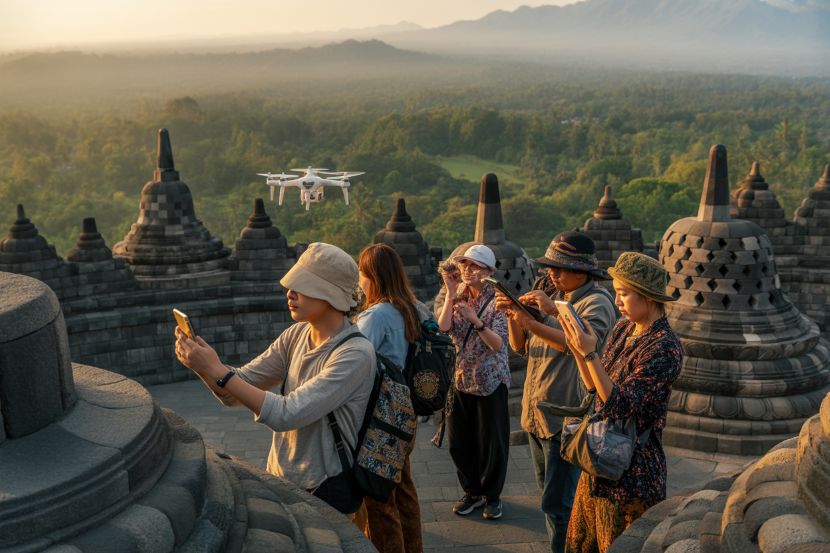
How Indonesia’s Thriving Tourism Industry Will Surpass Pre-COVID Levels in 2026, with Growth in Bali, Sumatra, and Labuan Bajo – Here’s What to Know About Its Remarkable Growth

How Indonesia’s Thriving Tourism Industry Will Surpass Pre-COVID Levels in 2026, with Growth in Bali, Sumatra, and Labuan Bajo – Here’s What to Know About Its Remarkable Growth
How Indonesia's Thriving Tourism Industry Will Surpass Pre-COVID Levels in 2026

Indonesia’s tourism industry is experiencing a remarkable resurgence, with 2026 expected to be a year of significant growth, surpassing pre-COVID levels. The country’s tourism sector has witnessed a substantial recovery, bolstered by an influx of international visitors and an impressive surge in domestic travel. With a population of over 280 million, domestic tourism alone has reached new heights, reflecting Indonesia’s status as a top destination for both locals and international travelers alike. As the nation focuses on enriching experiences and sustainable growth, the coming year presents promising opportunities for travelers to explore this vast archipelago, whether through its cultural heritage, vibrant cities, or stunning natural beauty. This article explores how Indonesia’s tourism sector is on the cusp of reaching new heights in 2026, paving the way for exciting travel prospects.

Indonesia’s Tourism Sector: On the Path to Surpassing Pre-COVID Numbers

Indonesia’s tourism recovery is not only evident in its rebound in visitor numbers but also in its enhanced quality of services and overall economic impact. In 2025, the country welcomed nearly 14 million international visitors, and with projections for 2026 targeting between 16 and 17 million arrivals, the nation’s tourism industry is set for a powerful comeback. This momentum, driven by both international and domestic tourism, signals a shift from recovery to sustained growth.

With a focus on higher-value tourism rather than just increasing foot traffic, Indonesia is aiming to increase the contribution of the sector to its GDP, a key indicator of its economic recovery. This targeted growth is underpinned by several strategic efforts, including the promotion of less-visited destinations beyond Bali, and initiatives to enhance visitor spending and job creation within the sector.

Domestic Tourism Surge: A Strong Foundation for Growth

The domestic tourism market in Indonesia is booming. In 2025, Indonesians took over 1.09 billion trips, showcasing the country’s immense internal market. With the national population topping 280 million, Indonesians are traveling more frequently, with many taking an average of three to four trips per year. This presents a huge opportunity for tourism-related businesses, creating a dynamic market for local economies across the archipelago.

Looking ahead to 2026, domestic trips are expected to increase to 1.18 billion, which will further solidify Indonesia’s status as a tourism powerhouse in Southeast Asia. Alongside this, international arrivals are expected to soar to between 16 million and 17.6 million, ensuring that Indonesia not only recovers but thrives in the tourism sector.

Economic Impact: Jobs and GDP Growth Driven by Tourism

Tourism in Indonesia is becoming an increasingly significant economic contributor. The sector employs over 25 million people, encompassing various industries from hospitality to creative arts. As travel demand rises, job creation is expected to grow, with projections for the tourism workforce to increase to 26.5 million by the end of 2026.

Tourism’s contribution to Indonesia’s GDP has reached approximately 4% by the third quarter of 2025. With a target contribution of 4.6% by 2026, the sector is poised to generate between $22 billion to $24.7 billion in tourism receipts, driven by higher visitor spending and growing international demand.

Strategic Focus on Priority Markets

Given the geographical expanse of Indonesia—spanning over 17,000 islands—the country’s tourism strategy has become increasingly targeted. The government has identified 15 priority markets based on factors such as growth potential, connectivity, and visitor spending patterns. These key markets include Japan, Malaysia, Singapore, India, Saudi Arabia, Germany, the UK, and France.

Each of these countries presents unique opportunities, whether through established travel routes or emerging travel trends. For example, India’s growing middle class and the increasing number of direct flights from Saudi Arabia to Indonesia open new doors for the nation’s tourism growth. With the right marketing and infrastructure, Indonesia aims to draw even more visitors from these priority regions.

Enhancing Visitor Experience: Tourism 5.0 and AI Integration

Indonesia is embracing technological innovation to improve the tourist experience, with AI-driven solutions playing a key role. The country’s Ministry of Tourism launched Tourism 5.0 in late 2025, a digital transformation initiative aimed at creating personalized travel experiences for visitors.

At the heart of this transformation is MAIA, an artificial intelligence travel companion that helps visitors navigate their journeys from planning to post-arrival. By leveraging AI, Indonesia is positioning itself as a forward-thinking destination that meets the demands of modern travelers looking for convenience, customization, and seamless travel experiences.

Sustainable and Quality Tourism: Key Themes for 2026

Looking forward, Indonesia is focusing on quality tourism in 2026, emphasizing environmental responsibility, cultural respect, and meaningful travel experiences. This approach aligns with global trends where tourists are increasingly seeking out destinations that offer authentic, sustainable, and enriching experiences.

The marine tourism, wellness and health tourism, gastronomy, arts and culture, and design sectors are expected to see substantial growth as Indonesia seeks to provide visitors with more than just typical sightseeing. These niches will cater to travelers looking for deeper connections with nature, culture, and personal well-being.

Indonesia’s tourism campaign, “Go Beyond Ordinary,” launched in late 2025, emphasizes the nation’s unique blend of natural beauty, cultural diversity, and authentic experiences, making it a top destination for those seeking a diverse and memorable trip.

Travel Tips for Exploring Indonesia in 2026

  1. Explore Beyond Bali: While Bali remains a popular choice, make sure to explore some of Indonesia’s lesser-known gems such as Labuan Bajo (Flores), Yogyakarta, or Sumatra for more unique and tranquil experiences.
  2. Embrace Sustainable Travel: With a focus on sustainability, consider eco-friendly accommodations, such as those in Bali’s Ubud or Lombok, which emphasize environmental responsibility and support local communities.
  3. Dive into Cultural Experiences: Indonesia’s diverse cultures offer a rich array of experiences, from the ancient temples of Borobudur and Prambanan to the traditional arts of Ubud and Solo.
  4. Take Advantage of AI Travel Tools: With the introduction of MAIA, you can expect a more personalized travel experience. Use the AI companion to help navigate your itinerary and get customized recommendations.

Looking Ahead: A Bright Future for Indonesia’s Tourism Industry

The Indonesian tourism industry’s recovery is a remarkable success story, positioning the country to surpass pre-COVID numbers in 2026. As the sector continues to thrive, tourists can expect new innovations, more personalized experiences, and the chance to discover Indonesia’s stunning diversity. With an emphasis on quality, sustainability, and economic impact, Indonesia is set to become an even more attractive destination for international travelers and locals alike.

The post How Indonesia’s Thriving Tourism Industry Will Surpass Pre-COVID Levels in 2026, with Growth in Bali, Sumatra, and Labuan Bajo – Here’s What to Know About Its Remarkable Growth appeared first on Travel And Tour World.
❌