
 Login
Login
Is South Korea the New Global Travel Hotspot? You Won’t Want to Miss These Tourism Insights
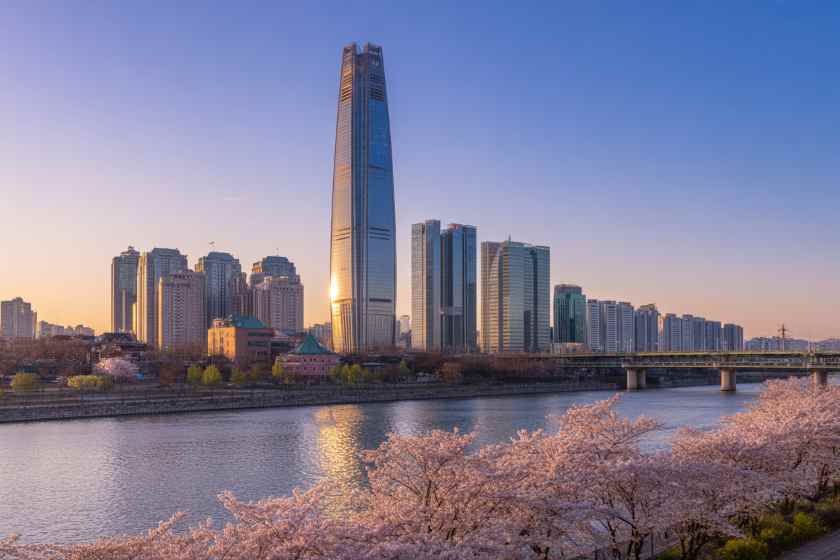
South Korea has officially revised its inbound tourism strategy, advancing its target of welcoming 30 million international visitors by 2028—two years ahead of its original goal of 2030. This revised target reflects the country’s rapid post-pandemic recovery in international travel and positions South Korea to capitalise on global interest in its cultural content and lifestyle experiences.
The announcement was made by the Ministry of Culture, Sports and Tourism (MCST) in coordination with the Korea Tourism Organisation (KTO). It comes after a careful review of performance indicators and growing demand from key source markets. With the success of South Korea’s tourism revival in 2025, the country is recalibrating its long-term tourism strategy to keep pace with the unexpected surge in inbound arrivals.
South Korea’s Tourism Boom
South Korea has experienced a remarkable tourism recovery, with official figures reporting approximately 18.7 million international arrivals in 2025, a significant rebound from the pandemic years. This surge has been largely driven by continued global fascination with Korean culture, including the global phenomenon of K-pop, the booming Korean film industry, unique Korean cuisine, and contemporary lifestyle experiences that continue to captivate tourists worldwide.
The revised inbound tourism target of 30 million visitors by 2028 marks an ambitious goal that reflects a broader trend across the Asia-Pacific region, where tourism boards are recalculating long-term plans in light of faster-than-expected market recovery. With travelers flocking to South Korea, it’s clear that the country’s appeal as a tourism destination is only growing stronger.
Tailored Marketing and Enhanced Visitor Experience
In light of this accelerated target, the Korea Tourism Organization (KTO) and the Ministry of Culture, Sports and Tourism have also updated their strategies to better meet the diverse needs of international travelers. The new tourism plan emphasizes personalized marketing, aiming to tailor promotional activities to distinct traveler profiles, including specific interests and travel motivations. This approach will allow the country to cater to the varying preferences of tourists, from culture enthusiasts to adventure seekers and luxury travelers.
A central part of this effort is improving the visitor experience. South Korean authorities are increasing focus on destination-level programming and offering more thematic tourism products. This includes niche offerings such as traditional Korean tea ceremonies, K-beauty tours, filming locations from popular dramas, and K-pop concerts, which attract international fans. The goal is to support longer stays and repeat visits, thus ensuring sustained demand and a deeper cultural immersion for tourists.
Furthermore, digital engagement has been identified as a key element of the updated strategy. South Korean tourism authorities plan to expand their use of data-driven marketing tools and targeted digital campaigns to engage with international visitors. These digital efforts will be focused on priority inbound markets such as China, Japan, the United States, and Southeast Asia, with the aim of maximising engagement through online platforms, social media, and influencer marketing.
Creating a Stronger Link Between Digital and Physical Experiences
One of the key innovations in the updated tourism strategy is the integration of online platforms to streamline the visitor experience. South Korea has been at the forefront of using technology to enhance tourism, and the new plan builds on that success by incorporating mobile apps and virtual experiences. These platforms are designed to assist tourists with everything from finding local attractions to booking tickets for events and experiencing cultural activities digitally.
South Korea is also expanding its e-visa system and improving its visa processing times to make it easier for international tourists to plan their trips. By integrating these digital systems with smart tourism technologies, the country hopes to create a seamless travel experience that keeps visitors coming back.
Strategic Focus on Popular Markets
As part of the tourism strategy update, the KTO is focusing on strengthening ties with the top source markets for international visitors, including Mainland China, Japan, Indonesia, the United States, and Vietnam. These countries have historically been strong sources of tourism for South Korea, and the updated marketing strategies aim to further attract tourists from these regions.
The country’s tourism board has also outlined plans to partner with international airlines and travel agencies to promote South Korea as an accessible and exciting destination for travelers. This includes offering special travel packages, highlighting the unique experiences that South Korea offers, and targeting emerging tourism segments like millennial travelers and solo travelers.
Economic Impact of Tourism Growth
With inbound tourism being one of South Korea’s key economic drivers, the anticipated growth in international arrivals is expected to have significant benefits for the country’s tourism-related sectors. From hospitality to food services, entertainment, and retail, the influx of tourists will contribute to job creation, business growth, and local economies.
In particular, the government’s initiatives to improve tourism infrastructure, enhance the visitor experience, and encourage sustainable tourism practices will help ensure that growth is both sustainable and beneficial to the wider population.
The Road to 30 Million Visitors
As South Korea targets 30 million visitors by 2028, the country’s tourism industry will continue to evolve, drawing on the success of previous years while adapting to the needs of new global travelers. By focusing on innovation, personalized experiences, and digital engagement, South Korea is well on its way to achieving its ambitious goal.
Whether you are a fan of K-pop, a lover of Korean cuisine, or an adventurer looking to explore the cultural treasures of Seoul, Busan, and beyond, South Korea offers an ever-expanding range of experiences for international tourists. With these new strategies in place, travelers can look forward to an even more dynamic and accessible tourism destination.
South Korea is accelerating its tourism growth by updating strategies to reach 30 million international visitors by 2028. With enhanced digital marketing, personalized experiences, and expanded tourism products, the country is positioning itself as a global leader in the tourism sector.
The post Is South Korea the New Global Travel Hotspot? You Won’t Want to Miss These Tourism Insights appeared first on Travel And Tour World.