
 Login
Login
Morocco Joins Nigeria, Egypt, Ghana, Algeria, Senegal, and Others in Facing a Travel Setback to the US as the Government Cracks Down on Economic Stability by Freezing Visa Processing for Nationals of Over Twenty Six African Countries Starting This Month
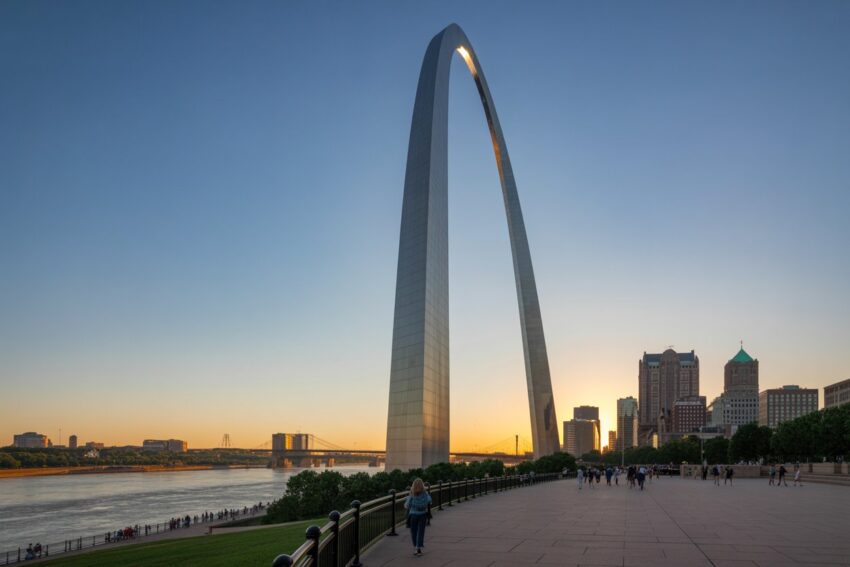
Starting in February 2026, Morocco joins Nigeria, Egypt, Ghana, Algeria, Senegal, and several other nations in facing significant travel setbacks to the U.S. due to the U.S. government’s decision to freeze visa processing for nationals from over 26 African countries. This drastic measure, part of an effort to ensure economic stability and mitigate concerns about public charge, has led to the suspension of immigrant visa applications for citizens from these countries, disrupting the ability of many to travel to the U.S. for work, study, or family reunification. While non-immigrant visas, such as tourist and student visas, remain unaffected, the freeze on immigrant visas means significant delays and uncertainty for those seeking permanent residency. This move is part of a broader U.S. initiative to address financial self-sufficiency and tighten vetting procedures for applicants from these regions. The visa freeze is expected to create considerable travel and immigration challenges for these nations, further complicating the journey for many aspiring to move to the U.S.
Egypt: Immigrant Visa Pause and Impact on Travel

Egypt faces a significant disruption in its ability to send immigrants to the U.S. due to the Immigrant Visa pause. For Egyptians, the primary impact will be on their ability to obtain Green Cards. This includes spouses of U.S. citizens, high-skilled workers, and Diversity Visa winners who are now effectively blocked from entering the U.S. until the Department of State clears their country for approval. Immigrant Visa interviews continue, but many applicants are left in a limbo of “administrative processing,” unable to get their visas stamped. However, non-immigrant visas, such as tourist (B1/B2), remain accessible, albeit under increased scrutiny.
The U.S. Consulate now places heightened demands on applicants, particularly focusing on proof of private health insurance and liquid assets. This makes the approval process even more challenging for many Egyptians, especially given the economic struggles facing the country. Additionally, Egypt’s social media and financial practices are increasingly scrutinized, which further complicates the visa approval process for younger travelers and those in higher-risk categories. This combination of increased documentation, the need for better financial standing, and more rigorous background checks adds additional layers of difficulty for Egyptians trying to travel to the U.S., both temporarily and permanently.
- Immigrant Visa pause means no Green Cards for Egyptian applicants.
- B1/B2 visas remain available, but under significant scrutiny.
- Proof of private health insurance and liquid assets required for approval.
- Increased scrutiny of social media and financial history, especially for younger travelers.
- Applicants face administrative processing delays instead of visa issuance.
Morocco: Visa Pause and Increased Scrutiny
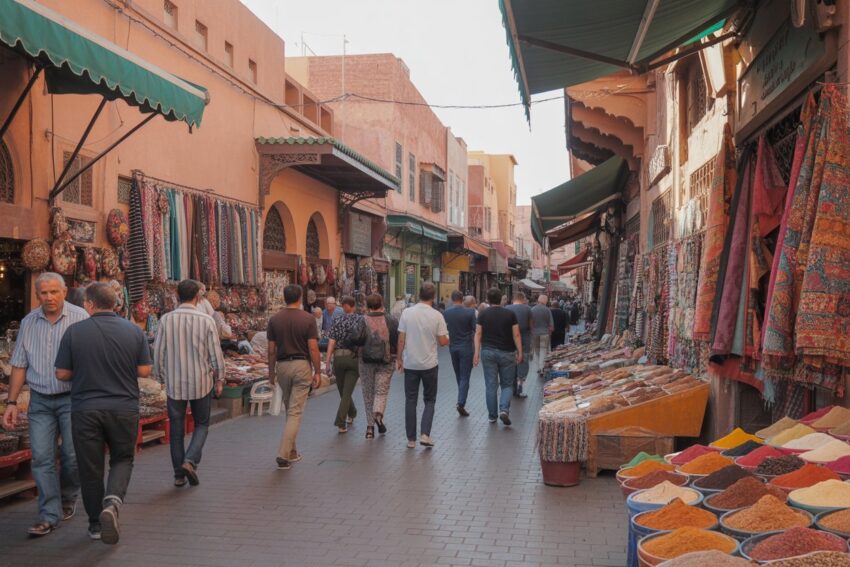
Morocco is among the countries that have seen a severe restriction on the issuance of U.S. Immigrant Visas. This move impacts many Moroccan families, skilled workers, and Diversity Visa winners who can no longer proceed with the application process. Moroccan nationals are facing what is essentially a halted pipeline to the U.S. on a permanent basis, leaving many in a state of uncertainty about their future prospects of relocation. U.S. consular officers continue to conduct interviews, but rather than issuing visas, they are often placing applicants into “administrative processing.”
For those seeking to enter the U.S. temporarily, such as tourists or business travelers, non-immigrant visas remain a viable option, but these come with significant caveats. The approval rate for younger applicants has plummeted, largely due to the heightened scrutiny on social media usage and digital history. The U.S. Embassy requires a thorough review of applicants’ online activities, spanning up to five years, and this digital audit has led to increased denials for many Moroccans, especially youth. Additionally, the shifting nature of the “Public Charge” rule, which now requires extensive proof of financial stability, has made the visa application process more difficult. These travel hurdles, combined with the looming Immigrant Visa ban, create a dual challenge for Moroccans hoping to visit or move to the U.S.
- Immigrant Visa pause halts Green Card applications for Moroccan nationals.
- Non-immigrant B1/B2 visas still available, but face increased scrutiny.
- Social media audits and digital history reviews now required for younger applicants.
- Proof of financial stability has become more rigorous, complicating visa approvals.
- Increased denial rates for younger applicants due to social media scrutiny.
Nigeria: Restricted Immigrant Visas and Ongoing Challenges

Nigeria, with its large and diverse population, finds itself in a particularly challenging position with the latest U.S. visa changes. While the pause on Immigrant Visas is a blanket ban, affecting the ability of Nigerians to obtain Green Cards, there is an added layer of complexity: the “Partial Travel Ban” on B1/B2 visas, particularly for certain categories. This has made it difficult for Nigerians to travel for short-term business or tourism purposes as well, as visa validity is often reduced to just three months. This constraint on non-immigrant visas compounds the difficulty of the Immigrant Visa suspension.
Given the large number of Nigerians involved in U.S. business, education, and tourism, the restrictions are a major blow to both the economy and social ties between the two countries. Even though the U.S. Embassy continues to hold interviews, the approval rates for B1/B2 visas have sharply declined. Applicants now face additional documentation requirements, including more stringent evidence of financial solvency, proof of legal health insurance, and English proficiency. As with other nations on the “Public Charge” list, Nigerians must also prove they won’t become a burden to the U.S. system. The combination of limited visa validity and these new financial and health insurance requirements means that many Nigerians may find themselves unable to visit or settle in the U.S. under these harsh new rules.
- Immigrant Visa pause blocks Green Card applications for Nigerians.
- Non-immigrant B1/B2 visa validity often limited to just 3 months.
- Partial Travel Ban restricts certain categories of B1/B2 visas.
- Increased documentation requirements, including proof of health insurance and financial solvency.
- Difficult approval process due to heightened scrutiny and additional financial requirements.
Cameroon: Delays and Increased Vetting for Immigrant and Non-Immigrant Visas

For Cameroonians, the Immigrant Visa pause has resulted in a halt on U.S. Green Card issuance. As is the case with many other countries on the “Public Charge” list, applicants from Cameroon face a complete standstill on permanent relocation. Whether it’s a family-based petition or a work visa, the U.S. Consulate in Yaoundé can no longer proceed with Immigrant Visa applications until the Department of State gives the green light. For those seeking temporary entry to the U.S. on B1/B2 visas, there is still an opportunity, but it comes with its own set of hurdles.
The primary obstacle for Cameroonians hoping to travel temporarily is the extended processing time and enhanced vetting of visa applicants. The consulate’s focus on public benefit records, as well as more thorough background checks on financial status, creates a significant bottleneck. Cameroonians from high-risk backgrounds, such as those with past interactions with public assistance programs, find themselves facing delays and greater scrutiny. For many, these long delays have disrupted travel plans, particularly for students or business professionals trying to attend conferences or meetings in the U.S. The combination of high scrutiny, delays in processing, and the ever-expanding need for biometric data further complicates the already difficult process of traveling to the U.S.
- Immigrant Visa pause halts Green Card issuance for Cameroonians.
- Non-immigrant B1/B2 visas face longer processing times and enhanced vetting.
- Public benefit records and financial status now scrutinized more heavily.
- Increased delays in visa processing, particularly affecting students and business travelers.
- Additional biometric data requirements increase complexity for applicants.
Algeria: Challenges in Securing U.S. Travel and Immigration

Algeria, like many nations on the “Public Charge” list, has been hit by the U.S. Immigrant Visa pause. This means that Algerians, particularly those with familial ties to U.S. citizens or those seeking high-skilled work visas, will not be able to proceed with their Green Card applications for the foreseeable future. However, the situation is not quite as bleak for non-immigrant travelers, as B1/B2 visas remain available. The catch, however, is that these visas come with increased scrutiny and extra documentation requirements.
Algerians seeking U.S. entry must now prove their financial self-sufficiency through extensive documentation, and consular interviews are now being conducted in English to test applicants’ self-sufficiency skills. This has added an extra challenge for many, particularly those who may not be as fluent in English. In addition to financial proofs, consular officers also demand health insurance coverage and verification that travelers are not planning to overstay their visas. These factors make the process of securing a U.S. visa more burdensome for Algerians, as they must navigate the additional documentation and heightened scrutiny to ensure their application is successful.
- Immigrant Visa pause affects Green Card applicants from Algeria.
- Non-immigrant B1/B2 visas require extensive proof of financial self-sufficiency.
- Interviews conducted in English to test applicants’ self-sufficiency.
- Health insurance and verification of intent to return required for approval.
- Additional documentation and increased scrutiny add complexity to the application process.
Senegal: Travel Restrictions and Affidavit of Support Scrutiny

Senegal faces its own set of travel challenges as a result of the Immigrant Visa pause. Like many other countries, the Immigrant Visa process has been effectively frozen for Senegalese applicants, including those hoping to join family members in the U.S. or obtain a work-based visa. The U.S. Embassy in Dakar continues to process non-immigrant visa applications, but the landscape for Senegalese travelers has changed significantly, with heightened scrutiny on even the most straightforward applications.
One of the most significant hurdles for Senegalese travelers is the increased focus on the “Affidavit of Support” (Form I-864), which now requires more thorough verification. This form, which is used to show that an applicant will not rely on U.S. government assistance, has become a point of contention. Applicants must provide more detailed financial documentation, which often includes extensive proof of income, assets, and liabilities. This has made the approval process much more difficult for individuals seeking to visit the U.S. on a short-term basis. Combined with the ongoing Immigrant Visa suspension, these travel restrictions create a complex and challenging environment for Senegalese travelers, particularly for those who are trying to visit family members or attend business meetings in the U.S.
- Immigrant Visa pause freezes Green Card applications for Senegalese citizens.
- Non-immigrant visas face heightened scrutiny, particularly around the Affidavit of Support.
- Applicants must provide extensive financial documentation.
- Verification of income, assets, and liabilities now a major hurdle for travelers.
- Travel to visit family or attend business meetings increasingly difficult due to the pause.
Ghana: Increased Fees and Scrutiny for U.S. Travel

Ghana’s visa landscape has been affected by the Immigrant Visa pause, just as it has been for many African nations on the “Public Charge” list. The pause on Immigrant Visas means that Ghanaians seeking to permanently relocate to the U.S. through family sponsorship or employment-based Green Cards will face considerable delays. While non-immigrant visas remain technically available, the process for securing them has become significantly more challenging.
For Ghanaians attempting to travel on B1/B2 visas, the U.S. Embassy has imposed additional fees, significantly increasing the financial burden on applicants. Along with this, there are now expanded biometric data collection requirements, adding to the already complex application process. The combination of higher costs and the demand for more extensive biometric information has made it harder for ordinary travelers to afford the visa process. Additionally, Ghanaians must now demonstrate even more financial stability, with consular officers scrutinizing applicants’ ability to pay for their trip and prove they will not overstay their visa. These additional hurdles mean that traveling to the U.S. for business or tourism has become an increasingly difficult proposition for Ghanaians in 2026.
- Immigrant Visa pause prevents Green Card issuance for Ghanaians.
- B1/B2 visa fees have been increased, adding financial strain on applicants.
- Expanded biometric data collection requirements complicate the process.
- Proof of financial stability and ability to cover trip costs now heavily scrutinized.
- Increased difficulty for ordinary travelers to afford the visa process.
Impact of the 2026 U.S. Immigrant Visa Pause on African Nations
The U.S. Department of State’s Immigrant Visa pause, effective from February 2, 2026, affects 26 African nations. These countries are currently undergoing a “screening and vetting review” to determine whether applicants from these regions might become a public charge—meaning they could rely on U.S. government benefits. While the pause halts the issuance of immigrant visas (including Green Cards), it does not constitute a total ban on travel. Nationals from these countries can still attend their visa interviews, but even if approved, their visas will not be printed until the review process for that specific country is completed. Importantly, non-immigrant visas (e.g., B1/B2 for tourists, F-1 for students, and temporary work visas) are not affected by this pause, allowing short-term travel to the U.S. for citizens of these nations. However, the Diversity Visa (DV) lottery is also impacted, as it falls under the category of immigrant visas. Dual nationals of affected countries who hold passports from nations not included in the 75-country list are exempt from this pause.
| Region | Countries Affected |
|---|---|
| North Africa | Algeria, Egypt, Libya, Morocco, Tunisia |
| West Africa | Cape Verde, Côte d’Ivoire, The Gambia, Ghana, Guinea, Liberia, Nigeria, Senegal, Sierra Leone, Togo |
| East Africa | Eritrea, Ethiopia, Rwanda, Somalia, South Sudan, Sudan, Tanzania, Uganda |
| Central Africa | Cameroon, Democratic Republic of the Congo, Republic of the Congo |
- Immigrant Visa Pause: 26 African countries affected.
- Impact on Diversity Visa (DV) Lottery: Winners from these countries are unable to receive their immigrant visas.
- Non-Immigrant Visas: Tourist (B1/B2), student (F-1), and temporary work visas remain unaffected.
- Dual Nationals: Exempt if holding a passport from a country not on the 75-country list.
Starting in February 2026, Morocco joins Nigeria, Egypt, Ghana, Algeria, Senegal, and others in facing travel setbacks to the U.S. as the government freezes visa processing for nationals from 26+ African countries, aiming to ensure economic stability.
Conclusion
Morocco joins Nigeria, Egypt, Ghana, Algeria, Senegal, and several other countries in facing significant travel setbacks to the U.S. as the government enforces a visa freeze for nationals from 26+ African countries. This move, aimed at ensuring economic stability, underscores the U.S. government’s focus on tightening immigration procedures and addressing concerns over financial self-sufficiency. While non-immigrant visas remain unaffected, the pause on immigrant visa processing creates considerable uncertainty for those seeking permanent residency, impacting many individuals and families hoping to move to the U.S.
The post Morocco Joins Nigeria, Egypt, Ghana, Algeria, Senegal, and Others in Facing a Travel Setback to the US as the Government Cracks Down on Economic Stability by Freezing Visa Processing for Nationals of Over Twenty Six African Countries Starting This Month appeared first on Travel And Tour World.
