
Reading view

Singapore’s New No-Boarding Directive Shakes Up Travel: Is Your Flight at Risk? Discover What You Need to Know Before Boarding!

Singapore’s New No-Boarding Directive Shakes Up Travel: Is Your Flight at Risk? Discover What You Need to Know Before Boarding!

In a move aimed at enhancing border security and streamlining the immigration process, Singapore has introduced the No-Boarding Directive (NBD). This pre-departure check, which came into effect on January 30, 2026, is a critical addition to Singapore’s robust immigration policy. The directive ensures that only eligible passengers are allowed to board flights heading to Singapore, preventing high-risk or ineligible travellers from entering the country. Here’s what you need to know about this new rule, its implications, and who could be affected.

What is the No-Boarding Directive?

The No-Boarding Directive is designed to strengthen Singapore’s border security by addressing potential issues before passengers even board their flights. The system applies to all flights heading to Singapore, whether they land at Changi Airport or Seletar Airport. Using advance passenger information, including details from flight manifests and the SG Arrival Card, Singapore’s Immigration & Checkpoints Authority (ICA) conducts a pre-departure screening.

If any passengers are flagged as ineligible for entry — whether due to lacking a valid visa or other immigration issues — the No-Boarding Directive will be sent directly to the airline, instructing them not to allow the passenger to board the flight.

The new directive ensures that only those who meet Singapore’s strict entry conditions can travel to the country, preventing problematic passengers from arriving at immigration counters and causing delays.

How Does It Work?

The process begins with the collection of advance passenger information through the flight manifests and the SG Arrival Card. These details are used to conduct a thorough screening of each passenger before their flight departs. If a passenger is flagged as ineligible or prohibited from entering Singapore, the airline will receive the directive to stop them from boarding.

Types of Passengers Who Could Be Flagged

Several factors can cause a passenger to be flagged by the ICA. These include:

  • Passengers without a valid visa: If a traveller doesn’t have the necessary visa or their visa is expired, they will not be allowed to board.
  • Passengers with less than six months of passport validity: Many countries, including Singapore, require that a passport has at least six months of validity before entry. Passports with insufficient validity will lead to denial of boarding.
  • Failure to submit the SG Arrival Card correctly: The SG Arrival Card must be submitted accurately by all incoming travellers. Errors or missing information could lead to the issuance of the No-Boarding Directive.
  • Passengers flagged for prior immigration or security issues: Travellers who have been flagged by authorities in the past due to security risks or immigration violations are also at risk of being flagged under the new directive.

Previously, passengers with these issues would only be stopped at Singapore’s immigration counters. However, the No-Boarding Directive ensures that these concerns are addressed earlier, preventing travellers from boarding in the first place.

What Happens If a Passenger is Denied Boarding?

Being denied boarding under the No-Boarding Directive does not mean a permanent ban on entering Singapore. If a passenger is affected by this directive, they still have the option to contact the ICA through the Feedback Channel to seek further clarification or resolution regarding their entry status.

This provides a transparent avenue for affected passengers to resolve any issues and potentially have the directive reversed if the circumstances change or if there was an error in the screening process. However, it is important to note that the directive is not a denial of entry per se but a preventive measure to avoid potential disruptions during arrival.

Enforcement and Penalties for Airlines

Airlines have a crucial role in enforcing the No-Boarding Directive. If an airline allows a flagged passenger to board despite receiving the directive, they could face heavy penalties. Under the Immigration Act, non-compliant airlines could be fined up to SGD 10,000. Additionally, airline staff who fail to follow the directive could face disciplinary actions, ensuring that all airlines operating flights to Singapore adhere strictly to these new rules.

Impact on Airlines and Passengers

The implementation of the No-Boarding Directive will have significant implications for both airlines and passengers. For airlines, it means additional checks at the check-in counters to ensure that each passenger complies with Singapore’s entry requirements. This could involve verifying the validity of visas, ensuring the SG Arrival Card is submitted correctly, and checking passport validity.

For passengers, the key takeaway is the importance of ensuring that all required documents are in order before boarding a flight to Singapore. Those travelling to Singapore should make sure that their passport has sufficient validity, their visa is in place, and the SG Arrival Card is correctly submitted. Passengers who are unsure about any of these requirements should check with their airline or Singapore’s ICA well in advance.

Exceptions and Recourse

While the No-Boarding Directive may seem like a strict measure, it is not an absolute barrier. If a passenger is flagged and denied boarding, they still have the opportunity to appeal or resolve the issue before the flight departs. As long as the passenger can resolve the problem with the ICA, they can still be granted permission to board a future flight.

It’s also worth noting that the No-Boarding Directive is a step toward enhancing Singapore’s reputation as a high-security travel hub. The initiative is expected to reduce the chances of passengers with unresolved immigration issues causing delays and disruptions at Singapore’s busy airports, particularly Changi Airport, which is one of the busiest transit hubs in the region.

Conclusion: A Step Toward Better Security and Efficiency

The No-Boarding Directive in Singapore represents a significant step forward in streamlining immigration procedures and ensuring the safety and security of the country’s borders. By identifying high-risk or ineligible passengers before they even board their flight, the directive helps reduce delays and smoothens the process at immigration counters.

Airlines will need to be extra vigilant during the check-in process to ensure that all passengers meet the necessary requirements for entry. For travellers, it’s essential to prepare all necessary documents well in advance to avoid any disruptions.

With the introduction of the No-Boarding Directive, Singapore is continuing to enhance its reputation as a global leader in travel security and border management, setting an example for other countries in the region and worldwide.

The post Singapore’s New No-Boarding Directive Shakes Up Travel: Is Your Flight at Risk? Discover What You Need to Know Before Boarding! appeared first on Travel And Tour World.
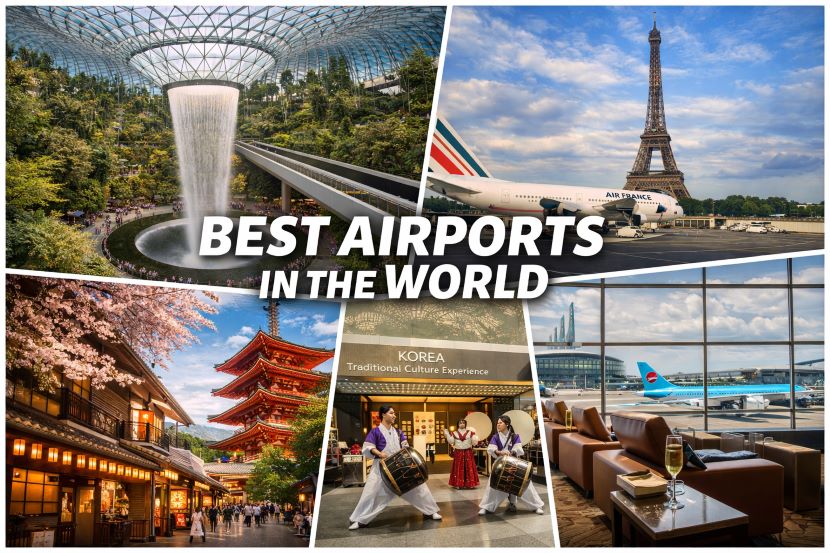
Singapore Changi Airport Joins Tokyo Haneda, Incheon International, Paris Charles de Gaulle And More As Top 10 Best Travel Airports: Unlock the Secrets of First-Class Travel!

Singapore Changi Airport Joins Tokyo Haneda, Incheon International, Paris Charles de Gaulle And More As Top 10 Best Travel Airports: Unlock the Secrets of First-Class Travel!

Airports are no longer just transit points; they’ve become destinations in themselves. As global travel continues to evolve, certain airports stand out not just for their size or efficiency, but for the luxurious experience they offer travelers. Among these, Singapore Changi Airport, Tokyo Haneda, Incheon International, and Paris Charles de Gaulle have cemented their places as part of the world’s Top 10 Best Travel Airports. These airports offer travelers a unique blend of high-end shopping, exceptional amenities, and seamless service. Whether it’s Singapore Changi’s butterfly garden, Tokyo Haneda’s cultural experiences, or Paris Charles de Gaulle’s luxury boutiques, these airports have transformed air travel into a journey of comfort and discovery. Join us as we explore the best in travel and unlock the secrets behind these world-class airports that have redefined first-class travel.

1. Singapore Changi Airport (SIN)

Often referred to as the gold standard in airport excellence, Singapore Changi Airport has consistently ranked as the best airport in the world for several years. With its unrivaled facilities and commitment to customer satisfaction, Changi offers travelers an airport experience that is a class apart.

Attractions at Changi Airport: Changi Airport is home to the iconic Jewel Changi, a sprawling shopping and entertainment complex featuring the world’s tallest indoor waterfall, the Rain Vortex. Additionally, there is a butterfly garden, a rooftop swimming pool, and even a free movie theater. These attractions make the airport not just a transit point, but a destination in itself.

2. Hamad International Airport (DOH)

Located in Doha, Qatar, Hamad International Airport has quickly gained a reputation as one of the most advanced and aesthetically stunning airports in the world. Opened in 2014, Hamad International offers a blend of modern technology, high-end services, and luxurious experiences. With its futuristic design and stunning artwork, the airport has become a symbol of Qatar’s ambition to position itself as a leader in global air travel.

Attractions at Hamad International: The airport features massive artwork installations, such as the Mimmo Paladino’s “The Bull” sculpture, which greets passengers. It also boasts luxury lounges, high-end retail shops, and an indoor train system that provides seamless connectivity between terminals. The airport’s Qatar Airways Premium Terminal is a luxurious stopover for travelers seeking comfort during layovers.

3. Tokyo Haneda Airport (HND)

Serving as one of Japan’s two major international airports, Tokyo Haneda Airport is lauded for its impeccable cleanliness, orderliness, and user-friendly experience. Located closer to the heart of Tokyo, Haneda is often preferred by travelers for its proximity to the city, compared to its counterpart, Narita Airport.

Attractions at Haneda Airport: Haneda’s terminal facilities feature Japanese cultural experiences like tea ceremonies, interactive displays about Japanese history, and a wide array of traditional Japanese dining options. The airport also offers a shopping arcade where travelers can buy authentic Japanese goods such as souvenirs, local crafts, and electronics.

4. Incheon International Airport (ICN)

Located in Seoul, South Korea, Incheon International Airport is often ranked as one of the most efficient and best-connected airports globally. Opened in 2001, Incheon has garnered a reputation for offering travelers the ultimate convenience with its well-organized terminals and world-class services.

Attractions at Incheon Airport: Incheon is famous for its cultural museum, where visitors can enjoy Korean art and history. For those with long layovers, the airport also offers a spa, luxury shopping, and a free shuttle service to nearby attractions in Seoul. Travelers can also enjoy indoor gardens and even ice-skating during the winter season.

5. Narita International Airport (NRT)

Located just outside Tokyo, Narita International Airport is one of the busiest airports in Japan and a major hub for international flights, especially between Japan and the United States. While not as close to Tokyo as Haneda, Narita offers excellent transport links to the city and is known for its extensive facilities catering to international travelers.

Attractions at Narita Airport: Narita is renowned for its duty-free shopping and offers a vast range of Japanese retail options, from electronics to fashion. The airport also has several Japanese dining establishments that serve authentic food, including sushi and ramen. Travelers can also experience Japanese culture through its art exhibits and cultural center.

6. Hong Kong International Airport (HKG)

Hong Kong International Airport is an iconic airport known for its high standard of service, extensive shopping, and impressive range of dining options. Located on the island of Chek Lap Kok, this airport has been ranked among the best in the world for several years due to its efficient design and seamless passenger experience.

Attractions at Hong Kong Airport: HKG features a golf course, where travelers can relax and play a round during a long layover. There’s also a sky city shopping mall, which offers luxury brands and a variety of restaurants. For cultural immersion, travelers can explore local Hong Kong food stalls or shop for unique souvenirs at the duty-free shops offering traditional goods.

7. Paris Charles de Gaulle Airport (CDG)

Paris Charles de Gaulle Airport is one of the largest and busiest airports in Europe, serving as a major gateway to France and Europe as a whole. Located just 25 kilometers north of the city, CDG is not only famous for its role as a transportation hub but also for its architectural beauty.

Attractions at Charles de Gaulle: CDG is famous for its luxury shopping with boutiques from high-end designers like Chanel and Louis Vuitton. Travelers can also indulge in fine French cuisine at various airport restaurants that serve exquisite dishes. The airport is also home to art exhibitions and several French cultural experiences that offer visitors a taste of Parisian life before they even leave the terminal.

8. Rome Fiumicino Airport (FCO)

As the main international airport in Italy, Rome Fiumicino Airport is not only a gateway to one of the most historical cities in the world but also an airport that strives to offer modern services and an enjoyable passenger experience. Serving millions of visitors annually, Fiumicino is an essential hub for travelers exploring Europe and beyond.

Attractions at Fiumicino: FCO boasts a range of duty-free shops offering Italian fashion, jewelry, and luxury goods. The airport also has several restaurants serving authentic Italian pizza, pasta, and espresso, allowing travelers to indulge in Italy’s rich culinary heritage. With ample lounges and spacious waiting areas, passengers can enjoy comfort and relaxation while waiting for their flights.

9. Munich Airport (MUC)

Germany’s Munich Airport is frequently praised for its efficiency, excellent facilities, and unique attractions, including an indoor beer garden. Whether you’re traveling to Germany or connecting to other European cities, Munich Airport offers a blend of old-world charm and modern design.

Attractions at Munich Airport: Munich Airport is home to an indoor beer garden, where passengers can relax and sample local German beer and food. Additionally, there are family-friendly features, such as children’s play areas and interactive exhibits. The airport’s luxury shopping district offers top German and international brands, and there are plenty of opportunities to experience traditional German culture while waiting.

10. Zurich Airport (ZRH)

Zurich Airport is Switzerland’s busiest and largest international airport. Located in the heart of the Swiss Alps, Zurich Airport is known for its exceptional cleanliness, orderliness, and the high level of service provided to passengers. It is frequently ranked among the best airports due to its efficiency and stunning design.

Attractions at Zurich Airport: Zurich Airport offers Swiss luxury shopping, with high-end brands and Swiss-made products. Travelers can also enjoy Swiss cuisine in several airport restaurants, where they can taste fondue and other local specialties. For relaxation, Zurich features a spa and an art gallery showcasing Swiss artists, making it a cultural hub as well.

AirportNotable Attractions
Singapore Changi Airport (SIN)Jewel Changi (Rain Vortex), Butterfly Garden, Rooftop Pool
Hamad International Airport (DOH)Art Installations (Mimmo Paladino’s “The Bull”), Luxury Lounges
Tokyo Haneda Airport (HND)Japanese Cultural Experiences (Tea Ceremonies, Dining Options)
Incheon International Airport (ICN)Cultural Museum, Indoor Gardens, Ice Skating Rink
Narita International Airport (NRT)Duty-Free Shopping, Japanese Dining, Cultural Exhibits
Hong Kong International Airport (HKG)Golf Course, Sky City Shopping Mall, Hong Kong Food Stalls
Paris Charles de Gaulle Airport (CDG)Luxury Shopping, French Cuisine, Art Exhibitions
Rome Fiumicino Airport (FCO)Italian Luxury Goods, Fine Dining, Lounges
Munich Airport (MUC)Indoor Beer Garden, Children’s Play Areas, German Culture
Zurich Airport (ZRH)Swiss Luxury Shopping, Swiss Cuisine, Art Gallery

Conclusion

The world’s best airports go beyond just facilitating travel—they create exceptional experiences for every passenger. Singapore Changi, Tokyo Haneda, Incheon International, and Paris Charles de Gaulle stand at the forefront of this transformation, offering travelers more than just a place to catch a flight. From luxurious amenities to world-class customer service, these airports have set new standards for comfort, convenience, and elegance. With their cutting-edge designs, remarkable facilities, and thoughtful innovations, they are making travel more enjoyable and memorable than ever before. Whether you’re flying for business or leisure, these airports ensure that your journey begins and ends on the highest note possible. Discover the magic of these Top 10 Best Travel Airports and elevate your travel experience to new heights.

The post Singapore Changi Airport Joins Tokyo Haneda, Incheon International, Paris Charles de Gaulle And More As Top 10 Best Travel Airports: Unlock the Secrets of First-Class Travel! appeared first on Travel And Tour World.
❌