
Reading view

HCLTech and HAESL Transform Aviation MRO Services by Introducing a Unified Digital System that Integrates Maintenance, Finance, and Material Management Processes

HCLTech and HAESL Transform Aviation MRO Services by Introducing a Unified Digital System that Integrates Maintenance, Finance, and Material Management Processes

HCLTech, a global leader in technology innovation, has partnered with Hong Kong Aero Engine Services Limited (HAESL) to revolutionize the company’s engine maintenance, repair, and overhaul (MRO) operations. Through the implementation of the iMRO/4 asset management solution, integrated with SAP S/4HANA, this collaboration aims to significantly enhance HAESL’s operational efficiency and scalability. The initiative marks a pivotal moment in the digital transformation of MRO processes in the aviation industry.

The integration of iMRO/4 with SAP S/4HANA will provide HAESL with a comprehensive, real-time data platform that streamlines workflows and improves decision-making. This collaboration will enhance HAESL’s ability to manage engine maintenance from induction through to release, resulting in faster turnaround times, improved resource utilization, and more efficient overall operations.

A Shift Toward Real-Time Data Visibility and Workflow Efficiency
HAESL’s commitment to delivering world-class MRO services is set to be greatly enhanced by the implementation of iMRO/4, a robust asset management solution developed by HCLTech. The solution, integrated with SAP S/4HANA, will provide a single, unified system for tracking and managing the entire engine maintenance lifecycle. This will allow HAESL to monitor the status of each engine in real time, ensuring improved workflow visibility and more efficient resource allocation.

By providing real-time data across every phase of the MRO process, iMRO/4 will enable HAESL to make quicker, more informed decisions. The integration of enterprise processes such as material planning and finance will further optimize operations, ensuring that maintenance schedules remain on track and resources are used effectively. This shift toward digitalization represents a major step forward in reducing operational delays and improving overall execution efficiency.

Streamlining Operations and Reducing Turnaround Times
The aviation MRO industry is highly competitive, with companies constantly striving to reduce engine downtime and optimize turnaround times. With the introduction of iMRO/4, HAESL can expect a notable reduction in turnaround times, thanks to the solution’s automation and optimization features. By enhancing internal processes and improving the allocation of resources, HAESL will be able to meet its customers’ demands for faster and more reliable engine maintenance services.

In addition to reducing turnaround times, the iMRO/4 solution’s ability to integrate data from various departments will streamline operations and improve coordination. This integration will reduce errors, eliminate redundant processes, and allow HAESL to better track the progress of each engine overhaul. As a result, HAESL’s customers will benefit from faster service, enhanced quality control, and ultimately, greater satisfaction.

Improved Cost Efficiency and Resource Utilization
Another key benefit of this partnership is the significant reduction in operational costs. The integration of iMRO/4 with SAP S/4HANA will help HAESL optimize its resource utilization, reduce waste, and improve the overall efficiency of maintenance operations. With automated workflows and data-driven insights, HAESL can better manage inventory, ensure timely procurement of parts, and minimize downtime.

Moreover, the enhanced data visibility provided by iMRO/4 will allow HAESL to proactively address any potential issues or bottlenecks before they cause delays. This will help the company minimize the costs associated with engine repairs and overhauls, while also ensuring compliance with global industry standards. By improving cost efficiency and resource allocation, HAESL will be well-positioned for long-term growth and success.

A Strategic Step for Future Growth
Ravinder Bedi, General Manager of Finance & Administration at HAESL, highlighted the importance of this digital transformation in positioning the company for future growth. “Our customers rely on consistent, high-quality service during every shop visit. By integrating iMRO/4 with SAP S/4HANA, we will provide end-to-end traceability, allowing us to track every step of the process from induction to release. This integration removes barriers and improves the efficiency of our execution,” Bedi said.

The implementation of this solution is not just about improving operational performance in the short term; it’s about positioning HAESL for continued success and scalability in the future. The ability to manage engine maintenance in real time, combined with enhanced process automation, will create a solid foundation for HAESL to meet the increasing demands of the aviation industry and grow its customer base.

Setting a New Standard for Digital Transformation in Aviation
Sandeep Sarkar, Senior Vice President for ASEAN at HCLTech, emphasized the significance of this collaboration, stating that it represents a milestone in digital innovation for the aviation MRO sector. “Our partnership with HAESL is setting a new standard for excellence in aviation maintenance. By leveraging HCLTech’s expertise in aviation and HAESL’s exceptional maintenance capabilities, we are creating a solution that enhances operational performance and provides real-time visibility into every aspect of the engine maintenance process,” Sarkar said.

This partnership is not only about improving the operational efficiency of HAESL but also about setting a benchmark for the industry as a whole. As the aviation sector increasingly turns to digital solutions to optimize operations, the collaboration between HCLTech and HAESL is paving the way for other companies to follow suit. The combination of real-time data, process automation, and enterprise integration will allow aviation MRO providers to meet the ever-growing demands of the industry while ensuring operational excellence.

Long-Term Vision: Sustainability and Scalability for the Future
In conclusion, the HCLTech-HAESL partnership represents a significant leap toward the future of digital MRO operations in the aviation industry. By leveraging cutting-edge solutions like iMRO/4 and SAP S/4HANA, HAESL will not only optimize its operations but also create a scalable and sustainable model for long-term growth. The benefits of real-time data, improved decision-making, and streamlined workflows will allow HAESL to stay ahead of the curve and maintain its competitive edge in the global aviation market.

As the aviation industry continues to evolve, the importance of digital solutions in MRO operations will only increase. The collaboration between HCLTech and HAESL serves as a powerful example of how technology can transform the way companies in the aviation sector approach engine maintenance, repair, and overhaul. By embracing innovation and leveraging the power of digital tools, HAESL is setting a new standard for efficiency, transparency, and operational excellence that others in the industry can look to emulate.

The post HCLTech and HAESL Transform Aviation MRO Services by Introducing a Unified Digital System that Integrates Maintenance, Finance, and Material Management Processes appeared first on Travel And Tour World.
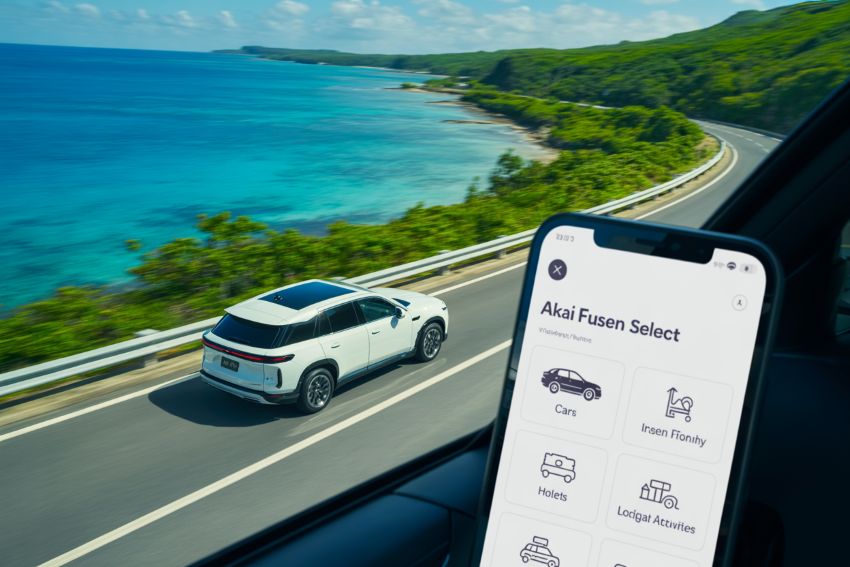
Elevating Japanese Exploration: Nippon Travel Agency Debuts Customizable ‘Akai Fusen Select’ for Tailored Domestic Travel

Elevating Japanese Exploration: Nippon Travel Agency Debuts Customizable ‘Akai Fusen Select’ for Tailored Domestic Travel

A significant shift in the landscape of domestic Japanese tourism has been initiated by Nippon Travel Agency (NTA). As the digital demands of modern explorers continue to lean toward flexibility and personalization, the agency has responded with the launch of its latest web-based service, “Akai Fusen Select”. Introduced to the public on February 5, this platform represents a departure from the rigid structures of traditional package tours. By prioritising traveller autonomy, the service is designed to allow for the seamless integration of various destination-based tourism components into a single, cohesive itinerary.

For decades, the standard for individual travel bookings through major Japanese agencies was largely confined to two primary silos: simple accommodation-only reservations or pre-packaged “dynamic” sets that bundled transportation with hotel stays. While functional, these options often left a gap for travellers who desired a more granular level of control over their daily activities and local logistics. With the introduction of this new interface, the ability to curate a personalized journey is being placed directly into the hands of the user, moving away from the “one-size-fits-all” mentality that once dominated the industry.

Strategic Focus on Hokkaido and Okinawa

The geographical scope of this initial rollout has been strategically narrowed to Japan’s two most distinct outlying regions: the northern frontier of Hokkaido and the subtropical archipelago of Okinawa. These destinations were selected not only for their enduring popularity among domestic and international tourists but also for their unique logistical requirements. Both regions are characterized by sprawling landscapes where public transportation, while efficient in urban centres, may not reach the more secluded natural wonders that travellers increasingly seek.

The sales window for these specific travel products is scheduled to run from April 1 through October 31. This timeframe aligns perfectly with the peak seasons for both regions—the lush green summers of Hokkaido and the prime beach weather of Okinawa. By focusing on these high-demand locales, Nippon Travel Agency is positioning Akai Fusen Select as a premium tool for seasonal exploration. It is expected that as the platform matures, additional prefectures and diverse local experiences will be incorporated into the booking engine.

Integrating Mobility: The Role of Rental Cars

In the initial phase of the Akai Fusen Select launch, a heavy emphasis is being placed on mobility. Specifically, rental car services have been identified as the cornerstone of the new offerings. For the first time within this specific web product, vehicles from industry leaders such as Toyota Rent a Car and ORIX Rent-A-Car can be selected and combined with existing travel plans. This integration is a direct response to the “road trip” culture that has seen a resurgence in a post-pandemic world, where privacy and the freedom to deviate from a fixed schedule are highly valued.

The logistics of renting a vehicle in Japan are often viewed as a hurdle for many travellers due to language barriers or fragmented booking systems. Through this new platform, the process is being streamlined. A wide variety of vehicle classes is offered, ensuring that whether a solo traveller requires a compact fuel-efficient model or a large family needs a spacious minivan, the appropriate transportation is made available. The inclusion of these major rental providers ensures a high standard of service and a wide network of pick-up and drop-off locations across the targeted prefectures.

Future Horizons: Local Activities and Culinary Experiences

While the current utility of the platform is centred on transportation and lodging, the roadmap for Akai Fusen Select is much more expansive. Plans are currently being developed to include a vast array of local activities and dining options. Soon, the booking of traditional tea ceremonies, guided wilderness hikes in Hokkaido’s national parks, and exclusive dining reservations in Okinawa’s coastal villages will be facilitated through the same portal.

This transition toward “activity-based” travel is reflective of a broader global trend where the “experience” is considered just as important as the destination itself. By allowing travellers to prepay and schedule these nuances of their trip, the stress of on-site coordination is mitigated. The goal is for a complete cultural immersion to be achieved through a few clicks, ensuring that the local economies of these regions are supported by a steady stream of well-prepared visitors.

A New Standard for the Modern Traveller

The digital transformation of Nippon Travel Agency via Akai Fusen Select reflects the changing expectations of the travel public. Convenience is no longer just about a quick booking process; it is about having a wide range of options and being able to weave disparate aspects of a trip into a cohesive narrative. As the service grows in popularity during the 2026 travel season, the distinction between “package tours” and “independent travel” is expected to become increasingly blurred.

Using advanced web technologies and strategic partnerships with local service providers, a more resilient and adaptable tourism model is being developed. This approach not only benefits the traveller, but it also improves the agency’s operational efficiency by centralising multiple services. According to industry analysts, the launch of Akai Fusen Select represents a watershed moment for Nippon Travel Agency as it seeks to reclaim its position as an innovator in the highly competitive Japanese travel market.

The post Elevating Japanese Exploration: Nippon Travel Agency Debuts Customizable ‘Akai Fusen Select’ for Tailored Domestic Travel appeared first on Travel And Tour World.

AI Revolutionizes Hotel Industry: Wyndham’s New Report Reveals How Hotel Owners Are Navigating the Shift to Artificial Intelligence in 2026

AI Revolutionizes Hotel Industry: Wyndham’s New Report Reveals How Hotel Owners Are Navigating the Shift to Artificial Intelligence in 2026
Wyndham’s new 2026 report reveals how hotel owners are embracing AI but need more guidance on scaling it effectively.

As the hotel industry rapidly evolves with the integration of artificial intelligence (AI), Wyndham Hotels & Resorts is at the forefront of guiding hotel owners through this technological shift. The company’s latest Owner Trends Report, released in early February 2026, reveals key insights into how hotel owners are adopting AI and highlights the challenges they face as they scale this transformative technology. With 98% of hotel owners now incorporating AI into their operations, the report shows the growing importance of AI in shaping the future of hospitality.

Wyndham’s AI-driven growth is part of a broader trend in the travel and hospitality sector, where artificial intelligence is becoming a must-have tool for improving operational efficiency, energy management, and revenue optimization. However, while hotel owners are enthusiastic about AI’s potential, the report indicates that they are seeking more guidance on how to effectively scale AI across their businesses. The path to successful AI integration requires a combination of strategic planning, investment in technology, and support from established hotel brands like Wyndham.

AI Adoption at Scale: What Hotel Owners Are Saying in 2026

The Wyndham Owner Trends Report paints a clear picture of the growing role that AI plays in the daily operations of hotel businesses. According to the report, 64% of hotel owners are using AI to enhance operational efficiency, while 54% have turned to AI for energy optimization. Additionally, 53% are leveraging AI for revenue optimization, with the aim of improving their overall financial performance.

Despite the enthusiasm for AI, the report also reveals that only 32% of hotel owners have fully embedded AI across their operations. A significant 73% of hotel owners expressed interest in expanding AI usage, but many felt overwhelmed or uncertain about where to start. The report underscores the need for clearer guidance on how to turn early adoption into long-term success, with many hotel owners seeking practical strategies to incorporate AI into their sales, marketing, and guest services.

Key AI Use Cases in the Hotel Industry

Wyndham’s report highlights the current use cases of AI in the hotel industry. Beyond operational efficiency, AI is being used in various areas to improve guest experiences and drive profits. For instance, AI-powered systems are helping hotels reduce energy consumption, optimize room pricing, and predict guest preferences to offer personalized services. These advancements in guest service technology are reshaping how hotels operate and interact with customers, offering them a more seamless and customized experience.

In addition to these current applications, revenue optimization remains a major opportunity for hotels, with AI helping owners forecast demand and adjust pricing in real-time to maximize earnings. Wyndham’s proprietary platform, Wyndham Connect, already serves more than 5,000 hotels, logging over 12 million guest interactions and enabling hotels to use AI tools to enhance their operations and guest experiences. The company’s Connect PLUS platform, in particular, has shown positive results, improving guest satisfaction and conversion rates significantly.

Wyndham’s Role in Helping Hotels Navigate AI Adoption

Wyndham is positioning itself as a trusted partner for hotel owners as they embrace AI in their operations. The company has made significant investments in technology over the past several years, including the development of Wyndham Connect and Connect PLUS, which are scalable platforms designed to help hotel owners leverage AI to improve guest experiences, increase revenue, and optimize operations.

One of the main advantages of partnering with a well-established hotel brand like Wyndham is the guidance and support it offers to its affiliates. The report reveals that 89% of hoteliers believe that working with a brand helps in the AI adoption process, while 34% consider brand partnership essential for vetting and integrating technology. Wyndham’s AI-powered platforms help hotel owners streamline operations and enhance profitability, while its loyalty program, Wyndham Rewards, supports guest retention, providing a strong foundation for long-term growth.

Barriers to AI Adoption: Data Privacy, Costs, and Integration Challenges

Despite the many advantages of AI, the report points out that there are several barriers preventing full-scale AI adoption in the hotel industry. Data privacy and security concerns (46%) are one of the top issues that hotel owners face, especially with the increasing reliance on customer data to personalize services. Additionally, costs of AI tools (42%) and challenges related to integrating AI with legacy systems (40%) are also significant hurdles for many hotels.

Another major concern for hotel owners is human oversight. The report reveals that 57% of hotel owners want AI decisions to be reviewed by humans before being implemented. This ensures that critical decisions, such as pricing and guest services, align with the brand’s values and maintain a human touch that is crucial to guest satisfaction.

The Future of AI in the Hotel Industry: Confidence and Growth Plans

Despite these barriers, the outlook for AI in the hotel industry remains positive. According to the report, 90% of hotel owners are optimistic about 2026, and 95% are confident about the next five years. This optimism is reflected in their growth plans, with 79% of hotel owners planning to expand their portfolios over the next five years. The growing adoption of AI will likely play a key role in these expansion efforts, allowing hotels to scale efficiently and enhance their guest offerings.

Wyndham has already invested over $375 million in technology since 2018 and continues to expand its AI capabilities, forging partnerships with Google and Amazon to improve AI-powered search visibility. As the industry continues to evolve, Wyndham’s focus on technology investments and operational support will position it as a leader in AI adoption and hotel industry innovation.

Conclusion: Navigating the AI Revolution in the Hotel Industry

The rise of artificial intelligence in the hotel industry is no longer a futuristic concept—it’s here, and it’s shaping the way hotels operate. Wyndham’s Owner Trends Report reveals that while hotel owners are embracing AI, they still need guidance on how to effectively scale these technologies to drive long-term growth and success. As the industry continues to adopt AI at scale, hotel brands like Wyndham are well-positioned to help owners navigate this complex transition, ensuring that the hospitality sector remains innovative, efficient, and guest-focused for years to come.

The post AI Revolutionizes Hotel Industry: Wyndham’s New Report Reveals How Hotel Owners Are Navigating the Shift to Artificial Intelligence in 2026 appeared first on Travel And Tour World.
❌