
 Login
Login
Vietnam’s Digital Travel Revolution: How Hanoi, Saigon, and Other Major Cities Are Driving an Eight Billion Dollar Industry by 2030 – Here’s What to Know for 2026 and Beyond
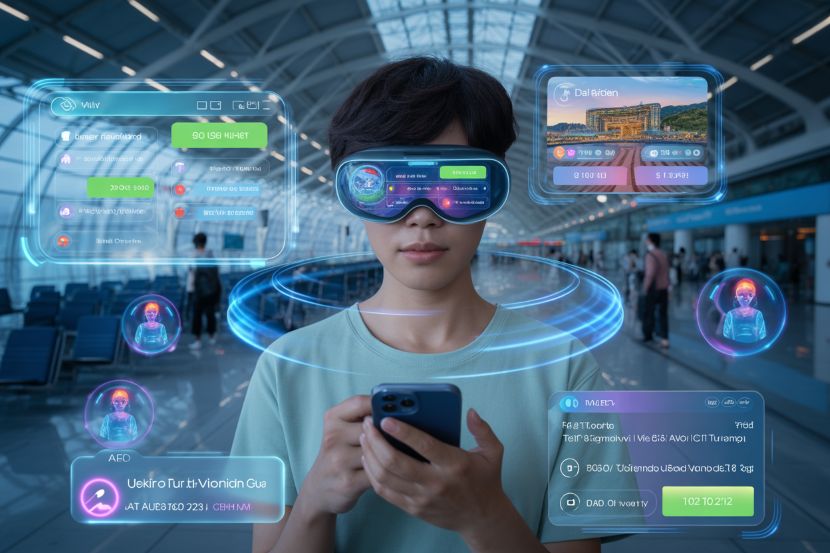
Vietnam’s online travel sector is on a rapid growth trajectory, poised to reach a significant $8 billion by 2030, up from $4 billion in 2025. As part of Vietnam’s expanding digital economy, which is forecast to more than double by 2030, the online travel market is becoming an essential hub for both traditional and new players. Legacy companies are modernizing to keep pace, while domestic and international platforms are keen to capitalize on this growing demand. With artificial intelligence (AI) playing an increasingly important role, travelers in Vietnam are not just digital-savvy—they’re ready to embrace the future of travel through smart technology. In this article, we explore the transformation of Vietnam’s travel industry and how it is shaping up for the future, with a particular focus on AI adoption, digital-first approaches, and evolving consumer preferences.
Vietnam’s Online Travel Industry Set for Explosive Growth
By 2030, Vietnam’s digital economy is expected to soar to $80 billion, with the online travel market following suit, growing from $4 billion in 2025 to an impressive $8 billion. This marks an essential shift, as travelers and travel companies alike are rapidly embracing digital platforms and tech innovations. The surge in digital adoption is being driven by the changing landscape of travel experiences, combined with Vietnam’s larger push toward modernizing traditional industries.
While some market players are advancing digitally, others are focusing on unique innovations like super apps, augmented reality (AR), and virtual reality (VR) to provide more immersive travel experiences. Platforms are adapting their business models to integrate AI and personalized features that cater to increasingly tech-savvy travelers.
Legacy Travel Brands Take the Digital Leap
In Vietnam, traditional travel giants are no longer treating technology as a mere afterthought. Instead, they are embedding digital transformation into their core operations. Take Vietravel, for instance. Founded in 1995, the company’s operations span across tourism, air ticketing, and transportation. To secure its place in the evolving market, Vietravel is investing heavily in technology. Its ambition is clear—by 2030, it aims to generate 70% of its revenue through digital channels. This shift includes building a super app that will enable the company to consolidate its offerings and compete directly with online travel agencies (OTAs).
Similarly, other state-run players are updating their operations. Saigontourist, one of Vietnam’s oldest travel companies, is leveraging its extensive portfolio of hotels, resorts, and restaurants, adapting to the digital landscape with the help of integrated platforms. Hanoitourist, another notable player, has embraced innovation by offering interactive VR and AR travel experiences via its iHanoi super app, giving users access to virtual tours and real-time hotel bookings.
Vietnamese Travelers Lead in AI Engagement
A defining feature of Vietnam’s travel market is its consumers’ love for technology. Research shows that Vietnamese travelers are among the world’s most AI-engaged. In fact, 99% of travelers in the country use AI-driven search tools daily, with a substantial 95% already utilizing generative AI tools. Not only do these travelers actively incorporate AI into their daily lives, but a significant portion is ready to harness AI for trip planning, with 58% of travelers expecting autonomous trip planning to become mainstream.
AI-powered travel platforms and digital tools are increasingly meeting the needs of this tech-savvy demographic. As Vietnamese travelers expect greater personalization and smoother, AI-driven experiences, these technologies will undoubtedly play a huge role in the industry’s future.
The Emerging Say-Do Gap in AI Adoption
While AI has garnered immense trust among Vietnamese consumers, there appears to be a say-do gap between engagement and actual spending behavior. Despite the 78% increase in revenue for apps with AI features, Vietnam’s growth rate in this sector was the lowest within Southeast Asia, trailing behind countries like Indonesia, which saw a 127% increase. This suggests a potential untapped opportunity for digital travel players. The contradiction points to the gap between enthusiastic AI adoption and the actionable application of such technologies, leaving significant room for growth.
Travel Tech: The Key Drivers of Future Growth
Looking to the future, travel technology will remain a critical area of focus for the Vietnamese tourism industry. Beyond AI, the demand for flexible payments, VR tours, and translation services is growing exponentially. AR/VR technologies are gaining popularity, enabling tourists to engage in virtual experiences even before setting foot in a destination. Apps with these features are quickly becoming essential tools for travelers, who expect immersive and interactive experiences.
Furthermore, payment flexibility continues to be a priority, with tourists increasingly seeking solutions that allow them to book and pay for services with ease. Apps offering various payment options, including digital wallets and cryptocurrency, are gaining popularity, especially among younger generations.
How Travelers Can Leverage the Digital Transformation
For travelers planning to explore Vietnam, there are several ways to make the most of the digital travel revolution:
- Use of Super Apps: Apps like Vietravel’s super app and iHanoi offer a one-stop-shop for booking tours, transportation, and accommodations. By using these apps, travelers can seamlessly plan their trips while taking advantage of integrated services and personalized offers.
- Engage with AI Features: Take full advantage of AI-powered travel apps. These apps offer recommendations, personalized itineraries, and real-time updates that can help travelers discover hidden gems, make bookings, and access special deals in Vietnam.
- Explore VR and AR Tours: For those who want to preview a location or experience a destination in a completely new way, VR and AR apps provide virtual tours of Vietnam’s cultural and historical landmarks. Whether it’s a historical site or a bustling market, VR can transport you there from the comfort of your home.
- Flexible Payment Methods: In a rapidly digitalizing economy, it’s essential for travelers to keep up with flexible payment methods. Using digital wallets or local payment apps like ZaloPay can help ease transactions and offer better exchange rates.
The Path Forward for Vietnam’s Digital Travel Market
Vietnam’s travel market is entering an exciting phase, where both traditional players and new entrants are embracing the digital-first approach to stay relevant. By tapping into advanced technologies like AI, super apps, and immersive experiences, the sector is set to become a global leader in digital tourism. However, while the opportunities are immense, companies will need to bridge the say-do gap in AI adoption and continuously innovate to meet the evolving needs of the digitally savvy Vietnamese traveler.
The post Vietnam’s Digital Travel Revolution: How Hanoi, Saigon, and Other Major Cities Are Driving an Eight Billion Dollar Industry by 2030 – Here’s What to Know for 2026 and Beyond appeared first on Travel And Tour World.