
 Login
Login
Riyadh Beats Jeddah, Muscat, and Bani Jamra with New Dangerously Unnerving Travel Chaos Set to Explode GCC for Tourists Becoming Terribly Unsafe in 2026: What You Need to Know
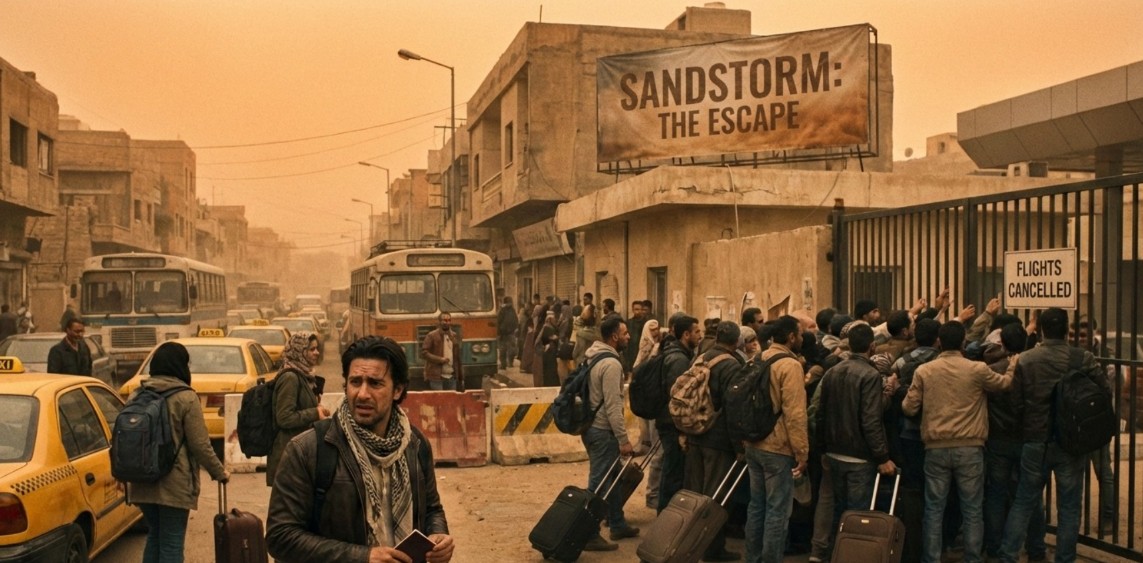
The Gulf Cooperation Council includes wealthy and modern nations, but official travel advisories reveal hidden danger zones. The countries of Saudi Arabia, Kuwait, Oman, Bahrain, Qatar and the United Arab Emirates share prosperous skylines, yet serious risks lurk in some cities. Government authorities report missile strikes, terrorist attacks, violent protests and unexploded bombs. This report summarises government‑verified warnings about locations that are considered unsafe and unfavourable for visitors in 2026. These warnings highlight the contrast between development and instability across the Gulf.
Saudi Arabia: Cities under the Shadow of Conflict
The oil rich kingdom has drawn tourists with high‑end cities like Riyadh and Jeddah, but official advisories paint a stark picture. Authorities from the United Kingdom caution that travellers should not go within 10 km of the Yemen border and should only undertake essential travel up to 80 km because missiles and drones have been fired across the border[1]. Warnings emphasise that missiles and drones have hit critical infrastructure and that attacks have targeted Riyadh and Jeddah[2]. Officials from the United States advise against travel to the southern city of Najran and the eastern suburb of Qatif, including Awamiyah, due to ongoing missile and drone attacks and terrorism[3]. These regions are considered unsafe for 2026 and caution is urged. Officials note that militants have targeted airports and oil facilities, demonstrating the scale of the threat[4].
Kuwait: Crime Hotspots and Dangerous Deserts
Tiny Kuwait appears stable, but government sources identify localised dangers. Travellers are advised to exercise increased caution in Jleeb Al‑Shuyoukh, a district near Kuwait City’s airport where high crime rates persist[5]. Outside the urban centre, the desert north of the Mutla’a Ridge and near the Iraqi border is considered extremely hazardous. Advisories explain that unexploded bombs, shells and landmines remain from the 1990 Gulf War and could detonate if disturbed[6]. Thus Kuwait has both a crime plagued neighbourhood and a lethal desert environment, making these areas unfavourable for tourists in 2026. Travellers are told not to leave marked roads or handle abandoned objects because of the risk posed by unexploded devices.
Oman: Border Risk and Recent Urban Violence
The sultanate is often portrayed as peaceful, but official guidance suggests caution. The Government of Canada advises avoiding any non‑essential travel within 10 km of the Yemeni border, noting that militias operate across the frontier and violence can spill over[7]. A 2024 shooting in Muscat’s Wadi Al Kabir district caused casualties[8], and officials explain that terrorism remains a possibility and targets could include public buildings and markets[9]. The combination of border conflict and sporadic urban violence means that certain parts of Oman are deemed unsafe for 2026. Travellers are urged to remain on main roads and avoid remote desert routes because of the ongoing conflict.
Bahrain: Protest‑Prone Districts
Bahrain is small but politically tense. Government advisories highlight districts where demonstrations and unrest occur regularly, including Sitra, Karbabad, Adliya, Sanabis and Bani Jamra[10]. Officials note that protests can involve burning tyres, Molotov cocktails and improvised explosive devices, leading to violent clashes and road closures[11]. Because protests can erupt without warning, these districts are considered unsafe and unfavourable for travel in 2026. Travellers are advised to avoid demonstration areas and to monitor local media for updates.
Qatar and United Arab Emirates: General Vigilance
No specific unsafe cities have been identified in Qatar or the United Arab Emirates, but official advisories call for vigilance. Qatar is assigned a Level 1 advisory, while the UAE carries a Level 2 advisory because of the potential for terrorist attacks and missile or drone strikes[12][13]. Travellers are encouraged to remain aware even though no districts are flagged.
Category‑wise Table of Unsafe Locations and Reasons
| Country | City or Area | Official reason for caution |
| Saudi Arabia | Najran | Do‑not‑travel advisory near Yemen border due to missile and drone attacks[3] |
| Qatif & Awamiyah | Eastern suburbs flagged for terrorism and potential attacks[3] | |
| Riyadh & Jeddah | Major cities targeted by missiles and drones[2] | |
| Border zone (within 80 km of Yemen) | Armed conflict and drone strikes lead to restrictions[1] | |
| Kuwait | Jleeb Al‑Shuyoukh | High‑crime area where increased caution is advised[5] |
| Desert north of Mutla’a Ridge and Iraq border | Landmines and unexploded ordnance from the Gulf War[6] | |
| Oman | Yemen border (within 10 km) | Risk of spillover violence from militias across the border[7] |
| Muscat – Wadi Al Kabir | Site of a 2024 shooting; terrorism remains a threat[9] | |
| Bahrain | Sitra, Karbabad, Adliya, Sanabis, Bani Jamra | Demonstrations and violent protests leading to road closures and potential harm[10][11] |
| United Arab Emirates | None specified | General Level 2 advisory; vigilance required due to terrorism and drone threat[13] |
| Qatar | None specified | Level 1 advisory; monitor regional tensions affecting travel[12] |
Conclusion
Government‑verified travel advisories reveal that certain cities and regions in the Gulf are unsafe for visitors in 2026. Najran, Qatif, Riyadh and Jeddah face missile and drone attacks[3][2]. Kuwait’s Jleeb Al‑Shuyoukh has high crime, while its northern desert hides lethal unexploded bombs[5][6]. Oman’s border with Yemen and Muscat’s Wadi Al Kabir district are subject to conflict and terrorism[7][9]. Bahrain’s protest‑prone districts pose a risk of violence[10]. Although Qatar and the UAE have no specific danger zones, vigilance is recommended[12][13]. These official warnings should be heeded by anyone considering travel to the GCC.
Sources
[1] [2] Regional risks – Saudi Arabia travel advice – GOV.UK
https://www.gov.uk/foreign-travel-advice/saudi-arabia/regional-risks
[3] [4] Saudi Arabia International Travel Information
https://travel.state.gov/content/travel/en/international-travel/International-Travel-Country-Information-Pages/SaudiArabia.html
[5] [6] Kuwait International Travel Information
https://travel.state.gov/content/travel/en/international-travel/International-Travel-Country-Information-Pages/Kuwait.html
[7] [8] [9] Travel advice and advisories for Oman
https://travel.gc.ca/destinations/oman
[10] Travel advice and advisories for Bahrain
https://travel.gc.ca/destinations/bahrain
[11] Bahrain International Travel Information
https://travel.state.gov/content/travel/en/international-travel/International-Travel-Country-Information-Pages/Bahrain.html
[12] Qatar Travel Advisory
https://travel.state.gov/content/travel/en/traveladvisories/traveladvisories/qatar-travel-advisory.html
[13] United Arab Emirates Travel Advisory
https://travel.state.gov/content/travel/en/traveladvisories/traveladvisories/united-arab-emirates-travel-advisory.html
