
 Login
Login
World’s first sodium-ion passenger EV holds 90% charge at -40°C, delivers over 400 km range
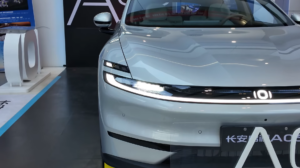
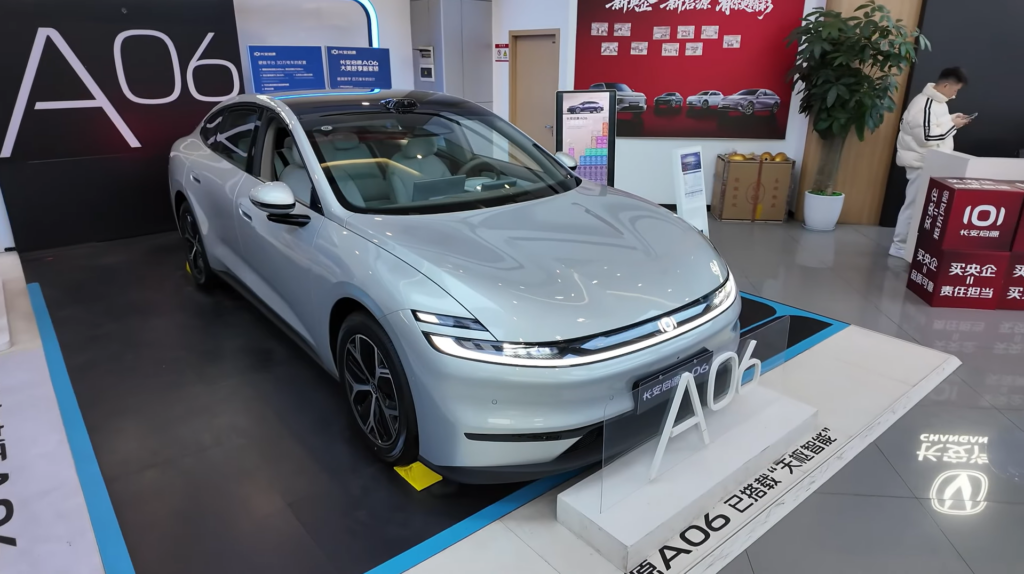
The EV industry has reached a quiet but important milestone. For the first time, a mass-produced passenger EV is set to use a sodium-ion battery, a technology long discussed but never deployed at this scale. The car in question is the Changan Nevo A06, developed by Changan Automobile and powered by batteries from CATL.
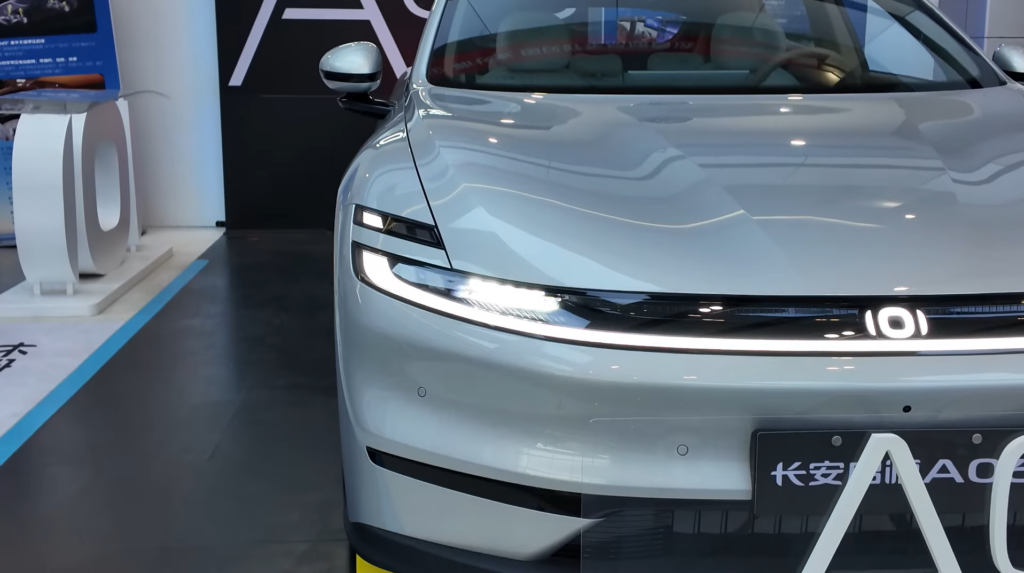
The announcement follows extensive winter testing in Inner Mongolia, where temperatures regularly drop well below what most EVs are designed to handle. According to the companies involved, the Nevo A06 was able to charge normally at around -30°C and continued operating at temperatures as low as -50°C. At -40°C, the battery reportedly retained more than 90% of its original capacity, a level of performance that is difficult to achieve with conventional lithium iron phosphate (LFP) batteries.
The vehicle uses CATL’s Naxtra sodium-ion battery pack, which the company says is the first of its kind certified for use in passenger cars. The initial version has a capacity of 45 kWh and delivers a claimed range of just over 400 km on China’s CLTC test cycle.
On paper, that puts it close to entry-level LFP-based EVs, but with far better cold-weather behavior. CATL says the pack can deliver several times more power than comparable LFP batteries at sub-zero temperatures, helping maintain acceleration and cabin heating without heavy range loss.
Sodium-ion batteries have drawn attention partly because they avoid lithium altogether. Sodium is cheaper, more abundant, and less vulnerable to supply-chain disruptions. Safety is another factor: CATL says the Naxtra cells are far more resistant to thermal runaway and have passed extreme abuse tests without catching fire.
CATL describes this as the beginning of a “dual-chemistry” phase for EVs, where sodium-ion and lithium-ion batteries coexist depending on climate, cost, and use case. The Nevo A06 is expected to launch in China around mid-2026, with sodium-ion packs eventually spreading across Changan’s wider lineup.
For now, this remains a China-focused rollout. Still, it’s a clear signal that sodium-ion batteries are no longer just a lab experiment. In cold regions especially, they may soon offer a practical alternative to lithium-based EVs, without the usual compromises.
Don’t miss a thing! Join our Telegram community for instant updates and grab our free daily newsletter for the best tech stories!
For more daily updates, please visit our News Section.
(Source)
The post World’s first sodium-ion passenger EV holds 90% charge at -40°C, delivers over 400 km range appeared first on Gizmochina.
