
 Login
Login
Portofino Regulating the Flow of Tourism to Protect the Italian Riviera’s Heritage
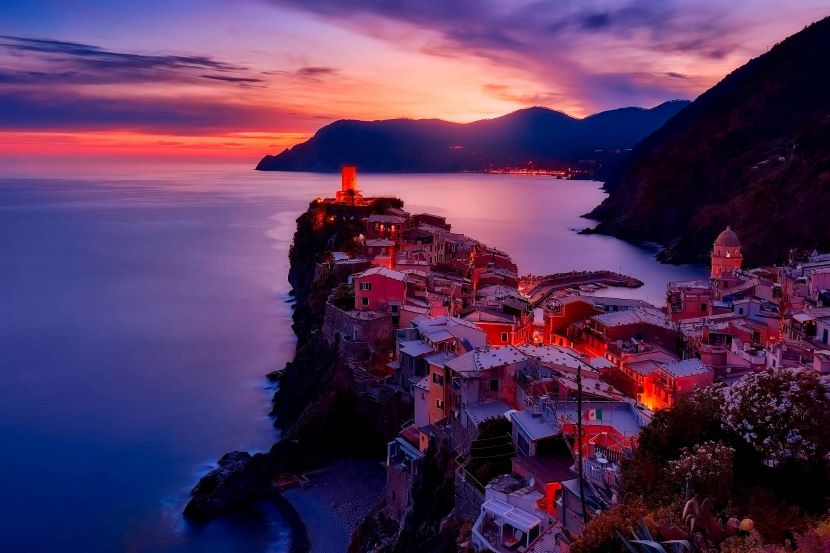
The delicate balance between global tourism and local preservation is being tested in one of the most iconic destinations on the Italian Riviera. While the allure of picturesque landscapes and Mediterranean charm continues to draw millions of visitors annually, the village of Portofino has found itself at a crossroads. To maintain its character and ensure the safety of its inhabitants, strict tourism regulations and no-waiting zones have been introduced by local authorities. These measures are designed to address the challenges posed by overtourism and the disruptive behavior of crowds in the village’s most sensitive areas.
The Challenge of Modern Popularity
The village of Portofino, nestled along the rugged coastline of Liguria, has long been celebrated for its pastel-colored houses and crystalline waters. However, the rise of social media and the accessibility of global travel have transformed this quiet fishing village into a high-density hotspot. During peak seasons, the narrow streets and the famous central square, known as the Piazzetta, are frequently overwhelmed by visitors. The congestion is not merely an aesthetic concern but a logistical nightmare for the permanent residents who must navigate these spaces for their daily needs.
It has been observed that the primary cause of traffic blockages is the desire for the perfect photograph. Pedestrians often stop in the middle of narrow walkways to capture the scenery, causing a ripple effect of delays. This behavior has led to significant safety concerns, as emergency services are sometimes hindered by the sheer volume of stationary crowds. Consequently, the local government has been forced to reconsider how the public space is utilized by those who visit for only a few hours.
Implementation of No-Waiting Zones
In response to these mounting pressures, the mayor of Portofino, Matteo Viacava, has overseen the introduction of specific red zones. These areas are designated as high-traffic corridors where lingering is strictly prohibited. The focus of these regulations is primarily the stretch of land between the Piazzetta and the Molo Umberto I pier. From the early morning until the late evening during the summer months, tourists are encouraged to keep moving to prevent the formation of human bottlenecks.
The enforcement of these rules is taken quite seriously by the local police force. It has been established that individuals who are found loitering or blocking the flow of traffic for an extended period can be issued fines. These monetary penalties, which can reach up to 275 Euros, serve as a deterrent against the selfish use of public thoroughfares. It is emphasized by the authorities that the village is not being closed off to the world, but rather, order is being restored so that everyone can enjoy the beauty of the area without causing chaos.
The Impact of Overtourism on Infrastructure
The struggle faced by Portofino is not an isolated incident but is reflective of a broader trend across Italy. The infrastructure of ancient villages was never intended to support the weight of modern mass tourism. When thousands of people descend upon a small harbor simultaneously, the waste management systems, public transport, and physical pathways are pushed to their breaking point. The decision to curb tourism at specific hotspots is seen as a necessary evolution of urban planning in the 21st century.
By discouraging people from congregating in specific areas for selfies, a more fluid environment is created. This allows for a more dignified experience for the travelers themselves, who are no longer shoved into cramped spaces. Furthermore, the local economy, which relies heavily on high-end boutiques and waterfront dining, benefits when the streets are navigable. When a destination becomes too crowded, it loses the very prestige that attracted wealthy patrons in the first place, making these regulations a matter of economic survival as well as social order.
A Global Perspective on Travel Restrictions
Portofino is joined by several other Italian landmarks in the quest to manage visitor numbers. Similar strategies have been adopted in Venice, where an entry fee for day-trippers was trialed, and in the Amalfi Coast, where an alternate-plate system was used to limit vehicular traffic. The common thread among these locations is the realization that unlimited growth is unsustainable. The heritage of these sites is a finite resource that must be protected through active intervention.
The passive observation of declining local quality of life has been replaced by proactive legislation. In Portofino, the beauty of the harbor is protected not by walls, but by the expectation of respectful movement. It is hoped that by setting these boundaries, a culture of responsible travel can be fostered. Visitors are prompted to appreciate the scenery while remaining mindful of the fact that the village is a living community, not merely a backdrop for digital content.
Future Outlook for the Italian Riviera
As the summer seasons continue to draw record numbers of travelers, the success of the no-waiting zones in Portofino will be closely monitored by other coastal towns. If the congestion is successfully managed and the safety of the public is ensured, these measures may become a permanent fixture of the Mediterranean travel experience. The goal is to move away from a model of consumption toward a model of appreciation.
The essence of Portofino lies in its tranquility and its connection to the sea. Through the implementation of these new laws, a message is being sent to the global community: the preservation of local heritage and the comfort of residents are paramount. While the village remains open and welcoming to all, the days of unregulated crowding are being brought to an end. A more structured approach to tourism is being embraced to ensure that the picturesque charm of the Italian Riviera remains intact for future generations to witness and admire. Through these efforts, the delicate threads of history and modern life are being woven together in a way that respects the integrity of the land.
The post Portofino Regulating the Flow of Tourism to Protect the Italian Riviera’s Heritage appeared first on Travel And Tour World.