
Reading view

India’s Groundbreaking Move as e-Tourist Visa Now Available to 166 Countries, Revolutionizing Corporate Travel and Unleashing a New Wave of Global Business Visitors!
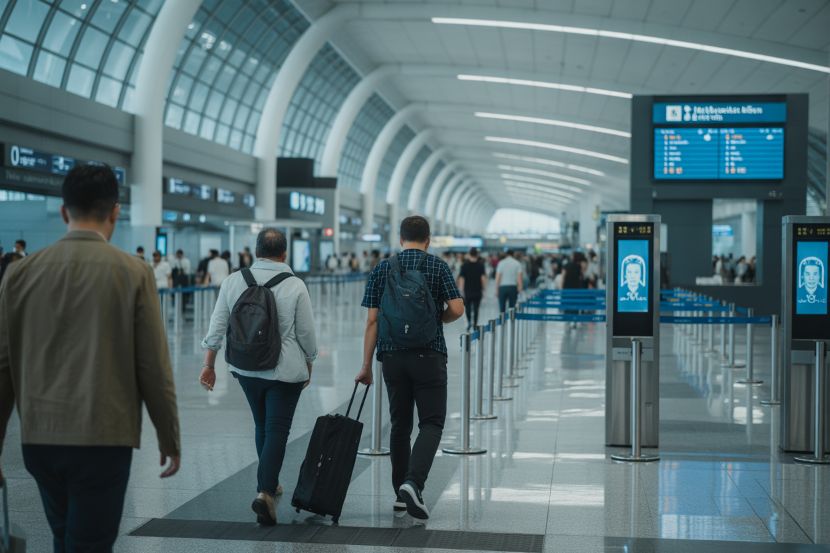
India’s Groundbreaking Move as e-Tourist Visa Now Available to 166 Countries, Revolutionizing Corporate Travel and Unleashing a New Wave of Global Business Visitors!
India has expanded its e-Tourist Visa to 166 countries, enhancing inbound corporate travel and streamlining visa access for business delegates and tourists.

India’s tourism sector is set for a major boost as the Government of India has recently expanded its e-Tourist Visa (e-TV) to 166 nationalities. This significant development opens doors to easier, faster, and more efficient visa processing, not only for leisure travelers but also for corporate delegates and business visitors. The change, which took effect in early 2026, aims to encourage business exchange, tourism, and international cooperation across multiple sectors.

For years, India has been a top destination for both leisure and business travelers. The e-Tourist Visa scheme, which initially covered fewer nationalities, has now been extended, making it more accessible than ever before for global citizens seeking to explore India or attend business events. This expansion reflects the country’s growing ambitions to enhance its tourism infrastructure and attract international business talent.

A New Era for Inbound Corporate Travel

One of the most crucial aspects of the expanded e-Tourist Visa program is the direct benefits it offers to corporate travel. The new visa accessibility is expected to streamline business operations, especially for multinational companies and international organizations looking to send employees for short-term meetings, trade shows, and business conferences in India.

The hassle-free process now available for corporate delegates is designed to minimize delays that were previously associated with traditional visa applications. Corporate travelers can apply online, pay fees electronically, and receive their Electronic Travel Authorization (ETA) within 72 hours, making it possible for them to schedule their travel at the last minute or with minimal planning.

Business travel, a significant contributor to India’s economic landscape, will gain momentum with this development. The new visa accessibility will encourage international business expansion by offering companies a fast, convenient way to engage in the Indian market. With businesses now able to swiftly attend meetings, networking events, and partnership programs, India is likely to see an increase in cross-border collaboration in sectors such as technology, manufacturing, and consulting.

Efforts to Streamline Entry and Enhance Global Connectivity

India’s Ministry of Tourism has long emphasized the importance of visa facilitation in attracting foreign investments and supporting economic diplomacy. By expanding the e-Tourist Visa, India joins other tourism-friendly nations in making entry easier for global delegates. The initiative is part of a broader effort to position India as a global hub for business conferences, trade exhibitions, and investment summits.

The e-Tourist Visa expansion aligns with the government’s larger “Visit India 2030” campaign, which targets a substantial rise in international arrivals by focusing on simplifying processes that allow easy entry for international travelers, especially those attending business events. India’s corporate tourism sector, which has been on the rise, will benefit from the enhanced visa access, boosting MICE (Meetings, Incentives, Conferences, and Exhibitions) tourism in particular.

Additionally, the extended e-TV will likely stimulate inbound traffic to not only major urban hubs like Delhi, Mumbai, and Bengaluru but also emerging Tier 2 cities that are gaining traction as business destinations, providing new opportunities for tourism growth.

How the e-Tourist Visa Works

With the expanded eligibility, travelers from 166 nationalities can now access the e-Tourist Visa via a fully online application process. This includes the submission of necessary documents, payment of applicable fees, and receiving the ETA electronically. Once the ETA is issued, travelers must print it out and present it upon arrival in India for immigration clearance.

The multiple-entry facility under the e-TV allows travelers to visit India multiple times within a period of 60 days. The visa also caters to various business-related activities, such as attending business meetings, training sessions, and workshops. The e-Tourist Visa allows travelers to explore India’s rich cultural heritage and business environment with ease.

The e-Visa process ensures a smooth experience for all types of business travelers, from corporate executives to conference delegates, without the need to go through the time-consuming process of traditional visa applications at the embassy or consulate.

What Does This Mean for India’s Tourism Sector?

India has long been a popular destination for leisure travel, thanks to its rich culture, historical landmarks, and world-class facilities. Now, with the expanded e-Tourist Visa, India is poised to become an even more attractive destination for corporate tourism. From meetings to conventions, the growing ease of entry is expected to bring more high-value visitors to India.

Moreover, the accessibility of corporate visa facilities will likely improve the competitiveness of Indian destinations in the global tourism market, positioning the country as a leading destination for international events. Companies are increasingly looking for cost-effective and accessible locations to hold corporate events, and India’s ability to provide seamless travel options positions it as an appealing choice for businesses across industries.

Looking Ahead: What’s Next for India’s Corporate Travel Sector?

Looking ahead, India’s expanded e-Tourist Visa program is expected to transform inbound corporate travel. As countries across the world continue to open up their borders and implement visa facilitation strategies, India’s move to extend e-visa access to 166 countries is a strategic response that enhances the country’s competitive edge in the global business landscape.

By welcoming a growing number of business professionals, government delegates, and corporate event organizers, India is stepping up its efforts to foster international collaboration, making it easier for global businesses to engage in commercial activities. The post-pandemic recovery of the travel and tourism industry will likely benefit from this development, paving the way for sustained growth in corporate tourism for years to come.

Conclusion

The expansion of India’s e-Tourist Visa to include 166 nationalities signals a transformative shift in India’s approach to international business travel. By offering more streamlined, accessible visa options, India is positioning itself as a global leader in corporate tourism and business events. With easier entry, shorter waiting times, and simplified procedures, India is set to attract a new wave of business professionals, delegates, and investors, all eager to engage in India’s vibrant economy.

As more international corporate delegates take advantage of this initiative, India will not only attract high-value tourism but also enhance its standing as a key player in the global business landscape.

The post India’s Groundbreaking Move as e-Tourist Visa Now Available to 166 Countries, Revolutionizing Corporate Travel and Unleashing a New Wave of Global Business Visitors! appeared first on Travel And Tour World.

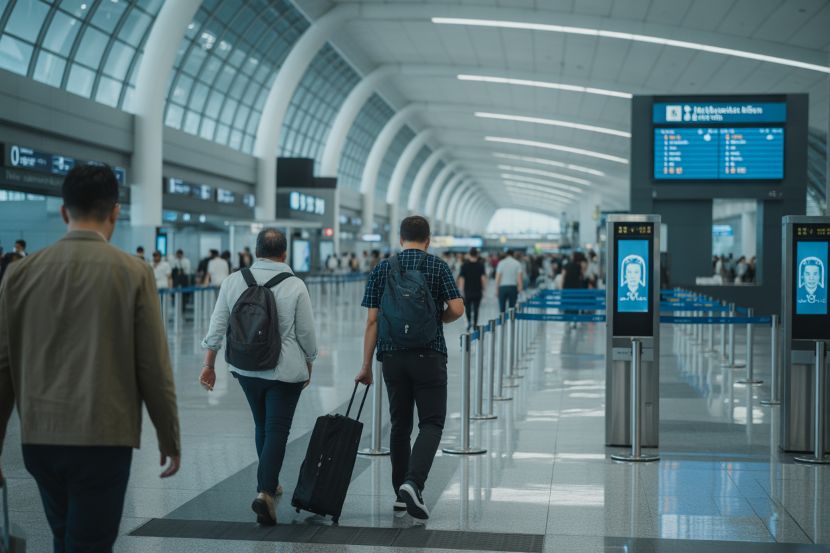
Hundreds of Travelers Abandoned in the UK as Air France, British Airways, Lufthansa, easyJet, Jet2, and More Airlines Face 16 Cancellations and Over 330 Delays at Heathrow, Manchester, Edinburgh, and Birmingham Airports

Hundreds of Travelers Abandoned in the UK as Air France, British Airways, Lufthansa, easyJet, Jet2, and More Airlines Face 16 Cancellations and Over 330 Delays at Heathrow, Manchester, Edinburgh, and Birmingham Airports
Over 330 flight delays and 16 cancellations have disrupted major UK airports, including London Heathrow, Manchester, and Edinburgh. Learn more about the ongoing disruptions.

In a challenging start to the year for travelers, UK airports are grappling with significant delays and cancellations. As of February 2026, passengers at some of the busiest airports, including London Heathrow, Manchester, and Edinburgh, are facing chaos with more than 330 delays and at least 16 flight cancellations, impacting both business and leisure travel alike.

According to official data collected from various airport and airline sources, London Heathrow remains the most affected, with a staggering 169 delays and 16 cancellations. These disruptions come at a time when air travel demand has surged, particularly around major global hubs like Heathrow, which handles over 80 million passengers annually.

Unprecedented Delays at London Heathrow Airport

London Heathrow, one of the busiest international airports, has faced severe disruptions in recent days. Out of the 169 delayed flights recorded, the airport saw 16 cancellations, adding to the mounting frustration of travelers. This significant spike in delays has resulted in a ripple effect across various connecting flights, creating congestion at check-in counters and security checkpoints.

The delays at Heathrow have been caused by several factors, including inclement weather, air traffic control issues, and ongoing labor shortages. The UK government, in partnership with aviation authorities, has been working to address the staffing crisis at air traffic control centers, but the challenges remain.

Passenger experience has also been impacted by these delays, as the long waits have led to overcrowded terminals and limited amenities. Travelers have expressed frustration with the lack of real-time communication from airlines and the airport, leaving many in the dark about their flight statuses. The UK Civil Aviation Authority (CAA) has called for more transparency and better customer service in the face of these disruptions.

Manchester Airport Sees Major Flight Delays

Manchester Airport, a key gateway for international and domestic travelers, is also grappling with its fair share of disruptions. With 101 delayed flights, the airport has become a hotspot for travelers who are finding their journeys extended by hours. These delays have caused major headaches for those traveling for business and leisure, with passengers reporting frustration and uncertainty due to the lack of timely information.

The delays in Manchester are primarily due to staffing shortages and operational challenges faced by airlines. Airport authorities are working closely with airline partners to minimize the impact of these delays, but travelers have been urged to remain patient as the situation continues to unfold.

While Manchester’s disruption rate is not as severe as Heathrow’s, it still remains a concerning issue for travelers, with potential long-term implications for both the airport’s reputation and passenger satisfaction.

Edinburgh and Birmingham Airports Experience Minimal Cancellations but Significant Delays

Edinburgh and Birmingham airports, while not facing as many cancellations as Heathrow and Manchester, have also been affected by delays. Edinburgh reported 26 delays, while Birmingham registered 40. Despite having zero cancellations, both airports have experienced bottlenecks, especially during peak hours.

For passengers, the delays have primarily been caused by minor operational issues, but the ripple effect from other airports’ delays has exacerbated the situation. In Edinburgh, several international flights were delayed due to air traffic congestion at larger airports like Heathrow and Manchester, which are key hubs for connecting flights.

Birmingham Airport, located in the heart of England, also witnessed operational challenges that affected its ability to handle flights on time. However, authorities at both airports are confident that the delays will be resolved soon, with ongoing improvements to staffing and communication processes.

The Cause of the Delays: Weather, Staffing Issues, and Air Traffic Congestion

The delays at Heathrow, Manchester, Edinburgh, and Birmingham can be attributed to several factors, including adverse weather conditions, operational issues, and ongoing staffing shortages. The United Kingdom’s airports have been grappling with labor shortages since the pandemic, making it difficult to maintain the staffing levels necessary to manage the flow of air traffic efficiently.

In addition, the UK’s weather, particularly in the winter months, often contributes to flight delays. Snow, ice, and fog can severely impact visibility and the ability to take off or land safely. This year, the weather has been especially unpredictable, causing more flight disruptions than usual.

Air traffic congestion is another major issue, particularly at larger airports like Heathrow and Manchester, which are among the busiest in Europe. These airports are facing bottlenecks in air traffic control as a result of increased flight schedules and delays at other airports, which impact connecting flights.

What Travelers Can Do to Minimize the Impact of Delays

For passengers traveling through affected airports, it is crucial to stay updated on flight statuses through official airline apps or websites. The UK government has issued guidance encouraging travelers to allow extra time for check-in and security, as delays are expected to continue for the next few days.

Passengers are also advised to contact their airlines in advance to confirm the status of their flights and inquire about any available compensation or rebooking options. The government has also stressed that airlines should provide clear communication and assistance to those impacted by delays.

For those with connecting flights, it’s best to allow for extra time between connections, as delays at one airport can lead to cascading disruptions at others. The Civil Aviation Authority has recommended that airlines proactively work with passengers to provide assistance and alternative arrangements.

Impact on Tourism: How UK’s Airport Challenges Affect Visitors

The ongoing disruptions are having a ripple effect on the UK’s tourism industry. For travelers arriving from international destinations, these delays and cancellations are not only inconvenient but may also lead to missed connections and disrupted itineraries.

The UK’s tourism industry is still recovering from the effects of the pandemic, and these flight delays have the potential to further delay the full recovery. However, tourism bodies, including Visit Britain, have expressed confidence that with improved operational procedures and better communication, the industry will continue to thrive in the coming years.

Despite the setbacks, the UK remains one of the most popular travel destinations in Europe, with millions of tourists arriving each year to explore its rich history, culture, and iconic landmarks. Efforts are already underway to streamline airport operations and improve passenger experiences in light of the ongoing challenges.

Looking Ahead: Efforts to Resolve the Delays and Improve Operations

UK airport authorities are actively working with airlines, government officials, and air traffic control providers to address the underlying causes of the disruptions. There is a strong focus on increasing staffing levels, improving operational efficiency, and upgrading infrastructure to meet the growing demand for air travel.

The government is expected to introduce new measures to enhance customer service, with an emphasis on providing clearer communication to travelers during times of disruption. In the meantime, passengers are urged to stay informed, plan accordingly, and remain patient as the aviation industry works to get back on track.

Conclusion: Resilience Amid Challenges

While recent delays and cancellations have presented significant challenges for travelers at London Heathrow, Manchester, Edinburgh, and Birmingham airports, the resilience of the UK’s aviation industry remains strong. The efforts being made to address staffing shortages, air traffic congestion, and operational inefficiencies are aimed at ensuring that air travel remains a viable and reliable mode of transportation for both tourists and business travelers alike.

As the UK continues to recover and adapt to the changing travel landscape, it is hopeful that these disruptions will soon be a thing of the past. For now, travelers should continue to monitor their flight statuses and make the most of the UK’s world-class travel infrastructure.

Source :Flightaware

The post Hundreds of Travelers Abandoned in the UK as Air France, British Airways, Lufthansa, easyJet, Jet2, and More Airlines Face 16 Cancellations and Over 330 Delays at Heathrow, Manchester, Edinburgh, and Birmingham Airports appeared first on Travel And Tour World.
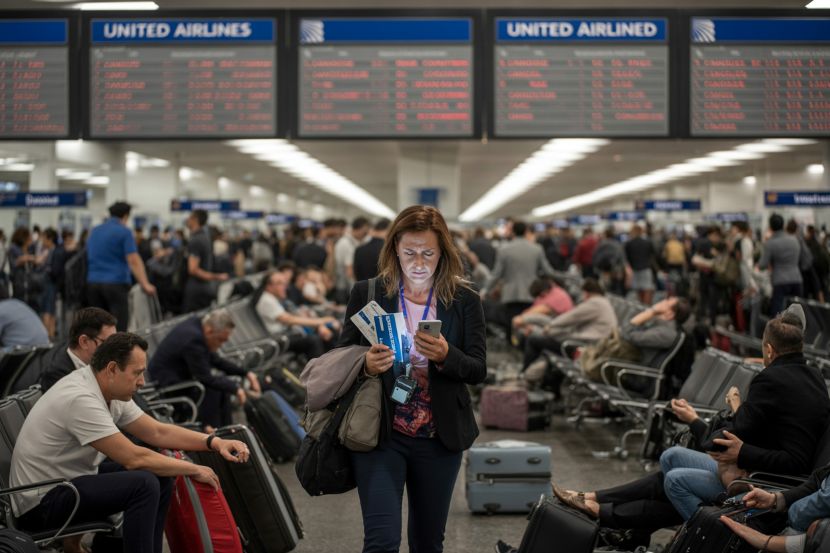
Israel’s Air Force Responds to Terror Scare Fighter Jets Scramble to Intercept Wizz Air Flight From London to Tel Aviv After Onboard Security Alert, Plane Lands Safely Amid Tension!

Israel’s Air Force Responds to Terror Scare Fighter Jets Scramble to Intercept Wizz Air Flight From London to Tel Aviv After Onboard Security Alert, Plane Lands Safely Amid Tension!

A routine commercial flight from London to Tel Aviv turned into a tense security situation on Sunday, 8 February 2026, when Israel’s Air Force scrambled fighter jets to intercept and escort the aircraft after reports of unusual activity onboard raised concern among passengers and authorities. The plane, operated by Wizz Air, was allowed to land safely at Ben‑Gurion International Airport once the aircraft was visually identified and the alert was deemed unfounded.

The incident began while the Airbus A321 was already en route from London Luton Airport to Israel’s busiest airport when crews were alerted to a potential security issue. Initial accounts from Israeli media and aviation observers suggested that one or more passengers had reported seeing messages on a mobile device that referenced a possible threat, prompting airport security and the Israel Defense Forces (IDF) to take precautionary measures.

As the aircraft neared Israeli airspace, fighter jets from the Israeli Air Force (IAF) were dispatched to meet it. Intercepts of civilian aircraft by military jets are extremely rare and typically reserved for situations where there is credible information about potential danger, ranging from threatening communications to lost contact with cockpit crews. In this case, the response was swift, reflecting Israel’s layered approach to airspace security.

The IAF aircraft escorted the Wizz Air jet over the Mediterranean coast and monitored its approach to Ben‑Gurion Airport. Local air traffic controllers coordinated with military officials as well as the flight crew to ensure the aircraft could land without risk. Upon touchdown, security teams were already in place to conduct thorough inspections and manage the disembarkation of passengers in an orderly manner.

Passenger Response and Security Procedures
According to several on‑the‑ground accounts and social media posts from passengers, the situation created palpable tension in the cabin as people sensed heightened alert status. Some travellers were seen filming the escort aircraft as they flew in formation with the commercial flight’s final approach, highlighting the dramatic visuals experienced inside the pressurised cabin.

Once on the ground, all passengers were screened individually, and airport security personnel, supported by canine units, conducted detailed checks of the aircraft. The escalation of security protocols underscores the Israeli authorities’ commitment to civilian safety even when assessments later show that the threat was not real.

Investigation and Authorities’ Statements
An official comment from the Israel Airports Authority described the episode as a precautionary response triggered by a report of “suspicious behaviour” on board, but emphasised that subsequent investigation revealed no actual danger to passengers or crew. “Security forces acted in accordance with the procedures for such a case … the aircraft landed, and it was found that there was no real incident,” a spokesperson said.

There has been no indication that criminal charges will be filed, and it appears that the cause of the alert may have involved a misunderstanding or misinterpretation of digital information shared among passengers. Some reports speculated that a Wi‑Fi network name change or text message aboard may have been misconstrued as a threat, although authorities have yet to confirm those details.

Experts in civil aviation and air security noted that modern passenger aircraft often transmit and receive a wide range of digital data, and any hint of a safety‑related communication can trigger an automatic or manual security escalation, particularly in countries with heightened alert levels. Israel maintains one of the most vigilant airspace monitoring systems in the world, rooted in decades of experience responding to regional threats and geopolitical tensions.

Global Context of Aviation Security
The escalation involving the Wizz Air flight arrives against a backdrop of global airspace security challenges, where military forces sometimes intercept civilian planes to verify their status. Comparatively, notable past events such as the diversion and forced landing of commercial aircraft by government authorities in Europe and Asia have raised international debates about the balance between security and passenger disruption.

While every government approaches these protocols differently, the key principle is to ensure that no potential danger goes unchecked. In this case, the Israeli authorities opted for caution, deploying trained pilots and quick‑reaction assets to visually confirm the identity and behaviour of the flight before allowing it to proceed.

Airport Operations and Traveller Assurance
Ben‑Gurion Airport officials later confirmed that normal flight operations resumed shortly after the incident as security checks were completed and runway access cleared. Passengers continued to exit the terminal once all necessary safety checks were concluded, and no injuries or damage were reported in connection with the security response.

Regular flyers between Europe and Israel have expressed confidence in the thoroughness of local aviation security measures, even when precautionary actions result in temporary delays or heightened airport presence. The swift resolution of Sunday’s event was seen as a reassurance that emergency protocols function effectively when triggered.

Conclusion
For those on board and watching from afar, the episode served as a reminder of the complexities of modern air travel, where digital communications and strict security landscapes intersect at 30,000 feet. While the prompt deployment of fighter jets may have startled passengers, the final outcome — a safe landing and thorough investigation — reinforced confidence in Israel’s multi‑layered security infrastructure.

The post Israel’s Air Force Responds to Terror Scare Fighter Jets Scramble to Intercept Wizz Air Flight From London to Tel Aviv After Onboard Security Alert, Plane Lands Safely Amid Tension! appeared first on Travel And Tour World.

Air Travel Demand Skyrockets, But Airports Are Struggling Digital Identity Tech Is the Game-Changer That Could Solve the Capacity Crisis and Revolutionize Your Airport Experience!

Air Travel Demand Skyrockets, But Airports Are Struggling Digital Identity Tech Is the Game-Changer That Could Solve the Capacity Crisis and Revolutionize Your Airport Experience!
Airport demand is booming yet capacity lags; digital identity tech can boost throughput, cut costs, reduce emissions and enhance passenger experience.

India and other major global aviation hubs are witnessing a heartfelt transformation as millions of passengers return to the skies with renewed certainty and optimism after pandemic disruptions. Families reunited, business ties re‑energised and trade routes reconceived — all this in the face of explosive growth in air travel. But beneath this celebration lies a mounting problem: airport facilities and processing capacity are struggling to keep pace with accelerating passenger volumes. With new terminals and runways years away from completion, aviation experts now believe that digital identity technologies backed by governments and industry standards could be the breakthrough needed to keep airports moving smoothly.

Global Air Travel Demand Is Accelerating Rapidly

Industry forecasts show that global air travel demand continues its upward march. According to projections from Airports Council International (ACI) World, passenger numbers are expected to exceed 10.2 billion in 2026, with long‑term forecasts suggesting close to 19 billion travellers by 2045. That represents sustained growth even in the face of economic headwinds. Yet this dynamic rise is met by a stark reality: airport infrastructure expansion cannot keep pace with rising demand.

The surge in travel reflects people’s desire to reconnect, pursue opportunity and explore the world — a sentiment echoed from bustling departure halls in Delhi to Singapore Changi’s bustling terminals. But while airlines and passengers thrive, airports are under strain. Tangled queues at check‑in, congested security lanes and slower immigration processing have emerged as growing sources of traveller frustration as demand steadily outstrips capacity.

Why Expanding Physical Capacity Is Not a Quick Fix

The aviation infrastructure required to serve today’s passenger levels is immense, and building new runways, terminals or entire airports is a process that typically takes years — often a decade or more from planning to completion. Hurdles such as land acquisition, regulatory approvals and sustainability requirements further extend delivery timelines. This means that between now and the operational debut of many new facilities, existing airports must handle ever higher volumes with the same physical footprint.

In practical terms, this creates operational bottlenecks. For example, queues at security checkpoints, border control and boarding gates can lengthen quickly when throughput is fixed and demand rises. Without technological intervention, these constraints will continue to throttle efficiency, frustrate passengers and even reduce airport competitiveness.

Digital Identity: A Practical Solution to Maximise Capacity

Across the aviation sector, digital identity technologies — especially those defined under the International Air Transport Association (IATA) One ID programme — are now being viewed as strategic enablers rather than optional upgrades. One ID aims to create a paperless, contactless and seamless passenger journey from pre‑travel authorisation to boarding by using digital identity credentials and biometric recognition.

At the core of digital identity is the idea that passengers can store identity documents securely in digital wallets and then choose to share that information with airlines, airports and authorities via biometric verification — such as facial recognition — at key checkpoints. This reduces repetitive manual checks that slow down passenger processing and lead to capacity shortfalls.

How Digital Identity Boosts Efficiency and Cuts Costs

1. Faster Processing Through Contactless Travel

Passengers who opt into digital identity can move smoothly through check‑in, security and boarding without stopping to present conventional travel documents. Biometrics linked to a digital ID ensures authenticity while automating identity verification. Governments benefit by enhancing border security while passengers enjoy shorter queues and less stress.

2. Reduced Operational Costs for Airports and Airlines

Automation reduces the need for labour‑intensive manual processing, enabling staff to focus on exceptions rather than routine checks. Airlines also benefit from reduced delays and improved data quality. These gains translate into operational savings and more efficient use of existing infrastructure.

3. Better Use of Limited Physical Space

With identity checks happening digitally and ahead of travel or swiftly at contactless points, airports can process more passengers without needing additional physical space. This is especially vital at busy hubs that face land, regulatory or environmental constraints that limit expansion options.

Real‑World Digital Identity Initiatives Already Underway

Government‑linked projects such as India’s Digi Yatra programme showcase how digital identity and facial recognition are being deployed in real airports today. Operating in multiple Indian metros, Digi Yatra allows enrolled passengers to move through checkpoints using facial recognition and mobile‑based digital identity without physical document presentation. It highlights the real‑world application and public sector engagement in this space.

In other regions, pilots coordinated by IATA involving airlines and airports — such as trials across Hong Kong and Tokyo — have demonstrated that automated, digital identity‑enabled travel can significantly reduce processing times, sometimes by as much as 40%. These pilots point to tangible benefits that complement long‑term infrastructure development.

Security and Passenger Privacy Concerns

While digital identity promises efficiency, governments and authorities emphasise that data privacy and security are paramount. Trusted frameworks and strict safeguards ensure biometric and personal data is used only for legitimate travel purposes and with the traveller’s consent — a factor that strengthens public confidence over time.

Many industry bodies now advocate interoperability standards so that digital identities can work seamlessly across borders, enabling global acceptance and reducing friction for international travellers. Continued collaboration between governments, airlines and technology partners is essential to realise this vision.

Environmental and Sustainability Upsides

Beyond passenger convenience and capacity gains, digital identity helps aviation reduce emissions indirectly. When processing is smoother and faster, aircraft turnaround times improve, reducing ground engine running and idle time. Reduced queues also contribute to more predictable airport operations, which in turn can lower overall carbon footprints associated with long delays or congestion.

The Road Ahead: From Pilot to Mainstream

Although digital identity is not yet universally available at all airports worldwide, its rapid adoption and successful pilots suggest it is on track to become a mainstream travel norm. Experts emphasise that such solutions can bridge the capacity gap while major infrastructure projects — such as new runways and terminals — continue to be planned and developed.

Passengers, airlines and authorities all stand to benefit from a system that enhances throughput, strengthens security and delivers better experiences with lower environmental costs — all without needing new buildings. The expansion of digital ID systems across major global aviation hubs could mark one of the most significant transformations in travel since the introduction of e‑tickets decades ago.

Conclusion: A Humanised Turn in Travel Efficiency

For millions of travellers — from families embarking on holiday to professionals flying for work — the promise of smoother, quicker, less stressful air travel is a welcome prospect. At the same time, airport authorities and governments are faced with the challenge of balancing booming demand with constrained physical capacity. Digital identity technologies, backed by global standards and government initiatives, represent a pragmatic and near‑term solution to this pressing challenge. With digital ID, the journey through the airport becomes less about waiting and more about moving freely — a change that resonates with both passengers and the aviation industry alike.

The post Air Travel Demand Skyrockets, But Airports Are Struggling Digital Identity Tech Is the Game-Changer That Could Solve the Capacity Crisis and Revolutionize Your Airport Experience! appeared first on Travel And Tour World.

Travelers Disrupted at United Airlines as Flights to Chicago, San Francisco, Newark, Houston, and More Cancel 15 Flights and Delay 322 Across US and International Destination

Travelers Disrupted at United Airlines as Flights to Chicago, San Francisco, Newark, Houston, and More Cancel 15 Flights and Delay 322 Across US and International Destination
United Airlines faces severe delays and cancellations nationwide, affecting flights to and from multiple U.S. airports. Here's how passengers are coping with the disruption.

United Airlines, one of the largest carriers in North America, is facing major disruptions across its network, affecting thousands of passengers. With 15 cancellations and 322 delays at various airports, including Chicago O’Hare, San Francisco International, and Newark Liberty, travelers are being left stranded, frustrated, and uncertain about their travel plans. This widespread chaos is due to a combination of operational challenges, weather-related delays, and staffing shortages, causing severe ripple effects throughout the airline’s flight network.

As one of the busiest airlines operating in the United States, United Airlines serves thousands of passengers each day across domestic and international routes. However, recent disruptions have put a strain on the airline’s ability to maintain timely operations, leading to a growing number of delayed flights and canceled departures. The impact is felt not only in major hub cities but also in smaller regional airports.

The Impact on Major Airports: United Airlines Struggles to Meet Demand

The scale of the disruption has been most visible at key airports such as Chicago O’Hare International, San Francisco International, Newark Liberty, and Los Angeles International. These hubs have long been central to United’s operations, handling a significant portion of the airline’s flights across the country. Yet, with 322 delays and 15 cancellations reported across multiple flights, these major airports are facing considerable strain.

  • Chicago O’Hare – Known for being one of the busiest and most complex airports in the United States, Chicago O’Hare has seen a considerable number of delays and cancellations. Passengers traveling to destinations such as Denver, Houston, and San Francisco have faced extended waits as United Airlines works to rebook affected travelers.
  • San Francisco International – Serving as United’s West Coast hub, San Francisco International has experienced its own set of delays, impacting flights traveling both to and from major destinations, including New York, Los Angeles, and Seattle. The heavy volume of travelers trying to get to or from Silicon Valley for business meetings has compounded the delays.
  • Newark Liberty International – United Airlines has one of its largest operations at Newark, and the ongoing disruptions are particularly challenging as travelers to destinations like Chicago, Dallas, and Miami have experienced significant setbacks. The congestion at Newark has caused long lines and frustrated passengers trying to reach their destinations.

Cancelled Flight Details

FlightTypeOriginDestinationScheduled Departure Time
UAL3887B753Denver Intl (KDEN)Chicago O’Hare Intl (KORD)Fri 11:10PM MST
UAL873B738Guam Intl (PGUM)Narita Intl (NRT / RJAA)Sat 05:10PM ChST
UAL837B738Narita Intl (NRT / RJAA)Kaohsiung Intl (KHH / RCKH)Sat 06:00PM JST
UAL143B738Narita Intl (NRT / RJAA)Palau Intl (Babelthuap/Koror) (ROR / PTRO)Sat 06:05PM JST
UAL130B772Tokyo Intl (Haneda) (HND / RJTT)Newark Liberty Intl (KEWR)Sat 06:35PM JST
UAL3901B752San Francisco Intl (KSFO)Houston Bush Int’ctl (KIAH)Sat 02:10AM PST
UAL3903B753Chicago O’Hare Intl (KORD)San Francisco Intl (KSFO)Sat 05:40AM CST
UAL3042B789Singapore Changi (SIN / WSSS)San Francisco Intl (KSFO)Sat 08:10PM +08
UAL1658B752Chicago O’Hare Intl (KORD)Newark Liberty Intl (KEWR)Sat 06:15AM CST
UAL4B772London Heathrow (LHR / EGLL)Houston Bush Int’ctl (KIAH)Sat 12:15PM GMT
UAL2629A319Gerald R Ford Intl (KGRR)Chicago O’Hare Intl (KORD)Sat 09:10AM EST
UAL3909A319Gerald R Ford Intl (KGRR)Chicago O’Hare Intl (KORD)Sat 09:40AM EST
UAL3932A320So California Logistics (KVCV)Denver Intl (KDEN)Sat 09:10AM PST
UAL3933A319So California Logistics (KVCV)Denver Intl (KDEN)Sat 09:20AM PST
UAL827B738Narita Intl (NRT / RJAA)Guam Intl (PGUM)Sun 11:10AM JST
UAL838B738Kaohsiung Intl (KHH / RCKH)Narita Intl (NRT / RJAA)Sun 11:40AM CST
UAL197B738Narita Intl (NRT / RJAA)Guam Intl (PGUM)Sun 09:20AM PST
UAL3910B78XChicago O’Hare Intl (KORD)Rio de Janeiro/Galeao Intl (GIG / SBGL)Sun 07:10PM CST

Despite efforts by United Airlines to address the delays and cancellations, the ongoing disruption has led to widespread passenger dissatisfaction, with many travelers experiencing multiple rescheduling attempts or being stranded at their departure cities.

Why United Airlines is Facing These Widespread Disruptions

Several factors have contributed to the disruption of United Airlines’ operations. These issues, while not unique to United, are particularly challenging for an airline operating such a large network with high demand, especially during peak travel periods.

1. Weather-Related Delays

Severe weather patterns across the U.S., including snowstorms, ice, and heavy rain, have heavily impacted flight schedules. Although this is a seasonal challenge for airlines, the severity and timing of these storms have compounded the issue, particularly in regions like the Northeast and Midwest. Snow accumulations have forced many airports to limit their operations temporarily, further exacerbating delays.

2. Staffing Shortages

United Airlines, like many of its competitors, has struggled with staffing shortages. While air travel demand has surged following the pandemic, airlines have not yet fully recovered from previous reductions in workforce. United has faced challenges with staffing for ground services, flight crews, and air traffic control delays, all of which have led to slower turnaround times and increased delays.

3. Operational Inefficiencies

The complexities of managing thousands of flights per day across a large network of destinations have led to operational inefficiencies. Delays in one airport often result in a ripple effect, affecting flights throughout the airline’s system. This chain reaction has been especially noticeable in major hub cities like Chicago and Newark, where passengers are experiencing cascading delays that result in missed connections.

Passengers’ Experiences and the Strain on Customer Service

For many passengers, the ongoing disruptions have been a nightmare. Many are spending hours, or even an entire day, in airport terminals waiting for their flights to be rescheduled or canceled. Some travelers have found themselves stranded in airports for extended periods, unable to secure timely rebookings.

Frustrated Passengers Share Their Stories
“I was supposed to be in Los Angeles this morning for an important meeting, but now it’s almost 8 PM, and I’m still stuck at the airport in New Jersey,” said Sarah, a business traveler. “United has offered me a voucher, but at this point, I just want to get to my destination. I’ve been here for hours with no answers.”

Passengers also report long waits at customer service desks, as agents struggle to accommodate the overwhelming number of passengers seeking assistance. “I’ve been on hold for over an hour just trying to talk to someone about my rebooking options. It’s incredibly frustrating,” said James, a passenger who was booked on a flight from San Francisco to Denver.

What Travelers Can Do Amid United’s Flight Disruptions

For those affected by the widespread delays and cancellations, there are a few steps to take in order to minimize the impact of the disruption:

  1. Stay Informed
    Passengers are encouraged to check their flight status regularly on the United Airlines website or via the mobile app for the latest updates. United has also been providing real-time alerts via SMS or email, so passengers should ensure their contact details are updated.
  2. Contact United for Alternatives
    If your flight has been canceled or significantly delayed, try to reach out to the airline’s customer service team to rebook on an alternative flight. United Airlines is offering rebooking on the next available flight, though availability may be limited during peak times.
  3. Consider Alternative Routes
    For those with flexible schedules, United Airlines may offer alternative routes through other hubs. Consider flying via other nearby airports if your flight is severely delayed.
  4. Know Your Rights
    Passengers may be entitled to compensation or accommodations under federal aviation regulations, especially if they are delayed overnight or face significant cancellations. Familiarize yourself with these rights to ensure fair treatment.

Looking Ahead: Can United Airlines Bounce Back?

As United Airlines works to clear the backlog of delayed and canceled flights, it will need to focus on improving operational efficiency and addressing staffing shortages. The airline’s reputation, particularly for reliability, will be tested by these disruptions, and it is crucial that the airline enhances its customer service protocols to handle future challenges.

Ultimately, passengers can expect continued challenges in the short term, but as the airline adjusts its operations, the long-term outlook for United Airlines will depend on how well it navigates these ongoing issues.

The post Travelers Disrupted at United Airlines as Flights to Chicago, San Francisco, Newark, Houston, and More Cancel 15 Flights and Delay 322 Across US and International Destination appeared first on Travel And Tour World.

Jamaica’s Tourism Recovery Gets a Massive Boost as ALG Vacations Hosts “Advisors in Action” Voluntourism Event Here’s How Travel Advisors are Making a Difference in 2026!

Jamaica’s Tourism Recovery Gets a Massive Boost as ALG Vacations Hosts “Advisors in Action” Voluntourism Event Here’s How Travel Advisors are Making a Difference in 2026!
ALG Vacations hosted “Advisors in Action: Come Back to Give Back” in Jamaica, integrating voluntourism with destination promotion to support post‑hurricane recovery efforts.

In an ambitious effort to rejuvenate tourism while helping communities recover from Hurricane Melissa’s damage, ALG Vacations launched the “Advisors in Action: Come Back to Give Back” event in Jamaica. Held from January 31 to February 4, 2026, this impactful mission brought together nearly 100 travel advisors to experience the island’s hospitality while directly contributing to its post‑disaster recovery. The event, held across the island’s stunning resorts and communities, underscored Jamaica’s resilience and commitment to welcoming tourists once again after the destructive effects of the hurricane.

Jamaica’s Tourism Recovery Takes Center Stage

The event arrived during a critical time in Jamaica’s tourism recovery efforts, just a few months after Hurricane Melissa wreaked havoc on the island in October 2025. The storm left significant damage to infrastructure, but the resilient spirit of Jamaicans has been on full display since the initial damage. The recovery process began in mid‑December 2025, with hotels, restaurants, and attractions gradually reopening their doors.

Jamaica’s Minister of Tourism, Honourable Edmund Bartlett, has expressed pride in the nation’s recovery efforts, calling the initiative a pivotal opportunity to engage the tourism advisory community and bolster Jamaica’s positive image globally. The event is both symbolic and practical, highlighting Jamaica’s readiness to support the influx of travelers expected throughout 2026.

“We are excited to show the world that Jamaica is not only open for business but thriving as a top destination for travelers from around the globe,” said Minister Bartlett in a recent statement.

The Impactful Voluntourism Model of “Come Back to Give Back”

Unlike traditional familiarization trips (FAM), where advisors tour hotels and attractions to gather information for their clients, “Advisors in Action” offered a distinct purpose. The mission combined volunteerism and destination education, inviting travel advisors to engage in hands‑on community recovery projects. Their involvement in local initiatives – such as delivering donated supplies and helping repair community infrastructure – made the event a meaningful way to blend travel with service.

The program’s dual focus allowed advisors to see the positive impact of tourism firsthand, while giving back to the communities that make Jamaica the beloved destination it is today. Participants donated items such as school supplies, hygiene products, and pet food to local organizations in need. As a collective effort, the advisors also contributed to $13,000 in monetary donations, which ALG Vacations generously matched to further support recovery initiatives.

Program Highlights: A Blend of Experience and Community Support

The travel advisors participating in this unique initiative visited a wide range of Jamaica’s premier resorts. From Montego Bay to Negril and Ocho Rios, they explored luxury accommodations, learned about sustainable tourism practices, and engaged with community projects designed to promote inclusive tourism growth.

Over 13 resorts across Jamaica hosted the advisors, including high‑profile brands such as RIU Hotels & Resorts and Couples Resorts, where they saw firsthand the country’s commitment to tourism resilience. As part of the itinerary, participants were invited to join volunteer projects such as painting murals, organizing local donations, and participating in restoration efforts at community centers and schools.

One of the standout experiences for advisors was participating in a live Facebook session from RIU Montego Bay, featuring prominent figures from the tourism sector and personalities like Carson Kressley. This broadcast allowed a wider audience of travel advisors to learn about Jamaica’s recovery in real time, while also providing valuable booking tips for those looking to recommend the island as a destination.

A Partnership That Benefits Both the Destination and the Travel Advisors

For ALG Vacations, the event was not just about giving back — it was also a powerful way to reinforce relationships with travel advisors. With an estimated 1,000+ advisors applying to participate, the sheer interest in such a program illustrates the strong desire among travel professionals to contribute meaningfully to the destinations they promote.

By engaging in this hands‑on mission, the advisors gained not only personal insight into Jamaica’s recovery but also a unique perspective on its tourism offerings. They came away with stories, images, and real‑life experiences that allow them to sell Jamaica to their clients with renewed passion, confidence, and authenticity.

Building Future Travel and Strengthening Tourism Resilience

The event also served as a reminder of how voluntourism can play a vital role in rebuilding communities and empowering tourism‑dependent destinations. It showcased the growing trend among travelers who want to make a positive impact during their vacations. Whether through volunteering, contributing donations, or supporting sustainable tourism practices, this model offers travelers and industry partners alike a way to build connections that go beyond simple leisure travel.

Jamaica’s resilience was underscored throughout the event, with official representatives emphasizing that recovery is a collective effort. As Minister Bartlett highlighted: “The travel advisor community has always been instrumental in Jamaica’s success, and it is great to see them return to our island, not only to experience our hospitality but also to play an active role in the rebuilding process.”

Looking Forward: Jamaica’s Tourism Outlook for 2026 and Beyond

The participation of over 90 travel advisors in this initiative is a clear sign that tourism professionals are ready to engage in post‑disaster recovery efforts, and it sends a strong message that Jamaica is on the path to full recovery. Looking ahead, the island is optimistic about a record-breaking year for 2026, with major events and promotions planned to draw tourists throughout the year.

Jamaica’s recovery and revitalization stand as a testament to the hard work, dedication, and spirit of its people. Through the “Advisors in Action” event, the island has proven that tourism is an essential pillar of its economic recovery and growth.

Conclusion: A Win for Jamaica and the Travel Industry

The “Advisors in Action: Come Back to Give Back” initiative highlighted how Jamaica’s tourism sector is recovering, growing, and reinvigorating its offerings for visitors. For travel advisors, it was an opportunity to contribute to a meaningful cause, deepen their destination knowledge, and create lasting memories that they can share with future clients. For Jamaica, the event was a win in terms of tourism advocacy, community engagement, and ensuring tourists will continue to return to this Caribbean paradise with open hearts and minds.

As the tourism industry recovers from challenges, the partnership between ALG Vacations and Jamaica’s tourism board represents a model for collaboration and community empowerment. The momentum will no doubt continue to build, attracting new visitors eager to experience the island’s hospitality, vibrant culture, and sustainable tourism initiatives.

The post Jamaica’s Tourism Recovery Gets a Massive Boost as ALG Vacations Hosts “Advisors in Action” Voluntourism Event Here’s How Travel Advisors are Making a Difference in 2026! appeared first on Travel And Tour World.
❌