
 Login
Login
Tourism Workforce Shortage in Croatia Poses New Challenges for Travel Industry, Get the Details Here
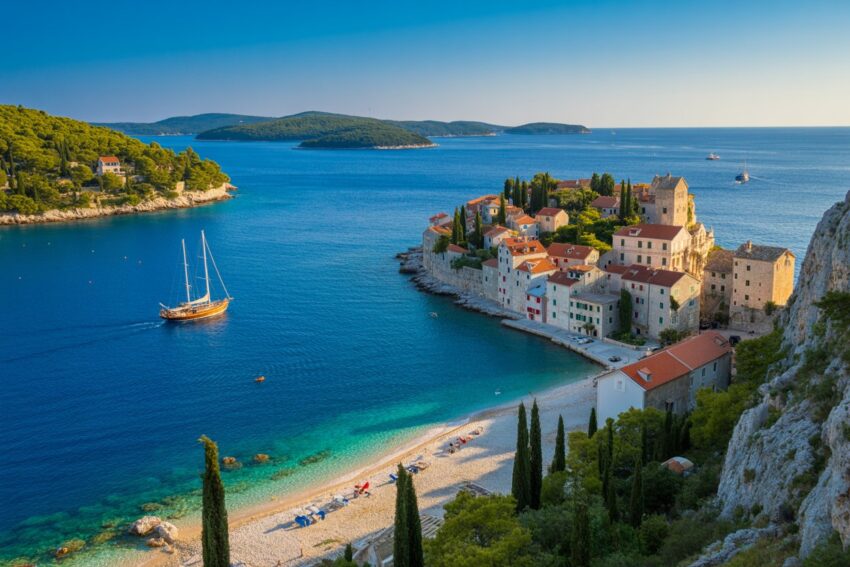
Due to the fact that tourism, hospitality, and retail are among Croatia’s fastest-growing industries, preparations for the new tourist season are under way, along with recruitment. The labor shortage is particularly tough in Croatia, and so employers have begun their recruitment drives earlier than usual in order to meet the demand of offering high standards during peak summer months. Given that an estimated 65,000 seasonal staff will be required, securing skilled staff remains one of the biggest challenges the tourism sector is faced with.
Early Recruitment: A Response to Labour Shortages
The Croatian tourism industry, one of the country’s most vital sectors, has traditionally relied on a large seasonal workforce to meet the demands of peak tourist seasons. However, with domestic labour becoming increasingly scarce, many businesses are struggling to find enough qualified workers to fill positions. This year, recruitment has started as early as January and February, well ahead of the typical summer hiring rush.
Employers in the tourism sector are aware of the urgency of filling these positions. By the end of February, a significant number of businesses are expected to have secured most of their seasonal workforce, leaving only a few remaining positions to be filled in the lead-up to the peak tourist months of April and May. This early push is a response to the ongoing shortage of domestic workers, forcing many businesses to look beyond their borders to fill positions.
Reliance on Foreign Workers to Meet Demand
With the shortage of domestic workers, the reliance on foreign seasonal labour has become increasingly important. Research has shown that Croatia‘s tourism sector will require approximately 50,000 foreign workers in addition to the 15,000 positions expected to be filled by Croatian nationals. This reliance on international labour is essential to maintaining the quality and capacity of the country’s tourism services, particularly in regions with high volumes of international visitors.
Foreign workers are typically sought after during the autumn months, as businesses begin the lengthy process of securing work permits and visas. This early recruitment allows employers to plan in advance and ensure that they have the necessary staff to meet the demands of the peak tourist season.
Higher Wages and Adjusted Expectations in the Labour Market
The growing competition for workers has led to an increase in wages for seasonal positions, with some roles offering salaries that are 30 to 40 percent higher than similar jobs in inland areas. The increase in wages is aimed at attracting more workers to the coastal regions, where demand for staff is particularly high during the summer months.
Despite this, employers have had to adjust their expectations when it comes to the skillset and experience required for seasonal roles. While the industry once sought highly skilled workers with extensive experience, the shortage of qualified candidates has led employers to lower their requirements. For instance, where five years of experience was previously needed, now three years of experience is often sufficient.
This shift in expectations highlights the broader challenges facing Croatia’s tourism sector, as employers strive to maintain service standards while dealing with the realities of a competitive labour market. Despite the reduced experience requirements, employers are still placing a strong emphasis on quality service and are investing in training programs to ensure that workers can deliver high-quality customer experiences.
Training and Support for Seasonal Workers
To address the challenges of workforce shortages and skill gaps, many employers are investing in staff training and on-site education. New employees undergo structured training within the establishments where they will be working. This hands-on approach to training ensures that workers are fully equipped to handle the specific services and products offered by each establishment. By focusing on professional development, businesses are able to improve the overall quality of service while easing the burden on seasoned staff.
Training programs are not limited to just newcomers but also focus on continuing education for existing employees. This investment in staff development helps to create a more cohesive and skilled workforce, capable of adapting to the high demands of the tourist season.
The Economic Implications of Increased Labour Costs
The labour shortage in Croatia’s tourism sector has led to significant increases in operational costs. Since 2019, wages in hotel management and other key sectors have risen by around 75 percent, while revenues have grown by approximately 58 percent. This imbalance between rising costs and slower revenue growth has put additional financial pressure on businesses, making it even more critical for employers to find ways to improve efficiency and productivity.
To combat these rising costs, businesses have also started to invest heavily in improving the quality of accommodation, working conditions, and employee welfare. By providing better working environments, employers hope to retain seasonal workers for longer periods, improving staff retention rates and reducing the need for frequent recruitment cycles.
Tapping into Underutilized Labour Pools: Pensioners, Students, and the Unemployed
As the tourism sector looks to fill seasonal roles, employers are increasingly turning to underutilized labour pools, such as pensioners, students, and unemployed residents. These groups offer a valuable source of labor that can help supplement the workforce during peak seasons. By tapping into these segments, businesses can ease the pressure caused by the shortage of traditional workers and ensure that they can meet the growing demand for tourism services.
This approach is particularly important in maintaining the authenticity and quality of Croatia’s tourism offering. By hiring locals or individuals from diverse backgrounds, the industry can foster a more inclusive environment that benefits both the workers and the businesses they support.
Implications for Tourism and the Broader Economy
The shortage of seasonal workers in Croatia’s tourism industry is not just an operational challenge—it also has broader economic implications. Tourism plays a central role in Croatia’s economy, contributing to a significant portion of GDP and employment. A shortage of workers could impact the quality of service, potentially diminishing the overall tourist experience and affecting visitor satisfaction. If not addressed, this issue could lead to a decline in repeat visits, affecting the long-term stability of the tourism sector.
To avoid this, the Croatian government and tourism stakeholders must continue to work together to create sustainable solutions, including improving workforce training, encouraging local recruitment, and investing in infrastructure that can support the growing demand for tourism services.
The Future of Croatia’s Tourism Workforce
As Croatia’s tourism industry continues to thrive, addressing the seasonal workforce shortage will be critical to ensuring the continued growth and success of the sector. With a strong reliance on both domestic and foreign workers, the country is increasingly focusing on creating a balanced and sustainable approach to recruitment, training, and compensation. By investing in the future of its workforce, Croatia can maintain its position as one of Europe’s most attractive tourist destinations while ensuring that its service standards remain high.
The post Tourism Workforce Shortage in Croatia Poses New Challenges for Travel Industry, Get the Details Here appeared first on Travel And Tour World.