
 Login
Login
Hundreds of Travelers Abandoned in the UK as Air France, British Airways, Lufthansa, easyJet, Jet2, and More Airlines Face 16 Cancellations and Over 330 Delays at Heathrow, Manchester, Edinburgh, and Birmingham Airports
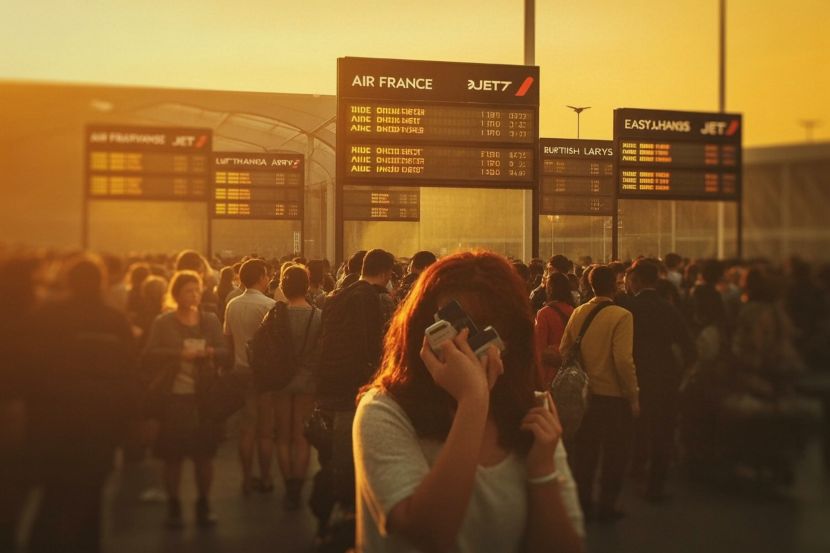
In a challenging start to the year for travelers, UK airports are grappling with significant delays and cancellations. As of February 2026, passengers at some of the busiest airports, including London Heathrow, Manchester, and Edinburgh, are facing chaos with more than 330 delays and at least 16 flight cancellations, impacting both business and leisure travel alike.
According to official data collected from various airport and airline sources, London Heathrow remains the most affected, with a staggering 169 delays and 16 cancellations. These disruptions come at a time when air travel demand has surged, particularly around major global hubs like Heathrow, which handles over 80 million passengers annually.
Unprecedented Delays at London Heathrow Airport
London Heathrow, one of the busiest international airports, has faced severe disruptions in recent days. Out of the 169 delayed flights recorded, the airport saw 16 cancellations, adding to the mounting frustration of travelers. This significant spike in delays has resulted in a ripple effect across various connecting flights, creating congestion at check-in counters and security checkpoints.
The delays at Heathrow have been caused by several factors, including inclement weather, air traffic control issues, and ongoing labor shortages. The UK government, in partnership with aviation authorities, has been working to address the staffing crisis at air traffic control centers, but the challenges remain.
Passenger experience has also been impacted by these delays, as the long waits have led to overcrowded terminals and limited amenities. Travelers have expressed frustration with the lack of real-time communication from airlines and the airport, leaving many in the dark about their flight statuses. The UK Civil Aviation Authority (CAA) has called for more transparency and better customer service in the face of these disruptions.
Manchester Airport Sees Major Flight Delays
Manchester Airport, a key gateway for international and domestic travelers, is also grappling with its fair share of disruptions. With 101 delayed flights, the airport has become a hotspot for travelers who are finding their journeys extended by hours. These delays have caused major headaches for those traveling for business and leisure, with passengers reporting frustration and uncertainty due to the lack of timely information.
The delays in Manchester are primarily due to staffing shortages and operational challenges faced by airlines. Airport authorities are working closely with airline partners to minimize the impact of these delays, but travelers have been urged to remain patient as the situation continues to unfold.
While Manchester’s disruption rate is not as severe as Heathrow’s, it still remains a concerning issue for travelers, with potential long-term implications for both the airport’s reputation and passenger satisfaction.
Edinburgh and Birmingham Airports Experience Minimal Cancellations but Significant Delays
Edinburgh and Birmingham airports, while not facing as many cancellations as Heathrow and Manchester, have also been affected by delays. Edinburgh reported 26 delays, while Birmingham registered 40. Despite having zero cancellations, both airports have experienced bottlenecks, especially during peak hours.
For passengers, the delays have primarily been caused by minor operational issues, but the ripple effect from other airports’ delays has exacerbated the situation. In Edinburgh, several international flights were delayed due to air traffic congestion at larger airports like Heathrow and Manchester, which are key hubs for connecting flights.
Birmingham Airport, located in the heart of England, also witnessed operational challenges that affected its ability to handle flights on time. However, authorities at both airports are confident that the delays will be resolved soon, with ongoing improvements to staffing and communication processes.
The Cause of the Delays: Weather, Staffing Issues, and Air Traffic Congestion
The delays at Heathrow, Manchester, Edinburgh, and Birmingham can be attributed to several factors, including adverse weather conditions, operational issues, and ongoing staffing shortages. The United Kingdom’s airports have been grappling with labor shortages since the pandemic, making it difficult to maintain the staffing levels necessary to manage the flow of air traffic efficiently.
In addition, the UK’s weather, particularly in the winter months, often contributes to flight delays. Snow, ice, and fog can severely impact visibility and the ability to take off or land safely. This year, the weather has been especially unpredictable, causing more flight disruptions than usual.
Air traffic congestion is another major issue, particularly at larger airports like Heathrow and Manchester, which are among the busiest in Europe. These airports are facing bottlenecks in air traffic control as a result of increased flight schedules and delays at other airports, which impact connecting flights.
What Travelers Can Do to Minimize the Impact of Delays
For passengers traveling through affected airports, it is crucial to stay updated on flight statuses through official airline apps or websites. The UK government has issued guidance encouraging travelers to allow extra time for check-in and security, as delays are expected to continue for the next few days.
Passengers are also advised to contact their airlines in advance to confirm the status of their flights and inquire about any available compensation or rebooking options. The government has also stressed that airlines should provide clear communication and assistance to those impacted by delays.
For those with connecting flights, it’s best to allow for extra time between connections, as delays at one airport can lead to cascading disruptions at others. The Civil Aviation Authority has recommended that airlines proactively work with passengers to provide assistance and alternative arrangements.
Impact on Tourism: How UK’s Airport Challenges Affect Visitors
The ongoing disruptions are having a ripple effect on the UK’s tourism industry. For travelers arriving from international destinations, these delays and cancellations are not only inconvenient but may also lead to missed connections and disrupted itineraries.
The UK’s tourism industry is still recovering from the effects of the pandemic, and these flight delays have the potential to further delay the full recovery. However, tourism bodies, including Visit Britain, have expressed confidence that with improved operational procedures and better communication, the industry will continue to thrive in the coming years.
Despite the setbacks, the UK remains one of the most popular travel destinations in Europe, with millions of tourists arriving each year to explore its rich history, culture, and iconic landmarks. Efforts are already underway to streamline airport operations and improve passenger experiences in light of the ongoing challenges.
Looking Ahead: Efforts to Resolve the Delays and Improve Operations
UK airport authorities are actively working with airlines, government officials, and air traffic control providers to address the underlying causes of the disruptions. There is a strong focus on increasing staffing levels, improving operational efficiency, and upgrading infrastructure to meet the growing demand for air travel.
The government is expected to introduce new measures to enhance customer service, with an emphasis on providing clearer communication to travelers during times of disruption. In the meantime, passengers are urged to stay informed, plan accordingly, and remain patient as the aviation industry works to get back on track.
Conclusion: Resilience Amid Challenges
While recent delays and cancellations have presented significant challenges for travelers at London Heathrow, Manchester, Edinburgh, and Birmingham airports, the resilience of the UK’s aviation industry remains strong. The efforts being made to address staffing shortages, air traffic congestion, and operational inefficiencies are aimed at ensuring that air travel remains a viable and reliable mode of transportation for both tourists and business travelers alike.
As the UK continues to recover and adapt to the changing travel landscape, it is hopeful that these disruptions will soon be a thing of the past. For now, travelers should continue to monitor their flight statuses and make the most of the UK’s world-class travel infrastructure.
Source :Flightaware
The post Hundreds of Travelers Abandoned in the UK as Air France, British Airways, Lufthansa, easyJet, Jet2, and More Airlines Face 16 Cancellations and Over 330 Delays at Heathrow, Manchester, Edinburgh, and Birmingham Airports appeared first on Travel And Tour World.