Login
Login
Sunwing Vacations Unites Avianca, and United Airlines Boost Travel to Nicaragua with New Routes and Expansions – A Game Changer for Central American Connectivity!
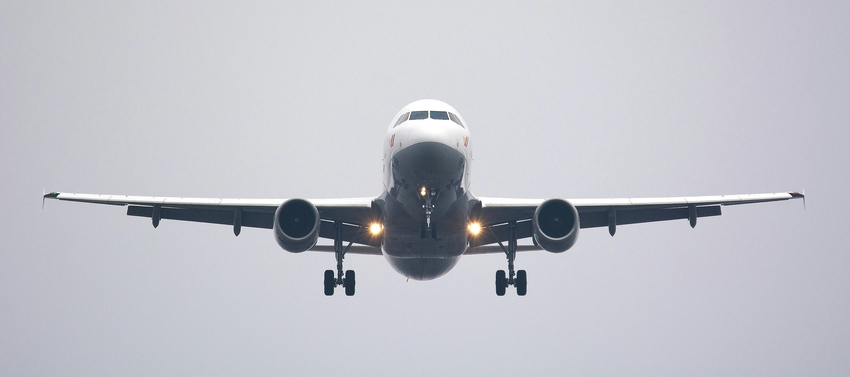
Nicaragua is seeing transformative changes in its aviation sector, with new flight routes, expanding airline services, and significant infrastructure upgrades. The country is quickly becoming a key player in Central America’s travel network, with major international airlines adding direct services to Nicaragua. At the same time, the government’s ongoing airport modernization efforts and the introduction of a new airport project are poised to further boost the country’s travel appeal. However, in a significant policy shift, Nicaragua has also altered its visa policy, adding complexity to travel for Cuban citizens.
Sunwing Vacations (WestJet) Launches Direct Flight to Nicaragua
One of the most exciting developments in Nicaragua’s aviation landscape is the addition of a new direct flight service from Montreal (YUL) to Managua (MGA), operated by Sunwing Vacations, now part of WestJet. Starting from December 18, 2025, through April 9, 2026, this seasonal route is the only direct air link between Canada and Nicaragua.
This new service is expected to boost tourism and travel between the two countries, providing Canadians with easier access to Nicaragua’s vibrant culture, stunning landscapes, and growing eco-tourism sector. The seasonal nature of the route also aligns with the peak travel season, offering a perfect opportunity for winter vacationers to explore Nicaragua’s tropical beauty.
Avianca’s Expansion into Nicaragua
Avianca, a prominent player in Latin American aviation, has significantly expanded its presence in Nicaragua. The airline launched nonstop service between Fort Lauderdale (FLL) and Managua (MGA) in mid-2025, with the route continuing into 2026. This route, operated with Airbus A320 aircraft, represents a major leap in connectivity between Florida and Nicaragua, facilitating easier travel for Nicaraguan expatriates in the US and travelers eager to experience the country’s natural wonders and cultural heritage.
This move by Avianca is part of a broader push to strengthen its network across Central America and expand the accessibility of Nicaragua as a travel destination. As more international airlines increase their services to Managua, the country’s tourism and business opportunities are set to grow.
United Airlines Maintains Daily Service
United Airlines continues to offer daily service between Managua and Houston (IAH), maintaining a consistent and reliable connection for travelers. This service has long been a cornerstone of Nicaragua’s connection to the United States and remains essential for both leisure and business travelers. The flight offers vital links to Houston’s international network, providing access to destinations across the US, Europe, and beyond.
With United Airlines sustaining its operations at this high level, the airline contributes to the strong demand for direct services to Nicaragua and plays an important role in connecting the country to the wider world.
Major Airport Infrastructure Upgrades
To accommodate the increasing demand for air travel, the Nicaraguan government is investing heavily in the country’s airport infrastructure. The Augusto C. Sandino International Airport, the country’s primary international gateway, is undergoing a major modernization project with an investment of 600 million cordobas. This project focuses on improving the airport’s runways, ground support facilities, and overall passenger experience, ensuring that Nicaragua can handle larger aircraft and more travelers.
These upgrades are essential as Nicaragua continues to grow as a tourist destination. The improved facilities will help meet the needs of both domestic and international airlines, enhancing the capacity to welcome more visitors from around the world.
Punta Huete International Airport Development
In addition to the renovations at Augusto C. Sandino International Airport, a major new airport project is underway in Punta Huete, a location near the Lake Cocibolca area. The Punta Huete International Airport, being developed in collaboration with China, is expected to eventually handle up to 3.5 million passengers annually. However, this ambitious project is not expected to be completed until 2029, marking it as a long-term investment in Nicaragua’s infrastructure and global connectivity.
Once completed, the Punta Huete International Airport will further position Nicaragua as a crucial hub in Central America, with the capacity to handle significantly higher passenger volumes and accommodate more international airlines.
Visa Policy Change: Cuba No Longer Exempt
In a significant shift in its immigration policy, Nicaragua announced on February 8, 2026, that it would no longer offer visa-free entry to Cuban citizens. As of this date, Cuban travelers will need to obtain a visa before entering Nicaragua, a change that will have immediate implications for airlines, travel agencies, and transit operators. The decision reflects Nicaragua’s changing diplomatic relations and will likely affect the travel behavior of Cuban nationals and those traveling through Cuba to Nicaragua.
This move is also significant for Nicaragua’s tourism industry, as it could reduce the number of Cuban visitors and affect the airlines operating in the region, who will need to adjust their offerings accordingly. However, the change is expected to strengthen Nicaragua’s control over its borders and align its immigration policies with the growing demand for tourism and business travel.
Looking Ahead: Nicaragua’s Growing Role in Central American Aviation
With new flight routes, expanding services from major airlines, and ongoing airport infrastructure projects, Nicaragua is positioning itself as a key player in Central America’s aviation sector. The new direct flights from Sunwing Vacations, Avianca, and United Airlines will continue to enhance connectivity and bring more international visitors to the country. At the same time, the government’s investments in airport modernizations and new infrastructure, such as the Punta Huete International Airport, are setting the stage for a future in which Nicaragua will be an even more prominent destination in Latin American and global tourism.
As these changes unfold, Nicaragua is expected to experience a boost in both tourism and business travel, contributing to the broader economic development of the country. The combination of increased flight connectivity and upgraded infrastructure is a positive step forward for Nicaragua’s aviation sector, making 2026 a year of pivotal growth and transformation for the country’s travel industry.
The post Sunwing Vacations Unites Avianca, and United Airlines Boost Travel to Nicaragua with New Routes and Expansions – A Game Changer for Central American Connectivity! appeared first on Travel And Tour World.