
Reading view

HondaJet Elite II’s Emergency Autoland Could Reshape the Future of Business Tourism

HondaJet Elite II’s Emergency Autoland Could Reshape the Future of Business Tourism
HondaJet

A Smarter Era of Corporate Travel May Be Taking Off

Business tourism is evolving rapidly, shaped by the growing demand for speed, flexibility, and seamless travel experiences. While airlines continue to modernize premium cabins and airport infrastructure, one of the most significant innovations may be happening in a different corner of the aviation industry: private business jets.

The HondaJet Elite II, already recognized as one of the most advanced very light jets in its category, is now available with Emergency Autoland—a breakthrough safety feature designed to automatically land the aircraft if a pilot becomes incapacitated.

Although the technology is primarily intended to reduce risk and improve flight safety, its influence may extend far beyond aviation engineering. For the global business tourism market, Emergency Autoland could become a major confidence-building milestone, reshaping how executives and corporate travelers view private jet mobility.

Understanding Emergency Autoland and Why It Matters

Emergency Autoland is an automated system that can take control of an aircraft and safely guide it to landing if a pilot is unable to continue flying. In such a scenario, the system can select an appropriate airport, manage navigation, communicate with air traffic control, and execute a landing without human intervention.

For business aviation, where many flights operate with smaller crews and where aircraft are often used for fast, time-sensitive travel, this type of technology represents a major step forward.

By bringing this feature to the HondaJet Elite II, the aircraft moves beyond being simply a luxury tool for executives. It becomes a symbol of how automation and safety innovation can support the future of premium business travel.

A New Confidence Boost for Business Travel

Business tourism depends on trust. Corporate travelers must believe that their journey will be efficient, reliable, and safe—especially when flying on tight schedules to high-value meetings, negotiations, or global events.

With HondaJet Emergency Autoland now certified and available, it may reduce perceived risk among both travelers and corporate decision-makers. This added security could encourage more businesses to view very light jets as a realistic alternative to commercial travel, especially when time is limited.

Corporate Travel Use Cases That May Expand

Emergency Autoland could strengthen demand for private aviation in areas such as:

Last-Minute International Meetings

Executives often face sudden scheduling changes. A reliable private aviation option can allow rapid travel across regions without relying on commercial airline timetables.

High-Value Corporate Trips

For financial, technology, and consulting industries, travel is often tied to high-stakes decision-making. Safety innovations can help justify private jet use for critical journeys.

Regional Multi-City Business Itineraries

Corporate teams frequently need to visit multiple cities within a short period. Private jets allow flexible routing that commercial carriers cannot always match.

Luxury Incentive Travel Programs

Business tourism is not limited to meetings. Incentive travel programs, executive retreats, and premium corporate events increasingly depend on private aviation for exclusivity and time savings.

In each of these segments, the perception of safety can directly influence purchasing decisions.

Supporting the Rise of Regional Business Hubs

One of the defining advantages of light business jets is their ability to reach smaller airports that commercial airlines may not serve efficiently. This gives business travelers access to regional cities without lengthy layovers or inconvenient travel routes.

If safety technology like Emergency Autoland becomes more common, it could increase corporate confidence in flying to secondary airports—helping accelerate the growth of emerging business hubs.

How This Impacts Business Tourism

Improved access to smaller airports could strengthen business tourism activity in secondary destinations by supporting:

  • increased hotel occupancy in regional cities
  • stronger demand for conference venues
  • growth in premium hospitality infrastructure
  • More investment in local business districts

As corporate mobility becomes easier, companies may be more willing to host events and meetings outside major capitals, which could reshape the geographic distribution of business tourism worldwide.

Expanding the Premium Corporate Travel Market

The HondaJet Elite II is positioned as a premium aircraft designed for efficiency, executive comfort, and performance. By adding Emergency Autoland, it may become even more attractive to high-end corporate travelers, private owners, and charter operators.

This could accelerate demand for premium business aviation services, including:

Private Charter Operators

Charter providers may benefit from increased customer trust, especially among first-time private jet users who value safety reassurance.

Corporate Jet Ownership Programs

Companies that invest in private aviation often evaluate both prestige and risk. Advanced automated safety features may strengthen the business case for ownership.

Business-Focused Air Taxi Services

As air taxi concepts expand globally, safety innovation may become a defining selling point. Emergency Autoland could support the long-term growth of regional corporate air mobility.

By improving confidence in very light jets, HondaJet’s technology may indirectly help expand the overall private aviation ecosystem.

Driving Innovation in Luxury and Executive Travel

Business travelers increasingly prioritize convenience, personalization, and efficiency. In the past, premium travel was defined mainly by first-class cabins, private lounges, and concierge services. Today, technological safety innovation may become a new benchmark of luxury.

Emergency Autoland reflects a broader trend in aviation: the move toward smarter aircraft systems that reduce risk and simplify complex operations.

A New Competitive Standard in Business Aviation

If corporate travelers begin to expect this level of automation and safety, competitors may be pressured to introduce similar systems. Over time, Emergency Autoland could shift from being a standout feature to becoming an industry-wide expectation.

This would push business aviation into a new era where automation is not only a technical upgrade, but also a market advantage in executive tourism.

A Potential Turning Point for Business Tourism

While Emergency Autoland is not designed specifically for tourism, its influence could shape how corporate travel evolves over the next decade. By making private aviation feel more secure and more dependable, it may expand private jet use across industries that previously relied mainly on commercial airlines.

For the business tourism sector, the potential benefits include:

  • stronger confidence in premium travel services
  • faster executive mobility across regions
  • increased tourism flow into secondary business cities
  • new demand for business-class hospitality infrastructure
  • growth in luxury incentive travel experiences

The Future of Corporate Travel Could Be Safer, Faster, and More Automated

HondaJet Elite II’s Emergency Autoland represents more than a safety upgrade. It signals a shift toward smarter aviation, where technology supports not only pilot operations but also traveler confidence.

As global business tourism continues to expand, innovations like this could redefine how executives move between opportunities—making private jet travel more trusted, more appealing, and potentially more accessible in the long run.

If widely adopted across the industry, HondaJet Emergency Autoland could become a defining milestone in modern corporate mobility—helping shape a future where business tourism is powered not only by speed and luxury, but also by intelligent safety innovation.

The post HondaJet Elite II’s Emergency Autoland Could Reshape the Future of Business Tourism appeared first on Travel And Tour World.
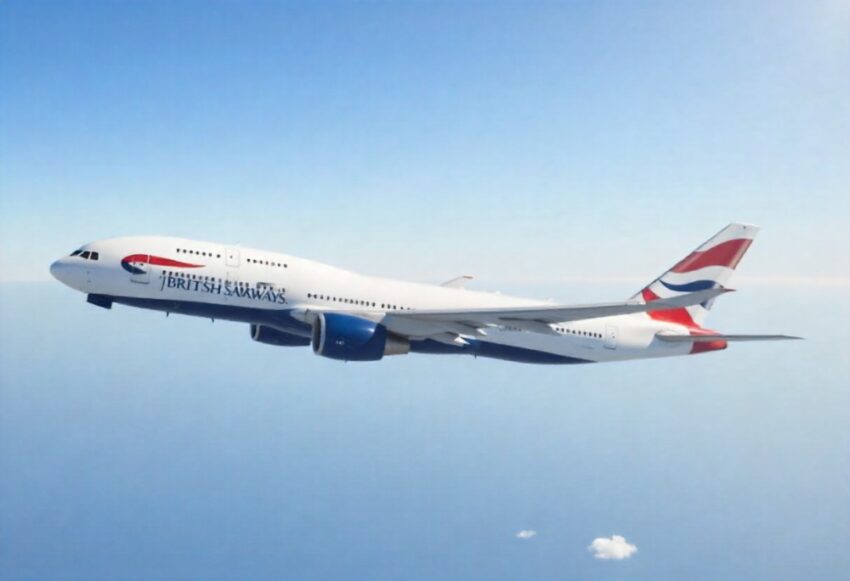
British Airways Flight BA1481 from Glasgow to London Heathrow Decleares Emergency Just After Departure, New Update is Here

British Airways Flight BA1481 from Glasgow to London Heathrow Decleares Emergency Just After Departure, New Update is Here

In a dramatic turn of events, British Airways Flight BA1481, flying from Glasgow to London Heathrow, declared an emergency just moments after takeoff. The situation unfolded quickly, leaving passengers on edge as the aircraft climbed to 8,000 feet before unexpectedly halting its ascent. Less than 25 minutes after departure, the crew of BA1481 declared an emergency, a situation that is rare but critical in the world of aviation. The flight, bound for London Heathrow, had to circle south of Glasgow as pilots assessed the situation and followed emergency procedures to ensure the safety of everyone on board.

This emergency declaration immediately grabbed the attention of aviation enthusiasts and passengers alike. British Airways Flight BA1481, which was supposed to be a routine flight, now found itself at the center of a tense emergency situation. With the flight circling and the crew working diligently to manage the unfolding crisis, the world watched closely. What caused this emergency just after departure? How did the crew manage the situation?

Keep reading for the full details on British Airways Flight BA1481, the emergency situation, and how the airline handled it under these unprecedented circumstances. Don’t miss out on this latest update!

Aviation Alert: British Airways Flight BA1481 Declares Emergency After Departure from Glasgow

In an unexpected and dramatic turn of events, British Airways flight BA1481, traveling from Glasgow to London Heathrow, declared an emergency shortly after takeoff on February 11, 2026. The flight, an Airbus A319-131, registered G-DBCE, had barely left the ground before the crew was forced to stop the climb and take immediate action to ensure the safety of all passengers aboard. With a squawk code of 7700—an internationally recognized emergency signal—this situation quickly escalated into a critical aviation incident. As the plane circled the skies, tens of thousands of passengers and aviation enthusiasts around the world anxiously awaited updates.

The Flight’s Sudden Turn: What Went Wrong on BA1481?

British Airways flight BA1481, a routine domestic flight from Glasgow (GLA) to London Heathrow (LHR), departed from runway 05 at Glasgow Airport. But just 25 minutes into the flight, things took a sudden and worrying turn. Climbing to an altitude of 8,000 feet, the aircraft suddenly halted its ascent. This unusual maneuver was the first sign that something had gone awry. The aircraft, a trusted Airbus A319, is one of the most common aircraft used in short-haul flights, renowned for its safety record and reliability. However, on this particular day, the plane’s crew was forced to confront an unforeseen emergency. Within minutes, the flight deck sent out an emergency squawk code, signaling that something was seriously wrong.

Passengers’ Safety Prioritized: What Happened After the Emergency Declaration?

After the emergency was declared, the aircraft, still circling south of Glasgow, held at an altitude of 8,000 feet. By the 45-minute mark, passengers aboard British Airways flight BA1481 remained in a holding pattern, anxiously awaiting resolution. The aircraft was not descending; instead, it circled above Glasgow as the crew worked swiftly to assess the situation and ensure that the safety of the passengers was the top priority.

While circling at 8,000 feet may have seemed a minor inconvenience, it was a necessary maneuver to assess the technical issue or malfunction that caused the emergency declaration. In these moments of crisis, pilots are trained to take proactive measures to guarantee safety. It’s an unfortunate reality that passengers and crew alike must face when something goes wrong in midair, but it’s also an important reminder of how vital flight safety measures are in modern aviation.

Why Was Flight BA1481 Forced to Circle? Understanding the Emergency Protocols in Aviation

The reason behind BA1481’s sudden emergency declaration was not immediately clear. However, when aircraft experience technical failures, a range of emergency protocols is followed. In some instances, a minor mechanical issue or a warning light may be enough to trigger an emergency declaration. This quick response ensures that flight crews have the necessary time to assess the situation and make any required adjustments, including returning to the airport if necessary.

In the case of British Airways flight BA1481, circling at 8,000 feet was an essential decision. It allowed the pilots to maintain control while awaiting guidance from ground control and aviation engineers. Aviation experts often highlight that these types of incidents—though alarming—are a crucial part of ensuring that passenger safety remains the highest priority.

Airline / FlightRoute / LocationEmergency TypeOutcome
Starsky Aviation (Somalia)Mogadishu – DomesticRunway Overrun / Emergency LandingAll survived, investigation ongoing
Air Canada AC858Toronto – LondonIn‑flight diversionPassengers stranded safely at alternate airport
easyJet EZY3211Edinburgh – ParisTechnical diversionSafe landing at Manchester
easyJet (another service)Edinburgh – FuerteventuraEmergency diversionLanded in Porto
United Airlines UA1125Denver originTechnical emergencySuccessful landing
Hainan Airlines HU492Brussels returnTechnical issue, fuel dumpSafe landing
British Airways A319Glasgow – LondonTechnical emergencyReturned safely

What Does This Incident Tell Us About Flight Safety and Aircraft Maintenance?

The declaration of an emergency by British Airways flight BA1481 is a stark reminder of the importance of flight safety protocols and the meticulous nature of aircraft maintenance. While it’s easy to assume that flight issues are rare, the reality is that they can arise at any time. However, thanks to highly trained crews and modern technology, many potentially catastrophic incidents are avoided.

Airlines like British Airways are known for their stringent maintenance and safety standards, which is why incidents like these are often more about precaution than actual danger. The protocols followed by the crew of BA1481 ensured that the flight remained under control and that all passengers were kept informed during the emergency.

The Response to the Incident: How British Airways Handled the Emergency

In response to the incident, British Airways promptly updated air traffic control, and the flight crew followed standard emergency procedures. Passengers aboard the flight were kept informed as the crew worked to resolve the issue. At the same time, ground crews at Glasgow and London Heathrow prepared to handle the situation should an emergency landing become necessary.

While we are yet to know the exact cause of the emergency, the airline’s swift and professional response serves as an excellent example of how well-prepared airlines are for handling mid-flight emergencies. In the world of air travel, safety is paramount. Airlines and flight crews undergo extensive training to respond to a variety of potential in-flight issues, and British Airways’ quick actions during this emergency serve as a testament to this preparedness.

Lessons Learned from British Airways Flight BA1481: A Call for Continuous Improvement in Aviation Safety

Every aviation incident, no matter how minor, serves as a lesson for the industry. The emergency declared by British Airways flight BA1481 may not have resulted in a full-scale crisis, but it underscores the importance of ongoing efforts to enhance flight safety. It’s a reminder that no aspect of aviation—whether it be flight training, maintenance, or emergency protocols—should ever be taken for granted.

As the aviation sector continues to grow, it’s essential for airlines and aviation bodies to continuously evolve and adapt. Whether it’s incorporating new technologies to detect potential issues earlier or enhancing crew training to handle high-stress situations, there’s always room for improvement. Flight BA1481’s emergency declaration serves as a crucial moment for reflection and reaffirms the commitment of British Airways and other airlines to prioritize safety at every stage of flight.

British Airways’ Commitment to Safety and Passenger Wellbeing

While the emergency involving British Airways flight BA1481 was a concerning moment for all those involved, it is a powerful reminder of the rigorous safety protocols that ensure air travel remains one of the safest modes of transportation. The professionalism displayed by the crew of BA1481, along with the airline’s swift response, helped navigate a potentially dangerous situation.

British Airways, like all airlines, places the utmost importance on the safety and wellbeing of its passengers. The airline’s actions during this emergency speak volumes about its commitment to the highest standards of flight safety. As the aviation industry continues to advance, ensuring the safety of passengers in every situation will remain the top priority.

The post British Airways Flight BA1481 from Glasgow to London Heathrow Decleares Emergency Just After Departure, New Update is Here appeared first on Travel And Tour World.
❌