Login
Login
How modern phones are made waterproof, including foldables
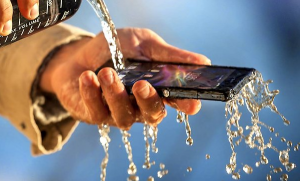
If you follow new smartphone launches, you’ve probably noticed this—more and more smartphones now come with a standard IP rating.
A while back, IP68 used to be the best ingress protection for a device. If your phone had it, it meant you bought the premium model. Now, even mid-range devices are shipping with IP68, and some brands are stacking multiple ratings like IP66, IP68, IP69, and IP69K on the same spec sheet.
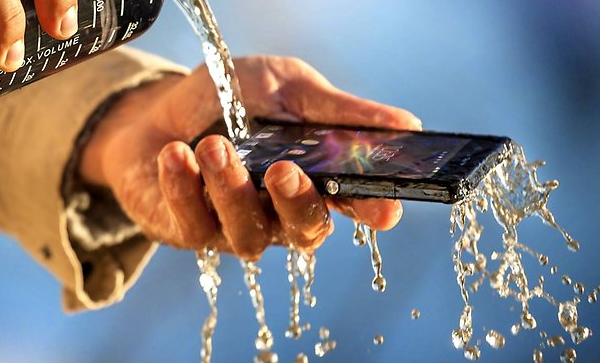
More interestingly, foldables have started showing up with official IP ratings. So what’s changed? How are phones pulling this off, especially foldables, which look like they should be allergic to water?
Waterproofing is a system
From the outside, making the phone water-resistant might feel like a single-feature add-on. But internally, it’s the result of multiple systems working together.
At the most basic level, engineers try to reduce the number of ways water can enter the device in the first place. And that starts with the structure.
Modern smartphones are built with extremely tight tolerances. That is, frames and back panels are fitted with minimal or zero gaps. Manufacturers precisely apply adhesive to bond layers together. The goal is to eliminate as many entry points as possible.
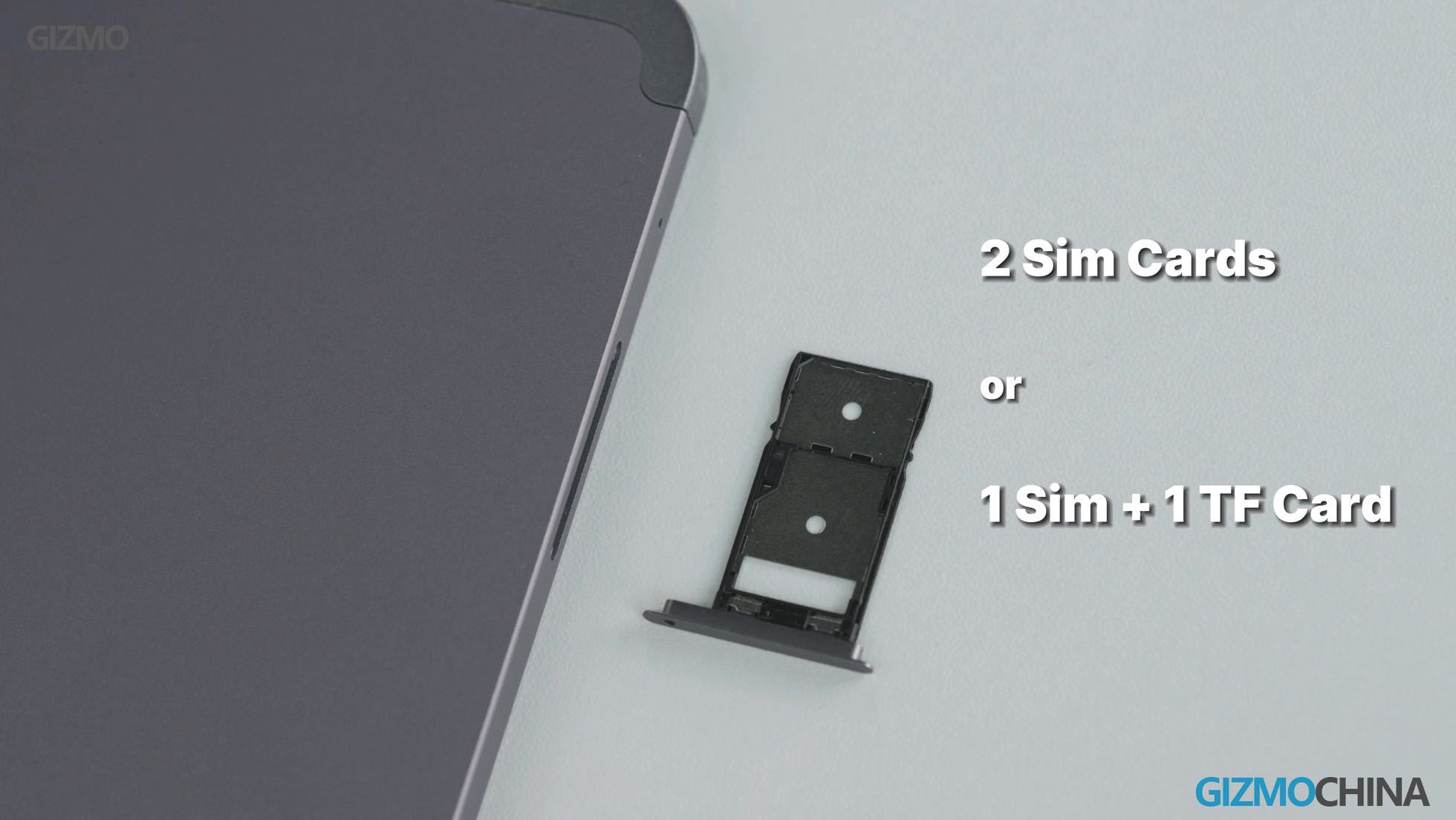
That said, every phone is built with some unavoidable weak spots. It has a charging port, SIM tray, and physical buttons. Companies reinforce these areas with silicon gaskets and rubber sealing rings. The SIM tray, for example, often includes a tiny waterproof ring that compresses when inserted, blocking liquid entry.
Speakers and earpieces are even trickier as they require airflow to function. To solve this, manufacturers use hydrophobic acoustic membranes or finely engineered mesh materials. These allow sound waves to pass while preventing liquid water from flowing through.
This is the first line of defense.
The backup plan
However, even with such careful design and structuring, some moisture could still find its way inside. That’s why many phones include a second layer of protection.
For instance, critical components like the motherboard, connectors, and flexible printed circuit boards are often treated with a nano-hydrophobic coating. This ultra-thin layer repels water at a microscopic level.
As a result, instead of water spreading across metal contacts and causing short circuits, water beads up into droplets. These droplets are more likely to evaporate or roll away rather than linger and corrode components.
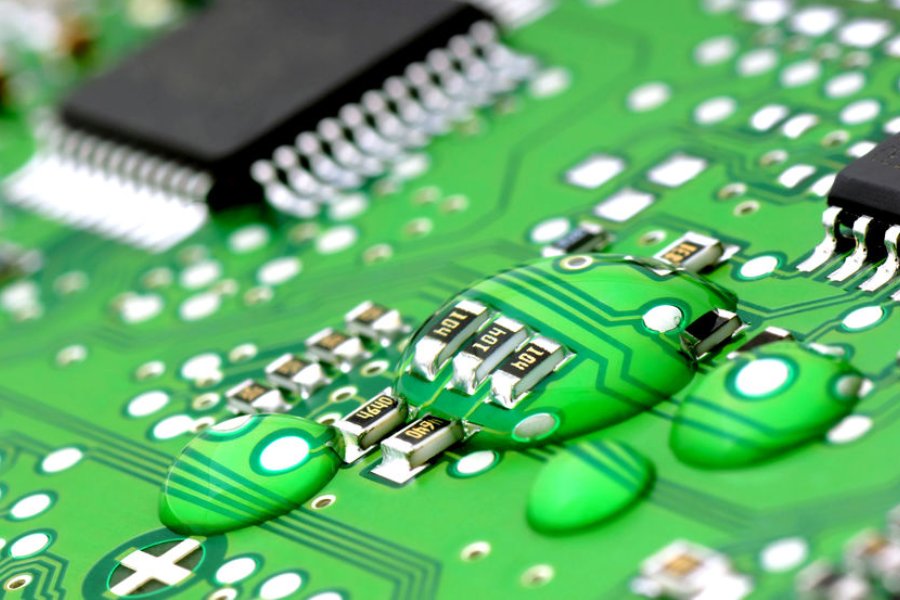
This coating doesn’t mean the phone is meant to be submerged casually. It’s a safety buffer. If water breaches the outer seals, the internal coating reduces the likelihood of immediate failure.
Modern waterproof phones almost always rely on both strategies: keep water out structurally, and minimize damage chemically if water gets in. Either approach alone wouldn’t deliver the reliability we rely on today.
Foldables complicate everything
All of this is already challenging enough in a traditional slab phone. Foldables raise the difficulty level a few steps higher.
A standard phone is a sealed block. But a foldable has a hinge, moving parts, flexible screens, and ultra-thin cables that bend with every open and close. Gaps are inevitable. Movement is constant. Internal space is limited.
Waterproofing that design requires different thinking.
Samsung’s strategy in the Samsung Galaxy Z Fold series focuses on isolation. Instead of attempting to fully seal the hinge, Samsung reportedly treats the left and right halves as separate compartments. If water enters one side, internal barriers help prevent it from spreading to the other.

The hinge area itself is engineered to manage water rather than completely block it. It uses corrosion-resistant materials, specialized lubricants, drainage paths, and hydrophobic components help ensure that water doesn’t remain trapped inside. It also encapsulates the flexible circuit boards with rubberized materials and specialized sealing compounds to add further protection.
As for Oppo, it reportedly uses multi-layered sealing in Find N series foldables. It applies adhesives in combinations — back adhesive, spot adhesive, layered seals — to fill microscopic gaps around hinges and flexible boards. The idea is to create a three-dimensional protective network that maintains integrity even as the phone folds and unfolds.
Some foldables now carry IPX6, IPX8, and IPX9 ratings, meaning they’re tested against immersion and various spray conditions. That would have seemed unrealistic for a hinge-based device not long ago.
Waterproof doesn’t mean worry-free
It’s worth remembering that IP ratings are based on controlled lab tests, and real-world scenarios can be much harsher. For example, saltwater can corrode metal faster, or chlorinated pool water and soap can degrade seals over time.
This is why most manufacturers note that water damage may not be covered under warranty, even for IP-rated phones. Water resistance reduces the risk, but does not eliminate it.
The quiet engineering win
From an engineering standpoint, modern smartphone waterproofing is less about flashy breakthroughs and more about refinement. It’s the result of tighter tolerances, better materials, smarter internal layouts, and layered defense strategies.
What’s changed isn’t just that phones can survive water. It’s that this capability is no longer limited to top-tier flagships. Mid-range devices now routinely offer protection levels that were once a flagship feature.
Of course, don’t rinse your phone under a tap. But it does mean that when accidents happen, your odds are better than they used to be.
For more daily updates, please visit our News Section.
Tech enthusiast? Get the latest news first! Follow our Telegram channel and subscribe to our free newsletter for your daily tech fix! 
The post How modern phones are made waterproof, including foldables appeared first on Gizmochina.