Login
Login
FIFA weighing Club World Cup format expansion for 2029 as UEFA’s position reportedly emerges
Last summer, the soccer world was shaken by the launch of the expanded Club World Cup, which for the first time featured multiple representatives from each confederation. With plans to stage the tournament every four years, FIFA is now reportedly considering another format shift—one that also hinges on UEFA’s stance.
Reports indicate that FIFA’s intention is to mirror what it did with the World Cup and expand the next Club World Cup to 48 teams instead of 32. Such a move would not only increase qualification opportunities, but above all ensure the participation of Europe’s biggest clubs. It’s worth noting that in 2025, giants such as Barcelona, Liverpool and Manchester United failed to qualify for the tournament.
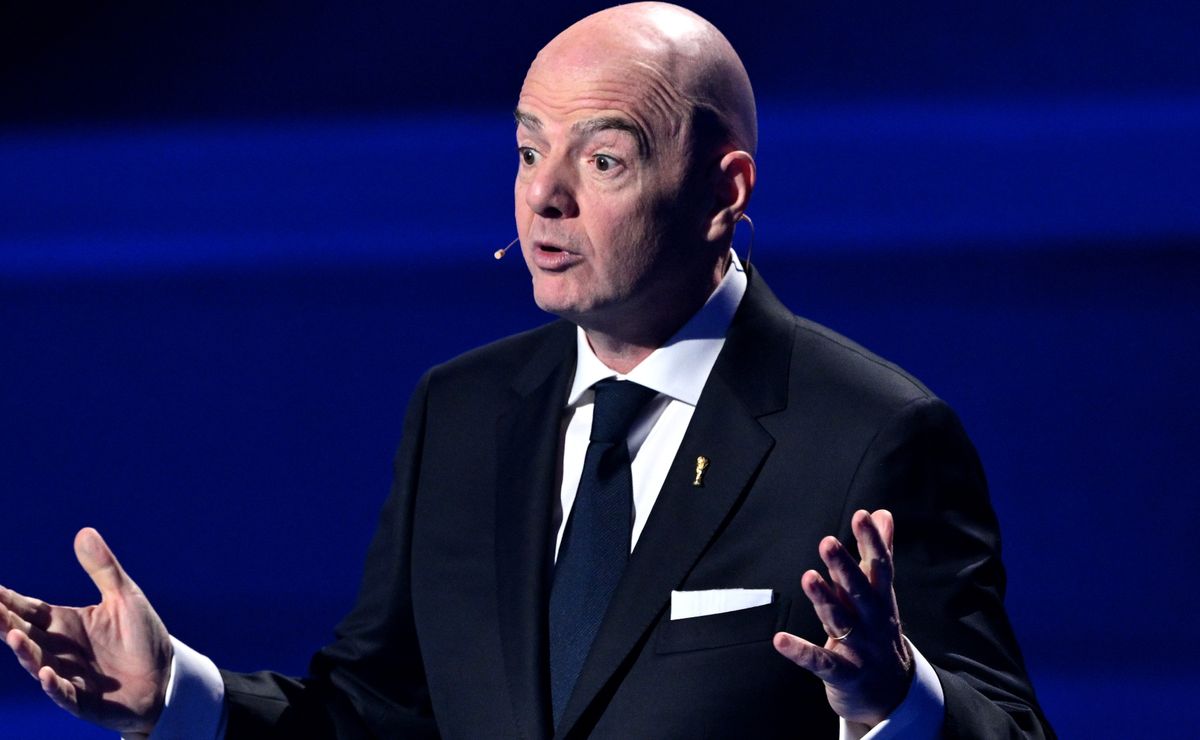
“UEFA is ready to back FIFA’s proposed expansion of the Club World Cup to 48 teams for the next edition in 2029,” The Guardian reported this week, adding that the decision is seen as “a sign of improving relations between their respective presidents, Aleksander Ceferin and Gianni Infantino.”
If confirmed, the report would ease tensions between the two organizations, which in recent years have clashed over differing visions for the future of soccer, as well as the defense of their respective interests.
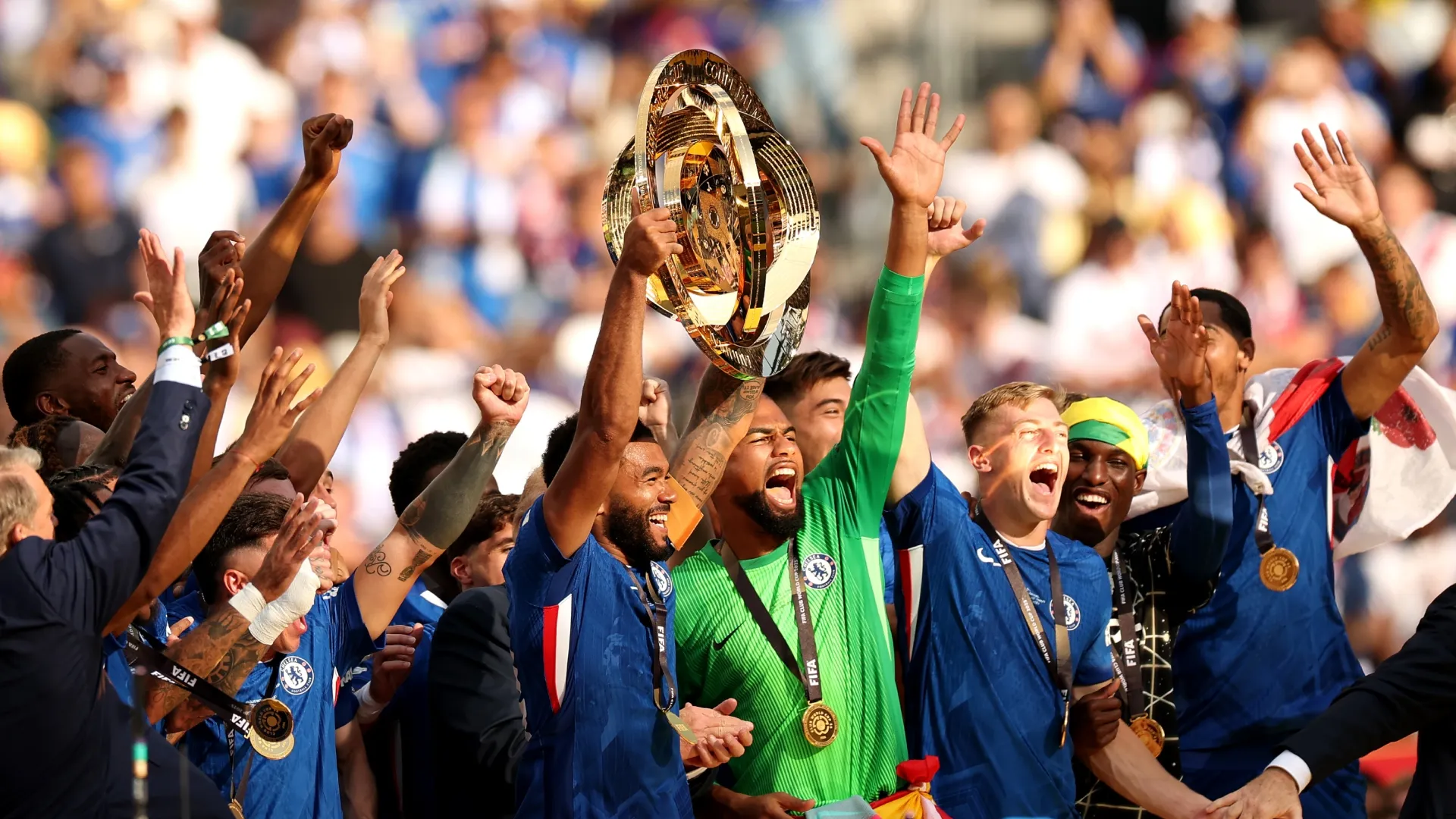
“The European football governing body had opposed plans to grow the Club World Cup over concerns an expanded tournament could threaten the status of the Champions League, but UEFA is now willing to back FIFA in return for an undertaking that the competition will not be held every two years,” The Guardian added.
Soccer’s increasingly crowded calendar
As has become clear, tensions among soccer’s governing bodies are tied to each organization’s plans to grow and expand its own competitions. After decades of maintaining relative balance in the structure of global tournaments, the sport’s marquee events have undergone significant changes in recent years.
The World Cup had kept the same 32-team format from 1998 through 2022, but beginning with the next edition it will expand to 48 teams with a revamped structure. Meanwhile, similar changes are being discussed for the Club World Cup, which had already introduced a new format in 2025.
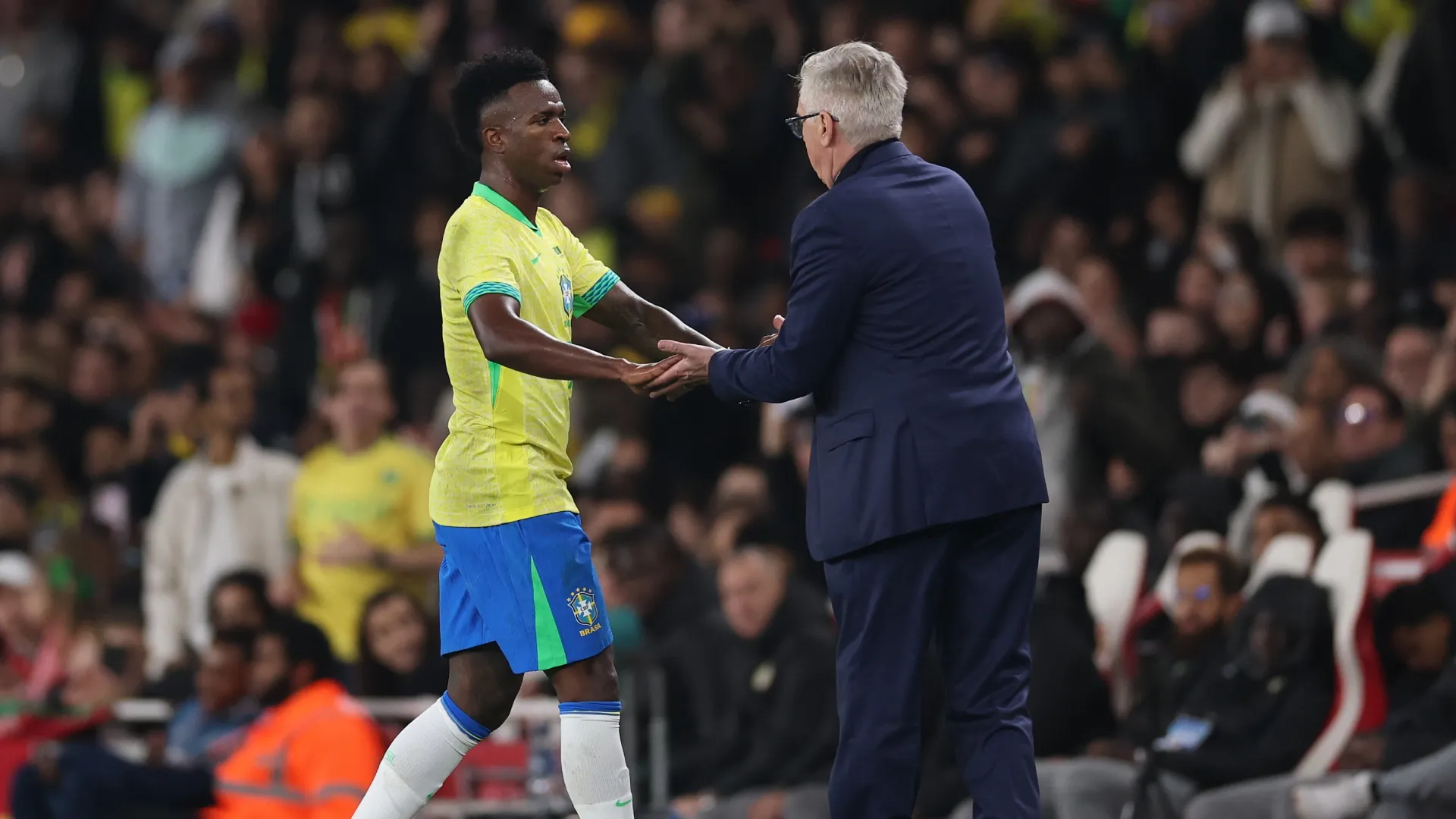
At the European level, there have also been major adjustments. A decade ago, UEFA created the UEFA Nations League, giving European national teams a structured calendar of competitive matches against one another. As a consequence, other top national teams such as Brazil and Argentina now struggle to find high-quality opponents for friendlies during FIFA international breaks.
At the club level, the Champions League was also revamped last year after decades under the same structure. The number of qualified teams was increased, the traditional group stage was replaced by a league phase, and a playoff round—effectively a round of 32—was added. In some cases, clubs now play up to four more matches per season than they previously did.
Players are not happy with the changes
While FIFA and UEFA continue to seek ways to increase the scale and frequency of their tournaments to boost revenue, other stakeholders have been far less enthusiastic. For years, several players have spoken out to express their concerns.
They argue that the recent changes, along with future expansion plans, have led to an excessive rise in the number of matches. The result, they say, is greater physical wear and tear on players and, ultimately, a higher risk of injury. Even if that position appears reasonable, it has so far gained little traction at the decision-making level.