Reading view

Avoiding Embarkation Day Stress: Planning Ground Transfers in Croatia

Embarkation day frequently stands out as the most urgent part of a cruise trip. Air travel, baggage pickup, unknown routes, and set check-in periods need to sync perfectly.
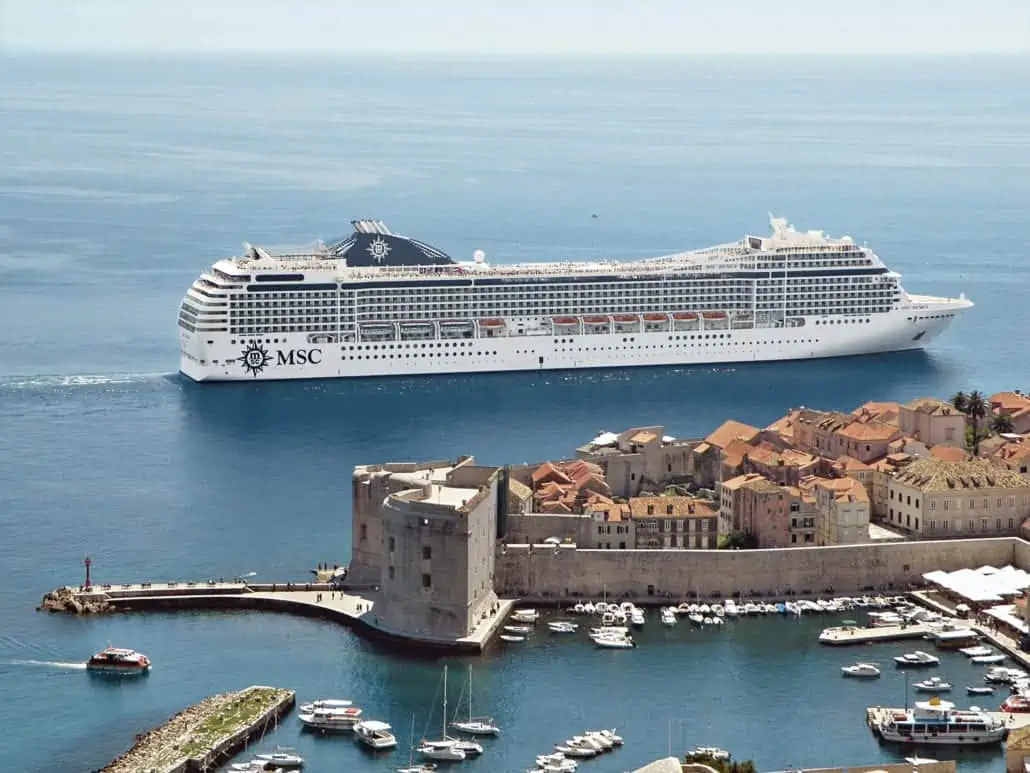
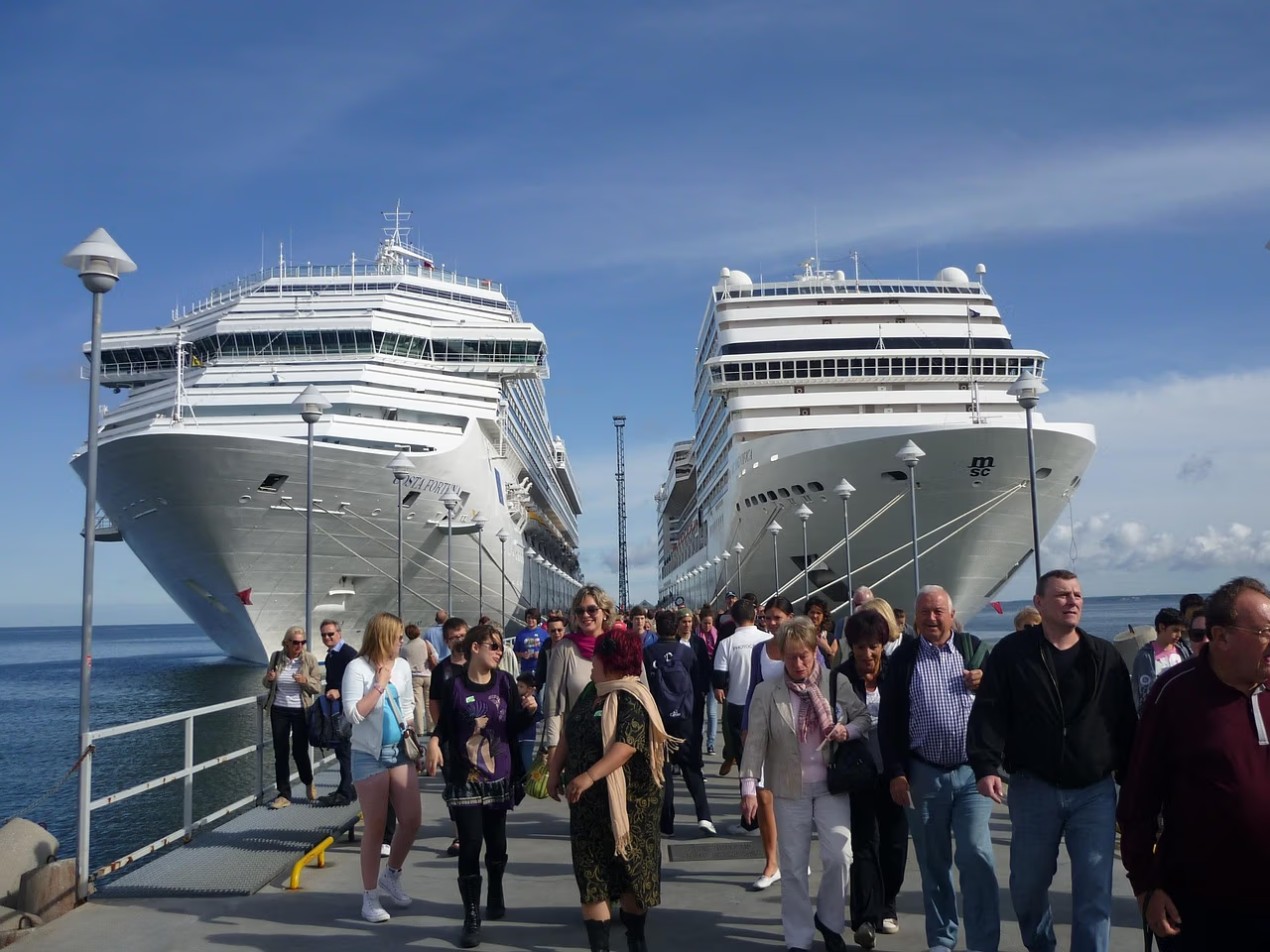
MSC Musica dubrovnik croatia
MSC Musica in Dubrovnik, Croatia (Photo courtesy of MSC Cruises)

In Croatia, with ancient harbor towns such as Dubrovnik and Split attracting more cruise guests each year, land arrangements are key to setting the mood for the upcoming adventure. Booking an airport transfer Croatia ahead can turn a potentially hurried landing into a smooth shift from airstrip to ship entrance.

Cruise routes usually follow rigid timetables. Vessels won’t hold back sailing for tardy guests. Small travel hiccups can spark unneeded worry. Croatia’s rising status as a cruise center is leading to more frequent road jams and tourist spikes during busy seasons. Thoughtful organization reduces these risks and lets voyagers focus on savoring their sail.

A solid land setup is especially vital for overseas guests unfamiliar with local transit options. Speech gaps, busy-period cab scarcities, and strange dock setups can muddle spur-of-the-moment plans. Early setup aids in erasing these doubts.

Croatia’s Cruise Gateways and Their Transport Challenges

Dubrovnik remains among the Adriatic’s most famous departure ports. Dubrovnik Airport lies about 20 kilometers away from the Gruž cruise dock. Though the span is doable, peak traffic and overlapping ship docks can greatly extend durations. Arranged rides lower the chance of surprise holdups.

Split too has broadened its position as a cruise launch spot. Split Airport is located west of downtown, requiring precise scheduling of boarding dates. Intense summer crowds heighten street backups. Planned land moves make sure guests travel smoothly among airport, lodging, and harbor.

Zadar, while tinier, keeps expanding in the cruise scene. With extra routes adding this north Dalmatian spot, arranged airport-to-harbor rides grow more pertinent. Local setups back tourism rise. Yet, organizing is still crucial for easy entry.

Grasping these location ties helps guests predict travel spans and dodge sudden issues.

Why Structured Transfers Reduce Embarkation Risk

Boarding slots are sharply outlined by cruise companies. Showing up prematurely might mean lingering beyond station areas. Showing up delayed threatens entry refusal. Land ride dependability straightaway impacts this schedule.

Preset options match collection times to the timing of plane landings. Chauffeurs track setbacks and adapt as needed. Such adaptability eases the strain from narrow links. Once land moves are locked in early, there’s no call to haggle prices or hunt for open rides on landing.

Lots of cruise guests are picking reserved airport transfer Croatia options to build reliability on the boarding day. Planned collections wipe out doubt. Guests receive approval information, chauffeur contact details, and projected durations prior to departure.

Speech hurdles can add mess to impromptu ride setups. Croatia’s visitor sector speaks multiple tongues. Still, organized rides usually feature straightforward English links, cutting mix-ups in key trip phases.

Managing Group Travel and Cruise Luggage
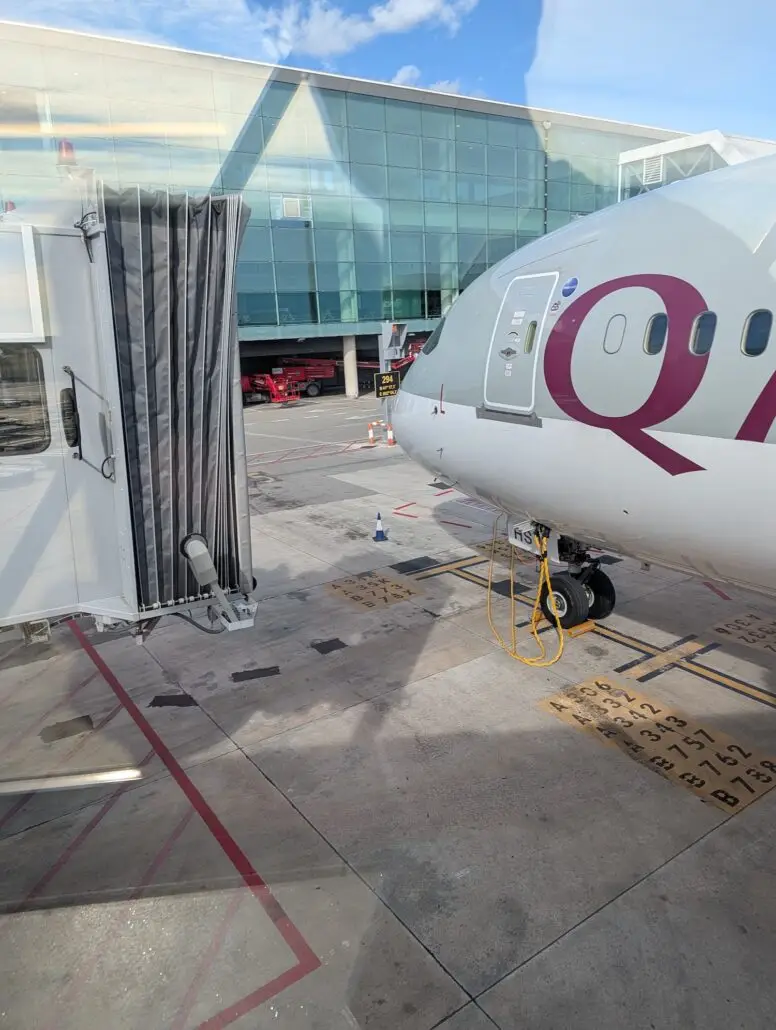
A Qatar Airways airplane is parked at an airport gate, connected to a jet bridge. The ground is marked with parking spots, while a glass terminal building, reminiscent of those seen on an Inaugural Cruise with Star Princess, stands in the background.

Cruise breaks often feature kin or companion clusters. Syncing several guests and ample bags can prove tough sans right ride setups. Regular cabs might miss enough room for big cases, clothing carriers, or special gear.

Personal rides offer fitting car space. Minibuses or bigger autos fit groups nicely. Preset collections ensure all guests leave together, rather than being divided into different vehicles.

Dealing with bags well also sways pacing. Cruise boarding generally entails safety checks and registration steps. Reaching via arranged rides lets guests tackle these calmly.

To guarantee a fluid airport-to-harbor move in Croatia, guests ought to think about these actions:

  • Verify cruise boarding hour and final check-in slot.
  • Include extra time for possible plane or road setbacks.
  • Reserve rides matched to plane landing.
  • Pick a car fitting group count and bag amount.
  • Keep open talks with the chauffeur before landing.

Such steps cut down needless tension.

Extending Your Stay Before or After the Cruise

Plenty of cruise guests opt to reach Croatia one day prior. Pre-cruise hotel visits provide a safety buffer against flight issues. They likewise grant a chance to wander Dubrovnik’s historic core or Split’s Diocletian’s Palace ahead of sailing.

Syncing rides amid airport, lodging, and cruise harbor secures flow. Preset options ease these many-stop paths. Guests sidestep the hassle of getting distinct ride plans for every part of the trip.

After-cruise exits need similar care. Off-boarding hours differ. Planes could leave soon in the AM or farther into the day. Organized rides fit uneven timetables and deliver prompt airport reach.

Croatia’s fame as a Med spot spurs longer visits. Planned land setups aid adaptable trip ideas sans adding doubt.

Beginning the Voyage with Confidence

Boarding day sets the tone for the kickoff of a cruise break. A hasty reach can dim the thrill of leaving. Conversely, a finely tuned shift from airport to harbor builds peace and assurance.

Croatia’s cruise infrastructure is expanding to meet rising demand. Harbors update amenities. Airports manage more global flows. While guest numbers climb, forward thinking grows more precious.

Organized land rides provide stability in a tricky travel setting. They lessen facing jams, timing slips, and talk issues. For cruise guests handling unknown spots, this steadiness lets attention move from setups to eagerness.

The Adriatic shore offers stunning views and lasting stopovers. Securing a fluid path to the vessel lets guests dive into the adventure right from the start. Land organizing might seem less than route picking. Yet on boarding day, it often decides whether the sail kicks off with tension or with assurance.

How Cruise Life is Shaping Everyday Lifestyle and Fashion 

Cruise travel has always been about balance, blending comfort with personal expression, relaxation with exploration. 

Whether spending long days at sea, walking port cities, or enjoying casual onboard dining, travelers are increasingly choosing clothing that supports how they actually live while cruising.

View from the deck of Carnival Venezia showing the wake trailing behind as it moves through a blue ocean. The sky is mostly clear with some scattered clouds, perfect for a relaxing sea day. The railing is visible at the bottom of the image.

Fashion today is increasingly connected to lifestyle rather than trends alone. People are choosing clothes that reflect how they live, work, and move through their day. Instead of dressing for specific moments, many focus on building a wardrobe that feels natural, comfortable, and expressive at the same time.

This shift has made lifestyle-driven fashion content more relevant than ever.

When Style Becomes Part of Daily Living

Lifestyle fashion is about consistency rather than performance. Outfits are chosen to support real routines, not just special occasions. Inspiration such as whatutalkingboutwillistyle the lifestyle highlights how relaxed silhouettes, practical pieces, and thoughtful details can shape a personal look that feels authentic.

Style becomes less about following rules and more about understanding what works in everyday life.

The Role of Guidance in Personal Style

While individuality is key, guidance still matters. Many people look for styling ideas that help them refine their wardrobe without starting over. A clear fashion guide lwspeakstyle can offer structure, showing how to combine pieces, balance proportions, and create outfits that feel effortless rather than forced.

Guides like this support creativity while keeping choices practical.

Moving Away From Trend Pressure

Fast-moving trends can create fatigue. Lifestyle fashion offers an alternative by focusing on longevity and adaptability. Instead of chasing every new release, people invest in pieces that can be worn across seasons and situations.

This approach encourages confidence and reduces unnecessary purchases.

Fashion That Supports Balance

Clothing plays a role in how people feel throughout the day. When outfits align with lifestyle, they reduce stress rather than add to it. Comfortable fabrics, familiar shapes, and versatile styling create a sense of ease.

Fashion becomes a tool for balance rather than self-comparison.

Style That Feels Natural and Sustainable

Modern fashion is increasingly shaped by awareness and intention. By drawing inspiration from lifestyle-focused looks and using thoughtful style guidance, people can build wardrobes that feel personal and lasting. When fashion reflects real life, it becomes more enjoyable, expressive, and sustainable over time.

MSC Cruises Quietly Plans Second Private Island as Ocean Cay Expands

MSC Cruises has confirmed plans to develop a second private island destination in the Bahamas, located directly adjacent to its existing Ocean Cay MSC Marine Reserve near Bimini.

A cruise ship from MSC Cruises is docked near Ocean Cay, a private island under construction in clear blue water, with construction equipment and workers visible on the island.

The new island, currently referred to internally as Little Cay, represents a significant expansion of MSC’s Caribbean footprint.

According to news reports, the project is part of a long-term development strategy rather than a quick-turnaround addition.

MSC says Little Cay will follow the same environmental approach that has defined Ocean Cay since it opened in 2019. The focus will be on natural beaches, open space, and ocean access. No timeline or opening date has been announced, and the cruise line has kept details sparse for now.

The intention appears to be creating a complementary experience to Ocean Cay rather than duplicating it.

Meanwhile Ocean Cay Gets Major Upgrades

While Little Cay moves through planning stages, MSC is investing heavily in improvements at Ocean Cay itself. The most significant infrastructure upgrade is an extended pier scheduled to open in late 2027, which will allow two ships to dock simultaneously.

A new adults-only area called Paradise Sands is being added for guests seeking a quieter beach experience. Food and beverage options are also expanding, with additional buffet stations, food market concepts, and the island’s first specialty restaurant.

Aerial view of Ocean Cay, MSC Cruises’ private island, with a pier, turquoise water, a small lighthouse, palm trees, and colorful buildings; a rainbow arcs across a partly cloudy sky.

For families, the Seakers Cove Family Beach is getting a full redesign. New additions include a playground, splash pad, and a ropes course with water elements. The area will also feature casual games like football and ping-pong, along with interactive group activities.

Conservation Remains Part of the Plan

MSC is also adding an educational component through a new MSC Foundation experience called “Shifting Perspective,” which will showcase marine life and the island’s environmental restoration efforts.

The twin-island strategy aligns with MSC’s broader Bahamas investment, which includes new cruise infrastructure on Grand Bahama designed to support regional growth.

With Little Cay in development and Ocean Cay undergoing significant enhancements, MSC is clearly positioning itself for long-term competition in the private island space.

Private islands have become exclusive cruise destinations and key differentiators in the Caribbean, long dominated by Royal Caribbean and Disney.

Now, with Carnival Cruise Line launching Celebration Key and Norwegian Cruise Line expanding Great Stirrup Cay, competition is heating up.

Harbor Pilot Falls Overboard Trying to Board Cruise Ship in Hawaii

A harbor pilot fell into the ocean on February 10, 2026, while attempting to board Princess Cruises’ Emerald Princess in rough seas off Kauai, Hawaii.

A digital map shows the Port of Nawiliwili near Lihue, Hawaii. Colored lines trace a cruise ship's path looping offshore, with land, water, and place names visible. A label highlights the port's location.

The incident occurred around 7:45 a.m. as the 3,090-guest vessel prepared to enter Nawiliwili Harbor. The pilot was making his third attempt to climb the rope ladder from the pilot boat when he lost his footing and fell into the water.

The ship’s captain immediately announced a man overboard situation. Passengers reported the pilot fell approximately 10 to 20 feet from the ship’s hull into 12-foot seas.

Walter of Where’s Walters Travels shared this photo with us on Tuesday evening.

A small yellow unmanned surface vehicle floats on Hawaii’s open ocean waters, with a person in diving gear holding onto its side. The water is slightly choppy with visible changes in color and texture.
Image: Where’s Walters Travels

The pilot boat crew quickly maneuvered to retrieve him from the water. Video shared by passengers shows the man pulled back aboard the pilot vessel within minutes. The pilot was not injured in the incident.

Following the failed boarding attempt, Princess Cruises canceled the Kauai port call. The ship continued to its next scheduled stop in Maui on February 11.

“A member of the pilot boat slipped off the ladder into the sea. Thanks to God for a quick recovery and a well-trained crew he is healthy and fine,” shared one passenger. “I am amazed how well-trained and efficient the Emerald staff handled everything quickly and professionally.”

Princess Cruises had not issued a public statement at press time. The cruise line typically issues automatic refunds to passengers for prepaid shore excursions when a port call is missed.

Weather Conditions

The National Weather Service had issued a high surf advisory for east-facing shores of Kauai on February 8, warning of hazardous conditions.

Guests aboard reported the ship had been listing approximately 5 degrees due to the rough conditions. “The weather has been insane here in Hawaii,” said one passenger. “Our ship has been listing about 5 degrees for about 20 minutes.”

Nawiliwili Harbor’s approach channel is particularly challenging in rough seas. The southeast-facing port requires navigating a narrow entrance, making pilot transfers especially dangerous when high swells are present.

A small orange Harbor Pilot boat labeled "PILOT" travels alongside a large white cruise ship, close to an open door with a person standing nearby. Gentle waves ripple in the foreground, capturing the dynamic atmosphere near Hawaii’s coast.

Pilot transfers are considered one of the most dangerous jobs in shipping. The process requires the small pilot boat to maintain close proximity to a much larger moving vessel while the pilot climbs a rope ladder attached to the ship’s side.

High swells and shifting winds can cause sudden movement between the two vessels, where a single misstep can be fatal.

The 113,561-gross-ton Emerald Princess departed Los Angeles on February 4 on a 16-night Hawaii itinerary. The vessel resumed its schedule after the Kauai cancellation, calling in Maui, Hilo, and Honolulu before returning to Los Angeles on February 20 with a stop in Ensenada, Mexico.

Read More: 11 Questions with a Cruise Ship River Pilot

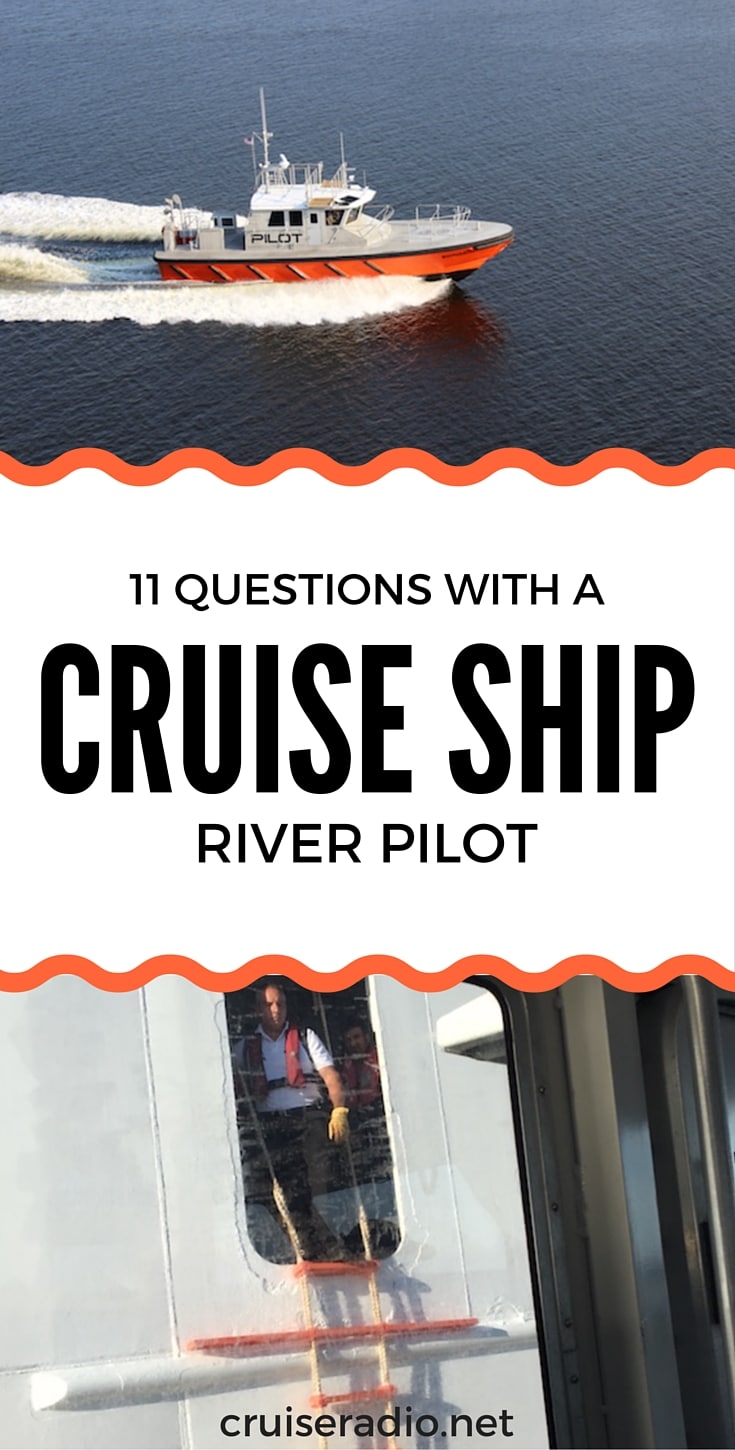
10 Questions with a Cruise Ship River Pilot

Ever wonder who’s really steering those massive cruise ships as they navigate narrow river channels?

A small orange river pilot boat sails alongside a large white cruise ship. The cruise ship features numerous windows and lifeboats, with one person from the pilot boat visible near an open door on the ship.

We sat down with Captain Bryson, a harbor pilot with decades of experience guiding vessels through Jacksonville’s St. John’s River, to learn about one of the maritime industry’s most challenging and least understood professions.

1. Tell us a little bit about yourself.

I’ve been a harbor pilot for Jacksonville for 20 years. I graduated from the United States Merchant Marine Academy in 1977. I began my formal maritime training at the age of 12 on the sailing ship Joseph Conrad, and I started sailing as Master at the age of 26 on coastal vessels and on ocean-going vessels at the age of 31.

In the years between graduation from the Academy and my promotion to Master, I sailed as deck officer on vessels worldwide, primarily as chief officer, and I maintained a commission in the U.S. Naval Reserve as well.

I’ve served as President of the local Saint John’s Bar Pilot Association here in Jacksonville, as well as the Florida Harbor Pilots Association, and the Board of Pilot Commissioners for the state of Florida.

2. What exactly does a harbor pilot do?

Pilots for the state of Florida are independent contractors that belong to member associations within the state’s pilot region.

We’re responsible for directing and controlling the movement of vessels — cargo and cruise vessels — into and out of Florida’s deep-water ports.

As harbor pilots, our duty is to act in the public interest and maintain independent judgment from any outside influence that could jeopardize public safety.

3. Does every ship that comes into the river require a harbor pilot on it?

All non-U.S.-flag cargo and cruise ships must take a state-licensed harbor pilot when entering Florida waters. U.S. flag cargo and cruise vessels are not required by statute to take a state pilot.

However, it is exceedingly rare for them to not take a pilot, and they do this because it allows them to maximize their cargo load. We can get them in and out of a port when typically other people cannot.

4. People have this thought that there’s this big wheel on the bridge and you just steer the ship up and down the river. Is it that easy?

Oh no, it’s not. The difficulties begin with getting on and off the ship, which is our first experience on the vessel. When we get to the bridge of the ship, our job is to familiarize ourselves with the ship’s navigational equipment, performance characteristics, the working condition of the machinery, as well as our ability to communicate with the crew on the bridge.

While English is the language of the sea, it’s not spoken well by every nationality. Sometimes the process distills down to 20 or 25 distinct words of English.

In the course of piloting vessels, we have to remain constantly vigilant. The slightest lapse in concentration can really result in a major disaster.

The magnitudes of the risks involved are very high: loss of life, massive environmental damage, massive property damage. And for us, in the event of a significant incident, we face not only the loss of our license, but the end of our career, personal financial ruin, massive uninsurable liabilities, as well as the possibility of imprisonment.

5. Talk to us about the transfer process from the pilot boat to the cruise ship.

The transfer process from the pilot boat to the vessel — or vice versa from the vessel to the pilot boat — is one of the riskiest parts of our job. We have a very high-risk profession.

The risks we face are unlike the risks faced by other mariners, and having been in the maritime profession for a substantial amount of time prior to being a pilot, I also speak to that personally.

We’re moving from pilot boats to vessels at sea often during poor weather conditions — heavy seas, very dangerous conditions.

This involves transferring while the pilot boat and the vessel are moving very differently. Pilots are frequently injured. I’ve been badly injured in a boarding accident, and it was nine months of pretty intense rehabilitation before I could even go back to work.

Pilots are frequently injured, and sometimes they’re killed.

6. Are you still using paper charts for the river, and will they always be around?

We use electronic charts on some of our piloting instruments. But while I think paper charts will always be around as a safeguard against some kind of technological failure on the vessel, we are presumed to have memorized the chart so we can react instinctively to the navigation of the vessel. We do not refer to the charts as part of our minute-to-minute navigation.

7. Do you find that private boaters are respectful for the most part, or can they be rude when you’re navigating a ship?

Well, sometimes it seems like they’re rude. But I think it comes down more to a process of education for the small boaters.

For us, they’ll disappear under the bow. But to them, it looks like we’re five ship lengths away or more. It’s a matter of perspective. They can be a nuisance, they can be a danger.

Here in Jacksonville, we rarely have problems. I know other ports have substantial problems with small boats, and we rely on the law enforcement agencies to police that.

8. To what extent do river currents affect navigation?

They affect navigation tremendously.

Whether you have a flood current or an ebb current in the Saint John’s River, it’s a whole different dynamic for handling the vessel. We have had to place restrictions on certain vessels coming into the river just because it is so difficult to turn them against the current past a certain draft. It has a tremendous effect.

9. Will computers ever take the job of a river pilot?

In my opinion, no. I don’t think that at any level artificial intelligence is going to have developed the ability to essentially look into the future and anticipate what’s going to happen. Instrumentation can only be reactive, it can’t be proactive.

10. It seems like such an incredibly fun job, obviously a very challenging job. Is it as much fun as it appears?

It certainly can be. It’s a tremendously fulfilling job. It’s a difficult job, and I know at the end of each task, I have accomplished something that I take pride in.

Harbor pilots play a crucial role in maritime safety, combining decades of experience with intimate knowledge of local waters to safely guide cruise ships and cargo vessels through challenging waterways.

The next time you watch a cruise ship navigate a narrow channel, remember there’s a highly trained professional on the bridge whose entire career has prepared them for that precise moment.

#cruise #riverpilot #pilot #travel #ship #boat #q&a

❌