Login
Login
Vivo V70 vs Vivo V70 Elite Comparison: Specs, Camera, Performance & Price (Amazon Discounts)
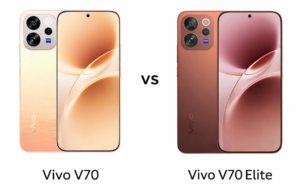
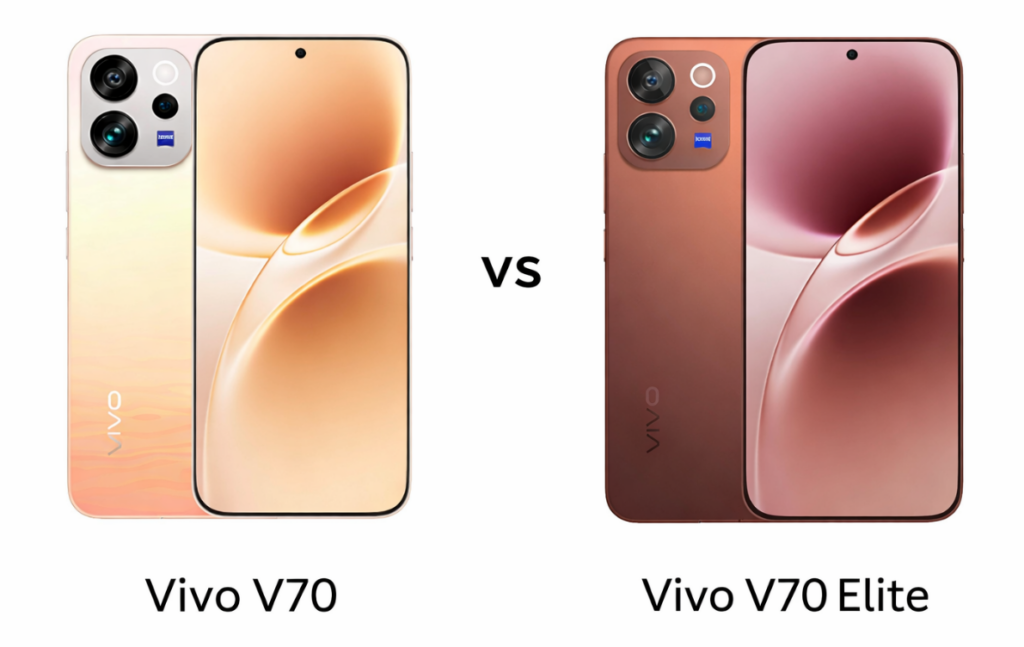
Choosing between two phones that look almost identical but promise very different experiences can be surprisingly tricky, and that’s exactly the case with the Vivo V70 and Vivo V70 Elite. On paper, both share the same premium design, display, and camera hardware, yet their real difference lies in performance and positioning. One focuses on balanced value, while the other pushes toward flagship-level power. This comparison matters because the price gap isn’t huge, making it important to know whether the extra money truly changes the everyday experience or just adds numbers on a spec sheet.
Amazon Pre-Sale Discounts (Vivo V70 Series)
Amazon’s pre-sale for the Vivo V70 series is live, with official shipments starting from February 27. The Vivo V70 base variant is priced at ₹50,000, but the pre-sale discounted price brings it down to ₹46,000. The Vivo V70 Elite base variant, originally priced at ₹55,000, is available at a discounted pre-sale price of ₹52,000. Buyers can also combine these price cuts with additional launch offers, including bank discounts, EMI options, exchange bonuses, and other deals listed on the Amazon product page.
| Preview | Product | |
|---|---|---|

|
vivo V70 5G (Passion Red, 8GB RAM, 256GB Storage) with No Cost EMI/Additional Exchange Offers | Check Price on Amazon India |
Please Note: When you buy something using the links in our articles, we may earn a small commission at no cost to you.
Major Features:
| Feature | Vivo V70 | Vivo V70 Elite | Winner |
|---|---|---|---|
| Processor | Snapdragon 7 Gen 4 | Snapdragon 8s Gen 3 | V70 Elite — noticeably stronger performance & gaming power |
| Display | 6.59″ AMOLED, 120Hz, HDR10+ | 6.59″ AMOLED, 120Hz, HDR10+ | Tie — identical display quality |
| Main Camera | 50MP + 50MP Periscope + 8MP UW | 50MP + 50MP Periscope + 8MP UW | Tie — same camera hardware |
| Camera Extras | Zeiss optics | Zeiss optics + color spectrum sensor | V70 Elite — slightly better color accuracy |
| Selfie Camera | 50MP AF | 50MP AF | Tie — same selfie performance |
| Battery | 6500mAh, 90W fast charging | 6500mAh, 90W fast charging | Tie — identical endurance & charging |
| Storage & RAM | Up to 12GB + 512GB | Up to 12GB + 512GB | Tie — same memory options |
| Build & Protection | IP68/IP69 premium build | IP68/IP69 premium build | Tie — same durability level |
| Base Price | ₹50,000 (₹46,000 pre-sale) | ₹55,000 (₹52,000 pre-sale) | V70 — better value for money |
| Overall Value | Balanced flagship experience | Performance-focused flagship | V70 — similar features for less money |
| Preview | Product | |
|---|---|---|

|
vivo V70 Elite 5G (Passion Red, 8GB RAM, 256GB Storage) with No Cost EMI/Additional Exchange Offers | Check Price on Amazon India |
Please Note: When you buy something using the links in our articles, we may earn a small commission at no cost to you.
Design and Display
Build and Feel
Both Vivo V70 and V70 Elite follow a premium design approach with a glass front, aluminum alloy frame, and either glass or fiber-reinforced back finishes. The overall styling feels modern and refined, giving both phones a flagship-like presence in daily use. Water and dust resistance adds a practical layer of durability, making them feel reliable beyond just looks. Since the design language is shared, the difference here is more about positioning than appearance; the Elite feels like a performance-focused variant rather than a visual upgrade. This similarity can actually be a positive, as buyers don’t have to compromise on aesthetics when choosing the more affordable model.
Display Quality
Both devices use the same AMOLED panel with a 120Hz refresh rate, HDR10+ support, and very high peak brightness. Colors look vibrant, contrast remains deep, and smooth animations make scrolling and gaming feel premium. Outdoor visibility is excellent, and the display experience feels equally polished on both models. In real-world use, there is virtually no separation between them visually.
Verdict
Design and display are essentially tied. The V70 stands out as the smarter pick here since it delivers the same premium viewing experience without paying extra.
Specifications Including Battery
Performance
The main difference between these two phones appears under the hood. Vivo V70 runs on the Snapdragon 7 Gen 4, which handles daily apps, multitasking, and moderate gaming smoothly. Vivo V70 Elite steps up to the Snapdragon 8s Gen 3, offering noticeably stronger performance for demanding games, heavier editing tasks, and longer-term performance stability. The Elite feels faster under pressure, especially when pushing graphics or multitasking heavily. Still, the standard V70 proves that upper mid-range chips now deliver a very polished everyday experience without feeling slow.
Battery and Charging
Both phones pack a large 6500mAh battery with 90W fast charging, reverse wired charging, and bypass charging. Endurance should comfortably last a full day, even with heavy use, and charging speeds remain equally impressive. The V70 may feel slightly more power-efficient due to its chipset, while the Elite focuses more on raw speed and sustained performance.
Verdict
Performance clearly favors the V70 Elite, but battery experience remains equally strong on both. The choice depends on whether raw power or balanced efficiency is more important.
Camera
Main and Secondary Lenses
Camera hardware is nearly identical across both devices, featuring a 50MP main sensor with OIS, a 50MP periscope telephoto lens with 3.7x optical zoom, and an 8MP ultrawide camera. Image output should be very similar, delivering sharp details, balanced colors, and strong zoom versatility. The V70 Elite adds a color spectrum sensor and slightly improved HDR video processing, which can help with more consistent tones in complex lighting scenes. In everyday photography, however, differences remain subtle rather than dramatic, making both phones strong camera performers in their segment.
Selfie Camera
Each model uses the same 50MP autofocus selfie camera capable of 4K video recording. Selfies are expected to look detailed with natural skin tones, and autofocus helps maintain sharpness in both photos and video calls. Social media creators and casual users alike will find the front camera experience consistent across both models.
Verdict
Camera performance is nearly equal, but the V70 Elite takes a slight lead due to small processing improvements. The V70 still delivers flagship-style results without clear compromises.
Pricing
Vivo V70 is priced at around ₹50,000, while Vivo V70 Elite comes in at approximately ₹55,000. The almost ₹5,000 difference mainly reflects the jump to a more powerful processor and small imaging refinements rather than major hardware changes. For buyers comparing pure features, the pricing gap feels narrow enough to make the decision more about usage style than budget limits.
Is the Price Justified?
The V70 offers stronger value because it delivers the same design, display, battery, and almost identical camera experience at a lower price. The Elite justifies its higher cost for users who want extra performance headroom for gaming or long-term heavy usage. The pricing strategy feels balanced, but the benefits of the Elite are more performance-focused than all-around upgrades.
Disclaimer:
Prices are approximate and may vary based on country, region, and applicable taxes.
Verdict
Vivo V70 wins on value for most users, while V70 Elite makes sense for buyers prioritizing performance and future-proofing.
Conclusion
Both smartphones offer premium AMOLED displays, large batteries, fast charging, and Zeiss-tuned camera systems, creating a flagship-like experience regardless of choice. The real separation lies in processing power; the V70 Elite targets users who want stronger gaming performance and longer-term speed consistency, while the V70 focuses on delivering a balanced experience at a more accessible price. This makes the lineup easy to understand, as buyers are essentially choosing between value and extra performance rather than completely different devices.
Verdict
Vivo V70 is the smarter all-round choice thanks to its pricing and balanced specifications. Vivo V70 Elite is the better option for power users who want higher performance ceilings and slightly refined imaging performance without changing the overall experience.
Read More:
- Vivo V70 vs Realme 16 Pro+ 5G: Which One Should You Buy?
- Motorola Signature vs Oppo Reno 15: Which Phone Should You Actually Buy in 2026?
- Motorola Signature vs Samsung Galaxy S25: The $660 Flagship That Beats Samsung
The post Vivo V70 vs Vivo V70 Elite Comparison: Specs, Camera, Performance & Price (Amazon Discounts) appeared first on Gizmochina.