
 Login
Login
The Rebirth of Shangri-La: Why Swat Valley is the Ultimate Comeback Adventure of 2026
A breathtaking transformation is taking place in Pakistan’s northern reaches, where the legendary Swat Valley is being rediscovered by the international travel community. Known historically as the “Switzerland of the East”, this emerald-green sanctuary was a vital stop for travellers on the “Hippie Trail” in the 1960s and 1970s. For nearly two decades, the region was overshadowed by geopolitical unrest and conflict, effectively removing it from the global tourism map. Today, however, a remarkable era of peace and revitalisation is being celebrated, as the valley re-emerges as a top destination for both adventurers and cultural enthusiasts.
A Legacy Revived: From the Hippie Trail to Modern Luxury
The historical allure of the region is deeply rooted in its reputation as a “Shangri-La” for nomadic souls. During the mid-20th century, the valley was frequented by Western backpackers who sought spiritual enlightenment and untouched natural beauty. This journey was famously disrupted in the late 1970s and subsequent decades, yet the foundational hospitality of the local Yusufzai Pashtun culture remained intact. In recent years, significant efforts have been made by the Government of Pakistan to restore this legacy. The rugged paths once traversed by painted Volkswagen vans are now being replaced by modern infrastructure, allowing the valley’s ancient Buddhist ruins and alpine landscapes to be accessed with unprecedented ease.
Engineering a Tourism Revolution
The surge in visitors is largely attributed to the completion of the Swat Motorway, a monumental infrastructure project that has drastically reduced travel times from the capital city of Islamabad. By streamlining the journey to approximately three hours, the valley has been transformed into a viable weekend retreat for domestic tourists and a seamless entry point for international arrivals. Furthermore, the revitalization of the Saidu Sharif Airport is being prioritized to further enhance connectivity. Such logistical improvements are being complemented by the development of high-end hospitality projects, ensuring that the needs of a diverse range of travellers—from luxury vacationers to rugged explorers—are being met with modern standards of comfort.
Winter Sports and the Alpine Allure of Malam Jabba
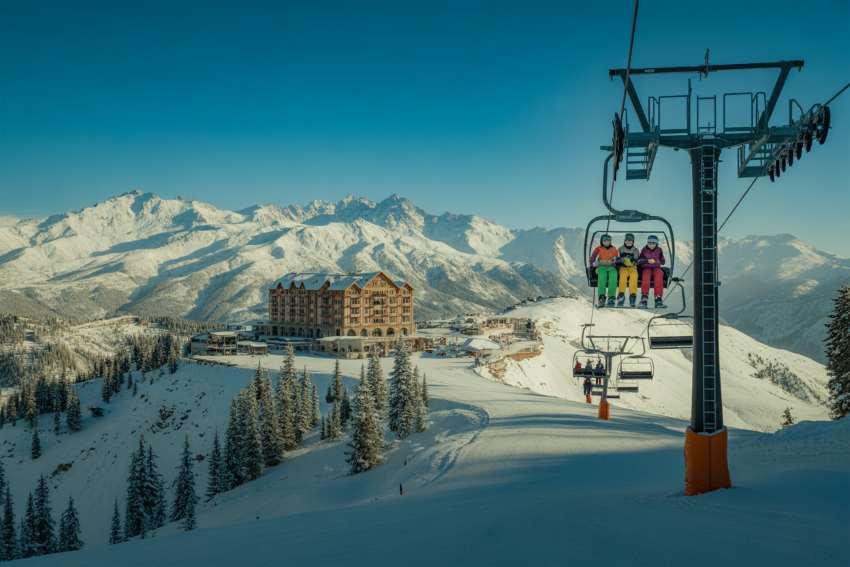
Adventure is being redefined at Malam Jabba, the only dedicated ski resort in the country. After a period of closure and destruction during past unrest, the resort has been fully reconstructed and equipped with state-of-the-art chairlifts and skiing facilities. During the winter months, the slopes are blanketed in thick powder, attracting athletes and families for annual snow festivals. Beyond the ski runs, the valley offers a playground for paragliders and trekkers. The majestic peaks of the Hindu Kush serve as a backdrop for these high-altitude activities, reinforcing the region’s status as a world-class winter tourism hotspot.
The Pristine Wilderness of Upper Swat
As one travels further north, the urban bustle of Mingora is replaced by the serene landscapes of Kalam and the Ushu Valley. These areas are characterized by dense cedar forests, cascading waterfalls, and glacial lakes such as Mahodand. The turquoise waters of the Swat River are frequently utilized for white-water rafting, providing an adrenaline-fuelled perspective of the valley’s geological grandeur. These remote regions are being promoted as eco-friendly zones where sustainable tourism practices are encouraged to preserve the fragile Himalayan ecosystem. The untouched beauty of the Gabin Jabba meadows is also being highlighted as a mandatory stop for those seeking solitude in nature.
A Journey Through Ancient Civilizations
Cultural heritage remains a cornerstone of the Swat experience. The valley was once a thriving centre of the Gandhara civilization, and its landscape is dotted with over a thousand archaeological sites. Massive Buddha figures carved into mountainsides and ancient stupas like the Shingardar are being meticulously preserved by the Department of Archaeology. The Swat Museum in Saidu Sharif is often visited by those wishing to understand the historical depth of the region, housing a vast collection of Gandhara art that reflects the area’s rich Buddhist past. This blend of spiritual history and natural splendour provides a travel experience that is rarely matched elsewhere in South Asia.
The Warmth of Pashtun Hospitality
The true essence of the valley is often found in the hospitality extended by its residents. Travellers are frequently overwhelmed by the kindness of the locals, who adhere to the ancient code of Pashtunwali, where guests are treated with the utmost respect and generosity. Freshly caught trout from the icy rivers and traditional dishes are shared with visitors, creating a sense of community that transcends linguistic barriers. This human connection is cited by many return travellers as the primary reason for the valley’s successful comeback.
Navigating the New Frontier
While the “paradise” of the Hippie Trail is making a triumphant return, a sense of responsible exploration is being urged by tourism authorities. Visitors are advised to respect local customs and dress modestly while exploring the more conservative rural areas. The ongoing development of “Tourist Facilitation Centers” by the Khyber Pakhtunkhwa Culture and Tourism Authority ensures that safety and guidance are readily available to all. As the world rediscovers this forgotten Shangri-La, Swat Valley is being positioned not just as a relic of the past, but as a vibrant, safe, and breathtaking frontier for the modern traveller.
The post The Rebirth of Shangri-La: Why Swat Valley is the Ultimate Comeback Adventure of 2026 appeared first on Travel And Tour World.