
 Login
Login
Tijuana Joins Tecate, Ensenada, Acapulco, Zihuatanejo, Chiapas, and Zacatecas Face New Tourism Freeze with Unprecedented Cartel Violence in Mexico: What You Need to Know
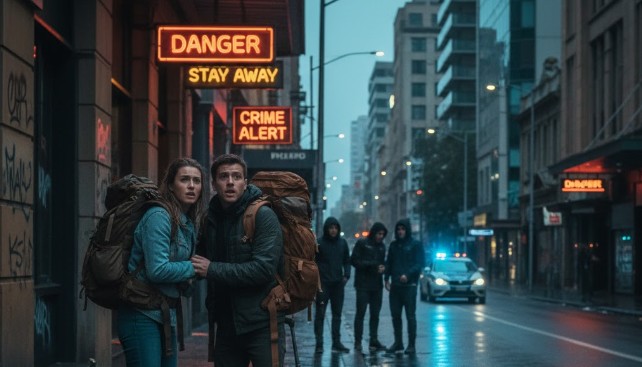
Mexico in February 2026 was thrown into unprecedented chaos when a federal law‑enforcement operation sparked violent retaliation from criminal cartels. Across multiple states, roadblocks were erected, vehicles were set ablaze, and travellers were trapped as airports, highways and tourist resorts were shut down. Official government advisories from the United States, Canada and the United Kingdom documented an escalation of violence that spread from the highlands of Jalisco to border cities and Caribbean beaches. This introduction outlines the events that led to the travel chaos, drawing exclusively from government sources and presenting them in simple English. The narrative is told in the third‑person perspective and passive voice, emphasising how the country was gripped by a crisis beyond its control.
The law‑enforcement operation in the municipality of Tapalpa triggered retaliatory roadblocks that blocked highways and isolated communities. In Baja California, the U.S. Consulate reported roadblocks in Tijuana, Tecate and Ensenada[1], and staff were ordered to shelter in place. In Jalisco and Guerrero, serious incidents were reported and flights were cancelled[2]. Quintana Roo, Chiapas, Zacatecas and even the border areas with Guatemala were not spared. Citizens and tourists were instructed to keep a low profile, monitor local news and follow shelter‑in‑place orders.
The chaos did not arise from a single criminal group; rather, it was the result of a wider network of cartels whose power extended across state lines. Government advisories emphasised that roadblocks and criminal activity could occur without warning[3], leaving travellers vulnerable. Airports were disrupted, and even those who had reached safe areas found themselves unable to return home. This introduction sets the stage for an analytical exploration of each affected region. It underscores the fragility of Mexico’s tourism‑dependent economy and the ability of organised crime to disrupt national infrastructure. As the sections that follow show, the February 2026 crisis was not an isolated incident but part of a pattern of violence that has long plagued the country. By examining official advisories, this report offers a comprehensive picture of the chaos that unfolded and the power wielded by criminal groups.
Visitors from around the world were caught off guard as the bustling resorts, border crossings and highways were turned into empty, smoke‑filled spaces. Hotels were quickly filled with anxious guests, and the tourism industry was left uncertain of when normality would return.
Security Alerts and Roadblocks
In February 2026, alerts were issued as roadblocks were set up across states. The U.S. Mission listed Jalisco, Baja California, Quintana Roo and others where roadblocks and criminal activity were reported[4]. Citizens were instructed to shelter in place[5], and flights in Guadalajara and Puerto Vallarta were cancelled[2]. The Government of Canada noted burning vehicles and shootouts[6]. These warnings demonstrated how the power of the cartels created chaos that paralysed travel. Roads were blocked, airports were disrupted, and regions were isolated as law‑enforcement operations triggered violent retaliation.
Baja California Under Siege
In Baja California, the border region was placed under complete siege. The U.S. Consulate in Tijuana reported roadblocks and criminal activity in Tecate, Ensenada and Tijuana[1]. Consulate staff were ordered to shelter in place[1], and citizens were told to inform relatives of their safety. The UK foreign office advised against all but essential travel to Tijuana and Tecate, except for specific toll roads and the Cross Border Xpress[7]. The ability of the cartels to control border roads highlighted their power. Travellers were confined indoors while highways were transformed into battlegrounds.
Jalisco’s Day of Turmoil
Jalisco experienced a day of turmoil when a federal operation in Tapalpa provoked violent retaliation. Serious security incidents were reported in Guadalajara and Puerto Vallarta[8]. Authorities advised people to stay indoors, and roads leading to airports were blocked[9]. The U.S. Mission confirmed that flights were cancelled in Guadalajara and Puerto Vallarta[2], and all taxis and rideshares were suspended[2]. Travellers were forced to remain in hotels. The chaos illustrated how a single operation could trigger widespread disruption, demonstrating the power of organised crime to cripple tourism and transportation.
Guerrero: Acapulco and Zihuatanejo’s Crisis
In Guerrero, roadblocks and burning vehicles were erected, and shootouts with security forces were reported dramatically[6]. The violence disrupted travel and caused flight cancellations[10]. A shelter‑in‑place order was enforced in Puerto Vallarta, and taxi and rideshare services were suspended quickly[11]. The UK foreign office advised against all but essential travel to Guerrero, except for air entry to Zihuatanejo/Ixtapa[12]. Acapulco and Zihuatanejo were completely transformed into locked‑down zones. Beaches were completely deserted, hotels became utter refuges, and the power of criminal groups was felt everywhere.
Sinaloa’s Unending Conflict
Sinaloa’s conflict was ongoing as rival armed groups clashed[13]. Government of Canada advisories described clashes around Culiacán and along roads to Mazatlán[13]. Vehicles were stopped on the highway from Culiacán to Mazatlán and on other roads[14]. The UK foreign office advised against all but essential travel to Sinaloa, with exceptions for certain cities and toll roads[15]. These warnings reflected a state of chaos. Travellers were told to exercise extreme caution, and highways became battlegrounds. Sinaloa’s name became synonymous with power of cartels and paralysis of tourism.
Quintana Roo and Tourism Havoc
Quintana Roo, including Cancún and Playa del Carmen, was not spared. The U.S. Mission included the state in its shelter‑in‑place order due to security operations[4]. Roadblocks impacted airline operations, and flights were cancelled[2]. Visitors were advised to remain in residences or hotels and avoid areas near law‑enforcement activity[16]. Taxi and rideshare services were suspended[2]. The chaos disrupted the tourism sector, proving that the power of criminal networks extended even to the Caribbean coast. The economy faced dramatic losses as potential visitors reconsidered travel plans.
Chiapas and Zacatecas: Tourism Freeze
In Chiapas and Zacatecas, a tourism freeze was reinforced through government warnings. The UK foreign office advised against travel within 40 km of the Guatemala border and along Federal Highway 199 in Chiapas[17]. It also urged travellers to avoid the entire state of Zacatecas due to violent crime[18]. These advisories were issued despite the regions not being central to the February violence. The warnings reflected the general chaos engulfing Mexico. Tourists were discouraged, communities reliant on tourism faced hardships, and the power of organised groups cast a long shadow over the highlands and deserts.
International Advisories and Warnings
The chaos sparked a chorus of warnings. Canada said roadblocks were erected and shootouts occurred[6]. Canadians were instructed to keep a low profile and follow shelter‑in‑place orders[19]. The UK foreign office advised against non‑essential travel to Baja California, Sinaloa, Zacatecas and Guerrero[7][15], noting serious incidents in Jalisco[20]. The U.S. Mission told citizens to shelter in place and reported significant flight cancellations[4]. These far‑reaching warnings showed how governments recognised the power of cartels and coordinated to warn travellers.
Impact on Travellers and Tourism
The February crisis left travellers stranded and tourism economies in turmoil. Roadblocks and burning vehicles created physical barriers, while fear of cartel violence created psychological ones. Travellers in Baja California, Jalisco, Guerrero and Quintana Roo were forced to shelter in hotels, often with limited information[2]. Flight cancellations disrupted international connections and filled airports with anxious passengers[2]. In Acapulco and Zihuatanejo, resorts were emptied as visitors obeyed shelter orders[21]. Local businesses faced abrupt revenue losses. The power of criminal organisations was demonstrated by their ability to halt tourism across multiple states simultaneously.
Analytical Conclusion: Lessons from the February 2026 Crisis
The February 2026 crisis exposed Mexico’s vulnerability to organised crime and need for coordinated warnings. A federal operation triggered a wave of roadblocks and violence[20]. Alerts from the U.S. Mission, Canada and the UK emphasised shelter‑in‑place orders, cancelled flights and restricted travel[4][22]. These measures protected travellers because direct confrontation increased risks. The crisis showed that tourism‑dependent regions need contingency plans and economic diversification. Structural reforms addressing corruption and impunity remain essential, as long‑term warnings against travel to Sinaloa, Zacatecas and Guerrero continue[23].
Category‑wise summary table
| Category | Key locations | Official description | Advisory actions |
| Baja California | Tijuana, Tecate, Ensenada | Reports of roadblocks and criminal activity[1]; widespread shelter‑in‑place orders[4] | Shelter in place; avoid travel; FCDO advises against non‑essential travel[7] |
| Jalisco | Guadalajara, Puerto Vallarta, Chapala | Serious security incidents following federal operation; blocked routes to airports[20]; flight cancellations and taxi suspensions[2] | Stay indoors; avoid non‑essential travel; monitor media[24] |
| Guerrero | Acapulco, Zihuatanejo/Ixtapa | Roadblocks with burning vehicles; shootouts and explosions[6] | Shelter in place; FCDO advises against travel except by air to Zihuatanejo[12] |
| Sinaloa | Culiacán, Mazatlán, Los Mochis | Violent clashes between rival groups; vehicles stopped on highways[13] | Avoid non‑essential travel; limited safe routes (15D toll road, road 32)[15] |
| Quintana Roo | Cancún, Cozumel, Playa del Carmen, Tulum | Included in widespread shelter‑in‑place order due to security operations[4]; flights cancelled | Remain in residence or hotel; avoid law‑enforcement areas[16] |
| Chiapas | Border region, Federal Highway 199 | Advisories against travel within 40 km of Guatemala border and along Highway 199[17] | Avoid these areas; postpone non‑essential travel |
| Zacatecas | Statewide | FCDO advises against all but essential travel[18] | Postpone travel; exercise extreme caution |
| General border areas | U.S.–Mexico and Guatemala borders | Criminal activity and confrontations regularly occur in border areas; roadblocks and shootouts may occur without warning[3] | Cross only at official points; travel by air when possible[25] |
Sources:
[1] Security Alert Tijuana-February 22, 2026 – U.S. Embassy & Consulates in Mexico
https://mx.usembassy.gov/security-alert-tijuana-february-22-2026/
[2] [4] [5] [16] [24] Security Alert – Update: Ongoing Security Operations – U.S. Mission Mexico (February 22, 2026) – U.S. Embassy & Consulates in Mexico
https://mx.usembassy.gov/security-alert-update-ongoing-security-operations-u-s-mission-mexico-february-22-2026/
[3] [6] [10] [11] [13] [14] [19] [21] [22] [25] Travel advice and advisories for Mexico
https://travel.gc.ca/destinations/mexico
[7] [8] [9] [12] [15] [17] [18] [20] [23] Mexico travel advice – GOV.UK
https://www.gov.uk/foreign-travel-advice/mexico
