
Reading view

Psychological capital mitigates the impact of interpersonal sensitivity on anxiety in future nurses

A new study published in BMC Psychology has found that those who are highly sensitive to others’ reactions are more likely to experience anxiety, and that their levels of inner psychological resources play a key role in this link.

Even before nursing students begin their careers in hospitals, many experience anxiety tied to academic workloads, clinical placements, and the emotional weight of caring for patients.

Researchers have long known that stress and anxiety are common in nursing programs, but this new study sheds light on why some students may be more vulnerable than others.

One factor the researchers examined is interpersonal sensitivity, which refers to being unusually alert to how others behave, speak, or react. People high in interpersonal sensitivity often worry about being judged, criticized, or rejected. While this trait has been studied in relation to depression, its connection to anxiety—especially among nursing students—has received far less attention.

To address this gap, the research team – led by Yanyan Mi (Xuzhou Medical University) and Zhen Wang (Taishan Vocational College of Nursing) – surveyed 1,815 nursing undergraduates (1,511 females) at a university in eastern China.

Students completed questionnaires measuring anxiety symptoms, interpersonal sensitivity, perceived social support, and psychological capital. Perceived social support refers to an individual’s subjective feeling of being supported by intimate relationships with family, friends, or significant others such as teachers, classmates, and relatives. Psychological capital is a positive mental state that includes a person’s sense of hope, resilience, optimism, and confidence in their ability to handle challenges.

The results revealed that students who scored higher in interpersonal sensitivity were much more likely to report anxiety symptoms. Importantly, the researchers found that psychological capital played a powerful mediating role. Students who were highly sensitive to others tended to have lower levels of psychological capital, which in turn made them more prone to anxiety. In other words, when students lacked inner psychological resources, such as confidence or resilience, their sensitivity to social interactions had a stronger emotional impact.

Social support also played a role, though the mechanics were slightly different. While the study confirmed that social support can independently buffer the relationship between interpersonal sensitivity and anxiety, it was not the primary driver in the combined chain model. Instead, social support contributed most effectively when combined with psychological capital in a chain effect. This suggests that supportive relationships from others help build internal psychological resources, which then protect against anxiety.

The findings highlight an important message for nursing programs: building students’ psychological capital may be one of the most effective ways to reduce anxiety, especially for those who are highly sensitive in social situations. Interventions such as resilience training, group counseling, and mentorship programs could help students develop stronger internal coping skills.

“If nursing students leave nursing profession positions, the shortage of nurses will continue to expand, the quality of nursing will be affected in the future, the relationship between nurses and patients will be more tense, and the safety of patients will be threatened. … As such, there is a crucial need to prioritize the mental health of undergraduate nursing students,” Mi and Wang’s team emphasized.

However, the authors note several limitations. For instance, the study has a cross‑sectional design, which cannot definitively prove cause and effect, and all participants were sourced from a single university.

The study, “Exploring the impact of interpersonal sensitivity on anxiety symptoms: the mediating role of psychological capital and social support among nursing students,” was authored by Yanyan Mi, Zhen Wang, Lixin Peng, Chaoran Zhang, and Haibo Xu.

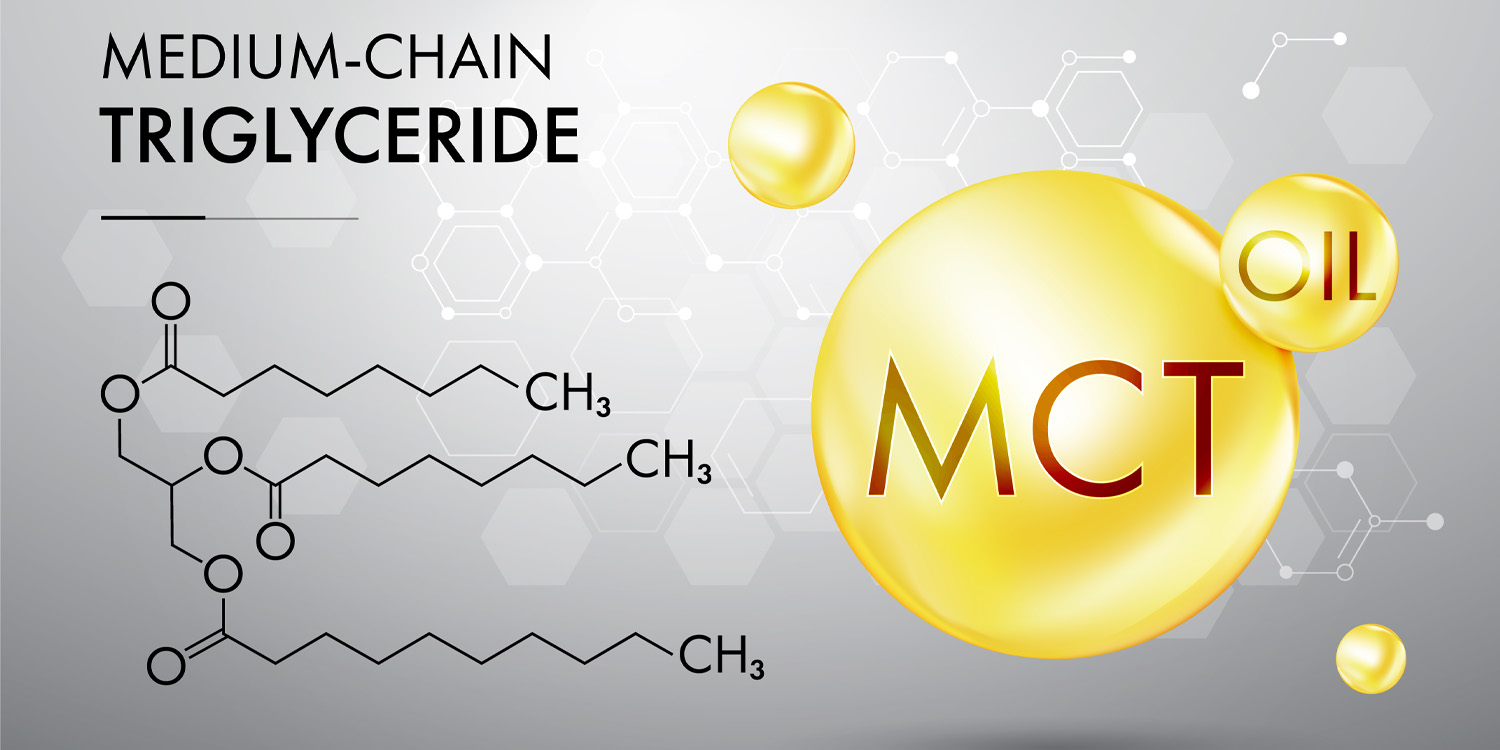
MCT oil may boost brain power in young adults, study suggests

A new study published in Physiology & Behavior has found that medium‑chain triglyceride oil can sharpen certain aspects of thinking in young adults, both immediately after a single dose and after a month of daily use.

Medium‑chain triglyceride oil has long been studied for its potential to support brain health in older adults and people with neurological conditions. However, the cognitive enhancing capabilities in healthy young people have remained an open question.

The brain relies heavily on energy, and medium‑chain triglycerides are known for their ability to quickly increase ketone bodies, an alternative fuel source that the brain can use when glucose is low. This metabolic advantage has made medium‑chain triglycerides a popular topic in nutrition and neuroscience research.

Led by I Wayan Yuuki from Ritsumeikan University in Japan, the researchers sought to discover whether the benefits of medium‑chain triglyceride oil extend to young adults who do not have cognitive impairments.

To investigate, Yuuki and colleagues conducted a randomized controlled trial involving 36 healthy young adults (20 males, 16 females), with an average age of 21 years old. Participants were assigned to consume either 12 grams of medium‑chain triglyceride oil or olive oil, which served as the long‑chain triglyceride comparison. The study included two phases: an acute test and a 4‑week daily supplementation period.

In the acute phase, participants completed a series of cognitive tests, consumed their assigned oil mixed with oatmeal, and repeated the tests 75 minutes later.

The researchers found that medium‑chain triglyceride oil did not improve short‑term memory or working memory in the immediate timeframe. However, it did significantly enhance inhibitory control compared to the long-chain triglyceride oil, the mental process that helps people resist distractions and suppress automatic responses. This improvement was measured using the reverse-Stroop task, a classic test of cognitive control whereby individuals must name the word rather than the color that the word is printed in.

“The mechanisms underlying the acute effect of medium‑chain triglyceride on the inhibitory control process remain unknown,” Yuuki and colleagues noted. They hypothesized that “increased ketone body metabolism [in the brain] via increased circulating levels of ketone bodies” may play a role.

The long‑term phase told a different story. After four weeks of daily medium‑chain triglyceride intake, participants showed no improvement in memory or inhibitory control compared to the olive‑oil group.

However, the participants did perform better on a demanding working‑memory task compared to the long-chain triglyceride oil, responding more quickly and consistently during the 2‑back test. The 2-back test involves participants watching a series of images appear one by one and pressing a button whenever the current image matched the one shown two steps earlier. This suggests that regular medium‑chain triglyceride consumption may strengthen the brain’s ability to hold and manipulate information, even if it does not produce immediate changes in this area.

Yuuki’s team concluded, “to the best of our knowledge, this study is the first to demonstrate that, compared to long-chain triglyceride intervention with the same macronutrients, a 4-week daily medium‑chain triglyceride regimen is an effective strategy for improving information processing speed and performance stability in complex working memory, though not in easy working memory, among young adults.”

However, the researchers note that the study has limitations. For instance, participants were told to maintain their usual lifestyle habits, including usual diet, physical activity levels, and sleep quality, during the testing period—but these factors were not measured.

The study, “Both a single dose and a 4-week daily regimen of medium-chain triglycerides boost certain aspects of cognitive function in young adults: A randomized controlled trial,” was authored by I Wayan Yuuki, Kento Dora, Teppei Matsumura, Kazushi Fukuzawa, Yoshino Murakami, Kaito Hashimoto, Hayato Tsukamoto, and Takeshi Hashimoto.

❌