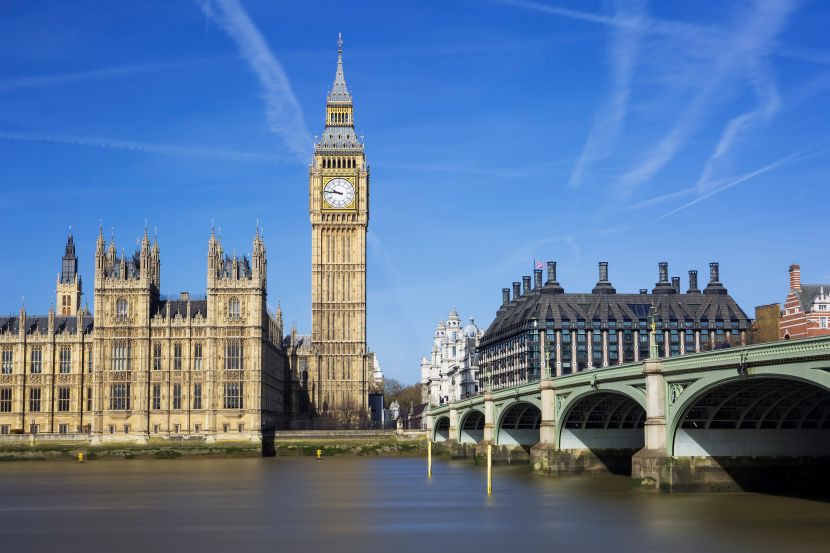
Starting tomorrow, February 25, 2026, the UK government will begin strictly enforcing the Electronic Travel Authorisation (ETA) system, meaning that if you’re planning to travel to the UK from any of the eligible countries, you must ensure you have secured your ETA before attempting to board your flight, ferry, or train. If you fail to comply, you will not be allowed to board, and your travel plans could be delayed or even canceled. As this critical date rapidly approaches, all travelers should act immediately to avoid unnecessary complications.
Why ETA Enforcement Is Happening Now
The UK government has been rolling out the ETA system since 2023, initially offering a transition period where travelers could enter without an ETA. However, from tomorrow onwards, this grace period will end, and enforcement will be fully implemented. The UK Home Office has confirmed that airlines, ferries, and other transport providers will be required to check ETA approval before boarding passengers. Travelers who fail to provide a valid ETA or visa may be denied entry onto the transport.
What Does This Mean for You as a Traveler?
If you’re among the millions of travelers who previously did not require a visa to visit the UK, this is a critical reminder: the ETA is now a non-negotiable requirement. Whether you’re traveling for tourism, business, or leisure, an approved ETA is a must. Without this authorization, you won’t be allowed to board your flight or ferry starting tomorrow. The ETA is specifically designed for citizens of countries that were previously visa-exempt, such as the United States, Canada, Australia, and most European Union countries.
This change is not just for visitors; it applies to anyone who is eligible for visa-free travel to the UK under the new system. With border security becoming increasingly stringent, the UK is taking a more proactive approach to monitoring travelers before they even arrive.
How to Apply for the ETA
The Electronic Travel Authorisation is a digital travel document that travellers must apply for online. The process is quick, with most applicants receiving their ETA within minutes of submitting their application. For some, it may take up to three working days for approval, so it’s essential not to leave it until the last minute.
To apply, follow these simple steps:
Visit the official UK ETA application website or use the UK government’s mobile app.
Provide your personal details, passport information, and travel plans.
Pay the £16 fee (which covers up to two years of ETA validity).
Submit your application and receive confirmation once approved.
If you haven’t applied yet, do it today to ensure you’re ready to travel tomorrow. Without it, you will be barred from boarding your flight to the UK.
Who Needs the ETA?
If you hold a passport from a country that is visa-exempt for short stays in the UK, then you must apply for an ETA. These include citizens from the United States, Canada, Australia, most EU countries, and several others. Notably, British and Irish citizens are exempt from needing an ETA.
What Happens if You Don’t Have an ETA?
From tomorrow, it’s no ETA, no travel. If you attempt to board your flight or ferry to the UK without a valid ETA, the transport carrier is legally required to prevent you from boarding. This includes airlines, ferries, and even the Eurostar train service from mainland Europe.
The enforcement is aimed at enhancing border security and improving the accuracy of travel data before passengers even arrive in the UK. With global travel becoming more complex and security measures tightening, the UK government is using the ETA system to monitor inbound traffic more effectively.
If you don’t have an ETA by tomorrow and you still try to travel, you could be forced to reschedule your flight, miss your connection, or even lose your ticket. The costs and disruptions could be significant, so it’s vital to ensure you are ready.
How Can You Avoid Travel Delays?
It’s simple — apply for your ETA today. The application is straightforward, and most approvals are granted almost immediately. However, to avoid potential delays, don’t wait until the last minute. The UK government advises all travelers to complete the ETA process at least 72 hours before departure to account for any unforeseen issues.
Who is Exempt from the ETA?
Certain groups of people are exempt from needing an ETA to travel to the UK:
British and Irish citizens are exempt from the requirement.
People with valid UK visas, including long-term residents or those with work permits.
Diplomats and certain government officials.
If you are uncertain whether you need the ETA, you can always refer to the official UK government website for clarity or consult with your airline.
How This Affects the UK Travel Industry
This significant shift in policy will impact both UK-bound tourists and the travel industry. The introduction of a digital travel authorization system aligns with other countries that have adopted similar models, such as the U.S. ESTA system. For travel operators, this means enhanced border security and streamlined processing, but it also places a responsibility on airlines to ensure passengers comply with the new rules.
Travel agencies, airlines, and ferry companies will play an important role in helping travelers understand the new requirements. Expect to see clear messaging and reminders from airlines about ETA requirements when booking flights to the UK.
Final Reminders for Travelers
If you’re planning to travel to the UK starting tomorrow, don’t forget that the strict enforcement of the ETA rule begins tomorrow, February 25, 2026. Ensure you have your ETA secured, or you may face significant travel disruptions. This is your last chance to apply before the rule comes into full force.
Across major airports, the magnanimous travel crisis has been observed as aviation rebounds. In busy Ho Chi Minh City and Hanoi, travellers have been confronted with long queues, crowded terminals and delayed flights. Official data indicate that passenger volumes have surpassed pre‑pandemic levels, stretching infrastructure and staffing. Similar stories appear in the United States and the United Kingdom, where temporary flight reductions and sudden closures have disrupted journeys. This report examines official records to understand how hub congestion has emerged, how governments respond and whether the situation represents a lasting nightmare for visitors or a temporary symptom of recovery.
Tan Son Nhat’s record‑breaking congestion
Vietnam’s southern gateway “Tan Son Nhat International Airport”,”Ho Chi Minh City airport” experienced its busiest day on 22 February 2026. According to the Government’s news portal, the airport handled 1,069 flights carrying 177,859 passengers. More than 104,700 of those passengers arrived on 540 inbound flights. The sheer volume overwhelmed check‑in counters, security checkpoints and baggage belts. Airside operations struggled to manage the constant stream of aircraft movements, causing delays on taxiways. The magnanimous travel crisis at Tan Son Nhat thus manifested as queues extending outside the terminal and travellers facing extended waiting times.
Mitigation measures at Tan Son Nhat
To tackle congestion, a comprehensive holiday plan was implemented. Peak daily loads of about 145,000 passengers and roughly 1,025 flights were projected during the 2026 Lunar New Year. Terminal T3 introduced flexible procedures, digital systems and a standardized taxi network. Collaborative Decision Making saved minutes per movement and real‑time monitoring, cashless payments and common‑use check‑in systems improved efficiency. Volunteers guided travellers through check‑in and security, and ground transport providers increased capacity. These actions demonstrate how technology and manpower were deployed against the magnanimous travel crisis.
Noi Bai’s pre‑Tet and post‑Tet peaks
At“Noi Bai International Airport”,”Hanoi airport” , forecasts for the 2026 Lunar New Year predicted unprecedented demand. The airport expected to serve more than 725,000 passengers and 4,467 flights during the week before Tet. The busiest day, 14 February 2026, was projected to handle over 116,000 passengers and 674 flights. After the holiday the numbers were set to rise further, with 737,272 passengers and 4,530 flights, and a post‑Tet peak of 117,298 passengers. Such volumes stretched the airport’s runways, aprons, and terminals, echoing the severe travel crisisin Ho Chi Minh City.
Upgrading Noi Bai’s infrastructure and processes
To relieve congestion, Noi Bai expanded Terminal T2, enabling over 50,000 international passengers per day. Terminal T1’s 98 check‑in counters were optimised and standby counters could be opened when queues formed. The VNeID identification system, self‑service kiosks, bag‑drop machines and automatic security gates were promoted for domestic travel. The Collaborative Decision Making model improved infrastructure use, while AI‑powered announcements and smart way‑finding guided passengers. Such touchless technologies show how modernisation combats the magnanimous travel crisis.
New Year surges and terminal allocation
During the early 2026 New Year holiday, Noi Bai expected passenger volumes to rise above normal levels. About 115,000 travellers and 650 flights were forecast for 4 January. At Tan Son Nhat, roughly 131,000 passengers were expected daily, with peak days approaching 135,000. To manage flows, terminal assignments were revised: Terminal T3 handled most domestic flights while Vietjet continued using Terminal. Biometric identification and clearer signage were introduced. These measures were designed to avert a recurrence of the magnanimous travel crisis.
Da Nang’s automated model
Central Vietnam’s “Da Nang International Airport”,”Da Nang airport” offers a different solution. In March 2025 it became the first airport in Vietnam to fully automate processes. The Autogate system uses biometric recognition for immigration, reducing workloads and increasing security. This smart terminal model minimises waiting times. In 2024, Da Nang handled around 13.4 million passengers, including 6.2 million international and 7.2 million domestic travellers. The airport’s inclusion among the world’s top 100 and top 10 most improved airports demonstrates that automation can ease the magnanimous travel crisis while improving service quality.
Long Thanh construction for relief
The Government’s strategy to relieve Tan Son Nhat involves building,”Long Thanh International Airport”, Vietnam’s future airport, near Ho Chi Minh City. Phase 1 is to open by 19 December 2025, and all component projects and transport links must be completed simultaneously. The new hub will occupy more than 5,000 hectares with an estimated investment of US$4.6 billion for Phase 1 and US$18.7 billion overall. Situated about 40 kilometres east of the city, it is expected to become the country’s premier gateway. Plans for a third runway and a metro connection are under study. This expansion is intended to resolve the long-term travel crisis.
Connectivity rankings and capacity aspirations
Vietnamese hubs aim for global connectivity. OAG ranked Tan Son Nhat 45th among the world’s 50 most connected airports in 2025, with 8,348 valid itineraries linking 94 destinations. The airport returned to the top 50 after a two‑year absence and is projected to handle 50 million passengers annually once Terminal T3 is fully operational. High connectivity brings economic benefits but can magnify the magnanimous travel crisis if infrastructure lags.
Causes of flight delays in Vietnam
Capacity constraints translate into delays. CAAV statistics show that Vietnamese carriers operated 275,246 flights in 2025, up by 22,566 flights year on year. On‑time performance fell to 65.8 percent. The main causes of delays were late aircraft arrivals, airline operational issues, weather and airport infrastructure constraints. Flight cancellations also rose: 1,740 flights were cancelled in 2025, accounting for 0.6 percent of operations. These figures highlight how operational inefficiencies and limited capacity contribute to the magnanimous travel crisis experienced by passengers.
Aviation growth and route demand
Despite punctuality challenges, Vietnam’s aviation market is growing. It handled 83.5 million passengers and 1.5 million tonnes of cargo in 2025 and is projected to handle 95 million passengers and 1.6 million tonnes in 2026. The Hanoi–Ho Chi Minh City route ranked fourth among the world’s busiest, with around 11 million seats served by six airlines and average ticket prices near US$67. Robust demand underscores the need to mitigate the magnanimous travel crisis.
FAA’s temporary flight reductions
Congestion is not unique to Vietnam. On 6 November 2025 the U.S. Department of Transportation and the Federal Aviation Administration ordered a temporary 10 percent reduction in flights at 40 busy airports[41] because controllers were working without pay during a government shutdown. The reductions were phased from 4 percent on 7 November to 10 percent by 14 November and were accompanied by restrictions on certain visual flight rule approaches and space launches. Airlines were required to refund cancelled flights. These measures illustrate a proactive effort to avert a magnanimous travel crisis.
Effects of U.S. reductions on travellers
The U.S. reductions were aimed at maintaining safety, ensuring that staffing levels could handle operations. Passengers were refunded but had to rebook. The phased approach prevented uncontrolled congestion, demonstrating that short‑term inconvenience can avert a broader magnanimous travel crisis. The experience highlights the importance of clear communication and passenger rights and shows that capacity management must balance safety and efficiency.
Heathrow’s fire‑induced closure
A similar crisis occurred on 21 March 2025 when London’s Heathrow Airport closed after a fire at an electrical substation cut power. The UK Civil Aviation Authority advised passengers to avoid the airport and contact their airlines. Flights were cancelled or diverted. Airlines were reminded to offer refunds and care. The event shows how sudden infrastructure failures can trigger a magnanimous travel crisis and underscores the need for emergency planning and passenger protection.
Lessons from global cases
Comparing Vietnam’s experience with international examples reveals key lessons. Proactive planning—such as Tan Son Nhat’s volunteer programme and the FAA’s pre‑emptive reductions—can prevent total gridlock. Digital transformation, including Noi Bai’s self‑service systems and Da Nang’s Autogate, reduces processing times. Infrastructure expansion, exemplified by Long Thanh and Terminal T2, addresses capacity constraints. Clear communication and enforcement of passenger rights, highlighted by the UK CAA during the Heathrow incident, maintain trust. These examples suggest that the magnanimous travel crisis can be managed through planning, innovation and regulation.
Tourism impacts of congestion
For travellers, congestion translates into stress. During Tet peaks, inbound flights exceeded expectations and arrival halls were crowded. Visitors encountered lengthy queues at immigration, struggled to find ground transport and faced the possibility of missed connections. International tourists unfamiliar with local procedures were particularly vulnerable. Government advice to arrive early, check in online and use public transport reflects the behavioural changes required in a magnanimous travel crisis. Beyond inconvenience, repeated congestion can tarnish a destination’s reputation. Addressing hub congestion therefore protects both passenger satisfaction and the broader tourism industry.
Over time tourism could be harmed if the system is seen as unreliable; sustained investment is required to restore confidence.
Government solutions and technology innovations
Authorities are deploying multiple solutions. Digital identification platforms (VNeID), self‑service kiosks, automatic baggage drop and intelligent security screening have been introduced. The Airport Collaborative Decision Making model enhances coordination. Volunteer programmes provide human assistance. Long Thanh’s construction aims to redistribute traffic. In the United States, temporary flight reductions safeguard safety, while in the United Kingdom, regulators enforce passenger rights during disruptions. These initiatives show that the magnanimous travel crisis is being addressed through technology, infrastructure and policy.
Category
Incident
Measures / context
Tan Son Nhat
Record day (22 Feb 2026): 1,069 flights and 177,859 passengers
Terminal T3, digital systems and volunteers were deployed
Noi Bai
Tet surge forecast: over 725,000 passengers; post‑Tet peak 117,298
T2 expansion and touchless technologies including VNeID and self‑service kiosks
Da Nang
Autogate enabled full automation and 13.4 million passengers
Biometric recognition reduced waiting and earned a top 100 ranking
International
U.S. FAA ordered temporary flight reductions; Heathrow closed after a substation fire
Reductions protected safety and refunds were mandated; UK CAA guided passengers and enforced rights
Outlook and conclusion
The magnanimous travel crisis is serious but not insurmountable. Passenger numbers are expected to rise, but expansions at Tan Son Nhat and Noi Bai and the construction of Long Thanh will add capacity. Automation at Da Nang offers a model. The FAA’s reductions and the UK CAA’s emphasis on passenger rights show that regulators can protect travellers. With investment and planning, congestion can be managed. The crisis reflects recovery rather than a permanent nightmare. Travellers should stay informed and trust that authorities are working to keep journeys safe.
As travel returns to pre‑pandemic levels, Malaysia Airlines has made a major move to expand its operations with a third daily flight between Kuala Lumpur and Doha, beginning 30 June 2026. This expansion marks a strategic decision to enhance connectivity between Southeast Asia and the Middle East, providing travellers with more options and flexibility to explore two of the world’s most vibrant regions. With increased flight frequency and a boost in capacity, this development is set to provide seamless connectivity for both business and leisure travellers, fostering a new wave of cultural exchange, tourism, and economic opportunity.
A New Era of Connectivity for Malaysia and Qatar
The decision by Malaysia Airlines to add a third daily flight on its Kuala Lumpur–Doha route is a direct response to growing demand for travel between Southeast Asia and the Middle East. Previously, the airline had been offering two daily flights on this route. Starting June 2026, the new schedule will include three daily departures in each direction, increasing the total number of flights to 21 per week.
The move to boost flight frequency comes as both Malaysia and Qatar seek to strengthen their travel and tourism connections. Qatar Airways, the national carrier of Qatar, already serves as a major hub for travellers connecting between Asia, Europe, and the Americas. By expanding this partnership with additional daily flights, Malaysia Airlines is not only enhancing the convenience for passengers but also further cementing Kuala Lumpur as a key transit hub in the Southeast Asian travel landscape.
Tourism and Cultural Exchange Between Malaysia and Qatar
For travellers, this expansion provides a wealth of new opportunities. The added flights will make it easier for tourists to travel between Kuala Lumpur and Doha, connecting Malaysia’s famous tourist attractions with Qatar’s emerging destinations. The Qatar National Tourism Council has been heavily investing in promoting Doha as a tourist destination, with a focus on culture, leisure, and luxury tourism. Now, travellers from Southeast Asia will find it easier to access Doha’s cultural treasures, including the iconic Museum of Islamic Art and the bustling Souq Waqif market.
Conversely, Qataris and Middle Eastern tourists now have an even more convenient way to explore Malaysia’s diverse offerings. From the vibrant streets of Kuala Lumpur to the serene beaches of Langkawi and the tropical rainforests of Borneo, Malaysia’s tourism industry is well-positioned to welcome more visitors from the Gulf region.
The new flight schedule will also facilitate improved travel for those planning multi‑destination trips. Visitors from the Middle East can now easily combine their journey to Kuala Lumpur with other major Southeast Asian cities or destinations like Singapore and Bali, creating new itineraries that are both attractive and convenient.
Key Places to Explore Between Malaysia and Qatar
Destination
Highlights
Best Time to Visit
Kuala Lumpur, Malaysia
Petronas Towers, bustling street food scene, Bukit Bintang shopping
Museum of Islamic Art, Souq Waqif, Qatar National Museum
November to March (mild temperatures)
Penang, Malaysia
UNESCO heritage sites, Penang Hill, George Town
December to February (cool season)
Borneo, Malaysia
Mount Kinabalu, wildlife, tropical rainforest
March to October
Strengthening Economic Ties Between Southeast Asia and the Middle East
Beyond tourism, this increased frequency of flights strengthens the economic ties between Malaysia and Qatar. Both countries are key players in the global oil and gas industry, and this enhanced connectivity is expected to facilitate trade and business collaborations. Malaysia Airlines’ expanded services will also make it easier for business travellers from both regions to attend meetings and events, supporting growth in trade relations and foreign investments.
This expansion aligns with the ongoing efforts by both the Qatari government and Tourism Malaysia to promote the two nations as vital business and travel hubs. In addition, this growth in flight frequency will encourage corporate partnerships, industry collaborations, and investment opportunities between Qatar and Malaysia.
A Brighter Future for Travel in 2026 and Beyond
Looking ahead, the new daily service expansion between Kuala Lumpur and Doha is not just about increasing the number of flights; it’s about shaping the future of international travel. By improving connectivity, both cities are poised to become even more integral to global aviation networks. As air travel continues to grow in the aftermath of the pandemic, Malaysia Airlines is positioning itself to cater to the changing demands of global tourists, business travelers, and those looking to make the most out of multi‑destination journeys.
For tourists and travellers alike, this expansion promises a more dynamic travel experience. Whether you’re a cultural enthusiast, a business executive, or an adventurer looking to explore new destinations, the new routes will open doors to fresh travel possibilities, creating lasting memories and expanding travel horizons.
When you think of Tokyo, bustling streets and skyscrapers may come to mind. But just a short ride from the neon lights and crowds, lies Meguro, a district in the heart of Tokyo where the beauty of nature meets cultural richness. Famous for its spectacular cherry blossoms, Meguro offers a peaceful escape for those wanting to experience the authentic charm of Tokyo. With a variety of cultural activities, local cafes, and nearby attractions, Meguro is a must-visit destination during the sakura season and all year round.
Cherry Blossoms Along Meguro River: A Sight to Remember
The Meguro River, especially during the spring season, is one of Tokyo’s most iconic cherry blossom viewing spots. As you stroll along the river, you’ll be enveloped by the delicate pink and white petals hanging overhead, creating a stunning tunnel of blossoms. The sight of over 800 cherry trees lining the riverbank makes for an unforgettable view. The best time to visit is during the sakura season, which typically peaks from late March to early April.
As the cherry blossoms reach full bloom, the area transforms into a lively yet tranquil space where both locals and tourists gather for hanami (cherry blossom viewing). You can enjoy a relaxed afternoon strolling along the promenade or even join a picnic beneath the trees. The gentle flow of the river adds to the serene atmosphere, creating a perfect setting for nature lovers and photographers alike.
Cultural Gems in Meguro: From Museums to Traditional Tea Houses
While the cherry blossoms are undoubtedly the highlight, Meguro offers much more for those looking to immerse themselves in local culture. Meguro’s museums and art spaces are a great way to spend an afternoon. A standout is the Meguro Parasitological Museum, the only museum in the world dedicated to parasitology. Here, you can explore bizarre exhibits on parasites from around the world. It’s an unusual experience but certainly one that will give you a fascinating look at the complexities of the natural world.
For a more traditional experience, don’t miss the traditional tea houses scattered throughout Meguro. These tea rooms offer a glimpse into Japan’s rich tea culture, where you can sip on matcha while relaxing in serene, zen-like environments. One of the best spots to visit for this is the Ikegami Baien, a historical garden in the area known for its beautiful plum trees. While the garden may not be famous for sakura, it still offers a peaceful retreat from the busy city.
A Taste of Meguro: Where to Eat and Drink
Meguro is home to a range of local cafes and eateries that offer delicious and authentic Japanese cuisine. Whether you’re looking to enjoy a quick bite or a leisurely meal, Meguro has something for everyone. Try the popular ramen spots or local sushi restaurants that provide fresh, high-quality fish. The neighborhood also boasts charming cafes where you can enjoy a cup of coffee while watching the cherry blossoms in the background.
If you’re seeking something unique, head to one of the izakayas (Japanese-style pubs), where you can sample a variety of Japanese snacks paired with sake or beer. These spots are popular for their lively atmosphere and the chance to interact with locals, making for an authentic dining experience.
Other Attractions Near Meguro
While the cherry blossoms and local culture are the main draws, there are plenty of other attractions near Meguro that should not be missed. Just a short walk away is the Tokyo Metropolitan Teien Art Museum, housed in a former royal residence. This museum, set in a beautiful garden, offers rotating exhibitions of contemporary art and is a peaceful retreat from the more crowded parts of Tokyo.
For a different experience, head over to Ebisu Yokocho, a lively alleyway near Meguro that offers a fantastic mix of food, drinks, and entertainment. It’s a great spot to get a feel for Tokyo’s vibrant nightlife while enjoying delicious street food. If you’re in the mood for shopping, Daikanyama is nearby, known for its stylish boutiques, trendy cafes, and art galleries.
Activity
Description
Best Time to Visit
Cherry Blossom Viewing (Meguro River)
Stroll along the Meguro River lined with over 800 cherry trees in bloom.
Late March to Early April (Sakura Season)
Meguro Parasitological Museum
Explore unique exhibits on parasites, a quirky museum in the area.
Open year-round, best in afternoons
Traditional Tea Houses
Visit local tea houses for a traditional tea ceremony and matcha.
Best in spring and autumn for a serene experience
Ikegami Baien (Plum Garden)
A peaceful garden with plum trees, offering a different seasonal bloom.
Late February to Early March (Plum Blossom Season)
Tokyo Metropolitan Teien Art Museum
A former royal residence featuring art exhibits and beautiful gardens.
Year-round but particularly nice in spring and autumn
Ebisu Yokocho
A lively alleyway filled with food stalls, bars, and a local atmosphere.
Best in the evenings, especially on weekends
Daikanyama Shopping District
Explore stylish boutiques, cafes, and galleries in this trendy area.
Year-round, but best during spring and fall for pleasant weather
Local Cafes and Izakayas
Enjoy a relaxing coffee or traditional Japanese pub food in local spots.
Year-round, best in spring and autumn for outdoor seating
Meguro River Walk
A tranquil walk along the Meguro River, especially beautiful in spring.
Late March to April for cherry blossoms or autumn for foliage
Why Meguro is a Must-Visit Destination in Tokyo
Meguro is a place that offers more than just natural beauty; it provides a true cultural experience. Whether you’re admiring the cherry blossoms in spring or visiting one of the many museums and gardens, Meguro invites you to slow down and embrace the tranquil side of Tokyo. The area’s easy access to central Tokyo, combined with its peaceful atmosphere and rich cultural heritage, makes it the perfect destination for anyone seeking a balance of nature, history, and modern Japanese life.
Practical Tips for Visiting Meguro
Best Time to Visit: The cherry blossoms bloom between late March and early April, but Meguro is beautiful all year round, with pleasant weather during spring and autumn.
How to Get There: Meguro is easily accessible via Meguro Station, served by the JR Yamanote Line and the Tokyo Metro Namboku Line. It’s a short ride from Shibuya and Shinjuku.
What to Bring: Comfortable walking shoes for exploring the area, a camera to capture the beauty of the cherry blossoms, and an umbrella or sunscreen depending on the season.
Nearby Attractions: Don’t miss Tokyo Metropolitan Teien Art Museum, Ebisu Yokocho, and the bustling Daikanyama shopping district.
Conclusion: The Hidden Charms of Meguro
Meguro is a hidden gem in Tokyo that captures the essence of Japan’s blend of tradition and modernity. With its cherry blossoms, cultural activities, delicious food, and local charm, it’s no wonder that it’s becoming a favorite spot for both tourists and locals alike. Whether you’re here for the spring bloom or to experience the quieter side of Tokyo, Meguro offers an experience that’s both refreshing and unforgettable.
The people of Connecticut’s southeastern shoreline awoke this week to a vastly different landscape. Snow piled high as a fierce blizzard tore through the region from Sunday into Monday, leaving towns buried under record snowfall and setting local communities into full recovery mode. What was a typical Sunday quickly turned into one of the most significant winter weather events seen in the state in years.
In North Stonington and nearby coastal communities, snow depths surpassed two feet — a staggering amount that temporarily halted daily life and travel. Roads were obstructed, schools shut their doors, and power providers grappled with the heavy, wet conditions. Amid the chaos, residents and public services stepped up to tackle the aftermath with resilience.
Historic Snowfall Grounds Travel and Daily Life
This late‑winter nor’easter descended rapidly across Connecticut on Sunday afternoon and continued into Monday, dumping significant snow across the region. Official reports show that North Stonington logged over 26 inches of accumulation, while nearby Mystic recorded 24 inches. Other shoreline towns reported similarly deep snow drifts. These totals far exceeded typical winter storms, marking this weather event as one of the more severe in recent memory.
With snow falling for well over a day, the usual rhythm of life was disrupted. Schools in Norwich and dozens of districts across the state remained closed into Tuesday as administrators factored in ongoing road clearance and safety concerns. Several government offices also paused operations to allow crews and residents time to clear roadways and public spaces.
An Ordered Response to a Snow‑Bound State
Local and state authorities treated the storm with utmost seriousness, declaring a state of emergency and invoking travel restrictions to keep people safe. The National Weather Service confirmed that certain areas of Connecticut met official blizzard criteria, with winds reaching gusts strong enough to whip snow into near‑whiteout conditions. These sustained winds made travel nearly impossible during the peak of the storm, prompting early closures and emergency measures.
Truck and bus travel was restricted or halted temporarily on key highways so that snow crews could focus on main arteries. This allowed snowplows to methodically push snow to the roadside and stabilized conditions well ahead of the heavier winds that threatened to pulverize clearing efforts.
Plows and Public Works Rally to Restore Mobility
As the snow finally tapered off Monday afternoon, attention shifted swiftly to restoration. Public works departments mobilised their full fleets and more. In New London County and across southeastern Connecticut, crews worked around the clock to reopen main highways and neighborhoods. Plow drivers with heavy equipment moved massive drifts, while support teams spread salt and sand to prevent ice from forming.
In many towns, municipal snow teams deployed dump trucks, loaders and front‑end equipment capable of handling this atypically heavy snow. These machines eased the burden where pickup trucks and lighter plows could not — particularly on residential streets and parking lots. The effort was described by local officials as one of the most extensive snow removal operations in recent memory.
Communities Helping Each Other Dig Out
The challenge of digging out did not fall solely on public crews. Neighbors rolled up their sleeves to help one another. Driveways and walkways were cleared by hand, and families took turns assisting elderly residents. In several towns, volunteers used snowblowers and shovels to assist in clearing communal spaces, showcasing strong community bonds in the face of nature’s wrath.
Parents were seen helping children cross cleared walkways to reach bus stops or nearby schools for Tuesday’s reopening, once conditions were deemed safe. Businesses reached out to staff to ensure energy and essential supplies were accessible for workers traveling in newly cleared conditions.
Travel Challenges and Safety Tips for Locals and Visitors
Though snow accumulation has slowed, winter travel remains demanding. Road surfaces are slick to icy, and secondary roads can still hold deep snow patches. Both residents and visitors planning trips through southeastern Connecticut should consider proactive safety measures:
Monitor official weather bulletins and local traffic updates to assess road conditions before departing.
Equip vehicles with winter tyres or traction devices and carry an emergency kit with food, water and warm blankets for unexpected delays.
Avoid non‑essential travel until plows finish clearing and local authorities confirm safe passage.
Drive slowly and watch for snowplow escorts guiding traffic through cleared segments, especially on highways.
Travel advisors emphasise that snow clearance is a phased process. Major routes are prioritised, followed by secondary roads and residential streets, so motorists should exercise patience as crews work through the backlog.
Power Restoration and Ongoing Response Efforts
Although the blizzard caused widespread disruption, power companies reported that most customers had their electricity restored within hours of outage reports. Utility crews remained on standby to tackle isolated outages and ensure dependable restoration, particularly for critical facilities like hospitals and shelters that rely on uninterrupted power.
Emergency management agencies also issued guidance on safe snow removal practices to prevent injuries and overexertion. With snow depths this deep, the risk of strain or cold‑related health issues can rise during extended cleanup work.
A Shared Effort Toward Normalcy
The southeastern corner of Connecticut now moves from weather emergency to recovery. With a coordinated campaign of professional snow removal, community support and vigilant travel advisories, the region is steadily returning to normal. Children will soon return to classrooms, businesses will welcome customers again, and travellers will find familiar roads, cleared and safe to navigate. Through teamwork and steadfast resolve, Connecticut’s shoreline towns are emerging from under the snow, ready for the next chapter of winter.
Winter Storm Hernando has become one of the most disruptive winter systems in years across the United States Northeast, affecting travel from New York City through Boston and beyond. Residents, visitors and travellers have faced heavy snow, high winds, ground travel bans, airport closures and widespread flight cancellations as this historic blizzard continues to paralyse the region.
The storm has touched the lives of millions from New York through Massachusetts and points north and south. People who had planned journeys in this bustling corridor between major cities have found their mobility dramatically reduced. Experts and authorities confirm that at least two feet of snow fell in many areas, with some places recording well over 30 inches, creating mountains of snow and severely hampered movement.
Record Snowfall and Severe Winds Disrupt Travel
Across the Northeast, snow has blanketed landscapes from Philadelphia up through New York, Hartford and Boston, burying highways and city streets. In parts of Rhode Island and eastern Massachusetts, snowfall reached historic totals, making roads virtually impassable without specialised equipment.
According to verified reports, winds gusted strongly during the storm, creating snowdrifts and reducing visibility to near zero. Coastal areas also saw intense wind gusts once associated with tropical storms, adding to the blizzard’s destructive power.
This combination of heavy snow and fierce winds forced authorities to halt travel and ground flights, with airlines cancelling thousands of departures through the peak of the storm. Major hubs such as New York’s JFK, LaGuardia and Boston Logan International Airport saw normal schedules collapse as snow made runways and taxiways unsafe for operations.
Widespread Power Outages Affect Homes and Services
Confirmed reports show crews responding to significant power outages across multiple states. At the storm’s height, over 600,000 homes and businesses were without electricity as heavy snow and fallen branches weighed down power lines. In Massachusetts and New Jersey, energy providers reported some of the highest outage figures seen in recent memory during a winter event.
These outages have disrupted communications, heating systems and critical infrastructure, creating additional hurdles for travellers and residents alike. Emergency services have been stretched thin as they work to restore power while monitoring rising snow drifts.
Travel Bans and Safety Measures Across Cities
In response to dangerous conditions, states of emergency were officially declared in many jurisdictions throughout the Northeast. Large cities including New York City, Boston, Hartford and Providence imposed temporary travel bans, limiting movement except for essential services and emergency personnel. Roads and bridges were closed in many areas to protect motorists and allow snow removal teams to work safely.
Public transport systems were forced to suspend service as tracks and bus routes became clogged. Even services once considered reliable during winter weather struggled against gale‑force gusts and massive snow accumulation.
Airport Shut‑Downs and Flight Disruption
The aviation sector bore a significant brunt of Hernando’s fury. With intense snow and high winds battering runways, airlines cancelled thousands of flights throughout the peak days of the storm. More than 7,000 flights were cancelled, while many more were delayed. Airports spanning the I‑95 corridor — including hubs in New York, Boston and Philadelphia — reported near‑total disruption to their schedules.
This left travellers stranded domestically and internationally, with ripple effects affecting connecting flights across the world. Passengers planning to fly during or immediately after the storm were urged by airlines to reschedule or remain flexible, as recovery efforts would take days rather than hours.
Travel and Safety Tips for Affected Regions
If you’re in or heading to the storm‑torn Northeast, safety must be the priority. Here are essential tips for travellers and locals navigating the aftermath of Hernando:
Monitor Official Weather Info: Keep updated with the National Weather Service forecasts and local guidance to assess road and weather conditions.
Avoid Non‑Essential Travel: High winds, snowdrifts and icy surfaces continue to make travel risky on highways and local streets.
Prepare Emergency Kits: Whether at home or in your car, ensure you have warm layers, food, water, power banks and a flashlight in case of further outages.
Check Flight Status Regularly: Before heading to airports, confirm flight schedules and rebooking options with airlines, as changes persist due to backlog.
Follow Local Alerts: City and state authorities may impose travel limits or guidelines to help protect public safety and prioritise snow clearance.
Impact on Local Tourism and Community Life
The Winter Storm Hernando has temporarily stalled tourism in several beloved destinations across the Northeast. Iconic sights, museums and attractions closed doors during the storm’s worst hours, with snow making walking tours and city sightseeing impossible. Hotels and hospitality sectors saw guests hunker down rather than explore.
Despite this, community spirit emerged in places where volunteers and neighbours banded together to clear pathways and assist those stuck at home. As snowplows continue to work tirelessly, streets slowly reopen and essential services resume.
Recovery Underway, but Travel Delays Persist
While the storm is no longer at its peak, its effects are still being felt. Crews are clearing roads, restoring power and working to reopen transit systems. Airports are processing the backlog from thousands of cancelled flights, and many travellers are regrouping and rebooking long‑delayed trips.
The storm is a reminder that even in the most connected regions, winter weather can still ground travel and overwhelm infrastructure. With careful planning and respect for safety guidance, residents and visitors alike can navigate these challenging conditions until normal life returns to the Northeast.
Boothbay Harbor, Maine, and surrounding areas have been pummeled by a fierce winter storm, leading to hazardous conditions and significant travel disruptions. On Monday, February 23, 2026, a powerful blizzard swept across the Midcoast, bringing heavy snow, high winds, and dangerously low visibility, significantly impacting local travel and causing widespread power outages.
This massive storm, part of a larger nor’easter system, has created a treacherous situation for anyone attempting to travel through or to Boothbay Harbor. Visibility in the harbor plummeted to below a quarter of a mile for several hours, making road travel nearly impossible. The storm has turned the picturesque coastal town into a winter wonderland, albeit with the potential for serious consequences for those unprepared.
Winter Storm Forces Power Loss Across Lincoln County
The blizzard’s strong winds and relentless snowfall have caused widespread power outages in Lincoln County, where hundreds of households found themselves without electricity on Monday. The high winds, which gusted up to 50 mph in some areas, were the main culprit, downing power lines and making travel especially hazardous.
With the storm continuing through the evening, the power loss disrupted not just local life but also emergency and travel services in the area. This is a reminder of the serious implications of winter storms, which often leave residents in rural and coastal areas particularly vulnerable. Those planning travel to Maine’s scenic Midcoast region should take extra precautions, as both power and communication networks can be compromised during such intense weather events.
Travel and Road Conditions: Extreme Weather Making Roads Dangerous
For anyone intending to travel in or around Boothbay Harbor or other towns along the Midcoast, it is important to heed the warnings of local authorities. With high winds and heavy snow creating near-whiteout conditions, even short trips can turn hazardous very quickly. Road conditions are expected to remain treacherous, with snow accumulation continuing, and winds making it difficult for snowplows to clear major routes.
Local government agencies have been advising against non-essential travel, particularly along coastal routes like Route 1, which connects Boothbay Harbor with the rest of the state. In some areas, emergency crews are working tirelessly to clear snow and provide assistance, but the pace is slow due to the severity of the storm. If you must drive, make sure your vehicle is fully stocked with essentials, including warm clothing, water, and a flashlight.
Travel Tips for Navigating the Storm-Impacted Areas
Monitor Weather Updates: Stay informed by checking official government weather updates. The National Weather Service (NWS) frequently issues updates on storm conditions, so make sure you are prepared for any sudden changes in the weather.
Emergency Kits: If you’re planning on traveling in or around affected areas like Boothbay Harbor, have an emergency kit on hand. It should include blankets, non-perishable food, water, extra clothing, and a power bank for your phone.
Plan for Delays: Given the storm’s unpredictable nature, flights and road travel are expected to be severely impacted. Expect delays and cancellations, especially if you’re traveling to or from Maine.
Check Power Status: If you’re staying in or around affected areas, check with your local power provider about power restoration estimates. For visitors, it’s advisable to check with your accommodations before heading out to ensure services are fully operational.
Travel Insurance: For those heading into storm-prone areas, travel insurance can be a lifesaver. Ensure your policy covers storm-related cancellations and delays.
Local Businesses and Attractions Feeling the Impact
The impact of this storm extends beyond road and air travel disruptions, affecting local businesses and tourism-related activities in the Boothbay Harbor area. Popular attractions, such as harbor cruises and outdoor adventures, have been temporarily suspended due to the severe conditions. Local restaurants and stores have also reported reduced foot traffic, as tourists and residents are urged to stay indoors.
For travelers planning to visit Maine’s Midcoast in the coming weeks, it’s essential to check with local businesses and attractions before setting off. Given the unpredictability of winter weather in coastal areas, many establishments may adjust their hours of operation, and some may remain closed entirely until the storm subsides.
The Storm’s Larger Impact on the Region’s Tourism
For Maine tourism, the storm has added a layer of unpredictability. With Blizzard Warnings still in effect for several coastal areas, and snowstorms lingering into the evening hours, tourism might take a temporary hit as travelers delay or cancel their trips.
However, Boothbay Harbor and the surrounding areas are well-known for their charming winter atmosphere and peaceful coastal views. While the storm may have interrupted travel plans, those who manage to visit during the aftermath can enjoy a quieter, more serene environment that many tourists seek.
Post-Storm Recovery: What to Expect
Once the blizzard clears, visitors can expect the region to return to a more typical winter setting. The snowplows will likely have cleared the major roads, and electricity will be restored to most areas. However, those traveling in the immediate aftermath of a storm should still be cautious of slippery roads and weak infrastructure. Always consult local government updates to determine the status of roads and services before venturing out.
Long-Term Travel Outlook for Boothbay Harbor and Midcoast Maine
The impact of this storm, while significant, is likely to be temporary. Maine’s Midcoast, including Boothbay Harbor, will continue to thrive as a major winter tourism destination, especially for those looking to experience a peaceful coastal retreat amid Maine’s iconic snowy landscapes.
However, travelers should continue to exercise caution during the winter months, as nor’easters and blizzards are not uncommon in this region. Winter travel to Boothbay Harbor and its surrounding towns can be highly rewarding, but it requires planning, patience, and preparedness for unexpected weather events.
As the world turns its focus towards self-care and well-being, Thailand has swiftly emerged as a leading destination for wellness tourism. In 2026, the country is positioned to attract millions of visitors seeking health-focused vacations, rejuvenating spa experiences, and cultural wellness retreats that fuse healing with Thai traditions. As global tourists look for meaningful travel experiences, Thailand offers an environment perfectly suited to restorative experiences, from lush mountains in Chiang Mai to serene beaches in Phuket and Koh Samui.
Thailand’s Commitment to Wellness Tourism
In response to growing international demand, the Tourism Authority of Thailand (TAT) has bolstered its focus on wellness tourism, positioning the country as a hub for health-conscious travel. By blending Thailand’s rich heritage with modern wellness offerings, the country provides unique opportunities to rejuvenate both body and mind.
Thailand’s appeal is rooted in its extensive infrastructure designed specifically for wellness tourism. The country is home to world-class spas, detox resorts, holistic health retreats, and traditional healing practices. Over recent years, the Thai government has increased support for this sector through improved regulations and the promotion of sustainable wellness travel experiences, in line with global trends of conscious and responsible tourism. Thailand’s wellness offerings cater to everyone, from those seeking stress relief in luxurious spas to individuals engaging in yoga, meditation, and alternative therapies to achieve mental clarity and physical vitality.
Thailand’s Wellness Landscape: The Power of Nature
Central to Thailand’s wellness appeal is the natural environment, which plays a vital role in its allure. The country’s lush jungles, pristine beaches, and mountainous terrains provide the perfect backdrop for relaxation and rejuvenation. Immersed in nature, visitors find peace and tranquillity—key ingredients for wellness tourism. Locations like Chiang Mai, with its cooler climate and proximity to the Himalayas, are particularly favoured by those seeking an escape from fast-paced urban life, while Phuket and Koh Samui attract wellness tourists seeking coastal serenity.
Health-focused resorts are strategically placed in these areas to take full advantage of the natural landscapes. The healing properties of Thai herbs, spa treatments, and meditation practices create a holistic approach that merges the environment with personal well-being. These destinations make it possible for wellness tourists to enjoy traditional Thai massages, detoxification programs, and nutritional therapies amid the serene beauty of Thailand’s countryside or islands.
Wellness Travel for Mind, Body, and Spirit
The growing trend of holistic wellness has shifted wellness tourism away from mere spa treatments and relaxation towards a comprehensive mind-body experience. Thailand’s wellness offerings now focus on physical and mental healing, with retreats dedicated to personal growth, mindfulness, and spiritual discovery. These experiences blend ancient Thai healing arts, such as traditional Thai massage and herbal medicine, with modern fitness regimens and mindfulness techniques.
High-end wellness resorts across the country have responded to the demand for mindfulness-based therapies by offering meditation workshops, yoga retreats, and mental detox programs. These programs often include immersive wellness journeys, where guests learn how to foster mental peace, reduce anxiety, and ultimately cultivate a healthier lifestyle. These offerings also attract digital detoxers and those looking to distance themselves from technology and re-establish a personal connection to the present moment.
A Sustainable Approach to Wellness
Sustainability is another integral part of Thailand’s wellness tourism strategy. Many wellness resorts in Thailand now offer programs focused on eco-conscious travel. This aligns with the global shift towards sustainability and responsible tourism. By integrating organic farming, locally sourced ingredients, and environmentally friendly practices into their services, Thai wellness destinations are promoting health and environmental awareness in equal measure.
Thailand’s approach to sustainable wellness also extends to the cultural aspect of wellness tourism. Many retreats offer experiences that allow travellers to connect with local communities, such as traditional farming practices, cultural rituals, and Thai cooking classes using organic ingredients. This creates a holistic experience where health is not only about the individual but about the larger ecosystem and community.
Thailand’s Wellness Tourism Sector: A Major Economic Driver
In addition to attracting health-conscious visitors, wellness tourism is playing an increasingly important role in Thailand’s economy. The Tourism Authority of Thailand is actively working with businesses in the wellness sector to create a sustainable and profitable future for the industry. In recent years, Thailand’s wellness tourism market has seen significant growth, with millions of visitors arriving annually to experience the benefits of Thai healing arts and therapies.
The country’s ability to offer a diverse range of wellness experiences also means it has a competitive edge over other wellness destinations. Whether you are looking for a luxury resort with spa treatments, an eco-resort with yoga and meditation, or a traditional wellness retreat, Thailand is proving to be a one-stop destination for all.
Why Thailand Is the Destination for Wellness Tourism in 2026
As the wellness travel market continues to expand, Thailand stands out as the top choice for travellers seeking both healing and relaxation. The country’s wide variety of wellness experiences—whether it’s a luxury spa getaway, a yoga retreat in the mountains, or a sustainable health journey along the coast—makes it a top destination in the wellness tourism market for 2026.
For travellers seeking holistic well-being, Thailand offers an unparalleled combination of cultural richness, natural beauty, and modern wellness practices. By focusing on a holistic approach to wellness, Thailand is ensuring that visitors can leave the country not only physically rejuvenated but also spiritually revitalized.
Conclusion Thailand’s focus on wellness tourism in 2026 positions it as the top destination for those seeking a transformative travel experience. With an increasing emphasis on holistic health, cultural immersion, and sustainable practices, Thailand offers an immersive journey for mind, body, and spirit. Whether for digital detox, relaxation, or personal growth, Thailand’s wellness offerings are set to attract millions of global travellers in 2026, making it a cornerstone of global wellness tourism.
Toronto, Vancouver and Montreal are preparing for a major shift in global connectivity as Air Canada confirms a firm order for eight Airbus A350-1000 aircraft. The airline’s official corporate release states that the new widebody jets will begin arriving in 2030. Airbus has separately verified the order in its official newsroom, confirming the aircraft were previously listed as an undisclosed order in November 2025 before being attributed to Air Canada.
For travelers, this is not just fleet growth. It is about reach. It is about endurance. It is about opening longer routes from Canada to the world.
Air Canada already operates the Airbus A350-900. The addition of the larger A350-1000 marks a calculated expansion of long-haul capability. According to Airbus’ published aircraft specifications, the A350-1000 offers extended range and higher passenger capacity compared to earlier variants. That translates directly into stronger route economics and broader network opportunities.
A Strategic Investment in Long-Haul Travel
Air Canada’s official statement confirms the airline secured rights to acquire up to eight additional A350-1000 aircraft. This flexibility provides room for future network growth. It also signals confidence in sustained demand for international travel.
Canada’s major international gateways continue to evolve. Toronto Pearson remains the country’s busiest airport. Vancouver International serves as a critical Pacific hub. Montreal anchors transatlantic connectivity. The introduction of a higher-capacity long-haul aircraft strengthens all three.
Airbus’ confirmation of the order underscores the global significance of the move. The A350 family is widely recognized for fuel efficiency and advanced aerodynamics. For travelers, that typically translates into quieter cabins, improved air quality systems and modern onboard environments.
Why This Matters for Travel
Long-haul aircraft shape route strategy. They determine which cities can be connected nonstop. They influence ticket pricing models. They expand tourism flows.
The A350-1000 is designed for ultra-long-distance operations. Its range capability allows airlines to operate extended routes without payload compromise. For Canada, this means greater flexibility in serving Asia-Pacific, Europe, the Middle East and beyond.
As confirmed in Air Canada’s official release, the aircraft will support the airline’s international network growth. That statement aligns with broader trends in global aviation recovery and expansion documented by industry data from major aircraft manufacturers and civil aviation authorities.
In simple terms, bigger range equals broader reach. Broader reach equals stronger tourism exchange.
Enhancing Passenger Experience
Modern travelers expect comfort on long journeys. The A350-1000 platform incorporates advanced cabin pressure systems and noise reduction technologies. Airbus technical documentation highlights the aircraft’s composite fuselage and next-generation engines designed to enhance fuel performance and passenger comfort.
Air Canada’s fleet modernization strategy has consistently focused on product consistency. Adding the larger A350 variant ensures that long-haul passengers departing from Toronto, Vancouver or Montreal will experience updated interiors aligned with the airline’s international branding.
When aircraft efficiency improves, operational reliability typically improves as well. That supports schedule stability. It benefits connecting passengers. It strengthens hub performance.
Environmental Performance and Efficiency
Airbus promotes the A350-1000 as one of the most fuel-efficient large widebody aircraft in operation. Improved fuel burn contributes to lower emissions per seat compared to previous-generation widebodies.
As aviation regulators and global aviation bodies emphasize sustainability targets, fleet renewal plays a central role. The integration of advanced aircraft technology aligns with industry-wide environmental modernization efforts.
For travel markets, sustainability increasingly influences consumer choice. Airlines investing in newer aircraft position themselves more competitively in environmentally conscious markets.
Competitive Positioning in North America
North American long-haul competition continues to intensify. Airlines invest in next-generation widebodies to secure premium routes and maintain international alliances.
Air Canada’s order ensures it remains aligned with global fleet modernization trends. It enhances its ability to deploy capacity strategically across continents.
Airbus’ public confirmation of the deal reinforces that this is a finalized commitment, not a tentative negotiation. The aircraft are officially in the production pipeline.
What Comes Next
Deliveries beginning in 2030 provide a clear timeline. Aircraft introduction requires pilot training, maintenance integration and route planning. Those preparations begin years in advance.
For Canadian travelers, the impact will unfold gradually. As the jets join the fleet, they will likely operate on flagship long-haul corridors linking Canada with major global destinations.
The ripple effect extends beyond aviation. Tourism boards benefit from expanded capacity. Airports leverage increased connectivity. Hospitality sectors see incremental growth from rising inbound traffic.
A Broader Travel Horizon
Fleet decisions define decades of network evolution. Air Canada’s firm order for eight Airbus A350-1000 aircraft, verified by both the airline and Airbus official releases, confirms a decisive step toward strengthening Canada’s ultra-long-haul footprint.
For travelers standing in departure halls at Toronto Pearson, Vancouver International or Montreal-Trudeau in the coming decade, these aircraft will represent more than new metal. They will symbolize distance reduced. Journeys simplified. Continents connected with greater ease.
And as global travel demand continues its upward climb, Canada’s gateways are positioning themselves not just to keep pace, but to lead the next chapter of international long-haul travel.
New Delhi, India and Brazil are stepping into a new chapter of international travel cooperation. The momentum follows high-level diplomatic engagement during the State Visit of Brazilian President Luiz Inácio Lula da Silva to India in February 2026. Official releases from the Ministry of External Affairs of India confirm that strengthening connectivity between the two nations was part of broader discussions aimed at deepening economic and strategic ties.
For travelers, this is more than diplomacy. It is the promise of easier access between two vibrant destinations separated by continents yet united by growing trade and cultural links.
India’s Ministry of External Affairs documented that both countries reaffirmed their commitment to expanding cooperation across trade, investment, and connectivity. While the government statement did not announce an immediate flight launch date, it confirmed aviation connectivity as a priority area under bilateral engagement frameworks.
Brazil’s trade promotion agency, ApexBrasil, operating under the Brazilian government, has also reinforced the objective of enhancing direct air links to stimulate commerce and tourism. This aligns with Brazil’s broader international aviation expansion strategy and India’s ambition to strengthen long-haul global routes under its civil aviation growth plan.
Strengthening Long-Haul Travel Strategy
India is currently one of the world’s fastest-growing aviation markets. According to India’s Ministry of Civil Aviation, the country has expanded international air service agreements steadily over the past few years. Brazil, meanwhile, remains South America’s largest aviation market, regulated by its National Civil Aviation Agency.
The push toward improved India–Brazil connectivity fits within both governments’ long-term air transport expansion goals. Official aviation data from Brazil’s civil aviation regulator shows consistent international passenger traffic growth post-pandemic recovery, reinforcing the economic viability of expanded long-haul routes.
For global travelers, this matters. Direct or simplified routing between New Delhi and Brazil would significantly reduce travel time compared to current multi-stop journeys via Europe or the Middle East.
Tourism and Economic Ripple Effect
Tourism boards on both sides stand to gain. Brazil offers diverse experiences, from Rio de Janeiro’s coastal culture to the Amazon rainforest and the historic capital Brasília. India provides heritage tourism, wellness travel, spiritual circuits, and expanding luxury hospitality.
According to India’s Ministry of Tourism, international tourist arrivals continue to rebound steadily. Brazil’s official tourism authorities have also reported increasing inbound and outbound flows as connectivity improves across continents.
Improved air access typically stimulates bilateral tourism demand. It also accelerates business travel, educational exchange, and trade missions. Government trade data confirms that India and Brazil have maintained expanding commercial engagement over recent years, reinforcing the strategic logic of improved aviation links.
Aviation Infrastructure Ready for Expansion
New Delhi’s Indira Gandhi International Airport ranks among Asia’s leading aviation hubs, with ongoing expansion projects designed to accommodate rising passenger volumes. Brazil’s major international gateways, including São Paulo and Brasília, are equipped to handle ultra-long-haul aircraft operations.
Both countries have demonstrated strong airport modernization initiatives. India’s airport infrastructure development has been highlighted in Ministry of Civil Aviation briefings, emphasizing increased capacity and upgraded facilities for international carriers.
This infrastructure readiness strengthens the foundation for eventual direct connectivity.
Strategic South-South Travel Corridor
The India–Brazil aviation initiative also carries geopolitical weight. Both nations are members of BRICS and have repeatedly emphasized enhanced South-South cooperation in official communiqués. Improved air travel links are viewed as practical instruments to support these partnerships.
Connectivity reduces dependency on traditional transit hubs. It creates alternative travel corridors between Asia and South America. For frequent flyers, entrepreneurs, and cultural travelers, this represents a strategic shift in global mobility patterns.
Hospitality Industry Prepares
Hospitality operators in both regions are monitoring developments closely. Increased flight frequency often correlates with rising hotel occupancy, conference tourism, and event-based travel.
India’s tourism policy framework emphasizes attracting high-spending international travelers. Brazil similarly positions itself as a major cultural and eco-tourism destination.
Air route expansion often triggers coordinated marketing campaigns between airlines, airports, and tourism boards. Such collaboration typically drives early demand stimulation and package tour creation.
Regulatory Coordination
Any international route launch requires bilateral air service agreement alignment. India maintains structured air service agreements with numerous countries under the Ministry of Civil Aviation’s oversight. Brazil follows regulatory protocols under its aviation authority to authorize new long-haul operations.
Official diplomatic communication confirms that air connectivity remains part of ongoing bilateral engagement. These frameworks are essential steps before operational schedules are finalized.
What This Means for Travelers
For Indian travelers eager to explore South America, easier access to Brazil would reduce logistical complexity. For Brazilian tourists, India’s expanding tourism circuits become more accessible.
The possibility of streamlined connectivity symbolizes more than aviation progress. It represents cultural exchange. It signals economic ambition. It reflects two emerging global powers recognizing the importance of physical connection.
The story is still unfolding. Yet the confirmed government engagement around aviation cooperation sends a clear message. India and Brazil are building a stronger bridge across oceans. And for travelers watching closely, that bridge could soon translate into smoother journeys between New Delhi and Brazil, opening fresh horizons across two dynamic continents.

 Login
Login