
 Login
Login
2026’s Best-Kept Secrets Revealed: Albania, Montenegro, and North Macedonia Are Transforming European Travel FOREVER!
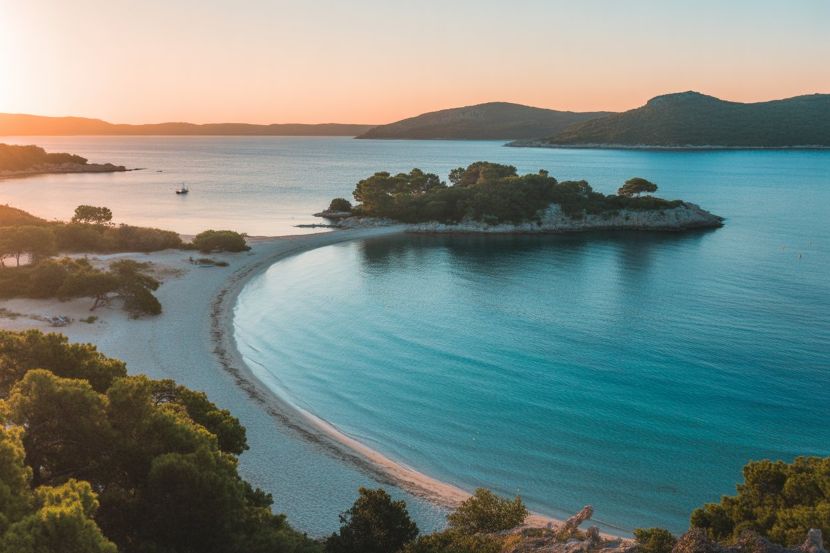
As travel trends in Europe shift in 2026, Albania, Montenegro, and North Macedonia are positioning themselves as the next big tourism destinations. Many travellers, especially those from New Zealand and Europe, are now opting for these lesser-known gems instead of the typical overcrowded destinations like Santorini, Rome, or Barcelona. This change in travel habits is largely due to the growing concerns of overtourism in popular tourist hotspots, which have led to crowding, environmental strain, and diminished local experiences.
Albania has seen a steady increase in international tourists, thanks to its pristine beaches, historical sites, and affordable travel options. Government tourism data shows a steady rise in visitor numbers, with more foreign tourists exploring its coastal towns, such as Ksamil, Dhërmi, and Jale. Albania’s government has implemented policies to promote its natural and cultural heritage while ensuring sustainable tourism growth. These efforts have paid off, with the country gaining recognition for its scenic landscapes, ancient ruins, and vibrant local culture, attracting travellers seeking an authentic Mediterranean experience without the crowds. (instat.gov.al)
Similarly, Montenegro has been catching the eye of travellers looking for an alternative to traditional Mediterranean hotspots. With its stunning coastline along the Adriatic Sea, historic towns like Kotor, and beautiful national parks, Montenegro offers the same Mediterranean charm but with fewer tourists. The country’s tourism infrastructure has been steadily improving, with more accommodations, cultural events, and transportation links to cater to growing demand. Montenegro’s government is actively promoting its natural beauty, including the Bay of Kotor and Durmitor National Park, as destinations for eco-tourism and cultural exploration. (rcc.int)
North Macedonia, a landlocked country with rich cultural heritage and stunning landscapes, is also attracting more international attention. The country’s Lake Ohrid and Skopje, its vibrant capital, have become major draws for tourists seeking history, natural beauty, and tranquillity. Recent government reports highlight significant growth in tourism numbers, as more people discover the country’s unique offerings. The Macedonian government has focused on improving infrastructure, enhancing tourist services, and promoting its cultural sites, which are UNESCO World Heritage-listed. As a result, North Macedonia is quickly becoming a popular choice for those looking to explore Europe’s less-visited corners.
The rise of these countries as preferred tourism destinations is part of a broader trend toward diversifying travel options in Europe. As major tourist destinations such as Paris, Rome, and Barcelona face the pressure of overcrowding and environmental concerns, many travellers are turning to lesser-explored regions that offer a more peaceful and authentic experience. This shift is not only helping to alleviate the pressures of overtourism on popular cities but also providing significant economic benefits to the emerging destinations, encouraging local development and job creation in tourism-related sectors.
This shift in travel preferences is also reflected in the changing policies of European governments. Many are working together to promote regional tourism and create new connections between countries, encouraging multi-destination travel that helps spread the economic benefits. Regional tourism cooperation in the Western Balkans, for example, is seeing increased investment in transportation infrastructure, quality accommodation, and sustainable tourism practices, all aimed at boosting long-term growth while preserving cultural and natural resources.
For Albania, Montenegro, and North Macedonia, this trend is helping to boost their economies by attracting tourists who spend money on local experiences, accommodations, and dining, while helping to alleviate the over-tourism pressures in more well-known locations. The positive economic impact of this shift is undeniable, as more visitors from Europe, North America, and beyond choose these countries for their next holiday.
As we move further into 2026, Albania, Montenegro, and North Macedonia are reaping the rewards of a changing tourism landscape. Their rise in popularity represents more than just a shift in traveller preferences; it is a sign of a broader movement toward more sustainable and diverse tourism options across Europe. By offering unique experiences, rich history, and natural beauty, these countries are paving the way for a more balanced and sustainable future for European tourism, benefiting both visitors and local communities alike. With a growing focus on sustainable travel and regional cooperation, these countries are set to become key players in the global tourism scene, offering something fresh and exciting to the modern traveller.
The post 2026’s Best-Kept Secrets Revealed: Albania, Montenegro, and North Macedonia Are Transforming European Travel FOREVER! appeared first on Travel And Tour World.