Reading view

Huawei FreeBuds Pro 5 launches with dual-driver design and premium color options

Huawei-FreeBuds-Pro-5-launch-specs-price

As scheduled, Huawei has officially taken the wraps off the latest version of its premium wireless earbuds, the Huawei FreeBuds Pro 5. The new earbud features a refined design, stronger noise cancellation, and support for high-resolution audio, all wrapped in a polished, premium-looking package.

Huawei FreeBuds Pro 5 Design

At first glance, the FreeBuds Pro 5 don’t shy away from looking expensive. Huawei is using an oval-shaped charging case paired with a star-ring diamond-cut design on the buds themselves. Further, the earbud stem has a subtle golden ring with HUAWEI SOUND branding. 

The earbud uses silicone ear tips and an in-ear stem-style design that should sit securely for long listening sessions. Each bud weighs 5.5 grams and measures 29.1 x 21.8 x 23.7mm, while the charging case comes in at 43 grams with dimensions of 65.50 x 46.70 x 22.98mm. Globally, the earbuds come in Snowy White, Frost Silver, Azure Sky, and Earth Gold.

Audio

For audio, Huawei is using a dual-driver system inside, which combines an ultra-linear dual-magnetic circuit bass unit with an ultra-thin micro-planar tweeter. The bass driver reportedly reaches down to 10Hz for deeper low-end performance, while the tweeter extends up to 48kHz for higher-frequency clarity. 

The FreeBuds Pro 5 also feature dual-unit, dual-channel active noise cancellation system, designed to emit reverse sound waves to cancel surrounding noise. Huawei claims this new system delivers up to three times better performance than the previous generation. 
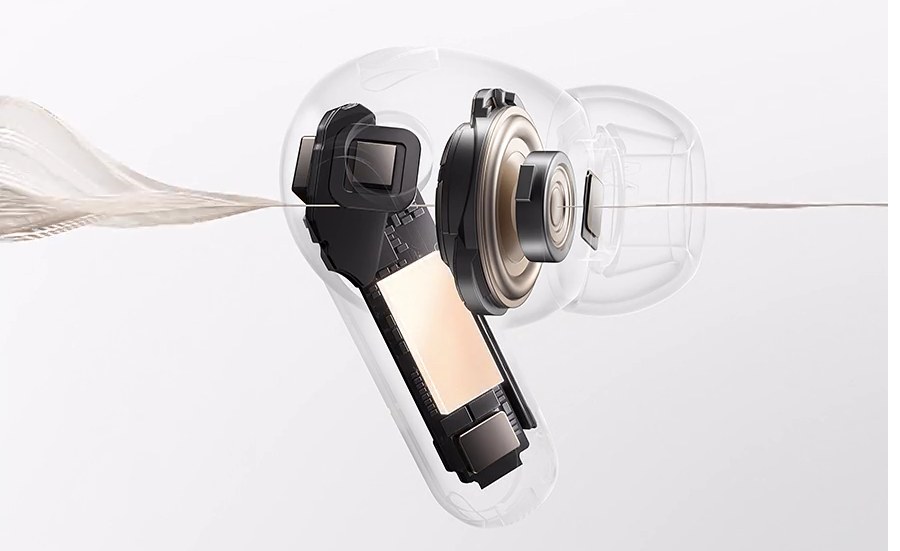
The company’s Kirin A3 chipset handles environmental processing and noise reduction, working alongside upgraded microphones. Huawei says call clarity remains stable even in environments with noise levels up to 100dB and wind speeds reaching 10m/s.

For users who don’t want to be completely isolated, Huawei has included an Alert Mode that lets important sounds through.

Codec and Battery Life

Being a flagship product, it’s no surprise that the FreeBuds Pro 5 support AAC, SBC, LDAC, and L2HC codecs. It also has Huawei’s proprietary NearLink technology, which can enable lossless audio transmission speeds of up to 4.6Mbps under supported conditions.
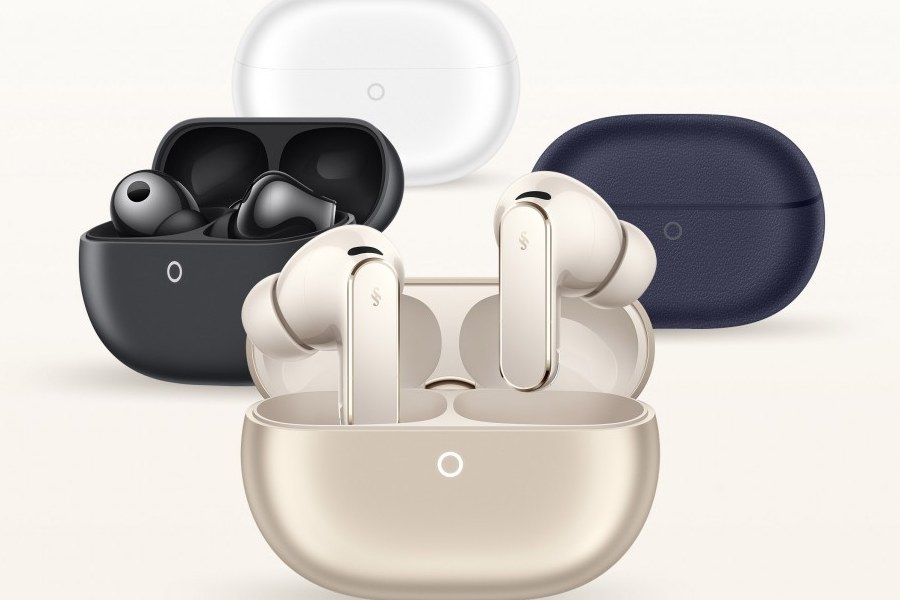
Each earbud is stuffed with a 60mAh battery, while the charging case includes a 537mAh cell. Huawei says the earbuds can deliver up to 9 hours of playback without active noise cancellation and around 6 hours with ANC enabled. 

Finally, durability is covered with an IP67 rating for dust and water resistance, making the FreeBuds Pro 5 more resilient than many premium rivals.

The earbuds are up for purchase at €199/£180 with a limited period discount of €30/£30 if orders are placed via Huawei’s official online store.

For more daily updates, please visit our News Section.

Stay ahead in tech! Join our Telegram community and sign up for our daily newsletter of top stories.

The post Huawei FreeBuds Pro 5 launches with dual-driver design and premium color options appeared first on Gizmochina.

Google Tensor G6 may have appeared early on Geekbench with a 7-core CPU

Pixel-10-Pro-XL

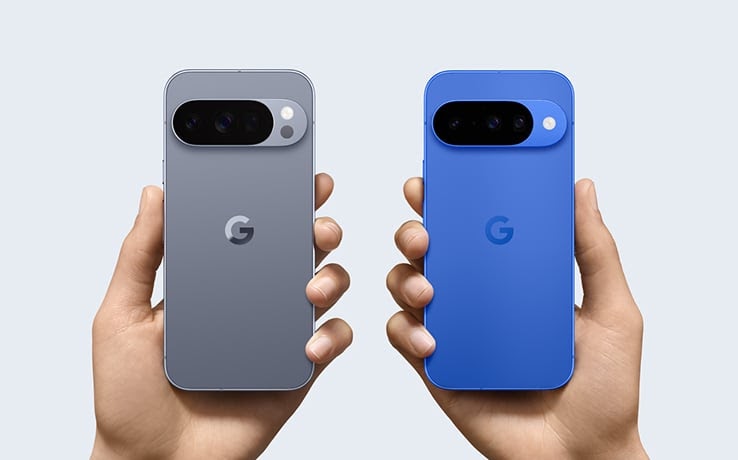
Just weeks after wrapping up its current lineup with the Pixel 10a, Google may already be testing its new phones. A new Geekbench listing has surfaced, and while nothing is confirmed, it hints at early hardware that could belong to the Pixel 11 series, and more importantly, the next-generation Tensor G6 chip.

Pixel-10-Pro-XL

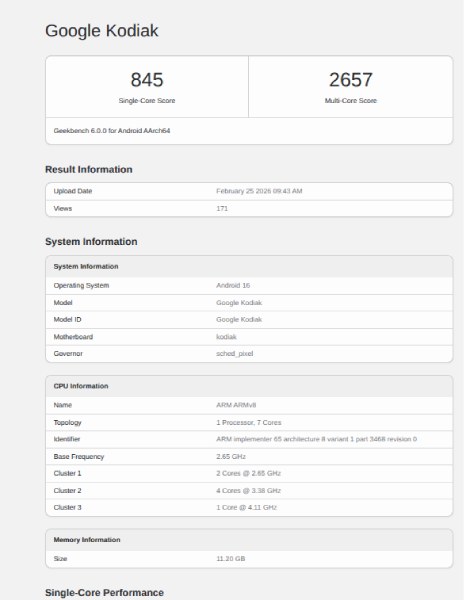
The listing is tied to a device called “Google Kodiak.” That name isn’t new. It was previously associated with the Pixel 10 Pro XL. But according to Notebookcheck, this new appearance could point to a Pixel 11 model instead. The reason comes down to the processor configuration.

This could be the Tensor G6 setup

The device in question runs a 7-core Tensor SoC, which is unusual. The Pixel 10 Pro XL uses an octa-core chip. That alone suggests this isn’t simply a re-test of existing hardware. 

The new configuration includes one Arm C1-Ultra core clocked at 4.11GHz, four Arm C1-Pro cores at 3.38GHz, and two additional C1-Pro cores at 2.65GHz. The clock speeds are also higher than what we’ve seen on the Tensor G5.

For comparison, the Pixel 10 Pro XL is powered by an octa-core setup with one Cortex-X4 core at 3.78GHz, five Cortex-A725 cores at 3.05GHz, and two Cortex-A520 cores at 2.25GHz. 

Graphics also differ. The new listing shows a PowerVR C-Series CXTP-48-1536 GPU, while the Pixel 10 Pro XL uses a PowerVR DXT-48-1536.

However, the benchmark scores are nothing to write home about. The phone posted a single-core score of 845 and a multi-core score of 2657. These numbers are extremely low for a modern flagship. It’s possible the chip is missing software optimizations, or that this is very early hardware not meant for performance testing.

Still, it’s worth being cautious. There’s no guarantee this listing is genuine. Benchmark databases are often filled with prototypes, mislabeled devices, and sometimes even fake entries. The Pixel 11 series isn’t expected until summer 2026, and the Tensor G6 hasn’t been announced.

For more daily updates, please visit our News Section.

Stay ahead in tech! Join our Telegram community and sign up for our daily newsletter of top stories! 💡

The post Google Tensor G6 may have appeared early on Geekbench with a 7-core CPU appeared first on Gizmochina.

Huawei Mate 80 Pro launches with 3000 nits display and 50MP variable aperture camera

Huawei-Mate-80-Pro-Design

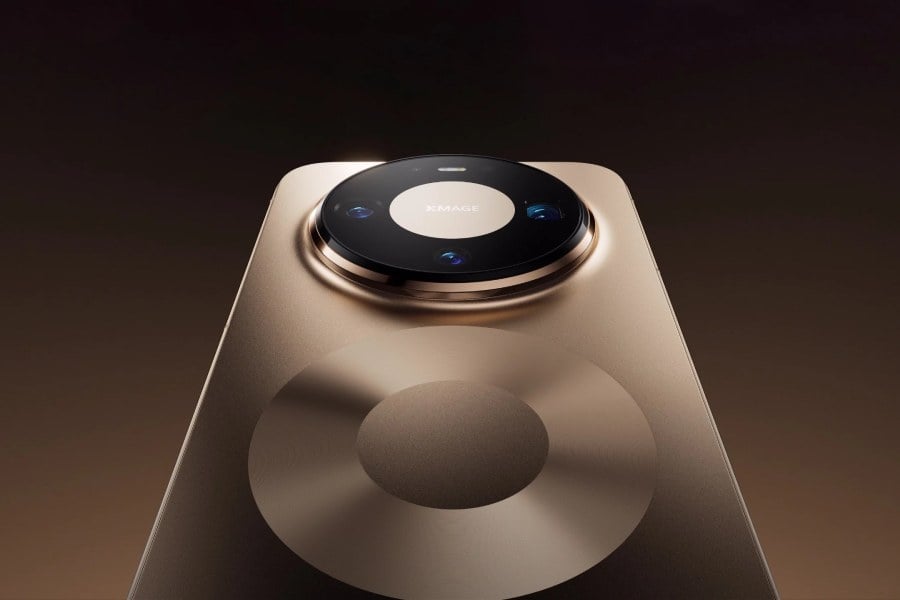
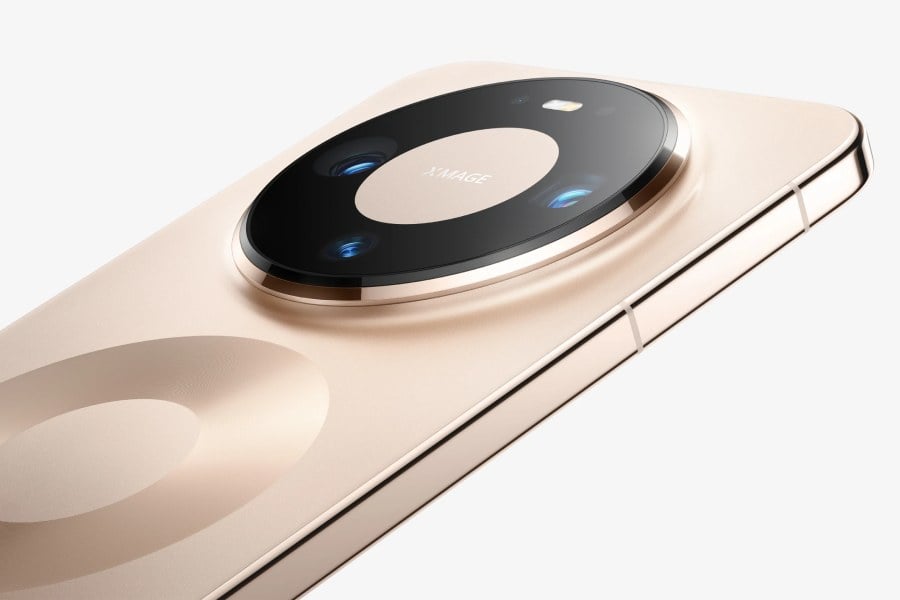
Huawei is hosting a major global launch event today, where the company has already unveiled the Watch GT Runner 2. But it’s the flagship Mate 80 Pro that is the big story today. It’s the first time since the Mate 50 Pro in 2022 that Huawei introduced its Mate smartphone in the international market.

However, Huawei is releasing only the Pro version of its latest Mate lineup globally. The standard Huawei Mate 80, Huawei Mate 80 Pro Max, and Huawei Mate 80 RS Ultimate remain exclusive to China.

Huawei Mate 80 Pro Specifications

In any case, it shares most of its specifications with the Chinese counterpart. The device measures 161.85mm in height, 76mm in width, and 7.95mm in thickness, and weighs around 219 grams. 

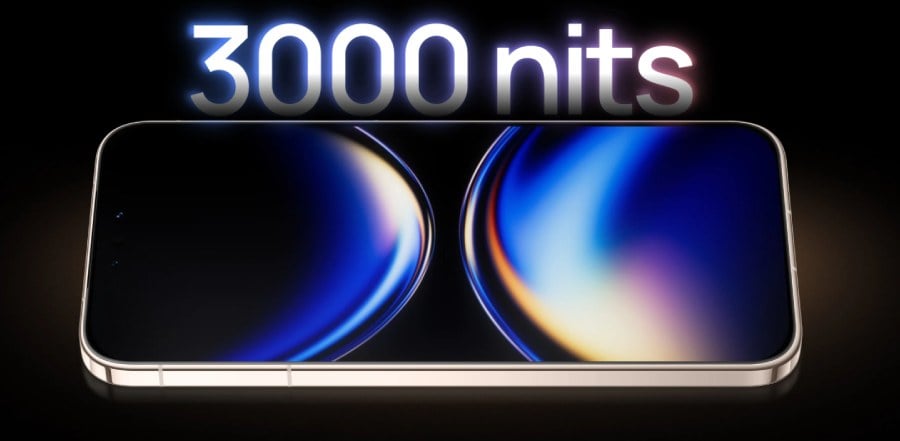
The phone features a 6.75-inch LTPO OLED display with a resolution of 2832 × 1280 pixels and a pixel density of 460ppi. It supports a 1–120Hz adaptive refresh rate and 1440Hz high-frequency PWM dimming. Huawei is also promising up to 1.07 billion colors and 3000 nits of brightness. 

One key difference between regions is software. The global Mate 80 Pro runs EMUI 15.0, while the Chinese version ships with HarmonyOS 6.0. It comes in a single 16GB RAM and 512GB storage configuration. There’s no microSD card slot, so what you buy is what you keep.

The Mate 80 Pro includes a 50-megapixel main camera that supports variable aperture ranging from f/1.4 to f/4.0 and optical image stabilization. It’s joined by a 40-megapixel ultra-wide camera and a 48-megapixel macro telephoto camera with 4x optical zoom and up to 100x digital zoom. 

On the front, there’s a 13-megapixel wide-angle selfie camera with autofocus. Both front and rear cameras support 4K video recording. 

Huawei Mate 80 Pro Launch Specs Price

The phone packs a 5,750mAh battery (rated capacity 5,620mAh) and supports 100W wired and 80W wireless charging. 

The Mate 80 Pro also carries IP68 and IP69 ratings for dust and water resistance, including protection against high-pressure water jets and submersion up to six meters for 30 minutes under specific conditions.

Connectivity includes Wi-Fi 7 support, Bluetooth 6.0, USB-C with USB 3.1 Gen 1 speeds, NFC, and a wide range of global positioning systems, including GPS dual-band and NavIC. The phone is available in both single and dual SIM models, depending on the region.

Huawei hasn’t revealed the pricing details yet, but the Mate 80 Pro will be available for purchase in Black, Green, and Gold starting today.

Don’t miss a thing! Join our Telegram community for instant updates and grab our free daily newsletter for the best tech stories!

For more daily updates, please visit our News Section.

(Source)

The post Huawei Mate 80 Pro launches with 3000 nits display and 50MP variable aperture camera appeared first on Gizmochina.

Huawei Watch GT Runner 2 launches with titanium build, up to 14 days of battery life

Huawei-Watch-GT-Runner-2-Launch-Specs-Price

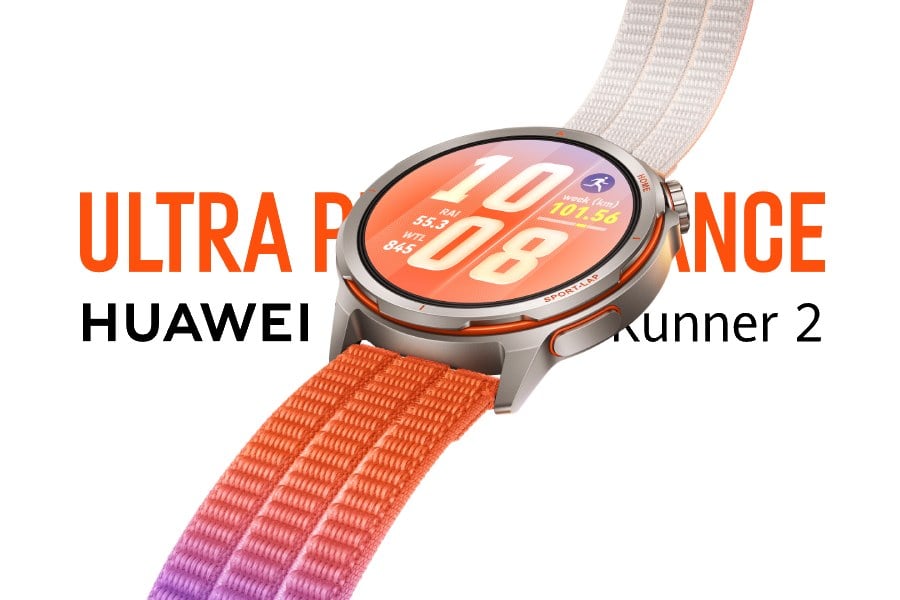
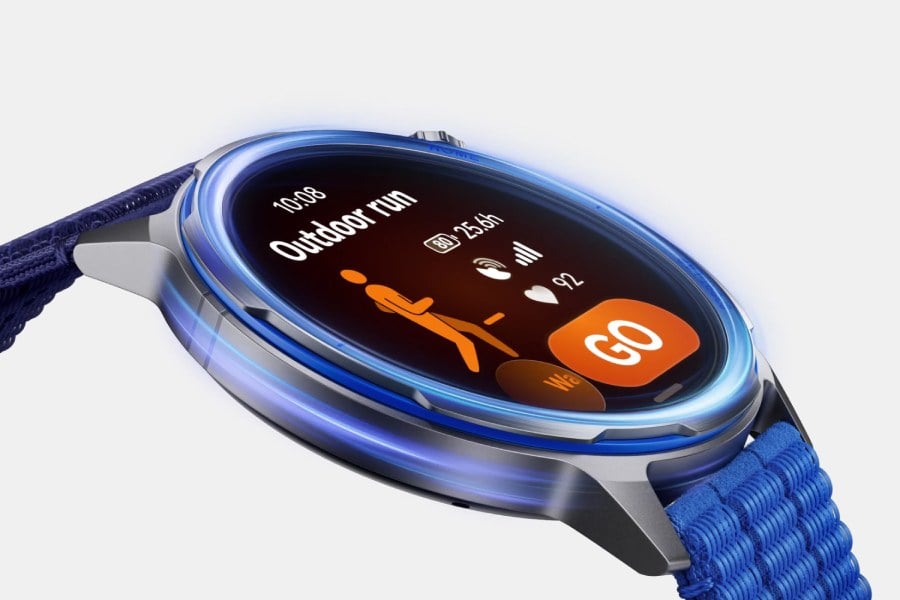
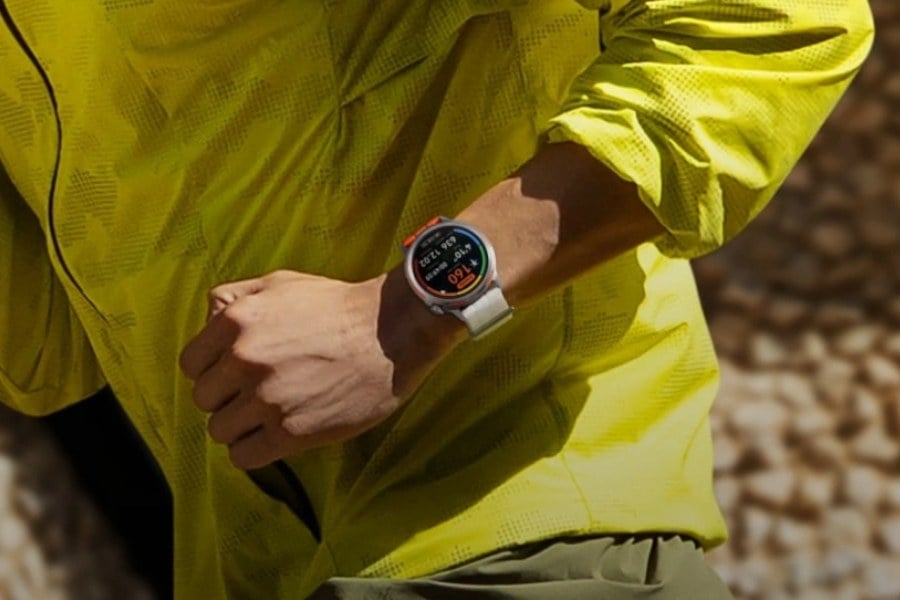
At the launch event today, Huawei officially released the Huawei Watch GT Runner 2. As the name implies, it’s a running-focused smartwatch with precision tracking, structured marathon training, and a lighter overall design. 

At the center of the pitch is what Huawei calls an industry-leading 3D floating antenna system. The company says this setup improves positioning accuracy by 20 percent compared to previous models, even in dense urban areas, near tall buildings, or inside tunnels. 

The watch supports dual-band GPS (L1 + L5) and works with multiple satellite systems, including GLONASS, BeiDou, Galileo, QZSS, and NavIC.

Huawei Watch GT Runner 2 Design and Display

The design has also been reworked with runners in mind. The watch case, bezel, crown, and buttons are made from titanium alloy, and the body measures 43.5mm by 43.5mm with a thickness of 10.7mm. 

At around 34.5 grams (without the strap), it’s notably light for a watch in this category. Huawei pairs it with a new AirDry woven strap that uses a hollowed design for improved breathability. The company claims it boosts airflow by 25 percent compared to earlier straps. There’s also a fluoroelastomer strap included for workouts where sweat and water are more of a concern.

The display is a 1.32-inch AMOLED panel with a 466 x 466 resolution and a peak brightness of up to 3000 nits. The glass on top is second-generation Kunlun Glass, which checks out durability.

The Runner 2 is all about running!

But the bigger story here is software. The wearable comes with a DSM-Firmenich Running Team co-developed Intelligent Marathon Mode, which offers structured race preparation. 

Runners can access major marathon events or create custom ones, generate tailored training plans, and track advanced metrics like lactate threshold, running power, training intensity, and a Running Ability Index. The watch can also predict finishing times based on historical data and training trends. 

During races, the watch can display real-time pace charts, estimated finish times, and your gap against a target time. There’s also a digital pacer and fueling reminders designed to keep energy levels steady during long efforts. Post-run, the Huawei Health app breaks down performance data and provides form insights and recovery guidance.

Beyond running, the watch supports over 100 sports modes, including trail running, swimming, cycling, golf (with access to over 17,000 courses in select markets), and freediving up to 40 meters. It carries a 5 ATM and IP69 rating, although Huawei notes it’s not designed for hot showers or deep scuba diving.

Health and wellness features

As for health tracking, the watch includes ECG monitoring, heart rate variability tracking, blood oxygen measurement, sleep tracking with breathing awareness, and stress insights. Huawei is careful to note that these features are for reference only and not intended for medical diagnosis.

The Huawei Watch GT Runner 2 has a rated battery life of up to 14 days under light use, 7 days under typical use, and up to 32 hours in outdoor workout mode with precise positioning enabled. 

You can charge it wirelessly, and the watch supports NFC payments, Bluetooth calling, standalone music playback, and QR code scanning. It works with both Android and iOS devices, though some features, like custom video watch faces and music syncing, are limited when paired with iPhones.

Huawei Watch GT Runner 2 Price

The Watch GT Runner 2 retails at £350 and will go on open sale starting today. You can choose from Dawn Orange, Dusk Blue, and Midnight Black colors. 

Don’t miss a thing! Join our Telegram community for instant updates and grab our free daily newsletter for the best tech stories!

For more daily updates, please visit our News Section.

The post Huawei Watch GT Runner 2 launches with titanium build, up to 14 days of battery life appeared first on Gizmochina.

Xiaomi launches Mijia Water Purifier 2 1200G with long-lasting 7-year RO system

Xiaomi-Mijia-Water-Purifier-2-1200G-launch-specs-price

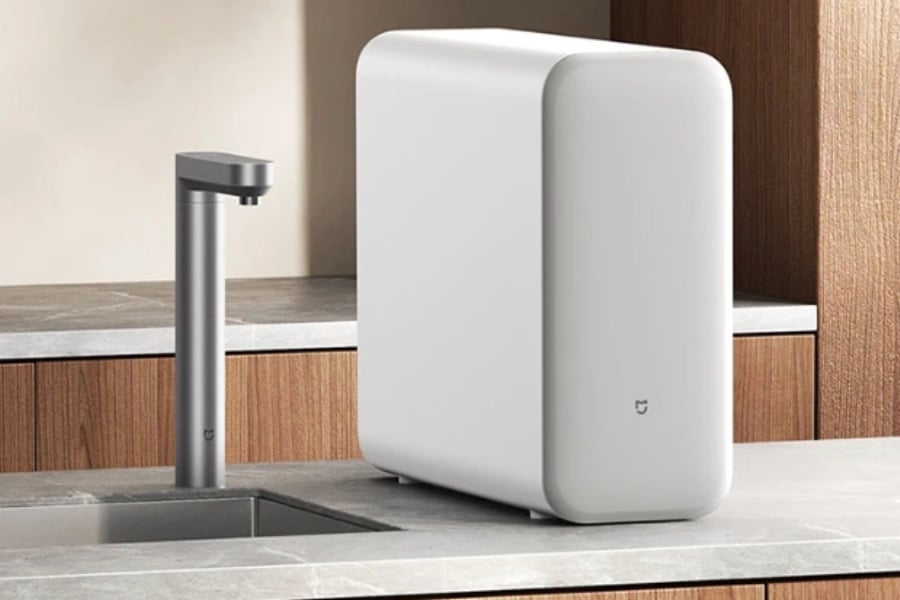
Xiaomi has introduced a new high-capacity water purifier in China. The Mijia Water Purifier 2 1200G comes with a long-life reverse osmosis system and what it describes as baby-grade healthy water.

At the core of the device is a 7-year long-lasting RO system. The purifier uses a 12-page high-precision RO membrane paired with a PPC filter cartridge. It also introduces what the company calls “Zero Stagnant Water 3.0” technology, which is designed to reduce leftover water sitting inside the system between uses.

Xiaomi claims the purifier has received professional maternal and infant certification, and that the filtered water does not contain scale inhibitors. The rated total purification capacity is 6,500 liters.

A 7-year RO system with app control

The Mijia Water Purifier 2 1200G (model MR1282-A) supports a clean water flow rate of 3.2 liters per minute and operates at 180W. It works with inlet water pressure between 0.1 and 0.4 MPa and has a working pressure range of 0.4 to 0.9 MPa. The unit weighs 11.9kg and measures 163 × 445 × 379 mm.

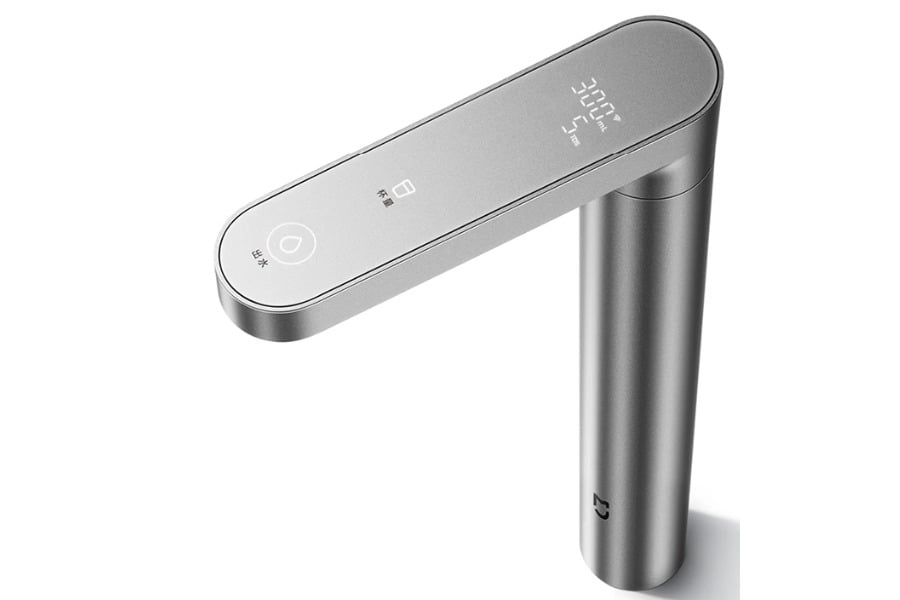
On the smart side, the purifier includes an IPX7-rated waterproof faucet with touch controls for dispensing water. It can display real-time TDS (total dissolved solids) values and connects over 2.4GHz Wi-Fi (IEEE 802.11b/g/n). Through the Mijia app, users can remotely check water quality data and other system information.

The purifier is designed for use with municipal tap water that meets China’s GB 5749 standard. Xiaomi says the output water meets the requirements of the country’s hygiene and safety standards for reverse osmosis drinking water treatment devices.

The purifier is priced at 1,999 yuan (~ $290), though Xiaomi is offering a pre-sale price of 1,499 yuan (~ $299). Its first official sale is scheduled for March 7.

For more daily updates, please visit our News Section.

Stay ahead in tech! Join our Telegram community and sign up for our daily newsletter of top stories.

The post Xiaomi launches Mijia Water Purifier 2 1200G with long-lasting 7-year RO system appeared first on Gizmochina.

Realme Note 80 design, display, camera, and battery specs leak before launch

Realme Note 70T

Realme looks ready to expand its Note lineup once again. According to a new report, the company is set to announce the Realme Note 80 on March 5th.

The report doesn’t stop at the launch date, either. It also spills the full spec sheet ahead of the official reveal. Here’s what to expect.

Realme Note 80 Specifications 

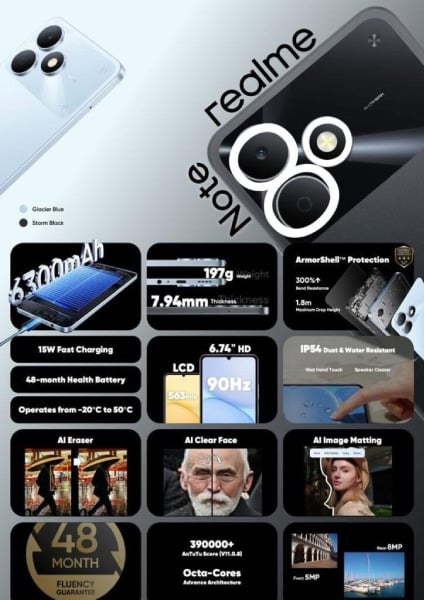
The Note 80 is built around a 6.74-inch HD+ LCD panel with a 90Hz refresh rate and peak brightness of 563 nits. The screen is protected by an “ArmorShell” protection, which can reportedly survive drops from heights up to 1.8 meters. The phone also carries an IP54 rating and even supports wet-hand touch input. 

Under the hood, it runs on an octa-core processor with an AnTuTu score of over 390,000. Realme is also guarentting 48-month of fluency. 

Moving on, the Note 80 packs a large 6,300mAh battery with support for 15W charging. Realme says the battery is designed to maintain its health for up to four years. The phone is also rated to function in temperatures ranging from -20°C to 50°C. 

Its camera hardware is modest, though. It features an 8-megapixel rear sensor and a 5-megapixel front camera. While not high on megapixels, Realme is emphasizing n built-in software features like object removal, face enhancement, and background cutouts.

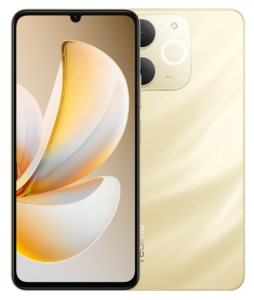
Design-wise, the Note 80 measures 7.94mm thick and weighs 197 grams, which keeps it relatively slim despite what’s inside. Realme plans to offer it in Glacier Blue and Storm Black options. 

We are still not sure of the pricing details, and Realme hasn’t shared official availability information yet. But based on its specifications, the Realme Note 80 is an entry-level smartphone that delivers on the essentials.

For more daily updates, please visit our News Section.

Stay ahead in tech! Join our Telegram community and sign up for our daily newsletter of top stories.

(Source)

The post Realme Note 80 design, display, camera, and battery specs leak before launch appeared first on Gizmochina.

Nubia Neo 5 GT teased with built-in cooling fan, here are the full specs before launch

Nubia-Neo-5-GT-Design

ZTE is heading back to Barcelona with another gaming phone.

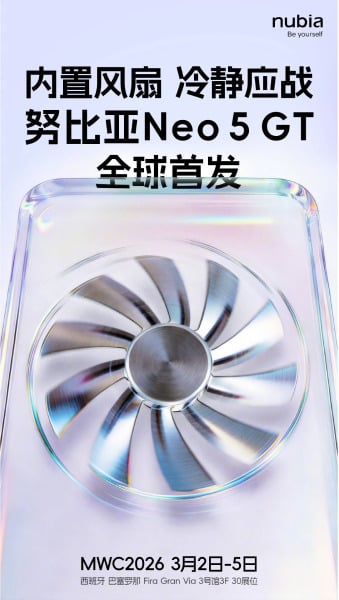
The company announced today that it will hold a new product launch event for its new phones at Mobile World Congress 2026, taking place from March 2nd to 5th in Spain. The highlight of the event will be the global debut of the Nubia Neo 5 GT. 

According to the official teaser poster, the Nubia Neo 5 GT will feature a built-in cooling fan. Active cooling isn’t new to gaming phones, but it’s still rare outside this niche. A built-in fan suggests ZTE is aiming for sustained gaming performance.

Beyond that, ZTE hasn’t shared much. However, thanks to a leak, we already have the device’s design and full specs. 

Nubia Neo 5 GT Specifications

As you can see, the Nubia Neo 5 GT features camera cutouts with an octagonal design, and a light accent on the right side adds to the aggressive look. 

Up front, the phone is expected to feature a 6.77-inch FHD+ AMOLED display with a 120Hz refresh rate. It supports up to 1200 nits of brightness and covers 100 percent of the DCI-P3 color gamut. 

Powering the device is the UNISOC T9100 chipset, built on a 6nm TSMC process. It uses a mix of Cortex-A76 and Cortex-A55 cores, topped by a prime core clocked at 2.7GHz. The phone also has a large vapor chamber (4083mm²) for cooling. 

The phone comes with LPDDR4X RAM and UFS 3.1 storage, though exact configurations haven’t been confirmed. It powers everything via a 6,000mAh battery, with support for 80W fast charging, and also includes bypass charging.

In terms of optics, the phone could feature a 50-megapixel rear camera and an 8-megapixel front camera, supported by Nubia’s NEOVISION imaging system. 

Other features include dual stereo speakers with DTS:X Ultra support, a Z-axis linear motor for stronger vibration feedback, hardware gyroscope support, and shoulder trigger buttons labeled R1 and L1. 

The Nubia Neo 5 GT will be available in Black, Yellow, and White.

For more daily updates, please visit our News Section.

Stay ahead in tech! Join our Telegram community and sign up for our daily newsletter of top stories.

(Source)

The post Nubia Neo 5 GT teased with built-in cooling fan, here are the full specs before launch appeared first on Gizmochina.

iPhone 17 Pro can reach 24x zoom with this new telephoto add-on

SANDMARC-iPhone-17-Pro-24x-zoom-telephoto-lens

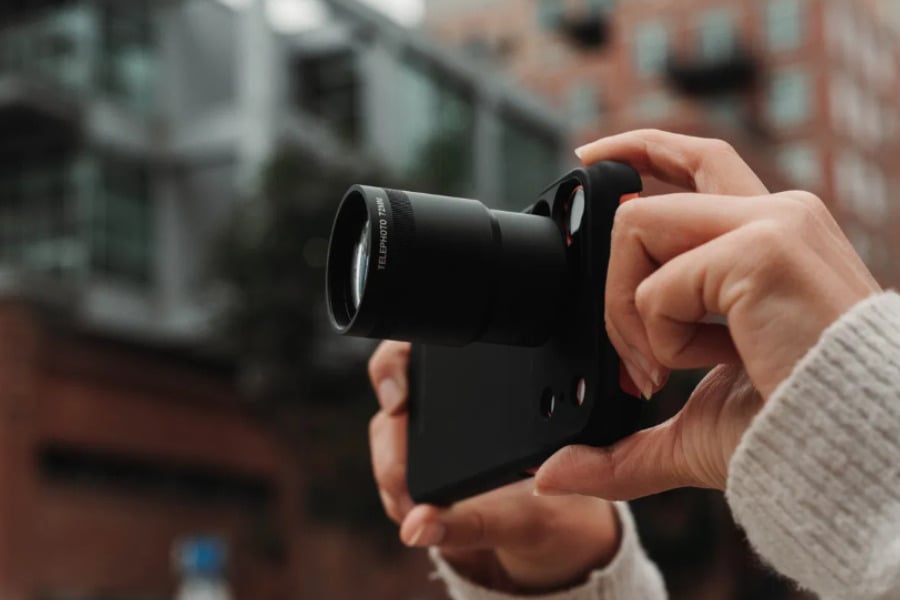
US accessory maker SANDMARC has officially introduced a new telephoto add-on built specifically for Apple’s latest iPhones. Called the Tetraprism 72mm lens, the accessory is designed to mount onto compatible iPhone models and extend their native zoom capabilities by an additional 3x.

The lens is fairly substantial in size. It weighs 180 grams, measures 70mm in height, and has a 40.5mm diameter. There’s also a 17mm threaded mount built into the design. The size is closer to a compact camera lens that happens to connect to your phone.

SANDMARC Tetraprism 72mm lens for iPhone 17 Pro and iPhone 16 Pro

According to SANDMARC, the lens is tuned specifically for the quad prism telephoto system expected on the iPhone 17 Pro series. When paired together, the company says the setup can reach up to 24x zoom through optical magnification. 

The accessory also works with older models. On the iPhone 16 Pro series and the iPhone 15 Pro Max, SANDMARC claims users can achieve up to 15x hybrid zoom. 

The main pitch here is image quality at distance. Instead of relying heavily on digital cropping, the Tetraprism 72mm lens uses multi-element, multi-layer coated glass to reduce glare and maintain color accuracy. The company also points to improved optical compression, which can help with subject separation and give photos more natural depth. 

The design is modular. It attaches directly to a dedicated iPhone lens case and works with other SANDMARC filters and accessories. The company says the lens is good for wildlife photography, events, and landscape clicks. 

Chinese smartphone makers, in particular, have started offering a teleconverter set for their Ultra phones on their own. The latest Xiaomi 17 Ultra, for instance, comes with a 4.3x teleconverter lens.

It’s unlikely that Apple will explore this route anytime soon. So our best bet is to rely on accessory brands like SANDMARC for it. 

For more daily updates, please visit our News Section.

Stay ahead in tech! Join our Telegram community and sign up for our daily newsletter of top stories.

(Source)

The post iPhone 17 Pro can reach 24x zoom with this new telephoto add-on appeared first on Gizmochina.

Spotify launches a cremation urn speaker, and yes, it streams playlists

Spotify-cremation-urn-speaker

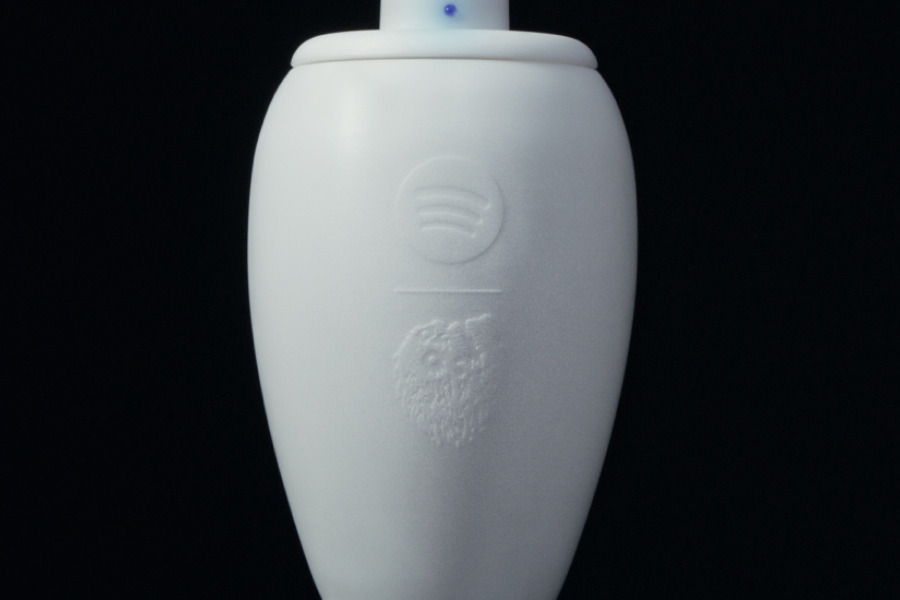
Spotify has teamed up with Liquid Death for what might be one of its strangest hardware experiments yet — a Bluetooth speaker shaped like a cremation urn.

The product is called the Eternal Playlist Urn. It looks like something you’d expect to see on a mantelpiece, except it’s not designed to hold ashes. Instead, it’s a collectible speaker with a built-in Bluetooth system tucked into the lid. 

Spotify says only 150 units will be sold in the United States, each priced at $495. Buyers get a 7-inch by 11.4-inch urn-shaped device that streams music and little else.

A Bluetooth speaker dressed for the afterlife

According to Spotify, this is “the world’s first urn speaker that can stream music.” In a blog post announcing the collaboration, Spotify wrote, “Life needs the music. So does the afterlife.”

The idea is simple. Once you receive the urn speaker, you can create what Spotify calls an “Eternal Playlist.” Users answer prompts such as “What’s your eternal vibe?” or “What’s your go-to ghost noise?” Based on those answers — along with your listening history — Spotify generates a custom playlist that can sync directly to the speaker. The playlist can also be shared with friends and family, turning the urn into a kind of permanent soundtrack device.

It’s not the first time Spotify has ventured into hardware, though those efforts have been limited. In 2022, the company partnered with IKEA on a portable Bluetooth lightbox speaker with Spotify quick-play functionality. 

Before that, it launched Car Thing, a dashboard accessory meant to make streaming easier in older vehicles. Car Thing has since been discontinued, and Spotify has yet to introduce a standalone smart speaker under its own brand.

Liquid Death, meanwhile, has built its reputation on absurd and sometimes morbid marketing. The canned water company has released over-the-top products before, including a life-size snowman coffin-shaped cooler that reportedly drew more than 800 bidders and sold for $68,200. The brand thrives on turning dark humor into limited-edition merchandise, and the Eternal Playlist Urn fits neatly into that strategy.

For more daily updates, please visit our News Section.

Stay ahead in tech! Join our Telegram community and sign up for our daily newsletter of top stories! 💡

(Source)

The post Spotify launches a cremation urn speaker, and yes, it streams playlists appeared first on Gizmochina.

❌