Reading view

Galaxy S26 vs iPhone 17 Comparison: Biggest Differences You Must Know Before Buying
galaxy vs iphone

Choosing between the Samsung Galaxy S26 and iPhone 17 isn’t just about Android vs iOS anymore; it’s about two completely different flagship philosophies. One focuses on feature-packed hardware and flexibility, while the other prioritizes smooth optimization and everyday consistency. With both phones targeting premium buyers at similar price points, this comparison matters for anyone trying to decide which flagship truly offers the better long-term experience and smarter value in 2026.
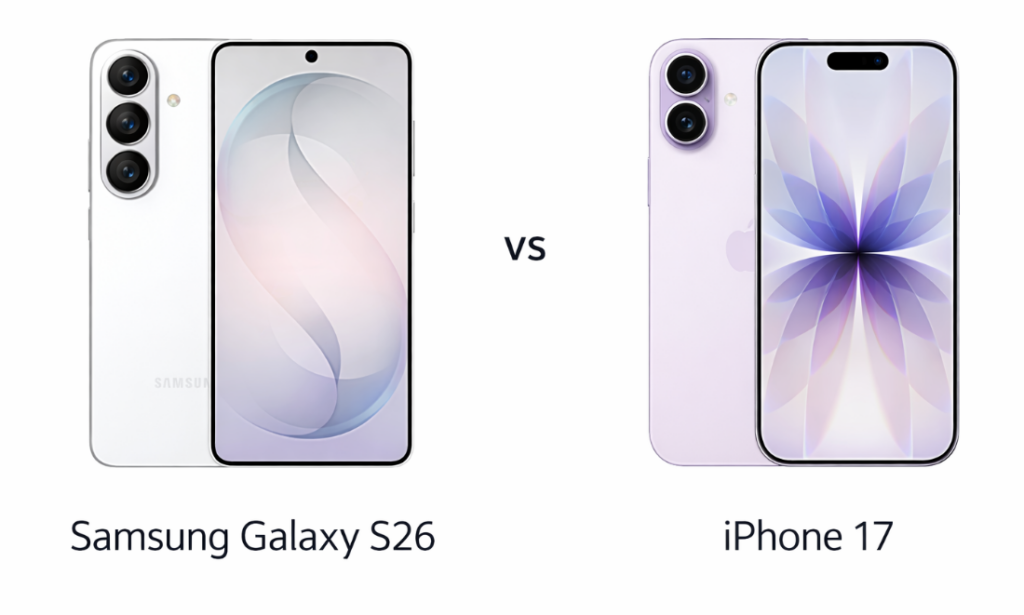
Major Features:

FeatureSamsung Galaxy S26iPhone 17Winner
Display6.3″ Dynamic LTPO AMOLED 2X, 120Hz, HDR10+, 2600 nits6.3″ LTPO Super Retina XDR OLED, 120Hz, Dolby Vision, 3000 nits peakiPhone 17 — higher peak brightness and more natural color tuning
ProcessorSnapdragon 8 Elite Gen 5 / Exynos 2600Apple A19 (3nm)iPhone 17 — stronger optimization and efficiency
RAM & Storage12GB RAM, 256GB/512GB, UFS 4.X8GB RAM, 256GB/512GB, NVMeGalaxy S26 — more RAM for heavy multitasking
Rear Cameras50MP wide + 10MP 3x telephoto + 12MP ultrawide48MP wide + 48MP ultrawideGalaxy S26 — dedicated telephoto adds versatility
Selfie Camera12MP, dual pixel PDAF18MP ultrawide + 3D depthiPhone 17 — better video and depth features
Video RecordingUp to 8K, HDR10+, gyro-EISUp to 4K Dolby Vision HDRiPhone 17 — more consistent cinematic video output
Battery4300mAh, 25W wired, 15W wireless3692mAh, fast wired, 25W MagSafe/Qi2Galaxy S26 — larger battery capacity
Charging FeaturesWireless + reverse wirelessMagSafe/Qi2 + reverse wiredGalaxy S26 — more charging flexibility
SoftwareAndroid 16, One UI 8.5, 7 upgradesiOS 26iPhone 17 — smoother long-term app optimization
Extra FeaturesSamsung DeX, ultrasonic fingerprintFace ID, Satellite SOS, UWB Gen2Tie — depends on ecosystem preference
Price (Approx)$900 / ₹88,000$800 / ₹83,000iPhone 17 — better starting value

Please Note: When you buy something using the links in our articles, we may earn a small commission at no cost to you.

Design and Display

Build and Feel

Samsung Galaxy S26 and iPhone 17 both focus on premium glass-and-metal construction, but they deliver different experiences. Samsung leans toward a lighter, sharper-edged feel with Gorilla Glass Victus 2 and Armor Aluminum 2, while Apple keeps a familiar aluminum frame paired with Ceramic Shield 2. Both carry IP68 protection, yet Apple’s deeper water resistance adds extra reassurance for long-term durability. The Galaxy feels more tech-centric and modern, whereas the iPhone feels polished and minimal, appealing to users who prefer subtle refinement over aggressive styling. The overall handling experience depends more on ecosystem preference than materials alone.

Display Quality

Both phones use advanced LTPO OLED panels with 120Hz refresh rates, making scrolling and animations extremely smooth. The Galaxy S26 emphasizes vivid contrast and punchy HDR performance with high peak brightness, while the iPhone 17 focuses on color accuracy and balanced brightness, backed by Dolby Vision support. Samsung’s display feels more dramatic for media lovers, while Apple’s panel tends to look more natural in daily use. Both are excellent, but the difference lies in tuning rather than raw quality.

Verdict

Galaxy S26 feels more vibrant and futuristic, while the iPhone 17 offers a cleaner, more consistent visual experience. Choice here depends on whether bold visuals or natural color balance matters more.

Specifications Including Battery

Performance

The Galaxy S26 runs either Snapdragon 8 Elite Gen 5 or Exynos 2600, depending on region, both designed for flagship-level speed and long-term Android updates. The iPhone 17 uses Apple’s A19 chip, which typically prioritizes efficiency and smooth optimization with iOS. In real usage, both deliver top-tier performance, but the iPhone often feels more consistent in long-term app optimization, while the Galaxy provides stronger multitasking flexibility and desktop-style features like DeX. Samsung’s higher RAM also helps heavy users who keep many apps open simultaneously.

Battery and Charging

Samsung packs a larger battery and supports wired, wireless, and reverse wireless charging, giving more versatility overall. The iPhone 17 compensates with strong efficiency and faster wireless charging via MagSafe/Qi2. Apple’s charging feels polished and reliable, while Samsung’s larger capacity provides more confidence during long usage days. Charging speed differences are noticeable but not dramatic in everyday routines.

Verdict

Galaxy S26 is better suited for power users needing flexibility and endurance, while iPhone 17 focuses on efficiency and stable long-term performance. Both feel flagship-grade but with different philosophies.

Camera

Main and Secondary Lenses

Samsung equips the Galaxy S26 with a versatile triple-camera setup, including a dedicated telephoto lens that adds real optical zoom flexibility. This makes it more adaptable for portraits and distant shots. The iPhone 17 uses a dual-camera system with high-resolution wide and ultrawide sensors, prioritizing consistency and color science over hardware variety. Apple’s processing usually produces natural tones, while Samsung tends to deliver more contrast and vibrant output. For users who enjoy experimenting with framing, Samsung’s extra lens adds creative freedom.

Selfie Camera

Galaxy S26 focuses on sharp and reliable selfies with dual-pixel autofocus and HDR support, delivering clean results in mixed lighting. The iPhone 17 introduces an ultrawide selfie sensor with advanced depth hardware, improving group shots and cinematic video capture. Apple’s front camera generally feels more polished for video creators, while Samsung keeps things simple and consistent for everyday use.

Verdict

Galaxy S26 wins for versatility and zoom options, while iPhone 17 excels in natural video quality and balanced image processing. The better choice depends on shooting style rather than pure specs.

Pricing

Samsung Galaxy S26 starts at roughly $900 / ₹88,000, while the iPhone 17 comes in lower at around $800 / ₹83,000. Samsung’s higher price reflects extra hardware features like the telephoto camera, larger battery, and multitasking-focused software additions. Apple, on the other hand, offers strong ecosystem integration and long-term software consistency at a slightly more accessible entry price. The gap is not huge, but it changes how each device is positioned in the market.

Is the Price Justified? 

The Galaxy S26 feels justified for users wanting maximum hardware flexibility and productivity features. The iPhone 17 feels like a safer long-term investment for users prioritizing ecosystem stability and optimized performance. Both offer flagship value, but the definition of value changes depending on whether hardware features or software longevity matter more.

Verdict

Galaxy S26 offers more hardware per dollar, while iPhone 17 delivers stronger ecosystem value at a lower starting price.

Disclaimer:
Prices are approximate and may vary based on country, region, and applicable taxes.

Conclusion

The Galaxy S26 stands out with Samsung DeX, stronger multitasking potential, and a more flexible camera system that suits creators and power users. The iPhone 17 focuses on refined software integration, satellite safety features, advanced Face ID hardware, and a tightly optimized user experience. Samsung feels more experimental and feature-rich, while Apple keeps things simple and reliable. Both devices represent mature flagship strategies rather than dramatic reinventions.

Final Verdict

If only one phone has to be chosen, the iPhone 17 is the safer overall pick thanks to its lower price, smoother optimization, consistent camera performance, and long-term reliability, making it ideal for most users. 

Samsung Galaxy S26 is better for those who want more hardware flexibility, a telephoto camera, a larger battery, and advanced multitasking features.

For most people: iPhone 17 feels more balanced and safer long-term.

For tech enthusiasts / power users: Galaxy S26 is arguably the more capable phone.

Read More:

The post Galaxy S26 vs iPhone 17 Comparison: Biggest Differences You Must Know Before Buying appeared first on Gizmochina.
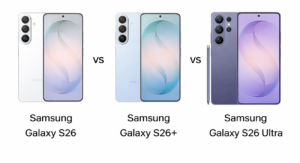
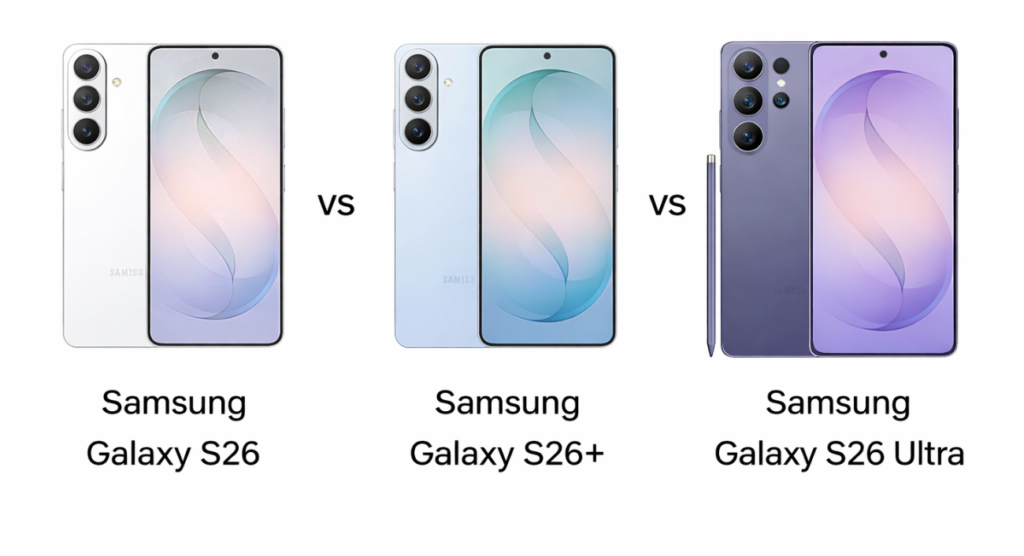
Samsung Galaxy S26 vs S26+ vs S26 Ultra: Specs, Key Differences & Upgrades

Galaxy S26 series

When three phones share the same flagship DNA, the real question isn’t which one is better; it’s what actually changes as you move up the lineup. The Samsung Galaxy S26, S26+, and S26 Ultra look similar at first glance, but the upgrades are carefully layered to match different types of users. From display sharpness and battery growth to camera flexibility and productivity features, each step adds a specific kind of value. This comparison breaks down how those upgrades differ, what they mean in real-world use, and which model makes the most sense depending on how a phone is actually used day to day.

Please Note: When you buy something using the links in our articles, we may earn a small commission at no cost to you.

Please Note: When you buy something using the links in our articles, we may earn a small commission at no cost to you.

Major Features:

FeatureGalaxy S26Galaxy S26+Galaxy S26 UltraUpgrades
Display Size & Resolution6.3″ FHD+6.7″ QHD+6.9″ QHD+ + Anti-ReflectiveBigger and sharper screens improve media viewing, gaming, and multitasking comfort
Display TreatmentStandard flagship panelSame as S26Gorilla Armor 2 + DX coatingUltra reduces reflections: better outdoor visibility and long viewing sessions
Build ExperienceCompact flagship feelLarger immersive feelProductivity-focused with stylusUpgrade shifts from portability to immersion to productivity use
Processor & PerformanceFlagship chipsetSame performance levelSame chipset + higher RAM optionUltra handles heavier multitasking and sustained workloads better
RAM & Storage OptionsUp to 12GB / 512GBUp to 12GB / 512GBUp to 16GB / 1TBUltra better suited for creators, pro workflows, and heavy storage users
Main Camera50MP50MP200MPUltra enables higher detail capture and better crop flexibility
Zoom System3x telephoto3x telephoto3x + 5x periscopeUltra adds real long-range photography versatility
Ultrawide Camera12MP12MP50MPUltra improves detail and low-light ultrawide shots
Selfie Camera12MP12MP12MPNo upgrade: same front camera experience across all
Battery Capacity4300mAh4900mAh5000mAhBigger models support longer heavy usage sessions
Wired Charging25W45W60WFaster charging reduces downtime, especially for power users
Wireless Charging15W20W25WUpgrade improves convenience for desk and bedside charging
Extra FeaturesCore flagship featuresAdds UWBStylus + UWB + pro displayUltra adds productivity and pro-level usability tools
Price (Approx)$900 / ₹88,000$1100 / ₹1,20,000$1300 / ₹1,40,000Price increases match upgrade depth and target usage
Disclaimer: Specifications and features listed are based on available information at the time of writing and may vary by region, software updates, or official announcements.

Please Note: When you buy something using the links in our articles, we may earn a small commission at no cost to you.

Design and Display

Build and Feel

The Galaxy S26 series follows a clear upgrade ladder rather than three completely different designs. The S26 acts as the baseline flagship with premium glass and Armor Aluminum 2, focusing on comfort and everyday practicality. Moving to the S26+, the main change is scale; it feels more immersive without dramatically changing the design philosophy. The S26 Ultra introduces the biggest functional upgrade: Gorilla Armor 2 with anti-reflective coating and built-in stylus support. This shift makes the Ultra less about style and more about productivity and precision input. The upgrade path here is practical, compact usability on S26, a larger media-focused experience on S26+, and professional utility on Ultra.

Display Quality

All three use Dynamic LTPO AMOLED 2X panels with 120Hz refresh rates and high peak brightness, so smoothness and color quality stay consistent. The main upgrade difference is resolution and usability. The S26 sticks with FHD+ for efficiency, while the S26+ and Ultra move to QHD+ for sharper text and better large-screen clarity. The Ultra adds anti-reflective treatment, which noticeably improves outdoor visibility and long viewing sessions.

Verdict

Design upgrades mainly scale from comfort to immersion to productivity, while display upgrades focus on sharper visuals and improved real-world readability as you move up.

Specifications Including Battery

Performance

Performance differences are subtle because all models use flagship-level chipsets and the same software support window. The S26 and S26+ share identical performance configurations depending on region, meaning real-world speed is nearly the same between them. The Ultra’s upgrade lies less in raw speed and more in sustained performance and higher memory options, which benefit heavy multitasking, long gaming sessions, and advanced editing workloads. The progression is about workload capacity rather than basic performance gains.

Battery and Charging

Battery upgrades follow a clear usage-based ladder. The S26’s smaller battery targets normal daily use with moderate charging speeds. The S26+ adds capacity and faster wired charging, which better supports heavier media consumption and longer screen time. The Ultra improves further with the fastest wired and wireless charging, reducing downtime for power users. These upgrades mainly affect convenience rather than fundamental endurance differences.

Verdict

Performance upgrades emphasize consistency across the lineup, while battery improvements primarily support heavier usage patterns and faster top-up convenience.

Camera

Main and Secondary Lenses

The biggest upgrade differences in the series appear in the camera system. The S26 and S26+ share identical hardware, meaning the move from base to Plus does not change photographic capability. Both focus on reliable flagship photography with 3x zoom and strong video features. The S26 Ultra introduces meaningful hardware upgrades: a 200MP main sensor, dual telephoto setup including a 5x periscope, and a higher-resolution ultrawide. These changes expand shooting flexibility rather than just improving quality, enabling better long-distance zoom, higher-detail crops, and more creative framing options. The upgrade here is clearly aimed at users who push mobile photography further.

Selfie Camera

All three use the same 12MP dual-pixel autofocus selfie camera, so selfie quality and video performance remain consistent across the lineup. This keeps the front-camera experience equal regardless of model choice.

Verdict

Camera upgrades are concentrated entirely on the Ultra, while S26 and S26+ maintain the same reliable flagship camera experience.

Pricing

The pricing structure reflects how upgrades are distributed. The Galaxy S26 starts at about $900 / ₹88,000, establishing the core flagship experience. The S26+ moves to roughly $1100 / ₹1,20,000, where the extra cost mainly pays for a larger, sharper display and bigger battery rather than performance or camera improvements. The S26 Ultra reaches around $1300 / ₹1,40,000, with pricing tied to significant camera upgrades, stylus integration, premium display treatment, and higher memory options.

Is the Price Justified?

The S26+ feels like an upgrade for comfort and endurance rather than capability. The Ultra’s price increase is easier to justify for users who will actively use Zoom flexibility, stylus features, or heavy multitasking. The value depends less on raw specs and more on whether those functional upgrades match daily usage.

Verdict

Pricing directly mirrors upgrade intent: screen and battery improvements in the middle tier, and feature-driven professional upgrades at the top.

Disclaimer:
Prices are approximate and may vary based on country, region, and applicable taxes.

Conclusion

The S26 lineup is structured around progressive upgrades rather than drastic differences. The S26 provides the full flagship foundation. The S26+ upgrades the viewing and battery experience without changing core performance or cameras, making it a lifestyle upgrade for media-heavy users. The S26 Ultra introduces the most functional upgrades,  advanced cameras, an anti-reflective display, stylus integration, and higher-end hardware options, targeting users who treat their phone as a productivity or creative tool. The lineup feels intentionally tiered so buyers can choose upgrades based on usage rather than marketing labels.

Verdict

The differences between S26, S26+, and S26 Ultra are less about which is “best” and more about how upgrades align with usage: Galaxy S26 is best suited for users who want a clean flagship experience without extra complexity,  ideal for everyday performance, compact handling, and long-term reliability. 

The S26+ fits users who consume more content, game longer, or simply prefer a bigger and sharper screen with stronger battery comfort, making it the most balanced upgrade for mainstream buyers. 

The S26 Ultra is clearly built for power users, creators, and multitaskers who will actually use advanced zoom cameras, stylus features, and top-tier hardware. 

S26 for simplicity, S26+ for balance, Ultra for maximum capability.

Read More:

The post Samsung Galaxy S26 vs S26+ vs S26 Ultra: Specs, Key Differences & Upgrades appeared first on Gizmochina.

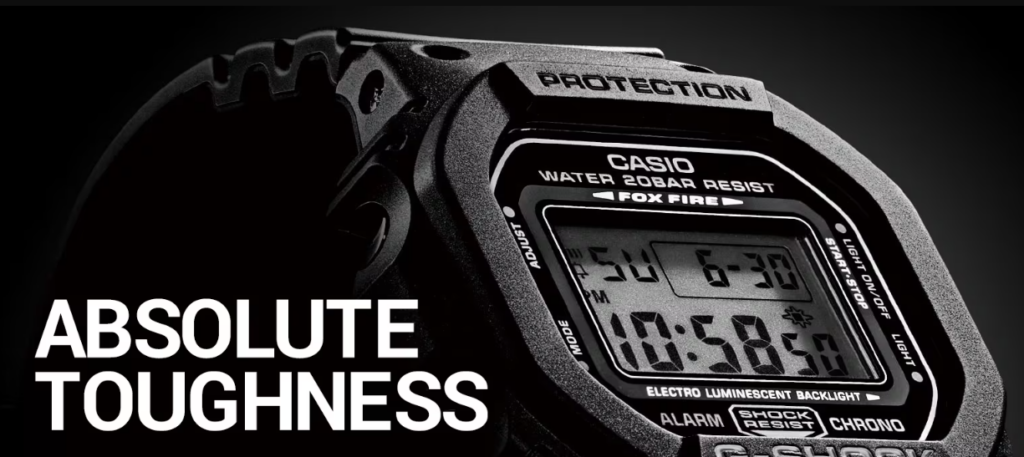
G-Shock Buying Guide 2026: How to Choose the Best G-Shock Watch

casio g shock

G-Shock watches remain one of the safest watch purchases in 2026 thanks to their legendary durability, long battery life, and wide range of styles. But with dozens of models available, from classic digital squares to premium metal designs and outdoor-focused beasts, choosing the right one can feel confusing. 

This complete buying guide simplifies everything by helping you understand which G-Shock fits your lifestyle, budget, and daily usage.  Each watch was selected to represent a specific use-case category (everyday wear, style, outdoor, fitness, or premium) rather than just launch date or price. Whether you’re a first-time buyer or upgrading to a better model, this guide covers quick picks, key buying tips, and an easy comparison table to help you decide faster.

How to Choose the Right G-Shock

Purpose & Lifestyle

The first step is understanding how you will actually use the watch. If you want a daily wear watch, lightweight and slim models are ideal. Outdoor users may need sensors and reinforced construction, while style-focused buyers might prefer metal designs. Avoid buying extreme models unless your lifestyle demands them.

Size and Comfort

One of the biggest mistakes buyers make is choosing oversized models just because they look tough. While large watches look impressive, slimmer options like square G-Shocks or the GA-B2100 are usually more comfortable for long-term wear. A watch that feels good daily will always be a better investment.

Power System (Solar vs Battery)

Many premium G-Shocks use Tough Solar technology, which reduces maintenance and extends long-term reliability. Battery-powered models are still good, but solar versions are generally preferred by experienced users because they require less attention.

Features vs Real Usage

Advanced features like compass, altimeter, or barometer sound impressive but are often unnecessary for regular users. Buy based on your real needs, not just feature lists.

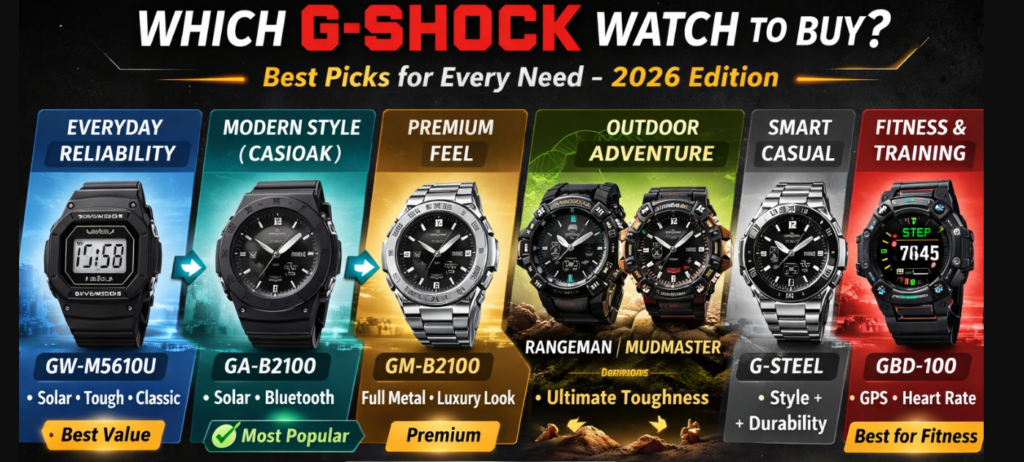
Image created with AI

Best G-Shock Watches in 2026

These models represent the most balanced options across daily use, style, outdoor performance, and smart features.

Best ForWatch NameBuying Link
Best Overall (Everyday reliability)GW-M5610U (Classic Square Series)Check Price on Amazon
Best Modern StyleGA-B2100 (Casioak – Octagonal Design)Check Price on Amazon
Best Premium Choice (Premium metal)GM-B2100 Full Metal (Metal Casioak Series)Check Price on Amazon
Best for Outdoor Adventure Rangeman GW-9400 (Triple Sensor Outdoor Series)Check Price on Amazon
Toughest G-Shock Mudmaster GWG-2000 (Master of G Mud-Resist Series)Check Price on Amazon
Best Office + Casual Hybrid G-STEEL GST-B100 (Metal + Resin Hybrid Design)Check Price on Amazon
Best Fitness G-Shock GBD-100 (G-SQUAD Fitness Series)Check Price on Amazon
These rankings are based on a combination of real-world usability, long-term popularity among G-Shock buyers, feature relevance, and overall value in 2026.

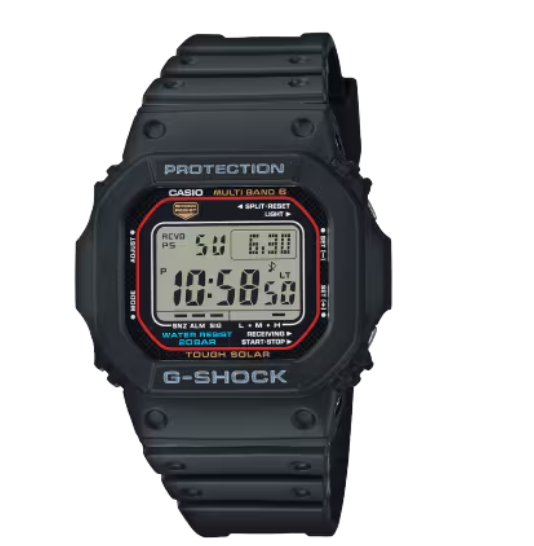
Everyday Reliability — GW-M5610U

If you want the safest, no-nonsense G-Shock, the GW-M5610U is often the first recommendation, and for good reason. It’s compact, lightweight, and easy to wear every day without feeling bulky. Features like Tough Solar charging and automatic time syncing mean you rarely need to think about maintenance. Compared to larger analog models, it feels simpler and more practical, which is exactly why long-time users love it. This is the kind of watch you buy once and keep for years, whether you’re traveling, commuting, or just wearing it daily.

Please Note: When you buy something using the links in our articles, we may earn a small commission at no cost to you.


Modern Style — GA-B2100 (Casioak)

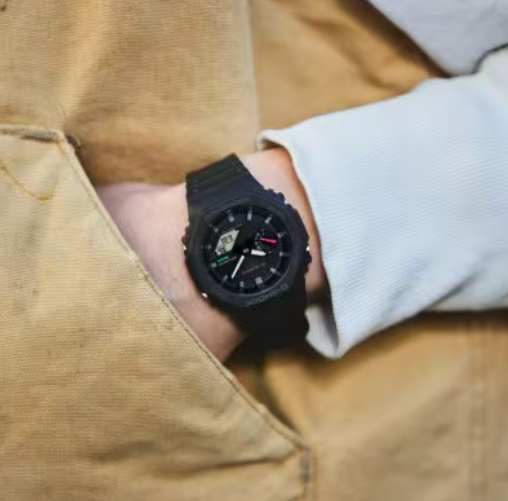
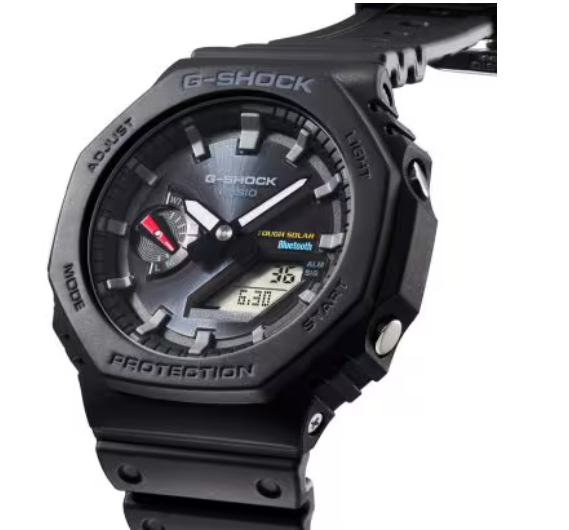
The GA-B2100 is the watch people choose when they want a modern look without losing G-Shock toughness. The octagonal “Casioak” design feels slimmer and more stylish compared to traditional chunky G-Shocks, making it easier to pair with casual or even smart outfits. It also adds Bluetooth connectivity and solar charging, which gives it a more modern edge over older analog-digital models. If the GW-M5610U is about pure function, the GA-B2100 is about balancing style and practicality, ideal for buyers who want something trendy but still durable.

Please Note: When you buy something using the links in our articles, we may earn a small commission at no cost to you.


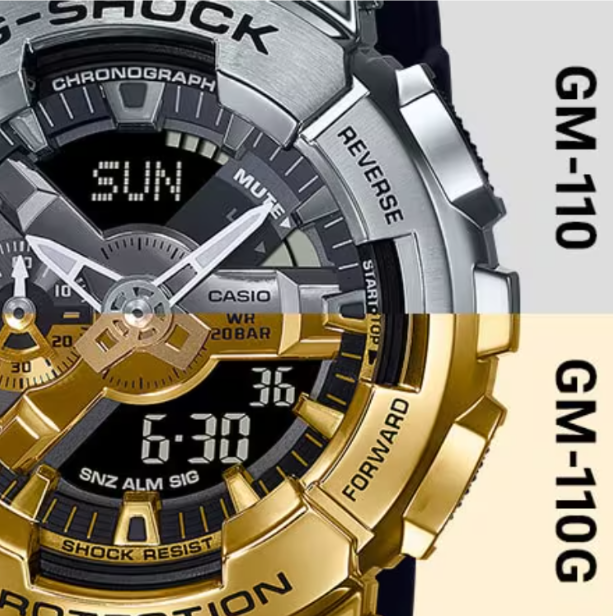
Premium Feel — GM-B2100 Full Metal

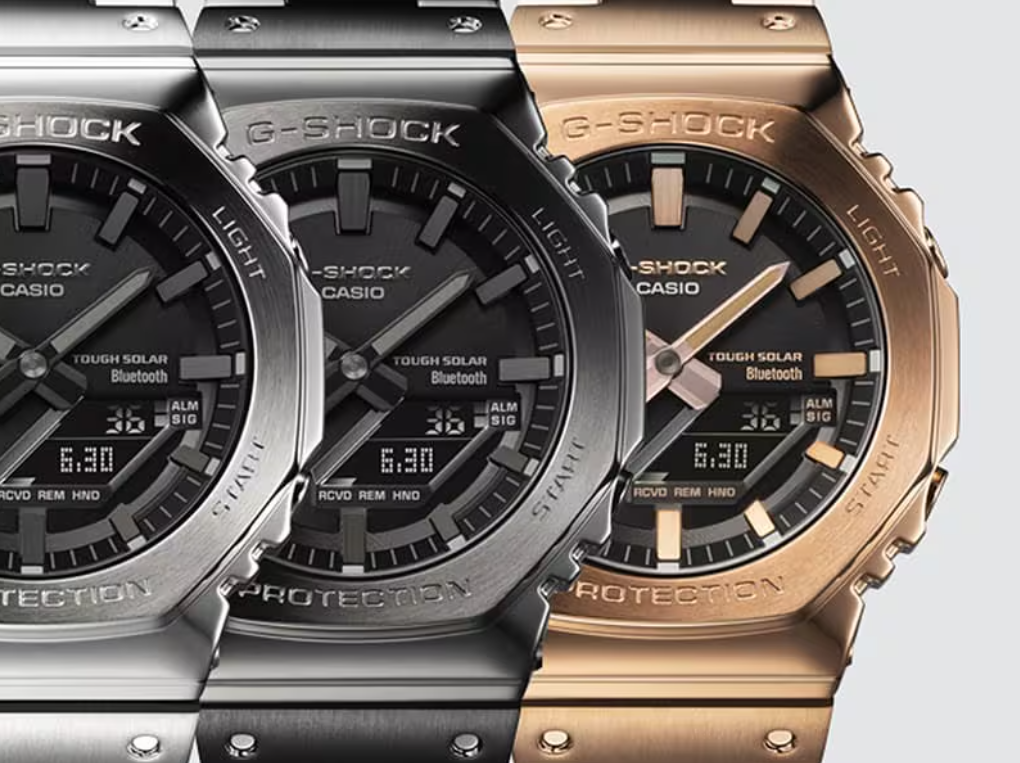
Think of the GM-B2100 as the grown-up version of the Casioak. It keeps the same modern shape but replaces the resin build with a full-metal body, instantly making it feel more premium on the wrist. Compared to standard G-Shocks, it looks more refined and works better with formal or office outfits. The trade-off is slightly more weight, but many buyers see that as part of the luxury feel. If you want a G-Shock that feels special rather than purely sporty, this is the upgrade worth considering.

Please Note: When you buy something using the links in our articles, we may earn a small commission at no cost to you.


Outdoor Adventure — Rangeman & Mudmaster

Rangeman
Mudmaster

Please Note: When you buy something using the links in our articles, we may earn a small commission at no cost to you.

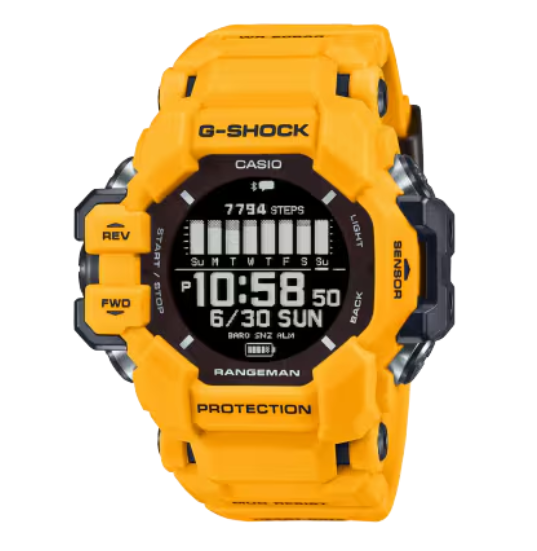
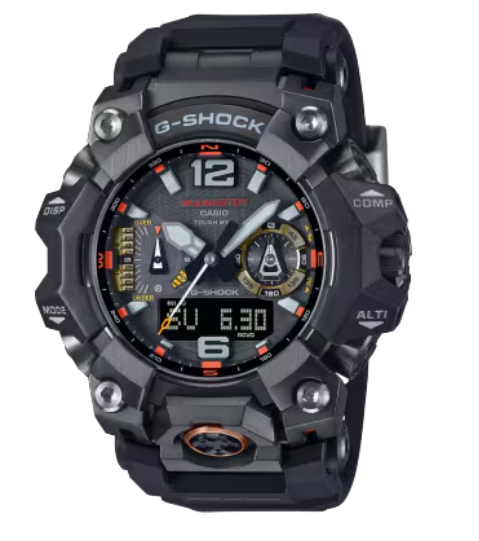
These are the true tool watches in the G-Shock lineup. The Rangeman is packed with practical outdoor sensors like an altimeter, barometer, and compass, perfect for hikers or trekkers who want real utility. The Mudmaster takes things a step further with extra protection against mud, dust, and harsh environments, making it ideal for rough work or extreme conditions. Compared to everyday models, both are larger and more rugged, so they’re best for people who actually spend time outdoors rather than casual wearers.

Please Note: When you buy something using the links in our articles, we may earn a small commission at no cost to you.


Smart Casual — G-STEEL Series

The G-STEEL series sits nicely between sporty and professional. It mixes metal styling with the rugged DNA of G-Shock, so you get something that feels more polished without losing durability. Compared to full-metal models, G-STEEL watches are usually lighter and easier to wear daily, making them a strong choice for office environments or smart-casual dressing. If you want one watch that can go from work meetings to weekend outings, this category makes a lot of sense.

Please Note: When you buy something using the links in our articles, we may earn a small commission at no cost to you.


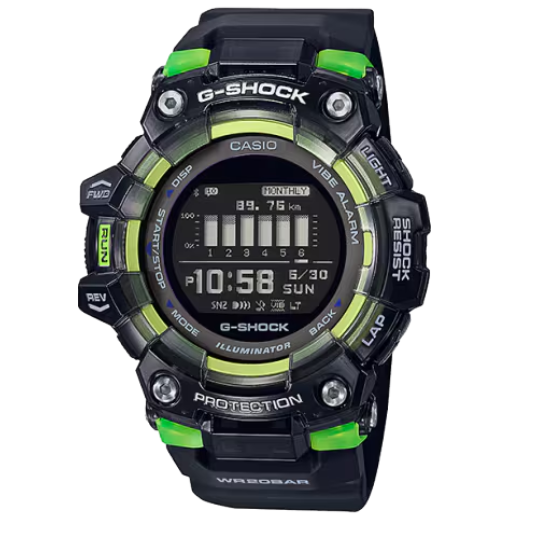
Fitness & Training — GBD-100

The GBD-100 is designed for active users who want fitness tracking without moving to a full smartwatch. It includes workout tools like step tracking, training data, and Bluetooth connectivity while still keeping the toughness G-Shock is known for. Compared to smartwatches, battery life is better, and durability is higher, but you won’t get advanced app ecosystems or touchscreens. That’s exactly the appeal; it focuses on core fitness features while staying simple, reliable, and sporty enough for daily training.

Please Note: When you buy something using the links in our articles, we may earn a small commission at no cost to you.


Choosing the best G-Shock in 2026 ultimately comes down to your lifestyle, whether you want everyday reliability, modern style, outdoor toughness, or fitness-focused features. The models in this guide represent the most trusted and widely recommended options across different categories, making it easier to pick the right one for your needs.

Disclaimer: Product details, model variants, features, availability, and prices may change over time and can vary by region or retailer. Please verify the latest information, and pricing before purchasing.

The post G-Shock Buying Guide 2026: How to Choose the Best G-Shock Watch appeared first on Gizmochina.

❌