
 Login
Login
Cambodia Adventure Travel: How High-Octane Motorcycle Rallies Are Revolutionizing Tourism and Empowering Local Communities in Siem Reap
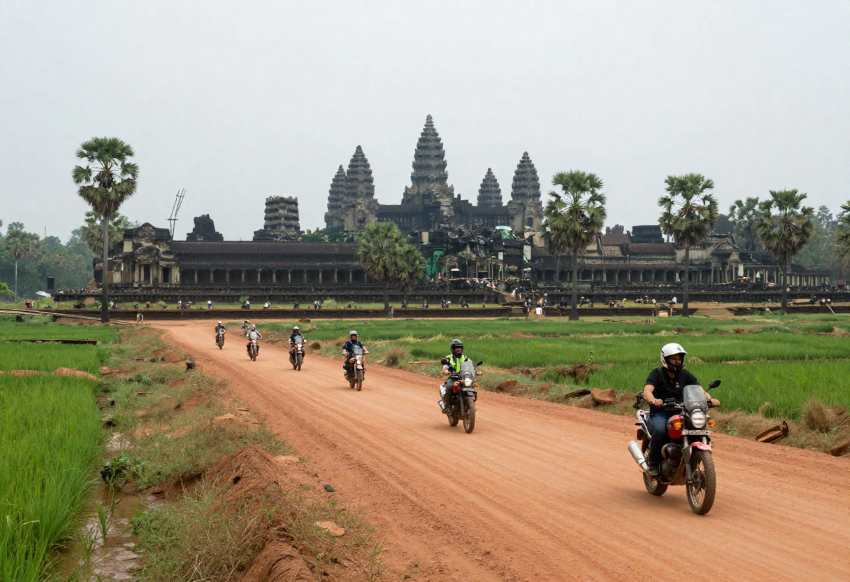
The Cambodian travel industry is undergoing a rapid transformation. While the ancient spires of Angkor Wat have long been the primary draw for international visitors, a new movement is shifting the emphasis away from static monuments and towards the excitement of the open road. A significant motorbike rally was recently held in Siem Reap, earning official recognition from both the Ministry of Tourism and the provincial administration. This event was more than just a gathering of enthusiasts; it was framed as a strategic pillar for the country’s “adventure tourism” sector, intended to bridge the gap between urban hubs and the untouched beauty of Cambodia’s countryside.
A Strategic Pivot Toward Adventure
For years, the Cambodian tourism model was largely centralized around specific heritage sites. However, a new vision is being championed by national authorities. The recent rally is viewed as a definitive boost to the Kingdom’s adventure tourism portfolio. By moving away from traditional bus tours and localized sightseeing, the event demonstrated how high-mobility travel can strengthen local economic networks. When travellers move on two wheels, the economic benefits are distributed more fluidly across the geography. Small villages, roadside eateries, and rural homestays—often bypassed by mainstream itineraries—are suddenly brought into the fold of the tourism economy.
It is believed by officials that these rallies serve as a catalyst for geographic literacy. The sentiment that a deep love for the nation is rooted in a comprehensive understanding of its physical terrain was echoed throughout the event’s proceedings. By traversing the diverse topography of the Kingdom, participants are granted a vantage point that is rarely captured in glossy brochures. The initiative is seen as a way to “uncover hidden gems”, ensuring that the prosperity brought by tourism reaches every corner of the country, rather than being pooled in a few high-traffic zones.
The Role of Community and Collaboration
The success of such large-scale events is rarely the result of a singular effort. Instead, the eighth-anniversary gathering of the KRT Motorcycle Club was highlighted as a masterclass in public-private partnership. Gratitude was expressed by the Siem Reap provincial administration toward the club for their seamless coordination with local stakeholders. This synergy is vital for the logistics of “moto-tourism”, which requires reliable infrastructure, safety protocols, and community consent.
The rally served as a vibrant showcase of the diverse services available within Siem Reap. Beyond the rally tracks, the province’s luxury hospitality, such as the Sokha Siem Reap Hotel, and its local artisanal markets were put on full display for both domestic and international attendees. By integrating the rough-and-tumble nature of motorcycling with the refined offerings of the province, the event appealed to a broad demographic of travellers—from the rugged explorer to the “glamp-packer”.
Tourism with a Conscience: Philanthropy on Two Wheels
Perhaps the most impactful aspect of the rally was its commitment to social responsibility. While the roar of engines dominated the weekend, the underlying heartbeat of the event was charitable. Significant funds were raised during the gathering for the Angkor Children’s Hospital. This institution is a critical lifeline in the region, providing essential medical care to hundreds of Cambodian children every day.
By linking a high-energy sporting event with a humanitarian cause, the organizers have set a new standard for “purposeful travel”. The rally was not just about the distance covered or the speed achieved; it was about the tangible impact left behind in the community. This model of philanthropic tourism is being increasingly encouraged by the government, as it ensures that the growth of the travel sector directly translates into an improved quality of life for the local population.
Calling for a Collective Effort
The momentum generated by the KRT Motorcycle Club’s anniversary is intended to be a starting point rather than a finish line. A collective call to action has been issued to tourists, business leaders, and institutional bodies to play an active role in the promotion of Cambodia’s untapped potential. The narrative of Cambodia as a “single-destination country” is being systematically dismantled in favour of a more holistic, adventurous identity.
Investors are being encouraged to look toward the peripheries of the Kingdom, where the next generation of eco-lodges and adventure hubs could flourish. Similarly, travellers are being urged to swap the air-conditioned coach for a more immersive experience. Whether it is through the dust of the Cardamom Mountains or the coastal breeze of Kep and Kampot, the future of Cambodian tourism is being written on the trails.
The Road Ahead
As the dust settles on the eighth-anniversary rally in Siem Reap, the Ministry of Tourism’s message remains clear: Cambodia is open, and it is best seen from the seat of a bicycle. By cultivating an exploration culture that values remote communities as much as ancient temples, the Kingdom is positioning itself as a top destination for modern adventurers. The future of Cambodian tourism appears to be as promising as it is exciting, thanks to a combination of government support, private enthusiasm, and a commitment to charitable giving.
The post Cambodia Adventure Travel: How High-Octane Motorcycle Rallies Are Revolutionizing Tourism and Empowering Local Communities in Siem Reap appeared first on Travel And Tour World.