
 Login
Login
Greece Joins Spain, France, Portugal, and Hungary in Freezing New Short-Term Rentals, Impacting Tourism and Housing Markets – Here’s What It Means for Tourists
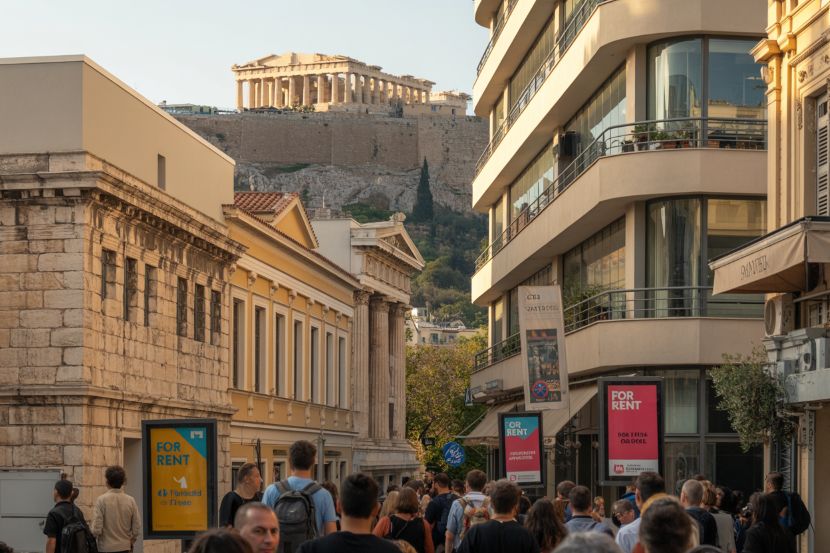
In a significant move that has reshaped the European tourism and housing sectors, Greece has become the latest nation to impose a freeze on new short-term rental licenses, joining countries like Spain, Portugal, France, and Hungary. This decision has sent shockwaves through the tourism market, particularly in popular cities and tourist-heavy islands such as Athens, Santorini, and Mykonos. As cities across the continent wrestle with housing affordability issues, particularly in the face of over-tourism, governments are increasingly taking steps to regulate the growing influence of platforms like Airbnb. While these changes aim to protect local residents from the pressures of soaring rents, they also present a unique challenge for travelers and investors, pushing them to rethink their accommodation strategies. For tourists, this shift is set to redirect travel flows and reshape their experience of Europe’s most iconic cities.
Greece’s Crackdown on Short-Term Rentals: A Necessary Step?
Greece’s decision to halt new short-term rental registrations in key areas of Athens and several high-demand tourist islands comes after a prolonged period of concern regarding the conversion of residential properties into short-term tourist rentals. Central districts in Athens, like Kolonaki, Koukaki, and Exarchia, have been hit hardest by skyrocketing rents as a direct result of this market shift. The freeze, initially introduced in late 2025, now extends into 2026, with a one-year moratorium across some of the busiest urban areas. In an effort to enforce the new rules, local authorities are applying heavy fines to property owners who violate the new licensing restrictions, with some penalties reaching tens of thousands of euros.
The new regulations require each short-term rental listing to be included in a centralized government registry, aiming to restore control over the housing market and ensure that residential properties remain available to locals. With tourism an essential part of the Greek economy, the balance between promoting tourism and securing housing for residents has never been more critical. The freeze targets “saturated” neighborhoods, and authorities hope to encourage owners to shift towards long-term leases instead of catering to short-term tourist demands.
Europe’s Growing Trend: More Countries Follow Suit
Greece is not alone in tackling the short-term rental boom. Spain, Portugal, France, and the Netherlands have all taken similar steps to curb the explosive growth of vacation rentals in their urban centers, particularly in popular tourist cities. In Spain, regions like Barcelona and Madrid have seen sharp reductions in available rental stock as more properties are rented to tourists instead of long-term tenants.
Meanwhile, Portugal, once the go-to destination for digital nomads, has also imposed moratoriums on new holiday rental licenses, particularly in the city centers of Lisbon and Porto. France’s approach is equally stringent, with cities like Paris, Marseille, and Lyon tightening local rules on short-term rentals, often requiring property owners to seek permission to convert residences into full-time tourist accommodations. Likewise, Amsterdam has capped the number of nights properties can be rented to tourists, aiming to ease the pressure on its crowded and historic neighborhoods.
The Impact of These Freezes on Tourism
As the short-term rental landscape undergoes significant changes across Europe, both travelers and the hospitality industry are feeling the effects. For travelers, the freeze means fewer available Airbnb listings, particularly in the heart of major cities. The immediate consequence is a rise in hotel bookings, as tourists increasingly turn to traditional accommodations to find space in the most sought-after locations. However, there is a silver lining: lesser-known neighborhoods or nearby towns are seeing a boost in tourism as local authorities attempt to distribute visitors more evenly, taking the strain off popular tourist hubs.
Some tourists, however, may find themselves priced out of the central areas of Athens, Lisbon, or Barcelona, where the availability of affordable short-term rentals has dwindled. To combat this, many tourism boards are now encouraging visitors to explore alternative areas, often just a short trip away from the main attractions.
Investors Look to Secondary Markets
With the freeze on new short-term rental licenses in high-demand areas, investors are seeking out secondary markets and quieter towns where local authorities have yet to impose such restrictions. Cities and neighborhoods that are on the periphery of traditional tourist hotspots are becoming more attractive for those looking to capitalize on the growing trend of tourism in Europe. Investors are being urged to explore opportunities in these regions, where regulations are more favorable, and local governments are actively promoting tourism to boost the local economy.
For instance, in Greece, towns and islands further from the well-trodden tourist tracks, like Chania on Crete or Thessaloniki, are seeing more interest from potential investors. Similarly, Portugal’s Algarve region and France’s quieter coastal towns are becoming popular among short-term rental investors.
What This Means for Tourists and the Housing Market
While the freeze on short-term rentals in Europe may deter some tourists from visiting certain areas, the move has been widely seen as necessary to address housing crises exacerbated by over-tourism. For residents, the new rules could provide some much-needed relief, as they are often the ones squeezed by rising rents and a lack of available long-term rental properties.
At the same time, tourists will likely need to adapt by exploring different types of accommodations such as mid-range hotels, serviced apartments, or guesthouses, which continue to thrive despite the changes. In cities like Athens and Lisbon, it’s clear that finding a balance between preserving affordable housing for locals and maintaining a vibrant tourism sector is a challenge—but one that many cities are now actively pursuing.
Traveler Tips: Navigating Europe’s New Rental Landscape
- Explore Secondary Cities: With central districts facing rental freezes, consider booking stays in secondary cities or nearby towns to experience authentic local culture while sidestepping the chaos of crowded tourist hotspots.
- Book Early: As short-term rental options in core areas become scarcer, booking hotels and guesthouses ahead of time will ensure you secure the best deals in your desired location.
- Look for Licensed Listings: Be sure to check that any short-term rental you book is properly licensed, as many cities now require properties to be registered in a centralized government database.
- Consider Local Recommendations: Reach out to tourism boards or local tourism websites to discover hidden gems and new neighborhoods worth exploring.
