
 Login
Login
Middle East Turmoil and the Closure of Key Hubs Like Dubai, Doha, and Riyadh: How the 2026 Crisis is Shifting Southeast Asia Tourism Arrivals—What Travelers Need to Know for Their Next Trip
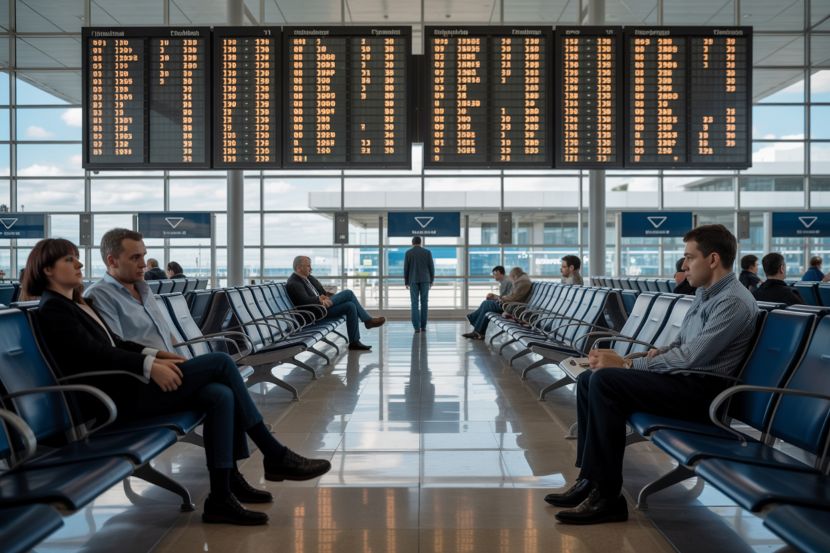
The sudden disruption of major Middle Eastern hubs, including Dubai and Doha, due to escalating tensions between the United States and Iran has left a major mark on Southeast Asia tourism in 2026. The conflict, which began on February 28, 2026, with a military strike under Operation Epic Fury, has caused widespread aviation chaos, rerouting flights from Europe and the Middle East to alternative airports across the globe. The closure of vital hubs like Dubai International (DXB) and Hamad International (DOH) not only affects long-haul travelers but also triggers a domino effect in travel and tourism to destinations such as Thailand, Vietnam, and Malaysia. As these regions scramble to adjust, Southeast Asia’s tourism future hinges on how quickly these nations can adapt and reroute tourists to more accessible paths.
The Crisis: Gulf Hubs Stagnate as Operations Halt
The sudden cessation of services at some of the world’s most vital transit hubs—Dubai and Doha—has left thousands of travelers stranded and forced to find alternative routes. Qatar Airways, Emirates, and Etihad Airways were among the first to suspend flights due to the escalating conflict. For travelers heading to Southeast Asia, these hubs served as the key stopover points on their journey. Now, with routes severely disrupted, passengers face 90-minute detours, forced rerouting, or, in some cases, flights being grounded mid-route. This chaos not only results in substantial flight delays but also drives up operational costs, raising the question of how such disruptions will affect tourism arrivals to Southeast Asia.
The rerouting of flights over Saudi Arabia or northern airspace near China causes inefficiencies, increasing the operational cost for airlines and potentially threatening the flow of tourism. If these trends continue, it could affect tourist demand for Southeast Asian destinations, notably Thailand, Vietnam, and Malaysia.
The High-Value Middle Eastern Market at Risk
The Middle Eastern outbound market represents a significant source of revenue for Southeast Asian tourism, with Middle Eastern tourists being among the highest-spending global travelers. These tourists typically invest heavily in their trips, with Thailand being one of the top destinations. This crisis jeopardizes the lucrative Middle Eastern outbound market, particularly as Gulf residents face uncertainty about air travel safety and increased travel costs.
Thailand, in particular, has witnessed a decline in bookings from travelers in the region. Many Middle Eastern travelers, known for booking luxurious stays and long holidays, have shifted their focus toward alternative destinations that may offer lower-cost flights or perceived safer routes.
The Shift in Travel Trends: Safe Havens Amid Crisis
Despite the challenges faced by Thailand, Cambodia, and the Philippines, other Southeast Asian nations such as Vietnam, Malaysia, and Indonesia are beginning to see a silver lining. Vietnam, with its diversified market sources, remains resilient to the disruptions caused by the geopolitical tensions in the Gulf. The country has seen a sharp 21.4% rise in international arrivals in January 2026, reinforcing its position as a top-performing travel destination in Asia.
Similarly, Malaysia’s Visit Malaysia 2026 campaign is proving successful in attracting tourists. The country’s robust airline connectivity and its perception as a safer alternative for tourists have provided it with a significant boost. Destinations like Bali, Jakarta, and Kuala Lumpur have continued to attract travelers, while nations like Thailand and the Philippines face slow recovery.
Rethinking Travel Decisions: Adaptation to a New Reality
As the geopolitical crisis continues, travelers are shifting their mindsets from “escapism” to “safety certainty”. This new approach to travel is driven by the need for risk transparency and personalized travel experiences. Southeast Asia must adapt to these shifts by offering flexible booking options, transparent travel safety protocols, and engaging, high-quality experiences that give travelers peace of mind in uncertain times.
Travelers are increasingly seeking destinations that not only offer attractions and activities but also ensure a safe and reliable travel experience. In response, Southeast Asian tourism boards and operators must step up their communication, ensuring that their offerings reflect not just the beauty of the region but also the security and certainty of travel, even amid global disruptions.
Travel Tips: Adapting to the Shift in Tourism
As the travel landscape continues to shift, here are some tips for travelers heading to Southeast Asia:
- Plan for Longer Flight Routes: With airspace closures and rerouting, be prepared for longer flight durations. Ensure your travel itinerary accounts for potential delays or stopovers.
- Check Airline Safety Updates: Stay informed about your airline’s operations. Some flights may be canceled or rerouted, so it’s important to have flexible booking options in case of unexpected changes.
- Consider Alternative Southeast Asian Destinations: As some countries like Thailand and Cambodia experience a decline in arrivals, destinations such as Vietnam, Indonesia, and Malaysia may provide more reliable alternatives.
The Changing Landscape: Rerouting Tourism Traffic
As airlines shift their focus from Middle Eastern hubs, many Southeast Asian countries will benefit from the redistribution of tourism traffic. Although Thailand and the Philippines may suffer immediate declines in visitors, other regions like Vietnam and Malaysia are well-positioned to take advantage of the shift. To maintain this momentum, Southeast Asian countries must not only boost their flight connectivity with secondary hubs but also adapt to evolving traveler priorities.
By focusing on enhancing safe travel perceptions and providing destination-specific experiences, Southeast Asia can weather the geopolitical storm and continue its growth as a key player in the global travel market.
The post Middle East Turmoil and the Closure of Key Hubs Like Dubai, Doha, and Riyadh: How the 2026 Crisis is Shifting Southeast Asia Tourism Arrivals—What Travelers Need to Know for Their Next Trip appeared first on Travel And Tour World.