
 Login
Login
Explore Fábri Watermill in Feked, Hungary: A Living Legacy of Europe’s Rural Ingenuity”
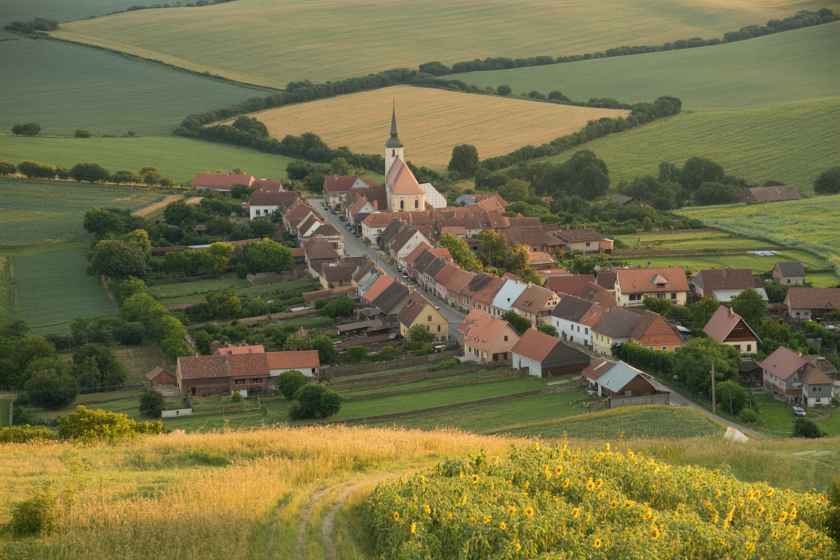
Nestled in the picturesque village of Feked in southern Hungary, the Fábri Watermill stands as a testament to centuries of rural ingenuity and communal life. Built in 1788 by German settlers on the Karasica stream, this historic site offers a rare glimpse into the past, reflecting centuries of technical skill and craftsmanship. While this mill once played a vital role in local agricultural communities, today, it faces threats from structural decay, flooding, and neglect. However, efforts to preserve this piece of Europe’s cultural heritage are underway, and the Fábri Watermill is being recognised for its importance in both historical and tourism circles.
A Journey Back in Time: Discovering the Fábri Watermill’s Rich History
The Fábri Watermill is not just a structure—it is a living history, woven into the fabric of the community. The mill and its associated buildings have been passed down through multiple generations, with families like the Träbert brothers, Fábri, and Gerst ensuring the continuity of this important piece of rural heritage. It represents not only a technical marvel but also a reflection of the way life once was in pre-industrial milling communities.
For those who visit, the Fábri Watermill offers a unique opportunity to step back in time. The watermill’s intricate design and operational mechanics provide insights into the way agricultural societies once worked, powered by water and relying on local craftsmanship. Today, visitors to the Fábri Watermill can explore the fascinating details of pre-industrial milling, a rare experience that connects the present with centuries of agricultural tradition.
A Vital Piece of Cultural Heritage in Peril
Despite its significance, the Fábri Watermill is under threat. Over time, the mill’s structural integrity has been compromised due to environmental factors such as flooding, as well as years of disuse. Preservation efforts are crucial to safeguard the mill and its historical value, ensuring that future generations can continue to learn from this remarkable site. In 2021, Europa Nostra, an organization dedicated to preserving Europe’s endangered heritage, highlighted the mill’s importance and included it on the list of heritage sites at risk.
The watermill’s decay is not just a matter of neglect; it is a reflection of the broader issue facing many rural heritage sites across Europe. Climate change, urbanization, and a lack of resources for maintenance have left many of these sites vulnerable to irreversible damage. But with growing attention and preservation efforts, the Fábri Watermill stands as a symbol of hope for endangered heritage in Europe.
Tourism with a Purpose: Supporting the Preservation of the Fábri Watermill
For tourists looking to explore Hungary’s rich cultural landscape, the Fábri Watermill provides a unique opportunity to experience rural Hungary at its most authentic. Located just a short drive from Pécs, Hungary’s fifth-largest city, Feked is an easily accessible destination for travelers seeking to escape the hustle and bustle of city life. The mill, set in the scenic countryside, is a peaceful retreat where visitors can learn about Hungary’s rural history while supporting ongoing preservation efforts.
Visiting the Fábri Watermill offers more than just a chance to admire a historic building. It’s an opportunity to engage with local communities who are working to keep their heritage alive. Whether you’re exploring the mill’s exhibits, walking along the Karasica stream, or interacting with locals, your visit directly contributes to the preservation of the mill. Sustainable tourism plays a crucial role in supporting these efforts, ensuring that this vital piece of history doesn’t fade into the past.
Sustainable Tourism: A Way Forward for Europe’s Endangered Heritage Sites
As more travelers seek authentic, meaningful experiences, the demand for sustainable tourism is on the rise. The Fábri Watermill serves as an ideal model for how tourism can be used to protect and preserve endangered heritage sites. By promoting awareness of the mill’s history and the threats it faces, visitors can help ensure its survival for future generations.
In addition to supporting the Fábri Watermill, tourists can explore other nearby heritage sites, further enriching their understanding of Hungary’s rural traditions and the need to protect these locations. The surrounding region, with its rich agricultural history and natural beauty, offers a range of activities, from hiking to exploring local crafts, ensuring that visitors leave with a deeper appreciation for Hungary’s cultural heritage.
The Road to Preservation: Ensuring a Sustainable Future for the Fábri Watermill
Efforts to preserve the Fábri Watermill are gaining momentum, but much work remains to be done. As the site continues to face challenges from flooding and disuse, preservationists and local communities are working together to implement long-term solutions, from structural repairs to creating sustainable tourism models that benefit both the local economy and the mill’s future. This collaboration is key to ensuring that the Fábri Watermill remains a living piece of Hungary’s history, not just for those who visit today but for generations to come.
For those interested in supporting heritage preservation, there are plenty of ways to get involved. Donations, volunteer programs, and tourism-based fundraising efforts are all important avenues for sustaining the Fábri Watermill’s future. By participating in these initiatives, travelers can be part of a movement that ensures Europe’s cultural heritage continues to thrive, despite the challenges of modern times.
A Call to Action for Heritage Preservation in Europe
The Fábri Watermill is a shining example of the importance of preserving Europe’s endangered heritage sites. As one of Hungary’s most unique and culturally significant destinations, the mill provides not only a window into the past but also a glimpse into the future of heritage preservation. With the support of sustainable tourism and local communities, the Fábri Watermill can continue to serve as a valuable reminder of Europe’s rural ingenuity and the enduring importance of preserving our shared history.
The post Explore Fábri Watermill in Feked, Hungary: A Living Legacy of Europe’s Rural Ingenuity” appeared first on Travel And Tour World.