
 Login
Login
Samsung Galaxy S26 Display controversy explained: From 10-Bit hype to FRC reality – Full breakdown
The recent discussion on social media about the Samsung Galaxy S26 series and its display has started a big debate. If you have seen the trending topic “Samsung Galaxy S26 uses 8-Bit Displays with simulated 10-Bit colors,” then you already know it’s a big disappointment. Thanks to a clarification from Samsung itself.
It turns out the Galaxy S26, S26+, and the big S26 Ultra all use 8-bit color depth panels, not the native 10-bit ones that everyone was talking about during the launch event and early media coverage.
Samsung is using Frame Rate Control (FRC). Well, what it does, I am explaining. A basic 8-bit screen can show 256 shades for red, green, and blue. By mixing them all, you get around 16.7 million colors total. That’s fine for most things, but in smooth areas like a sunset sky or soft shadows, you might see a quality issue instead of a nice gradual change.
To fix this without spending more for true 10-bit hardware, the phone quickly flips a pixel between two very close shades, back and forth super fast in different frames. It tricks your eyes with those quick flashes together and makes you see a smooth in-between color instead of noticing the switch.
So the screen isn’t completely showing a billion colors natively, but the trick makes it look way smoother and closer to what a real 10-bit panel would do. It won’t make any major difference in daily use (like watching videos, scrolling, gaming), but it makes everything look better without increasing the phone’s price too much. It is only noticeable when you do pro work, like editing HDR videos or doing exact color work. Then what’s the problem here?
During the Galaxy Unpacked event and early press discussion in the last few days, a Samsung representative said that the S26 series finally introduced the true 10-bit displays. It was shown as a major step up from the S25 series, which also featured that 8-bit + FRC combo.
According to reviewers/YouTubers, the screen’s smooth color changes looked noticeably better than before. Because of the positive words, with the thought of having a real premium upgrade with better hardware, many people pre-ordered the phone, especially the Galaxy S26 Ultra, which costs about $1,300.
But here’s the shocking news, just a few days later (on March 3), Samsung quietly corrected it through its spokesperson: Actually, all models still use regular 8-bit screens.
I have been using Samsung flagships for years, and honestly, this feels like embarrassing and misleading communication. When any company hypes up a specific feature during a launch event or in the briefings, fans and buyers take those special announcements seriously.
Thanks to new Privacy Display technology, the pre-orders are doing great. Then, out of nowhere, Samsung came with a correction time.
This feels disappointing and leaves a bad experience. Samsung supplies real true 10-bit panels to some competitor brands, but for its own flagship phones like the S26 series, the company chose the cheaper 8-bit + FRC option to save costs.
Many people on social media and tech forums/blogs are angry. Some fans are pointing this to older problems, like the annoying (I think horrible) green line defects that keep coming up on Samsung phones. Though pre-orders in Korea hit over 1.5 million, with sales start on March 11.
Let’s be fair and look at both sides. I am a long-time Samsung fan and user. I have used phones from the S10, S20 all the way to the S25, and I don’t think this display issue is a big reason to stop loving the brand or move on.
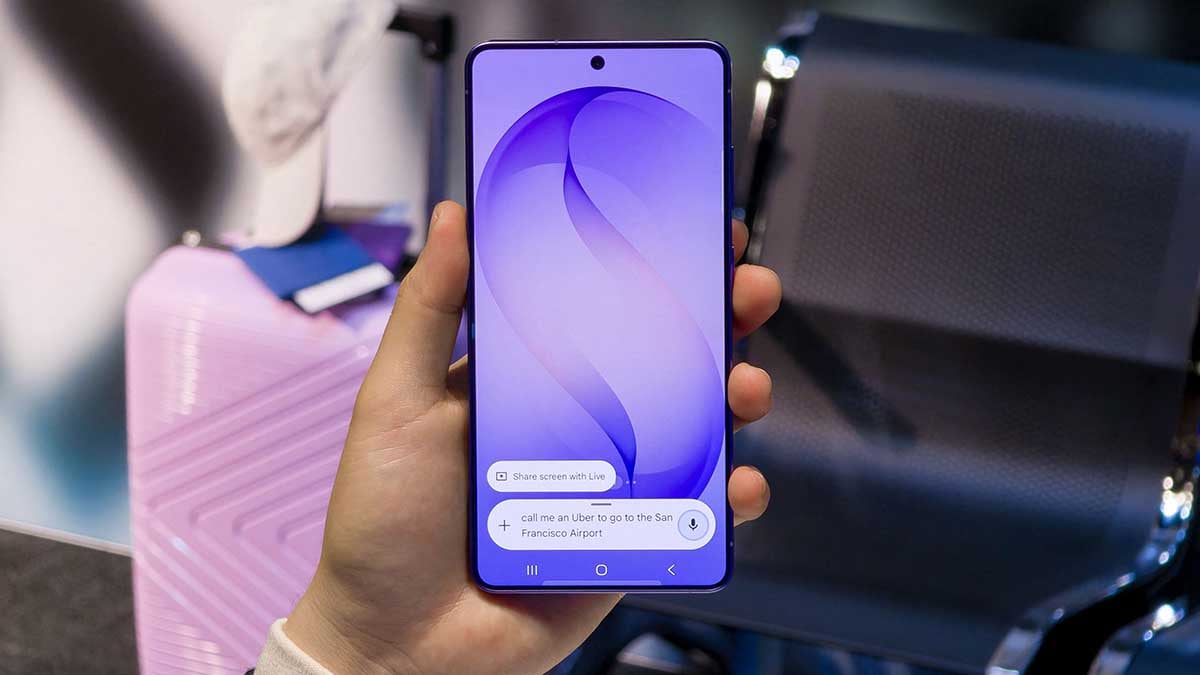
You won’t (yet) find tons of complaints about quality issues, and the screen is still super bright, thanks to great AMOLED colors and contrast.
Is all this discussion on 10-bit display necessary? Sort of, especially because the S26 Ultra is already amazing in every other segment. It has the cool new Privacy Display that hides your screen from side views, better cameras, strong battery rumors, and the exclusively optimized Snapdragon chip. Don’t forget, the display has a smooth 120Hz scrolling and less glare from anti-reflective layers.
All this is avoidable, but Samsung chose to lie about 10-bit. That would have saved a lot of anger. What about other brands? Samsung isn’t the only one doing this. Apple’s latest iPhones, like the iPhone 17 Pro, have great OLED screens with wide colors and HDR support, but Apple doesn’t claim true native 10-bit hardware. Tests show the company uses similar tricks or “effective” 10-bit results. Google’s Pixel 10 Pro shows “24-bit color” (which is basically 8-bit per channel, 16 million colors) and counts on software for good HDR and accuracy. True native 10-bit screens are rare in phones because the hardware is costly, uses more power, and most (including me) people don’t notice the difference anyway.
In my opinion, Samsung should get some blame for the bad communication. But calling it a full “lie” feels too harsh. It looks more like a mix-up in early press talks that blew up. Overall, the S26 series still gives one of the best screen experiences you can buy in 2026. If you want super-smooth colors for videos or photos, you will probably love it. If you are super strict about native 10-bit specs, maybe wait or check other options (also let me know), but the real-world gap is small for most of us.
Sammy fans, relax, it’s still a top beast. Just check the full specs carefully before ordering. Enjoy.
The post Samsung Galaxy S26 Display controversy explained: From 10-Bit hype to FRC reality – Full breakdown appeared first on Sammy Fans.
