
 Login
Login
Xiaomi announces miclaw, an autonomous AI assistant for smartphones

Xiaomi has introduced a new experimental AI project called Xiaomi miclaw. Announced today, the tool is designed to turn a smartphone into a more autonomous AI assistant that can carry out tasks across apps and system features.
The company describes Xiaomi miclaw as an early test product built on its in-house MiMo large language model. Rather than simply answering questions or generating text, the system is designed to interpret user intentions and complete tasks by interacting with different tools on the phone.
Once users grant permission, the AI can access system functions and supported third-party apps to carry out commands.

In practical terms, that means the assistant can choose which tools to use and decide how to complete a task on its own. If you remember, Honor smartphones with AI Agent can also perform similar actions.
For example, if a request requires opening an app, checking system data, or triggering a function, the AI decides the steps needed and executes them in sequence. Xiaomi says the system can also interpret less specific requests and attempt to translate them into concrete actions.
How is Xiaomi miclaw built?
At the core of the system is what Xiaomi calls an “inference-execution loop.” Here, AI first analyzes the request, which then selects a tool and parameters, executes the action, reviews the result, and continues the process until the task is finished. Each step is handled asynchronously, so the system doesn’t block other phone processes.
Xiaomi miclaw also includes a memory system intended to help the AI learn from repeated use. The assistant keeps track of important context while compressing older interactions so it can remember the original intent of longer tasks.
The assistant can also connect with Xiaomi’s broader ecosystem. Through integration with the company’s Mi Home platform, the AI can read the status of smart home devices and send control commands, provided the user allows it.
Xiaomi is also opening the platform to developers. The system supports the Model Context Protocol (MCP), an open standard for integrating AI tools, which could allow existing AI utilities built for other platforms to work with Xiaomi miclaw. In addition, Xiaomi is releasing an SDK that lets third-party apps declare what capabilities they can offer so the AI can call them when needed.
Xiaomi miclaw is experimental and is supported by limited devices
The company says that the project is still experimental. Xiaomi says reliability, power consumption, and success rates for complicated tasks are still being improved, and some operations may fail or behave inconsistently.
As a result, the rollout is limited for the time being. Xiaomi is launching miclaw as a closed beta project where participation is by invitation only. The company advises testers not to install the experimental build on their primary phones and recommends backing up data before trying it.
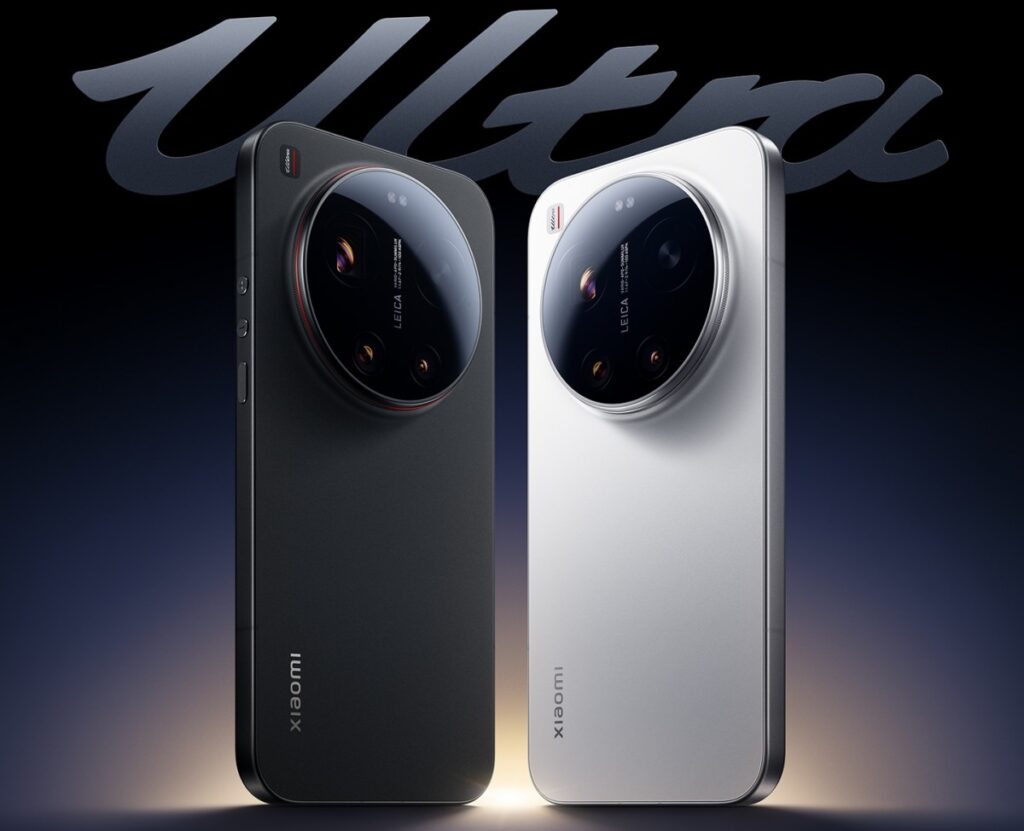
The test currently supports a small set of devices, including the Xiaomi 17, Xiaomi 17 Pro, Xiaomi 17 Pro Max, Xiaomi 17 Ultra, and the Xiaomi 17 Ultra Leica Edition.
Xiaomi also says that user data from miclaw interactions won’t be used to train its AI models. According to the company, model training relies on publicly available or authorized datasets, while personal interactions are only used to process commands in real time. Sensitive information is handled locally on the device using what Xiaomi describes as “edge-cloud privacy computing.”
For more daily updates, please visit our News Section.
Stay ahead in tech! Join our Telegram community and sign up for our daily newsletter of top stories!
The post Xiaomi announces miclaw, an autonomous AI assistant for smartphones appeared first on Gizmochina.
