Reading view

Middle East Conflict Causes Widespread Airspace Closures, Disrupting Flights Across Iran, Israel, UAE, Qatar, and Bahrain—Everything You Need to Know About the Travel Impact and Flight Cancellations

Middle East Conflict Causes Widespread Airspace Closures, Disrupting Flights Across Iran, Israel, UAE, Qatar, and Bahrain—Everything You Need to Know About the Travel Impact and Flight Cancellations
Middle East Conflict Causes Widespread Airspace Closures

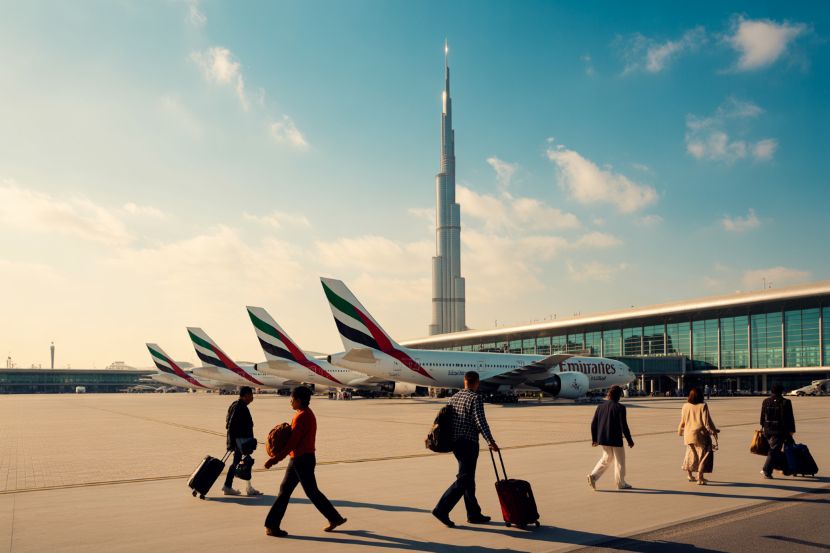
The escalating Middle East conflict has sent shockwaves through the global tourism and aviation sectors, as significant disruptions in air travel ripple across the region. The sharp rise in tensions, particularly after US and Israeli strikes on Iran, has led to a wave of airspace closures and flight cancellations, severely impacting air traffic hubs such as Dubai, Abu Dhabi, and Doha. As a result, major players in the travel industry have seen steep declines in their stock values.

In particular, IndiGo, Ixigo, and other travel-related companies experienced substantial losses, with Ixigo’s shares plummeting by 14% and IndiGo dipping nearly 7%. The ripple effects are expected to last well into March 2026, as airspace restrictions continue to affect airlines, travelers, and tourism-dependent countries across the region.

The Geopolitical Crisis and Its Impact on Air Travel

The turmoil in the Middle East has led to the suspension of numerous flights, especially affecting popular travel hubs like Dubai International Airport, the world’s busiest airport in terms of international passenger traffic. Both Dubai and Abu Dhabi—along with Doha in Qatar—have been operating under severe restrictions as airspace shutdowns extend across the region. With countries like Iran, Iraq, Israel, Jordan, Kuwait, and the United Arab Emirates (UAE) closing their airspaces, airlines have scrambled to adjust, rerouting or grounding numerous flights.

This not only disrupts travel plans but also has a significant ripple effect on tourism in countries that rely heavily on aviation as a source of income, including the UAE, Qatar, and Bahrain.

Increased Strain on Airline Operations and Tourism

Airline operations, particularly those with significant routes across the Middle East, are now under immense pressure. For example, IndiGo, India’s largest airline, has suspended all of its flights to and from the Middle East as a precautionary measure. The airline has also provided customers with increased flexibility, offering full refunds or the opportunity to reschedule flights at no additional cost for those affected by the situation.

For tourism-dependent economies like the UAE, Qatar, and Bahrain, these disruptions come at a time when the region’s travel industry is still trying to recover from the pandemic. The inability to secure consistent flights to and from major international hubs risks harming these nations’ economies. The UAE, for instance, is one of the world’s premier destinations for luxury tourism, hosting millions of international visitors each year.

Stock Market Reaction and Investor Sentiment

The economic fallout from these aviation disruptions has also manifested in the stock market. Shares of companies like Ixigo, IndiGo, and SpiceJet dropped sharply, signaling investor concern over the prolonged impact of the ongoing geopolitical crisis.

Ixigo, a major player in India’s travel tech sector, saw its stock tumble by a striking 14%, reflecting worries over falling travel bookings and a decrease in demand for flight services in the wake of the crisis. Similarly, SpiceJet, another Indian airline, saw a dip of 7% as it also grapples with disruptions in regional air travel and increased operational costs due to flight cancellations and delays.

As tourism stocks falter, analysts predict that the situation will not ease quickly, and companies may have to deal with reduced revenues from international tourism in the coming months. For investors, the lack of visibility and the high uncertainty surrounding fuel costs and travel demand could lead to more market volatility.

Practical Travel Tips for Affected Passengers

With Middle East airspace closures affecting flight routes, travelers should take the following steps to minimize disruptions:

  1. Stay Updated: Constantly monitor airline websites and apps for updates on flight status. In the current climate, flight cancellations and delays can occur at short notice, so it is crucial to stay in touch with your airline.
  2. Consider Alternative Routes: If your travel plans involve the Middle East, it may be worth considering alternative routes or destinations. For instance, airlines are rerouting flights through neighboring regions that remain open, such as South Asia or Europe.
  3. Flexible Booking Options: Many airlines, including IndiGo, SpiceJet, and others, are offering full flexibility and waivers for affected passengers. If you need to reschedule or cancel your flight, ensure you take advantage of these offers.
  4. Travel Insurance: Travelers planning to visit the Middle East should ensure they have adequate travel insurance, especially covering cancellations or delays due to political instability or airspace closures.

Looking Ahead: The Long-Term Impact on Middle East Tourism

As the Middle East continues to face air traffic restrictions, the impact on tourism will likely be felt for months to come. Dubai, Abu Dhabi, and Doha are among the most visited cities globally, and the tourism sector plays a vital role in sustaining their economies. However, with aviation severely disrupted and geopolitical instability casting a shadow over the region, travelers may be cautious in making future bookings.

To mitigate these effects, regional governments will need to work with airlines to restore flight routes and travel confidence. This could involve more transparent communication with passengers, increased flexibility in booking policies, and incentives to encourage travel once the situation stabilizes.

Broader Implications for Global Travel

The geopolitical crisis in the Middle East not only affects countries in the region but also has global ramifications. Western nations, particularly in Europe and North America, rely on the Middle East for connecting flights and travel routes. As airspace closures and flight cancellations persist, travelers from around the world will need to explore alternate routes, potentially lengthening travel times and increasing the overall cost of flights.

Final Thoughts

While the Middle East conflict continues to shake up the aviation and tourism industries, airlines and travelers are finding ways to adapt. For now, flexibility remains key, both for airlines and passengers, as they navigate through one of the most turbulent periods for international travel in recent years. Tourism destinations that depend on Middle Eastern connectivity may face tough challenges ahead, but with collaborative efforts between governments and airlines, the region may yet be able to restore its position as a prime global travel hub.

The post Middle East Conflict Causes Widespread Airspace Closures, Disrupting Flights Across Iran, Israel, UAE, Qatar, and Bahrain—Everything You Need to Know About the Travel Impact and Flight Cancellations appeared first on Travel And Tour World.

Special Flight Arranged by Singapore Tourism Board for Foreign Travelers Affected by Middle East Airspace Disruptions – Here’s What You Should Know About the Travel Plan

Special Flight Arranged by Singapore Tourism Board for Foreign Travelers Affected by Middle East Airspace Disruptions – Here’s What You Should Know About the Travel Plan
Special Flight Arranged by Singapore Tourism Board for Foreign Travelers

In response to the recent airspace disruptions caused by rising tensions in the Middle East, the Singapore Tourism Board (STB) has stepped in to offer much-needed assistance to international travelers stranded in Singapore. A special flight has been arranged to transport affected visitors to Muscat, Oman, providing a critical transit point for passengers who have been unable to continue their journeys due to flight cancellations and airspace restrictions in the region.

Key Details of the Special Flight Arrangement

As the Middle East conflict continues to impact global air travel, passengers who were in Singapore and planned to fly through the affected airspaces found themselves unable to proceed with their travel. To alleviate the inconvenience, the Singapore Tourism Board announced that a special flight would depart from Singapore Changi Airport on March 8, 2026, at 05:30 hours, bound for Muscat International Airport in Oman. This flight aims to provide a much-needed bridge for affected travelers, allowing them to reach a nearby hub from where they can make new travel arrangements to their final destinations.

Travelers Encouraged to Register by March 7

Foreign visitors who wish to take advantage of this special arrangement must register their interest with the Singapore Tourism Board by March 7, 2026, before 09:00 hours. In order to ensure efficient processing, accurate contact details are requested from all potential passengers. This enables the STB to provide timely updates on boarding procedures and flight details. Registration can be completed easily via the official Singapore Tourism Board website.

In addition to the online registration, the STB has also made provisions for assistance through its Tourist Information Hotline, ensuring that travelers have access to the latest updates and support. The STB is committed to assisting travelers as they navigate the complexities of the ongoing airspace disruptions, providing guidance on the latest developments.

Alternative Flight Assistance for Affected Travelers

The special flight to Muscat is just one part of the wider efforts by the Singapore Tourism Board to ensure that travelers affected by the Middle East airspace closure can find alternative routes. With air travel options limited due to airspace restrictions, the STB’s initiative provides travelers with an immediate and viable solution, allowing them to resume their journey via an alternative regional hub.

What Travelers Can Expect at Muscat

Muscat, Oman offers a perfect location for travelers needing to make further travel plans. The city has become a growing hub for connecting flights, making it an ideal transit point for international travelers. Once in Muscat, visitors will have the option to make arrangements for flights to their final destinations, ensuring minimal disruption to their travel plans.

Additionally, Muscat is a city of rich culture and natural beauty. While travelers await further travel options, they may take the opportunity to explore the city’s attractions, from the majestic Sultan Qaboos Grand Mosque to the picturesque Muttrah Corniche. For those considering an extended stay, Muscat’s luxurious hotels and world-class amenities ensure that visitors can enjoy a relaxing and enriching experience.

Travelers’ Guide: Tips for a Smooth Journey Amid Airspace Closures

If you are one of the travelers affected by the current airspace disruptions, here are some key tips to help you manage your journey:

  1. Stay Updated on Travel Alerts: As the situation develops, airlines and airports will continue to release important updates. Make sure you stay connected to your airline’s communications and official government travel advisories for the latest news.
  2. Register Early: If you are interested in booking the special flight arranged by the Singapore Tourism Board, do not delay the registration. Complete the process as early as possible to ensure you secure a seat on this critical flight.
  3. Ensure Accurate Contact Information: When registering for the flight, provide up-to-date contact details, including your email and phone number. This will allow authorities to keep you informed of any changes or updates related to your travel.
  4. Prepare for Possible Delays: Due to ongoing airspace issues, expect potential delays or changes to your itinerary. Patience and flexibility are key during such extraordinary circumstances.
  5. Explore Muscat: If you find yourself in Muscat waiting for your next flight, consider taking a break and enjoying the city’s unique blend of modernity and tradition. Oman’s capital offers a tranquil escape for those needing a moment of rest.

STB’s Commitment to Traveler Support

The Singapore Tourism Board’s proactive measures reflect the country’s dedication to assisting travelers in times of crisis. While airspace disruptions continue to affect regions worldwide, Singapore’s swift response is helping foreign visitors avoid the added stress of flight cancellations. With the launch of this special flight to Muscat, the STB is helping to keep tourism flowing smoothly and ensuring that travelers are well-supported during a challenging period.

The STB’s efforts underline the essential role of tourism boards in ensuring that global tourism remains resilient, even amidst unexpected challenges. With air travel routes limited, it is vital for travelers to rely on expert advice and guidance from official bodies like the Singapore Tourism Board to successfully navigate any interruptions to their journey.

How to Register for the Special Flight

Travelers who wish to be considered for the special flight to Muscat must visit the official Singapore Tourism Board website. Registration will close at 09:00 hours on March 7, 2026, so make sure to register promptly. For additional information, the STB has set up a dedicated tourist information hotline and an email service to answer any questions related to this initiative.

In the coming days, more flight options may become available as the airspace situation evolves, so travelers are encouraged to keep an eye on official updates from their airlines and the STB.

Looking Ahead: Regional Tourism Boost in the Wake of Flight Disruptions

The airspace closures and flight disruptions in the Middle East have also led to increased interest in regional tourism in Singapore and nearby destinations. As airlines and tourism authorities adjust their strategies to accommodate shifting travel patterns, we are seeing a rise in visitors exploring new travel routes.

For travelers stranded in Singapore, Muscat serves as an excellent gateway to explore the wider Middle Eastern and Asian regions. With strategic partnerships forming between Singapore and neighboring countries, this disruption could, in the long run, pave the way for enhanced regional connectivity and tourism growth.

Closing Thoughts

While disruptions in global air travel can be frustrating for passengers, the Singapore Tourism Board’s initiative to assist stranded visitors ensures that tourists can continue their journey with minimal stress. Muscat, with its growing role as a regional travel hub, will no doubt become an essential stopover for many travelers navigating these uncertain times.

The post Special Flight Arranged by Singapore Tourism Board for Foreign Travelers Affected by Middle East Airspace Disruptions – Here’s What You Should Know About the Travel Plan appeared first on Travel And Tour World.

Travel Chaos Emerging From Dubai, Doha, Riyadh And Persian Gulf Routes As US, Israel And Iran Escalation Hits Tourism Across Saudi Arabia, Egypt And Jordan — A Detailed Guide For International Travelers

Travel Chaos Emerging From Dubai, Doha, Riyadh And Persian Gulf Routes As US, Israel And Iran Escalation Hits Tourism Across Saudi Arabia, Egypt And Jordan — A Detailed Guide For International Travelers
Travel Chaos Emerging From Dubai, Doha, Riyadh

The Rising Middle East Tensions Disrupt Travel Plans Across Dubai, Saudi Arabia, Qatar And Persian Gulf as the escalating US–Israel conflict with Iran begins to impact one of the fastest-growing tourism regions in the world. Over the past few years, destinations such as Dubai, Saudi Arabia, Qatar, Egypt, and Jordan had seen record numbers of international travelers, with luxury resorts, mega events, and religious tourism drawing millions of visitors annually. However, the recent military confrontation has triggered airspace closures, shipping disruptions in the Strait of Hormuz, and widespread travel cancellations, leaving many tourists stranded across the Arabian Peninsula.

For travelers and the global tourism industry, the situation represents an unexpected shock after years of strong recovery following the pandemic. With Dubai International Airport handling more than 95 million passengers in 2025 and Gulf nations investing billions in tourism infrastructure, the conflict now raises urgent questions about travel safety, visitor confidence, and how quickly the region’s tourism economy can recover.

Middle East Tourism Boom Faces Sudden Disruption

For several years, the Middle East and North Africa tourism sector has been among the fastest-expanding travel markets globally. The region had successfully rebuilt its visitor numbers after the COVID-19 pandemic, supported by major investments in infrastructure, entertainment, cultural attractions, and international events.

According to data from the United Nations World Tourism Organization (UNWTO), nearly 100 million international tourists visited the Middle East and North Africa in 2025. This represented an impressive 39% increase compared with 2019, the year before the pandemic disrupted global travel.

Several Gulf destinations were key contributors to this growth:

  • Dubai continued to strengthen its position as a global tourism hub.
  • Saudi Arabia accelerated its ambitious tourism transformation through Vision 2030.
  • Qatar benefited from global exposure following the 2022 FIFA World Cup.
  • Countries like Egypt, Jordan, Morocco, and Oman attracted visitors with historic sites and cultural tourism.

However, the ongoing military confrontation between the United States, Israel, and Iran has now introduced significant uncertainty for the region’s travel industry.

Airspace Closures And Shipping Risks Leave Travelers Stranded

The immediate impact of the conflict has been felt in regional transportation networks, particularly aviation and maritime travel.

Large sections of airspace across the Arabian Peninsula have been temporarily restricted or closed, forcing airlines to cancel or reroute flights. As a result, hundreds of thousands of travelers have reportedly been stranded in airports or hotels across the region while waiting for evacuation flights or alternative routes home.

The situation has also affected maritime tourism. Disruptions in the Strait of Hormuz, one of the world’s most strategically important shipping routes, have created challenges for cruise operators still running voyages in the Persian Gulf.

Cruise liners, cargo vessels, and ferries passing through the narrow waterway now face delays or rerouting due to heightened security risks.

Dubai And Gulf Destinations Built Tourism Powerhouses

Before the crisis, the Gulf region had become a powerful global tourism magnet.

Dubai International Airport set a historic milestone in 2025 by welcoming more than 95 million international passengers, making it one of the busiest global hubs for international travel. At the same time, the city recorded almost 20 million international tourists, marking the third consecutive year of record-breaking arrivals.

This growth was not accidental. Gulf countries invested heavily in tourism diversification strategies aimed at reducing reliance on oil and gas revenues.

Dubai pioneered this approach by promoting:

  • Luxury shopping tourism
  • International sporting events
  • Cultural attractions and museums
  • World-class entertainment venues

Over time, other Gulf nations adopted similar strategies, transforming cities like Doha, Riyadh, and Abu Dhabi into modern tourism destinations featuring luxury hotels, cultural districts, and large-scale entertainment complexes.

Saudi Arabia’s Vision 2030 Tourism Transformation

One of the most ambitious tourism projects in the region is unfolding in Saudi Arabia.

For decades, the country focused primarily on religious travel linked to Mecca and Medina, the two holiest cities in Islam that attract millions of pilgrims annually for Hajj and Umrah.

However, the government began expanding its tourism ambitions in 2019, when it introduced tourist e-visas for international visitors.

Through its Vision 2030 program, Saudi Arabia has launched several massive tourism projects designed to reshape its global image, including:

  • NEOM, a futuristic smart city development
  • The Red Sea Project, a luxury coastal tourism destination
  • AlUla heritage tourism expansion
  • New cultural districts, museums, and entertainment hubs

The country has set a bold target: 70 million international tourists annually by 2030.

The current regional tensions, however, pose an unexpected challenge to these long-term ambitions.

Smart Travel Advice For Tourists Visiting The Middle East Right Now

For travelers who have plans to visit the Middle East or Gulf region, staying informed and flexible is critical during periods of geopolitical tension.

Monitor Airline Updates Carefully

Flight routes can change quickly due to airspace restrictions. Travelers should regularly check updates from airlines and airport authorities before departure.

Register With Your Embassy

Visitors currently in the region may consider registering with their country’s embassy or consulate to receive real-time travel advisories and evacuation updates if necessary.

Consider Flexible Travel Insurance

Insurance policies that cover trip cancellations, delays, and emergency evacuations can be especially valuable during uncertain geopolitical situations.

Follow Official Travel Advisories

Governments around the world are issuing updated travel guidance regarding destinations near the Persian Gulf and Arabian Peninsula.

Why The Mediterranean Could See A Tourism Shift

Travel analysts believe that if the conflict continues, global tourism demand may temporarily shift toward Mediterranean destinations such as:

  • Greece
  • Spain
  • Italy
  • Turkey

These countries offer similar warm-weather beach tourism and cultural experiences while currently being perceived as safer alternatives.

Such shifts in traveler behavior are common during geopolitical crises, as tourists often prioritize destinations with stable security conditions.

Could Tourism Recover Quickly After The Crisis?

Despite the current disruption, the Middle East tourism industry has demonstrated resilience in the past.

If the conflict stabilizes and transport infrastructure remains intact, tourism demand could rebound relatively quickly—particularly in highly developed destinations such as the United Arab Emirates.

Several factors will influence the speed of recovery:

  • Restoration of normal flight routes
  • Removal of travel advisories
  • Preservation of tourism infrastructure
  • Restoration of visitor confidence

The region’s strong tourism foundations, including modern airports, luxury hospitality sectors, and international event hosting capabilities, may support a faster rebound once stability returns.

The Road Ahead For Middle East Travel

The current geopolitical crisis serves as a reminder that tourism can be highly sensitive to political instability. Yet the Middle East’s long-term tourism ambitions remain significant.

With massive investments in infrastructure, cultural heritage restoration, mega events, and futuristic developments, the region still aims to position itself as one of the world’s most dynamic travel markets.

For now, however, the priority remains safely evacuating stranded travelers, stabilizing transportation networks, and restoring confidence among global tourists.

As the situation evolves, the future of tourism across Dubai, Saudi Arabia, Qatar, and the wider Persian Gulf will depend on how quickly peace and stability return to the region.

The post Travel Chaos Emerging From Dubai, Doha, Riyadh And Persian Gulf Routes As US, Israel And Iran Escalation Hits Tourism Across Saudi Arabia, Egypt And Jordan — A Detailed Guide For International Travelers appeared first on Travel And Tour World.

Bali’s Growing Waste Challenge From Denpasar To Jimbaran Prompts Indonesia To Act As Tourist Hotspots Face Environmental Pressure — Key Insights For Travelers And Tourism Watchers

Bali’s Growing Waste Challenge From Denpasar To Jimbaran Prompts Indonesia To Act As Tourist Hotspots Face Environmental Pressure — Key Insights For Travelers And Tourism Watchers
Bali’s Growing Waste Challenge

Bali’s beach waste crisis has once again placed the spotlight on Indonesia’s tourism sustainability efforts, prompting authorities to accelerate reforms in waste management across Denpasar, Jimbaran, and Badung. The Indonesian government believes that maintaining the island’s iconic beaches and coastal ecosystems is critical to protecting the country’s international tourism reputation.

The renewed focus on waste reform comes as Bali continues to attract millions of international visitors each year, making it one of the most visible gateways to Indonesia for global travelers. Officials have warned that unmanaged waste—particularly along coastal areas—could harm not only the environment but also the island’s tourism-driven economy.

During a recent visit to Bali, Environment Minister Hanif Faisol Nurofiq highlighted the urgent need for structural improvements in waste handling and community participation. The initiative is part of Indonesia’s broader goal to manage 63.41% of its waste by 2026, while also preparing for a sharp rise in waste generation expected by the end of the decade.

Bali’s Environmental Reputation And Its Global Tourism Importance

Bali has long been celebrated for its turquoise beaches, volcanic landscapes, and vibrant cultural heritage, drawing tourists from across Asia, Europe, and the Americas. Locations such as Jimbaran Bay, Kuta Beach, Seminyak, and Uluwatu have become globally recognizable travel icons.

However, the island’s popularity has also created an environmental challenge. Tourism growth, urban expansion, and rising consumption have significantly increased the amount of waste produced every day.

Indonesia’s Environment Ministry has emphasized that Bali plays a symbolic role in shaping global perceptions of the country. Because many international visitors experience Indonesia for the first time through Bali, the cleanliness of the island’s beaches and tourist districts can influence how travelers view the nation as a whole.

Authorities believe that sustainable waste management is now a key pillar of tourism competitiveness, especially as travelers increasingly prioritize environmentally responsible destinations.

Indonesia’s Rising Waste Challenge: The Numbers Behind The Crisis

Indonesia is facing a growing waste management challenge driven by population growth, urbanization, and tourism.

Key projections highlight the scale of the issue:

  • The country aims to manage 63.41% of national waste by 2026.
  • Daily waste generation is projected to reach 146,780 tonnes by 2029.
  • Tourist-heavy regions like Bali contribute significantly to seasonal waste surges, especially during peak travel periods.

To address this issue, authorities are encouraging a holistic waste management strategy, combining community participation, improved infrastructure, and stricter waste sorting systems.

Experts also point out that coastal tourism destinations worldwide—from Thailand’s islands to Mediterranean resorts—are adopting similar policies to reduce pollution and protect marine ecosystems.

Field Visit Highlights Efforts In Denpasar And Badung

During a recent environmental campaign in Bali, Minister Hanif Faisol Nurofiq took part in a coastal cleanup activity in Jimbaran, Badung district, highlighting the urgency of the island’s waste situation.

The visit also included inspections of several waste management facilities, such as:

  • Tahura 1 Integrated Waste Processing Plant in Denpasar
  • A Reduce–Reuse–Recycle (3R) waste management site in Badung

These facilities are designed to process waste closer to its source, reducing pressure on landfills and minimizing environmental damage.

Authorities are increasingly promoting decentralized waste treatment systems, where communities handle organic waste locally while recyclable materials are redirected into specialized processing chains.

Smart Waste Habits Tourists Can Follow While Visiting Bali

While government reforms are essential, visitors can also play an important role in protecting Bali’s environment. Travelers are encouraged to adopt responsible habits during their stay.

Practical Travel Tips For Eco-Conscious Visitors

1. Reduce Single-Use Plastics
Carry reusable water bottles and shopping bags. Many hotels and cafés in Bali now provide refill stations.

2. Support Sustainable Hotels
Choose accommodations that participate in eco-certification programs or waste reduction initiatives.

3. Respect Local Waste Sorting Systems
In several tourist districts, waste bins are separated for recyclables, organic waste, and general trash.

4. Join Beach Cleanup Events
Volunteer beach cleanups are frequently organized in popular areas like Canggu, Seminyak, and Uluwatu.

Responsible tourism not only helps protect the island’s fragile ecosystems but also supports local communities working to maintain Bali’s natural beauty.

Community-Driven Solutions: Composting And Waste Banks

One of the key strategies being promoted in Bali is household-level waste management.

Local residents are being encouraged to participate in initiatives such as:

  • Home composting for organic waste
  • Expanding the network of waste banks, where recyclable materials can be exchanged for money or community benefits
  • Improved waste sorting systems in hotels, restaurants, cafés, and tourist attractions

Waste banks, in particular, have gained traction across Indonesia. These community-based systems encourage residents to treat recyclable waste as a resource rather than garbage.

The approach not only reduces landfill pressure but also creates small-scale economic opportunities for local communities.

Why Cleaner Beaches Matter For Bali’s Tourism Economy

Tourism is the backbone of Bali’s economy. According to Indonesia’s tourism authorities, the island consistently ranks among the most visited destinations in Southeast Asia.

Clean beaches and healthy marine ecosystems are essential for industries such as:

  • Surfing tourism
  • Diving and snorkeling excursions
  • Luxury beach resorts
  • Coastal dining and sunset tourism

Marine pollution and visible beach waste can quickly affect visitor experiences. In recent years, several Southeast Asian destinations have had to temporarily close beaches or islands due to environmental stress.

By strengthening waste management systems now, Indonesian authorities hope to prevent similar disruptions in Bali.

The Road Ahead: Building A Sustainable Future For Bali Tourism

The push for waste reform reflects a broader shift in Indonesia’s tourism strategy. Rather than focusing solely on visitor numbers, policymakers are increasingly emphasizing sustainable and responsible tourism development.

Efforts underway in Bali—including improved waste processing facilities, community programs, and public awareness campaigns—are expected to serve as a model for other tourist destinations across the country.

If these initiatives succeed, Bali could strengthen its position not only as a tropical paradise but also as a leader in environmentally responsible tourism in Southeast Asia.

For travelers planning future visits, the message is clear: protecting Bali’s breathtaking landscapes is a shared responsibility between governments, communities, and visitors alike.

The post Bali’s Growing Waste Challenge From Denpasar To Jimbaran Prompts Indonesia To Act As Tourist Hotspots Face Environmental Pressure — Key Insights For Travelers And Tourism Watchers appeared first on Travel And Tour World.

Why Indonesian Travelers Are Flying To Kuala Lumpur, Penang, Johor, Melaka And Kota Kinabalu For Advanced Healthcare In Malaysia – A Medical Tourism Trend Travelers Should Know

Why Indonesian Travelers Are Flying To Kuala Lumpur, Penang, Johor, Melaka And Kota Kinabalu For Advanced Healthcare In Malaysia – A Medical Tourism Trend Travelers Should Know
Why Indonesian Travelers Are Flying To Kuala Lumpur

In recent years, medical tourism in Malaysia has steadily gained popularity among Indonesian travelers seeking healthcare abroad. Cities such as Kuala Lumpur, Penang, Johor, Melaka, and Kota Kinabalu are becoming well-known not only for tourism but also for advanced medical treatment and quick health screenings. One major contributor to this trend is IHH Healthcare Malaysia, a hospital network operating across several Malaysian cities and providing internationally accredited medical services.

The rising interest in treatment trips from Indonesia to Malaysia is driven by several factors: modern medical technology, shorter travel distances, and comparatively affordable healthcare costs. For many patients, a medical trip to Malaysia combines efficient treatment with a comfortable travel experience, allowing them to explore nearby cultural attractions while undergoing health procedures or checkups. With ten hospitals spread across the country and specialized care in fields such as cardiology, oncology, and orthopedics, IHH Healthcare has become a key player in Malaysia’s expanding medical tourism industry.

Malaysia’s Rise As A Regional Medical Tourism Hub

Malaysia began actively promoting medical tourism in 1998, during the Asian Financial Crisis. At that time, the government sought to diversify the national economy by strengthening both the healthcare and tourism sectors.

Since then, the country has steadily built a reputation for high-quality yet cost-effective medical services. According to Malaysia Healthcare Travel Council (MHTC) initiatives over the years, the country has welcomed hundreds of thousands of international patients annually, with Indonesia consistently among the largest sources of medical travelers.

Several factors explain this trend:

  • Geographic proximity between Indonesia and Malaysia
  • Frequent flights and ferry routes connecting major cities
  • Competitive healthcare costs compared to Singapore or Western countries
  • Internationally accredited hospitals

Cities such as Penang and Kuala Lumpur have become particularly popular because they combine medical facilities with well-developed tourism infrastructure.

IHH Healthcare Malaysia: A Major Player In Medical Travel

A significant portion of Indonesia’s medical travelers choose hospitals operated by IHH Healthcare Malaysia, a major international hospital group that has served Indonesian patients for nearly three decades.

The network operates 10 hospitals across six Malaysian cities, each equipped with modern infrastructure and specialized medical departments.

Hospitals In The IHH Healthcare Malaysia Network

  1. Gleneagles Hospital Penang
  2. Gleneagles Hospital Kuala Lumpur
  3. Gleneagles Hospital Johor
  4. Gleneagles Hospital Kota Kinabalu
  5. Island Hospital Penang
  6. Pantai Hospital Penang
  7. Pantai Hospital Kuala Lumpur
  8. Pantai Hospital Melaka
  9. Prince Court Medical Centre
  10. Timberland Medical Centre

All of these hospitals hold international healthcare accreditations, including those from the Joint Commission International (JCI), the Malaysian Society for Quality in Health (MSQH), and the Australian Council on Healthcare Standards (ACHS).

These certifications ensure compliance with strict global standards for patient safety, treatment quality, and hospital management.

Cutting-Edge Medical Technology Drawing Overseas Patients

Modern technology is one of the main attractions for patients choosing Malaysia for treatment. Hospitals in the IHH network are equipped with several advanced systems used in specialized medical procedures.

For cardiac care, facilities include Bi-plane Angiography Suites, which allow detailed imaging of the heart and blood vessels. Minimally invasive heart surgery is supported by the Da Vinci Xi Surgical System, enabling precise procedures and faster recovery times.

Cancer treatment is also a key specialty. Hospitals offer:

  • Digital PET-CT Biograph Vision™ for highly accurate cancer diagnostics
  • Elekta Versa HD Linear Accelerator used in advanced radiotherapy methods such as IMRT and VMAT
  • Leksell Gamma Knife Icon for targeted radiosurgery
  • Brachytherapy systems like SagiNova HDR for internal radiation therapy

Orthopedic procedures are supported by robot-assisted technologies, including CORI, ROSA, and Mako, which help surgeons perform joint replacements and bone surgeries with greater precision.

These advanced technologies have helped strengthen Malaysia’s reputation as a trusted destination for complex medical procedures.

Travel Convenience Makes Malaysia A Practical Treatment Destination

Beyond medical expertise, travel convenience plays a crucial role in attracting Indonesian patients.

Malaysia’s location allows travelers to reach major treatment cities quickly through:

  • Short-haul flights from Jakarta, Surabaya, and Medan
  • Ferry connections from parts of Indonesia to Johor and Penang
  • Well-connected regional airports

Once patients arrive, many hospitals provide dedicated support services for international visitors.

International Patient Centres Simplifying The Journey

Hospitals under the IHH network operate International Patient Centres (IPC) designed to assist overseas visitors.

These centers typically help with:

  • Airport or ferry terminal pickups
  • Doctor appointment scheduling
  • Treatment cost estimates
  • Translation and language assistance
  • Comfortable waiting lounges

For many patients traveling abroad for the first time, these services simplify the process and reduce stress.

Cultural Familiarity Adds Comfort For Indonesian Visitors

Another factor making Malaysia appealing for Indonesian patients is cultural similarity.

Both countries share close historical and cultural ties, and Malaysia’s Muslim-majority population means that visitors can easily find:

  • Halal-certified food
  • Prayer facilities in hospitals and public spaces
  • Indonesian-speaking staff in medical centers

This cultural familiarity helps patients feel more comfortable during what can otherwise be a stressful medical journey.

Smart Travel Tip: Combine Health Screening With A Short Malaysian Getaway

One reason many travelers opt for health screenings in Malaysia is the speed of medical services.

In many hospitals, comprehensive medical checkups can be completed within a single day, allowing patients to receive results quickly.

This efficiency makes it possible for visitors to explore nearby attractions while waiting for results.

For example:

  • Penang offers heritage sites in George Town, a UNESCO World Heritage city.
  • Kuala Lumpur provides iconic landmarks such as the Petronas Twin Towers and bustling shopping districts.
  • Melaka is famous for its historic colonial architecture and riverside cafes.

This blend of medical efficiency and tourism opportunities has made Malaysia a unique destination where healthcare and travel experiences intersect.

Why Malaysia’s Healthcare Costs Attract International Patients

Compared to treatment costs in Singapore, Europe, or North America, Malaysia often offers significantly lower prices while maintaining international standards.

Patients benefit from:

  • Transparent billing systems
  • Clear cost estimates before treatment
  • Partnerships with healthcare facilitators in Indonesia

These factors make the country an appealing option for those seeking affordable yet high-quality medical care abroad.

A New Era Where Healthcare And Travel Intersect

The steady growth of medical tourism in Malaysia highlights how healthcare and travel are becoming increasingly interconnected. With internationally accredited hospitals, advanced medical technologies, and strong support services for overseas patients, the country has positioned itself as a leading destination for treatment in Southeast Asia.

For Indonesian travelers, the journey to Malaysia is no longer just about tourism—it is increasingly about health, recovery, and peace of mind. Cities like Penang, Kuala Lumpur, Johor, Melaka, and Kota Kinabalu now offer a rare combination of modern medical care and enriching travel experiences, making them attractive destinations for those seeking both healing and exploration.

The post Why Indonesian Travelers Are Flying To Kuala Lumpur, Penang, Johor, Melaka And Kota Kinabalu For Advanced Healthcare In Malaysia – A Medical Tourism Trend Travelers Should Know appeared first on Travel And Tour World.

Global Travel Routes Shift As Flights Linking Dubai, Doha, Abu Dhabi and Europe Face Disruptions, Slowing Visitor Arrivals to Bali and Denpasar — What International Travelers Should Know Before Planning Their Trip

Global Travel Routes Shift As Flights Linking Dubai, Doha, Abu Dhabi and Europe Face Disruptions, Slowing Visitor Arrivals to Bali and Denpasar — What International Travelers Should Know Before Planning Their Trip
Global Travel Routes Shift As Flights Linking Dubai, Doha, Abu Dhabi and Europe Face Disruptions

Bali Travel Faces Temporary Slowdown As Middle East Airspace Disruptions Impact Flights via Dubai, Doha, and Abu Dhabi has become a key talking point in the global tourism industry as geopolitical tensions ripple across international aviation routes. The Indonesian island of Bali, one of the world’s most popular tropical travel destinations, has recently recorded a short-term dip in foreign arrivals linked to the Middle East conflict and resulting flight disruptions through major transit hubs such as Dubai, Doha, and Abu Dhabi.

While tourism activity across the island continues largely as usual, authorities have noted that the interruptions in air travel have led to a temporary decline of around 800 international visitors per day from the Middle East region. The issue is primarily tied to airspace restrictions and flight cancellations, which have affected connecting routes commonly used by travelers from Europe and the Middle East.

Despite these hurdles, Indonesia’s tourism sector indicates that hotel occupancy and tourism activity in Bali remain stable, suggesting that the island’s travel industry continues to demonstrate strong resilience even during global disruptions.

Airspace Disruptions Cause Short-Term Dip in Bali Arrivals

The recent slowdown in tourist arrivals has been linked to ongoing geopolitical tensions in the Middle East, which have forced airlines to reconsider flight routes and schedules. Between February 28 and March 4, at least 35 international flights were canceled at I Gusti Ngurah Rai International Airport in Denpasar, Bali’s main aviation gateway.

Several major airlines operating long-haul routes through the Middle East were affected. Flights operated by Etihad Airways, Emirates, and Qatar Airways connecting Abu Dhabi, Dubai, and Doha with Bali experienced cancellations during this period.

Because Bali does not have many direct long-haul connections to European cities, a large portion of international travelers rely on transit hubs in the Middle East to reach Indonesia. When disruptions occur in these hubs, the impact is quickly felt in destinations such as Bali.

As a result, authorities estimated that about 800 foreign travelers per day from the Middle East region did not arrive on the island during the four-day period affected by the disruptions.

Tourism Resilience: Hotels Across Bali Maintain Strong Occupancy

Despite the short-term drop in arrivals, tourism data from Bali’s major travel regions suggests that the island’s hospitality sector continues to perform steadily.

In Badung Regency, home to popular tourist zones such as Kuta, Seminyak, and Nusa Dua, hotel occupancy rates remain healthy:

  • Around 52% of hotels reported occupancy between 41% and 69%
  • Approximately 36% of properties recorded occupancy levels between 70% and 80%

Nearby Gianyar Regency, which includes destinations like Ubud, showed similar trends:

  • 53.8% of hotels reported occupancy between 41% and 69%
  • 23.1% recorded occupancy rates between 70% and 80%
  • A smaller percentage of hotels even exceeded 80% occupancy

These figures indicate that tourism demand in Bali remains within the medium-to-high occupancy range, demonstrating that visitor flows continue even amid global travel disruptions.

Airlines Exploring Alternative Travel Routes to Bali

To minimize the impact of the Middle East situation, airlines are expected to reroute flights through alternative Asian transit hubs.

Travel industry observers note that cities such as:

  • Singapore
  • Bangkok
  • Kuala Lumpur

could serve as replacement transit points for passengers traveling from Europe or other long-haul markets to Bali.

These routes may temporarily increase flight times, but they help ensure that international tourism access to Bali remains open.

For travelers planning trips to Bali in the coming weeks, airline schedule adjustments may be the most noticeable change.

Smart Travel Planning Tips for Visitors Heading to Bali

If you are planning a trip to Bali during this period of aviation adjustments, a few practical steps can help ensure a smoother travel experience.

Check Transit Routes Before Booking Flights

Because many routes traditionally pass through Dubai, Doha, or Abu Dhabi, travelers should confirm whether their airline has updated flight paths or transit hubs.

Allow Extra Time for Long-Haul Travel

Alternative routes through Southeast Asia could slightly extend travel times. Booking flights with longer layovers may reduce stress in case of schedule adjustments.

Consider Multi-City Connections

Travelers from Europe may find more flexibility by routing through Singapore, Bangkok, or Kuala Lumpur, which offer frequent flights to Bali.

Monitor Airline Notifications

Major carriers are actively updating passengers about schedule changes, making it essential to check airline notifications and travel alerts before departure.

Why Bali Remains One of Asia’s Most Resilient Tourism Destinations

Even with occasional aviation disruptions, Bali continues to attract millions of travelers each year due to its diverse tourism offerings and global connectivity.

The island’s popularity is supported by:

  • World-renowned beaches such as Kuta, Jimbaran, and Nusa Dua
  • Cultural landmarks including Uluwatu Temple and Tanah Lot
  • Wellness and nature experiences in Ubud
  • A growing reputation for digital nomad and remote work travel

According to Indonesia’s tourism data from previous years, Bali regularly receives millions of international visitors annually, making it one of Southeast Asia’s most recognizable travel brands.

The island has also recovered strongly from past global disruptions, including the COVID-19 pandemic, demonstrating the flexibility and adaptability of its tourism ecosystem.

What This Means for Global Travelers

For travelers around the world, the recent dip in arrivals highlights an important reality of modern tourism: international travel is closely connected to global aviation networks.

When geopolitical situations affect major transit hubs, destinations that depend on connecting flights can experience temporary fluctuations in visitor numbers. However, in the case of Bali, the impact appears to be short-lived rather than structural.

With airlines adjusting routes and travel demand remaining strong, the island’s tourism industry is expected to continue operating normally.

For visitors dreaming of a tropical escape, Bali’s beaches, culture, and hospitality remain as welcoming as ever—even as the global travel map briefly shifts.

The post Global Travel Routes Shift As Flights Linking Dubai, Doha, Abu Dhabi and Europe Face Disruptions, Slowing Visitor Arrivals to Bali and Denpasar — What International Travelers Should Know Before Planning Their Trip appeared first on Travel And Tour World.

Experience Pattaya’s Open-Air Baht Buses: A Cool Way to Travel Through Thailand’s Vibrant Beachfronts as Thunderstorms, Strong Winds, and Rising Temperatures Approach Eastern Thailand—Here’s What Tourists Should Expect

Experience Pattaya’s Open-Air Baht Buses: A Cool Way to Travel Through Thailand’s Vibrant Beachfronts as Thunderstorms, Strong Winds, and Rising Temperatures Approach Eastern Thailand—Here’s What Tourists Should Expect
Experience Pattaya's Open-Air Baht Buses

Pattaya, Thailand, a popular beach destination, is buzzing with tourists enjoying the coastal city’s lively atmosphere, particularly with the famous baht buses providing a unique ride along Pattaya Beach Road. While visitors take in the stunning views, the region is facing rising temperatures of up to 38°C, creating the perfect weather for an open-air ride. As summer storms loom, bringing thunderstorms and strong winds, these baht buses offer a much-needed breeze as people travel between the beaches, shopping areas, and restaurants. With tropical heat and unpredictable weather patterns, tourists in Pattaya are being urged to remain cautious, but the sight of families enjoying their school holidays remains a testament to the city’s undeniable charm despite the challenges posed by nature.

A Tropical Ride Through Pattaya’s Beachfront

Pattaya, situated along Thailand’s eastern coast, is known for its stunning beachfront, bustling streets, and vibrant nightlife. One of the best ways to explore the city is by hopping on the iconic baht buses. These open-air vehicles, which operate on a shared fare system, are often the most efficient and cost-effective way to travel around Pattaya, offering tourists a chance to enjoy the warm tropical air while heading to various destinations.

However, the weather in this popular destination is currently experiencing some challenges. As summer storms approach, temperatures have reached 38°C during the day, with a combination of strong winds, lightning, and the potential for thunderstorms. Despite these conditions, the baht buses continue to serve as a reliable mode of transport, helping visitors escape the heat with a refreshing sea breeze.

In fact, Pattaya Beach Road, which is often packed with both locals and tourists, has become a prime spot for travelers to hop on these buses as they journey between some of the most popular beaches in the area. The open-air nature of the buses also allows passengers to take in the breathtaking coastal scenery, all while getting a dose of fresh air that contrasts the intense heat.

Unpredictable Weather Patterns: What Tourists Should Know

The Thai Meteorological Department has recently issued a warning regarding the unpredictable weather conditions sweeping across eastern Thailand, including Chonburi Province, where Pattaya is located. Over the next 24 hours, tourists can expect thunderstorms in some areas, accompanied by gusty winds and possible lightning strikes. As the stormy weather rolls in, conditions in the upper Gulf of Thailand could see an increase in wave height, although Pattaya’s beaches should remain relatively calm.

While the temperatures may soar during the day, fluctuating between 32°C to 38°C, the evening hours offer some relief with cooler, more pleasant air. For visitors planning a trip to the area, it’s essential to stay updated with weather forecasts, especially as storms can arrive quickly and unexpectedly, bringing heavy rainfall and strong winds.

To ensure safety during stormy conditions, tourists are advised to take caution around exposed areas, avoid large trees and unstable structures like billboards, and stay indoors during lightning or high gusts of wind. These precautions are particularly important when the region is experiencing unpredictable weather, as it can quickly transform from bright and sunny to stormy in a matter of hours.

Baht Buses: A Favorite for Tourists and Locals Alike

The baht bus, which operates on a simple fare system where passengers pay a set price regardless of the distance, has become an iconic form of transport in Pattaya. Not only do they provide an affordable and efficient way to travel, but they also serve as an excellent way for tourists to experience Pattaya’s charm in a more authentic way.

For many families visiting Pattaya, these buses are particularly convenient during the school holiday period, allowing parents and children alike to easily navigate between the beach, shopping districts, and various tourist attractions. The breezy ride is an added bonus, especially as the weather becomes increasingly hotter with each passing day.

The appeal of Pattaya’s open-air buses is not just about practicality but also about immersing in the local culture. As visitors hop on these colorful vehicles, they are greeted with the unmistakable energy of Pattaya, where tourism, local businesses, and the lively atmosphere coexist harmoniously.

Weathering the Storm: Tips for Tourists Visiting Pattaya

As Pattaya braces itself for summer storms in the coming days, tourists should take some precautionary measures to enjoy their visit safely. Here are a few tips:

  1. Check Weather Forecasts: Stay up-to-date on the weather, especially when planning outdoor activities.
  2. Bring Sun Protection: With the intense heat, be sure to pack sunscreen, sunglasses, and light clothing to stay protected.
  3. Stay Hydrated: Hot days can lead to dehydration, so always carry a bottle of water, especially when exploring the beaches.
  4. Take Shelter During Storms: If thunderstorms occur, seek refuge indoors or in sheltered areas away from large trees or open spaces.
  5. Travel During Off-Peak Hours: For a more comfortable experience, consider exploring early in the morning or during the cooler evening hours when Pattaya is less crowded.

While the weather can be unpredictable, Pattaya’s beach culture remains vibrant, and the baht buses offer an authentic way for visitors to enjoy the city, even amidst the stormy conditions.

The Perfect Blend of Adventure and Relaxation in Pattaya

Despite the fluctuating weather, Pattaya remains one of Thailand’s top tourist destinations. Baht buses offer a fun and functional way to explore the city’s sights, whether you’re heading to the beach, shopping, or dining at the local hotspots. The bustling beachfront area stays lively, with tourists enjoying the warm days and the occasional storm, which is part and parcel of Thailand’s tropical climate.

For those planning a trip, Pattaya offers the ideal blend of adventure and relaxation. Even during stormy weather, you can explore the region’s vibrant offerings and take a cooling ride on the open-air baht buses as they weave through Pattaya’s picturesque streets. The added breeze during hot weather makes this experience even more enjoyable, ensuring that tourists can still make the most of their visit, rain or shine.

Travel Tips for Tourists in Pattaya

  1. Pack for Heat and Rain: Weather in Pattaya can switch quickly. Always pack for both hot temperatures and potential rainstorms.
  2. Explore Beyond the Beach: Pattaya is not just about the beach. Consider checking out the city’s temples, markets, and attractions like Pattaya Floating Market and Sanctuary of Truth.
  3. Safety First During Storms: If you’re caught in a storm, stay in safe locations and avoid outdoor activities during thunderstorms.

The post Experience Pattaya’s Open-Air Baht Buses: A Cool Way to Travel Through Thailand’s Vibrant Beachfronts as Thunderstorms, Strong Winds, and Rising Temperatures Approach Eastern Thailand—Here’s What Tourists Should Expect appeared first on Travel And Tour World.

Amid Escalating Middle East Conflicts and Surge in Oil Prices, Thai Airways Experiences Sharp Decline – Here’s What You Need to Know About the Impact on Travel to Thailand and Beyond

Amid Escalating Middle East Conflicts and Surge in Oil Prices, Thai Airways Experiences Sharp Decline – Here’s What You Need to Know About the Impact on Travel to Thailand and Beyond
Thai Airways Experiences Sharp Decline

Thai Airways International (TAWNF), the state-owned flag carrier of Thailand, is facing a financial crisis as its stock has fallen by 17.1% in response to geopolitical tensions and escalating oil prices. With the rising instability in the Middle East, including conflicts between the United States and Iran, airlines globally have faced increased operational costs and operational disruptions. Thai Airways is particularly impacted by these challenges, not only due to security concerns but also because of rising fuel costs and a declining profitability trend.

Despite efforts to recover, the airline’s ability to sustain its market position is under severe strain. Its performance raises concerns about the long-term financial health of the company, impacting its operations across Asia, Europe, and intercontinental flights. For frequent travelers and industry observers, these developments underscore the vulnerability of air travel companies to global geopolitical shifts and economic pressures.

Thai Airways Faces Sharp Financial Challenges Amid Operational Disruptions

As geopolitical instability continues in the Middle East, Thai Airways finds itself grappling with operational disruptions and mounting costs. Amidst this, the airline’s stock market performance has been heavily impacted, with shares dropping by a remarkable 17.1% over a five-day period. This significant decline mirrors the challenges faced by the global airline industry, where rising oil prices and security risks have led to increased operational costs and reduced profitability.

The airline’s financial performance has already been under scrutiny, as it battles with a net margin of -8.42%. Although operational efficiency is indicated by a 23.51% operating margin, the lack of net profitability is troubling for an airline that continues to navigate through turbulent financial waters. For travelers, this may signal a potential slowdown in the airline’s services and routes, especially those operating to and from conflict-prone regions.

The Geopolitical Impact: How Middle East Tensions Affect Global Air Travel

The ongoing Middle East conflict, particularly the escalating tensions between the United States and Iran, has had a cascading effect on airlines worldwide. As security concerns in the region grow, airlines like Thai Airways are forced to reroute flights and suspend operations, leading to significant delays and cancellations for travelers. These disruptions have not only impacted Thai Airways but have also contributed to a broader airline stock sell-off. For the tourism industry, especially for those flying between Europe, the Middle East, and Asia, these changes represent an increasingly unpredictable travel landscape.

Thai Airways, known for its extensive operations across Asia and international destinations, is uniquely vulnerable to such disruptions. With its fleet traveling through areas impacted by these geopolitical tensions, the airline’s revenue growth of 63.9% over the past three years is threatened by the rising costs and operational halts. As a result, travelers planning trips to Thailand and surrounding regions should stay updated on flight changes and potential disruptions.

Oil Prices and Operational Costs: A Double Blow for Thai Airways

In addition to geopolitical risks, rising oil prices are putting additional strain on airlines worldwide, and Thai Airways is no exception. The oil price surge has led to increased operational costs, a challenge that is compounded by the high volatility in the airline industry. Thai Airways, like many carriers, depends heavily on fuel for its long-haul flights, especially those servicing intercontinental routes. As a result, the airline is facing increased costs on flights across Asia, as well as to Europe and North America.

The sharp rise in fuel costs not only exacerbates financial difficulties but also affects the pricing strategy for travelers. Airlines are often forced to pass on these costs to consumers through higher airfares, making it increasingly difficult for tourists and business travelers to book affordable flights. This price hike is likely to affect budget-conscious travelers looking for affordable flight options to destinations like Bangkok, Phuket, and Chiang Mai, all of which are major international tourist destinations.

Impact on Tourism: How Thai Airways’ Struggles Affect Travelers Globally

For travelers, the declining performance of Thai Airways may result in fewer options and higher fares for destinations within its extensive route network. Countries such as Thailand, Singapore, Australia, and India, which rely on Thai Airways for vital air connections, may experience shifts in their tourism traffic. The Middle East crisis may further disrupt this trend, as tourists seeking to visit Thailand and surrounding regions face flight delays, cancellations, and higher operational costs.

As Thai Airways struggles to remain competitive amidst these pressures, the tourism sector in Asia is witnessing a ripple effect. With travelers opting for alternative routes and carriers, the demand for travel-related services is expected to decline. Tourism authorities in countries like Thailand will need to explore new strategies to attract tourists amidst a backdrop of financial uncertainty in the airline industry.

Financial Health: Can Thai Airways Recover?

Despite the challenges, Thai Airways’ financial health shows some signs of recovery. The airline’s current ratio of 1.88 and quick ratio of 1.82 indicate that it maintains adequate liquidity to navigate short-term financial challenges. However, the company’s debt-to-equity ratio of 1.64 signals significant leverage, a concern for investors and passengers alike.

The airline’s Altman Z-Score of 1.53 places it in the distress zone, which suggests an increased likelihood of bankruptcy within the next two years. While the airline’s strong operating margin shows efficiency, it will need to make significant strides in profitability to stabilize its financial footing. For those planning travel in the near future, it is critical to monitor any updates regarding the airline’s financial health and its ability to weather these ongoing crises.

Tourism Tips for Travelers Amidst Thai Airways’ Declining Performance

For travelers planning to visit Thailand or other destinations serviced by Thai Airways, there are several travel tips to keep in mind:

  • Stay updated on flight status: Given the ongoing disruptions, it is essential to frequently check flight statuses for any cancellations or delays.
  • Consider alternative carriers: If Thai Airways’ services are affected, Singapore Airlines, Cathay Pacific, and other regional carriers may offer alternative routes to Bangkok and beyond.
  • Book in advance: With potential fare increases due to rising fuel costs, it’s advisable to book tickets well in advance to secure better prices.
  • Check with local tourism boards: Keep up-to-date with the latest travel advisories and promotional offers to ensure smooth travel experiences to Thailand and other destinations.

A Glimpse into the Future: Will Thai Airways Find Its Way Back to Stability?

Despite the hurdles facing Thai Airways, its recovery is not entirely out of reach. The airline has historically proven resilient, and if it can navigate through the current geopolitical tensions and rising fuel costs, it may eventually regain its foothold in the international travel market. However, it will require significant adjustments to its operations, pricing strategies, and financial management to weather these storms. Travelers should remain vigilant and flexible as Thai Airways and the broader aviation industry continue to face challenges.

The post Amid Escalating Middle East Conflicts and Surge in Oil Prices, Thai Airways Experiences Sharp Decline – Here’s What You Need to Know About the Impact on Travel to Thailand and Beyond appeared first on Travel And Tour World.

Thailand’s Tourism Boost: Financial Aid and Visa Extensions for Stranded Tourists Due to Middle East Crisis – From Phuket to Chiang Mai, Here’s What to Expect

Thailand’s Tourism Boost: Financial Aid and Visa Extensions for Stranded Tourists Due to Middle East Crisis – From Phuket to Chiang Mai, Here’s What to Expect
Thailand’s Tourism Boost

In the wake of the ongoing conflict in the Middle East, Thailand has stepped up with a remarkable move to support tourists unable to leave the country. This decision comes as the Southeast Asian nation faces significant challenges in its tourism sector, which had already seen a downturn in 2025. As the conflict disrupts global travel, Thailand’s government is offering financial relief to affected tourists, alongside waiving visa overstay fees, marking a crucial gesture to aid those stranded. The initiative reflects Thailand’s dedication to supporting the tourism industry, a vital pillar of its economy, especially as it grapples with travel disruptions.

Thailand’s Tourism Sector Faces Setbacks in 2025

For the first time in four years, Thailand’s tourism traffic saw a decrease in 2025. This decline was a significant blow to the country, which has long relied on its tourism sector as a primary revenue source. As global tensions rise, with the Middle East conflict creating widespread uncertainty, Thailand’s tourism industry is facing additional pressure. Tourism receipts were expected to recover in 2026, but ongoing disruptions continue to challenge these forecasts.

The decrease in visitors from key markets, especially the Middle East, has placed Thailand in a precarious position. As a result, the government’s relief efforts aim not only to support the immediate needs of stranded tourists but also to stabilize the tourism sector in the long run.

Financial Aid and Visa Relief: A Lifeline for Stranded Tourists

In response to the mounting challenges, the Thai government has introduced financial support for tourists who find themselves unable to leave the country due to the conflict. While exact figures for the financial relief have not been disclosed, the government’s commitment to covering critical expenses like accommodation and transport will provide much-needed assistance. This initiative is expected to ease the burdens of those caught in the crisis and ensure they have access to essential services until they can make arrangements to return home.

Moreover, Thailand’s decision to waive visa overstays is a significant step. For many tourists, the rising tension in the Middle East led to abrupt flight cancellations, leaving them stranded without a clear path forward. By offering an extension without additional financial penalties, Thailand ensures that tourists do not face further stress during this period of uncertainty.

Tourism Tips for Stranded Travelers in Thailand

While the financial relief provides some reassurance, there are practical considerations for tourists stuck in Thailand. Below are some essential tips for stranded travelers:

  1. Stay Updated on Travel Restrictions: Keep a close eye on government announcements regarding the resumption of flights and airspace reopening. Thailand’s tourism boards often provide updated information, which can be crucial for making alternate travel plans.
  2. Explore Local Destinations: If your return flight is delayed for a significant period, consider exploring more of Thailand’s rich cultural offerings. Destinations like Bangkok, Chiang Mai, and Phuket offer diverse experiences for travelers interested in culture, history, and leisure.
  3. Consider Travel Insurance: Travelers who have not yet purchased travel insurance should consider doing so if possible. This can cover unexpected costs related to extended stays and disruptions.
  4. Utilize the Government Relief: Ensure you register for any available relief programs through tourism authorities to access support for accommodation, food, and transport.
  5. Visa Extensions and Updates: If you’re uncertain about your visa situation, visit the nearest immigration office to confirm your eligibility for the visa waiver extension.

Thailand’s Commitment to Reviving Tourism Amid Global Crisis

The relief measures are part of Thailand’s larger strategy to revive its tourism industry. With global travel patterns shifting, countries like Thailand are focused on not only accommodating tourists in times of crisis but also promoting long-term sustainability in tourism. Beyond immediate financial relief, Thailand’s efforts are part of a broader movement to restore its global reputation as a top-tier tourist destination.

As the Middle East conflict continues to affect travel patterns, many countries are evaluating how they can support stranded tourists and bolster their tourism industries. Thailand’s approach stands as a model of proactive support for the tourism sector, demonstrating the nation’s resilience in adapting to unforeseen global events.

A Shift Toward Sustainable and Crisis-Resilient Tourism

While these relief efforts address immediate concerns, there is also an emerging focus on creating a sustainable tourism model that can weather global crises more effectively. In the wake of the disruptions caused by the Middle East conflict, Thailand is likely to focus on initiatives that promote long-term recovery by diversifying its tourism offerings and making the sector more crisis-resilient. This includes bolstering infrastructure, enhancing travel flexibility, and promoting domestic tourism as a way to reduce dependency on international visitors during global disruptions.

Looking Ahead: Recovery and Stability for Thailand’s Tourism Sector

Thailand’s tourism sector is at a crossroads. With the government’s financial relief and visa waivers for stranded tourists, the nation is taking decisive steps to stabilize a vital industry. As global travel returns to normalcy, Thailand’s ability to recover from these challenges will depend not only on external factors like geopolitical stability but also on the strategic investments it makes to support sustainable tourism growth.

The post Thailand’s Tourism Boost: Financial Aid and Visa Extensions for Stranded Tourists Due to Middle East Crisis – From Phuket to Chiang Mai, Here’s What to Expect appeared first on Travel And Tour World.

Thailand’s Tourism Authority Eyes Serbia, Romania, and Bulgaria for Expanding Longhaul Group Travel – Key Insights from the Balkans Roadshow

Thailand’s Tourism Authority Eyes Serbia, Romania, and Bulgaria for Expanding Longhaul Group Travel – Key Insights from the Balkans Roadshow
Thailand’s Tourism Authority Eyes Serbia

The Tourism Authority of Thailand (TAT) is looking towards emerging European markets, particularly the Balkans, to enhance its longhaul group travel business. With increasing disposable incomes and a rise in the middle-class outbound demand, Thailand is capitalizing on the growing appetite for experiential leisure travel in this region. Thailand’s tourism sector is adjusting its strategies to capture new opportunities, launching the Balkans Roadshow 2026 to connect with regional buyers from countries like Romania, Serbia, and Bulgaria.

This targeted expansion comes on the back of improved air connectivity and a steadily growing demand for longhaul travel. Bangkok and Phuket remain Thailand’s primary gateways, followed by Krabi and Khao Lak, with an increased focus on secondary destinations, including those recognized under the UNESCO Creative Cities framework.

The Balkan Region: A High-Potential Source Market for Thailand

Romania, Serbia, and Bulgaria are emerging as key players in the longhaul tourism market, with Thailand positioning itself as a prime destination for travelers seeking more than just traditional beach vacations. The Balkans Roadshow, which began in Belgrade, traveled to Cluj-Napoca, Bucharest, and Sofia, where Thai tourism entrepreneurs had the chance to connect with over 18 regional buyers.

According to the TAT, these markets have shown a notable increase in travel demand, and Thailand is eager to tap into the growing trend of value-driven but quality-seeking travelers. These markets are not only looking for sun and sand but are increasingly interested in cultural experiences, eco-tourism, and longhaul itineraries that include Thailand’s cultural offerings, UNESCO heritage sites, and vibrant city life.

Building Connections in Emerging European Markets

During the roadshow, Destination Asia, a key participant, emphasized that while immediate returns may not be evident, the long-term growth potential for the Balkan market is substantial. As the roadshow travels across the region, the TAT aims to increase awareness and build robust relationships with regional buyers to create a strong foundation for future growth.

The Balkan region is expected to see consistent growth in group travel demand, particularly during Thailand’s shoulder and green seasons. While these markets may not yet match the volume seen from Western Europe, they are proving to be a promising source of high-yield travelers who are looking to expand their travel horizons.

Why the Balkans Are a Strategic Target for Thai Tourism

One of the driving factors behind this shift in focus is the relatively low entry cost for Thai hoteliers in the Balkan markets. Compared to more mature markets in Western Europe, entering the Balkan market offers a more affordable path to securing longterm business. Thai suppliers are now finding it easier to engage with local tour operators and meet the needs of Balkan travelers, who are characterized by their desire for value and quality.

Moreover, the Balkans’ tourism infrastructure is rapidly improving, with more reliable tour operator networks expanding their portfolios to include longhaul travel to places like Thailand. For Thai hotels and resorts, this is a low-risk, high-reward scenario, offering the chance to enter early and benefit from the region’s rising travel demand.

Exploring Beyond Beach Tourism: New Opportunities for Travelers

Thailand is keen to shift perceptions of the country as a destination for just beach holidays. The UNESCO Creative Cities framework has introduced secondary destinations like Chiang Mai and Phuket, focusing on cultural tourism, arts, and heritage, which is resonating with Balkan travelers seeking more immersive and meaningful experiences.

A growing trend among Balkan tourists is the desire for experiential leisure, such as art exhibitions, cultural tours, and culinary experiences. As Thailand promotes these secondary destinations alongside its well-known beach resorts, the TAT hopes to capture the interest of travelers who are looking for richer, more authentic travel experiences.

Travel Tips for Balkan Tourists Visiting Thailand

For travelers from the Balkan region planning their trip to Thailand, here are a few helpful tips to make the journey even more enjoyable:

  • Plan ahead for group travel: Given the rising interest in longhaul group tours, many operators are offering well-structured itineraries that combine Thailand’s popular destinations with lesser-known gems.
  • Embrace cultural experiences: Thailand is rich in history and culture, so make sure to explore cultural hotspots like Chiang Mai, Ayutthaya, and Sukhothai for an authentic Thai experience beyond the beaches.
  • Travel during shoulder seasons: Thailand’s green and shoulder seasons (May to October) offer lower rates and fewer crowds, making it an ideal time for tourists to enjoy a more relaxed vacation.
  • Stay at eco-friendly hotels: With the growing popularity of sustainable travel, there are many eco-conscious accommodations in Thailand offering an environmentally-friendly way to enjoy the country.
  • Try Thai culinary tours: With its vibrant food culture, Thailand offers a wide range of culinary experiences. Don’t miss out on street food tours or cooking classes for an immersive cultural experience.

The Future of Thailand’s Tourism in the Balkans

As Thailand continues to build its presence in the Balkan tourism market, the long-term strategy is clear: engage with emerging European markets and position Thailand as a premier destination for group travel. The future looks promising, with Romania, Serbia, and Bulgaria showing increasing interest in Thai tourism products.

With the TAT’s continued focus on workshops, roadshows, and targeted marketing, it’s likely that Thailand will see a sustained increase in longhaul travelers from the Balkan region in the coming years. The Balkans Roadshow 2026 is just the beginning of a broader strategy to capture this high-potential market.

Embracing Growth: The Path Forward for Thai Tourism

Thailand’s tourism industry is embracing a new era of growth, fueled by its expanded focus on the Balkan region. As more travelers seek diverse, immersive experiences, Thailand stands poised to welcome the next generation of travelers from Romania, Serbia, and Bulgaria, offering them everything from lush beaches to rich cultural experiences.

This forward-thinking approach to tourism development signals a positive future for both Thailand’s tourism industry and the Balkans as an emerging travel hub.

Final Thoughts

This expansion strategy not only strengthens Thailand’s position in the Balkans but also highlights the region’s growing importance in longhaul group travel. By tapping into emerging markets early, Thailand sets the stage for long-term success in the region.

The post Thailand’s Tourism Authority Eyes Serbia, Romania, and Bulgaria for Expanding Longhaul Group Travel – Key Insights from the Balkans Roadshow appeared first on Travel And Tour World.

Escalating West Asia Tensions Drive Soaring Flight Costs and Disruptions for Indian Airlines, Affecting Travel to UAE, Saudi Arabia, and Qatar: Everything You Need to Know

Escalating West Asia Tensions Drive Soaring Flight Costs and Disruptions for Indian Airlines, Affecting Travel to UAE, Saudi Arabia, and Qatar: Everything You Need to Know
Escalating West Asia Tensions Drive Soaring Flight Costs

The escalating conflict in West Asia has set off a domino effect for airlines, especially in India, grappling with increased operational costs and heightened uncertainty over flight routes. As tensions continue to rise in the region, significant disruptions are affecting both airlines and travelers, leading to skyrocketing airfares and limited connectivity. With airspace closures, particularly over Pakistan, causing a ripple effect, airlines are facing logistical nightmares, trying to balance demand and operational feasibility.

Struggling Airlines Grapple with Hiked Costs and Unpredictable Routes

India’s aviation industry, heavily reliant on flying over Pakistani airspace, has been hit hard by disruptions stemming from the ongoing geopolitical situation. Indian carriers, such as Air India and IndiGo, have been forced to explore longer, alternative routes to ensure passenger safety and flight viability. However, these detours come at a significant cost, both in terms of fuel and operational expenses. The surge in insurance premiums alone has pushed up ticket prices by ₹20,000-₹35,000 per passenger, making travel to West Asia considerably more expensive.

An air travel industry official pointed out that the additional insurance premiums for flights to war-affected regions have added ₹30-40 lakh for a wide-body aircraft’s return journey. To add to the complexity, the Aviation Turbine Fuel (ATF) prices have risen by 6%, and the depreciation of the rupee against the US dollar has made operating flights even more costly. In light of these factors, fares to West Asia are expected to rise by 10-12%, marking a significant challenge for both airlines and passengers.

Worsening Travel Experience for Passengers

For many passengers, particularly those stuck abroad, the escalating crisis means highly inflated ticket prices and the risk of being stranded for indefinite periods. For instance, a student from Ireland, traveling back to Delhi for his grandfather’s funeral, now faces a one-way fare of ₹4 lakh, a far cry from the standard price. The spike in costs and uncertainty surrounding airspace closures have led to fewer flights and nearly empty flights operating to and from the region.

Aviation authorities have noted that these adjustments are necessary, as airlines must prioritize repatriating stranded passengers rather than filling up their seats with commercial travelers. Unfortunately, flights to West Asia are now mostly empty in one direction with the return flights heavily booked, which further compounds operational difficulties.

The Impact on Air India and Other Indian Carriers

Air India, in particular, is trying to mitigate some of the challenges by proposing the use of the Hotan route in China to bypass war zones. However, the route remains pending approval from the Indian aviation authorities. This proposal, using Boeing 787-9 and Airbus A350 aircraft, would enable Air India to avoid the conflict zone entirely and operate flights via Central Asia, providing a safer and more efficient route. This route, if cleared, could provide relief for Indian travelers, offering an alternative to the dangerous airspace closures over Pakistan.

On the other hand, IndiGo, India’s largest budget carrier, has also felt the effects of the disrupted air traffic. While Western airlines like Lufthansa and United Airlines have managed to continue operations relatively unaffected due to their access to Pakistan’s open airspace, Indian carriers continue to suffer from rising costs and ongoing airspace restrictions.

Travel Advice for Passengers Amid Rising Airfare Costs

With the ongoing air traffic turmoil, travelers planning trips to or from West Asia need to be prepared for the inevitable rise in fares. Here are some tips for managing this crisis:

  1. Book Tickets in Advance: Given the uncertainty and flight restrictions, try to secure tickets well in advance. This will help you avoid last-minute price hikes.
  2. Monitor Flight Status: Keep an eye on flight schedules and airspace updates to avoid last-minute cancellations or delays. Subscribe to airline notifications to stay informed.
  3. Consider Alternative Routes: While direct flights to West Asia may be difficult to come by, consider connecting flights via alternative hubs, such as Central Asia or Europe, to bypass affected areas.
  4. Prepare for Higher Costs: Expect ticket prices to rise and make sure to budget accordingly, especially if traveling to countries like Saudi Arabia, Oman, or the UAE.
  5. Stay Updated on Visa and Travel Restrictions: Due to fluctuating geopolitical conditions, ensure your visa and entry documents are in order, as many countries in West Asia may impose sudden restrictions.

Tourism Impact and What This Means for the Region

The tourism industry in West Asia is also feeling the effects of these operational hurdles. Countries in the Middle East like the UAE, Saudi Arabia, and Qatar, which rely heavily on tourism, are experiencing a slowdown in travel demand. Business and leisure travelers looking to visit these nations now face barriers, both in terms of higher flight prices and flight availability.

The global tourism recovery, which was already under pressure due to the ongoing pandemic, has now taken a significant hit. The Middle East, a hub for luxury tourism and business conferences, will likely see fewer international visitors in the short term, as flights become scarcer and costlier.

Looking Ahead: A Waiting Game

As the situation continues to evolve, it’s unclear when normal flight operations will resume for Indian airlines and their counterparts in the Middle East. Until then, travelers should expect fluctuating ticket prices, disruptions in flight schedules, and limited route options as airlines work to navigate the complex web of airspace restrictions and operational challenges.

While the geopolitical situation persists, airlines and tourism boards in the region will need to come up with innovative strategies to mitigate these challenges. For now, travelers heading to West Asia should plan with caution, remain flexible, and stay informed of any updates from airlines or government agencies.

Key Details and Travel Impact

  • Ticket Prices: Expected to rise by 10-12% for flights to West Asia.
  • Flight Routes: Significant airspace restrictions, especially in Pakistan, complicating Indian airlines’ operations.
  • Passenger Disruptions: Limited flight availability, empty flights and high fares affecting travelers.
  • Impact on Tourism: Middle Eastern tourism and business travel are seeing declines as flights become costlier and less frequent.

The post Escalating West Asia Tensions Drive Soaring Flight Costs and Disruptions for Indian Airlines, Affecting Travel to UAE, Saudi Arabia, and Qatar: Everything You Need to Know appeared first on Travel And Tour World.

Emirates Gradually Resumes Flights in Dubai, Sharjah, Abu Dhabi, Ras Al Khaimah, and Al-Fujairah Amid Ongoing Middle East Tensions: What Travelers Need to Know About Flight Operations and Regional Travel

Emirates Gradually Resumes Flights in Dubai, Sharjah, Abu Dhabi, Ras Al Khaimah, and Al-Fujairah Amid Ongoing Middle East Tensions: What Travelers Need to Know About Flight Operations and Regional Travel
Emirates Gradually Resumes Flights

As the situation in West Asia continues to unfold with heightened air strikes between Iran and Israel, Dubai-based Emirates airline has begun cautiously restoring its operations. Following an initial period of special services aimed at repatriation flights, Emirates is now adjusting its schedule to meet the increasing demand for international travel, restarting services with a reduced flight schedule starting March 5-6, 2026.

Emirates, one of the busiest airlines in the world, has now taken the first step in returning to its normal flight frequencies. With an initial 100 flights planned for the short term, the airline has signalled that it will continue to adjust its flight services depending on the availability of airspace and operational readiness, bringing relief to travellers hoping to reach destinations like Dubai, Sharjah, and other key Middle Eastern hubs.

In addition to Emirates, Sharjah, Ras Al Khaimah, and Al-Fujairah airports have also resumed limited operations, alongside Abu Dhabi’s Zayed International Airport. These efforts indicate a positive step towards the aviation industry’s recovery in the region, which was severely impacted by the ongoing regional conflict. Travelers can now expect smoother connectivity and more choices for air travel across the UAE.

Resumed Operations Across Major UAE Airports

With global air traffic severely affected due to political instability and air strikes, airports in the UAE have been particularly responsive. The reopening of Sharjah, Ras Al Khaimah, and Al-Fujairah airports underlines the nation’s resilience in ensuring that travel continues despite the prevailing challenges.

These airports, which play a critical role in the UAE’s tourism industry, are now poised to cater to more visitors. The tourism sector, which heavily relies on air connectivity, is expected to see a resurgence in the coming weeks as the situation stabilizes further. For tourists planning to visit Dubai, Abu Dhabi, or the northern Emirates, these newly resumed flight operations open doors to more travel options across the region.

The ability to safely manage air travel while maintaining operational efficiency is crucial for the UAE’s economy, particularly the aviation and tourism industries, which are key drivers of the country’s GDP. With tourism figures expected to increase, the swift recovery of these airports will be critical for the UAE’s long-term strategy to remain a global tourism hub.

How Tourists Can Navigate Limited Flight Availability

For travelers planning to visit the UAE during this period of flight disruptions, there are some important considerations to keep in mind. While the UAE airports are gradually resuming services, airlines like Emirates are still adjusting their schedules. Here are some travel tips for visitors:

  • Check for Flight Updates Regularly: With frequent changes to flight schedules, tourists should stay updated by checking airline websites or flight-tracking apps to ensure their flights are operating as planned.
  • Use Alternative Airports: With limited services resuming at Sharjah, Ras Al Khaimah, and Al-Fujairah, passengers should consider flying into one of these airports, particularly if they are based in the UAE’s northern Emirates.
  • Be Prepared for Shorter Flight Windows: With the restricted flight operations, expect tighter windows for flights to international destinations and Middle Eastern hubs. Flexibility in flight timings is essential.

Additionally, tourists visiting Dubai should explore alternate transportation options like private transfers and public transport, which are readily available to take passengers from smaller airports to popular Dubai attractions and hotel districts.

Positive Outlook for Tourism in Dubai

Though the current political tensions in the region have created a temporary setback, the UAE’s tourism industry is expected to bounce back quickly, supported by the return of flight operations and continued government efforts to bolster the sector. Visitors to Dubai can still look forward to world-class experiences, from luxurious hotel stays to famous tourist attractions like the Burj Khalifa, Dubai Mall, and Palm Jumeirah.

The recovery of air travel services is crucial to ensuring that Dubai maintains its position as one of the world’s top tourism destinations. The UAE government’s ongoing initiatives to encourage tourism and boost the local economy will likely lead to increased air travel options in the coming months. For now, tourists can still enjoy the iconic experiences Dubai has to offer while awaiting the full restoration of flight schedules.

Future Prospects for the UAE’s Aviation and Tourism Sectors

As Emirates continues to expand its flight operations and the region’s airports resume services, there is optimism for a full recovery in the coming months. The gradual return to normal flight schedules signals positive growth for the aviation industry across the UAE. The nation’s robust infrastructure, strategic location, and focus on tourism are key factors contributing to the resilience of the UAE’s travel and tourism sector.

For travelers planning their trips in 2026, there will be more options available for those looking to explore Dubai, Abu Dhabi, and the northern Emirates. Tourists can expect new promotions, more flights, and a growing array of hotel and leisure activities as the country continues to offer visitors unparalleled experiences.

In Summary

The reopening of airports and the return of Emirates’ flight operations amid the ongoing conflict in West Asia is a significant step towards normalcy for the aviation and tourism sectors. While challenges remain, the UAE’s proactive measures to restore services are helping revive the country’s vital tourism industry. With more airlines returning to regular services and tourism activities being carefully restored, visitors to Dubai and the UAE can look forward to a bright future.

The post Emirates Gradually Resumes Flights in Dubai, Sharjah, Abu Dhabi, Ras Al Khaimah, and Al-Fujairah Amid Ongoing Middle East Tensions: What Travelers Need to Know About Flight Operations and Regional Travel appeared first on Travel And Tour World.

Sardinia’s Bold Push for German Tourists at ITB Berlin 2026: How Italy’s Island Destination Plans to Transform Travel with Digital Visa and E-Border Solutions for Visitors from Germany, Here’s Everything You Need to Know

Sardinia’s Bold Push for German Tourists at ITB Berlin 2026: How Italy’s Island Destination Plans to Transform Travel with Digital Visa and E-Border Solutions for Visitors from Germany, Here’s Everything You Need to Know
Sardinia’s Bold Push for German Tourists at ITB Berlin 2026

Sardinia, a stunning island destination in Italy, is intensifying its efforts to capture the attention of the German travel market at the ITB Berlin 2026. Germany is Sardinia’s largest source of international visitors, with more than 3.2 million overnight stays recorded in 2025. To bolster this, Italy’s digital tourism initiatives were prominently showcased at the trade fair. These advancements, including cutting-edge e-visa and e-border solutions, are set to transform the travel experience, ensuring faster and more efficient entry for German travellers. Sardinia’s ambition to become a year-round destination for both leisure and corporate events is backed by a EUR 2 million digital marketing campaign and biometric smart gates at key airports. With these digital solutions and a boost to its incentives, Sardinia aims to lead the digital tourism wave across Europe.

Sardinia Strengthens Ties with Germany: A Major Tourism Push

Germany remains the largest inbound market for Sardinia, with a significant percentage of the island’s total international arrivals coming from German tourists. The island’s total tourism figures for 2025 reflect the growing importance of this market, highlighting a need to cater specifically to German interests. Sardinia’s tourism infrastructure is evolving, embracing both technology and luxury incentives to ensure continued growth and engagement with international visitors.

This year, Sardinia’s representation at ITB Berlin focused on presenting innovative e-visa technologies that promise streamlined entry processes for travellers from Germany. Sardinia plans to implement biometric e-gates at Olbia and Cagliari airports, enhancing the travel experience for German tourists. This initiative is expected to be integrated into a national digital infrastructure that will make travel smoother for both tourists and business travellers alike.

Digital Transformation: Italy’s Vision for a Smarter Travel Experience

Italy’s tourism strategies are shifting towards a more digital-ready future. With travel becoming increasingly tech-driven, Sardinia’s ambitious plans are part of a broader vision to enhance the tourist experience through digital solutions. The introduction of e-border registration and online visa applications is a critical step in this transformation. For German tourists, this means a simpler and faster process, especially for business travellers attending events or conferences.

The implementation of smart check-in systems by ferry operator Grimaldi Lines, enabling facial recognition for electronic Schengen visa holders, is another significant step toward simplifying travel for international visitors. These cutting-edge technologies provide hassle-free travel experiences, further cementing Sardinia’s reputation as a modern, forward-thinking tourist destination.

Year-Round Events and Corporate Incentives: Sardinia’s New Strategy for Business Tourism

One of the key goals for Sardinia’s tourism authorities is to establish the island as a year-round events destination. With tax credits available for conference organisers, the region is increasingly appealing to corporate clients. Sardinia’s plan includes expanding incentives that allow conference organisers to reclaim up to 50% of eligible costs for meetings held during the off-peak months, such as November to March.

This move is intended to position Sardinia as an attractive alternative for companies seeking to host international conferences and meetings in a beautiful yet cost-effective environment. Sardinia’s strategic location, alongside its investment in modern infrastructure, makes it a compelling destination for global business events.

Planning Ahead: Tips for German Travellers Visiting Sardinia

With Sardinia’s digital transformation in full swing, there are several travel tips that German tourists should keep in mind when planning their trips:

  1. Take Advantage of Smart Check-In
    Tourists travelling by ferry will be able to skip the lines with the introduction of facial recognition technology. This smart check-in system will make boarding easier for tourists arriving at Civitavecchia, Italy’s major ferry port.
  2. Stay Updated on e-Visa Availability
    Before travelling, ensure you are familiar with the new e-visa process, which is set to streamline the travel experience. These digital solutions will save time and reduce the need for in-person paperwork at borders.
  3. Book Early for Spring Festivals
    Sardinia is known for its beautiful spring festivals, but hotel inventory during peak seasons like Easter can be tight. Early booking is advised to secure the best accommodation and avoid missing out on popular events.
  4. Explore Beyond the Costa Smeralda
    While Costa Smeralda is famous for its luxurious offerings, Sardinia has many hidden gems. Exploring areas outside the resort-heavy regions can provide tourists with a unique and more authentic experience.

Sardinia’s Digital-First Campaign: Reaching German Tourists

The EUR 2 million digital campaign launched by Sardinia focuses on targeting German-speaking travellers between the ages of 35-55. This demographic is known for its high spending power and propensity to travel during the shoulder seasons. Sardinia’s approach includes digital advertising, social media promotions, and partnerships with luxury hotels to reach this lucrative market.

As part of this initiative, Sardinia has already seen success with the introduction of digital ads aimed at German travellers, particularly in cities such as Berlin, Munich, and Frankfurt. The combination of digital marketing efforts and the push for faster travel processes promises to elevate Sardinia as a top choice for German visitors.

A Growing Hub for Digital and Corporate Travel: Sardinia’s Bright Future

With innovative digital solutions and incentives for both leisure and corporate tourism, Sardinia is positioned to remain a dominant force in Italy’s tourism sector. Its focus on smart travel technology, combined with incentives to attract German corporate events and tourists, will continue to enhance the island’s appeal. As more regions within Italy embrace biometric e-gates and digital visa solutions, Sardinia is at the forefront of a tourism revolution that promises to make travel smoother, faster, and more enjoyable.

Final Thoughts

Sardinia’s tourism push at ITB Berlin 2026 has positioned the island as a future leader in digital tourism. By incorporating cutting-edge technology into every aspect of the travel experience, Sardinia is ensuring a seamless journey for German travellers, solidifying its place as a premier destination in Italy’s tourism landscape.

The post Sardinia’s Bold Push for German Tourists at ITB Berlin 2026: How Italy’s Island Destination Plans to Transform Travel with Digital Visa and E-Border Solutions for Visitors from Germany, Here’s Everything You Need to Know appeared first on Travel And Tour World.

Spain Outperforms Portugal and Greece in Attracting Digital Nomads: Canary Islands and Rural Areas Lead the Way in Accommodation Bookings—All You Need to Know

Spain Outperforms Portugal and Greece in Attracting Digital Nomads: Canary Islands and Rural Areas Lead the Way in Accommodation Bookings—All You Need to Know
Spain Outperforms Portugal and Greece in Attracting Digital Nomads

In an impressive start to 2026, Spain’s tourist accommodation sector saw a 3.6% increase in overnight stays for January, showcasing the growing demand for alternative lodging options such as apartments, hostels, and camping sites. A significant part of this growth is attributed to the digital nomad wave, with international remote workers flocking to Spain to escape the harsh northern-European winters. This trend highlights Spain’s growing appeal as a remote work hub, making it a prominent player in the global tourism market. Additionally, the country’s focused efforts on promoting rural tourism have paid off, with regions like the Canary Islands seeing record-breaking occupancy rates. As Spain positions itself as a destination for long stays, it continues to outperform its competitors, including Portugal and Greece, while maintaining quality over quantity in tourism.

Digital Nomads Boost Demand in Spain’s Accommodation Sector

The remote-work trend has made Spain one of the most attractive destinations for digital nomads. According to Spain’s National Statistics Institute (INE), overnight stays in non-hotel accommodations such as rural lodges and campsites were up by 1.9% in January 2026, driven by international visitors. Among these, Germany stood out as the primary source market, with German remote workers opting for the Canary Islands and other Spanish rural destinations to enjoy the winter months. This surge in international stays highlights Spain’s growing position as the leading destination for remote work in Europe, outpacing traditional hotspots like Portugal and Greece.

Spain’s strategic Digital Nomad Visa has played a pivotal role in attracting long-stay visitors, with accommodation providers in rural Spain reporting increased demand and higher prices. Catalonia, Castilla y León, and Andalusia have seen substantial increases in bookings, particularly in self-catering and non-traditional accommodations, where digital nomads are drawn to a combination of affordable living and scenic work environments.

Rural Spain Emerges as a Star Attraction

Spain’s push for off-season tourism has found an eager audience. Rural tourism has experienced an extraordinary 24% increase in January 2026, defying traditional seasonal patterns. Destinations such as Castilla-La Mancha, Galicia, and the Pyrenees have capitalized on this growth, attracting both domestic and international travelers who are looking to escape crowded tourist hotspots. Visitors are increasingly choosing to explore hidden gems and local villages that offer a unique cultural experience, organic food, and stunning landscapes.

This surge is in line with Spain’s slow travel initiative, encouraging tourists to extend their stays in rural areas, rather than opting for short trips to over-saturated cities. These trends are also supported by government tourism campaigns that emphasize sustainability, authenticity, and community engagement. As a result, local economies are thriving as tourists seek to immerse themselves in the Spanish lifestyle and spend time in traditional rural accommodations like cottages, farms, and bed-and-breakfasts.

Canary Islands: The Undisputed Leader of Spanish Accommodation Stays

When it comes to long-term stays, the Canary Islands remain the crown jewel of Spain’s tourism market. With nearly 2.4 million apartment nights logged in January, the region boasts an occupancy rate close to 90%. The islands’ appeal is not just limited to sun-seekers; it has now become a hub for digital nomads due to its mild climate, high-speed internet, and co-working spaces. These factors have positioned the Canary Islands as a top destination for people seeking a balance between work and leisure.

The region has seen a remarkable increase in international visitors from countries like Germany, France, and the UK, all of whom are opting for longer stays during the colder months. The influx of remote workers has created a boom in alternative accommodation types, including luxury apartments and well-connected Airbnb-style homes.

Impact of Spain’s Remote Work Visa on Tourism Growth

The introduction of Spain’s Digital Nomad Visa has proven to be a game-changer for the tourism sector. With more people embracing the concept of work-from-anywhere, Spain’s visa program is gaining attention worldwide. The visa allows non-EU citizens to live and work in Spain for up to one year, with the possibility of extension. This has made Spain an increasingly popular destination for location-independent professionals, particularly those looking for a base in Europe.

The long-stay visitors arriving under this program have contributed to a steady rise in accommodation bookings, especially in areas outside Spain’s main cities. These regions are benefiting not only from the increase in foreign arrivals but also from higher spend as digital nomads tend to stay longer and spend more compared to traditional tourists.

The Surge in Accommodation Prices: What It Means for Travelers

As demand increases, accommodation costs in some of Spain’s most popular regions are on the rise. Rural and insular areas such as the Canary Islands and Balearic Islands are seeing higher rates, particularly in apartments and holiday homes, as local businesses capitalize on the influx of remote workers. While this trend signals a thriving tourism market, travelers are advised to book their stays well in advance to secure competitive rates.

It’s worth noting that although average daily rates (ADR) have increased by 1.4%, this rise is relatively moderate compared to other European destinations, which are experiencing even steeper price hikes. However, it’s still important for tourists to keep an eye on pricing trends, particularly in rural areas that have limited accommodation options and may not offer the same flexibility in terms of availability and broadband infrastructure.

Tips for Remote Workers Looking to Stay in Spain

For digital nomads planning to base themselves in Spain, here are some travel tips to make the most of your stay:

  • Book in Advance: As demand for remote-working accommodations continues to grow, it’s wise to secure your booking early, particularly in popular destinations like the Canary Islands or Catalonia.
  • Check Wi-Fi Availability: While many Spanish rural properties offer excellent internet speeds, not all locations are equally equipped. Always check the broadband speed before booking your stay, especially if you require a stable connection for work.
  • Embrace Slow Travel: Spain’s rural areas offer a perfect backdrop for slow travel, allowing you to immerse yourself in local culture and explore off-the-beaten-path destinations at your own pace.
  • Plan for Rising Accommodation Costs: While accommodation remains relatively affordable, keep in mind that prices are likely to rise in the coming months, especially in highly sought-after destinations.

The post Spain Outperforms Portugal and Greece in Attracting Digital Nomads: Canary Islands and Rural Areas Lead the Way in Accommodation Bookings—All You Need to Know appeared first on Travel And Tour World.

Iran Conflict Disrupts International Travel Routes to Thailand, Middle East and Europe: How Airspace Shutdowns and Higher Ticket Prices Could Derail 2026 Tourism Goals – Everything You Need to Know

Iran Conflict Disrupts International Travel Routes to Thailand, Middle East and Europe: How Airspace Shutdowns and Higher Ticket Prices Could Derail 2026 Tourism Goals – Everything You Need to Know
Iran Conflict Disrupts International Travel Routes

As the ongoing conflict between Iran and several Western powers intensifies, Thailand’s tourism sector faces significant challenges. The government’s ambitious target to welcome 36 million international visitors in 2026 may be in jeopardy due to airspace closures and the surge in travel costs caused by rerouted flights. As the Middle East conflict spills over, affecting global air travel networks, Thailand – a country that thrives on tourism – could see fewer international visitors arriving, especially those from the Middle East and Europe.

The conflict, which erupted on February 28, 2026, when the US and Israel took military action against Iran, has led to several countries in the region closing their airspace. These closures have created a ripple effect in the aviation industry, with flights being cancelled, rerouted, or delayed, disrupting travelers worldwide. With many flights between Europe and Southeast Asia traditionally passing through the Middle East, the rerouting of these flights has led to higher airfare, adding further financial strain to the industry. In turn, this could deter potential tourists from planning their trips to Thailand in the coming months.

Thailand’s Target at Risk as Conflict Escalates

Thailand’s tourism industry has been hit hard by the geopolitical tensions surrounding Iran. This conflict has directly affected the air routes, primarily impacting travelers from Middle Eastern countries, a key market for Thailand’s booming tourism sector. The immediate concern for the Thai Hotels Association (THA) is that travelers from the Middle East, who usually flock to the country during the high season from June to August, may be dissuaded from traveling due to the safety risks and logistical issues caused by the conflict.

With the airspace closures, the challenge lies not only in delays but also in flight cancellations, leaving some Middle Eastern tourists stranded in Thailand, unable to return home, while others are unable to travel to Thailand in the first place. However, there is still uncertainty about how long the disruptions will last, and whether air traffic routes can be restored or rerouted in a way that allows travel to return to normal levels.

Impact of Airspace Closures on European Travel

Although the main impact of the conflict has been felt in the Middle East, European tourists traveling to Thailand are also feeling the strain. Many flights from Europe that typically pass through Middle Eastern airspace are now being rerouted, resulting in higher ticket prices. Although Europe’s peak travel season for Thailand has already passed, the increased cost of flights may still affect the number of tourists visiting during the low season, potentially leading to a slight decline in arrivals.

Despite these challenges, experts believe that European tourism bookings for Thailand will remain strong. However, the additional costs and longer travel times could deter last-minute bookings, especially among budget travelers. It is expected that tourists from regions with more stable air routes, like Asia, may face delays of up to 20%, particularly if they feel concerned about the ongoing global instability and safety risks.

Middle Eastern Market Faces Serious Setbacks

The most immediate and noticeable impact is being felt in the Middle Eastern tourism sector. Airline disruptions are severely affecting travel from countries like Saudi Arabia, UAE, and Qatar, among others. These countries are not only important for Thailand’s tourism economy but also contribute significantly during the peak travel months in the summer.

While the Middle East usually experiences a low travel season from Thailand, this period typically still sees many visitors from the region. The ongoing disruption could undermine the country’s ability to attract a record number of visitors as predicted, possibly leading to a substantial shortfall in arrivals.

Moreover, the Middle East conflict has raised concerns among travelers about their safety, potentially deterring them from booking international trips. Security concerns in the wake of the conflict could have a broad impact on global travel patterns, with travelers around the world looking for destinations perceived as safer and more stable.

Thailand’s Response: Could Domestic Tourism Fill the Void?

The growing uncertainty has prompted industry players to call on Thailand’s incoming government to adopt domestic tourism stimulus measures to offset potential losses from international markets. With the global situation remaining volatile, boosting local tourism could serve as an immediate solution to help stabilize the economy.

Local tourism promotions, particularly in less-visited provinces, may provide a much-needed boost to Thailand’s economy, helping to generate revenue during this unpredictable period. By focusing on promoting local cultural attractions, eco-tourism, and the country’s heritage, Thailand could still maintain strong tourism growth without relying solely on international visitors.

As an additional safeguard, Thailand’s tourism agencies and operators are urging the government to tighten security measures across airports and tourist destinations, reassuring travelers that their safety is a priority. This move would not only boost tourist confidence but also help maintain a positive image of Thailand as a safe and attractive destination.

What Can Tourists Expect in the Coming Months?

Travelers planning a trip to Thailand in 2026 should prepare for some potential challenges related to the ongoing geopolitical situation. Here’s what they should know:

  1. Flight Disruptions: Travelers should be prepared for the possibility of flight cancellations, rerouting, or delays, particularly if flying from or through the Middle East.
  2. Higher Airfares: Expect higher flight costs due to alternative flight routes and increased demand for available airspace. Booking in advance may help secure better fares.
  3. Travel Insurance: It’s advisable to invest in travel insurance that covers unexpected disruptions, especially for those traveling during the volatile months of June through August.
  4. Safety and Security: Stay updated on travel advisories and follow official safety guidelines. As always, checking with airlines and local authorities for the latest updates is essential.
  5. Domestic Tourism Alternatives: If international travel is affected, consider exploring Thailand’s hidden gems or cultural hotspots. Many regions remain unaffected by the current conflict, offering a unique and authentic travel experience.

The Path Forward for Thailand’s Tourism Sector

While the Iran conflict continues to cause upheaval in the global travel industry, it’s clear that Thailand’s tourism sector will need to adapt quickly to changing circumstances. By strengthening domestic tourism initiatives and ensuring that travelers are reassured about their safety, Thailand can potentially weather the storm and still meet its visitor targets for 2026. However, it’s clear that the ongoing conflict in the Middle East will have far-reaching implications for global tourism – and Thailand is no exception.

The post Iran Conflict Disrupts International Travel Routes to Thailand, Middle East and Europe: How Airspace Shutdowns and Higher Ticket Prices Could Derail 2026 Tourism Goals – Everything You Need to Know appeared first on Travel And Tour World.

Experience Bangkok’s Tranquility and Krabi’s Thrills: A Hidden Cultural Tour in Thonburi and Eco-Friendly Luxury at Rayavadee – Everything You Need to Know

Experience Bangkok’s Tranquility and Krabi’s Thrills: A Hidden Cultural Tour in Thonburi and Eco-Friendly Luxury at Rayavadee – Everything You Need to Know
Experience Bangkok’s Tranquility and Krabi’s Thrills

Thailand, often associated with its bustling streets and pristine beaches, holds many treasures beyond its iconic tourist attractions. While most visitors flock to popular sites like the Grand Palace or Patong Beach, Thailand’s lesser-known corners offer an incredible blend of serenity, culture, and adventure. This article takes you beyond the typical tourist trail to explore the hidden gems of Bangkok and Krabi.

From quiet, culturally rich neighborhoods to eco-conscious luxury resorts nestled in nature’s embrace, Thailand provides an enriching travel experience that blends tradition with modernity. In Bangkok, areas like Thonburi offer a fascinating historical and cultural journey, while Krabi beckons adventure seekers and nature lovers with its stunning coastline and conservation-driven tourism.

A Tranquil Day in Bangkok: Culture and Serenity

Bangkok is renowned for its energetic pace and urban chaos. However, hidden within the city’s labyrinth are peaceful sanctuaries that remain largely untouched by the hustle and bustle. One such gem is the Khao Mor (Turtle Garden) in the Thonburi district. This tranquil retreat, established nearly 200 years ago, offers visitors a chance to connect with nature. The garden’s serene pond, lush plant life, and Buddhist stupas create a peaceful environment, making it an ideal escape from the city’s busy streets. The Turtle Garden is a testament to the city’s commitment to preserving pockets of nature amidst urban growth.

Just a short walk from this peaceful garden, Wat Prayun, an old temple that survived the ravages of time, offers a peek into Thailand’s rich history. The Lankan-style chedi, standing tall despite bombings and other threats, serves as a reminder of the city’s resilience. Visitors can also explore the nearby Guan Yu Shrine, one of Bangkok’s oldest Chinese shrines, where locals still perform ancient rituals to seek blessings for their businesses. This unique blend of cultural traditions offers travelers a rare insight into Bangkok’s multifaceted heritage.

Luxury Meets Local Tradition at The Peninsula Bangkok

For those seeking a luxury stay with an authentic twist, The Peninsula Bangkok offers an exquisite experience. Perched along the banks of the Chao Phraya River, the hotel’s opulent rooms provide breathtaking views of the waterway and the city. However, what truly sets this hotel apart is its commitment to offering guests an immersive local experience.

The hotel’s Tak Bat Alms Giving Ceremony allows guests to partake in a centuries-old tradition. Here, food offerings are made to Buddhist monks, reflecting the spiritual side of Thai culture. The Peninsula also curates unique experiences, such as tea blending and floral design workshops, which provide travelers with an opportunity to connect with Thailand’s artistic heritage.

Krabi: Nature’s Paradise for Adventure and Relaxation

Travelers seeking adventure and relaxation will find Krabi to be a perfect getaway. Known for its stunning limestone cliffs, clear waters, and pristine beaches, Krabi offers both tranquil retreats and thrilling activities. One of the standout luxury resorts here is Rayavadee Krabi, which blends seamlessly into the natural landscape of the region. Situated amidst coconut groves, the resort’s mushroom-topped pavilions and earthy tones complement the environment, offering a harmonious escape.

What makes Rayavadee truly special is its commitment to conservation tourism. The resort is part of a broader community effort to protect the natural beauty of Railay Beach and its surrounding areas. All beaches remain open to the public, ensuring that both locals and visitors can enjoy the stunning natural environment while respecting its preservation.

The Grotto: A Unique Dining Experience

No trip to Krabi is complete without visiting The Grotto, Rayavadee’s signature restaurant. Set inside a natural cave, this Mediterranean-inspired dining venue offers stunning views of the Phranang Beach and the Andaman Sea. Guests dine on locally sourced delicacies, with the restaurant’s open-air design providing a perfect spot to witness a mesmerizing sunset. The blend of natural beauty and culinary excellence makes The Grotto a must-visit for those seeking an unforgettable dining experience.

Island Hopping in Krabi: From Ko Poda to Chicken Island

Krabi’s clear, turquoise waters and white sand beaches are ideal for island hopping. Ko Poda, known for its crystal-clear waters, offers an excellent spot for swimming and snorkeling, where travelers can explore the vibrant underwater life. Similarly, Chicken Island, with its iconic rock formation resembling a chicken’s head, provides an intriguing spot for photos and relaxation. For those looking for a quirky experience, the phenomenon of Thale Waek — where low tide reveals a sandbar connecting three islands — is an absolute must-see.

Rock Climbing and Adventure in Railay Beach

Beyond its serene beaches, Krabi is a hub for adrenaline junkies. Railay Beach is famous for its limestone cliffs that attract rock climbers from all over the world. Whether you’re a seasoned climber or a beginner, Railay offers a range of climbing routes suitable for all levels. The scenic views from the top of these cliffs make the experience even more rewarding.

Travel Tips for Exploring Bangkok and Krabi

  • Explore Thonburi for a True Cultural Experience: Skip the usual tourist spots in Bangkok and head to the Thonburi district for a unique cultural immersion.
  • Book a Local Experience at The Peninsula: Don’t just stay at a luxury hotel—engage with the local culture through curated experiences like the Tak Bat Alms Giving Ceremony.
  • Respect Nature in Krabi: Whether you’re staying at Rayavadee or hiking on Railay Beach, be mindful of your environmental impact and support sustainable tourism efforts.
  • Island Hopping Essentials: When island hopping, pack essentials like sunscreen, water, and proper footwear for exploring the rocky beaches and islands.

An Unforgettable Thai Getaway

Thailand’s Bangkok and Krabi present a unique combination of cultural richness, serene landscapes, and adventurous activities. From the tranquil corners of Thonburi to the rugged beauty of Krabi’s islands, travelers can find experiences that are as authentic as they are exhilarating. Whether you’re seeking luxury, local experiences, or an adventure in nature, these destinations offer something for every kind of traveler.

The post Experience Bangkok’s Tranquility and Krabi’s Thrills: A Hidden Cultural Tour in Thonburi and Eco-Friendly Luxury at Rayavadee – Everything You Need to Know appeared first on Travel And Tour World.
❌