Login
Login
Middle East Conflict Causes Widespread Airspace Closures, Disrupting Flights Across Iran, Israel, UAE, Qatar, and Bahrain—Everything You Need to Know About the Travel Impact and Flight Cancellations

The escalating Middle East conflict has sent shockwaves through the global tourism and aviation sectors, as significant disruptions in air travel ripple across the region. The sharp rise in tensions, particularly after US and Israeli strikes on Iran, has led to a wave of airspace closures and flight cancellations, severely impacting air traffic hubs such as Dubai, Abu Dhabi, and Doha. As a result, major players in the travel industry have seen steep declines in their stock values.
In particular, IndiGo, Ixigo, and other travel-related companies experienced substantial losses, with Ixigo’s shares plummeting by 14% and IndiGo dipping nearly 7%. The ripple effects are expected to last well into March 2026, as airspace restrictions continue to affect airlines, travelers, and tourism-dependent countries across the region.
The Geopolitical Crisis and Its Impact on Air Travel
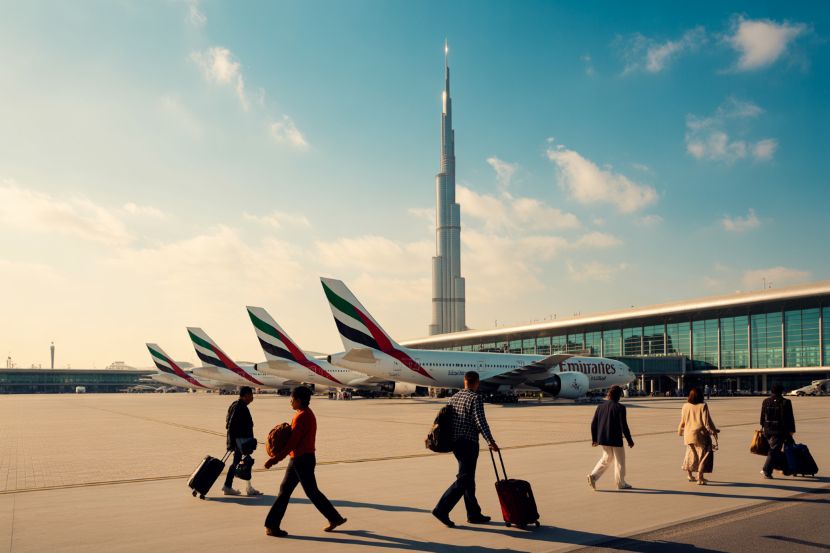
The turmoil in the Middle East has led to the suspension of numerous flights, especially affecting popular travel hubs like Dubai International Airport, the world’s busiest airport in terms of international passenger traffic. Both Dubai and Abu Dhabi—along with Doha in Qatar—have been operating under severe restrictions as airspace shutdowns extend across the region. With countries like Iran, Iraq, Israel, Jordan, Kuwait, and the United Arab Emirates (UAE) closing their airspaces, airlines have scrambled to adjust, rerouting or grounding numerous flights.
This not only disrupts travel plans but also has a significant ripple effect on tourism in countries that rely heavily on aviation as a source of income, including the UAE, Qatar, and Bahrain.
Increased Strain on Airline Operations and Tourism
Airline operations, particularly those with significant routes across the Middle East, are now under immense pressure. For example, IndiGo, India’s largest airline, has suspended all of its flights to and from the Middle East as a precautionary measure. The airline has also provided customers with increased flexibility, offering full refunds or the opportunity to reschedule flights at no additional cost for those affected by the situation.
For tourism-dependent economies like the UAE, Qatar, and Bahrain, these disruptions come at a time when the region’s travel industry is still trying to recover from the pandemic. The inability to secure consistent flights to and from major international hubs risks harming these nations’ economies. The UAE, for instance, is one of the world’s premier destinations for luxury tourism, hosting millions of international visitors each year.
Stock Market Reaction and Investor Sentiment
The economic fallout from these aviation disruptions has also manifested in the stock market. Shares of companies like Ixigo, IndiGo, and SpiceJet dropped sharply, signaling investor concern over the prolonged impact of the ongoing geopolitical crisis.
Ixigo, a major player in India’s travel tech sector, saw its stock tumble by a striking 14%, reflecting worries over falling travel bookings and a decrease in demand for flight services in the wake of the crisis. Similarly, SpiceJet, another Indian airline, saw a dip of 7% as it also grapples with disruptions in regional air travel and increased operational costs due to flight cancellations and delays.
As tourism stocks falter, analysts predict that the situation will not ease quickly, and companies may have to deal with reduced revenues from international tourism in the coming months. For investors, the lack of visibility and the high uncertainty surrounding fuel costs and travel demand could lead to more market volatility.
Practical Travel Tips for Affected Passengers
With Middle East airspace closures affecting flight routes, travelers should take the following steps to minimize disruptions:
- Stay Updated: Constantly monitor airline websites and apps for updates on flight status. In the current climate, flight cancellations and delays can occur at short notice, so it is crucial to stay in touch with your airline.
- Consider Alternative Routes: If your travel plans involve the Middle East, it may be worth considering alternative routes or destinations. For instance, airlines are rerouting flights through neighboring regions that remain open, such as South Asia or Europe.
- Flexible Booking Options: Many airlines, including IndiGo, SpiceJet, and others, are offering full flexibility and waivers for affected passengers. If you need to reschedule or cancel your flight, ensure you take advantage of these offers.
- Travel Insurance: Travelers planning to visit the Middle East should ensure they have adequate travel insurance, especially covering cancellations or delays due to political instability or airspace closures.
Looking Ahead: The Long-Term Impact on Middle East Tourism
As the Middle East continues to face air traffic restrictions, the impact on tourism will likely be felt for months to come. Dubai, Abu Dhabi, and Doha are among the most visited cities globally, and the tourism sector plays a vital role in sustaining their economies. However, with aviation severely disrupted and geopolitical instability casting a shadow over the region, travelers may be cautious in making future bookings.
To mitigate these effects, regional governments will need to work with airlines to restore flight routes and travel confidence. This could involve more transparent communication with passengers, increased flexibility in booking policies, and incentives to encourage travel once the situation stabilizes.
Broader Implications for Global Travel
The geopolitical crisis in the Middle East not only affects countries in the region but also has global ramifications. Western nations, particularly in Europe and North America, rely on the Middle East for connecting flights and travel routes. As airspace closures and flight cancellations persist, travelers from around the world will need to explore alternate routes, potentially lengthening travel times and increasing the overall cost of flights.
Final Thoughts
While the Middle East conflict continues to shake up the aviation and tourism industries, airlines and travelers are finding ways to adapt. For now, flexibility remains key, both for airlines and passengers, as they navigate through one of the most turbulent periods for international travel in recent years. Tourism destinations that depend on Middle Eastern connectivity may face tough challenges ahead, but with collaborative efforts between governments and airlines, the region may yet be able to restore its position as a prime global travel hub.
The post Middle East Conflict Causes Widespread Airspace Closures, Disrupting Flights Across Iran, Israel, UAE, Qatar, and Bahrain—Everything You Need to Know About the Travel Impact and Flight Cancellations appeared first on Travel And Tour World.


 for highly accurate cancer diagnostics