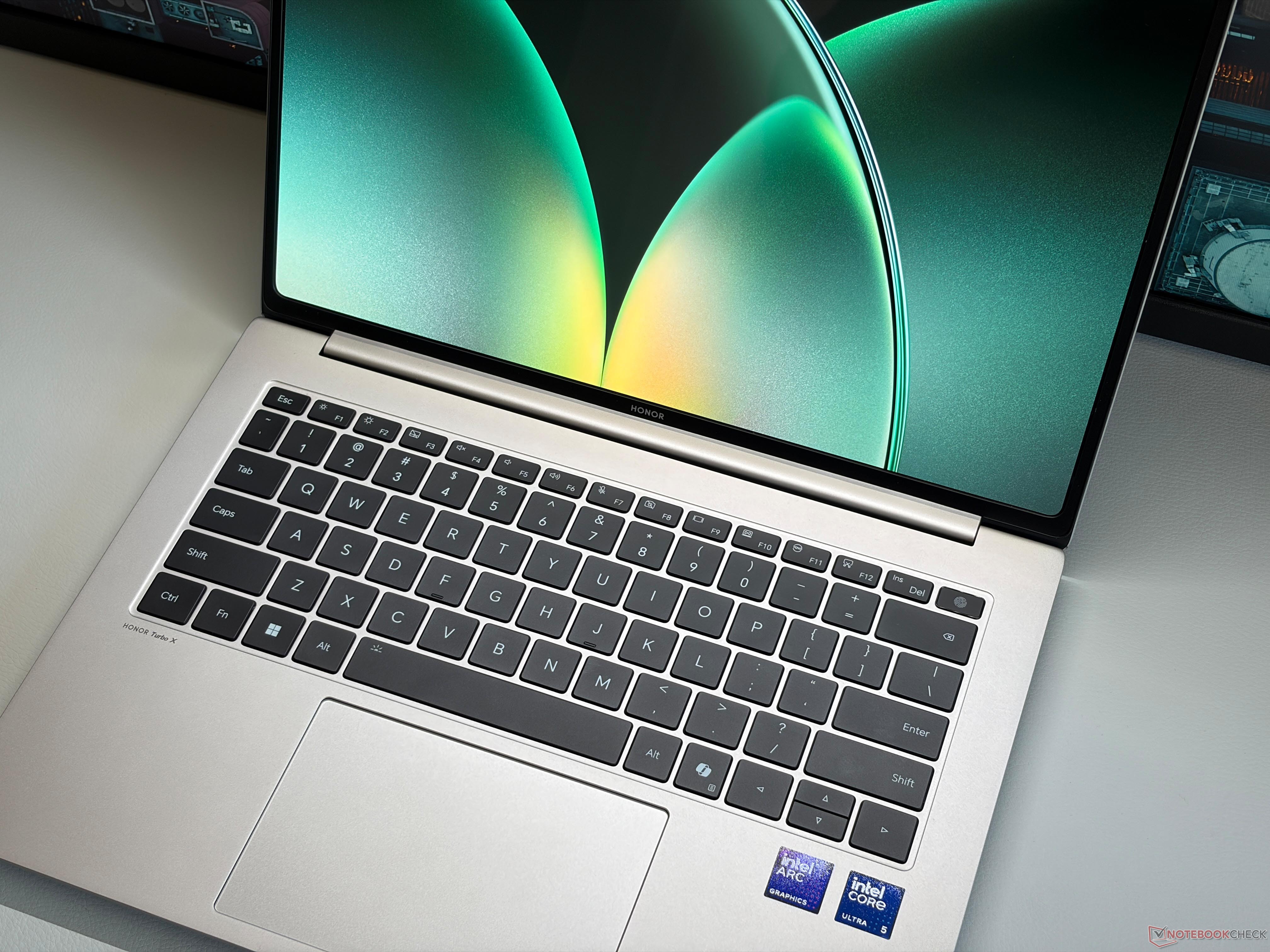
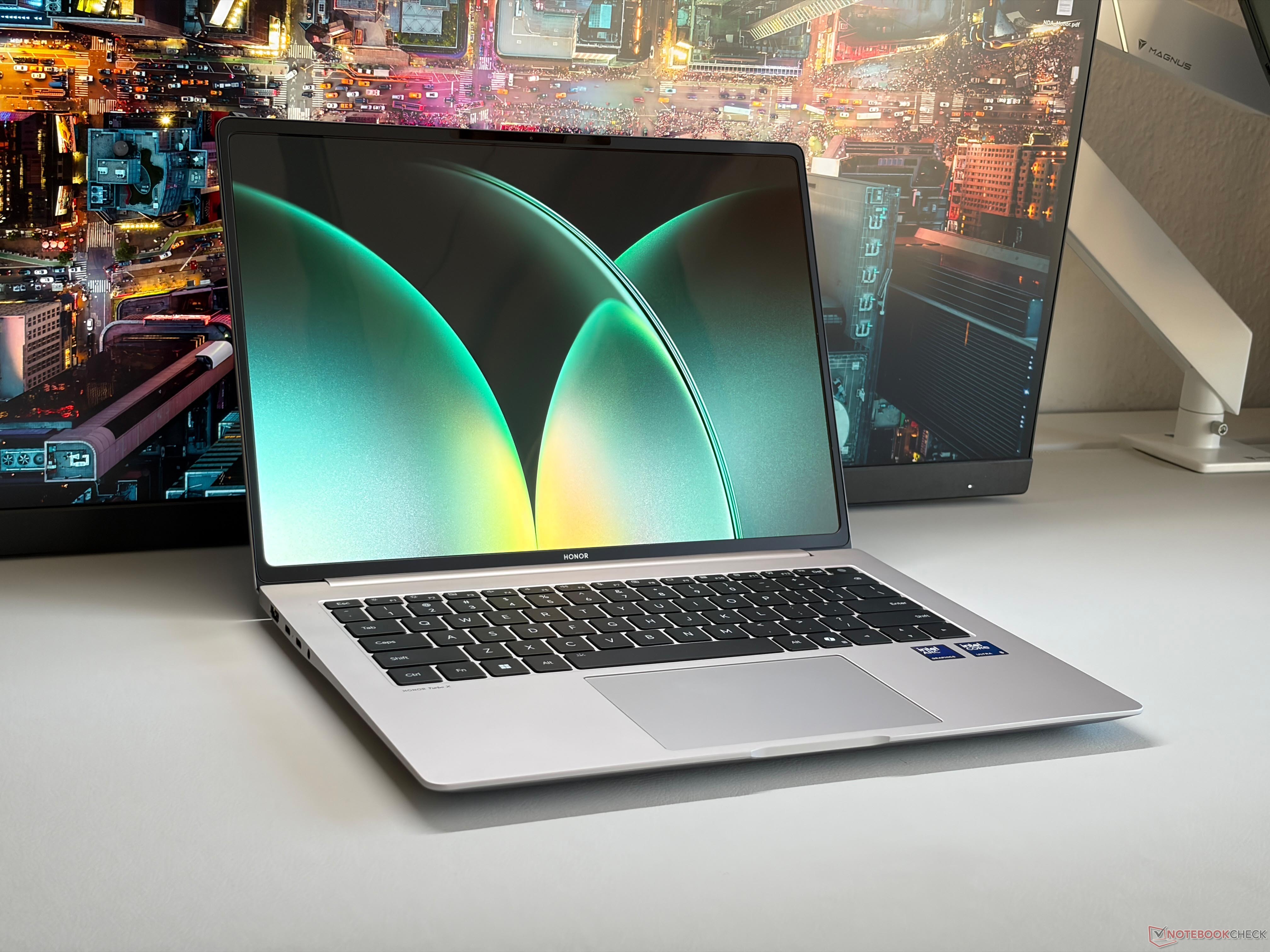
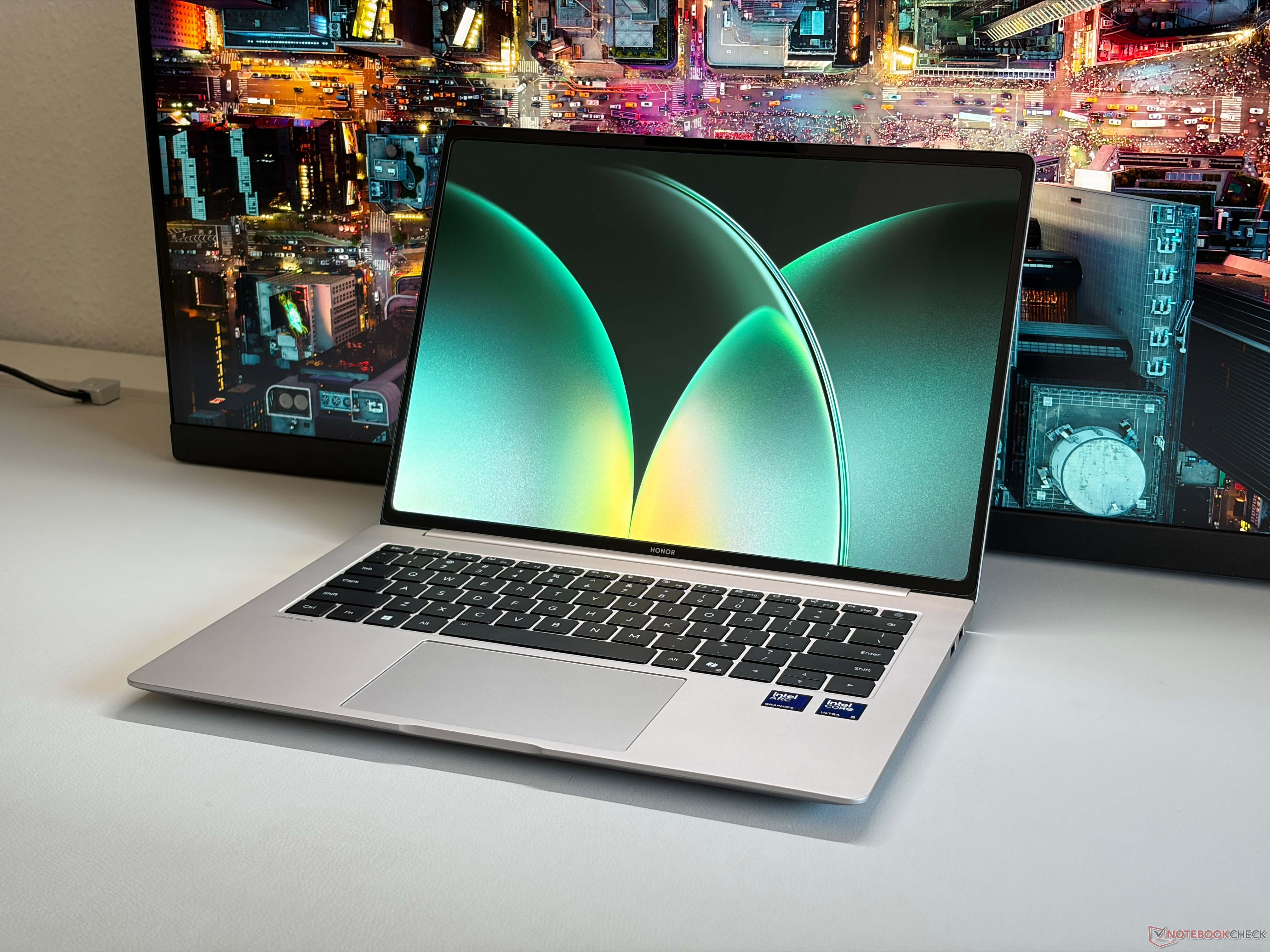
The new Honor MagicBook Pro 14 2026 is a very good multimedia laptop, and it is also a direct rival for the entry-level MacBook Pro 14 with the M5 SoC. We compare the two laptops in the most important areas.
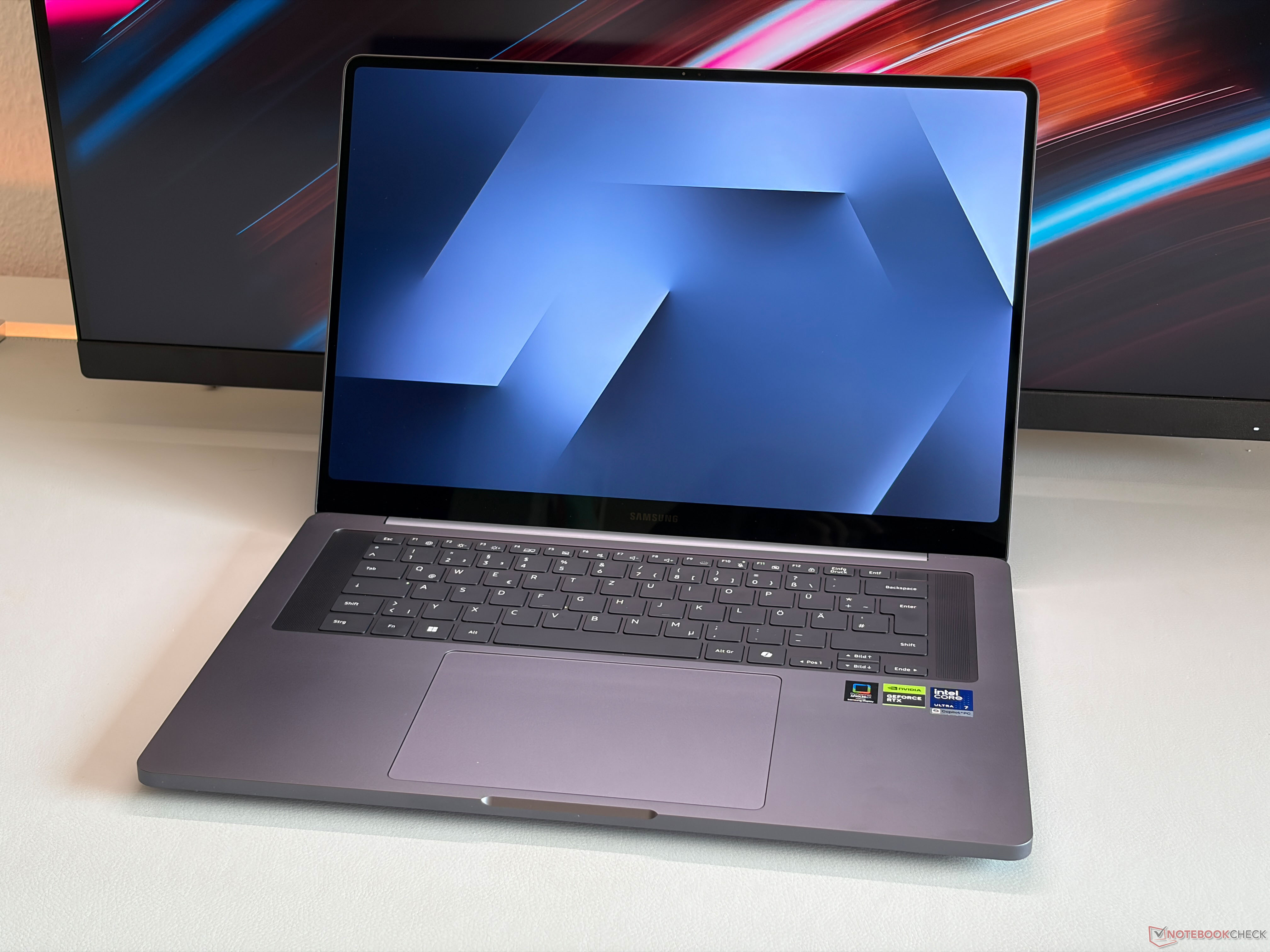
Samsung's OLED screens have not been very competitive in 2025, especially in terms of brightness. The new Galaxy Book6 Ultra finally gets an improved ILED panel, but competitors with tandem OLED screens or Mini-LED panels still have an advantage.
Apple's new MacBook Air with the small M5 SoC is extremely efficient while gaming. During our tests, we recorded a SoC consumption of just 7-8 Watts, which means the gaming performance is also rock solid despite the passive cooling solution.
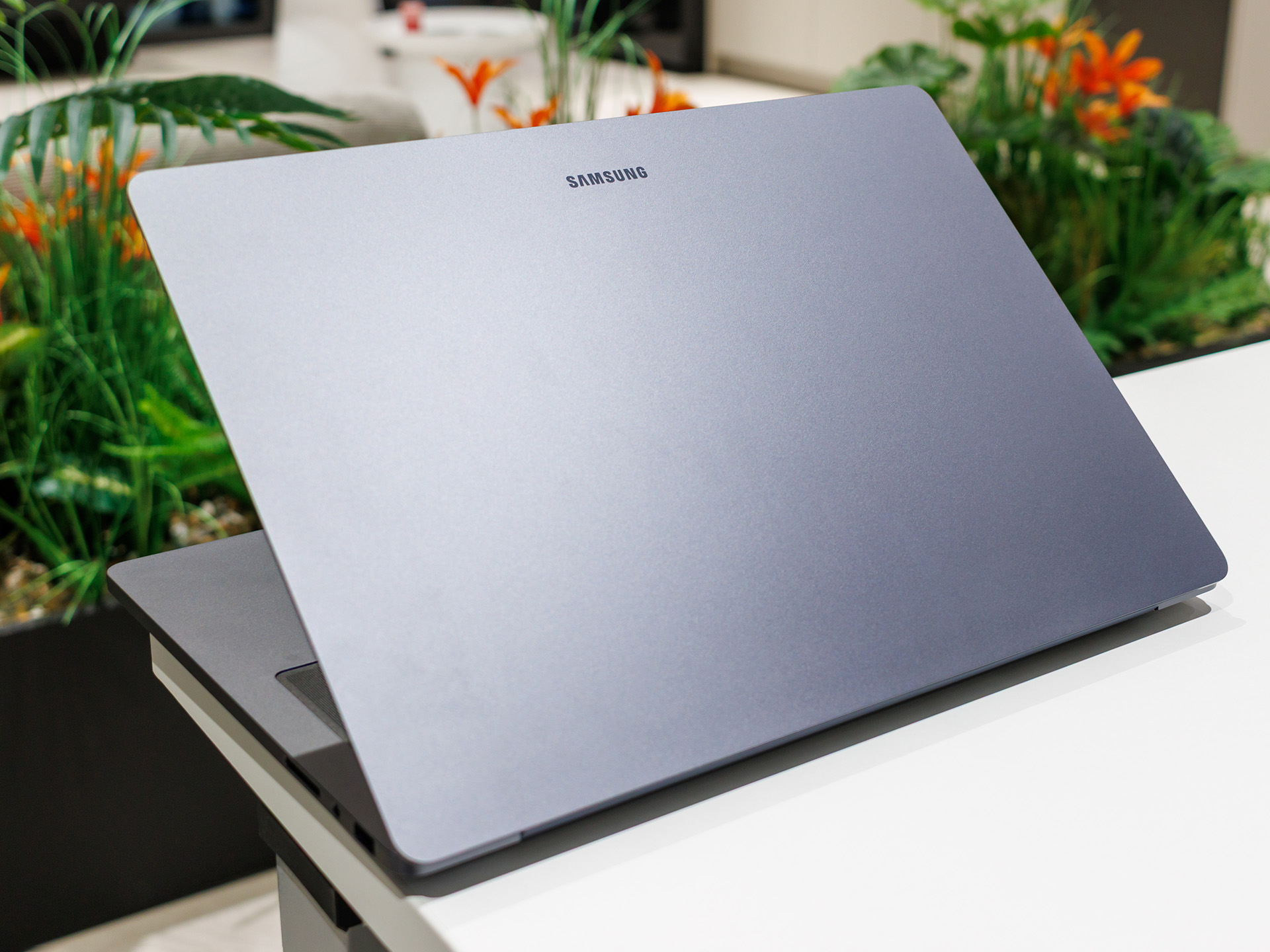
Samsung took a lot of inspiration from the Apple MacBook Pro 16 for the new Galaxy Book6 Ultra and both look pretty equal when you remove the logos. The design also includes the keyboard, because Samsung ditched the numpad from the old Galaxy Book4 Ultra.
The Honor MagicBook Pro 14 features a high-resolution OLED touchscreen with a 3:2 aspect ratio. Thanks to the high resolution and a refresh rate of 120 Hz, it offers impressive image quality. Even bright contents do not look grainy, despite the touch layer, which is an issue for many competitors.
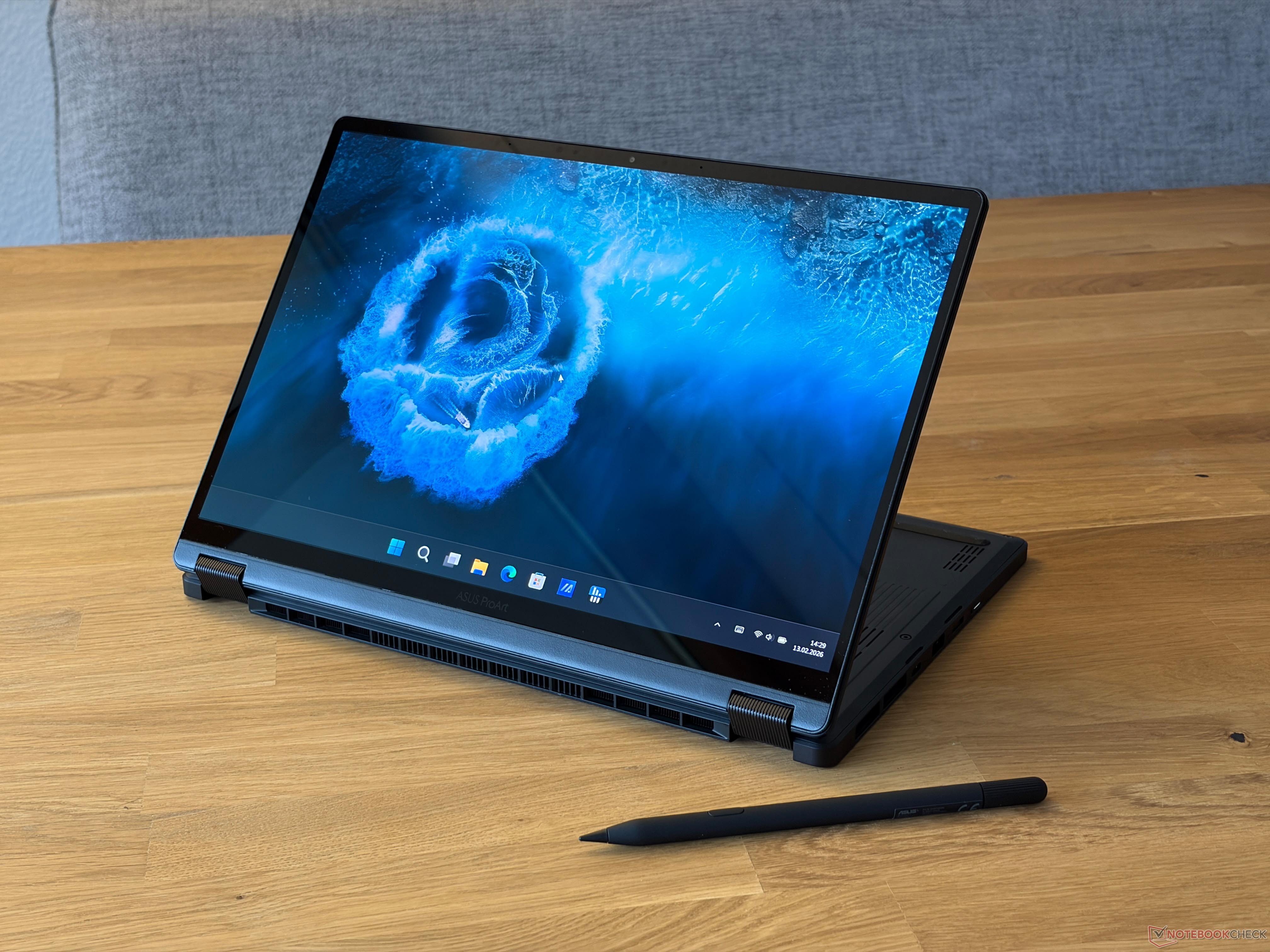
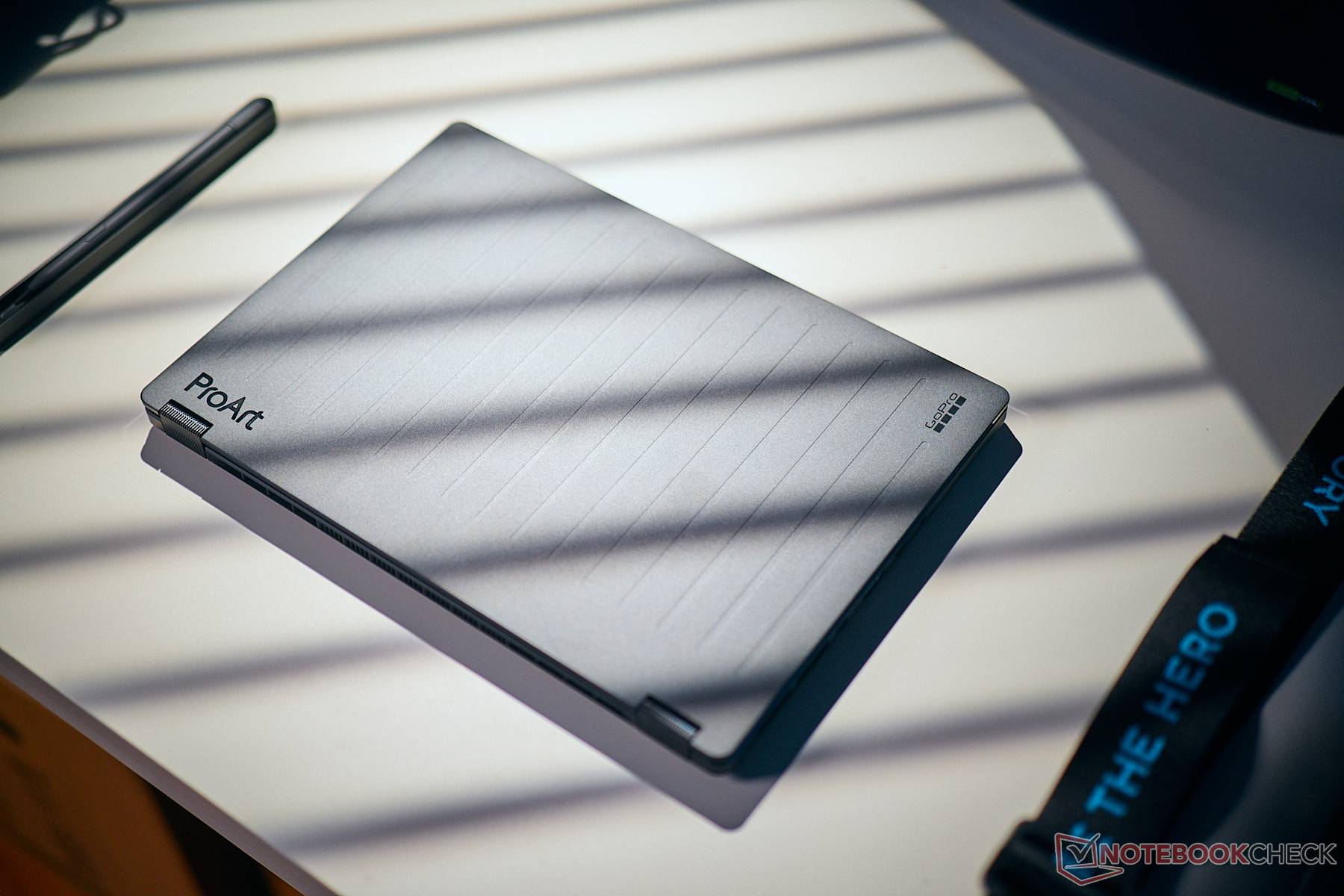
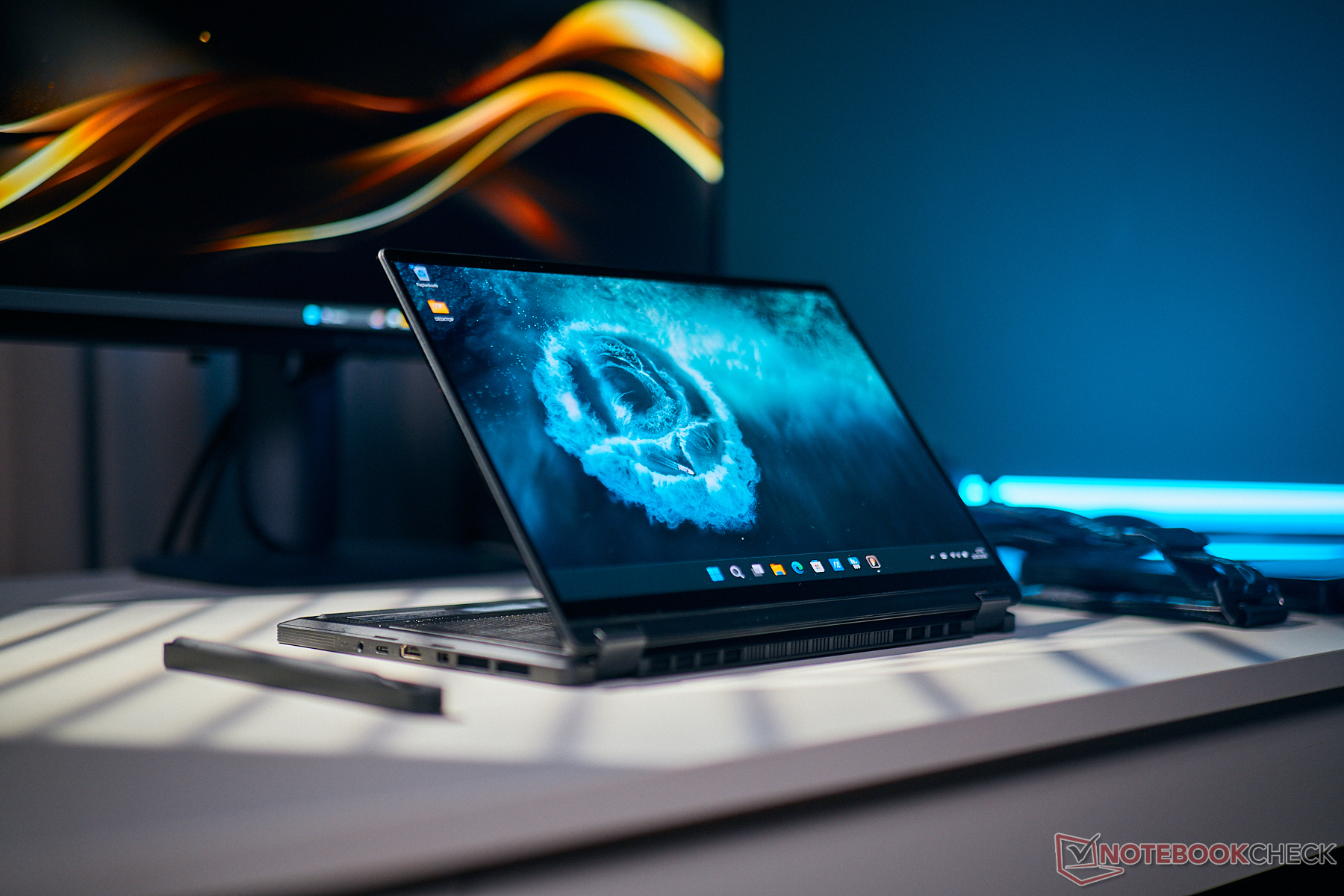
If you are looking for a compact and powerful convertible to edit pictures and videos, then you will definitely find the Asus ProArt PX13. In our review, the new version convinces with plenty of performance, a lot of RAM for large projects as well as a very accurate OLED panel.
The new Honor MagicBook Pro 14 2026 is the first device we reviewed with Intel's new Arc B370 GPU. The Panther Lake GPU performs very well, especially in gaming benchmarks. The gap to the Arc B390 is also pretty small.
Asus updated its compact 13.3-inch convertible ProArt PX13 and now uses AMD's high-end Strix Halo processors. Even though there are advantages in terms of CPU performance as well as RAM, the GPU performance is not much better compared to the RTX 4070 from the old ProArt PX13.
Great design, excellent keyboard, the fastest AMD Strix Halo processor, 128 GB RAM and a very accurate OLED screen. The ProArt PX13 ist definitely a high-end product, but why is Asus still using an OLED panel from 2024 with a refresh rate of just 60 Hz?

 Login
Login