Reading view

DOOGEE Fire 7 Pro & Ultra Review: “All Tools, One Phone”
As many of you may already know, DOOGEE is a brand best known for making rugged phones. This year marks their 16th year in the rugged phone business, and to date, they have over one million users across more than 60 countries worldwide. One of the reasons I believe DOOGEE has been so successful is its extremely detailed and diverse product lineup.

We’ve reviewed many DOOGEE phones in the past, and each one had its own distinct selling point. The two new Fire series devices we’re introducing today are no exception. The positioning of this series can be summed up in one phrase: “All Tools, One Phone.”
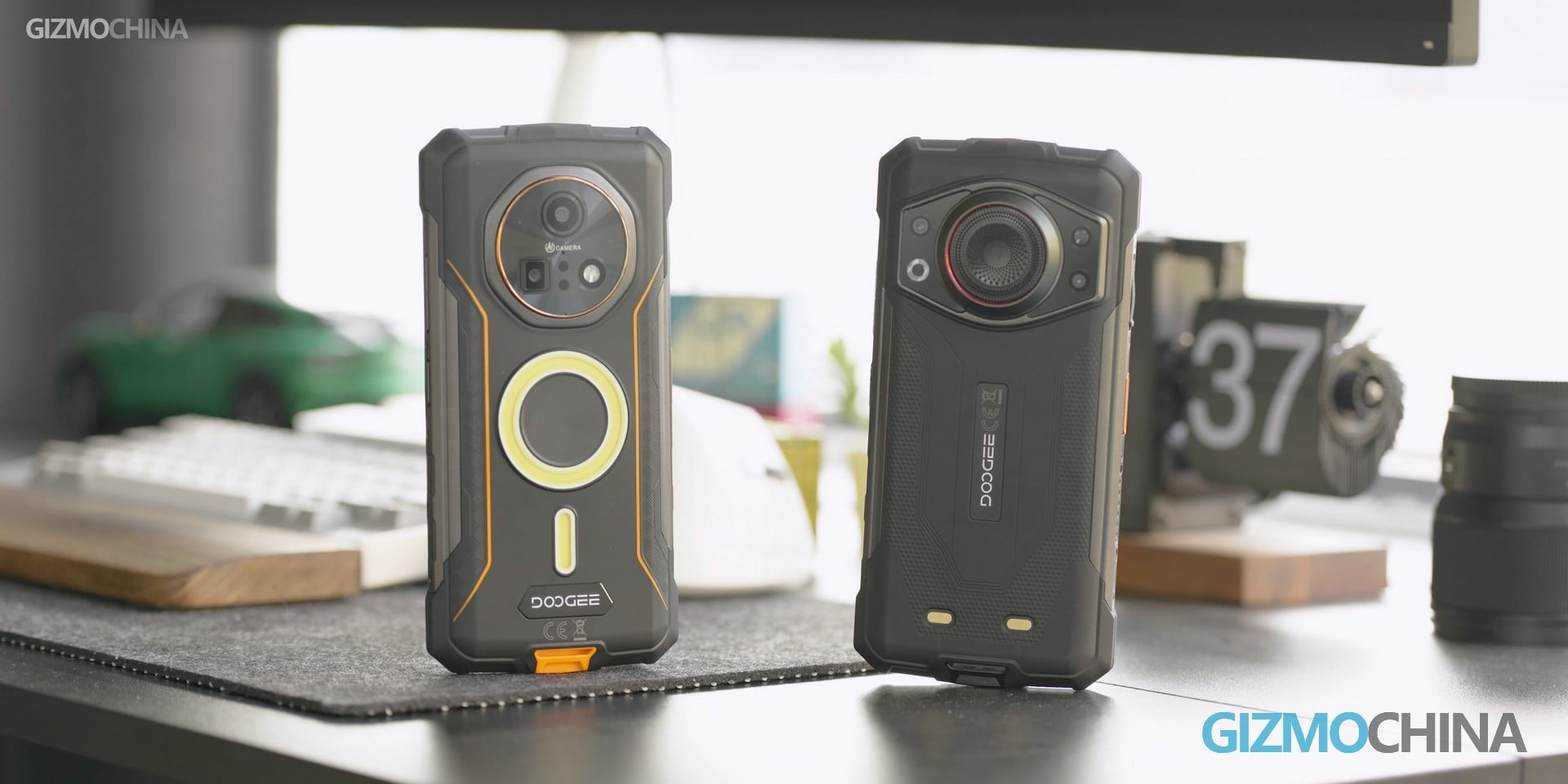
Within the lineup, the Fire 7 Pro is geared more toward outdoor team recreation and camping adventures. At the same time, the Fire 7 Ultra is designed for more professional teams, such as off-road vehicle crews or forest firefighters.


Buy the DOOGEE Fire 7 Pro & Ultra at DOOGEE Official here, or specifically on Amazon:
Fire 7 Ultra: 30% off + 5% Code: BNYLO45A, Final Price: $303.99
Fire 7 Pro: 30% off, Final Price: $279.99


Design

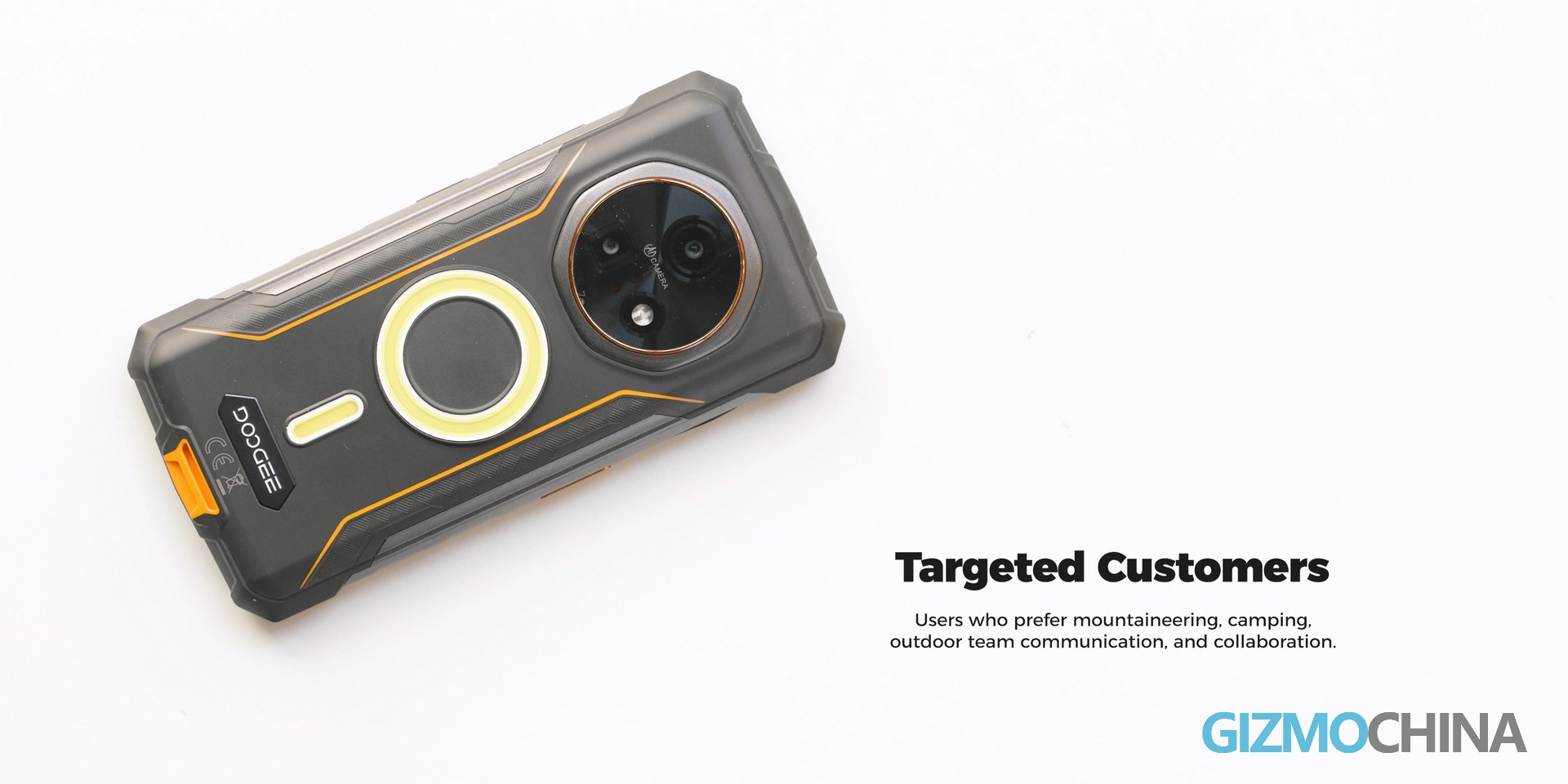
Although both phones belong to the same series, they look quite different—and that’s perfectly reasonable given their different use cases. To accommodate the 1,200-lumen camping light on the back of the Fire 7 Pro, the DOOGEE logo has been moved to the very bottom of the rear panel.
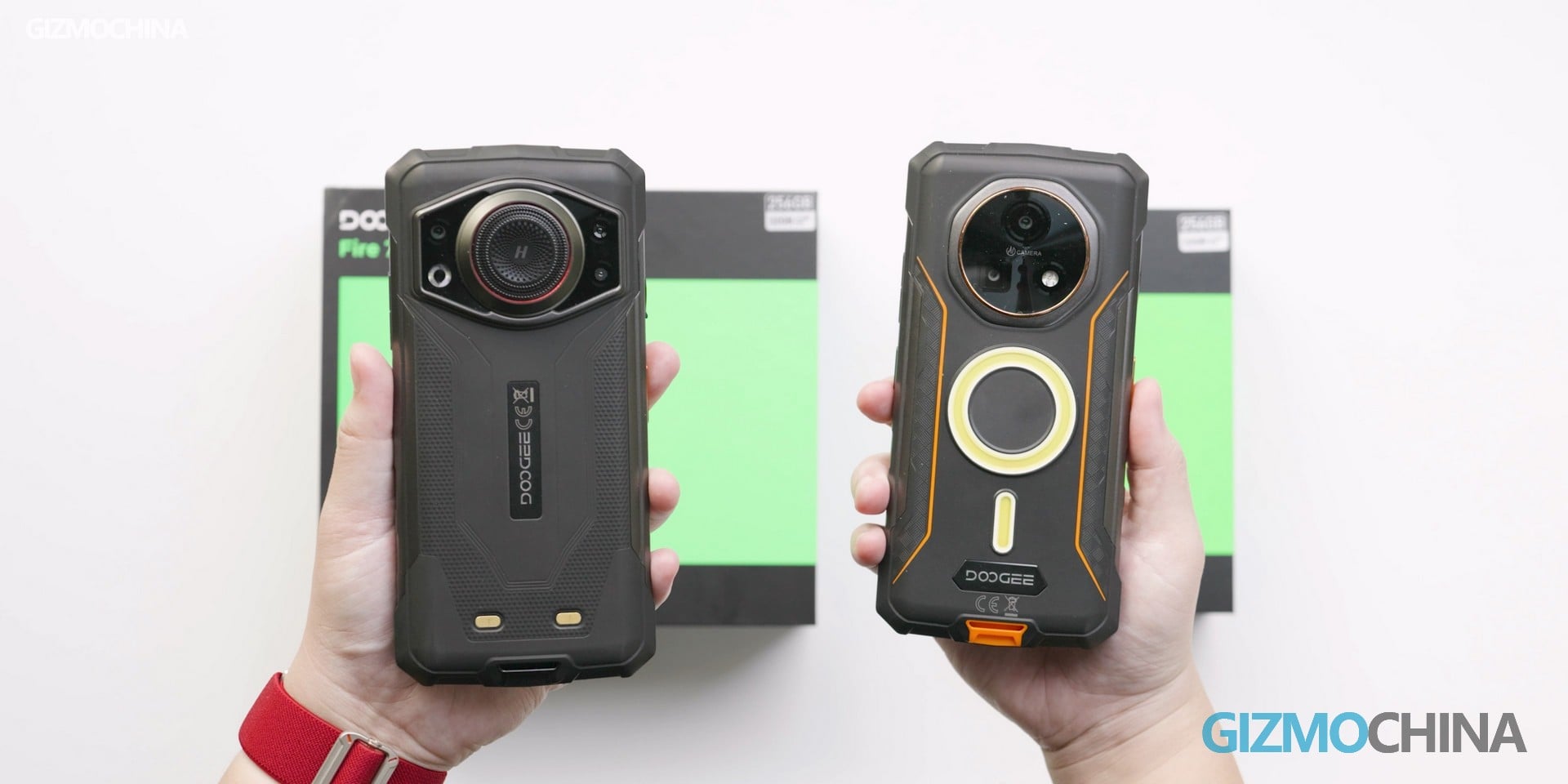
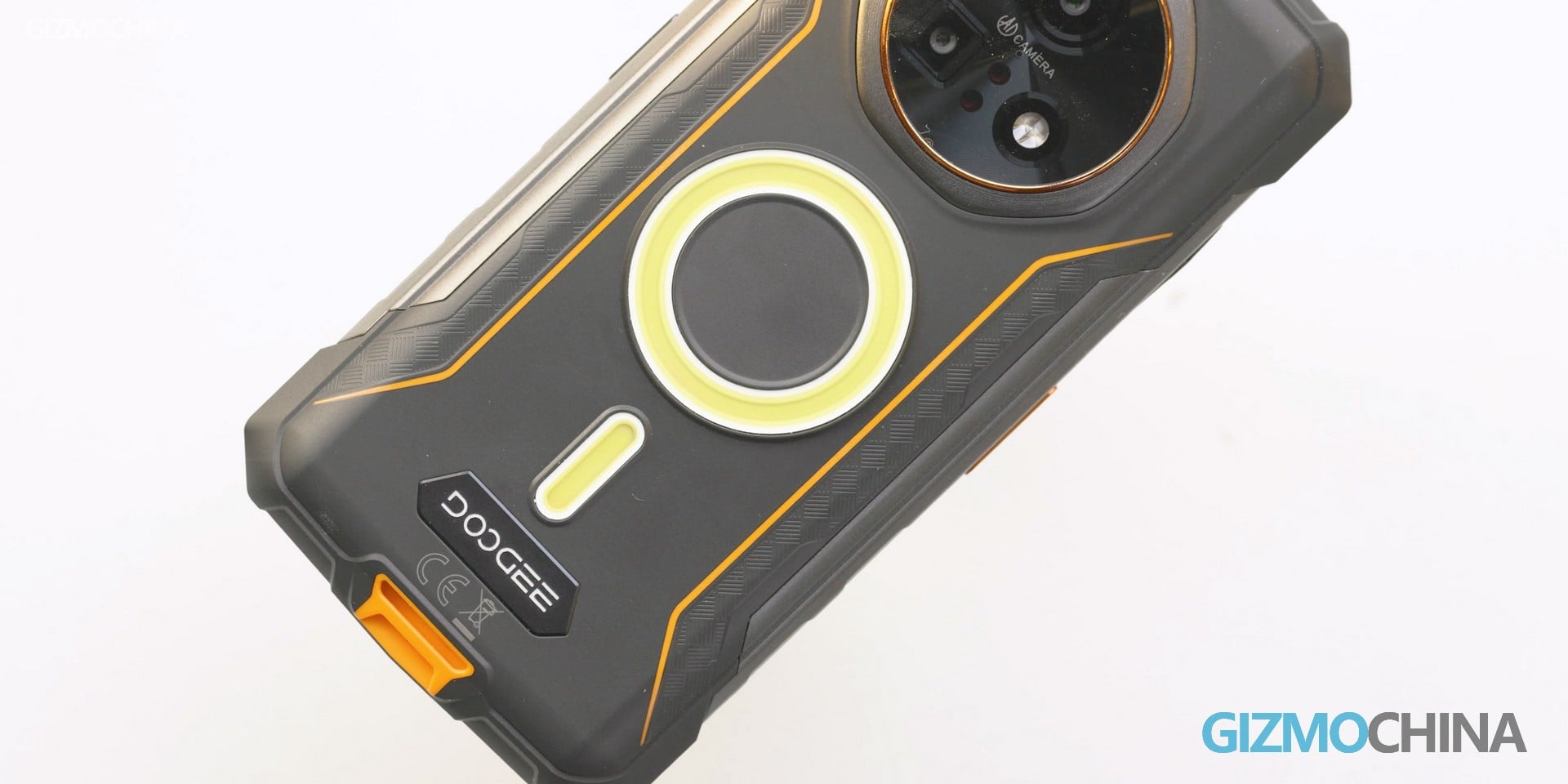
By the way, while this camping light may look a bit like MagSafe, it is simply a standalone light with no magnets inside.
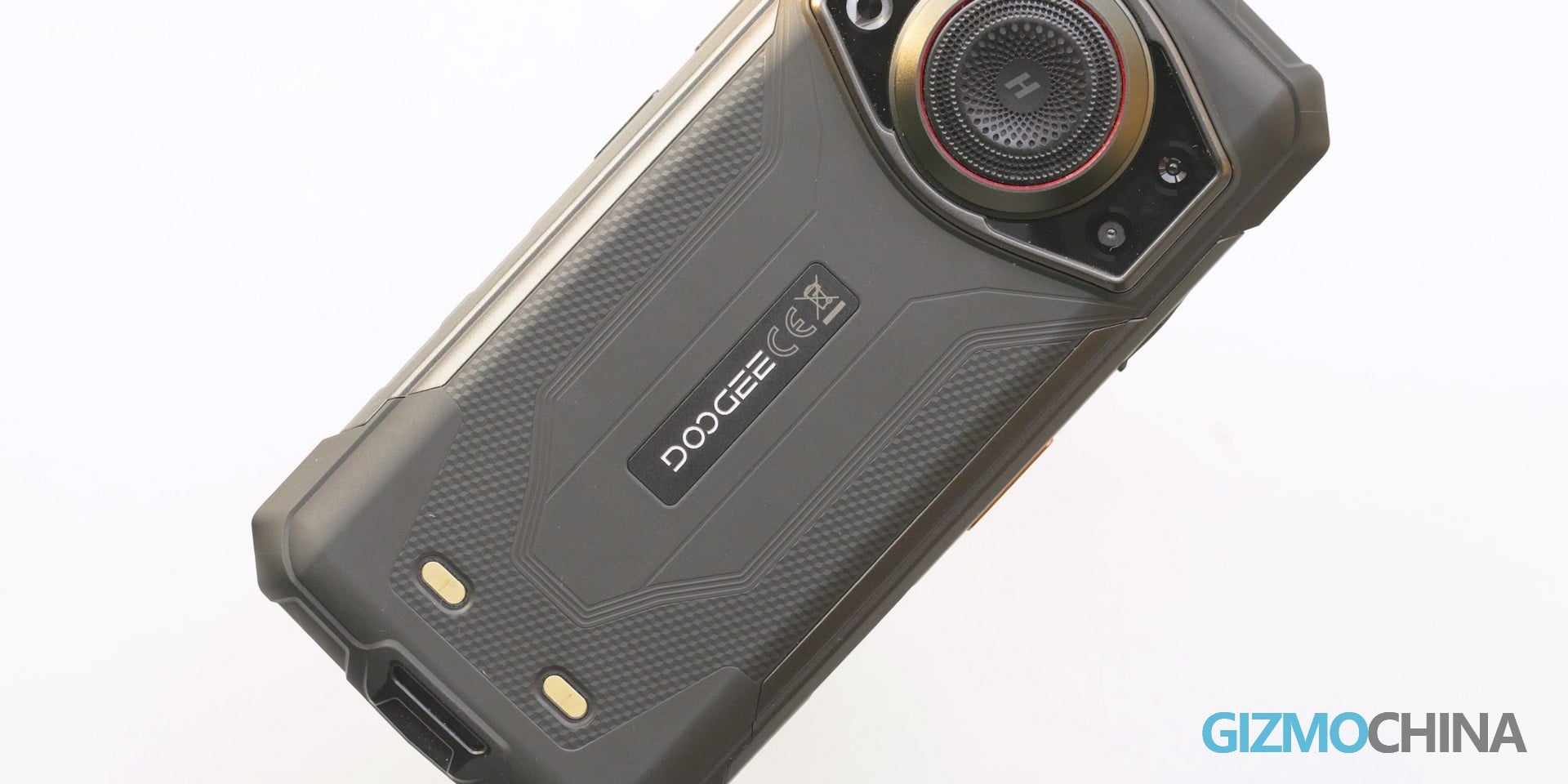
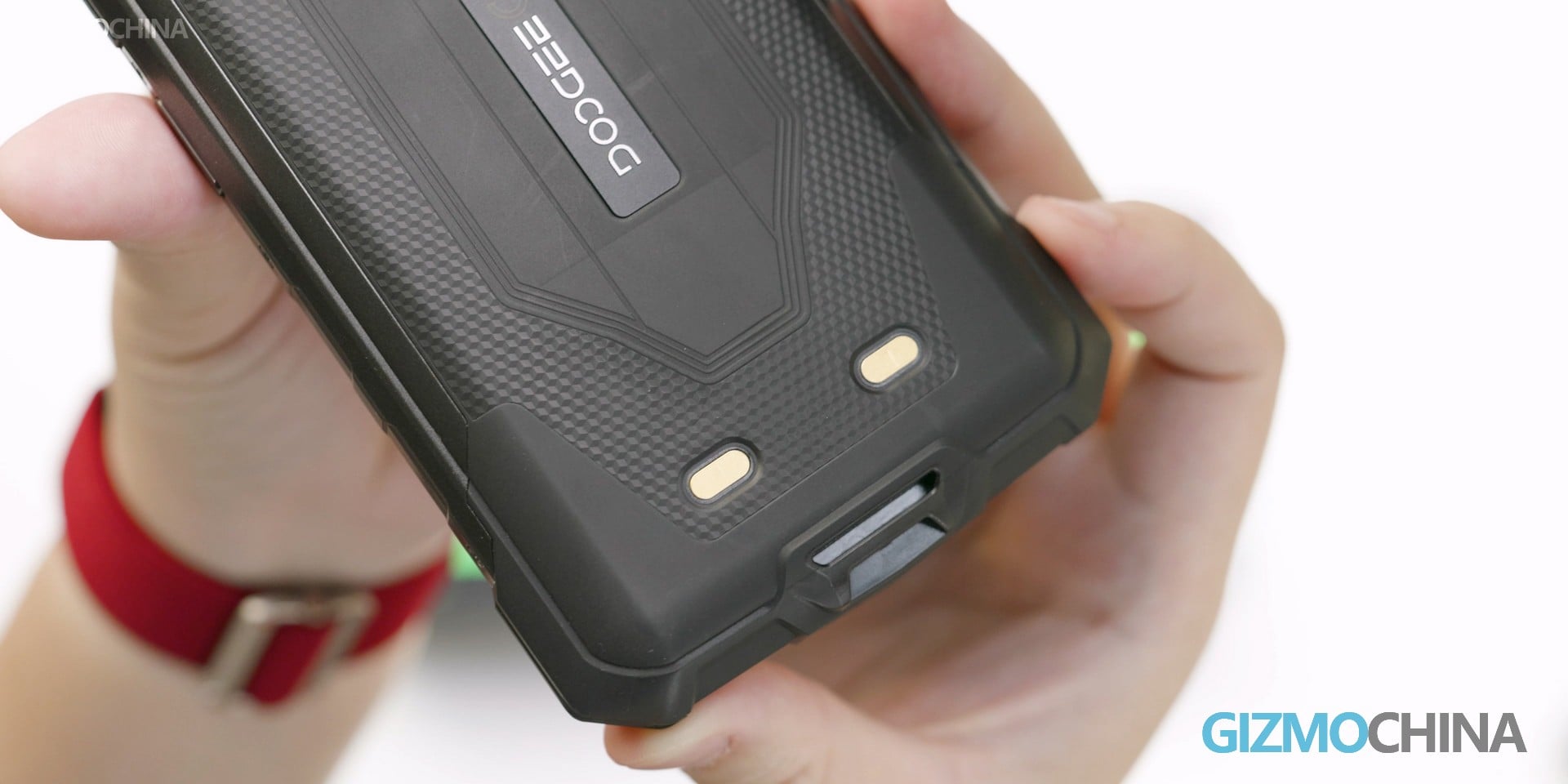
The back of the Fire 7 Ultra, on the other hand, is much cleaner, featuring only two contact pins near the bottom. What are these contacts for? That brings us to the packaging.
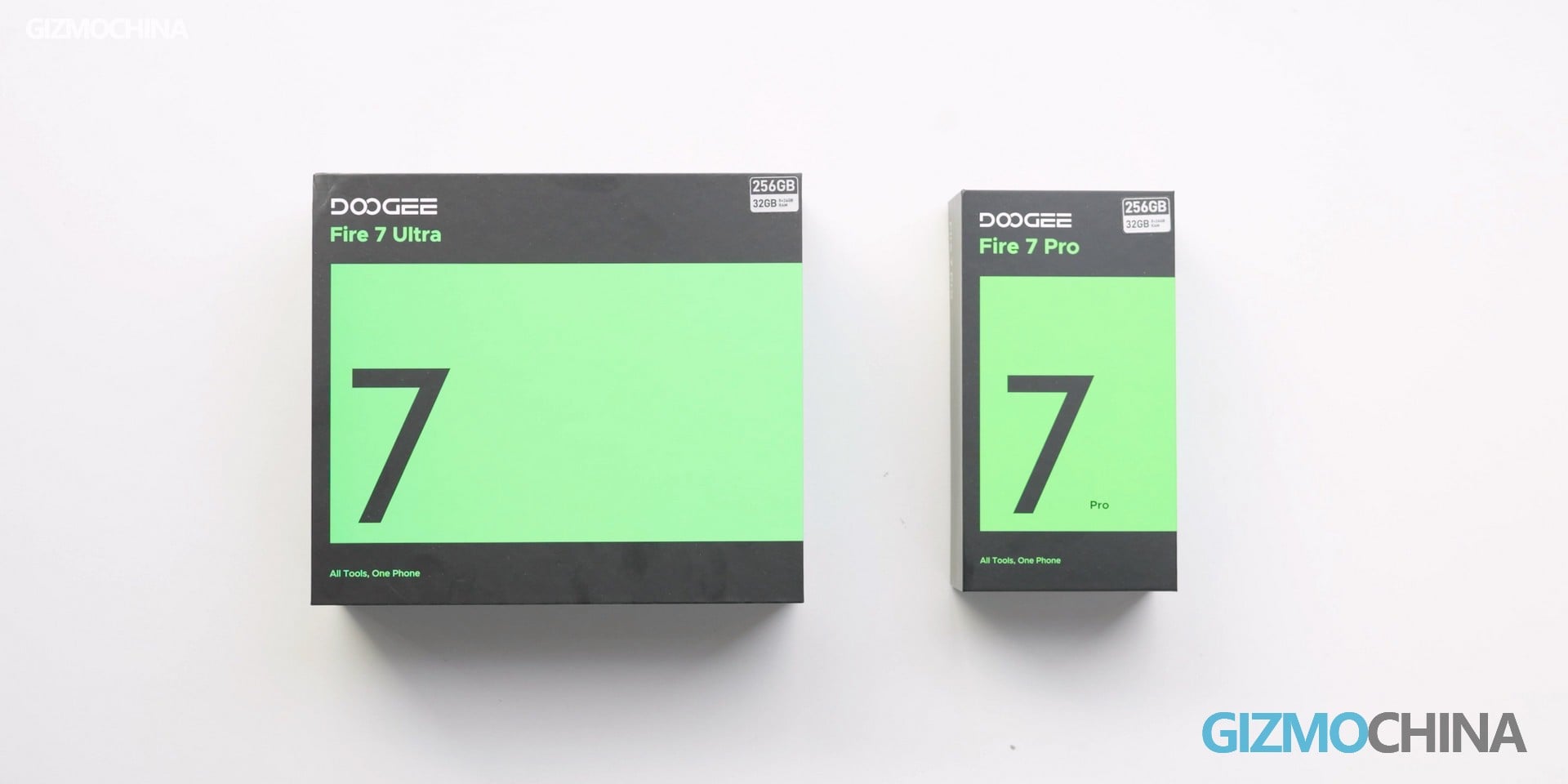
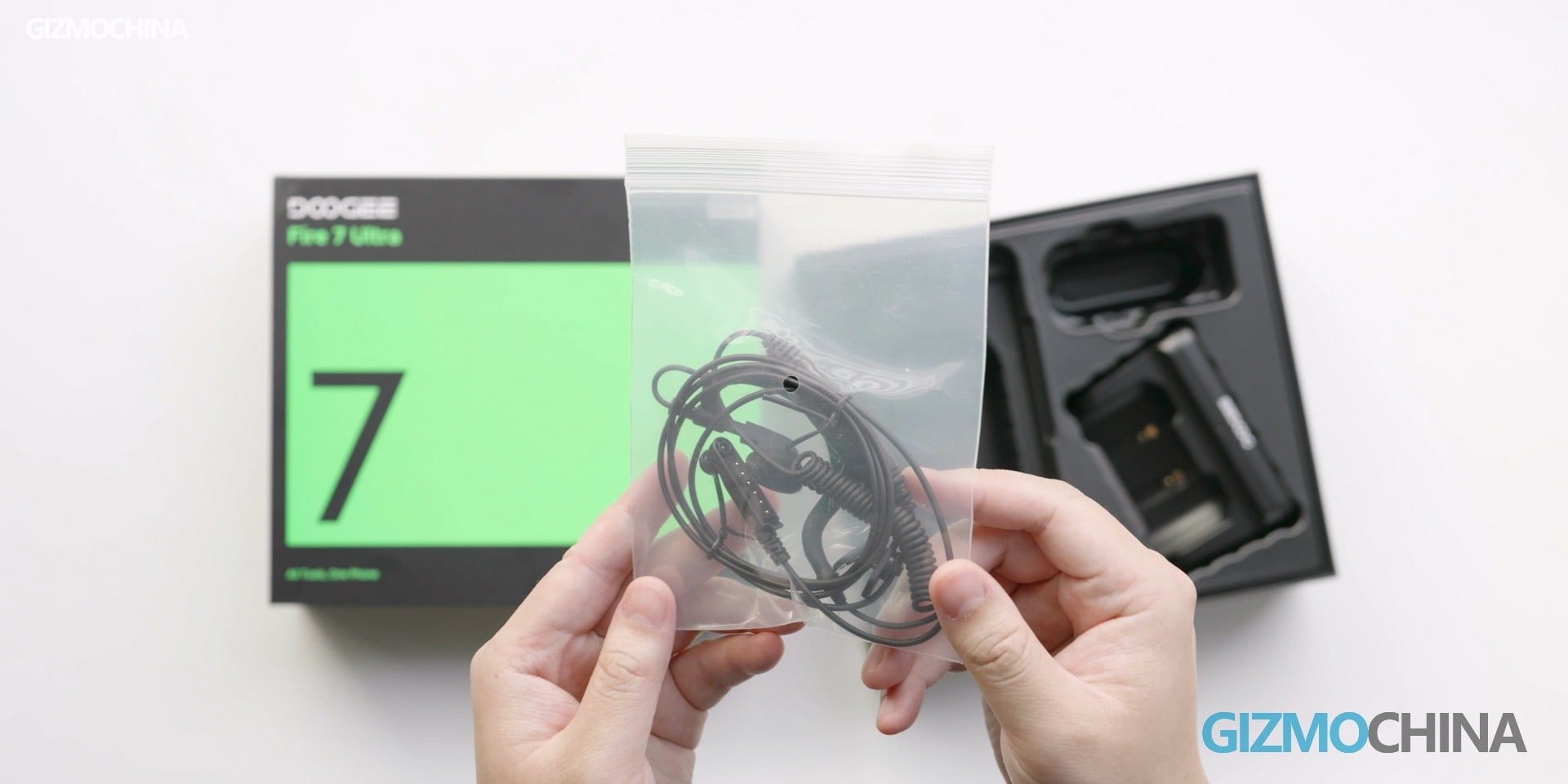
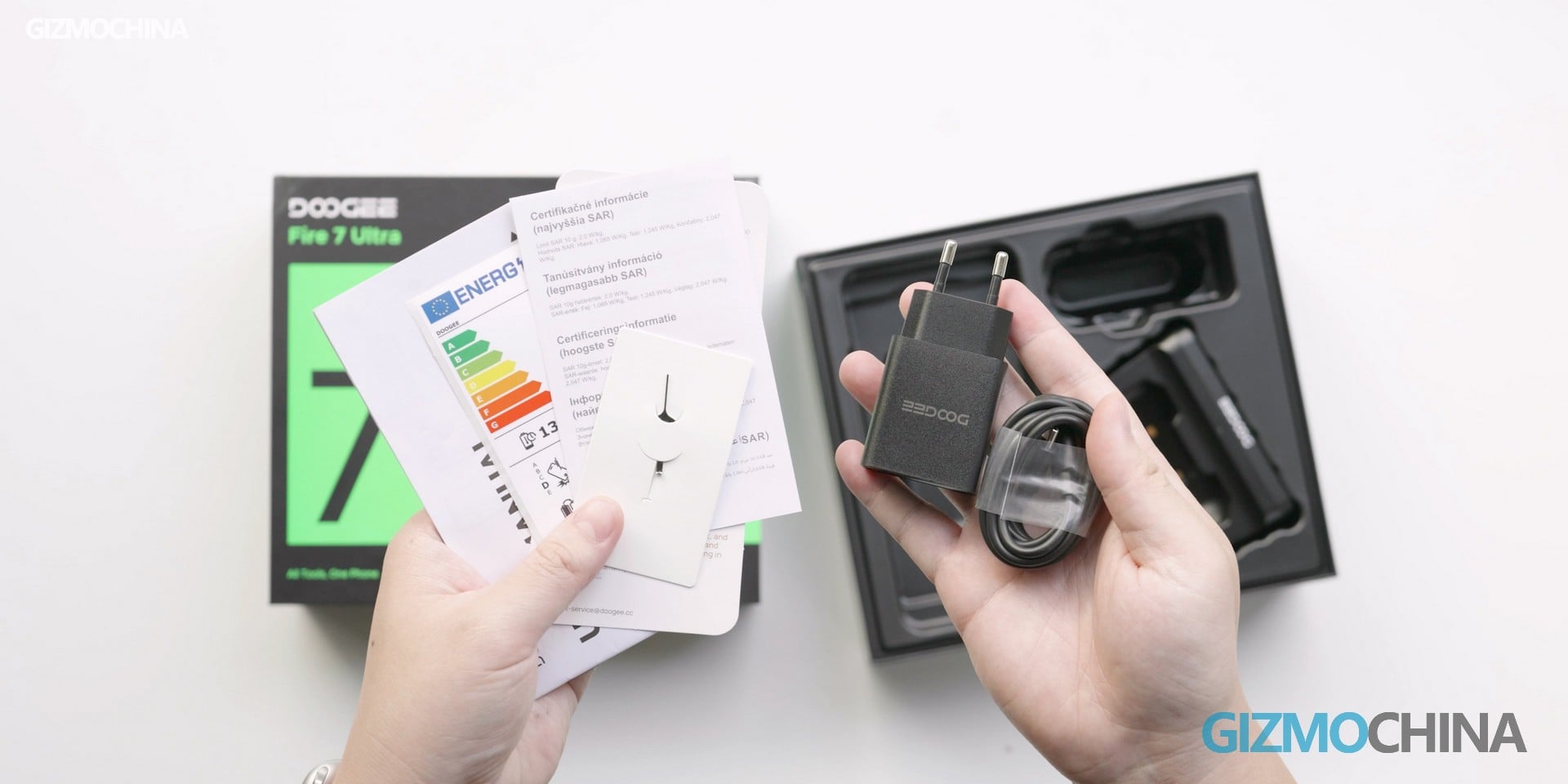
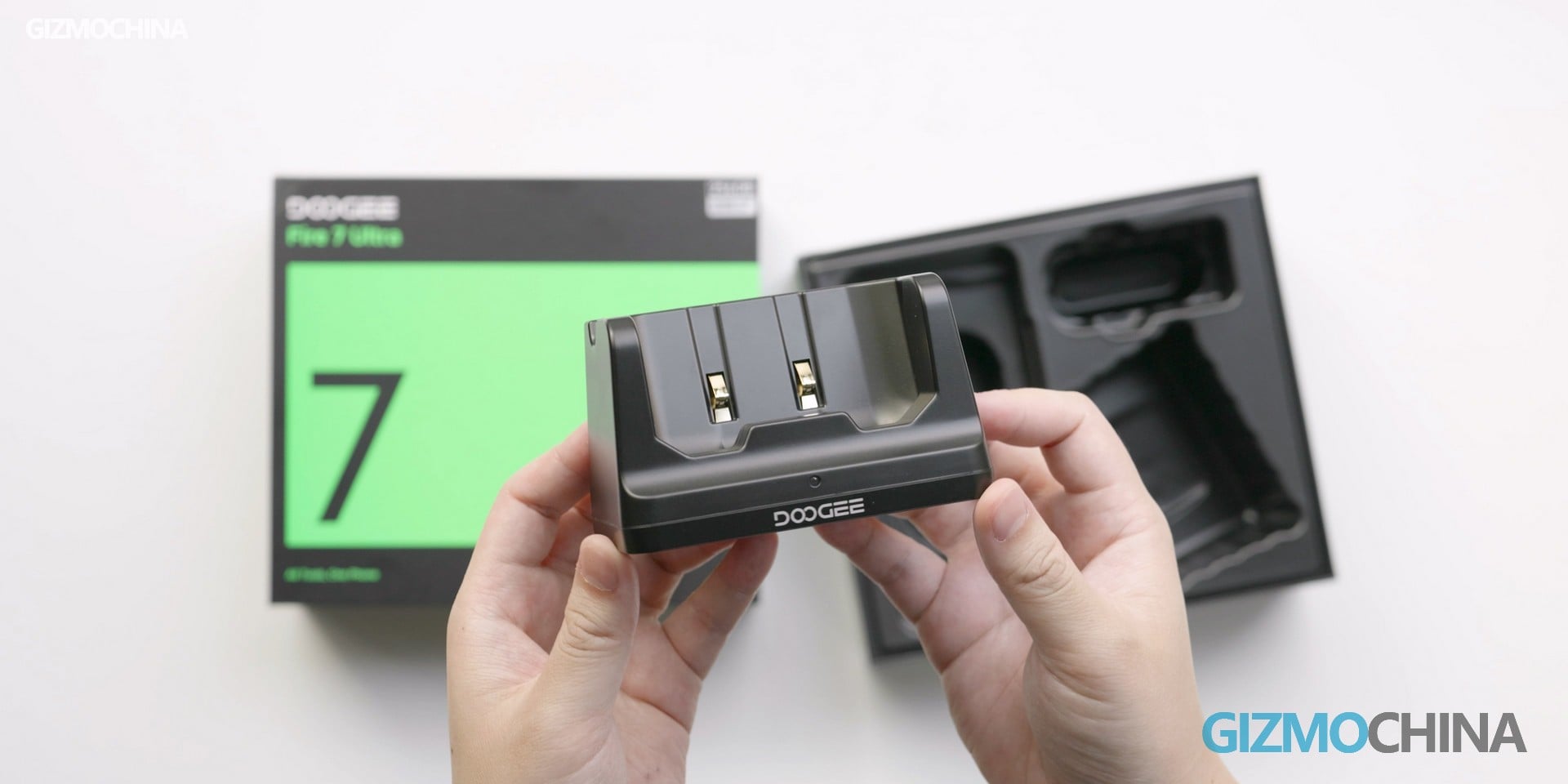
The Fire 7 Ultra comes in a much larger box, mainly because it includes more accessories. In addition to the usual manuals, charger, and cable, you also get a desktop charging base and a walkie-talkie headset. See those two contacts on the charging base? Through them, the Fire 7 Ultra can be charged at 10W.
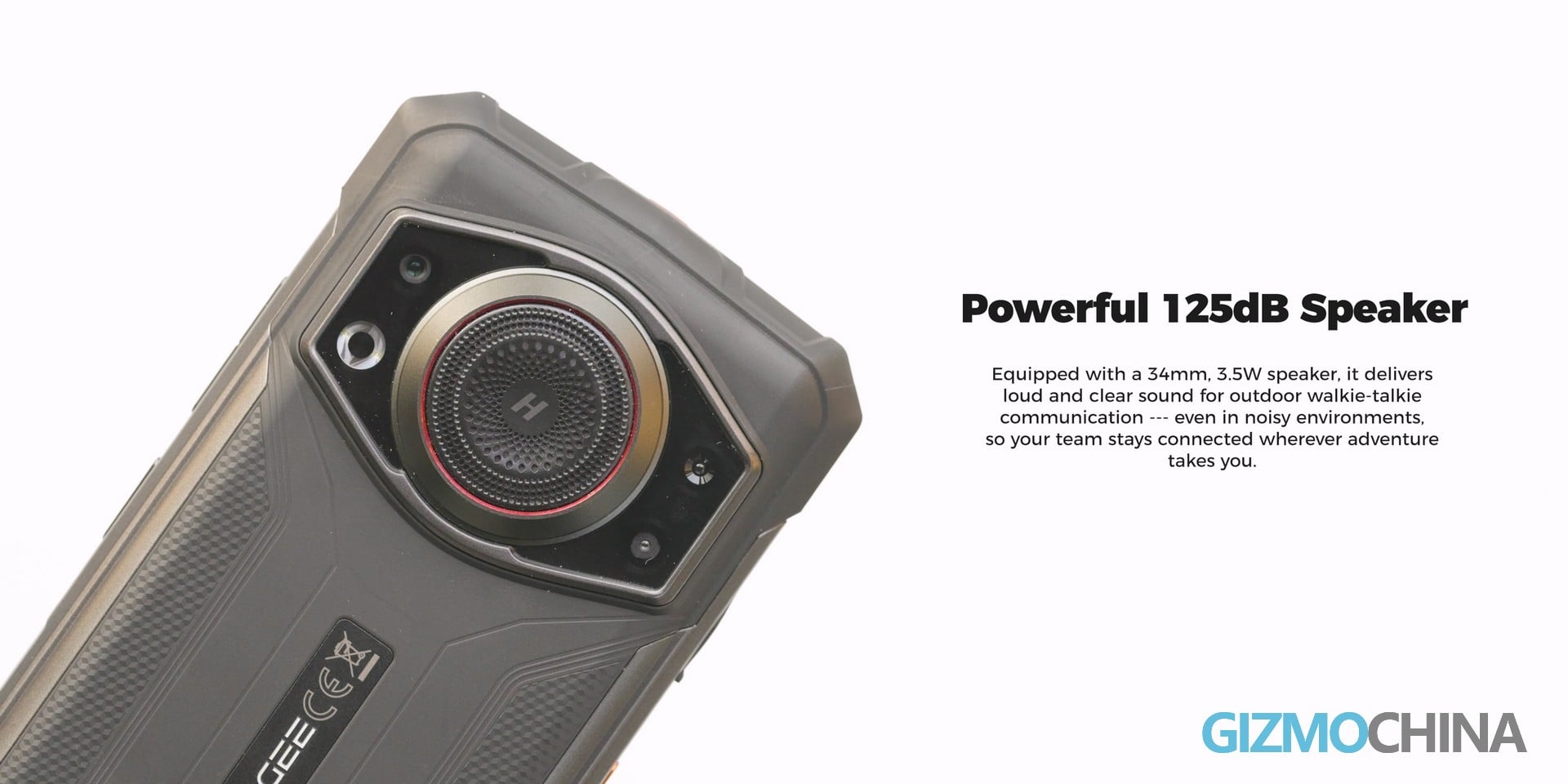
The “Ultra” branding also extends to the speaker. This 3.5W speaker can reach a maximum volume of up to 125dB, making it easy to hear the other party clearly in virtually any environment.
The Ultra also has an extra button on the top that the Pro doesn’t. As its name suggests, pressing it activates SOS mode. You don’t have to worry about accidental presses—unless you really dig into it with your finger, you won’t be able to trigger it, no matter how hard you press it.

Aside from that, the remaining features are the same on both phones: triple card slots, NFC, an IP69K waterproof rating, and 8GB of RAM paired with 256GB of storage.


Walkie-Talkie

The PoC (Push-to-Talk over Cellular) walkie-talkie function is one of the Fire 7 series’ core features—and also one of its most controversial. When people hear “walkie-talkie,” their first reaction is often: outdoor signal coverage is poor, so why not just use a traditional radio? The answer is that these phones are not meant to replace your traditional walkie-talkies, but to serve as a backup solution that ensures you’re never completely out of contact.
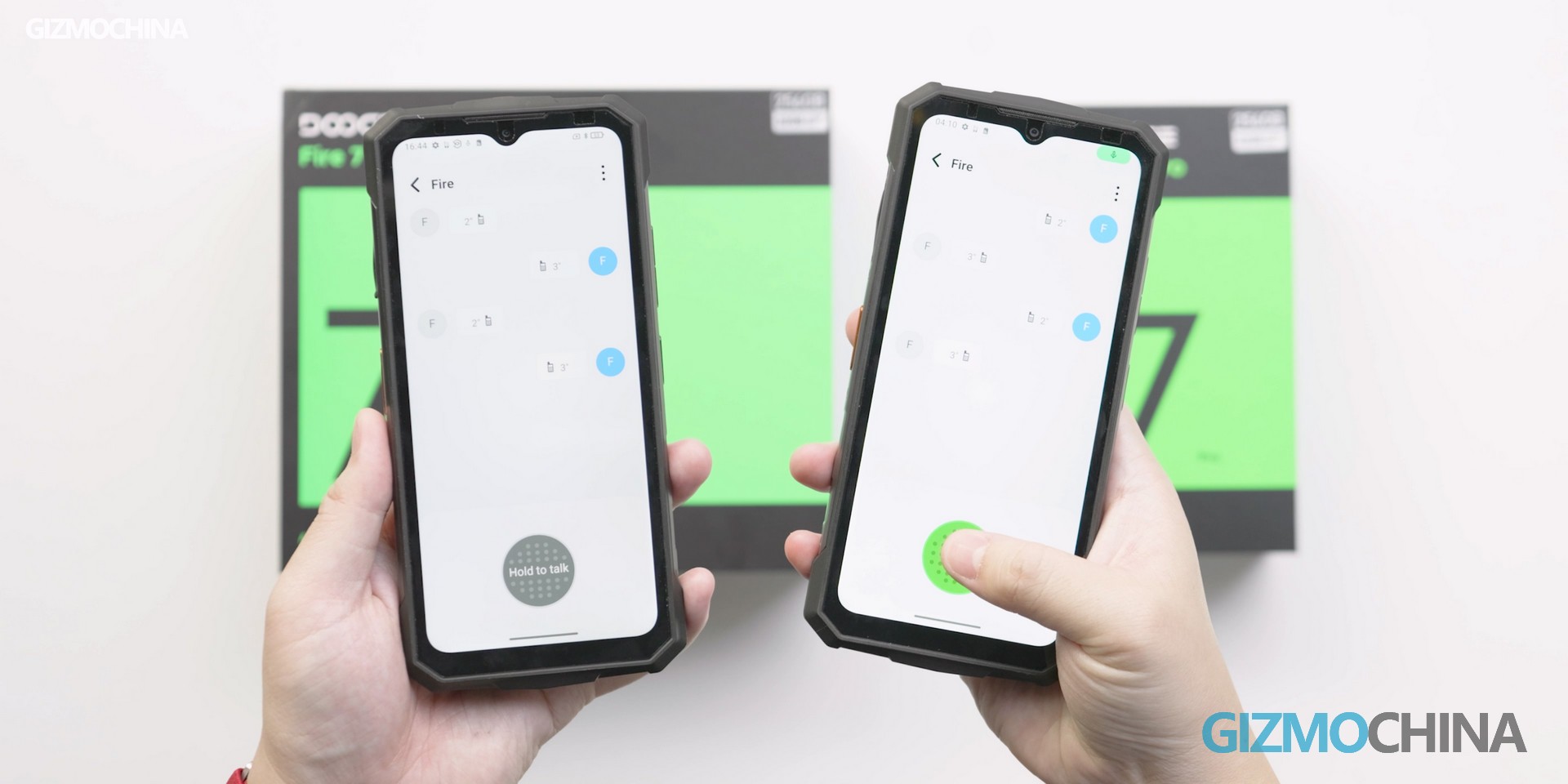
The biggest advantage of Push-to-Talk over Cellular isn’t whether it works in places with absolutely no signal, but rather its communication range and management capabilities. With 4G or 5G network coverage, the walkie-talkie range of the Fire 7 series is essentially equal to the coverage of the cellular network itself. You can be on one side of a city and talk in real time with teammates dozens of kilometers away—or even in a different city altogether—something traditional walkie-talkies simply can’t achieve.

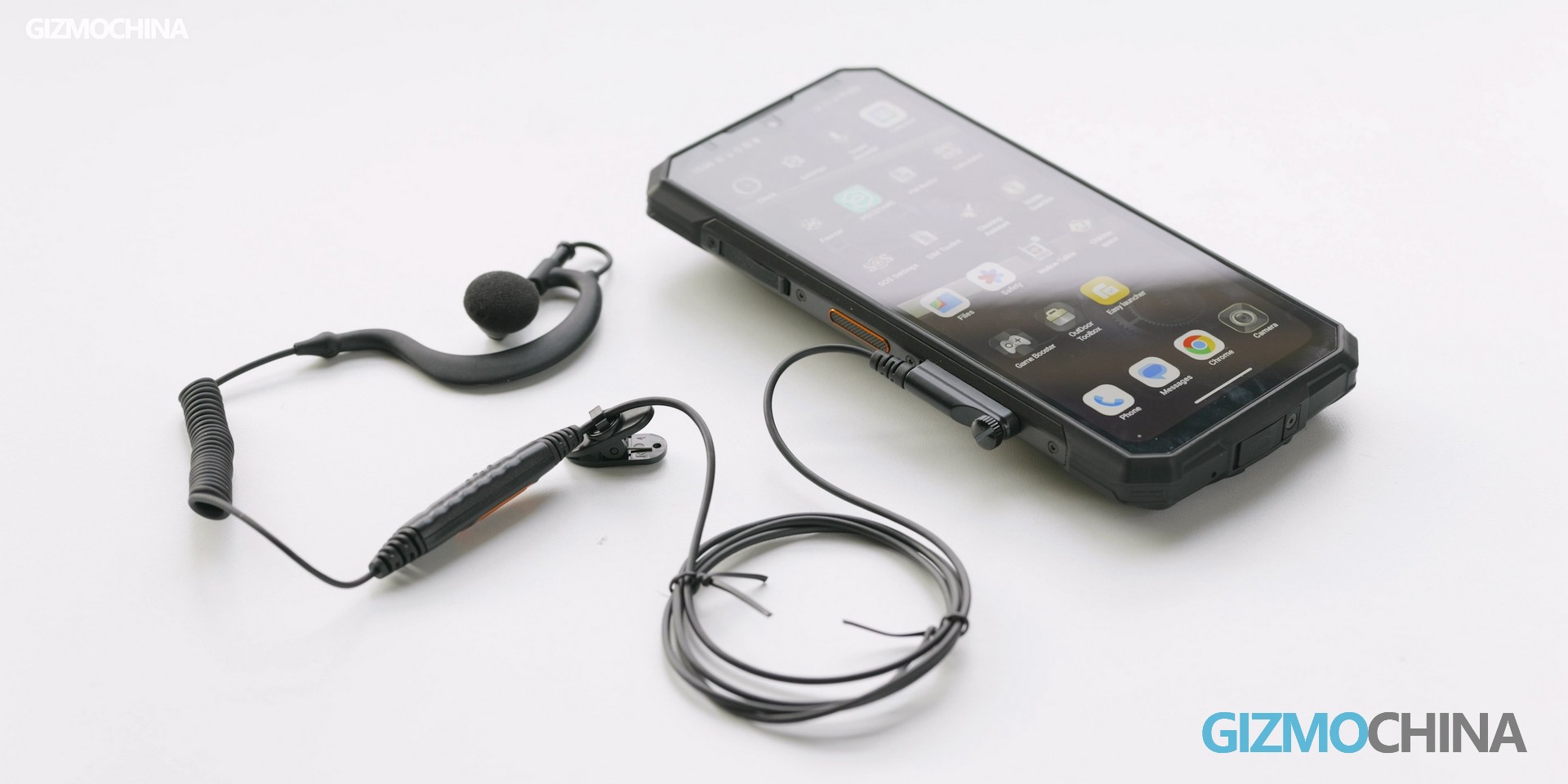
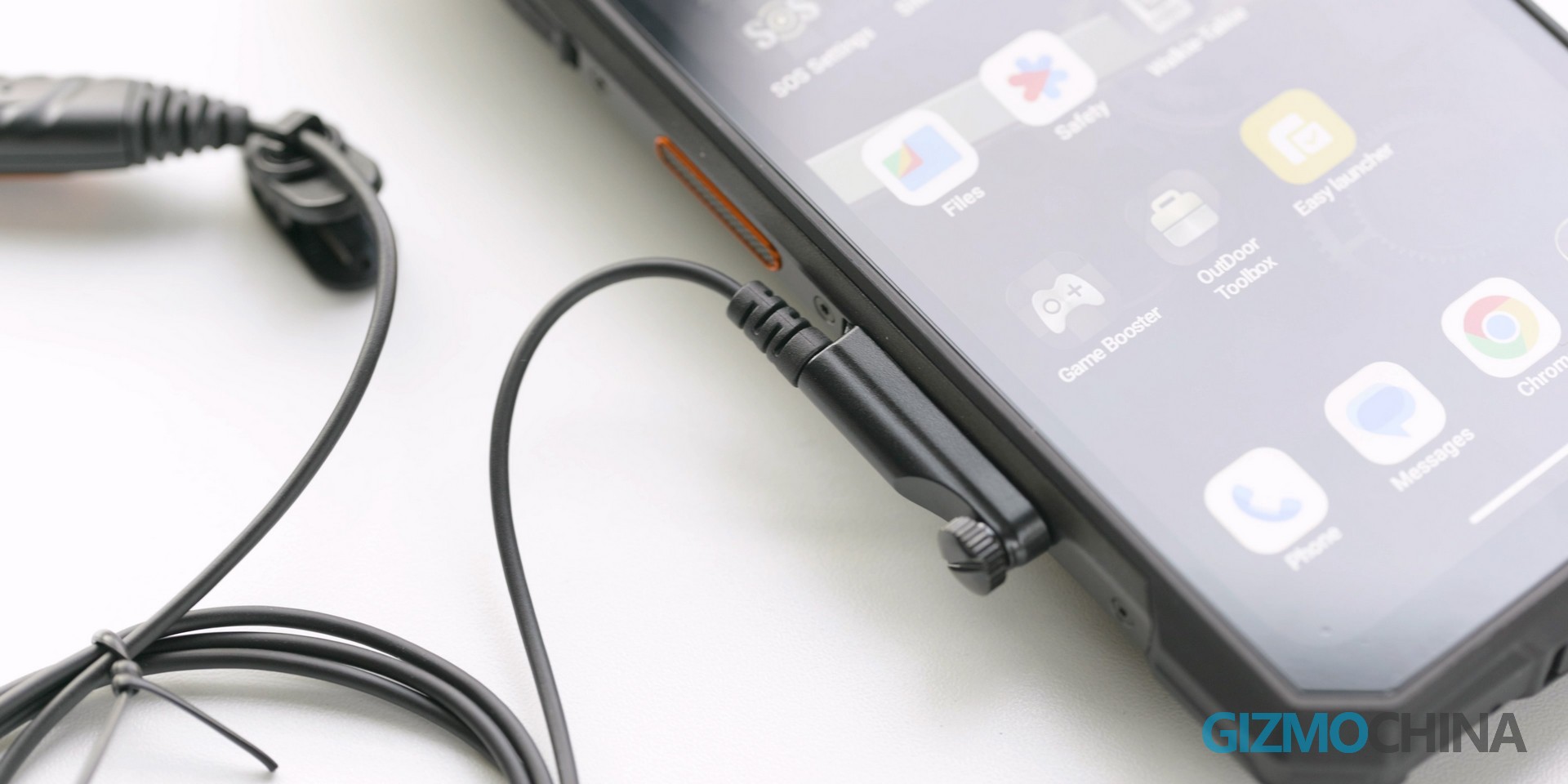
The Fire 7 Ultra is clearly the more professional tool when it comes to walkie-talkie performance. The included walkie-talkie headset connects via the contact pins on the side of the phone. Even in extreme environments such as heavy wind, engine noise, or fire scenes, it can still ensure clear and intelligible communication.
Battery Life

For rugged phones, battery life is always a key topic. In this regard, the Fire 7 Pro and Fire 7 Ultra continue DOOGEE’s long-standing “stack-the-specs” approach. Both phones are equipped with massive 13,000mAh batteries, enough to support multiple days of intensive outdoor use. If left on standby, they can last up to a month.

Both devices support 33W wired charging and 5W reverse charging. There is one area that could be improved: since the battery capacity is already larger than my power bank, it would be great if the reverse charging power were higher. That way, I could genuinely stop carrying an extra power bank to charge my other devices.


Other Features

In terms of core hardware, neither the Fire 7 Pro nor the Fire 7 Ultra aims for flagship-level performance. Instead, they opt for the MediaTek Dimensity 6300 platform, which prioritizes stability and power efficiency. This chipset is more than capable of handling navigation, PoC communication, multitasking, and everyday apps, while also helping to control heat and battery consumption.

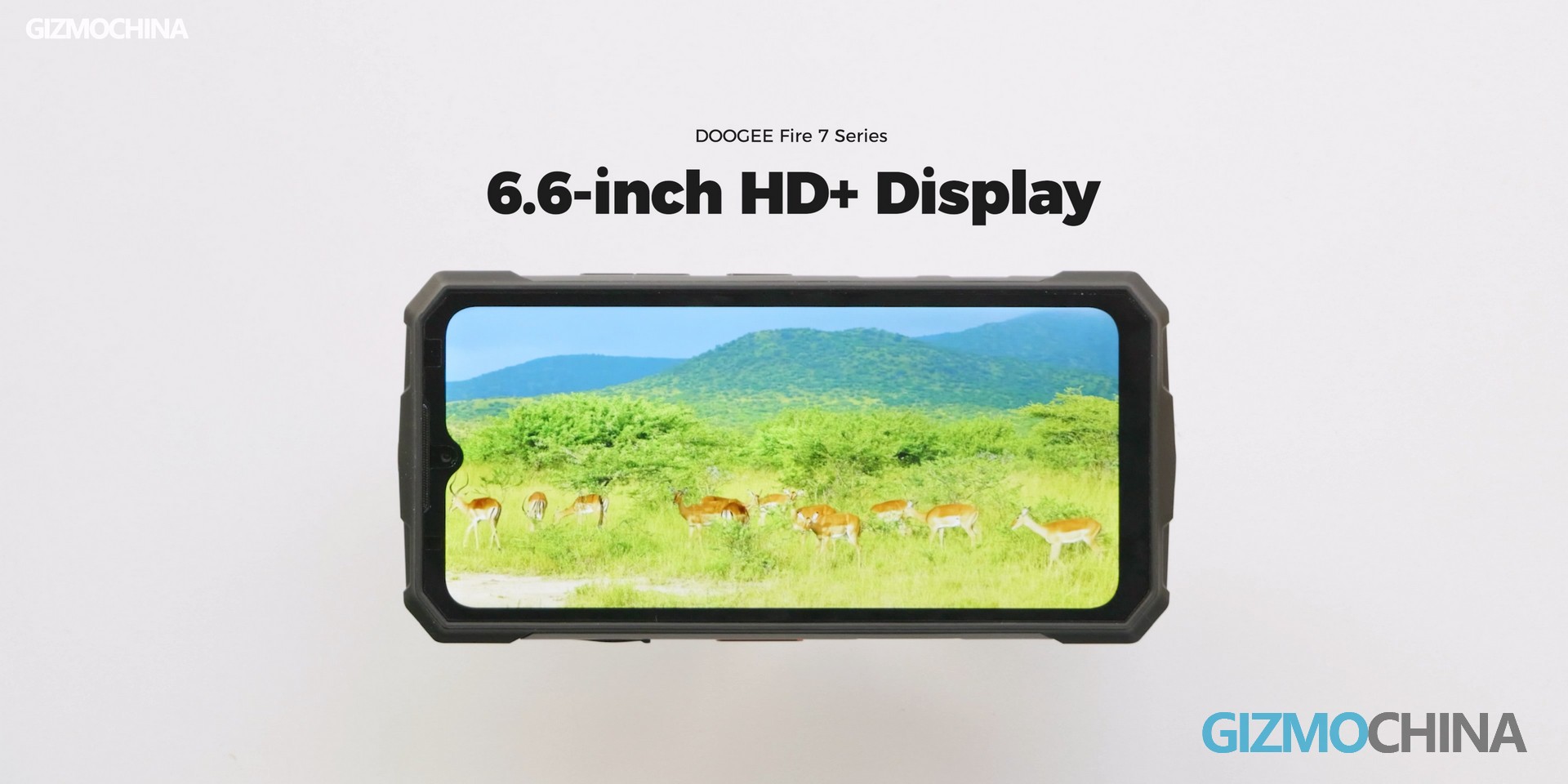
Both phones feature a 6.6-inch display with a 90Hz refresh rate.
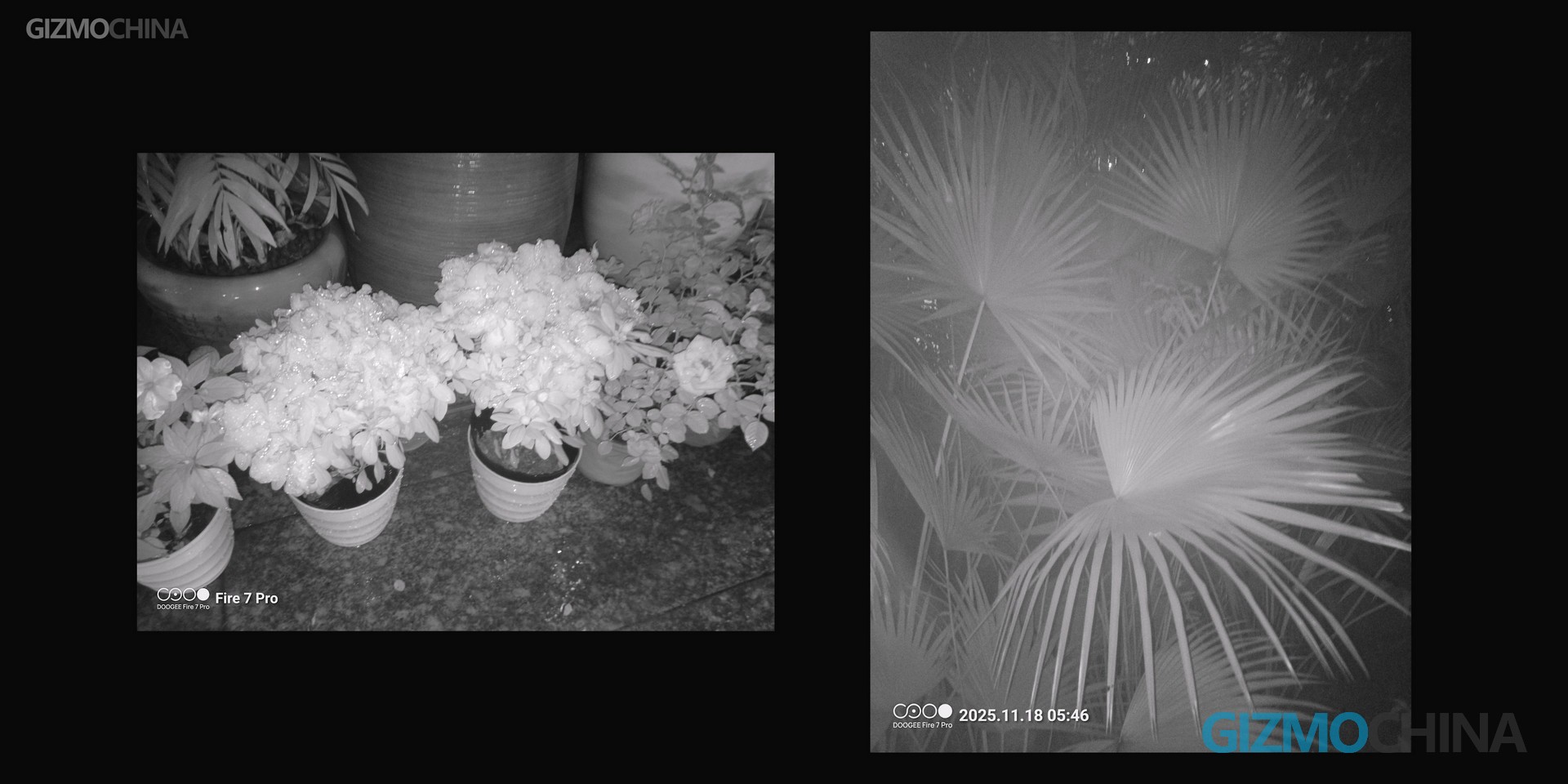
When it comes to cameras, both rely on a 64MP main sensor. The Fire 7 Pro stands out by adding a 20MP night vision camera, which is especially useful for camping or nighttime environments.

The Fire 7 Ultra, by comparison, focuses more on basic documentation and work-related evidence capture. Overall, this setup may not be flashy, but it’s stable, durable, and well aligned with the Fire series’ positioning as a tool-oriented phone.



Conclusion

The Fire 7 Pro and Fire 7 Ultra are not phones that try to please everyone. Their target users are clearly defined, and their roles are well differentiated. If you’re an outdoor enthusiast, a camping fan, or someone into hiking or light exploration, and you want a phone that can handle lighting, night photography, and quick team communication, the Fire 7 Pro offers a very appealing combination of features.
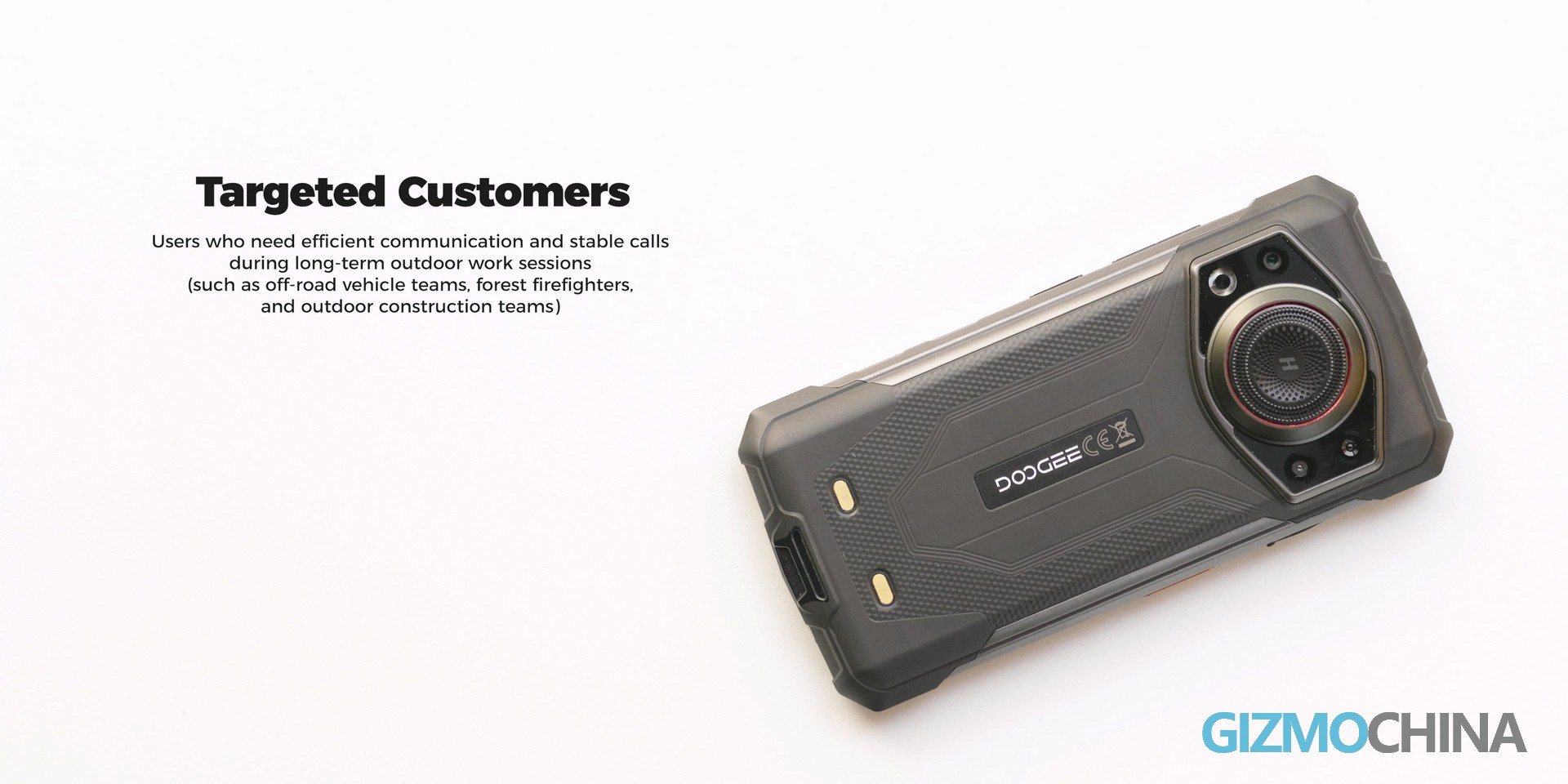
If you’re part of an off-road vehicle team, forestry patrol, or firefighting-related profession, and what you need is reliable walkie-talkie performance, clear command transmission, and dependable battery life, then the Fire 7 Ultra is clearly the tool designed for you. They may not be “value-for-money phones” in the traditional sense, but they do deliver on the promise of “All Tools, One Phone” in a very thorough way.

The post DOOGEE Fire 7 Pro & Ultra Review: “All Tools, One Phone” appeared first on Gizmochina.

HUAWEI FreeBuds Pro 5 Review: The New Benchmark for ANC Earbuds

Introduction

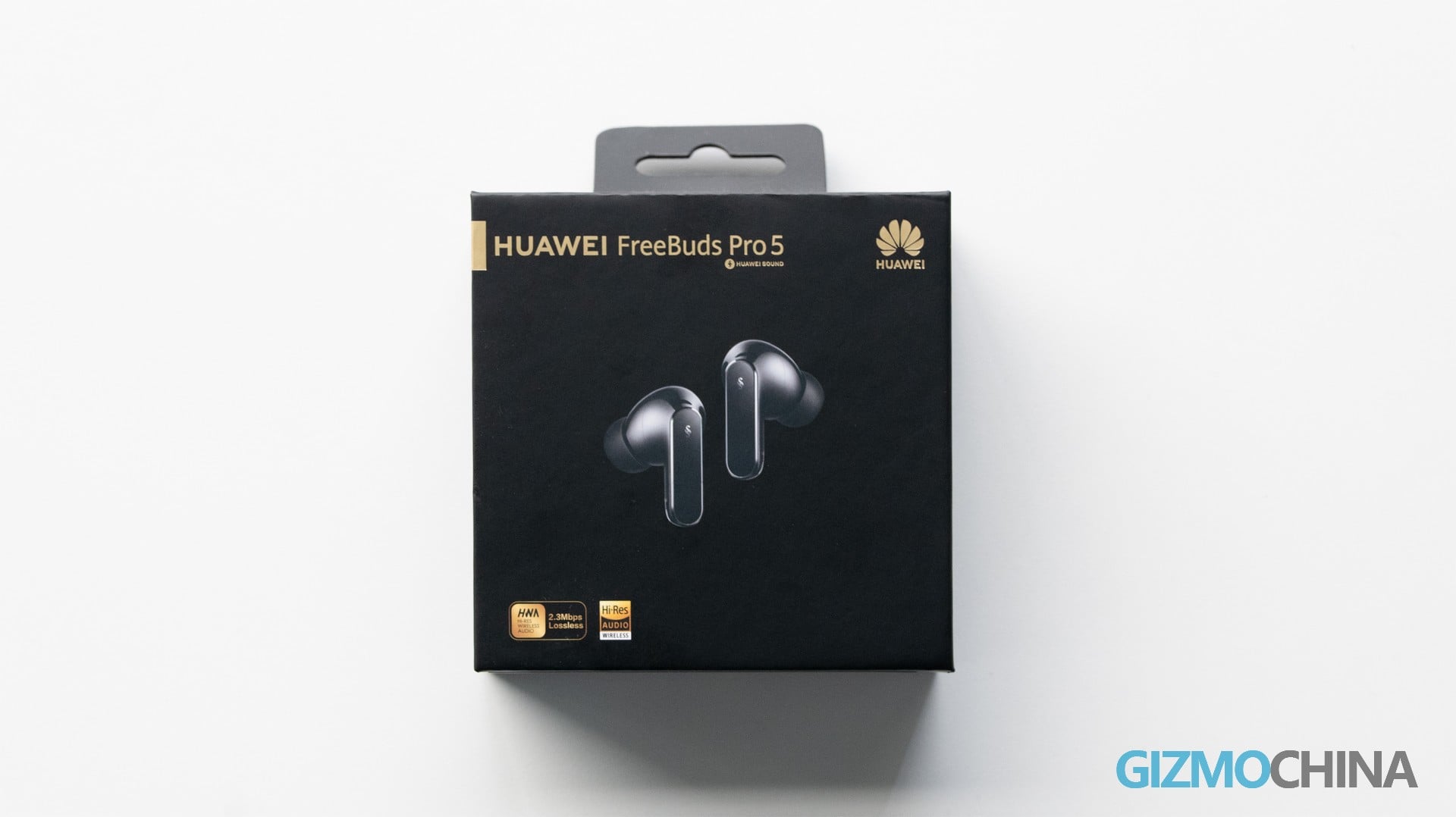
Seeking a premium alternative to the AirPods Pro outside the Apple ecosystem? For Android users demanding excellence in build quality, acoustic performance, controls, design, and feature set, the answer has arrived. HUAWEI continues to close the gap between platforms, and the FreeBuds Pro 5 represents its most compelling statement yet.
After extensive hands-on testing, my assessment is unambiguous: alongside the AirPods Pro, the FreeBuds Pro 5 currently stands as one of the two finest true wireless earbuds available—period.

Design & Comfort

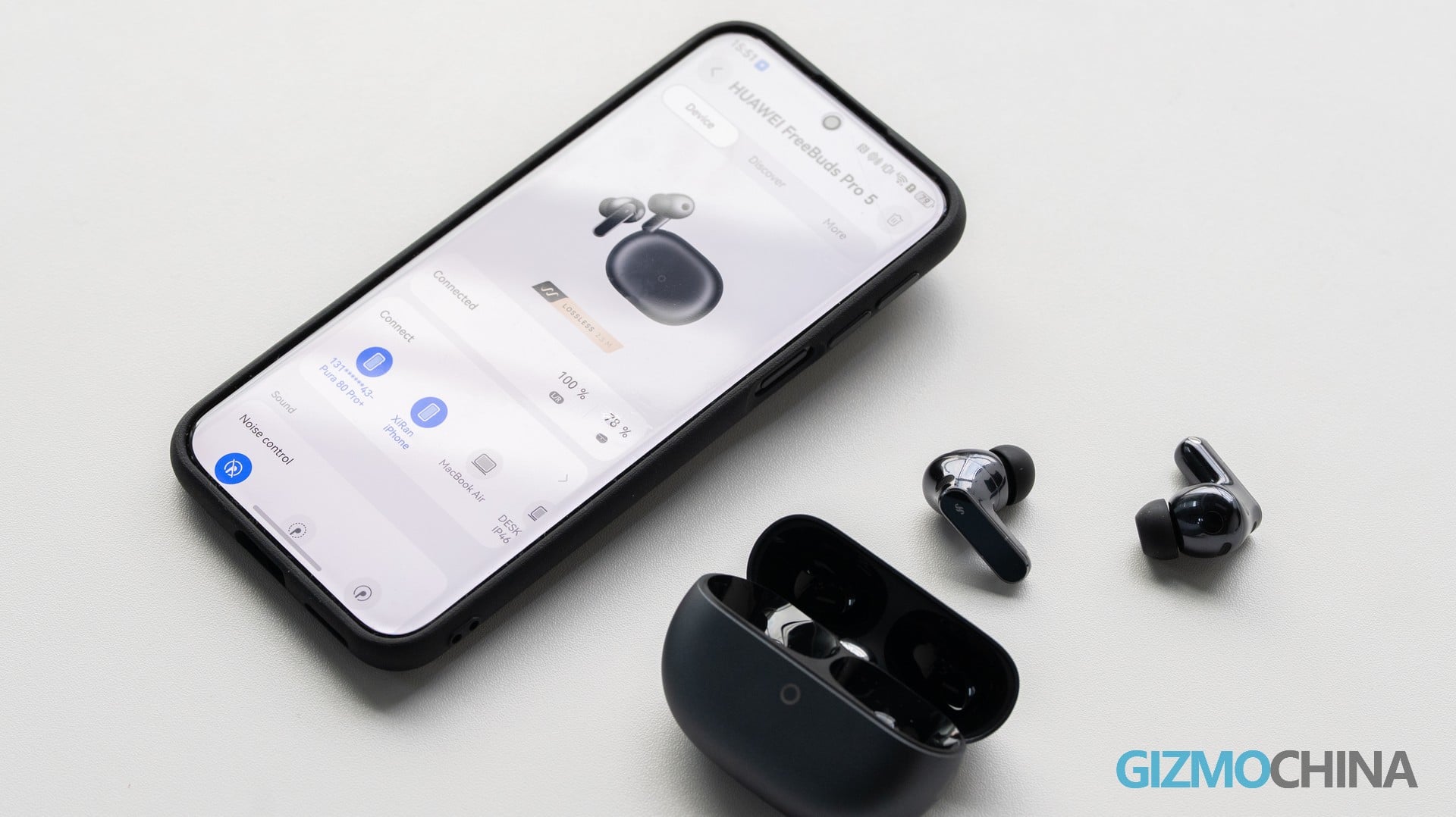
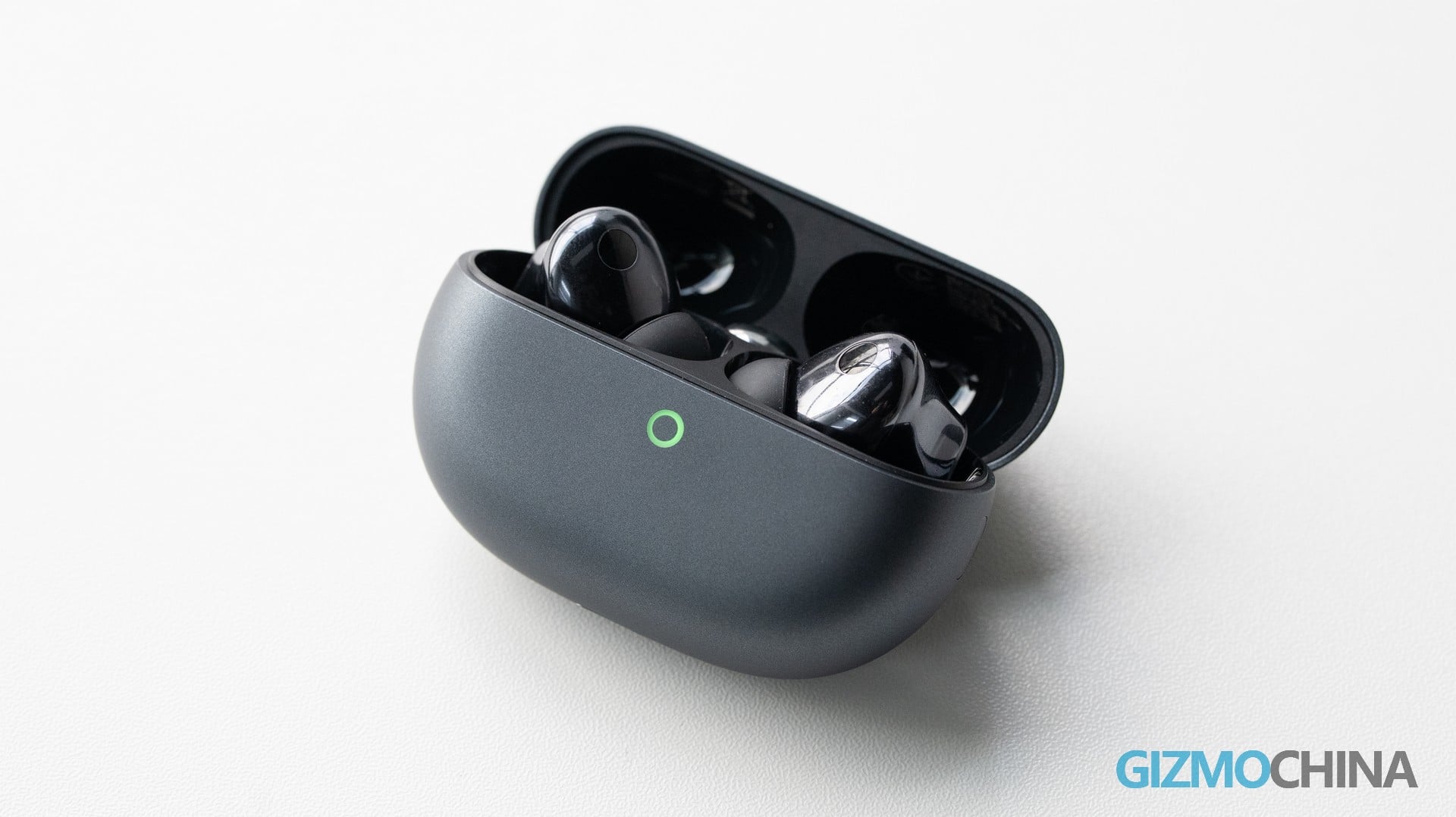
The FreeBuds Pro 5 adheres to the established design language of its predecessors, retaining the familiar oval charging case. Yet HUAWEI has refined numerous details with precision. The front indicator light now sits within an elegant circular ring, while the lid hinge has been seamlessly concealed from view. Particularly noteworthy is the ingenious unification of the speaker grille and charging port into a single structural element—among the most thoughtful industrial design choices I’ve encountered—yielding a notably cleaner silhouette.The matte finish of the charging case delivers a satisfying tactile quality, though users should exercise caution: the smooth surface offers minimal grip and can prove somewhat slippery in hand.

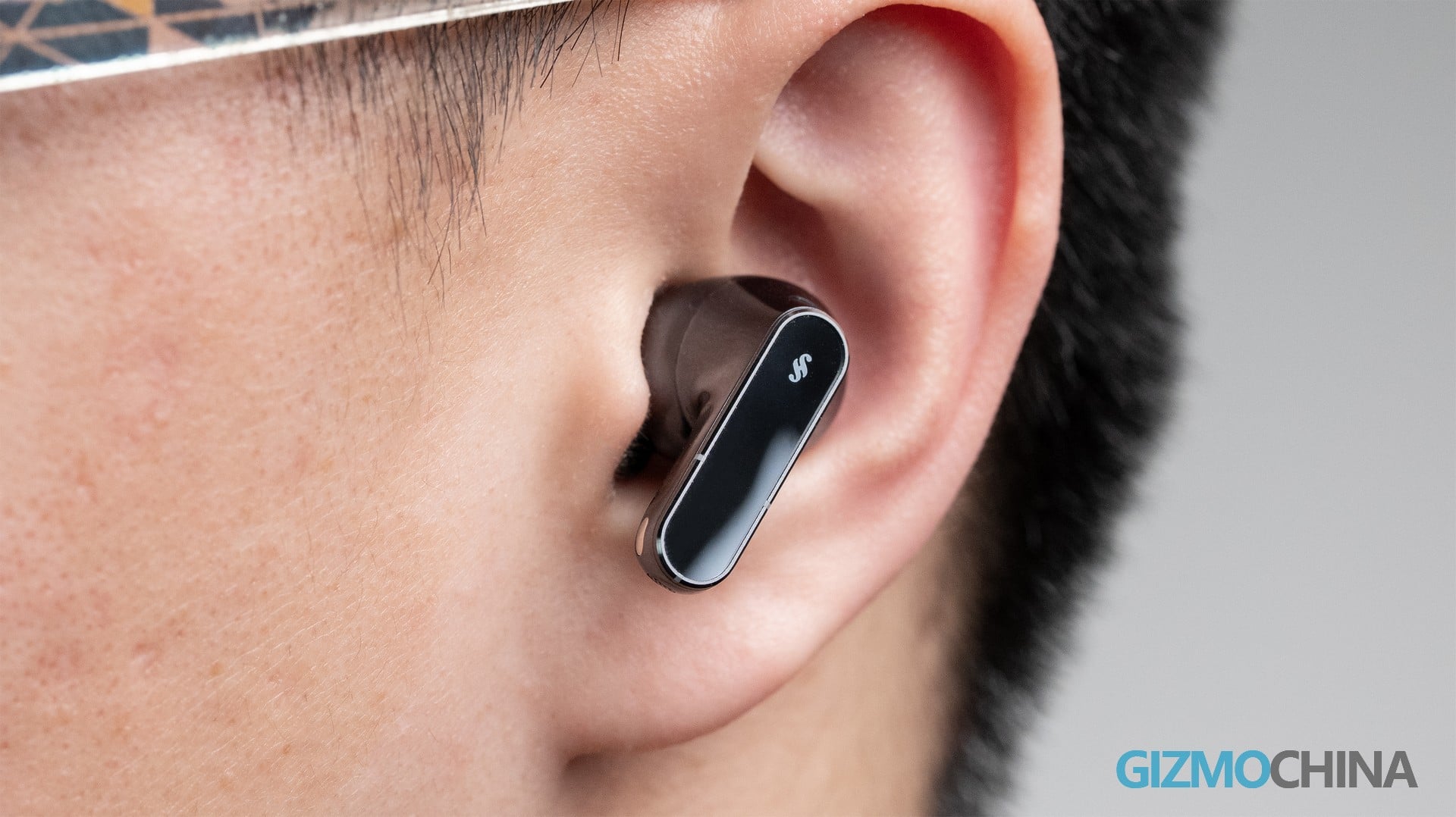
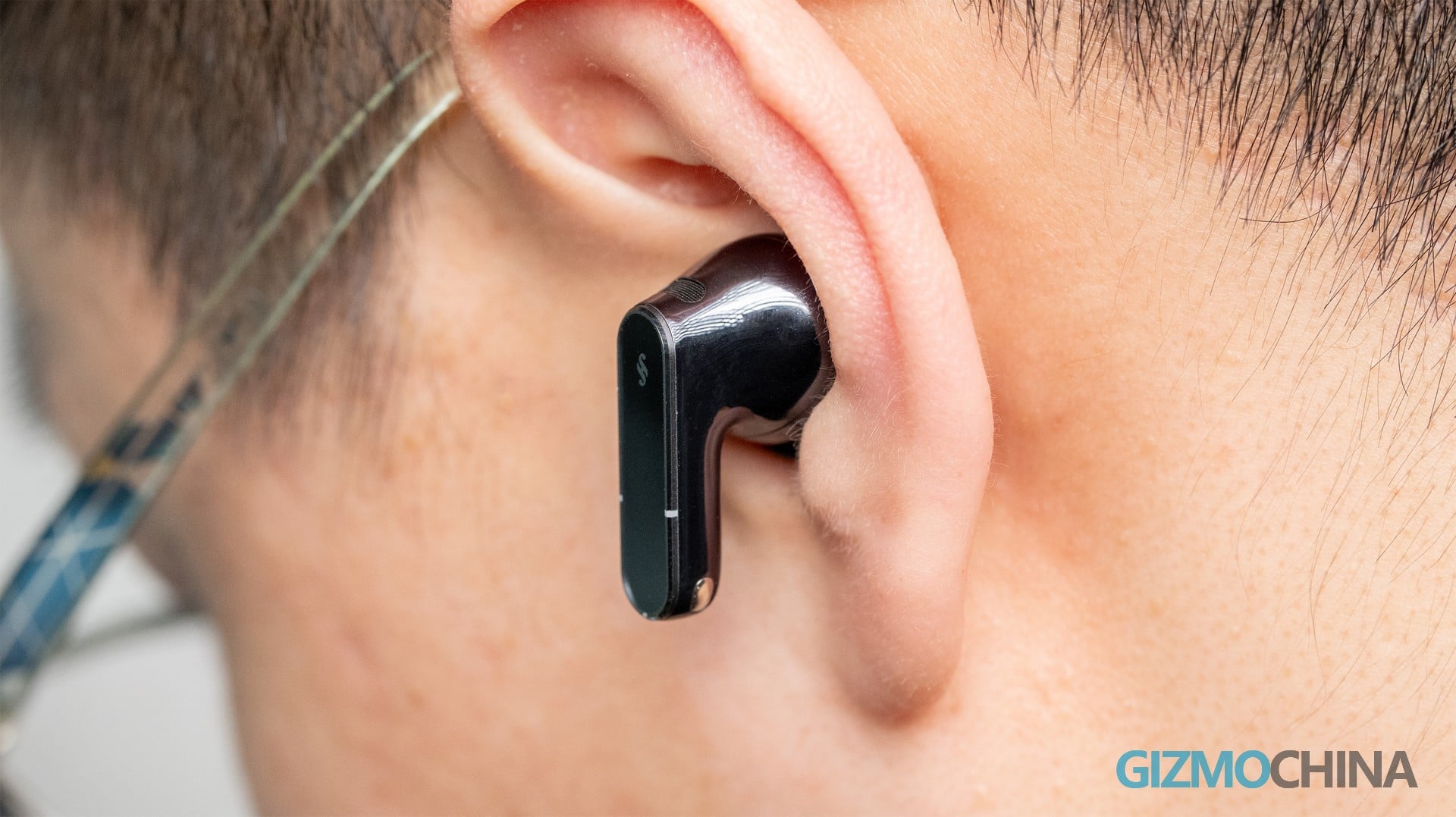
The earbuds themselves have undergone the most noticeable changes. The battery section is made with a combination of glass and metal materials, and the HUAWEI SOUND logo highlights the flagship status of these earbuds. Each FreeBuds Pro 5 earbud weighs only 5.5 grams, which is 0.3 grams lighter than the previous generation, and the overall size has also been reduced by 10%. I once wore them from nine to six during a full workday without taking them off, and I did not experience any discomfort. They truly manage to be both stylish and comfortable.

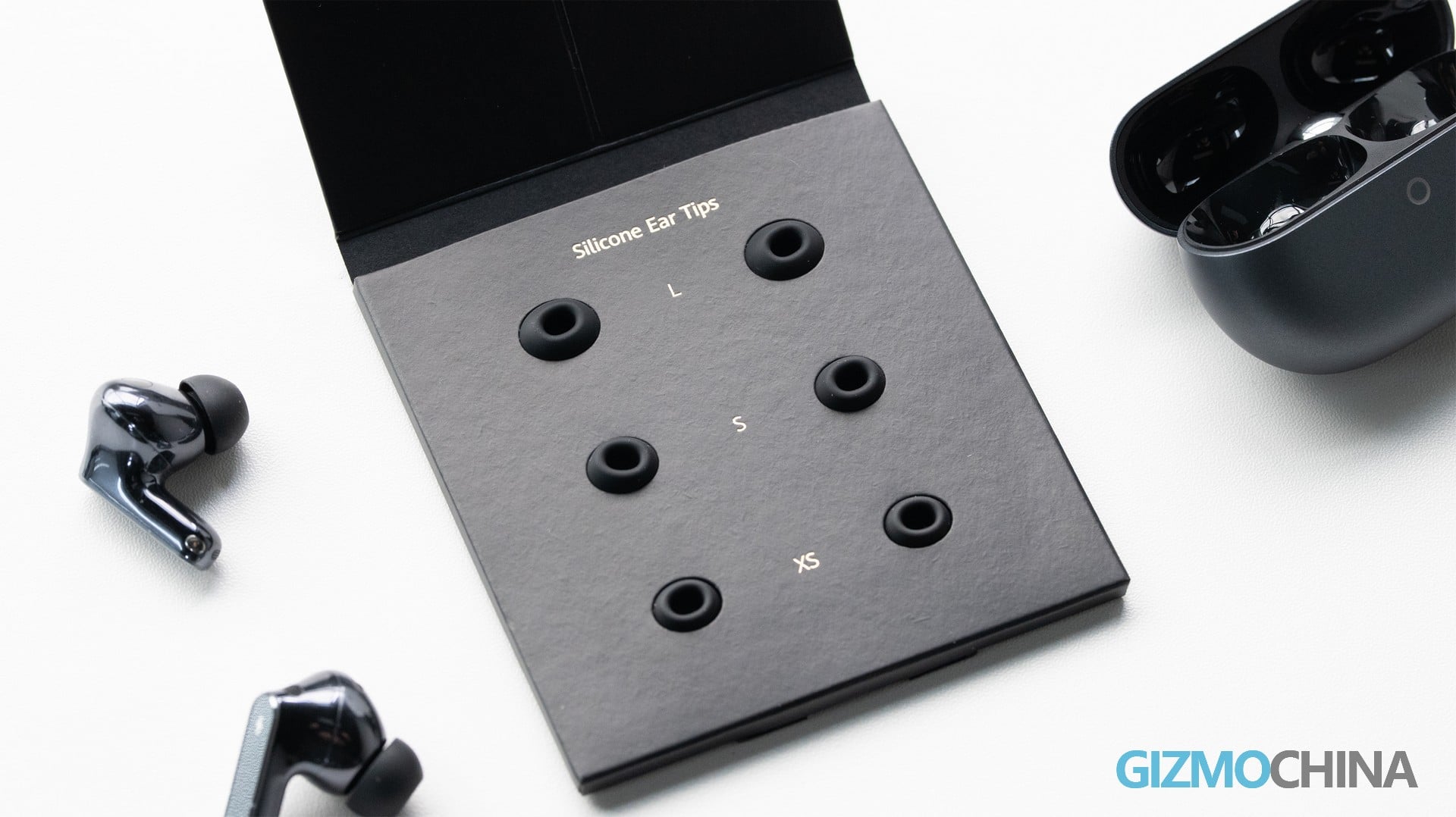
Inside the box, three sets of silicone ear tips of different sizes are included. If you want to try different types of ear tips, HUAWEI also offers memory foam tips in its store. There is even a dedicated audio setting specifically designed for these tips.


Controls & Features

The FreeBuds Pro 5 offers three input methods: swipe gestures, pinch controls, and tap commands. Swiping and pinching will feel immediately familiar to AirPods Pro veterans, while tapping remains the standard across most Android and third-party alternatives. This comprehensive approach ensures that regardless of your established muscle memory, the FreeBuds Pro 5 accommodates your preferences with minimal adaptation required.
The feature set extends beyond basic controls, and it’s clearly designed to compete directly with the AirPods Pro. Call management via head gestures—answering or declining by nodding or shaking—alongside automatic volume adjustment based on ambient noise levels, positions the FreeBuds Pro 5 among the most intelligently adaptive earbuds in its class.

In fact, the dual-device connection capability may render the FreeBuds Pro 5 superior to the AirPods Pro for multi-device workflows. For users operating across ecosystems—such as those with a Windows workstation alongside mobile devices—seamless switching between sources proves remarkably efficient.
Spatial audio with head tracking extends to virtually any paired device, including Windows PCs, Android handsets, and even iOS hardware. This degree of platform-agnostic feature parity is genuinely impressive, and notably rare in the current market.

The sole functional advantage held by the AirPods Pro is direct camera control from the earbuds—a minor concession in the broader feature landscape. Beyond this single exception, the AirPods Pro offer no meaningful functional superiority.


Sound Quality

Unlike Apple, HUAWEI’s pursuit of sound quality seems to have no limits. HUAWEI FreeBuds Pro 5 uses advanced digital cross-over technology based on its third-generation audio chip with dual DSPs. This chip includes two professional audio DACs. The audio source is split by the DSPs, and each DAC independently drives the low-frequency and high-frequency drivers. This results in a 200% improvement in digital cross-over precision and a 50% reduction in DAC noise.

The FreeBuds Pro 5 sounds fuller and more engaging than most rivals. The dual-driver setup—with separate processing for bass and treble—delivers punchier lows and clearer mids, so vocals stand out with real presence. Where the AirPods Pro 3 can sound a bit muffled, Huawei’s tuning feels more open and immediate. The soundstage is wide, with background details crisp rather than buried. It’s a musical, immersive presentation rather than a digital-simulated one—and for most listeners, that’s a definite strength.

Of course, in order to satisfy different listening preferences, FreeBuds Pro 5 also provides a variety of EQ presets as well as customizable EQ options. The absence of these features is one of the reasons why some music enthusiasts are not particularly fond of AirPods Pro.


Noise Cancellation & Transparency

HUAWEI FreeBuds Pro 5 is the first-ever dual-driver ANC earbud that uses both an ultra-linear dual-magnet driver and an ultra-thin micro planar diaphragm driver to emit inverted-phase sound waves that counteract external environmental noise. Both acoustic units work together to generate counter-noise, while a new MIMO AI sensing model actively detects the surrounding environment and adjusts parameters in real time—improving overall noise reduction performance to 220% compared with Huawei FreeBuds Pro 4.

As shown in the chart, the maximum noise reduction depth can reach up to 47 dB. Wind noise suppression is also very impressive. When encountering strong wind, the earbuds will moderately reduce the noise cancellation intensity to prevent wind noise from becoming too noticeable.


Advantages for HUAWEI Phone Users

The features mentioned above are available to both Android phones and iPhones. However, since these are HUAWEI earbuds, connecting them to HUAWEI phones naturally unlocks some exclusive advantages.

The most notable one is 2.3 Mbps lossless audio. When paired with certain HUAWEI phones and using HUAWEI’s self-developed L2HC 4.0 codec technology, the transmission speed can reach up to 2.3 Mbps, delivering 48 kHz / 24-bit lossless audio quality. Even if you are using an older HUAWEI device, such as the Pura 70 Pro, the transmission speed can still reach 1.5 Mbps.

Some additional features, such as voice message announcements and certain health-related options, are also exclusive to HUAWEI phone users.


Battery Life

Officially, HUAWEI claims that FreeBuds Pro 5 can last up to 9 hours with ANC turned off, and around 6 hours with ANC turned on. In practical terms, that means charging the earbuds once during lunch is enough to keep them running throughout the rest of your workday.

During my usage, I never actually managed to drain the battery completely. In-ear earbuds usually need to be taken off occasionally to let your ears rest anyway. In short, battery life is definitely not a weak point of the FreeBuds Pro 5.


Conclusion

The HUAWEI FreeBuds Pro 5 delivers exceptional performance across nearly every metric. Frankly, with the series now in its fifth generation, it’s genuinely difficult to identify any glaring weaknesses. If the price gives you pause, consider this: the AirPods Pro, which falls a bit short on sound quality, commands an even higher premium. From that vantage point, HUAWEI’s pricing feels entirely justified.
In my assessment, the FreeBuds Pro 5 establishes a new benchmark for ANC earbuds. If your budget sits above $200, this pair deserves a spot on your shortlist.

The post HUAWEI FreeBuds Pro 5 Review: The New Benchmark for ANC Earbuds appeared first on Gizmochina.

❌