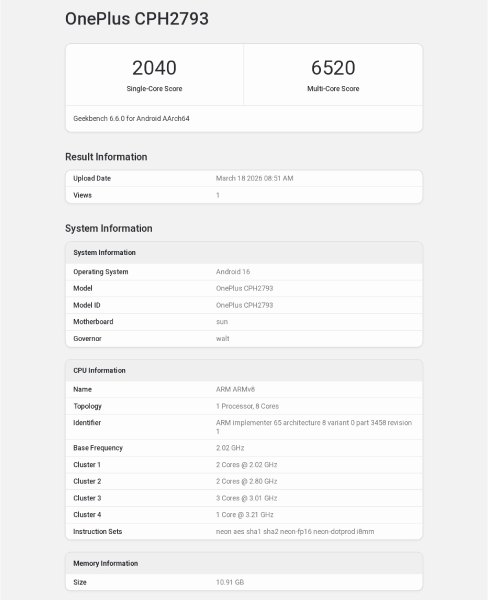
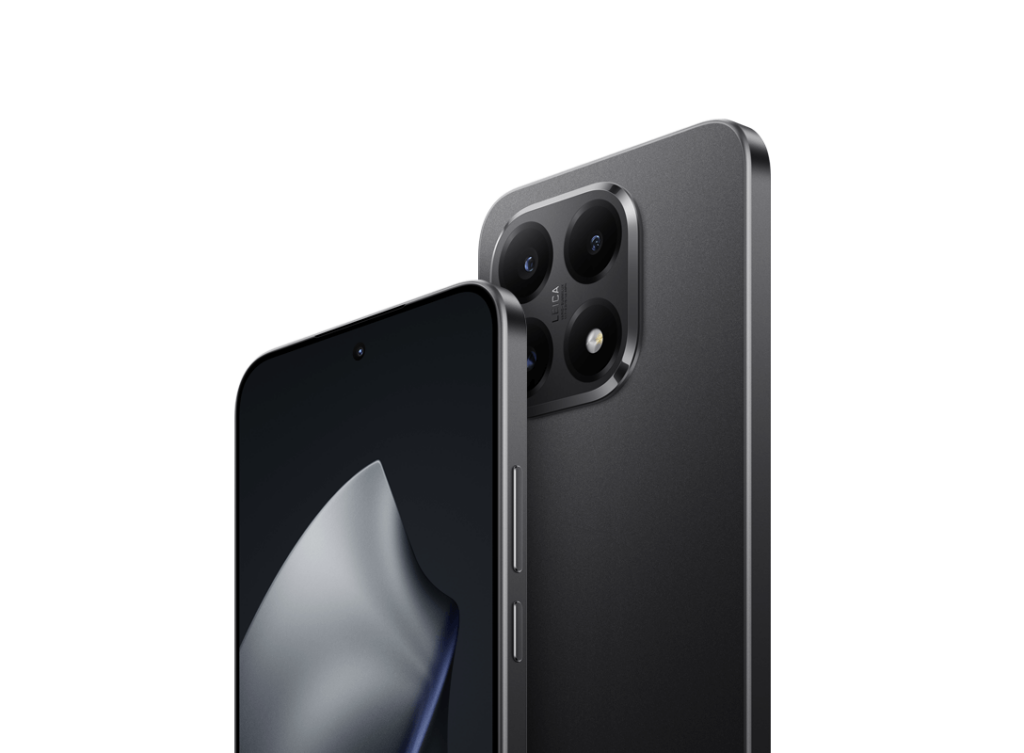
OnePlus has started teasing a new Nord phone in India, and all signs point to it being the upcoming Nord 6. Ahead of its official debut, the device has appeared on Geekbench with model number CPH2793.
According to the benchmark listing, the phone is powered by the Qualcomm Snapdragon 8S Gen 4 chipset. The configuration includes a prime Arm Cortex‑X4 core clocked at 3.21GHz, alongside a cluster of Arm Cortex‑A720 performance cores running at different speeds. Graphics duties are handled by the Adreno 825 GPU.
The benchmark numbers themselves look promising. The Nord 6 scores 2,040 in single-core tests and 6,520 in multi-core on Geekbench. Synthetic benchmarks don’t always tell the whole story, but these figures suggest the device should have plenty of horsepower for gaming, multitasking, and heavier apps.
The listing also confirms 12GB of RAM and the presence of Android 16.
OnePlus Nord 6 could borrow from Turbo 6
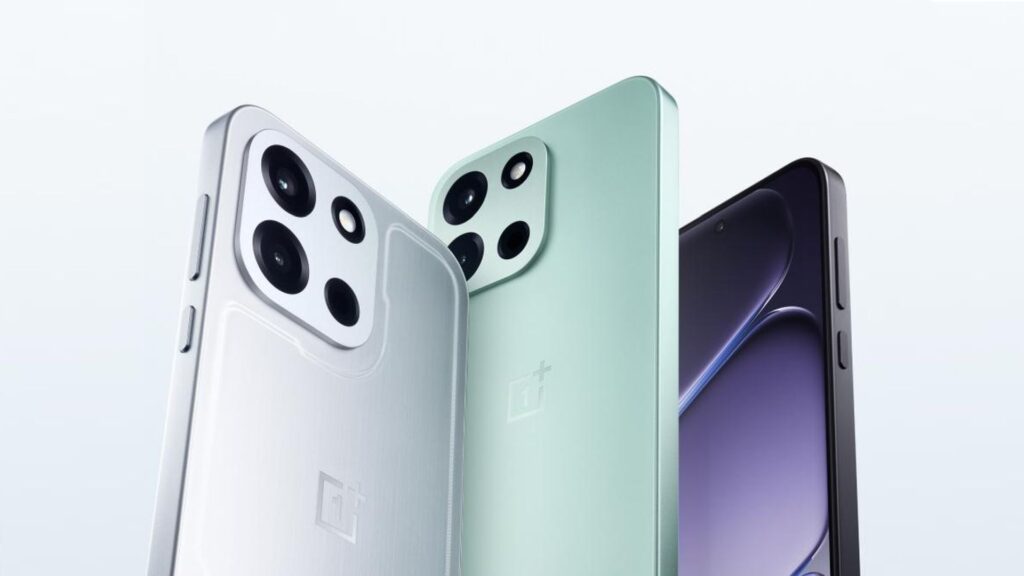
If earlier reports are accurate, the Nord 6 could borrow several specs from the OnePlus Turbo 6. That may include a 6.78-inch AMOLED display with a 1.5K resolution and possibly a 165Hz refresh rate. Another standout feature could be a massive 9,000mAh battery paired with 80W fast charging.
OnePlus Turbo 6
Alongside the Nord 6, OnePlus may also introduce the OnePlus Nord CE 6. It recently appeared in India’s Bureau of Indian Standards certification database. That model is expected to target a more affordable segment of the market.
OnePlus hasn’t confirmed a launch date just yet, but early reports suggest the Nord 6 series could make its global debut around April 2026. India is likely among the first markets to get it. We will keep you in the loop if we receive new details on it.
Xiaomi is continuing its steady push into large language models. After introducing MiMo-7B in May 2025 and following it up with MiMo-V2-Flash in December, Xiaomi has now announced three new models: MiMo-V2-Pro, MiMo-V2-Omni, and MiMo-V2-TTS.
All three are already being integrated across Xiaomi’s own ecosystem, including MiMo Studio, Xiaomi Browser, and Kingsoft Office, while also being accessible through developer tools like OpenClaw, OpenCode, and Cline. There’s also a one-week free trial for developers.
Xiaomi MiMo-V2-Pro
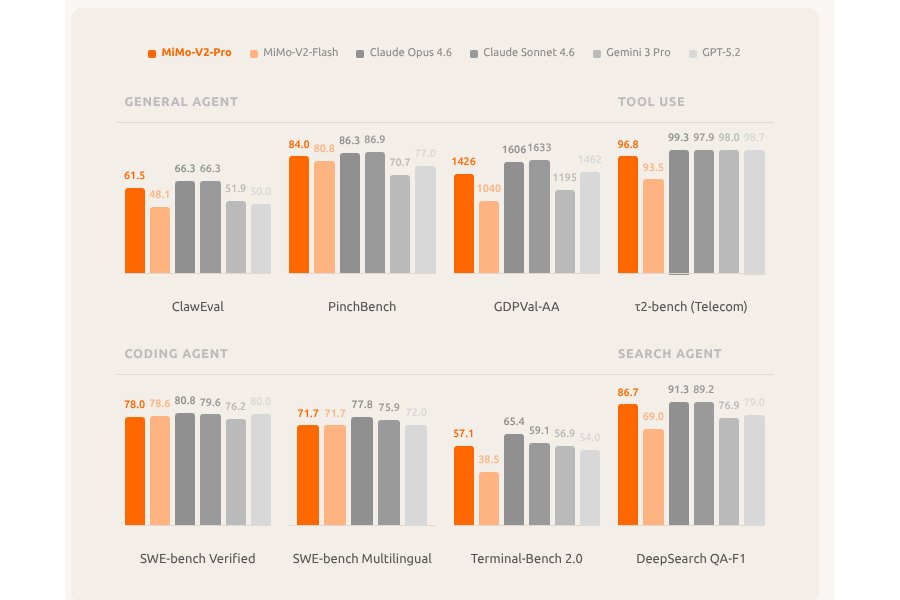
The headline model here is MiMo-V2-Pro, which Xiaomi positions as its flagship for what it calls the “agent era.” It’s built for heavy, real-world workloads, with more than 1TB of total parameters and a 1MB context window.
Xiaomi claims MiMo-V2-Pro can handle complex tasks like workflow orchestration and long-term planning without human input, especially within agent frameworks. The company also says its performance is close to models like Claude Opus 4.6, while costing significantly less to use via API. Pricing starts at $1 per million tokens for input within smaller contexts, scaling up for larger ones.
The model is integrated into Kingsoft’s WPS Office tools, where it can work across Word, Excel, PowerPoint, and PDFs.
Xiaomi MiMo-V2-Omni and MiMo-V2-TTS
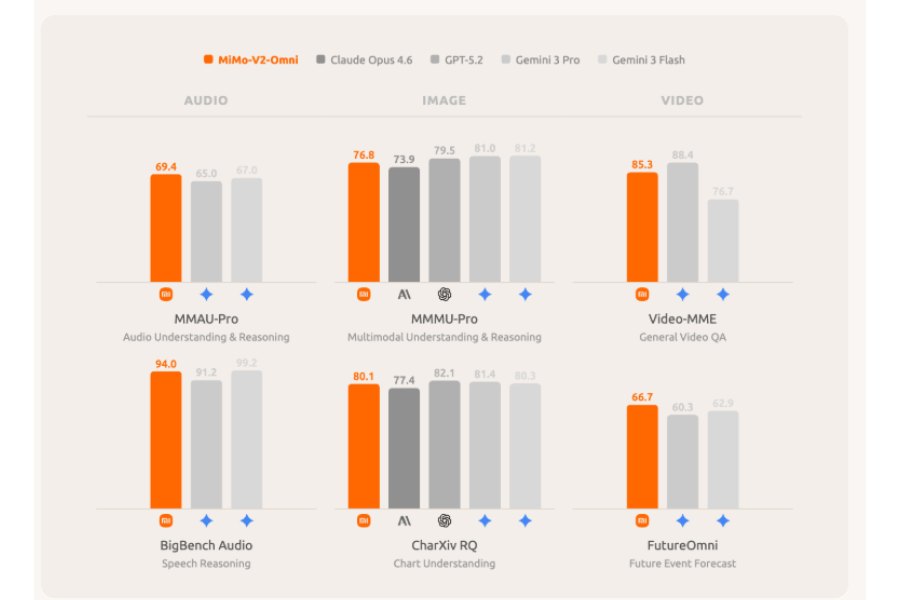
MiMo-V2-Omni takes a different approach to focus on multimodal tasks. It’s designed to process audio, images, and video together, with Xiaomi claiming strong performance in areas like audio understanding and visual reasoning.
The model can handle long audio inputs, multi-speaker scenarios, and combined audio-video analysis, which points to broader use cases beyond text. Xiaomi says its audio understanding even surpasses models like Gemini 3 Pro in some cases.
Meanwhile, MiMo-V2-TTS is Xiaomi’s speech synthesis model. Here, you can adjust tone, emotion, and speaking style at a detailed level. Xiaomi says it can handle everything from natural conversation to singing, with support for multiple Chinese dialects.
All three models are now available via Xiaomi’s API platform, with relatively aggressive pricing. Most large tech companies are building similar stacks of text, multimodal, and voice models. What stands out is how quickly Xiaomi is iterating and how tightly these models are being woven into its existing software ecosystem.
For more daily updates, please visit our News Section.
It’s been just three months since Huawei announced the Nova 15 series, but rumors of its successor have already started surfacing on the web.
According to tipster Digital Chat Station, a prototype device from a “certain manufacturer” is currently being tested with a 6.84-inch 1.5K LTPO display.
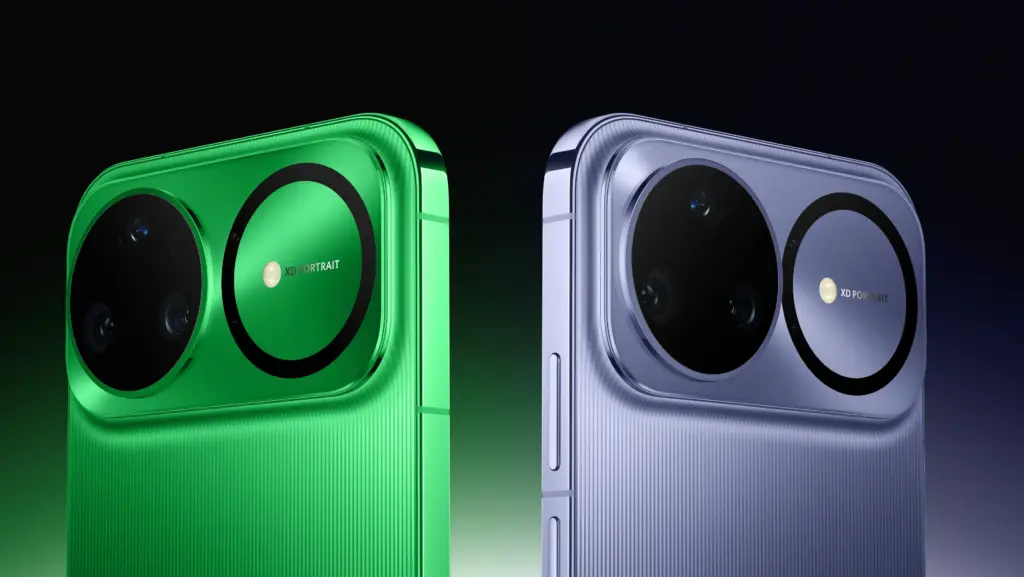
While the leak doesn’t reveal the name, the hints in the comment section suggest the device could be part of the Huawei Nova 16 series. In particular, the Nova 16 Ultra.
Huawei Nova 16 Ultra Specifications (Expected)
The leak also mentions a “9-series flagship processor,” which likely corresponds to the Kirin 9000 series SoC. Moreover, the device is said to feature a battery capacity of around 7000mAh.
On the camera side, the prototype is said to feature a newly tested 50-megapixel sensor in the 1/1.3-inch range. This is paired with a 50MP periscope telephoto lens, though with a smaller sensor, and a multispectral lens. Rounding out the specs in this leak is wireless charging.
For context, the previous Nova 15 lineup launched late last year with Kirin 8020 and 9010S chipsets, starting at 2699 yuan. The Ultra variant also introduced a distinctive dual “red maple leaf” design across both the front and back.
The leak also briefly touches on competitors. In a reply, DCS notes that Oppo is expected to keep its focus on 200-megapixel cameras for the Reno 16 series, along with a more detailed back design. Another comment suggests that at least one manufacturer may revisit curved displays later this year.
As always with early leaks, details could change before launch. So take these details with a pinch of salt.
For more daily updates, please visit our News Section.
Wireless gaming earbuds have quietly become a category of their own. A few years ago, gamers who wanted low-latency audio usually had to rely on bulky over-ear headsets. True wireless earbuds were convenient, but they often struggled with delay, unstable connections, or weak microphones.
Skullcandy Ink’d ANC TWS Earbuds
Things are changing now. Several companies have started building earbuds specifically for gaming, often combining Bluetooth with a low-latency 2.4GHz wireless dongle. This way, you get the portability of earbuds but with the responsiveness of a gaming headset.
If you’re looking for the best gaming TWS earbuds in March 2026, the options are limited, but a few are good at what they promise.
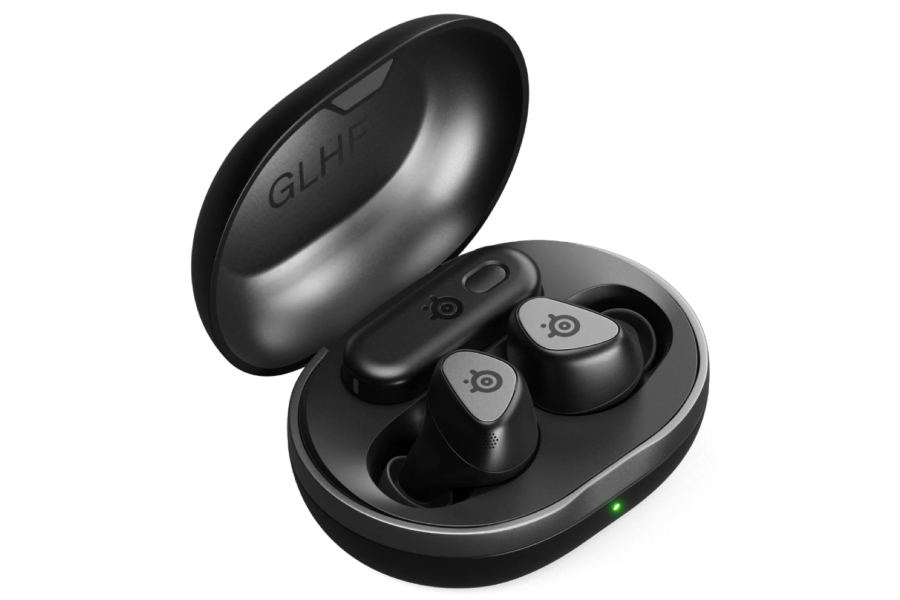
SteelSeries Arctis GameBuds
The SteelSeries Arctis GameBuds are an example of how gaming earbuds have evolved in 2026. Instead of relying purely on Bluetooth, they ship with a USB-C dongle that uses a dedicated 2.4GHz wireless connection for lower latency.
Using the dongle, the earbuds can connect to devices like PlayStation, PC, Nintendo Switch, and even some handheld gaming systems. Bluetooth 5.3 is also included for regular phone use, so you can switch between gaming and everyday listening fairly easily.
SteelSeries also leans heavily on software customization. Through its companion app, users get access to parametric EQ settings and over 100 game-specific audio presets designed to emphasize sounds like footsteps or directional cues.
The earbuds deliver around 10 hours on a single charge, with the charging case extending that to roughly 40 hours total. The case supports both USB-C charging and Qi wireless charging.
Add active noise cancellation and spatial audio support, and the Arctis GameBuds start to feel like a full gaming headset in a much smaller package.
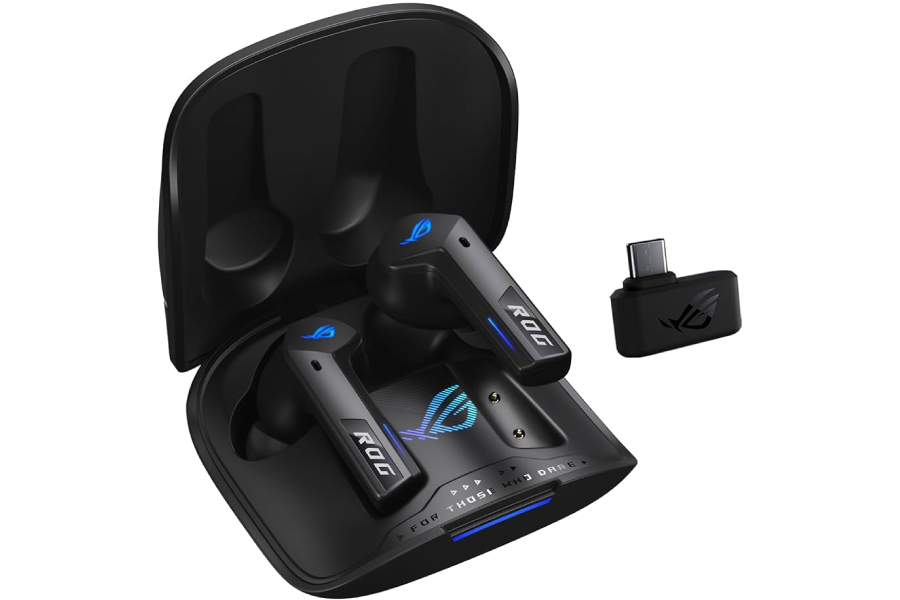
ASUS ROG Cetra SpeedNova
From the visuals themselves, the ASUS ROG Cetra SpeedNova confirms they are made for gaming.
Like several gaming earbuds, the Cetra SpeedNova uses dual-mode connectivity: traditional Bluetooth for everyday use and a proprietary 2.4GHz SpeedNova wireless connection for gaming. This dedicated wireless mode is designed to reduce delay so audio stays in sync with gameplay.
The earbuds also focus heavily on sound hardware. ASUS is using large 14.2mm drivers with a diamond-like carbon coating to deliver clearer highs and deeper bass than typical earbuds.
The Cetra SpeedNova isn’t just built for competitive play. ASUS has also included sound modes such as Phantom Bass and Immersion Mode, which are designed to enhance low-end audio or reduce environmental noise depending on the situation.
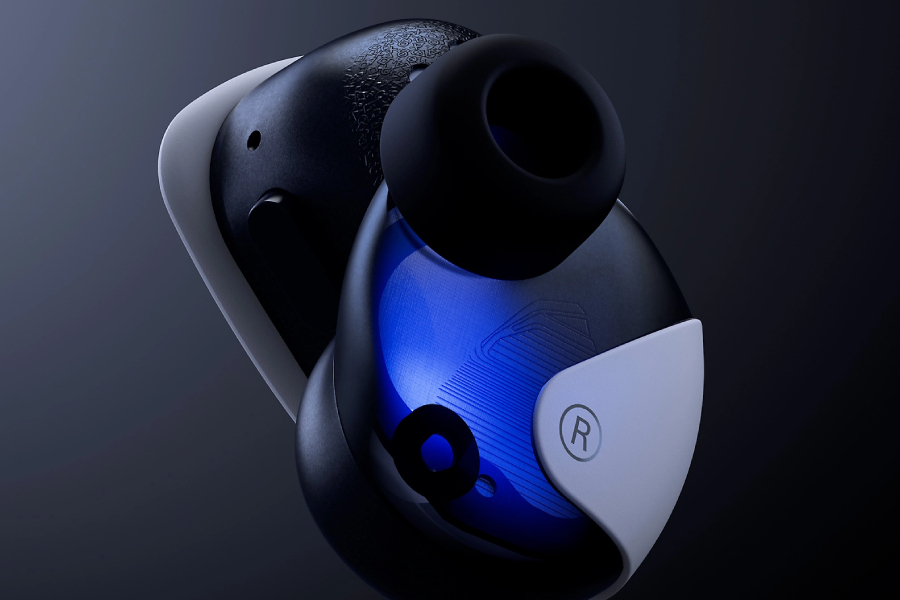
Sony Pulse Explore (2026 update)
Sony’s Pulse Explore earbuds were originally designed as companions for the PlayStation ecosystem, but the 2026 update expands their appeal slightly.
The biggest advantage here is Sony’s proprietary PlayStation Link wireless technology, which delivers low-latency audio when paired with compatible devices such as the PlayStation 5 or PlayStation Portal. The goal is to keep audio perfectly synchronized with gameplay without the delay often associated with Bluetooth.
Sony also leans heavily on spatial audio. The earbuds support PlayStation’s 3D audio processing, which helps create directional cues in games.
Another distinguishing feature is the use of planar magnetic drivers. This technology can produce more detailed and accurate sound compared to traditional dynamic drivers. The Pulse Explore is for players who primarily game on PlayStation hardware.
Razer Hammerhead Pro HyperSpeed
Razer has been experimenting with gaming earbuds for several years, and the Hammerhead Pro HyperSpeed are ts the company’s most refined version so far.
The earbuds follow the same pattern as many modern gaming models: Bluetooth plus a 2.4GHz wireless dongle. This approach allows them to work with consoles, PCs, and smartphones while keeping latency low enough for fast-paced games.
The earbuds should last around 6 to 7 hours of playback per charge, with the charging case extending total usage to roughly 40 hours.
Razer also includes features that mirror its larger gaming headsets, such as customizable EQ settings, low-latency gaming modes, and RGB lighting on some variants. The Hammerhead Pro HyperSpeed is particularly appealing for players already using Razer peripherals.
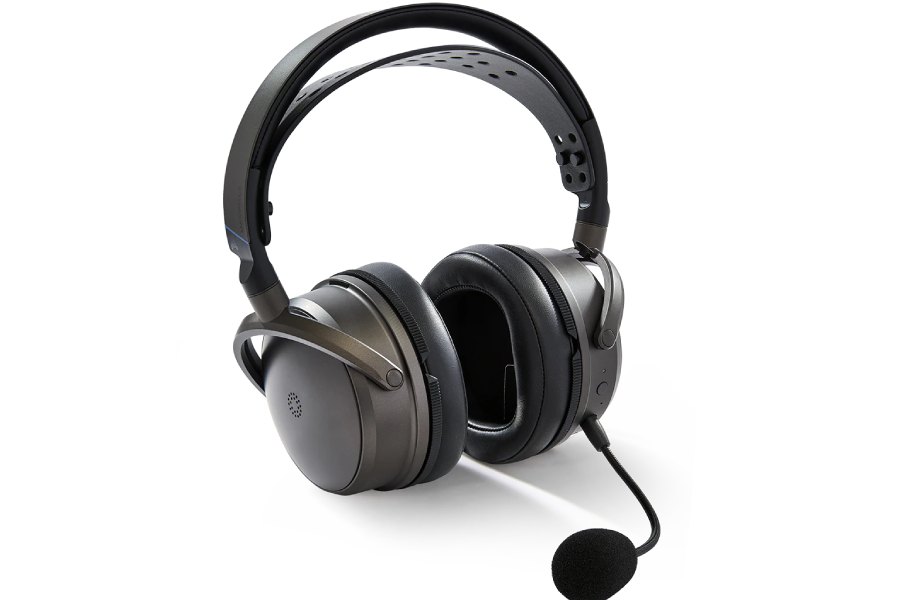
Audeze Maxwell 2
While most gaming earbuds focus on portability, the Audeze Maxwell 2 takes a slightly different approach. It’s technically a headset rather than earbuds, but it’s still part of the modern wireless gaming audio landscape.
Announced at CES 2026, the Maxwell 2 builds on Audeze’s reputation for high-fidelity audio. It uses large planar magnetic drivers capable of reproducing a wide frequency range. Thus, it delivers extremely detailed sound compared to typical gaming headsets.
The headset also includes several modern wireless features:
Dual connectivity via 2.4GHz dongle and Bluetooth 5.3
Support for LDAC and LE Audio
AI-powered noise cancellation for the detachable microphone
Up to 80 hours of battery life
Those specifications make the Maxwell 2 one of the longest-lasting wireless gaming audio devices currently available.
Why gaming earbuds are becoming more common
The rise of gaming earbuds is tied to a few broader trends in gaming hardware.
First, portable gaming devices have become more popular. Handheld PCs, cloud gaming, and gaming phones all benefit from compact audio gear that’s easier to carry than a full headset.
Second, wireless technology has improved significantly. Modern 2.4GHz dongles can reduce latency enough that many players no longer notice delays between sound and gameplay.
Finally, gamers increasingly want multi-purpose audio devices. A pair of earbuds that works with a PC, console, and smartphone is far more convenient than owning separate headsets for each platform.
For more daily updates, please visit our News Section.
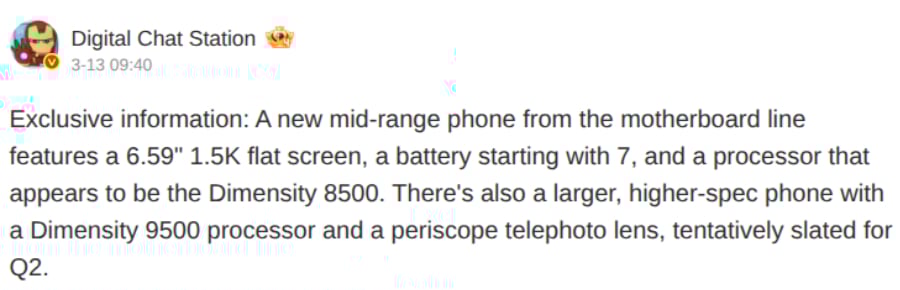
Xiaomi is close to launching the Xiaomi 17T series, and a new report may have spilled the beans on two upcoming phones in the lineup. According to information shared by tipster Digital Chat Station, Xiaomi is working on two new mid-range phones expected to launch in Q2 2026.
While the leak doesn’t reveal the phones’ names, they are expected to be part of the Xiaomi 17T series.
According to the tipster, the vanilla Xiaomi 17T could feature a 6.59-inch flat display with a 1.5K resolution. It may also pack a battery of around 7,000mAh and could be powered by the MediaTek Dimensity 8500 processor.
Meanwhile, the higher-end 17T Pro variant is expected to feature the more powerful MediaTek Dimensity 9500. On the camera side, the Pro model may include a periscope telephoto lens.
Software-wise, the devices are likely to run a newer version of HyperOS, though specifics remain unclear.
What else do we know?
A previous report also hints that the Xiaomi 17T and Xiaomi 17T Pro are expected to feature Leica-tuned cameras. The phones are tipped to include a triple rear camera setup consisting of a 50MP primary sensor, a 12MP secondary sensor, and a 50MP telephoto sensor.
Xiaomi 15T
The primary and telephoto sensors may differ between the two models. The Pro version is also expected to include a periscope telephoto camera. For selfies, both devices could feature a 32MP front camera.
According to reports, the Xiaomi 17T could launch in India within the next two to three months. The device is expected to be priced at around ₹55,000. The tipped price may include launch offers that Xiaomi usually provides during the initial sales period.
For more daily updates, please visit our News Section.

 Login
Login