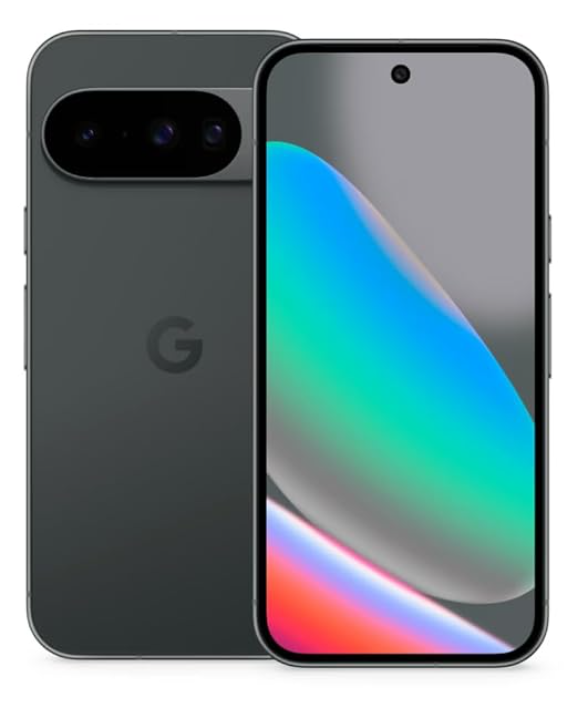
If you’ve been waiting to grab a flagship Pixel at a lower price, this deal might be hard to ignore. The Google Pixel 10 has dropped to just $549 (from $799) on Amazon, making it one of the most aggressive discounts seen on a current-gen Pixel device.
In India, the phone is now listed at ₹69,489 (down from ₹79,999), with an additional exchange offer of up to ₹33,600, pushing the effective price even lower for eligible users.
This deal significantly improves the value proposition of the Pixel 10, especially considering its long-term software support and flagship-grade camera system. With 7 years of Android updates, Google is clearly positioning this as a future-proof device. Combined with the new Tensor G5 (3nm) chip, you’re getting a refined AI-focused experience, better efficiency, and smoother daily performance.
The camera remains a standout, with a 48MP main sensor + 5x telephoto lens, delivering some of the best computational photography in this segment. Add features like Ultra-HDR, Best Take, and 10-bit HDR video, and it’s clear this phone still competes with premium flagships.
At this discounted price, the Pixel 10 feels less like a niche choice and more like a smart buy, especially for users who prioritize camera quality and a clean Android experience.
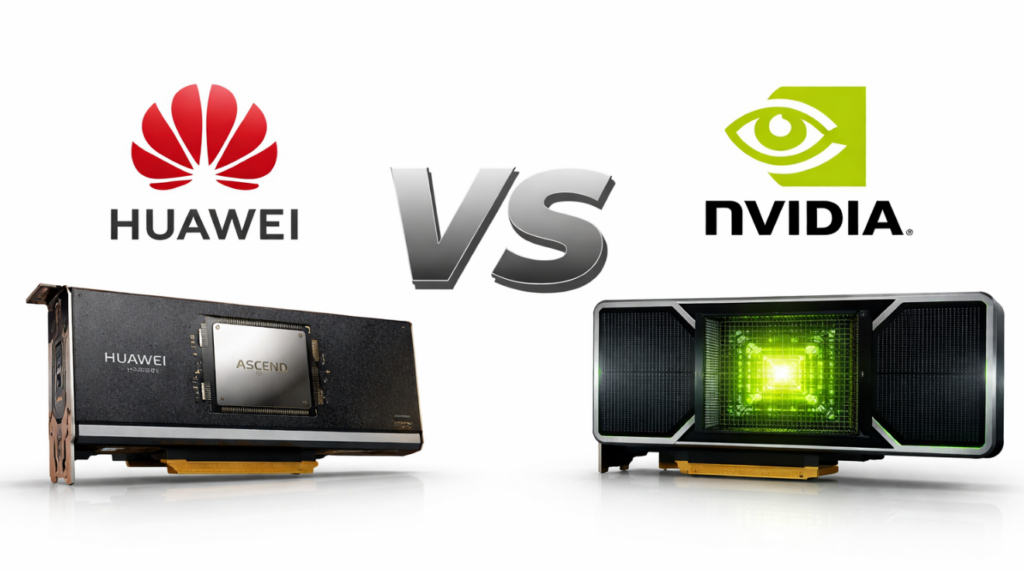
Huawei launches Atlas 350, focused on AI inference, not training
Claims up to 2.8× performance boost over Nvidia’s H20 chip
Powered by Ascend 950PR, part of China’s push for AI independence
AI-generated image for representation only
New Focus: AI Inference Over Training
Huawei’s Atlas 350 reflects a clear strategic shift toward AI inference, the stage where trained models are deployed in real-world applications. Instead of focusing on training, this accelerator is designed to efficiently run AI systems such as recommendation engines, large language models, and multimodal tools. This aligns with a broader industry transition, where inference is increasingly becoming the main challenge as AI adoption scales across industries.
Performance Designed for Real-World Use
At the heart of the Atlas 350 is Huawei’s Ascend 950PR chip, capable of delivering around 1.56 petaflops of FP4 computing power. Huawei claims this enables up to 2.8 times better performance than Nvidia’s H20 in certain inference workloads. The use of FP4 precision allows faster processing and lower memory usage, making it particularly effective for large-scale deployment where efficiency and speed are more critical than high precision.
Memory and Architectural Advancements
A notable development is Huawei’s move toward in-house high-bandwidth memory, with reported configurations of up to 128GB and 1.6 TB/s bandwidth. This reduces reliance on external suppliers and strengthens China’s semiconductor capabilities. Additionally, the chip is optimized for the “prefill” stage of inference, improving how quickly input data is processed, which is essential for real-time AI applications and emerging agent-based systems.
Building a Complete AI Ecosystem
Huawei’s approach extends beyond a single accelerator. The company is developing an integrated AI ecosystem that includes hardware, storage, and large-scale computing systems. This vertically integrated strategy mirrors established players but is tailored to domestic infrastructure, enabling tighter control over performance and deployment.
Impact on the US–China Tech War
The Atlas 350 is significant for the ongoing US–China technology competition. With restrictions limiting access to advanced US chips, Huawei’s development of competitive domestic alternatives represents a step toward technological self-reliance. For China, this strengthens its ability to build independent AI infrastructure, while for US companies such as Nvidia, it introduces growing competition in a key market.
Implications for Consumers and the Market
For everyday users, this could mean faster and more affordable AI services, especially in China. It may also lead to more local AI apps and platforms. Over time, the tech world could split into separate systems, with different regions building their own AI ecosystems.
Jensen Huang calls China “formidable” in robotics due to hardware dominance
Nvidia is betting on Physical AI as the next computing revolution
Future robotics ecosystem = China’s supply chain + US AI leadership
Image for representation only
China’s Robotics Advantage
Jensen Huang highlighted that China currently holds a significant edge in robotics, primarily due to its dominance in core components like microelectronics, motors, rare earth materials, and magnets. These elements are foundational to building robots at scale, and China’s ecosystem is described as the “world’s best.” This deep supply chain strength means even the US robotics industry remains heavily dependent on China for hardware, reinforcing its global influence in the sector.
The Rise of Physical AI
Nvidia is shifting focus beyond traditional GPUs toward what Huang calls Physical AI, the integration of AI into real-world machines like robots and autonomous systems. This marks a major evolution from generative AI to embodied intelligence. Nvidia’s strategy includes building a full-stack ecosystem, from AI models to robotics infrastructure, positioning itself not just as a chipmaker but as the backbone of future intelligent machines.
Nvidia’s Full-Stack Robotics Vision
At its GTC event, Nvidia introduced the Physical AI Data Factory to automate data generation, simulation, and model evaluation. Huang also described a “three-computer” model powering robotics: training systems for AI models, simulation platforms like Omniverse, and edge computers embedded in robots. This approach shows robotics is no longer just hardware; it requires a tightly integrated AI ecosystem.
Market Shifts and Global Competition
While China’s robotics companies, such as Unitree, are scaling rapidly with strong financial growth, Nvidia is navigating a complex market. Its China market share has dropped sharply due to restrictions, but the company is preparing a return with approved H200 AI chips. Despite revenue declines, demand from Chinese firms remains strong.
What Comes Next
Huang believes robotics adoption is just 3–5 years away from widespread use, driven by exponential growth in AI compute and agentic AI systems. The long-term vision points to a massive economic opportunity, where robots augment human labor across industries. The global balance is becoming clear: China dominates the physical layer, while Nvidia aims to control the intelligence powering it.
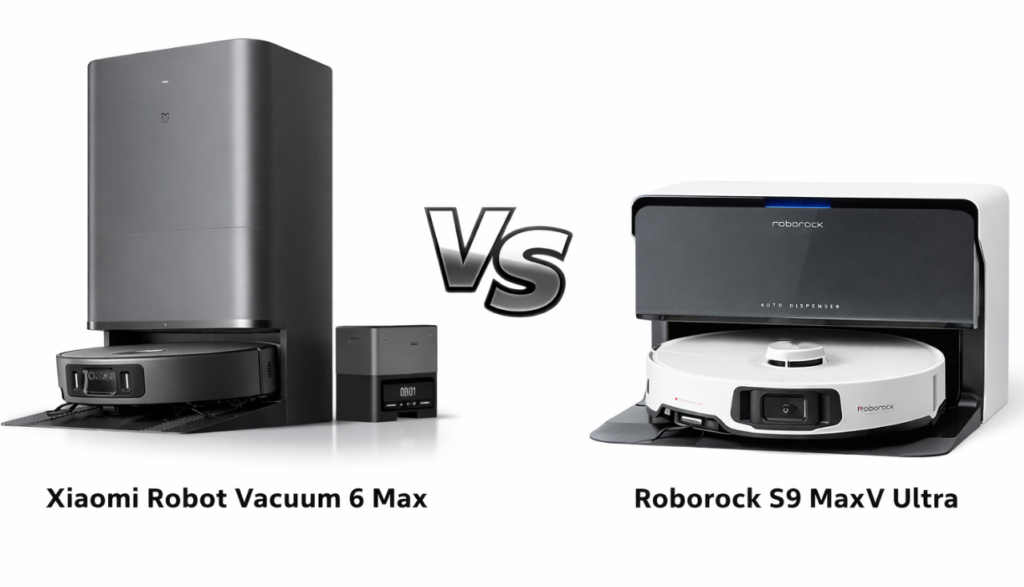
Choosing between these two flagship robot vacuums isn’t just about specs; it’s about how intelligently and consistently they clean in real homes. One focuses on extreme raw power and advanced AI recognition, while the other delivers a polished, fully automated cleaning experience. If you want deeper cleaning vs effortless maintenance, this comparison makes the difference clear.
Major Features:
Feature
Xiaomi Robot Vacuum 6 Max
Roborock S9 MaxV Ultra
Winner
Suction Power
35,000Pa
22,000Pa
Xiaomi – higher raw power
Navigation
AI panoramic obstacle avoidance
Reactive AI 3.0 + LiDAR
Roborock – more reliable
AI Recognition
280 objects, 47 dirt types
Advanced AI + sensors
Xiaomi – more detailed recognition
Cameras
Triple-camera system
RGB + structured light
Tie – different approaches
Cleaning System
Mop, scrape, wash simultaneously
Sonic mop + vacuum
Xiaomi – more aggressive
Mopping Tech
Continuous mop cleaning (16-hole)
4,000 vibrations/min
Roborock – better scrubbing precision
Mop Lift
Not specified
VibraRise 4.0 (18mm lift)
Roborock – carpet handling
Mop Cleaning
Continuous water system
80°C hot water washing
Roborock – hygienic cleaning
Drying
Not specified
60°C hot-air drying
Roborock – fully automated
Brush System
Hair-cutting + anti-tangle
Anti-tangle brush
Xiaomi – better for hair
Anti-Tangle
Yes (main + side brushes)
Yes
Xiaomi – more advanced
Robotic Hardware
Triple robotic arms
Standard dual system
Xiaomi – more advanced hardware
Obstacle Crossing
Up to 6 cm
Not specified
Xiaomi – better climbing
Minimum Clearance
9.3 cm
Not specified
Xiaomi – better under furniture
Dock System
Not advanced
RockDock Ultra 2.0
Roborock – fully automated
Dock Features
—
Wash, dry, refill, detergent, self-clean
Roborock – zero maintenance
Charging
Standard
Faster + off-peak scheduling
Roborock – smarter charging
Voice Control
Xiao Ai
Alexa, Siri, Google, Matter 2.0
Roborock – wider support
App Control
Mi Home
Roborock app
Tie
Video Features
Pet monitoring, video calls
Video call, Pet Snap, cruise
Tie
Use Case
Advanced AI + deep cleaning
Pets, kids, high traffic homes
—
Price
¥4,899 (~$680)
≈ ¥11,700 (~$1,630)
Xiaomi – much cheaper
Disclaimer: Specifications are based on currently available information, early listings, and brand claims. Actual performance and final retail units may vary depending on region, updates, or real-world usage
Design and Cleaning System
Xiaomi Robot Vacuum 6 Max
Xiaomi takes an aggressive, next-gen approach with triple robotic arms and a simultaneous mop–scrape–wash system. The 16-hole water system ensures continuous mop cleaning, which helps maintain consistent results across larger areas. It’s designed to actively “work” on dirt rather than just glide over surfaces.
Roborock S9 MaxV Ultra
Roborock focuses on refinement with VibraRise 4.0 and sonic scrubbing at 4,000 vibrations per minute. The auto-lifting mop intelligently avoids carpets, while hot water washing ensures better hygiene. The system feels more optimized for real homes rather than experimental hardware.
Verdict
Xiaomi is more aggressive and innovative, but Roborock feels more refined and reliable in daily use.
Suction Power and Cleaning Performance
Xiaomi Robot Vacuum 6 Max
With a massive 35,000Pa suction and hair-cutting brush system, Xiaomi clearly targets deep cleaning, especially in homes with pets or heavy debris. It’s built to handle tougher dirt scenarios without clogging.
Roborock S9 MaxV Ultra
Roborock’s 22,000Pa suction is lower on paper, but paired with sonic mopping, it delivers more precise cleaning. It’s less about brute force and more about balanced efficiency.
Verdict
Xiaomi wins on raw cleaning power, but Roborock offers a more balanced and controlled cleaning experience.
Navigation and AI Intelligence
Xiaomi Robot Vacuum 6 Max
The AI system recognizes 280 object types and 47 dirt categories using a triple-camera setup. This allows highly adaptive cleaning, especially in cluttered spaces.
Roborock S9 MaxV Ultra
Roborock combines Reactive AI 3.0 with LiDAR, structured light, and RGB cameras. This hybrid approach improves accuracy, especially in low-light and complex layouts.
Verdict
Xiaomi is more ambitious with AI, but Roborock is more consistent and dependable.
Smart Features and Automation
Xiaomi Robot Vacuum 6 Max
It includes Mi Home app control, Xiao Ai voice assistant, and unique features like pet monitoring and video calls. However, it lacks a fully automated dock system.
Roborock S9 MaxV Ultra
Roborock dominates here with RockDock Ultra 2.0, offering self-washing, drying, detergent dispensing, and auto-refill. It also supports Alexa, Siri, Google Home, and Matter 2.0.
Verdict
Roborock clearly wins with a near hands-free experience.
Hardware and Real-World Usage
Xiaomi Robot Vacuum 6 Max
With 6 cm obstacle crossing and triple-arm hardware, it’s better suited for uneven surfaces and challenging layouts. It’s built for physical adaptability.
Roborock S9 MaxV Ultra
Roborock focuses on convenience, faster charging, off-peak scheduling, and minimal manual intervention thanks to its advanced dock.
Verdict
Xiaomi handles tough environments better, but Roborock is far easier to live with daily.
Pricing and Value
Xiaomi Robot Vacuum 6 Max
Priced at ¥4,899 (~$680), it delivers flagship-level features at a much lower cost, making it highly value-focused.
Roborock S9 MaxV Ultra
At ≈ ¥11,700 (~$1,630), it’s significantly more expensive but justifies it with premium automation and convenience.
Verdict
Xiaomi is the better value pick, while Roborock is a premium, convenience-first investment.
Disclaimer: Prices are approximate and may vary based on country, region, and applicable taxes.
Final Verdict
Xiaomi Robot Vacuum 6 Max is built for power users who want maximum suction, advanced AI recognition, and aggressive cleaning performance at a lower price. But the Roborock S9 MaxV Ultra delivers a more complete experience, with smarter automation, better mopping precision, and almost zero maintenance.
If you want cleaning power at an affordable price, then choose Xiaomi; if effortless daily use matters more, Roborock is the smarter but pricier choice.
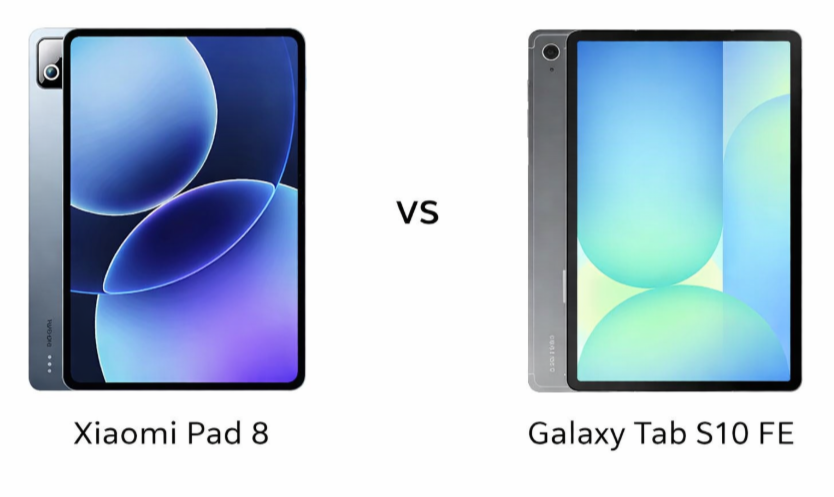
Choosing a budget tablet in 2026 isn’t as simple as picking the cheaper option anymore; it’s about getting flagship-like performance without overspending. The Xiaomi Pad 8 and Galaxy Tab S10 FE sit right in that sweet spot, offering powerful specs, premium designs, and productivity features at mid-range prices. But they take very different approaches; one focuses on raw power and display quality, while the other leans into ecosystem, durability, and usability. That’s exactly why this comparison matters.
Please Note: When you buy something using the links in our articles, we may earn a small commission at no cost to you.
Design and Display
Build Quality
The Xiaomi Pad 8 and Galaxy Tab S10 FE both bring premium aluminum builds, but they target slightly different priorities. Xiaomi focuses on slimness at just 5.8mm, making it feel more modern and ultra-light in the hand. Samsung, on the other hand, adds durability with IP68 water and dust resistance—something rare in this segment. The Tab S10 FE also includes SIM support for cellular use, which adds flexibility for on-the-go users. Xiaomi counters with a cleaner, minimalist design and slightly better weight balance.
Display & Multimedia
This is where Xiaomi clearly pushes ahead. The Pad 8 features a sharper 3:2 display with a 144Hz refresh rate, HDR10, Dolby Vision, and significantly higher brightness. It feels more flagship-like, especially for content consumption and gaming. Samsung’s 90Hz panel is good, but it looks dated next to Xiaomi’s smoother and more vibrant screen. However, Samsung still offers a more traditional 16:10 ratio, which some users may prefer for media apps.
Verdict
Xiaomi Pad 8 wins with a superior display and sleeker design, while Samsung stands out for durability and versatility.
Performance and Software
Processor & UI Smoothness
The Xiaomi Pad 8 is powered by the Snapdragon 8s Gen 4, which is in a completely different league compared to the Exynos 1580 on the Tab S10 FE. Daily performance, gaming, and heavy tasks feel significantly faster and smoother on Xiaomi. The 144Hz display further enhances the perception of speed, making animations and scrolling feel fluid. Samsung performs well for regular use, but it lacks that flagship-level punch when pushed.
Productivity & Multitasking
Samsung’s One UI 7 is better optimized for productivity with features like multi-window and a more mature tablet interface. It feels more refined for work use. Xiaomi’s HyperOS 3 is improving, but still feels more performance-focused rather than productivity-first. However, the stronger chipset on Xiaomi helps with heavy multitasking and demanding apps.
Verdict
Xiaomi dominates raw performance, but Samsung offers a more polished productivity experience. Power users will lean toward Xiaomi, while work-focused users may prefer Samsung.
Battery and Accessories
Battery Life
Xiaomi packs a larger 9200mAh battery compared to Samsung’s 8000mAh unit, which translates to longer screen time, especially for media and gaming. Both support 45W charging, but Xiaomi adds reverse wireless charging, making it more versatile. Samsung still delivers reliable all-day usage, but it doesn’t push boundaries here.
Stylus, Keyboard & Ecosystem
Samsung has a clear advantage in the ecosystem and accessories. The S Pen experience is more refined, and Samsung’s ecosystem integration with phones, laptops, and apps is stronger. Xiaomi supports stylus input, but its accessory ecosystem still feels less mature. However, Xiaomi’s faster hardware makes it better for creative apps that demand performance.
Verdict
Samsung wins for ecosystem and accessories, while Xiaomi takes the lead in battery capacity and versatility.
Camera & Media
Rear and Front Camera
Both tablets offer similar 13MP rear cameras, but tablets are rarely about photography. The key difference is the front camera, Samsung’s 12MP ultrawide is far more practical for video calls and meetings, keeping subjects in frame more naturally. Xiaomi’s 8MP front camera is decent but feels basic in comparison.
Video & Audio Quality
Both tablets support 4K recording, but Samsung’s front camera flexibility gives it an edge for content creators and remote work. Xiaomi, however, delivers a stronger multimedia experience with Dolby Atmos quad speakers, making movies and games feel more immersive. Audio quality is noticeably richer and louder on Xiaomi.
Verdict
Samsung is better for video calls and front-facing usage, while Xiaomi is clearly superior for media consumption and audio experience.
Pricing
Xiaomi Pad 8 is priced at around ₹34,000, while the Galaxy Tab S10 FE comes in at approximately ₹43,000. That price gap is significant. Xiaomi offers a flagship-level processor, better display, and bigger battery at a much lower cost, making it feel like a high-value performance tablet. Samsung justifies its higher price with durability, software optimization, and ecosystem benefits, but the hardware gap is hard to ignore.
Disclaimer: Prices are approximate and may vary based on country, region, and applicable taxes.
Conclusion
Xiaomi Pad 8 stands out with its Snapdragon 8s Gen 4 chip, 144Hz Dolby Vision display, and reverse wireless charging, features rarely seen at this price. Samsung counters with IP68 protection, S Pen refinement, better front camera, and a more polished software ecosystem.
Verdict
Xiaomi Pad 8 is the better overall value and performance tablet, making it the smarter choice for most buyers in 2026. The Galaxy Tab S10 FE still makes sense for users who prioritize ecosystem, durability, and productivity-focused features over raw power.
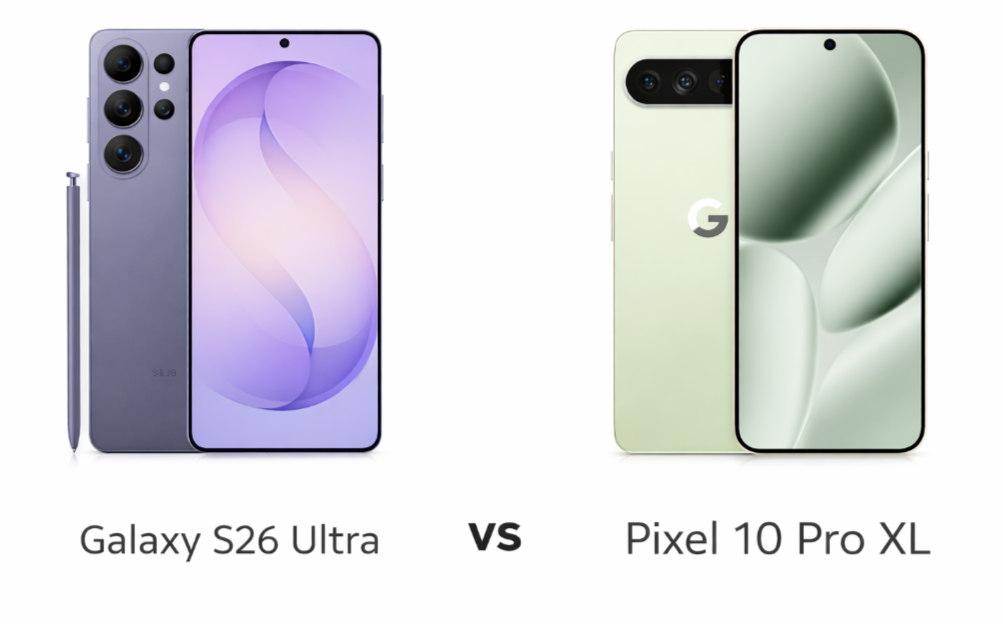
Choosing between two ultra-flagship smartphones isn’t just about specs anymore; it’s about what kind of experience fits your daily use. The Samsung Galaxy S26 Ultra and Google Pixel 10 Pro XL take very different approaches: one focuses on raw power, features, and versatility, while the other leans toward smarter software, balanced performance, and efficiency.
With prices at $1300 (₹140,000) for the Galaxy S26 Ultra and $1200 (₹125,000) for the Pixel 10 Pro XL, this comparison matters even more because at this level, it’s not just about what’s better on paper but what actually makes sense for your money.
Please Note: When you buy something using the links in our articles, we may earn a small commission at no cost to you.
Design and Display
Build and Feel
The Samsung Galaxy S26 Ultra leans into a premium, productivity-focused design with its Armor aluminum frame, Gorilla Armor 2 protection, and built-in stylus. It feels purpose-built for power users who value durability and functionality. The Pixel 10 Pro XL, on the other hand, sticks to a cleaner, more minimal aesthetic with Gorilla Glass Victus 2 on both sides and a refined aluminum frame. It feels simpler and more approachable, especially for users who prefer a lighter, less feature-heavy experience. The S26 Ultra’s anti-reflective coating subtly improves outdoor usability, which adds to its premium feel in daily use.
Display Quality
Samsung pushes ahead with a sharper 1440p panel and Dynamic LTPO AMOLED 2X tech, delivering deeper contrast and a slightly more immersive viewing experience. The Pixel counters with higher peak brightness and excellent HDR tuning, making it stand out in bright conditions and video playback. Both support 120Hz, but Samsung’s display feels more vibrant, while the Pixel’s feels more natural and balanced.
Verdict
The S26 Ultra wins for sharpness, anti-reflection, and overall immersion, while the Pixel suits users who prefer brightness and color accuracy.
Specifications Including Battery
Performance
The Galaxy S26 Ultra is powered by the Snapdragon 8 Elite Gen 5, delivering flagship-level performance with strong GPU gains and better sustained power for gaming and heavy multitasking. It feels like a device built to handle everything without compromise. The Pixel 10 Pro XL’s Tensor G5 focuses more on AI-driven performance and efficiency rather than raw power. While smooth in daily use, it may not match Samsung in high-end gaming or long-term performance stability. The difference becomes noticeable for users pushing their devices harder.
Battery and Charging
Samsung offers a 5000mAh battery with faster 60W wired charging, making it more convenient for quick top-ups. The Pixel’s 5200mAh battery is slightly larger and paired with efficient optimization, often translating to longer endurance in real-world usage. However, its slower 45W charging makes it less aggressive when time is limited. Features like bypass charging on the Pixel add a thoughtful touch for gamers.
Verdict
Samsung leads in raw performance and faster charging, while Pixel edges ahead in battery efficiency and smarter power management.
Camera
Main and Secondary Lenses
Samsung goes all-in with a 200MP main sensor and a versatile quad-camera setup, including both 3x and 5x zoom options. This setup provides flexibility across different focal lengths and feels more complete for photography enthusiasts. The Pixel 10 Pro XL relies on a 50MP main sensor but enhances it with advanced computational photography, producing consistently balanced and natural results. Its 5x periscope and ultrawide cameras are strong, though the lack of an intermediate zoom lens slightly limits flexibility. Samsung’s hardware feels more powerful, while Pixel’s processing feels more refined.
Selfie Camera
The Pixel clearly stands out with a 42MP ultrawide front camera, offering sharper selfies and wider framing for group shots. Samsung’s 12MP camera is reliable but feels more standard in comparison.
Verdict
Samsung wins for versatility and zoom flexibility, while Pixel excels in consistency, processing, and selfie performance.
Pricing
The Samsung Galaxy S26 Ultra is priced at approximately $1300 (₹140,000), positioning it firmly in the ultra-premium segment. The Pixel 10 Pro XL comes in slightly lower at around $1200 (₹125,000), making it the more affordable flagship option between the two. The price difference, while not massive, is noticeable enough to influence buyers looking for maximum value.
Is the Price Justified?
Samsung justifies its higher price with added features like the S Pen, stronger zoom versatility, faster charging, and a more powerful chipset. It feels like a complete flagship package designed for users who want everything in one device. The Pixel, however, focuses on delivering a smarter experience with AI features, better selfies, and strong battery optimization at a slightly lower cost. It feels more balanced for users who don’t need every extra feature but still want flagship performance.
Verdict
Samsung offers more features for the price, while Pixel delivers better value for users prioritizing software and camera intelligence.
Disclaimer: Prices are approximate and may vary based on country, region, and applicable taxes.
Conclusion
The Galaxy S26 Ultra stands out with its S Pen integration, Samsung DeX support, anti-reflective display, and a highly versatile camera system. It feels like a productivity and power-focused flagship designed for users who want maximum capability. The Pixel 10 Pro XL differentiates itself with AI-driven features, a clean Android experience, satellite SOS support, and advanced computational photography. It feels more streamlined and intelligent rather than feature-packed.
Final Verdict
Galaxy S26 Ultra is the better overall choice, offering a more complete flagship experience with stronger performance, a sharper display, faster charging, and a more versatile camera system, making it feel truly no-compromise. The Pixel 10 Pro XL remains a solid, more affordable option with a cleaner experience and good balance, but it doesn’t match Samsung’s all-round capability. If choosing just one, the Galaxy S26 Ultra makes more sense for its superior hardware and overall versatility.
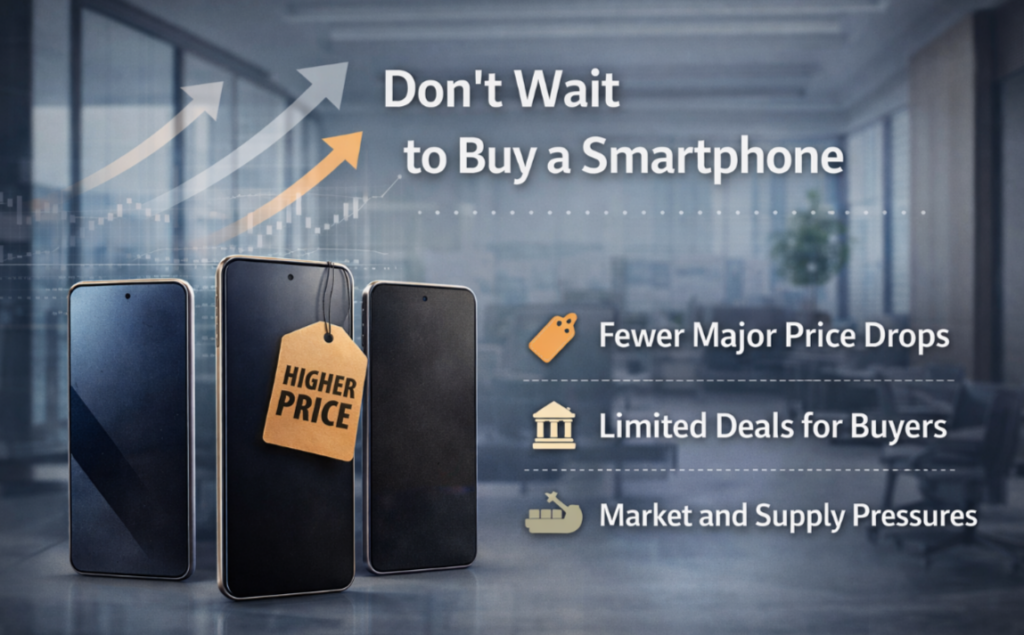
Planning to upgrade your smartphone but waiting for the right deal? That approach is no longer as reliable as it once was. The smartphone market in 2026 has shifted, with pricing trends, upgrade cycles, and brand strategies changing the way consumers should think about buying. This article explains why purchasing earlier is increasingly becoming the smarter decision and who should consider upgrading now.
The Smartphone Market Has Changed
Pricing Trend Shift
Traditionally, waiting a few months after launch meant significant price drops. In 2026, that pattern is no longer consistent. Many smartphones now maintain their launch pricing for longer periods, and in some cases, prices can even rise due to demand and limited availability.
Brand Strategy Evolution
Manufacturers are exercising tighter control over pricing. Instead of direct discounts, brands are focusing on bank offers, exchange bonuses, and bundled deals. While these can provide value, they often do not translate into meaningful long-term price reductions.
Waiting is no longer a guaranteed way to save money. In many scenarios, early buyers are securing better overall value.
Innovation Has Slowed Down
Incremental Upgrades
Smartphones have reached a level of maturity where year-on-year improvements are relatively minor. Most new models offer incremental upgrades such as slightly improved cameras, marginal performance gains, or small design refinements.
Longer Upgrade Cycles
As innovation slows, users are holding onto devices for longer periods. Waiting for the next generation often results in only modest improvements rather than a significant leap.
If your current device no longer meets your needs, delaying your purchase is unlikely to deliver a substantially better option.
The Reality of Discounts in 2026
Fewer Major Price Drops
Large price cuts that were once common are now far less frequent. Even during major sales events, discounts on newer smartphones tend to be limited, as brands actively protect pricing to maintain product positioning and margins, particularly in premium and upper mid-range segments.
Conditional Offers and Demand Impact
Discounts have shifted toward conditional offers such as bank deals, exchange bonuses, and bundled extras, which don’t benefit every buyer equally. Pricing is also increasingly influenced by demand and inventory, with popular models often maintaining stable prices or seeing minimal reductions due to controlled supply. Ongoing global supply chain pressures, including geopolitical tensions, have further added uncertainty to pricing and availability.
Early Purchase Advantage
Launch-period offers, including bank discounts and exchange deals, often provide the best value. These early incentives can be comparable to or better than discounts available later in the product cycle.
Relying on future discounts is increasingly uncertain. Buying at the right time, especially around launch, can be more beneficial.
Buying Strategy: Then vs Now
Strategy
Old Market
2026 Market
Buy at launch
Expensive
Smart decision
Wait 3–6 months
Cheaper
Potentially costly
Wait for the next model
Worthwhile upgrade
Minimal improvement
Best value timing
Later in the cycle
Near launch
The smartphone market in 2026 is evolving in ways that challenge traditional buying strategies. Prices are more stable, innovation is incremental, and delayed purchases do not always result in better deals. For most buyers, especially those in need of an upgrade, purchasing earlier is now a more practical and financially sound decision. Timing has become more important than waiting.
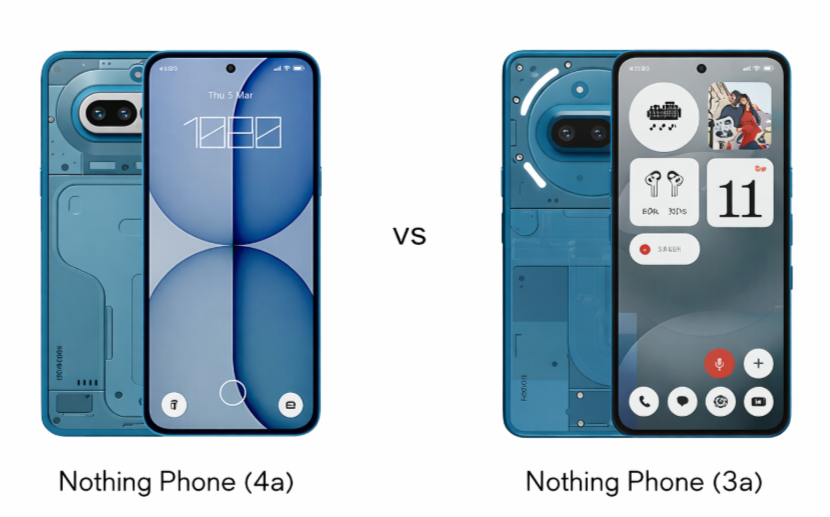
Not every new phone feels like a real upgrade, but this one does. The Nothing Phone (4a) brings noticeable improvements in display, performance, and camera, while the Nothing Phone (3a) still offers great value at a lower price. This makes it a simple choice between saving money or getting a more future-ready experience. Here’s a clear look at what actually changes, and whether the upgrade is worth it.
Please Note: When you buy something using the links in our articles, we may earn a small commission at no cost to you.
Design and Display
Build and Feel
The Nothing Phone (4a) feels like a clear evolution rather than a simple refresh. The upgraded Glyph system with 63 mini-LEDs and zoned lighting adds real functional value, more customization, smarter notifications, and better interaction feedback. It makes the phone feel more alive and purposeful. In comparison, the (3a)’s LED strips now feel basic and less interactive. Both phones use similar materials, but the (4a) delivers a more refined and modern experience that better justifies its position as a newer generation device.
Display Quality
The (4a) introduces a sharper panel with higher resolution and a massive jump in peak brightness, which directly improves everyday usability. Outdoor visibility, HDR playback, and content clarity all feel noticeably upgraded. The (3a) still offers a smooth AMOLED display, but the lower brightness and resolution make it feel like a step behind. The display upgrade alone feels like a meaningful quality-of-life improvement.
Verdict
Nothing Phone (4a) wins. The upgrades here are not cosmetic; they genuinely enhance usability and visual experience.
Specifications Including Battery
Performance
The shift from Snapdragon 7s Gen 3 to Gen 4 is a meaningful upgrade. The (4a) feels faster, more efficient, and better optimized for long-term use. Apps load quicker, gaming is more stable, and thermal performance feels improved. Combined with UFS 3.1 storage, the overall experience is noticeably smoother compared to the (3a), which starts to feel limited under heavier workloads. This is the kind of upgrade that remains relevant over time.
Battery and Charging
Battery improvements on the (4a) are subtle but important. The larger battery (especially in India) combined with better efficiency, results in more consistent all-day usage. Charging speeds are similar, but the addition of reverse wired charging adds practical value. The (3a) charges slightly faster, but lacks the extra utility that the (4a) brings.
Verdict
Nothing Phone (4a) wins. The performance and battery upgrades directly translate into better long-term usability and flexibility.
Camera
Main and Secondary Lenses
The biggest upgrade comes with the (4a)’s periscope telephoto lens. Moving from 2x to 3.5x optical zoom significantly expands shooting versatility, especially for portraits and distant subjects. It allows users to capture shots that simply aren’t possible on the (3a). The addition of Dolby Vision and Ultra XDR further enhances video and dynamic range, making the output feel more premium and future-ready.
Selfie Camera
While both phones share similar hardware, the (4a) benefits from improved processing, resulting in more consistent skin tones and better exposure. It’s a subtle upgrade, but one that improves reliability in different lighting conditions.
Verdict
Nothing Phone (4a) wins. The camera upgrades are meaningful, especially the periscope lens, which adds real creative flexibility.
Pricing
The Nothing Phone (4a) is priced around ₹32,000 ($450), while the Nothing Phone (3a) comes in at ₹21,000 ($250). The gap is significant, but it reflects the level of upgrades introduced in the newer model.
Is the Price Justified?
The (3a) still offers strong value for basic users, but the (4a) feels like a more complete package. The upgrades are not limited to one area—they span display, performance, camera, and features. This makes the higher price easier to justify, especially for users planning to keep the device longer. It feels less like paying extra and more like investing in a better overall experience.
Verdict
Nothing Phone (4a) offers better value in terms of upgrades, while the (3a) remains the budget pick.
Disclaimer: Prices are approximate and may vary based on country, region, and applicable taxes.
Conclusion
The Nothing Phone (4a) stands out because of how many meaningful upgrades it brings together. The improved Glyph system adds functional depth, the brighter display enhances usability, the new chipset ensures longevity, and the periscope camera expands creative possibilities. These changes combine to create a noticeably more advanced device. The (3a), while still solid, feels more like a simplified version of the Nothing experience.
Verdict
Nothing Phone (4a) is the clear upgrade and the better long-term choice. It delivers real value additions across the board rather than minor improvements. The Nothing Phone (3a) still makes sense for tight budgets, but the (4a) feels like the smarter investment for users who want a more future-ready smartphone.
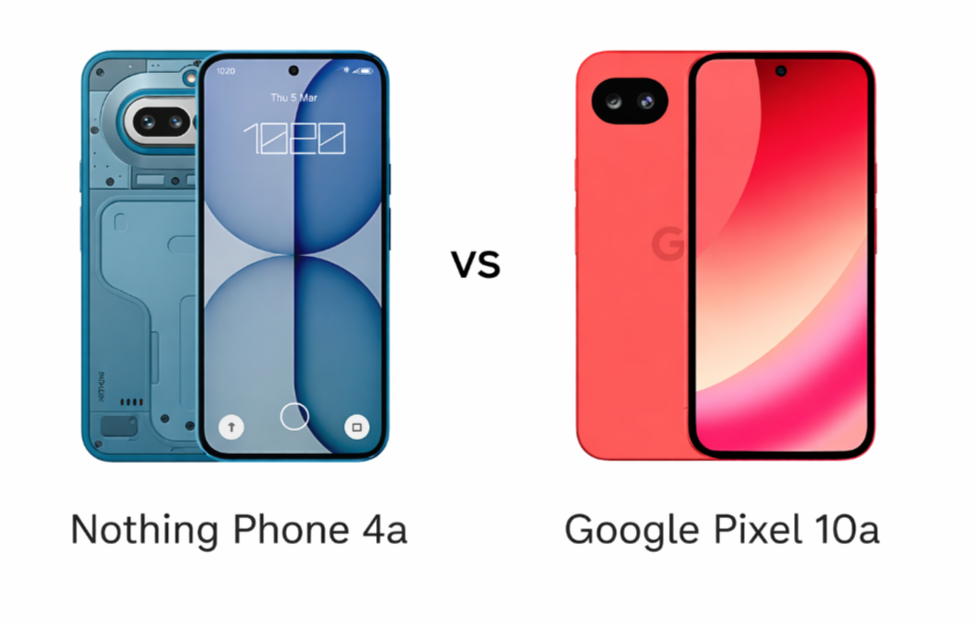
Choosing the right mid-range phone in 2026 comes down to priorities, and the Nothing Phone 4a and Pixel 10a take very different paths. One stands out with bold design, faster charging, and versatile hardware, while the other focuses on clean software, AI smarts, and long-term reliability. Both promise a premium experience without flagship pricing, but which one actually makes more sense for everyday use?
Nothing Phone 4a leans heavily into its signature transparent aesthetic with LED glyph lighting, making it instantly more eye-catching and expressive. The glass back and plastic frame combo feels modern, though slightly less premium than metal. Pixel 10a takes a more understated route with its aluminum frame and clean, minimal design. It feels more refined and durable, especially with higher IP68 protection and better water resistance. One feels bold and youthful, the other feels mature and dependable.
Display Quality
Nothing Phone 4a offers a larger AMOLED panel with richer color depth and extremely high peak brightness, making it more immersive for content consumption. The higher resolution also adds sharpness. Pixel 10a’s P-OLED display is smaller but well-calibrated, with excellent HDR tuning and brightness that holds up outdoors. It prioritizes color accuracy over visual punch.
Verdict
Nothing Phone 4a is better for visual impact and media, while Pixel 10a feels more premium and practical for everyday durability.
Specifications Including Battery
Performance
Nothing Phone 4a runs on Snapdragon 7s Gen 4, delivering stable mid-range performance with good efficiency and smooth multitasking. It handles gaming decently, but is not tuned for peak sustained power. Pixel 10a’s Tensor G4 is more powerful, especially in AI-driven tasks, image processing, and system intelligence. It feels smarter and more optimized over time, even if thermals may not always match Qualcomm’s stability.
Battery and Charging
Nothing Phone 4a clearly leads in charging speed with 50W wired charging, making quick top-ups far more convenient. Its larger India-specific battery also gives it an endurance edge. Pixel 10a offers slower wired charging but adds wireless charging and bypass charging, which improves long-term battery health and flexibility.
Verdict
Pixel 10a wins in raw intelligence and long-term software optimization, while Nothing Phone 4a feels faster in daily charging and slightly stronger in endurance.
Camera
Main and Secondary Lenses
Nothing Phone 4a brings versatility with a triple-camera setup, including a periscope telephoto lens with 3.5x optical zoom, which is rare at this price. This adds real flexibility for portraits and zoom shots. Pixel 10a sticks to a dual-camera setup but relies heavily on Google’s computational photography. Its main sensor delivers more consistent results with better HDR, dynamic range, and color science. It may lack zoom hardware, but software processing often compensates impressively.
Selfie Camera
Nothing Phone 4a offers a higher-resolution selfie camera, producing sharper images in good lighting. Pixel 10a, however, delivers more natural tones and better video capabilities with 4K support, making it more reliable for content creators and video calls.
Verdict
Nothing Phone 4a wins on hardware versatility, but Pixel 10a delivers more consistent and refined image quality overall.
Pricing
Nothing Phone 4a is priced at around $450 / ₹32,000, while Pixel 10a sits higher at $500 / ₹50,000. The price gap is significant, especially in markets like India, where the Pixel commands a premium.
Value for Money
Nothing Phone 4a offers strong value with better display specs, faster charging, and a more versatile camera system at a much lower price. It feels like a feature-packed deal. Pixel 10a justifies its higher price with long-term software support (up to 7 years), better AI features, and a more refined user experience. It targets users who value longevity over raw specs.
Verdict
Nothing Phone 4a is the better value buy upfront, while Pixel 10a is a smarter long-term investment for software and ecosystem reliability.
Conclusion
Nothing Phone 4a stands out with its glyph interface, periscope zoom camera, faster charging, and a more vibrant display. It is designed to feel different and visually exciting. Pixel 10a focuses on software excellence, AI features, satellite SOS, and industry-leading update support, making it more future-proof. It quietly excels rather than trying to impress instantly.
Final Verdict
If choosing just one, the Nothing Phone 4a makes more sense for most users. It offers a better display, faster charging, a bigger battery, and a more versatile camera setup, all at a much lower price, making it the stronger value overall. The Pixel 10a is great for long-term software support and AI features, but for everyday use and immediate value, the Nothing Phone 4a is the smarter pick.
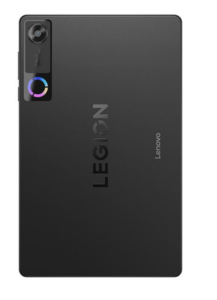
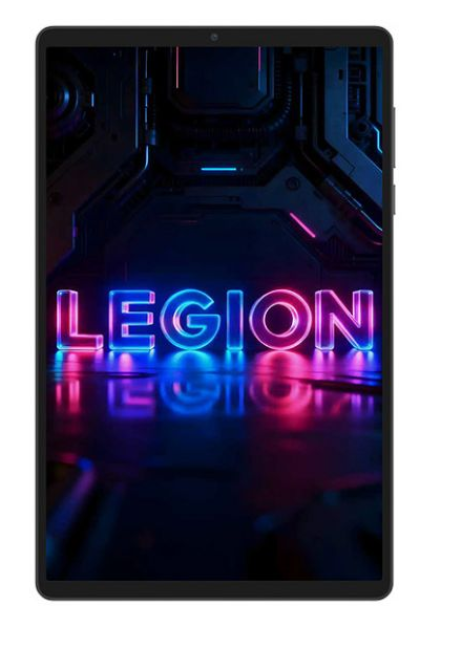
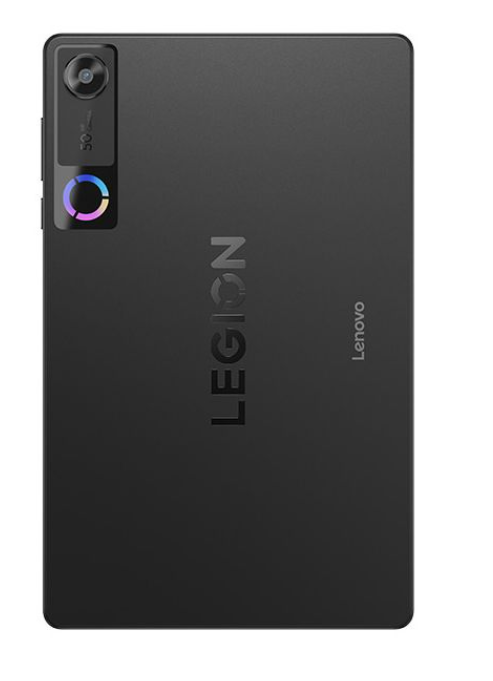
Lenovo Legion Y700 Gen 5 (2026) is a rare compact tablet that delivers true flagship power in a portable size. With its 165Hz 3K display, powerful Snapdragon chipset, and gaming-focused features, it stands out as a serious option for gamers and power users who want performance without going bulky.
Deal & Availability
The Lenovo Legion Y700 Gen 5 (2026) is now available for purchase on Geekwills, with multiple configurations ranging from 12GB + 256GB up to 24GB + 1TB, and color options in Black and White. As part of the first sale offer, buyers can get $100 off using the coupon code Y7D100, making it a great deal for early buyers. This limited-time discount adds strong value, especially considering the tablet’s flagship performance and gaming-focused features
Display and Design
The tablet features an 8.8-inch 3K LCD display with a sharp 3040 × 1904 resolution. It supports a 165Hz refresh rate, 800 nits brightness, and 100% DCI-P3 color for vibrant visuals. With Dolby Vision and TÜV Rheinland certification, it delivers smooth and comfortable viewing whether you’re gaming or watching content.
Performance and Storage
Powered by the Snapdragon 8 Elite Gen 5 chipset, the Legion Y700 Gen 5 is built for high performance. It offers up to 24GB LPDDR5T RAM and 1TB UFS 4.1 storage, ensuring fast multitasking and smooth gaming. There’s also a TF card slot for extra storage expansion.
Camera and Audio
The tablet includes a 50MP rear camera and an 8MP front camera for video calls and casual photography. For audio, it comes with dual speakers, Dolby Atmos support, and dual X-axis linear motors, giving a more immersive gaming and media experience.
Battery and Connectivity
It packs a 9000mAh battery with 68W fast charging, offering long usage with quick top-ups. Connectivity features include Wi-Fi 6, Bluetooth 5.4, optional 5G, dual USB-C ports, and a 3.5mm headphone jack. It also supports fingerprint and face unlock for security.
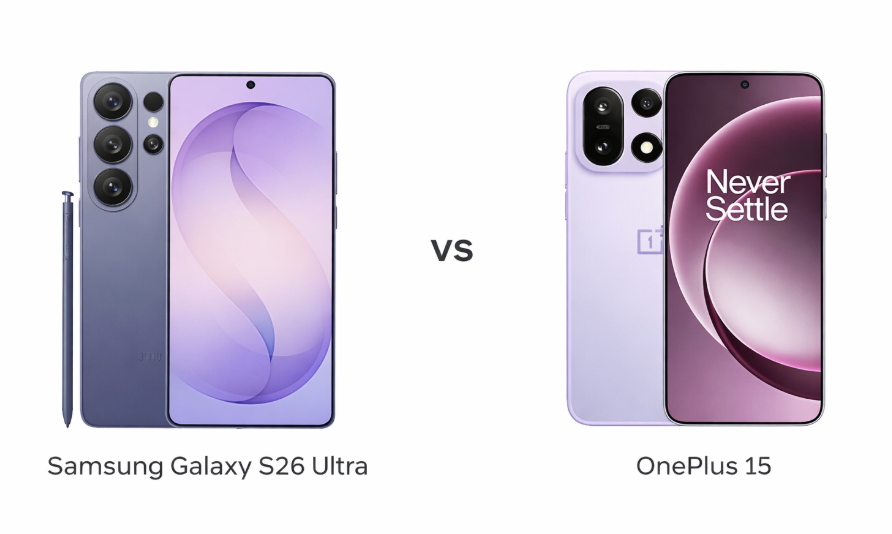
Choosing between two flagship smartphones isn’t just about specs anymore; it’s about priorities. The Samsung Galaxy S26 Ultra and OnePlus 15 represent two very different approaches to what a premium phone should be. One pushes boundaries with features, cameras, and productivity tools, while the other focuses on speed, battery, and real-world value. This comparison matters for buyers who want the best performance for their money without missing out on flagship essentials, making the decision more about lifestyle fit than raw power.
Please Note: When you buy something using the links in our articles, we may earn a small commission at no cost to you.
Design and Display
Build and Feel
The Samsung Galaxy S26 Ultra leans into a premium, ultra-refined identity with its Gorilla Armor 2 protection, Armor aluminum frame, and the added functionality of the S Pen. It feels purpose-built for productivity and durability, with subtle refinements like anti-reflective coating and a privacy display enhancing usability. The OnePlus 15, meanwhile, offers a more versatile design approach with multiple back materials and a rugged IP68/IP69K rating. It feels slightly more experimental and modern, especially with its micro-arc oxidation finish on select variants.
Display Quality
Samsung delivers a sharper QHD+ panel with higher peak brightness and better outdoor visibility, making it ideal for media and productivity. The OnePlus 15 counters with a smoother 165Hz refresh rate and Dolby Vision support, which feels more fluid and visually vibrant during gaming and scrolling.
Verdict
Samsung wins for clarity and premium feel, while OnePlus appeals more to users who prefer fluid visuals and a slightly more dynamic display experience.
Specifications Including Battery
Performance
Both devices are powered by the Snapdragon 8 Elite Gen 5, ensuring top-tier flagship performance. The Galaxy S26 Ultra has a slight edge with higher clock speeds and deeper software optimization through One UI, making it feel more stable under heavy multitasking. The OnePlus 15, however, feels faster in short bursts thanks to its aggressive tuning and lighter OxygenOS, which often translates into quicker app launches and smoother animations.
Battery and Charging
Battery is where OnePlus clearly dominates. Its massive 7300mAh battery, paired with 120W wired and 50W wireless charging, delivers unmatched endurance and speed. The Galaxy S26 Ultra’s 5000mAh battery is reliable and efficient, but its charging speeds feel conservative in comparison.
Verdict
Samsung offers balanced, consistent performance, but OnePlus wins decisively with battery life and charging, making it more practical for heavy users.
Camera
Main and Secondary Lenses
The Galaxy S26 Ultra stands out with its 200MP main sensor and versatile quad-camera system, including dual telephoto lenses for 3x and 5x zoom. This setup delivers superior flexibility, especially for long-range photography and detail capture. The OnePlus 15 takes a more balanced approach with three 50MP sensors, offering consistent color science and strong overall performance, though it lacks the same zoom versatility.
Selfie Camera
OnePlus takes the lead in selfies with its 32MP front camera, delivering sharper and more detailed shots. Samsung’s 12MP sensor is reliable and optimized for video, but it feels less impressive on paper and in detail-heavy scenarios.
Verdict
Samsung wins for overall camera versatility and zoom performance, while OnePlus stands out for balanced imaging and better selfie output.
Pricing
The Samsung Galaxy S26 Ultra sits at around $1300 (₹1,40,000), firmly positioned as an ultra-premium flagship. The OnePlus 15, priced at approximately $900 (₹80,000), undercuts it significantly while still offering flagship-level hardware.
Is the price justified?
Samsung justifies its price with premium materials, S Pen functionality, superior display resolution, and a more versatile camera system. It targets users who want an all-in-one powerhouse with long-term software support.
OnePlus 15, however, feels like exceptional value, delivering comparable performance, a much larger battery, and faster charging at a far lower price. It often feels like the smarter buy for most users unless specific Samsung features are essential.
Verdict
Samsung is justified for premium buyers, but OnePlus delivers far better value for money overall.
Disclaimer: Prices are approximate and may vary based on country, region, and applicable taxes.
Conclusion
The Galaxy S26 Ultra differentiates itself with the S Pen, advanced display technologies, Samsung DeX, and long-term software support, making it ideal for productivity-focused users. The OnePlus 15 focuses on raw practicality, massive battery, ultra-fast charging, smoother display, and a clean, fast UI experience. These differences make each device feel tailored for different priorities rather than direct competitors in every aspect.
Verdict
The Samsung Galaxy S26 Ultra is the better choice for users seeking a premium, feature-rich flagship with top-tier cameras and productivity tools. The OnePlus 15, however, stands out as the more sensible flagship, offering incredible battery life, speed, and value.
For most users, OnePlus feels like the smarter upgrade, while Samsung remains the aspirational all-rounder.

 Login
Login
 Key Specs (Quick Look)