Reading view

TSMC hits 5GHz speeds on smartphone processors, leaving Huawei generations behind
TSMC 2nm reaches 5.0GHz speed

TSMC would hit another major milestone this year as its advanced nodes would allow smartphone chipsets to reach clock speeds up to 5GHz. Companies like Qualcomm, MediaTek, and Apple have already been greatly benefiting from TSMC’s cutting-edge technologies, and later this year, we’ll witness new chips reaching up to 5GHz of peak clock speeds for the first time in history, and that only makes it worse for Huawei to compete with.

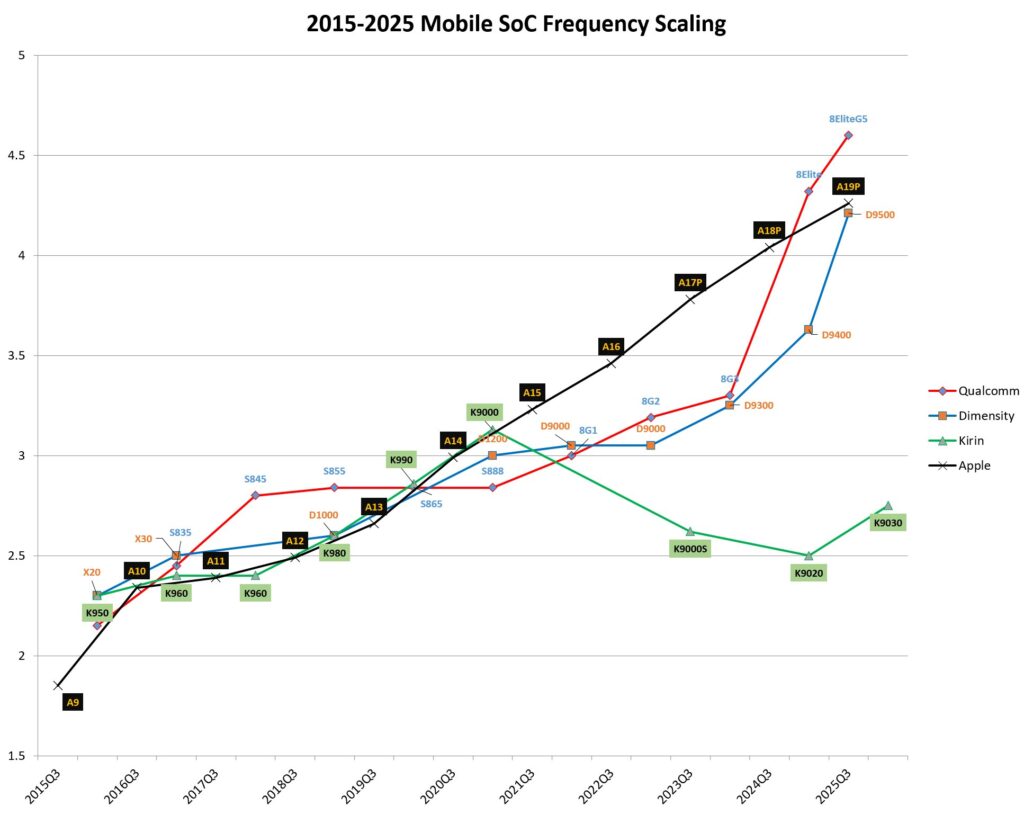
Over the years, Qualcomm, MediaTek, and Apple have grown strongly to offer powerful chips with excellent performance and efficiency, and TSMC has been at the center of it. The chart below (shared by Kurnal) shows how these companies have gradually increased peak clock speeds, now pushing toward the 5.0GHz mark.

Qualcomm, MediaTek, Apple Huawei frequency scaling

The latest flagship from Qualcomm, the Snapdragon 8 Elite Gen 5, can already reach a peak speed of 4.61GHz, and the upcoming Snapdragon 8 Elite Gen 6 Pro is said to reach 5.0GHz. MediaTek’s Dimensity 9600 Pro will reportedly achieve a similar feat, following the Dimensity 9500’s 4.21GHz peak clock speed. This increase enables SoCs to offer major improvements in both single-threaded and multi-threaded workloads.

Huawei’s Kirin chipsets, on the other hand, are nowhere near the performance and efficiency offered by Qualcomm, MediaTek, and Apple. Its downtrend on the above graph is due to U.S. trade sanctions that banned the company from doing business with TSMC. Huawei had no other option but to use China’s SMIC facility, which is still generations behind TSMC. Even today, SMIC is limited to the 5nm process because it’s restricted from using the most advanced EUV (Extreme Ultraviolet) lithography machines.

Huawei’s latest chip, Kirin 9030 Pro, hasn’t crossed the 3.0GHz mark. As things stand today, Huawei is still a long way behind Qualcomm, MediaTek, and Apple to even compete with them, and the difference is a foundry partner.

source/via: wccftech

For more daily updates, please visit our News Section.

Stay ahead in tech! Join our Telegram community and sign up for our daily newsletter of top stories

The post TSMC hits 5GHz speeds on smartphone processors, leaving Huawei generations behind appeared first on Gizmochina.
HyperOS 4 leak reveals massive UI overhaul and Leica Color integration

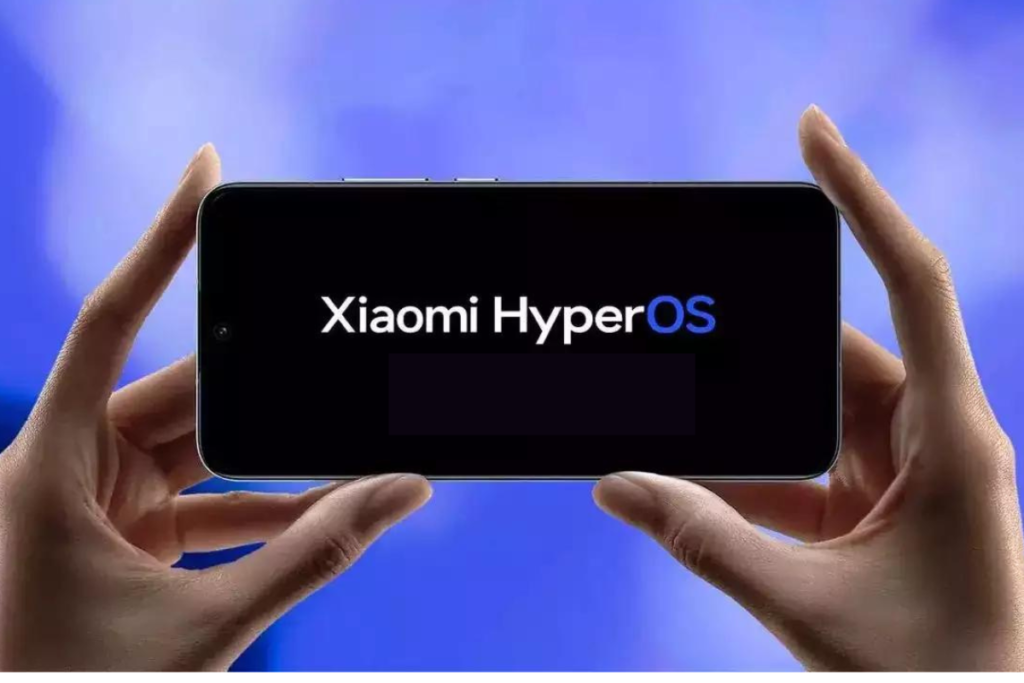
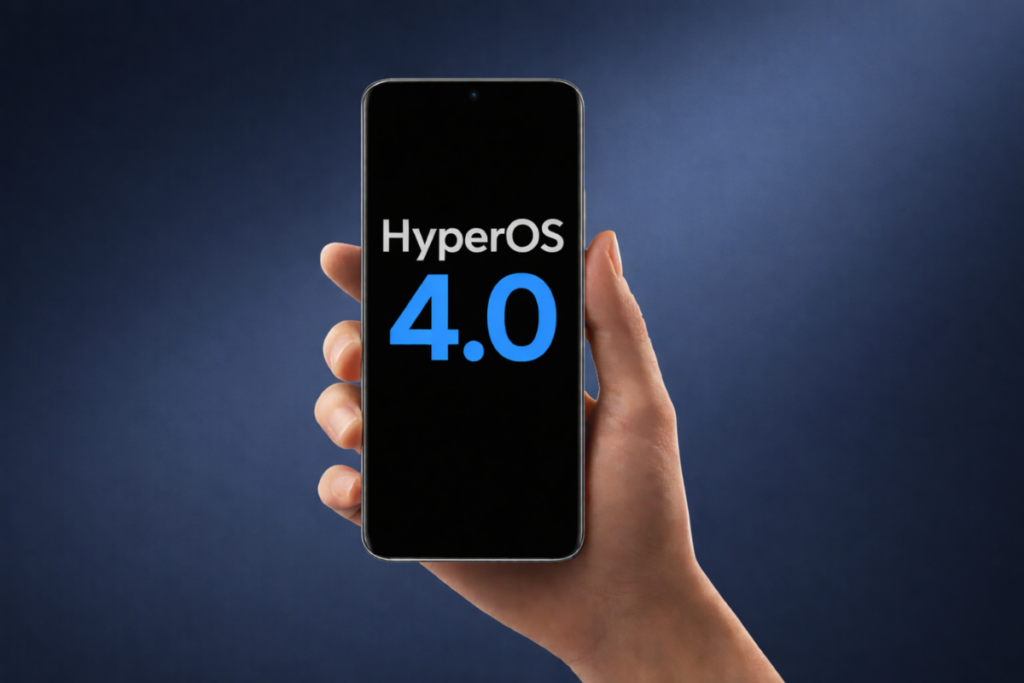
Xiaomi HyperOS 4.0
Xiaomi HyperOS 4.0

Xiaomi may already be developing HyperOS 4, as leaks have begun surfacing online, revealing key elements. A fresh leak suggests that HyperOS 4 won’t be just another upgrade, but a major one with significant visual changes and premium Leica color palette integration.

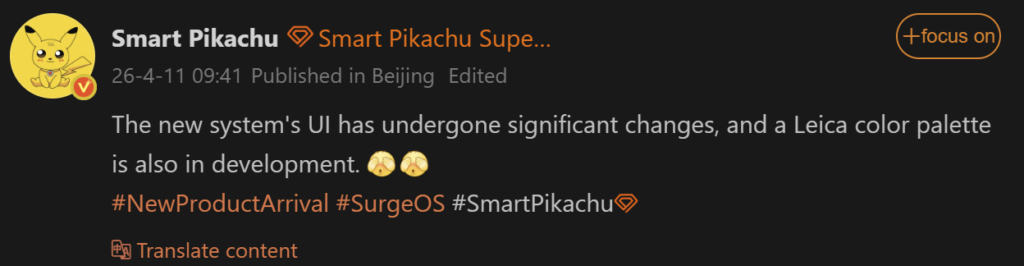
The latest information comes from a Chinese tipster, Smart Pikachu, via a Chinese microblogging site Weibo. He claims that the upcoming HyperOS 4 will feature significant changes to the core user interface. While the leak doesn’t go into detail, it suggests the company might be switching from its familiar design language to a highly modernized, cohesive look for its next-generation OS.

HyperOS 4 leak screenshot

The leakster also claims Xiaomi is developing a Leica color palette to integrate into the upcoming major HyperOS release. Again, no specific details were provided, but it likely points to a premium, high-contrast aesthetic for the system UI, which was previously reserved for the camera application.

While we are yet to see these changes in action, they sound exciting. Xiaomi’s software team appears to be working hard in the background to ensure HyperOS 4 feels more premium and feature-rich. According to Ximitime’s industry sources, changes in HyperOS 4 go much deeper than just a superficial visual refresh.

Xiaomi may also be working on a deeper, bigger change that most people wouldn’t even notice. According to past leaks, the company is removing remnants of the legacy MIUI framework. The core system applications for HyperOS 4 will reportedly be rewritten using the RUST programming language, offering better system fluidity and security.

While Xiaomi hasn’t officially revealed anything about HyperOS 4, reports say it could debut alongside the upcoming Xiaomi 18 series in Q3 2026, with beta testing beginning in August.

Related: Xiaomi HyperOS 4 to adopt self-developed architecture while retaining native Android services

We’ll keep tracking the latest HyperOS developments and post the same in the Xiaomi section on this website. Remember to visit it every few days to get fresh details. Or, you can join our Telegram channel to get instant notifications when we publish new stories.

The post HyperOS 4 leak reveals massive UI overhaul and Leica Color integration appeared first on Gizmochina.

HyperOS 3.1 global update is available for these Xiaomi devices

Xiaomi HyperOS 3.1 global update

Xiaomi started rolling out the global HyperOS 3.1 update last month, with the Xiaomi 17 series getting the first bite, and has since been expanding it to more eligible smartphones and tablets. The new software will continue to expand to more devices over the coming weeks, but it’s a difficult task to keep track of HyperOS rollouts.

To make things simpler, we’ve included a list of devices that are receiving the HyperOS 3.1 update globally. Review the list below to see if Xiaomi has begun the update rollout for your device.

These Xiaomi, Redmi, and POCO devices have received HyperOS 3.1 global update 

  • Xiaomi 17
  • Xiaomi 17 Ultra
  • Xiaomi 15T Pro
  • Xiaomi Pad 7
  • Xiaomi Pad 7 Pro
  • Xiaomi Pad 7 Ultra
  • Xiaomi Pad 7S Pro
  • Redmi Pad Pro
  • POCO F7 Pro
  • POCO Pad

Currently, the list is short as the global rollout went live only recently. However, it will grow as more devices receive the update. We’ll update the list periodically to keep it current. You can bookmark this page to visit again.

If you own a device that’s on the list above, go to Settings > About phone and tap the HyperOS logo to check for an available update. Note that the update follows a staged rollout, so it may take some time to reach your device.

Also read: HyperOS 3.1 vs HyperOS 3: Every new feature, changes, & full eligible device list

The HyperOS 3.1 skin, based on Android 16, introduces HyperIsland to tablets for the first time. Smartphones receive an upgraded HyperIsland, featuring richer animations, deeper third-party integration, and more intuitive real-time activity tracking.

The recent apps page also received visual upgrades, now featuring an iOS-inspired look with smoother gesture navigation, fluid card swiping, and better visual management. HyperOS 3.1 also focuses on improving cross-platform connectivity with Apple devices by adding native support for Apple AirPods. This enables features like quick pop-up pairing and access to spatial audio on compatible earbuds.

The update also introduces the Super OTA feature that applies system updates faster with minimal reboot time and fewer errors. Additionally, it offers expanded lock-screen customizations and more interactive elements in HyperIsland. Besides new features and visual upgrades, HyperOS 3.1 includes a wealth of under-the-hood optimizations to deliver a snappier, more stable software experience.

To ensure you don’t miss out on the latest HyperOS stories, remember to visit the Xiaomi section on Gizmochina regularly. Alternatively, you can join us on Telegram to get instant notifications about the latest HyperOS updates and major tech headlines.

The post HyperOS 3.1 global update is available for these Xiaomi devices appeared first on Gizmochina.

Oppo’s ColorOS 16.1 releasing this month: Here’s everything we know about it

Oppo ColorOS 16.1 update

While Oppo has already begun its Android 17 beta program, it’s also preparing to release a minor update based on Android 16, offering exciting visual upgrades and quality-of-life improvements. This one will be called ColorOS 16.1 and is officially confirmed to be released this month.

If you have an Oppo device, you may be wondering if it’s eligible for the ColorOS 16.1 update and what new features or changes to look forward to. So, here’s everything we know so far.

ColorOS 16.1 release date

Oppo has confirmed that ColorOS 16.1 will be released on April 16, 2026. This is the release date for the Chinese market. The company hasn’t announced the same for the global markets.

The Oppo Find X9s Pro and Find X9 Ultra, launching on April 21st in China, will be the first phones to run the upcoming ColorOS 16.1 software out of the box.

If past rollouts are any indication, the brand may begin rolling out the ColorOS 16.1 update to older devices in late April, while the global rollout could begin in May 2026.

Which Oppo devices will receive the ColorOS 16.1 update?

Oppo has confirmed that the Find X9s Pro and Find X9 Ultra will debut with ColorOS 16.1. However, it hasn’t announced which older devices will receive the update.

It’s safe to say the update will be rolled out to the recent Find X-series phones, at least. We’ll have more details on the eligible devices next week when the software is released.

ColorOS 16.1 update: New features and upgrades

Ahead of the release date, Oppo has posted a video showcasing new features and exciting upgrades in ColorOS 16.1. It shows a revamped Live Activities and a new stacked notification center.

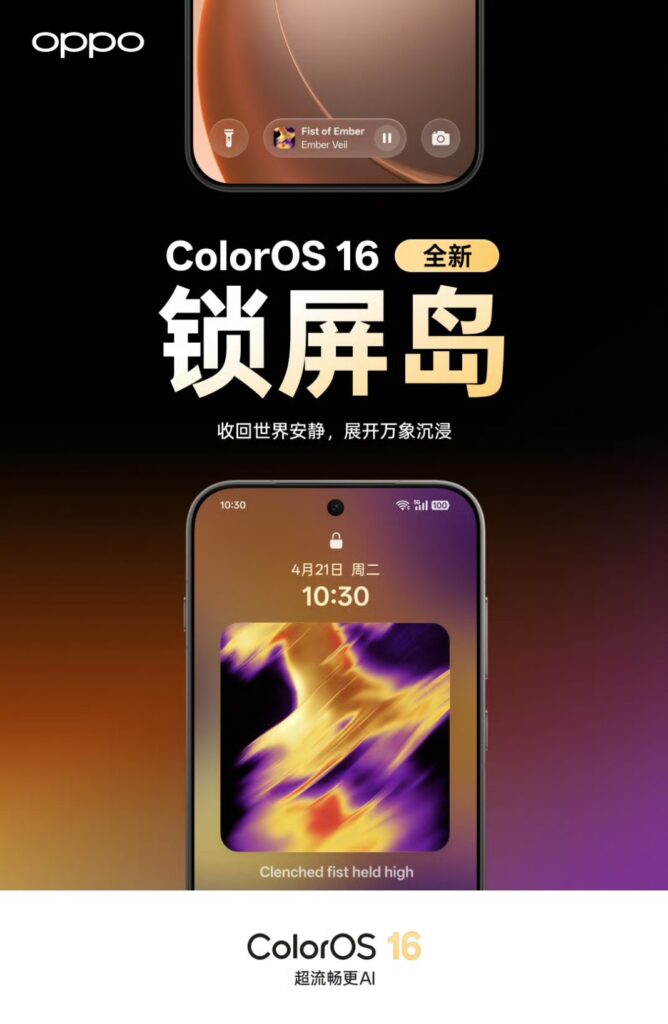
The video also confirms that the new Live Activities will support ongoing calls, the recorder, the timer, the flashlight, and maps. The new software also introduces an iOS-like media player for the lock screen.

ColorOS 16.1 new media player

ColorOS 16.1 also features a pill-shaped UI element at the bottom of the lock screen, which looks and works similarly to Samsung’s Now Bar. Plus, the software will include new AI features and a revamped camera UI.

We’ll keep updating you with the latest information in the Oppo section on this website. Be sure to visit that once in a while. Or, join our Telegram channel to get instant notifications.

The post Oppo’s ColorOS 16.1 releasing this month: Here’s everything we know about it appeared first on Gizmochina.

❌