Login
Login
Top 5 alternatives to Vivo V70: Similar pricing, more value

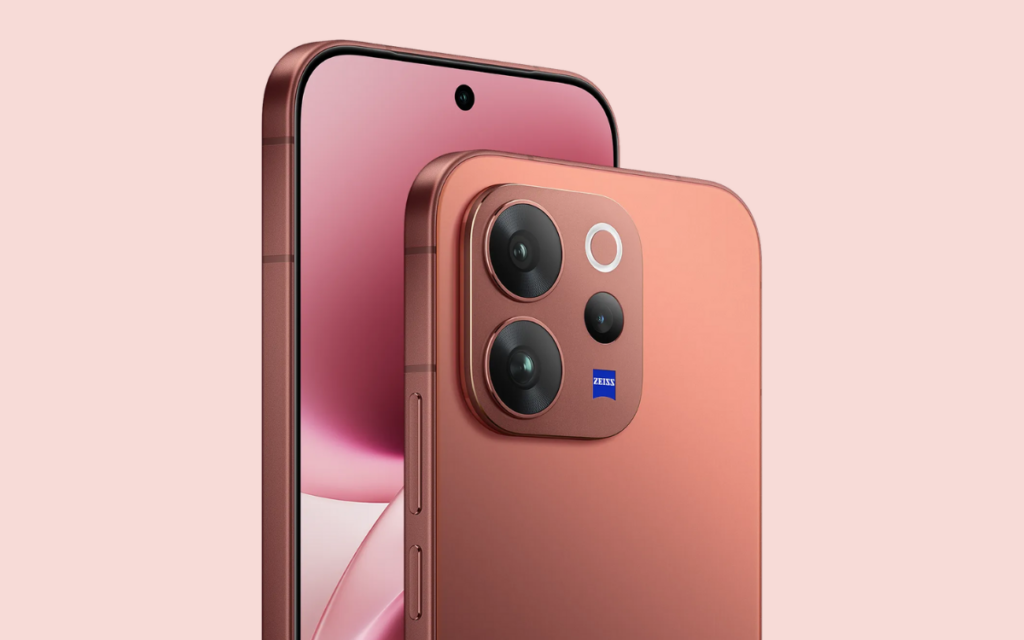
The Vivo V70 is one of the most popular premium mid-range smartphones right now, offering an excellent triple camera setup, a bright screen, and reliable performance. It also features a massive 6,500mAh battery with 90W fast charging support. Overall, it’s a solid phone in the INR 50-60K price segment. However, the Vivo V70 is far from being the only showstopper in this price segment. There are compelling options that can go head-to-head with this Vivo phone.
5 Excellent alternatives to Vivo V70

1. Oppo Reno 14 Pro
Price: INR 54,999 (check the latest price)
The Oppo Reno 14 Pro features a more robust camera than the Vivo V70. Its triple rear camera setup includes a 50MP primary sensor, a 50MP periscope lens with a higher 3.5x optical zoom, and a 50MP ultrawide sensor. The Oppo phone primarily benefits from a much higher resolution ultrawide camera and better optical zoom.
The Reno 14 Pro also delivers faster performance as the Dimensity 8450 chipset outperforms the Vivo V70’s Snapdragon 7 Gen 4. The smartphone also features a larger screen and supports 50W wireless charging.
Oppo Reno 14 Pro specs:
- Display: 6.83-inch AMOLED, 1272 x 2800 pixels, 120Hz refresh rate, HDR10+
- Processor: MediaTek Dimensity 8450 (4 nm)
- Software: Android 15, up to four major Android upgrades
- Rear camera: 50MP (wide) + 50MP (periscope telephoto, 3.5x optical zoom) + 50MP (120˚ ultrawide)
- Selfie camera: 50MP
- Battery: 6200mAh
- Charging: 80W (wired), 50W (wireless)
- Connectivity: Wi-Fi 6e, Bluetooth 5.4, NFC, USB Type-C 2.0
2. Vivo X200T
Price: INR 59,999 (check the latest price)
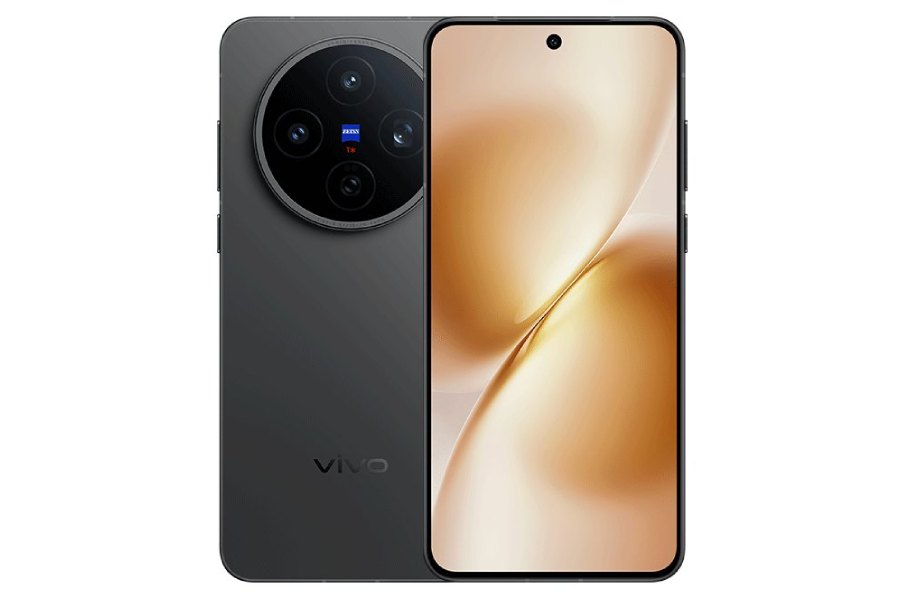
The Vivo X200T has an upper hand in almost every aspect compared to the Vivo V70. However, it’s priced a little higher at INR 59,999, but with ongoing offers, you can easily bring the price down to around INR 52,000, making it a no-brainer choice over the V70.
The smartphone features a much better rear camera setup, including a 50MP primary sensor, a 50MP periscope lens with 3x optical zoom, and a 50MP ultrawide unit with a wider field of view. It’s been developed in partnership with Zeiss to deliver more accurate colors, optical precision, and specialized portrait effects.
Furthermore, the Vivo X200T delivers significantly higher performance and power efficiency, thanks to the powerful Dimensity 9400 Plus SoC. The device also excels in screen size and Wi-Fi capabilities, and it supports wireless charging. Plus, the X200T also promises an additional major OS upgrade.
Vivo X200T specs:
- Display: 6.67-inch AMOLED, 1260 x 2800 pixels, 120Hz refresh rate, HDR10+, 5000nits (peak brightness)
- Processor: MediaTek Dimensity 9400+ (3 nm)
- Software: Android 16, up to five major Android upgrades
- Rear camera: 50MP (wide) + 50MP (periscope telephoto, 3x optical zoom) + 50MP (119˚ ultrawide)
- Selfie camera: 32MP
- Battery: 6200mAh
- Charging: 90W (wired), 40W (wireless)
- Connectivity: Wi-Fi 7, Bluetooth 5.4, NFC, USB Type-C 2.0

3. OnePlus 15R
Price: INR 50,499 (check the latest price)
If performance and battery backup are your primary concerns, the OnePlus 15R delivers big. It’s equipped with a flagship-grade Snapdragon 8 Gen 5 chipset that outperforms the Snapdragon 7 Gen 4 in the Vivo V70 by a significant margin. Plus, its Oryon cores are also more power efficient.
The bigger screen on the OnePlus 15R makes it more appealing for media consumption, and to ensure it lasts longer, there’s a massive 7,400mAh battery beneath, which can easily last the entire day, even on heavy usage. The camera remains a weak link, as the device lacks a telephoto shooter.
OnePlus 15R specs:
- Display: 6.83-inch AMOLED, 1272 x 2800 pixels, 165Hz refresh rate, HDR10+, Dolby Vision, 3600nits (peak brightness)
- Processor: Qualcomm Snapdragon 8 Gen 5 (3 nm)
- Software: Android 16, up to four major Android upgrades
- Rear camera: 50MP (wide) + 8MP (112˚ ultrawide)
- Selfie camera: 32MP
- Battery: 7400mAh
- Charging: 80W (wired)
- Connectivity: Wi-Fi 7, Bluetooth 6.0, NFC, USB Type-C 2.0
4. iQOO 15R
Price: INR 46,999 (check the latest price)
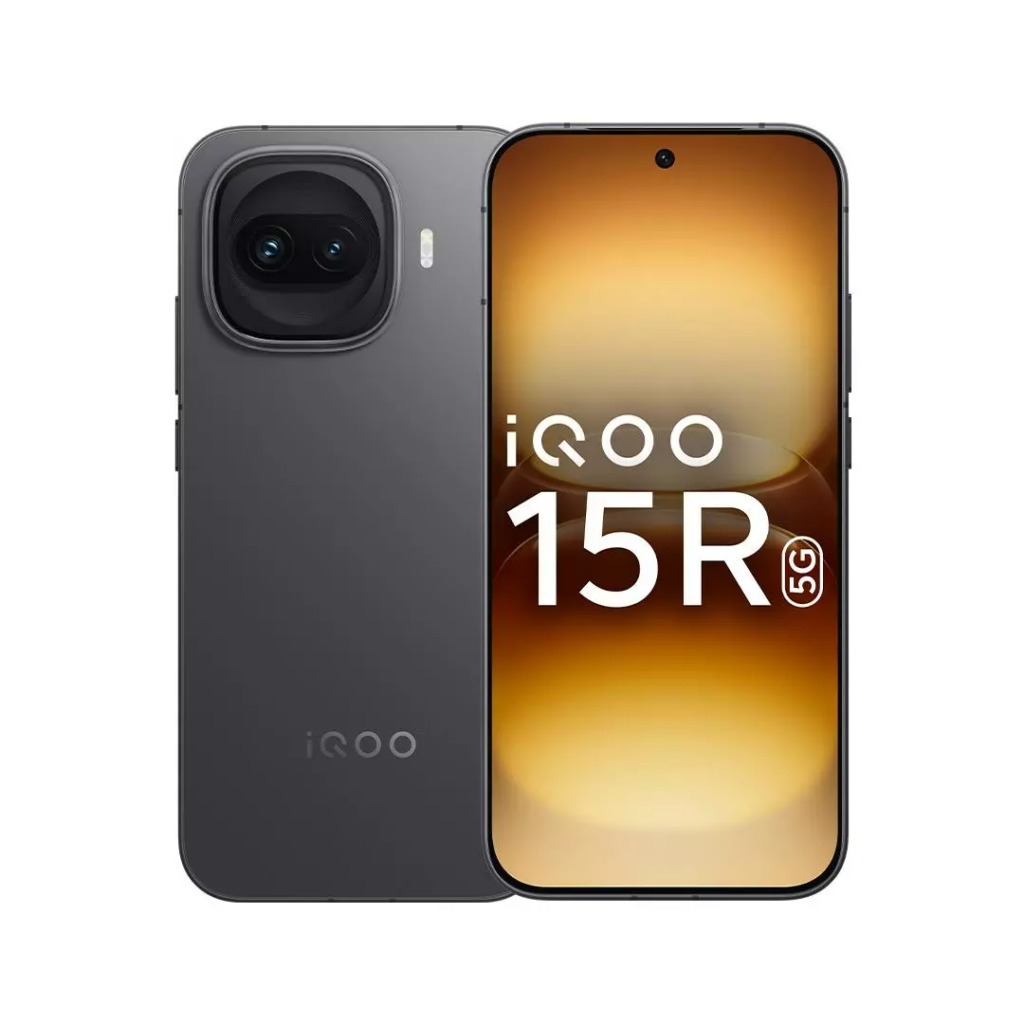
iQOO smartphones are designed to unlock maximum performance, and the iQOO 15R is no different. It’s likely to perform better than the OnePlus 15R, even though both phones share the same Snapdragon 8 Gen 5 chipset. Obviously, both phones deliver superior performance to the Vivo V70.
The iQOO 15R packs a 7,600 mAh battery and supports 100W wired charging, both of which are better than the V70. The inclusion of Wi-Fi and Bluetooth v6.0 makes it more future-proof for connectivity, but, like the OnePlus 15R, the camera may be underwhelming. It also lacks a telephoto shooter, and the selfie camera has a lower resolution, too.
iQOO 15R specs:
- Display: 6.59-inch AMOLED, 1260 x 2750 pixels, 144Hz refresh rate, HDR10+, 5000nits (peak brightness)
- Processor: Qualcomm Snapdragon 8 Gen 5 (3 nm)
- Software: Android 16, up to four major Android upgrades
- Rear camera: 50MP (wide) + 8MP (ultrawide)
- Selfie camera: 32MP
- Battery: 7600mAh
- Charging: 100W (wired)
- Connectivity: Wi-Fi 7, Bluetooth 6.0, NFC, USB Type-C 2.0

5. Samsung Galaxy S25 FE
Price: INR 48,999 (check the latest price)
While the Galaxy S25 FE’s spec sheet doesn’t outperform the Vivo V70’s, the smartphone maintains an edge in several areas that matter. Also, it’s the only solid non-Chinese device in this price segment.
Unlike the Vivo V70, the Galaxy S25 FE has an LTPO panel that can save some power, and the screen is also bigger. Software is a key advantage of the Galaxy device, as it promises three additional major OS upgrades, while also offering a cleaner OS experience. Performance-wise, the Samsung phone has an edge as the Exynos 2400 is snappier than the 7 Gen 4 on the Vivo V70.
The S25 FE features three rear cameras: a 50MP primary sensor, an 8MP telephoto shooter with 3x optical zoom, and a 12MP ultrawide shooter. The selfie camera is 12MP. The battery capacity is smaller, but it’s offset by adding support for wireless charging.
Samsung Galaxy S25 FE specs:
- Display: 6.7-inch Dynamic LTPO AMOLED 2X, 1080 x 2340 pixels, 120Hz refresh rate, HDR10+, 1900nits (peak brightness)
- Processor: Samsung Exynos 2400 (4 nm)
- Software: Android 16, up to seven major Android upgrades
- Rear camera: 50MP (wide) + 8MP (telephoto, 3x optical zoom) + 12MP (123˚ ultrawide)
- Selfie camera: 12MP
- Battery: 4900mAh
- Charging: 45W (wired), 15W (wireless)
- Connectivity: Wi-Fi 6e, Bluetooth 5.4, NFC, USB Type-C 3.2
The post Top 5 alternatives to Vivo V70: Similar pricing, more value appeared first on Gizmochina.