Reading view

OPPO Pad 5 Pro Launched: 13.2” 3.4K Display, Snapdragon 8 Elite Gen 5 , Now Available On Giztop
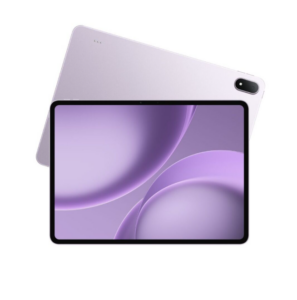
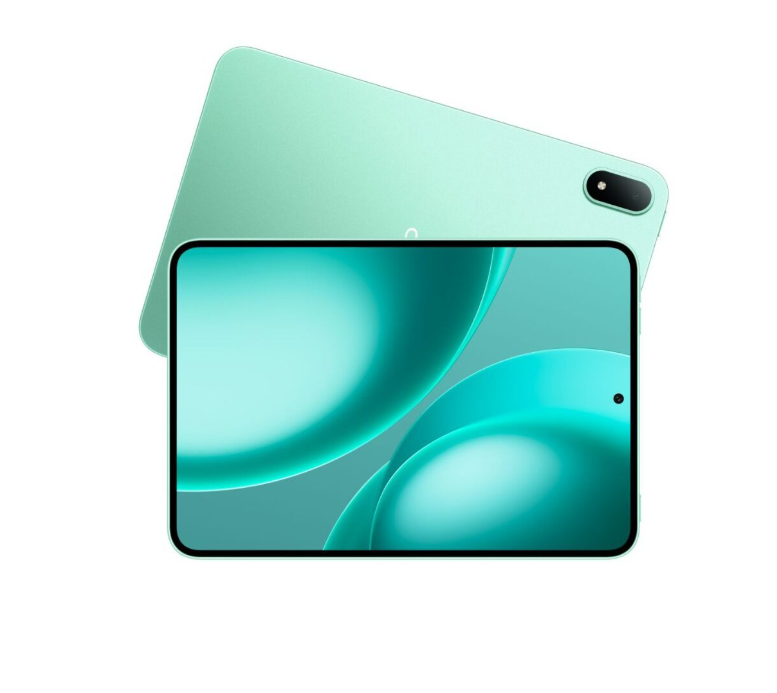
OPPO Pad 5 Pro

OPPO Pad 5 Pro enters the premium tablet space with a strong focus on display quality, flagship-level performance, and long-lasting battery life. Built for users who want a large-screen experience for productivity, entertainment, and multitasking, it combines a high refresh rate panel with a powerful chipset and modern connectivity features.

OPPO Pad 5 Pro is now available globally via Giztop, with a starting price of $799 for the base variant.
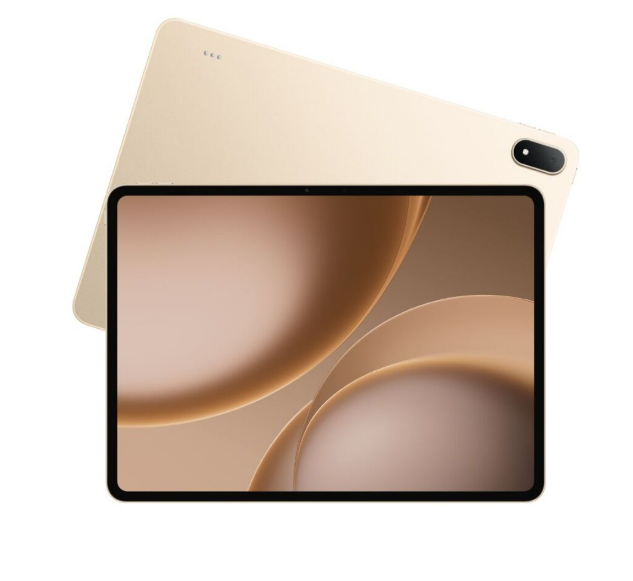
Design and Display

OPPO Pad 5 Pro features a large 13.2-inch LCD designed for immersive viewing. With a 3.4K resolution (3392 × 2400 pixels), the screen delivers sharp visuals and vibrant color reproduction. The 10-bit color support enhances gradients and overall visual accuracy, making it suitable for media consumption and creative tasks.

A 144Hz adaptive refresh rate ensures smooth scrolling and fluid animations, which noticeably improve the overall user experience. The slim bezels contribute to an 89.4% screen-to-body ratio, giving the tablet a modern and premium look while maximizing usable screen space.

Performance and Software

At the core of the OPPO Pad 5 Pro is the Snapdragon 8 Elite Gen 5 octa-core processor, built to handle demanding workloads. Whether it’s multitasking, gaming, or running heavy apps, the chipset ensures stable and smooth performance.

The tablet runs on ColorOS 16 based on Android 16, offering a refined and responsive interface. The software experience is optimized for large screens, with features like split-screen multitasking, parallel windows, and cross-device collaboration, enhancing productivity. The UI feels fluid and well-integrated, especially when switching between apps or using multiple windows.

Memory and Storage

The OPPO Pad 5 Pro is available in two configurations:

  • 8GB RAM + 256GB storage
  • 12GB RAM + 512GB storage

With LPDDR5X RAM and UFS 4.1 storage, the tablet delivers fast app launches, smooth multitasking, and quick data access. This setup ensures that even heavy users won’t experience slowdowns during intensive usage.

Camera Capabilities

For a tablet, the OPPO Pad 5 Pro offers practical camera hardware:

  • 13MP rear camera for basic photography and document scanning
  • 8MP front camera with a 105° wide-angle lens for video calls

The front camera is especially useful for video conferencing, offering a wider field of view that keeps you properly framed during calls.

Battery and Charging

The device is powered by a large 13,380mAh battery, designed for extended usage. Whether you’re streaming content, attending meetings, or working on tasks, the tablet is built to last through long sessions without frequent charging.

It supports 67W SuperVOOC fast charging, allowing you to quickly top up the battery and get back to work or entertainment without long wait times.
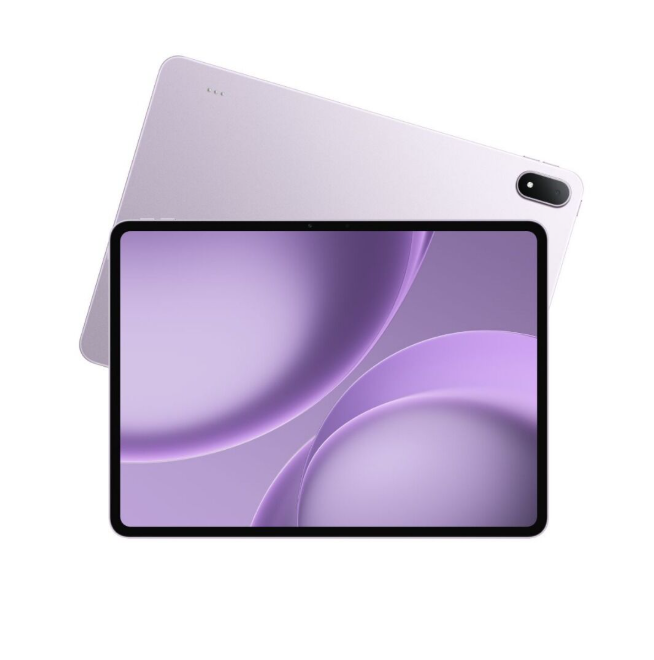
Connectivity and Audio

The OPPO Pad 5 Pro comes equipped with modern connectivity options:

  • Wi-Fi 7 with dual-band support (2.4GHz and 5GHz)
  • Bluetooth 5.4 for seamless wireless connections

For audio, the tablet features quad speakers with Dolby Atmos support and Hi-Res audio certification. The sound output is loud, immersive, and well-balanced, making it ideal for movies, music, and gaming.

Additional Features

OPPO has included several smart features to improve usability:

  • Four-finger pinch gestures
  • Two-finger split-screen multitasking
  • Parallel windows for better app management
  • Cross-device collaboration for seamless workflow between devices

These features make the tablet more versatile, especially for productivity-focused users.

The OPPO Pad 5 Pro positions itself as a powerful large-screen tablet with a strong emphasis on display quality, performance, and battery life. The combination of a 144Hz 3.4K display, Snapdragon flagship chipset, and massive battery makes it a compelling option for both entertainment and productivity.

It’s clearly aimed at users who want a premium tablet experience without compromises, especially those who value a bigger display and smooth multitasking performance.


Read More:

The post OPPO Pad 5 Pro Launched: 13.2” 3.4K Display, Snapdragon 8 Elite Gen 5 , Now Available On Giztop appeared first on Gizmochina.
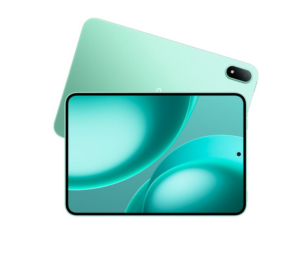
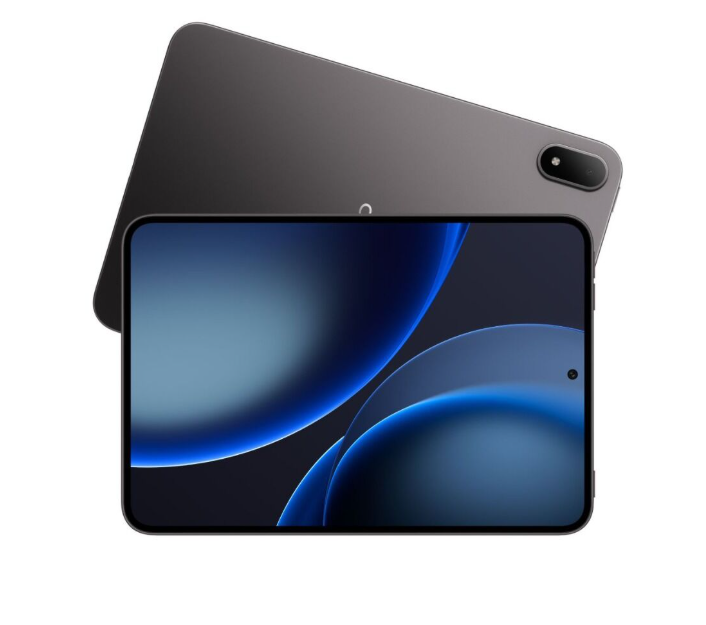
OPPO Pad Mini Now Available at Giztop Starting at $699

OPPO Pad Mini

OPPO Pad Mini is a compact yet powerful tablet designed for both entertainment and productivity, featuring a high-refresh-rate AMOLED display and flagship-level performance. It is now available starting at $699, making it a premium small-tablet option, and can be purchased globally through Giztop.

Design and Display

The OPPO Pad Mini features a compact and premium design with an 8.8-inch 2.5K AMOLED display. It offers a sharp resolution of 2520×1680 pixels, making content look detailed and vibrant. The 144Hz adaptive refresh rate ensures smooth scrolling and fluid visuals, which is especially useful for gaming and daily use. With up to 1600 nits peak brightness and ultra-narrow bezels, the viewing experience feels immersive and comfortable even in bright conditions.

Performance and Software

This tablet is powered by the Snapdragon 8 Gen 5 octa-core processor, paired with the Adreno 829 GPU. It delivers fast and stable performance for multitasking, gaming, and heavy apps. The device comes with 8GB or 12GB LPDDR5X RAM and up to 512GB UFS 4.1 storage, ensuring quick data access and smooth operation. It runs on ColorOS 16, based on Android 16, offering a clean, modern, and user-friendly interface.

Camera and Multimedia

The OPPO Pad Mini includes an 8MP front camera with a wide-angle lens, making it suitable for video calls and online meetings. On the back, there is a 13MP camera for basic photography and document scanning. The dual-speaker setup provides balanced stereo sound, enhancing the experience for watching videos or listening to music.

Battery and Connectivity

The tablet is equipped with an 8000mAh battery, which supports 67W SuperVOOC fast charging. This allows quick top-ups and long usage throughout the day. For connectivity, it supports Wi-Fi 7 with 2×2 MIMO for faster internet speeds and Bluetooth 5.4 for stable wireless connections.

The OPPO Pad Mini offers a strong mix of performance, display quality, and fast charging in a compact form, making it a solid choice for both entertainment and productivity.

Read More:

The post OPPO Pad Mini Now Available at Giztop Starting at $699 appeared first on Gizmochina.
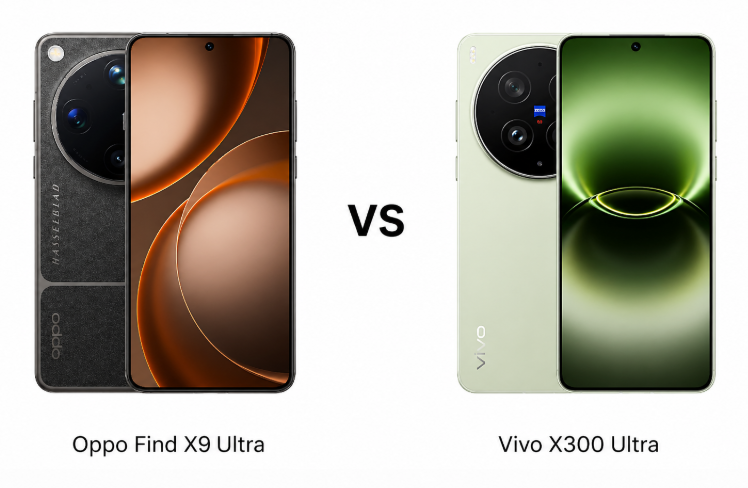
Oppo Find X9 Ultra vs Vivo X300 Ultra: Which Ultra Phone Is Actually Worth It?

Oppo vs Vivo

Flagship smartphones have reached a point where “best” is no longer universal; it’s personal. The Oppo Find X9 Ultra and Vivo X300 Ultra represent two different philosophies at the very top: one pushes hardware to extremes, while the other focuses on refinement and balance. On paper, they look nearly identical, but the real differences show up in how they feel, shoot, and last through a full day. This comparison cuts through the spec sheet noise to reveal which flagship actually fits different types of users, and where each one quietly pulls ahead.

Major Features:

FeatureOppo Find X9 UltraVivo X300 UltraWinner
PerformanceSnapdragon 8 Elite Gen 5, Adreno 840Snapdragon 8 Elite Gen 5, Adreno 840Tie – Same chipset & performance
DisplayLTPO AMOLED, 144Hz, Dolby Vision, higher peak brightness (3600 nits)LTPO AMOLED, 144Hz, Dolby Vision, 2160Hz PWM dimmingVivo – Better eye comfort
Build & ProtectionGorilla Glass Victus 2, eco leather optionArmor glass, premium glass buildOppo – Stronger protection + unique finish
Battery7050mAh6600mAh / 6400mAhOppo – Bigger battery
Charging100W wired, 50W wireless, reverse wireless100W wired, 40W wireless, reverse wirelessOppo – Faster wireless charging
Main Camera SetupQuad: 200MP + 200MP (3x) + 50MP (10x) + 50MP UWTriple: 200MP + 200MP (3.7x) + 50MP UWOppo – More versatile setup
Zoom Capability3x + 10x optical zoom3.7x optical + optional external lensesOppo – Native zoom advantage
Camera FeaturesHasselblad tuning, O-Log2, LUTZeiss optics, gimbal OIS, 3D LUT importVivo – Better stabilization & color science
Video Recording8K, 4K 120fps, Dolby Vision, 10-bit Log8K, 4K 120fps, Dolby Vision, 10-bit LogTie – Similar video capabilities
Selfie Camera50MP with AF50MP with AFTie – Similar hardware
ConnectivityWi-Fi 7, Bluetooth 6.0Wi-Fi 7, Bluetooth 5.4Oppo – Newer Bluetooth
Extra FeaturesIR blaster, advanced sensorsSatellite SOS (top variant), Hi-Res audioVivo – More unique extras
Price~$1100 / ₹1,03,000~$1000 / ₹96,000Vivo – Better value
Disclaimer: Specs are based on available data. Actual performance may vary. Verify details from official sources before buying.

Design and Display

Build and Feel

Both phones feel unapologetically premium, but they approach luxury differently. The Oppo Find X9 Ultra leans toward a more expressive design with options like eco-leather, giving it a slightly more tactile and character-driven feel. The Vivo X300 Ultra, on the other hand, stays classic with a glass-and-metal build that feels cleaner and more understated. The Oppo’s finish may appeal more to users who want something distinctive, while Vivo’s approach feels safer and more universally polished.

Display Quality

On paper, both displays are nearly identical: LTPO AMOLED, 144Hz, Dolby Vision, and ultra-high brightness. In practice, Vivo edges slightly ahead with its higher PWM dimming, which can feel easier on the eyes during long usage. Oppo, however, pushes peak brightness higher, making it a bit more impactful outdoors. Both are among the best displays available, but Vivo feels more refined for comfort, while Oppo feels more aggressive and vivid.

Verdict

Vivo X300 Ultra wins slightly for display comfort and balanced design, while Oppo offers more personality and brightness punch.

Specifications Including Battery

Performance

Both devices run on the same Snapdragon 8 Elite Gen 5 chipset with identical GPU and storage configurations, so raw performance is essentially identical. Gaming, multitasking, and heavy workloads feel equally fluid on both. The real difference comes from software tuning—ColorOS feels smoother and slightly more optimized for sustained performance, while OriginOS adds more customization but can feel heavier at times.

Battery and Charging

The Oppo Find X9 Ultra clearly takes the lead with its larger battery and faster wireless charging. It’s built for endurance, easily pushing longer usage times under heavy workloads. Vivo’s battery is still strong but slightly smaller, though it compensates with efficient optimization and stable performance. Charging speeds are similar on wired, but Oppo’s wireless charging advantage is noticeable in daily use.

Verdict

Oppo Find X9 Ultra wins for battery and charging, while performance remains a tie with slight software preference toward Oppo.

Camera

Main and Secondary Lenses

This is where both phones become extremely competitive. Oppo goes all-in with a quad-camera system, offering dual 200MP sensors and extended zoom flexibility up to 10x optical. It feels more versatile, especially for long-range photography. Vivo, however, focuses on precision with its Zeiss-tuned system and gimbal stabilization, delivering more consistent results and better control over color science. The optional external lenses also push Vivo into a more professional territory.

Selfie Camera

Both offer 50MP autofocus selfie cameras with strong video capabilities. The difference is minimal, though Vivo’s tuning often delivers slightly more natural skin tones, while Oppo leans toward sharper, more processed results.

Verdict

Vivo X300 Ultra wins for consistency and professional-grade output, while Oppo Find X9 Ultra leads in zoom versatility and flexibility.

Pricing

The Oppo Find X9 Ultra is priced at around ₹1,03,000, while the Vivo X300 Ultra comes slightly lower at approximately ₹96,000. The difference isn’t massive, but it’s enough to influence buyers looking for better value at the ultra-premium level.

Is the Price Justified?

Oppo justifies its higher price with a larger battery, faster wireless charging, and a more versatile camera setup. It feels like a powerhouse device built for users who want everything maxed out. Vivo, however, offers a more refined camera experience and comparable flagship performance at a slightly lower cost, making it feel more balanced overall.

Verdict

Vivo X300 Ultra offers better value for money, while Oppo Find X9 Ultra justifies its price with extra hardware advantages.

Disclaimer:
Prices are approximate and may vary based on country, region, and applicable taxes.

Conclusion

The Oppo Find X9 Ultra stands out with its massive battery, advanced zoom system, and aggressive hardware approach. It feels like a device built for power users who prioritize endurance and versatility. Vivo X300 Ultra, meanwhile, focuses on refinement, Zeiss optics, gimbal stabilization, and cleaner software tuning create a more polished overall experience. The addition of optional zoom lenses also gives Vivo a unique edge for photography enthusiasts.

Verdict

If only one has to be chosen, the Oppo Find X9 Ultra is the better overall flagship; it delivers a bigger battery, faster wireless charging, and a more versatile zoom-focused camera system, making it feel more powerful and future-proof in daily use. The Vivo X300 Ultra is the more refined and balanced option with better camera consistency and slightly better value, but the Oppo simply offers more hardware advantage, which makes it the stronger pick overall.

Disclaimer: This comparison is based on the specifications provided and is intended for general informational purposes. Actual performance, camera results, battery life, and overall experience may vary depending on real-world usage, software updates, and individual preferences.

Read More:

The post Oppo Find X9 Ultra vs Vivo X300 Ultra: Which Ultra Phone Is Actually Worth It? appeared first on Gizmochina.
Best Dumb / Simple Phones for Parents & Grandparents (2026)

Best phones for seniors

Buying a phone for parents or grandparents isn’t about features; it’s about removing friction. The goal is simple: they should be able to call, pick up calls, and use the phone without asking for help every day. This guide focuses on what actually impacts day-to-day usage, buttons, sound, battery, and clarity, so you can choose a device that feels effortless, not overwhelming.

What You Should Prioritize (Real-World, Not Specs)

Buttons, Not Touchscreens

Physical buttons are still the biggest usability win. Seniors make fewer mistakes with keypads because there’s clear feedback, press equals action. Flip phones and classic keypad phones reduce accidental touches, which is one of the most common frustrations with smartphones.

Loud Audio (This Is Critical)

Most people underestimate this. If the phone isn’t loud enough, nothing else matters. Look for strong earpiece volume and loud speakers for ringtones. Phones designed for seniors often prioritize this, and it makes a bigger difference than any display upgrade.

Battery That Lasts Days, Not Hours

Charging every night becomes a problem quickly. A good, simple phone should last 3–7 days easily. This removes anxiety around battery and makes the device more dependable, especially for users who forget to charge regularly.

Screen Clarity Over Resolution

Forget about HD or AMOLED. What matters is big text, high contrast, and brightness. A basic screen that’s easy to read in sunlight is far more useful than a sharper but smaller display.

Simple Menus (Zero Learning Curve)

If the user has to “learn” the phone, it’s already a bad fit. The best phones have 3–5 clear options on screen, calls, contacts, maybe messages. Anything beyond that starts adding friction.


Choose Based on How They’ll Use It

Only Calls? Go Fully Basic

If they just need calling, don’t overthink it. A classic keypad phone is the best option. It’s reliable, long-lasting, and almost impossible to mess up.

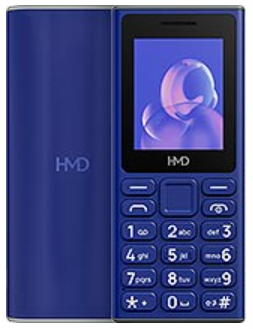
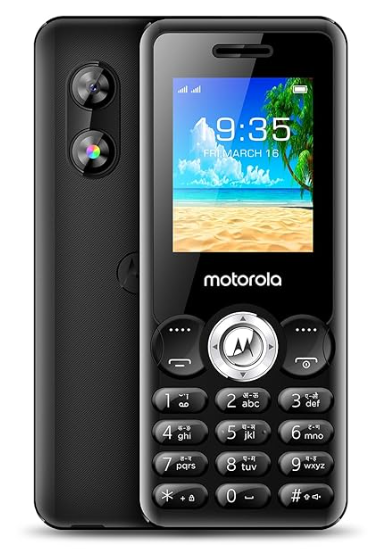
HMD 105
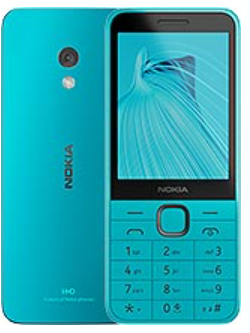
Nokia 235
Moto A300

Best picks:

PhoneKey HighlightAmazon Link
HMD 105 Keypad PhoneUltra-simple, long battery, very durableAvailable on Amazon
Nokia 235 4GBetter connectivity, 4G support, still simpleAvailable on Amazon
Motorola Moto A300Budget-friendly keypad alternativeAvailable on Amazon

Ideal for: zero-tech users, call-only usage, maximum reliability


Calls + WhatsApp? Go Smart Feature Phone

If staying connected on WhatsApp matters, don’t jump straight to a smartphone. Smart feature phones keep things simple while adding just enough modern functionality.

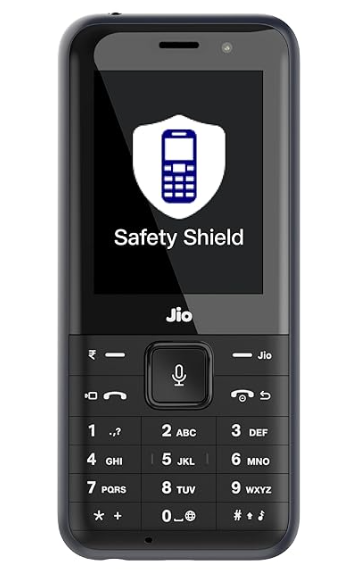
Jio Prima 2
Jio Pahrma
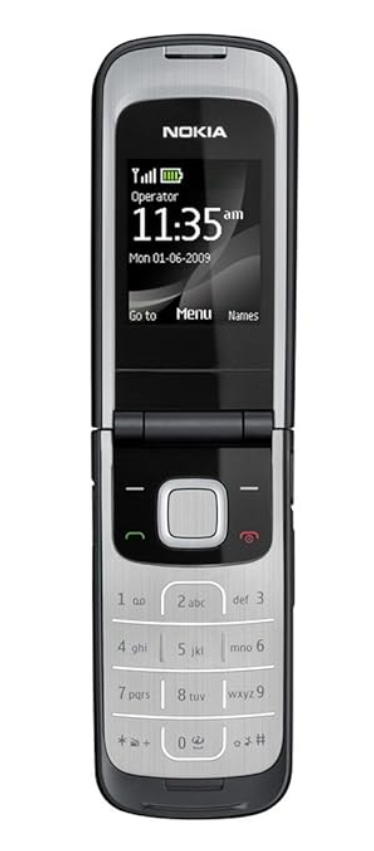
Nokia 2720
Nokia 2720

Best picks:

PhoneKey HighlightAmazon Link
JioPhone Prima 4GBest India option, keypad + WhatsAppAvailable on Amazon
Nokia 2720 FlipFlip design, big buttons, WhatsApp (global)Available on Amazon

Ideal for: light messaging, family groups, video/voice calls without complexity


Maximum Simplicity + Safety (SOS Focus)

If safety is a concern, this category matters more than anything else. Dedicated SOS buttons can instantly alert family.

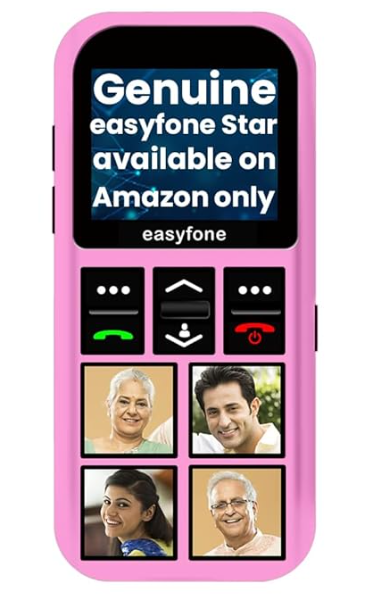
Easyfone Star SOS Phone
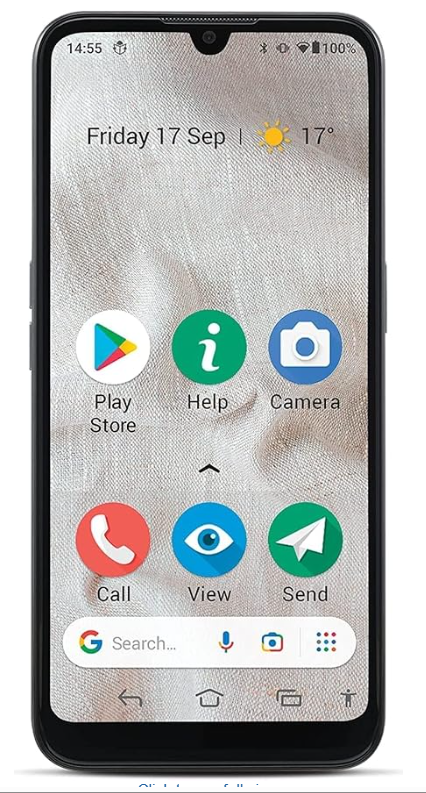
Doro 8100
Doro 8100
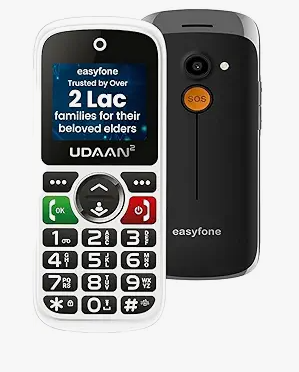
Easyfone Udaan 2

Best picks:

PhoneKey HighlightAmazon Link
Easyfone Udaan 2Loud, simple, dedicated SOS button (India)Available on Amazon
Easyfone Star SOS PhoneEmergency-first design, GPS + long batteryAvailable on Amazon
Doro 8100Global senior-focused phone with assistance featuresLimited / Global Amazon availability

Ideal for: seniors living alone, medical concerns, safety-first users


Need a Bigger Screen? Go Simplified Smartphone

Some users prefer a larger display for visibility. In that case, a basic smartphone with “Easy Mode” works, but only if someone sets it up properly.

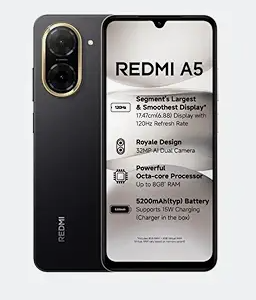
Redmi A5
Redmi A5
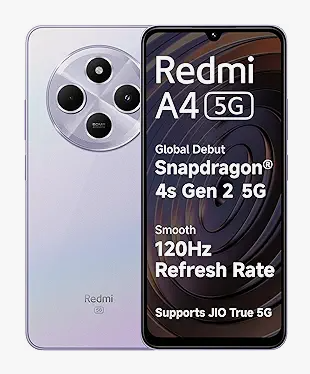
Redmi A4
Redmi A4
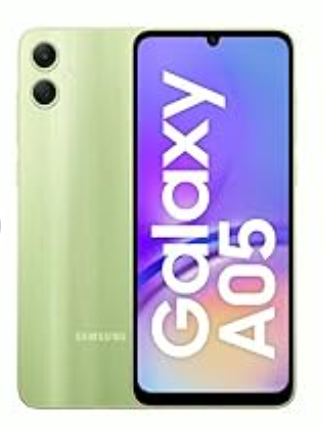
Galaxy A05
Galaxy A05
PhoneKey HighlightAmazon Link
Redmi A4 5GBig display, budget-friendlyAvailable on Amazon
Redmi A5Affordable alternativeAvailable on Amazon
Samsung Galaxy A05Clean UI + Easy Mode supportAvailable on Amazon

Best picks:

Important: remove apps, increase font size, simplify home screen


What Actually Makes or Breaks the Experience

Setup Matters More Than the Phone

Even the best phone becomes frustrating if it’s not configured properly. Speed dial, font size, and ringtone volume these small things define usability.

Fewer Choices = Better Experience

Phones that try to do more often confuse users. The best devices limit options and keep everything predictable.

Reliability Beats Features

A phone that never crashes, never lags, and always connects is far more valuable than one with extra capabilities.


Common Mistakes to Avoid

Buying a “Future-Proof” Smartphone

This rarely works. Extra features don’t get used; they just create confusion.

Ignoring Button Quality

Cheap keypads with poor feedback make dialing frustrating.

Choosing Based on Your Preference

Always think from their perspective, not yours.


Final Verdict

  • Most seniors: Go with a basic keypad phone (HMD/Nokia)
  • Need WhatsApp: Choose JioPhone or Nokia Flip
  • Safety priority: Pick Easyfone or Doro-type devices
  • Need big screen: Only then consider a simple smartphone (properly set up)

The mistake most people make is buying a “better” phone instead of a simpler one. In real usage, simplicity always wins.

Disclaimer:
This guide is for general information only. Availability, pricing, and features may vary. Choose based on individual comfort and needs, and verify details before purchase.

The post Best Dumb / Simple Phones for Parents & Grandparents (2026) appeared first on Gizmochina.
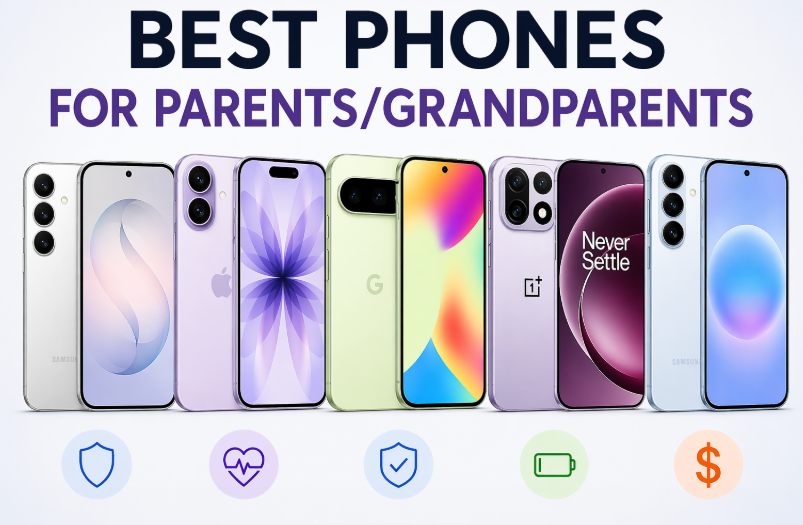
Best Phone for Your Parents/Grandparents in 2026 (Tech-Savvy Users)

Best phones for parents & seniors

Buying a smartphone for tech-savvy parents or grandparents is no longer about simplifying technology; it’s about refining it. The right phone should feel fast, intuitive, and dependable while also acting as a safety companion in everyday life. In 2026, this decision goes beyond performance; it’s about choosing a device that delivers clarity, consistency, and built-in health and emergency support for long-term peace of mind.

Key Factors to Consider Before Buying

Simplicity and Clean User Experience

Even experienced users benefit from clarity. Phones with clean, predictable interfaces reduce friction in daily use, while cluttered software often becomes frustrating over time. Clear icons, readable text, and logical navigation matter far more than customization features. Devices known for consistent UI behavior tend to remain usable and comfortable even after years of use.

Health, Safety, and Emergency Features

This is now a core decision factor, not an add-on. Modern smartphones can act as personal safety systems, offering emergency SOS, real-time location sharing, medical ID access, and crisis alerts. Many Android devices now include a built-in safety framework, while some go further with crash detection and automated emergency alerts. Integration with wearables for heart rate monitoring or fall detection adds another layer of reassurance.

Performance Consistency Over Raw Power

Peak performance matters less than stability. A phone that remains smooth and responsive after years of use delivers a better experience than one that slows down over time. Optimized software, reliable app behavior, and consistent multitasking define long-term usability.

Battery Reliability That Lasts All Day

Battery life should comfortably last a full day of real-world usage. Efficiency matters more than capacity alone. A dependable battery ensures the phone is always ready, especially when safety features or emergency communication are involved.

Top Recommendations

Best Overall Balance (Safety + Simplicity + Longevity)

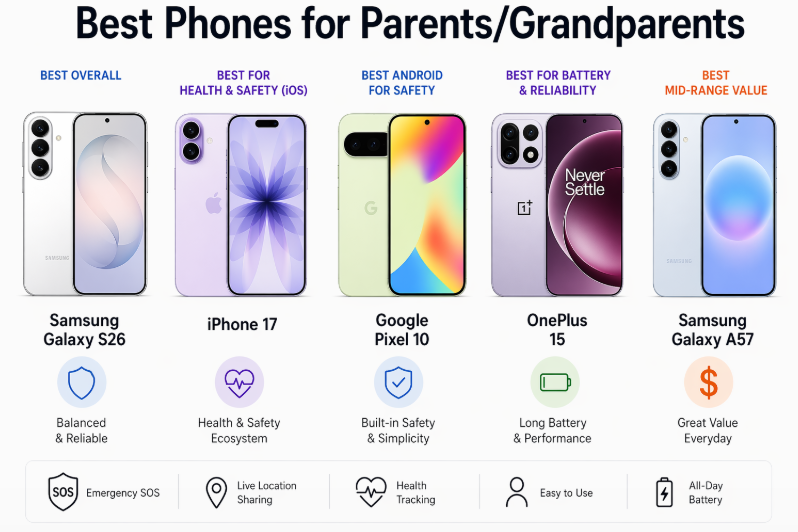
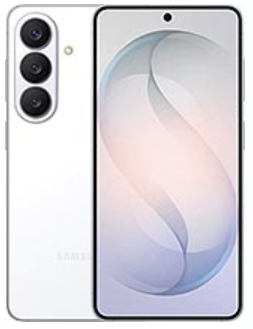
Samsung Galaxy S26
This is the most well-rounded choice for most users. It combines a refined interface with strong performance consistency and deep integration with Samsung’s health ecosystem. Emergency SOS, medical info access, and seamless pairing with wearables create a more complete safety system. It balances modern features with usability, making it powerful without becoming complicated.

Please Note: When you buy something using the links in our articles, we may earn a small commission at no cost to you.


Best for Health & Safety Ecosystem (iOS)

Apple iPhone 17
This remains the benchmark for tightly integrated safety and health features. Emergency SOS, crash detection, medical ID, and seamless health tracking create a cohesive system that works reliably in the background. The experience is highly predictable, making it particularly suitable for users who prioritize simplicity and long-term consistency.

Please Note: When you buy something using the links in our articles, we may earn a small commission at no cost to you.


Best Android for Built-in Safety + Simplicity

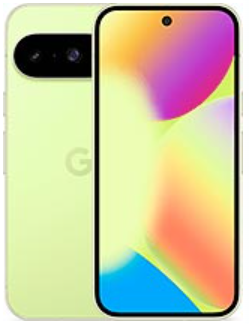
Google Pixel 10
Pixel devices offer the strongest built-in safety experience on Android. Features like emergency SOS, Safety Check, real-time location sharing, and crash detection work seamlessly without requiring manual setup. The clean interface ensures these tools are easy to access when needed. It’s the closest Android equivalent to the iPhone in terms of safety automation and ease of use.

Please Note: When you buy something using the links in our articles, we may earn a small commission at no cost to you.


Best for Battery + Reliability (Heavy Usage)

OnePlus 15
This is ideal for users who spend extended time on their phones. It delivers excellent battery life and maintains smooth performance under heavy usage. While it focuses less on advanced health features, its reliability ensures the phone remains functional and responsive at all times, an important aspect of practical safety.

Please Note: When you buy something using the links in our articles, we may earn a small commission at no cost to you.


Best Mid-Range Value (Practical Choice)

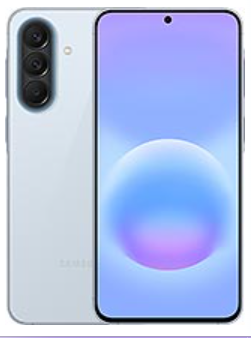
Samsung Galaxy A57
For buyers seeking affordability without sacrificing usability, this is a strong option. It offers a large, clear display, dependable battery life, and essential safety features like emergency SOS and location sharing. While it lacks premium refinements, it remains a reliable and approachable device for everyday use.

Please Note: When you buy something using the links in our articles, we may earn a small commission at no cost to you.


Common Mistakes to Avoid

Ignoring Simplicity in Favor of Features

Feature-heavy phones often create cluttered and confusing experiences. Simpler interfaces are easier to navigate and remain usable over time.

Overvaluing Specifications Over Experience

High-end specifications do not guarantee better performance in real-world use. Optimization and consistency matter far more than raw numbers.

Overlooking Health and Safety Features

Emergency and health-related capabilities are often underestimated. These features provide real, practical benefits and should be a key consideration.

Choosing Older Models to Save Money

Older devices may seem cost-effective but often lack modern safety features and long-term software support. Newer models provide better reliability and longevity.


Final Verdict

For most users, the Samsung Galaxy S26 is the best overall choice, offering a strong balance of simplicity, performance, and health ecosystem integration.

  • Choose Apple iPhone 17 if you want the most seamless health and safety system
  • Choose Google Pixel 10 for the best Android safety experience with clean usability
  • Choose OnePlus 15 for battery life and consistent performance
  • Choose Samsung Galaxy A57 for practical value

The key takeaway is clear: in 2026, a smartphone is not just a device, it’s a personal safety and reliability system. The best choice is one that feels effortless, dependable, and reassuring every single day.

Disclaimer:
Recommendations are based on general usage and available information. Features, pricing, and availability may vary by region and updates. Verify details before purchase.

Read More:

The post Best Phone for Your Parents/Grandparents in 2026 (Tech-Savvy Users) appeared first on Gizmochina.
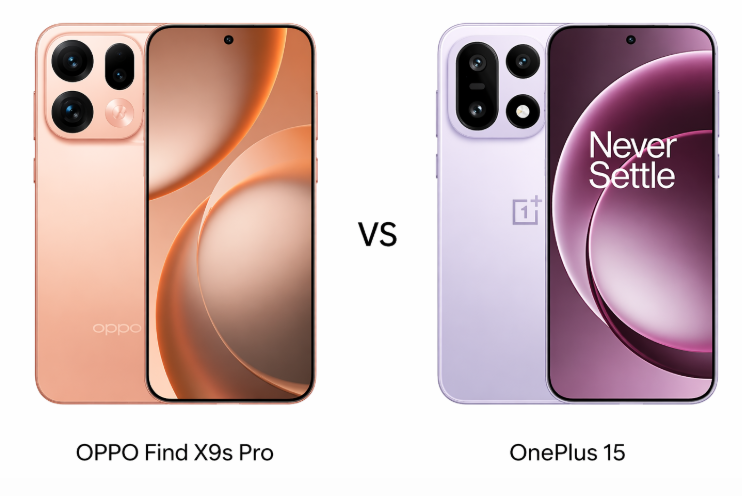
Oppo Find X9s Pro vs OnePlus 15 – Complete Specs Comparison

oppo vs oneplus

Not all flagship phones feel the same, even when they promise similar power. The Oppo Find X9s Pro and OnePlus 15 take two very different paths: one leans into camera strength and balance, while the other goes all-in on speed and performance. That contrast makes this comparison far more interesting than it looks on paper.

Major Features:

FeatureOppo Find X9s ProOnePlus 15Winner
Display6.32″ LTPO AMOLED, 144Hz, 1216×26406.78″ LTPO AMOLED, 165Hz, 1272×2772, Dolby VisionOnePlus 15 – Higher refresh rate + better HDR
ChipsetDimensity 9500 (3nm)Snapdragon 8 Elite Gen 5 (3nm)OnePlus 15 – More powerful flagship chip
GPUImmortalis-G925Adreno 840OnePlus 15 – Stronger GPU performance
RAM & StorageUp to 16GB + 1TB (UFS 4.1)Up to 16GB + 1TB (UFS 4.1)Tie – Same configuration
Main Camera200MP + 200MP (tele) + 50MP UW50MP + 50MP (periscope) + 50MP UWOppo – Higher resolution sensors
Zoom2.8x optical3.5x periscope opticalOnePlus 15 – Better optical zoom
Selfie Camera32MP32MP (with AF)OnePlus 15 – Autofocus advantage
Video8K, Dolby Vision8K, Dolby Vision, LUTOnePlus 15 – More video features
Battery7025mAh7300mAhOnePlus 15 – Larger battery
Charging (Wired)80W120WOnePlus 15 – Much faster charging
Wireless Charging50W50WTie – Same speed
Reverse ChargingNot mentionedYes (wireless + wired)OnePlus 15 – More versatile
Build & ProtectionIP66/IP68/IP69IP68/IP69 + Gorilla Glass Victus 2OnePlus 15 – Better protection
ConnectivityWi-Fi 7, Bluetooth 6.1Wi-Fi 7, Bluetooth 6.0Oppo – Newer Bluetooth version
SensorsUltrasonic FP, full setUltrasonic FP, UAV gyro, moreOnePlus 15 – More advanced sensors
Price₹60,000 (~$730)₹73,000 (~$800)Oppo – Better value
Disclaimer: Specs are based on available data. Actual performance may vary. Verify details from official sources before buying.

Design and Display

Build and Feel

Oppo Find X9s Pro leans toward a compact, premium feel with strong durability thanks to full IP66/IP68/IP69 protection. It feels more refined for users who prefer a smaller flagship without compromising toughness. The OnePlus 15, on the other hand, goes bigger and more aggressive with materials like Gorilla Glass Victus 2 and advanced frame treatment. It feels more industrial and slightly more premium in hand, especially with its attention to finish. The Oppo feels cleaner and more minimal, while the OnePlus feels bold and performance-focused.

Display Quality

Both phones use LTPO AMOLED panels with 1B colors and similar peak brightness, but the OnePlus 15 pushes ahead with a 165Hz refresh rate and richer HDR support including Dolby Vision. The Oppo’s 144Hz panel still feels extremely smooth and slightly sharper, making it more balanced for everyday use. The OnePlus display feels more dynamic and media-focused.

Verdict

OnePlus 15 wins for display richness and fluidity, while the Oppo Find X9s Pro feels more compact and refined.

Specifications Including Battery

Performance

Oppo Find X9s Pro runs on the Dimensity 9500, delivering flagship-level efficiency and strong sustained performance. It feels stable and optimized, especially for long sessions. The OnePlus 15 uses the Snapdragon 8 Elite Gen 5, which is clearly more powerful on paper and in peak performance scenarios. Gaming and heavy workloads feel faster and more aggressive on the OnePlus, while the Oppo prioritizes consistency over raw power.

Battery and Charging

The Oppo packs a 7025mAh battery with 80W wired and 50W wireless charging, offering excellent endurance. The OnePlus 15 steps further with a 7300mAh battery and significantly faster 120W charging, along with reverse and bypass charging. The OnePlus feels more future-ready, especially for power users who value charging speed.

Verdict

OnePlus 15 wins with stronger performance and faster charging, though Oppo holds its ground with efficiency and balance.

Camera

Main and Secondary Lenses

The Oppo Find X9s Pro stands out with its dual 200MP setup, delivering extremely high detail and strong versatility with Hasselblad tuning. It feels more photography-focused, especially for users who like rich colors and high-resolution shots. The OnePlus 15 uses a triple 50MP system with a periscope zoom, offering more consistency and better zoom flexibility. The OnePlus feels more balanced overall, while the Oppo pushes for maximum detail and imaging character.

Selfie Camera

Both devices feature 32MP selfie cameras with 4K video support. The OnePlus adds autofocus, making it more reliable for sharper selfies and video calls. The Oppo still delivers solid results but feels slightly less advanced in this area.

Verdict

Oppo Find X9s Pro wins for raw detail and photography style, while the OnePlus 15 offers a more versatile and consistent camera system.

Pricing

The Oppo Find X9s Pro is priced at around ₹60,000, while the OnePlus 15 comes in higher at approximately ₹73,000. The price gap is noticeable and positions the Oppo as a more aggressive value flagship. OnePlus justifies its higher price with stronger performance, better display features, and faster charging technology.

Is the Price Justified?

The Oppo feels like a smarter buy for users who want flagship cameras and battery without overspending. It delivers a premium experience at a more accessible price. The OnePlus, however, targets users who want cutting-edge performance and features, making the extra cost feel justified for power users.

Verdict

The Oppo Find X9s Pro wins on value, while the OnePlus 15 justifies its price with top-tier specs.

Disclaimer:
Prices are approximate and may vary based on country, region, and applicable taxes.

Conclusion

The Oppo Find X9s Pro stands out with its dual 200MP camera system, compact flagship design, and strong durability ratings. It feels tailored for users who want high-end photography in a refined form factor. The OnePlus 15 focuses on performance leadership, ultra-fast charging, advanced display tech, and a more versatile camera system with periscope zoom. It feels built for enthusiasts who prioritize power and cutting-edge features.

Verdict

The Oppo Find X9s Pro is the better choice for value, camera detail, and compact usability. The OnePlus 15 is the stronger overall flagship with superior performance, charging, and display. The better pick depends on whether efficiency and value or power and features matter more.

Disclaimer: This comparison is based on currently available specifications and pre-release information. It is intended for informational purposes only and may not reflect final real-world performance or commercial versions of the devices.

Read More:

The post Oppo Find X9s Pro vs OnePlus 15 – Complete Specs Comparison appeared first on Gizmochina.
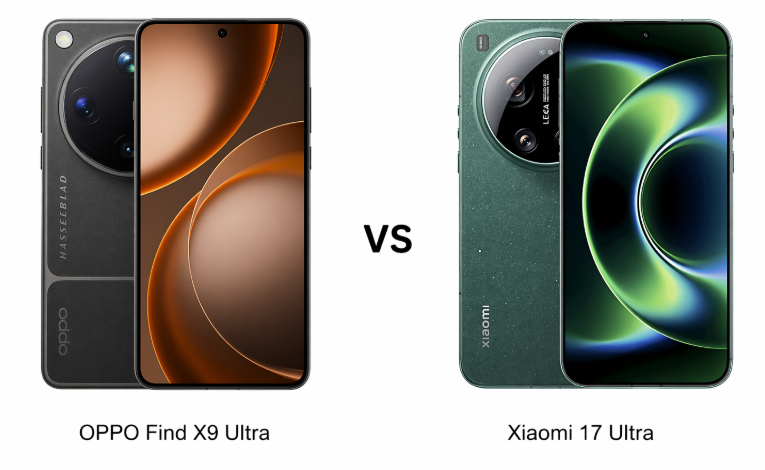
Oppo Find X9 Ultra vs Xiaomi 17 Ultra: Which One Actually Wins?

OPPO vs Xiaomi

This comparison matters because both phones target flagship buyers who want top-tier cameras, powerful performance, and premium design. While they share the same chipset, their approach to display, battery, and imaging is very different. Choosing between them isn’t about specs alone; it’s about which experience feels more refined for daily use and long-term value.

Major Features:

FeatureOppo Find X9 UltraXiaomi 17 UltraWinner
Build & DurabilityGorilla Glass Victus 2, IP68/IP69Aerospace-grade material, IP68/IP69 (deeper water resistance)Xiaomi 17 Ultra – stronger durability + better water resistance
Display Quality6.82″ LTPO AMOLED, 144Hz, 1440p, 3600 nits peak6.9″ LTPO AMOLED, 120Hz, 1200p, 3500 nits peak, richer colorsOppo Find X9 Ultra – sharper + smoother 144Hz
Brightness & Colors1B colors, very bright68B colors, slightly higher real-world brightnessXiaomi 17 Ultra – richer colors + better brightness tuning
PerformanceSnapdragon 8 Elite Gen 5, up to 16GB RAMSame chipset, up to 16GB RAMTie – identical hardware
Software ExperienceColorOS 16 (clean, stable)HyperOS 3 (fast, feature-rich)Oppo Find X9 Ultra – more consistent optimization
Battery Capacity7050 mAh6000 mAhOppo Find X9 Ultra – significantly bigger battery
Charging100W wired, 50W wireless90W wired, 50W wirelessOppo Find X9 Ultra – faster wired charging
Main Camera200MP large sensor50MP 1-inch sensor (Leica)Xiaomi 17 Ultra – better natural image quality
Zoom CamerasDual periscope (3x + 10x)Single periscope with continuous zoomOppo Find X9 Ultra – more versatile zoom range
Ultrawide50MP50MPTie – similar capability
Selfie Camera50MP50MP (AF, better tuning)Xiaomi 17 Ultra – more natural output
Video Recording8K, Dolby Vision, O-Log2, LUT support8K, Dolby Vision, higher slow-mo optionsOppo Find X9 Ultra – more pro video tools
Storage OptionsStarts from 256GBStarts from 512GBXiaomi 17 Ultra – higher base storage
Price~$1100 / ₹103,000~$1300 / ₹130,000Oppo Find X9 Ultra – better value
Disclaimer: Specs are based on available data. Actual performance may vary. Verify details from official sources before buying.

Design and Display 

Build and Feel

Both phones deliver a premium in-hand experience with glass or eco-leather finishes and strong durability ratings. The Oppo Find X9 Ultra leans toward a more classic flagship feel with Gorilla Glass protection and a balanced design. The Xiaomi 17 Ultra, however, feels slightly more futuristic with aerospace-grade materials and deeper water resistance. Xiaomi’s approach feels more experimental, while Oppo plays it safe but refined.

Display Quality

Oppo focuses on sharpness and fluidity with a high-resolution LTPO panel and 144Hz refresh rate, making scrolling and gaming exceptionally smooth. Xiaomi counters with a larger panel, richer color depth, and extremely high brightness levels. While Oppo looks crisper, Xiaomi’s display feels more immersive and vibrant in real-world usage.

Verdict

Oppo wins for sharpness and smoothness, while Xiaomi stands out for brightness and immersion. The better choice depends on whether clarity or visual punch matters more.

Specifications Including Battery

Performance

Both devices run the same Snapdragon 8 Elite Gen 5 chip, delivering flagship-level speed across gaming, multitasking, and AI tasks. Performance differences are minimal in raw power, but optimization plays a role. Oppo’s ColorOS tends to feel slightly more stable and polished, while Xiaomi’s HyperOS feels faster but occasionally more aggressive in behavior. Both are top-tier, but Oppo feels a bit more consistent under heavy use.

Battery and Charging

Oppo clearly leads in battery capacity with a massive unit paired with fast wired and wireless charging. It feels built for endurance users who want fewer charging cycles. Xiaomi, while smaller in capacity, balances it with efficient optimization and still fast charging speeds. However, Oppo’s setup gives more confidence for long days or power users.

Verdict

Performance is nearly identical, but Oppo takes the edge with better battery reliability and slightly more polished optimization.

Camera 

Main and Secondary Lenses

Oppo goes aggressive with a quad-camera setup, including dual high-resolution telephoto lenses that provide strong versatility across zoom ranges. It feels like a system designed for flexibility and experimentation. Xiaomi, on the other hand, focuses on sensor quality with a large 1-inch main sensor and Leica tuning, delivering more natural depth and consistent image quality. Oppo offers more zoom flexibility, while Xiaomi prioritizes realism and balance.

Selfie Camera

Both devices feature high-resolution selfie cameras with autofocus, delivering sharp and detailed results. Xiaomi’s tuning tends to be slightly more natural, while Oppo leans toward a polished, social-ready look.

Verdict

Oppo is better for zoom and versatility, while Xiaomi wins in overall image consistency and natural photography. Xiaomi feels more reliable, Oppo feels more ambitious.

Pricing 

The Oppo Find X9 Ultra is priced at around $1100 (₹103,000), while the Xiaomi 17 Ultra comes in higher at approximately $1300 (₹130,000). This creates a noticeable gap, especially considering both share the same core performance hardware.

Is the Price Justified?

Oppo delivers strong value by offering a larger battery, faster refresh rate display, and an advanced multi-lens camera system at a lower price. It feels like a flagship that tries to overdeliver. Xiaomi justifies its higher price through premium camera hardware, brighter display, and a more refined imaging experience. However, the price jump may feel steep unless camera quality is the top priority.

Verdict

Oppo offers better overall value for money, while Xiaomi positions itself as a premium choice for users willing to pay extra for camera excellence.

Disclaimer:
Prices are approximate and may vary based on country, region, and applicable taxes.

Conclusion 

Oppo Find X9 Ultra stands out with its massive battery, ultra-smooth display, and versatile quad-camera system. It feels like a power-packed flagship designed for heavy users. Xiaomi 17 Ultra differentiates itself with a 1-inch sensor, Leica optics, and a brighter, more immersive display. It leans toward users who prioritize photography and visual experience over raw endurance.

Verdict

Oppo Find X9 Ultra is the smarter pick for most users, offering better value, longer battery life, and a well-rounded flagship experience. Xiaomi 17 Ultra, however, is the better choice for photography enthusiasts and those who want a more premium visual experience. The final decision comes down to priorities, practical power versus refined imaging.

Disclaimer: This comparison is based on the specifications provided and is intended for general informational purposes. Actual performance, camera results, battery life, and overall experience may vary depending on real-world usage, software updates, and individual preferences.

Read More:

The post Oppo Find X9 Ultra vs Xiaomi 17 Ultra: Which One Actually Wins? appeared first on Gizmochina.
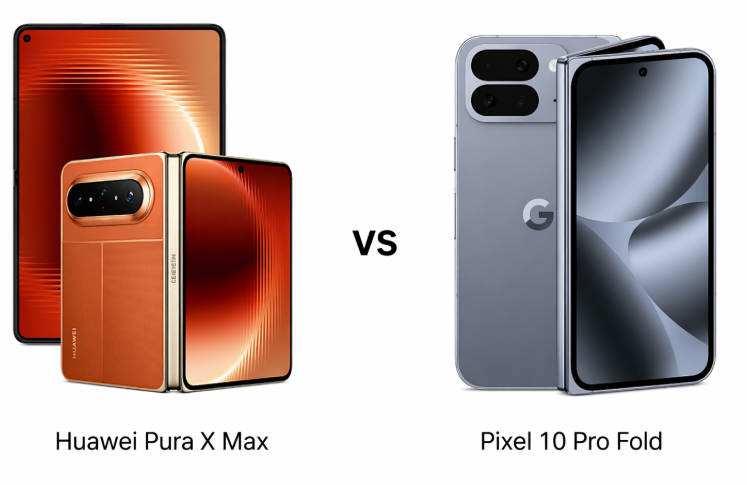
Huawei Pura X Max vs Pixel 10 Pro Fold: Which Foldable Wins Big?

Huawei Vs Google

Foldables are no longer just about bending screens; they’re now a clash of ecosystems, performance philosophies, and real-world usability. The Huawei Pura X Max and Google Pixel 10 Pro Fold represent two very different takes on what a premium foldable should be. One pushes hardware boundaries with bold features and fast charging, while the other leans into AI, software longevity, and a polished everyday experience. This comparison matters for buyers deciding between raw innovation and refined consistency in the ultra-premium segment.

Major Features:

FeatureHuawei Pura X MaxGoogle Pixel 10 Pro FoldWinner
Display (Main)7.7″ LTPO2 OLED, 120Hz, HDR Vivid8.0″ LTPO OLED, 120Hz, HDR10+, up to 3000 nitsPixel – brighter & larger
Cover Display5.4″ LTPO2 OLED, 120Hz6.4″ OLED, 120Hz, very brightPixel – more usable outer screen
Build QualityKunlun Glass 2, IP58/IP59, stylus supportGorilla Glass Victus 2, IP68Pixel – better durability rating
ChipsetKirin 9030 Pro (6nm)Tensor G5 (3nm)Pixel – newer & more efficient
RAM & StorageUp to 16GB / 1TB16GB / up to 1TBTie – similar high-end configs
SoftwareHarmonyOS 6.1Android 16, 7 years updatesPixel – long-term support
Main Camera50MP variable aperture48MPHuawei – more versatile sensor
Telephoto50MP, 3.5x zoom10.8MP, 5x zoomPixel – longer optical zoom
Ultrawide12.5MP AF10.5MP AFHuawei – higher resolution
Selfie Camera8MP (inner + cover)10MP (inner + cover, PDAF)Pixel – sharper & better AF
Video4K, HDR Vivid4K up to 60fps, 10-bit HDRPixel – more advanced video
Battery5300 mAh5015 mAhHuawei – slightly larger
Charging (Wired)66W30WHuawei – much faster
Wireless Charging50W + reverse15W (Qi2)Huawei – far superior speeds
ConnectivityWi-Fi 7, BT 6.0, IR blasterWi-Fi 7, BT 6.0, UWB, Satellite SOSPixel – more advanced features
ExtrasStylus, IR blasterUWB, Satellite SOS, AI featuresPixel – more modern ecosystem
Price~$1600 / ₹150,000~$1800 / ₹160,000Huawei – better value
Disclaimer: Specs are based on available data. Actual performance may vary. Verify details from official sources before buying.

Design and Display

Build and Feel

Huawei Pura X Max leans into a premium, almost experimental design language with Kunlun Glass 2 and stylus support, adding versatility. It feels engineered for durability while still maintaining a refined foldable aesthetic. The Pixel 10 Pro Fold, on the other hand, prioritizes practicality with Gorilla Glass Victus 2 and a more conventional foldable finish. It comes across as more predictable but also more polished for everyday usability. Huawei’s approach feels bold and slightly more futuristic, while Google’s feels safer and more mature.

Display Quality

Huawei offers a sharp LTPO2 OLED panel with strong color depth and PWM dimming that may appeal to long usage comfort. The Pixel counters with higher brightness levels, HDR10+, and a larger inner display that feels more immersive for media and multitasking. Google’s display tuning tends to look more natural, while Huawei’s feels more vibrant.

Verdict

The Pixel 10 Pro Fold edges ahead for display brightness and overall usability, but the Pura X Max stands out for innovation and visual punch.

Specifications Including Battery

Performance

Huawei’s Kirin 9030 Pro delivers stable performance for daily tasks and multitasking, but it lacks the cutting-edge efficiency of newer architectures. The Pixel 10 Pro Fold’s Tensor G5, built on a 3nm process, brings stronger AI performance and better long-term optimization. It feels more future-ready, especially with extended Android update support. Huawei remains smooth, but Google’s chip feels more refined under sustained workloads.

Battery and Charging

Huawei clearly dominates charging with faster wired and wireless speeds, plus reverse charging flexibility. The larger battery also adds a slight endurance advantage. The Pixel focuses more on efficiency and features like bypass charging, but its slower charging speeds feel conservative in comparison. Huawei’s approach feels more convenient in daily life, especially for quick top-ups.

Verdict

The Pixel 10 Pro Fold wins on performance and longevity, while the Pura X Max takes a clear lead in charging and battery convenience.

Camera

Main and Secondary Lenses

Huawei brings a versatile camera system with a variable aperture main sensor and a strong periscope zoom. It excels in flexibility and creative shooting scenarios. The Pixel, however, focuses on computational photography, delivering consistent results with features like Ultra-HDR and AI enhancements. Google’s images tend to look more balanced and reliable, while Huawei’s can feel more dynamic and experimental.

Selfie Camera

The Pixel offers sharper and more capable selfie cameras with autofocus and better video features. Huawei’s selfie setup is decent but feels more basic in comparison. Google’s consistency across both inner and cover cameras gives it an edge for content creators.

Verdict

The Pixel 10 Pro Fold is more dependable overall, but the Pura X Max appeals to those who prefer hardware versatility and zoom flexibility.

Pricing

The Huawei Pura X Max is priced around $1600 (₹150,000), while the Pixel 10 Pro Fold sits higher at $1800 (₹160,000). The price gap is noticeable but not extreme in the premium foldable segment. Huawei positions itself as the more aggressive value option, offering faster charging, strong cameras, and premium materials at a slightly lower cost.

Google justifies its higher price with longer software support, better AI integration, and a more polished ecosystem. The Pixel feels like a safer long-term investment, especially for users who value updates and consistent performance. Huawei, however, delivers more hardware-focused value, which may feel more immediately rewarding.

Verdict

The Pura X Max offers better upfront value, while the Pixel 10 Pro Fold justifies its price through longevity and software advantages.

Disclaimer:
Prices are approximate and may vary based on country, region, and applicable taxes.

Conclusion

Huawei stands out with stylus support, ultra-fast charging, and a more experimental hardware approach. It feels designed for users who want flexibility and standout features. The Pixel 10 Pro Fold focuses on AI capabilities, clean software, satellite features, and long-term updates, making it more ecosystem-driven. Google’s approach feels more cohesive, while Huawei’s feels more feature-packed.

Verdict

The Pixel 10 Pro Fold is the better all-rounder with stronger software, performance, and camera consistency. However, the Huawei Pura X Max is a compelling alternative for those who prioritize charging speed, hardware innovation, and value.

Disclaimer: This comparison is based on the specifications provided and is intended for general informational purposes. Actual performance, camera results, battery life, and overall experience may vary depending on real-world usage, software updates, and individual preferences.

Read More:

The post Huawei Pura X Max vs Pixel 10 Pro Fold: Which Foldable Wins Big? appeared first on Gizmochina.
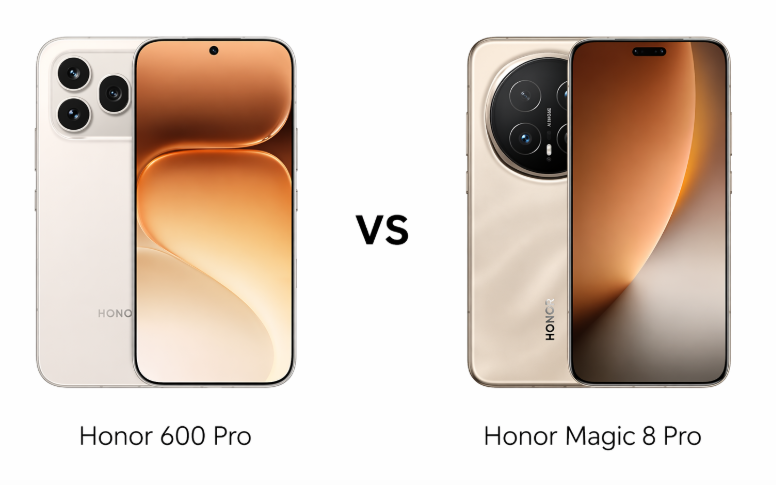
Honor 600 Pro vs Magic 8 Pro: Which One Deserves Your Money?

Honor 600 Pro vs Magic 8 Pro

Choosing between the Honor 600 Pro and Honor Magic 8 Pro isn’t just about specs; it’s about deciding how much “flagship” you actually need. One focuses on delivering top-tier performance and battery at a more accessible price, while the other pushes boundaries with cutting-edge hardware and premium features. For buyers torn between value and innovation, this comparison highlights where the real differences lie and which phone truly earns its price.

Major Features:

FeatureHonor 600 ProHonor Magic 8 ProWinner
BuildGlass front, aluminum frameGlass front (NanoCrystal Shield), glass-fiber back, aluminum frameMagic 8 Pro – more advanced materials
Water ResistanceIP68/IP69KIP68/IP69KTie – same rating
Display TypeAMOLED, 120Hz, HDR VividLTPO OLED, 120Hz, Dolby Vision, HDR VividMagic 8 Pro – LTPO + Dolby Vision
Peak Brightness8000 nits6000 nits600 Pro – higher peak brightness
PWM Dimming3840Hz4320HzMagic 8 Pro – better eye comfort
ChipsetSnapdragon 8 EliteSnapdragon 8 Elite Gen 5Magic 8 Pro – newer generation
CPUUp to 4.47 GHzUp to 4.6 GHzMagic 8 Pro – higher clock speed
GPUAdreno 830Adreno 840Magic 8 Pro – more powerful GPU
Storage OptionsUp to 512GB / 12GB RAMUp to 1TB / 16GB RAMMagic 8 Pro – more variants
Main Camera200MP (wide)50MP (wide, larger sensor)Magic 8 Pro – larger sensor advantage
Telephoto50MP, 3.5x200MP periscope, 3.7xMagic 8 Pro – higher resolution + periscope
Ultrawide12MP50MPMagic 8 Pro – higher resolution
Video Recording4K4K up to 120fps, 10-bitMagic 8 Pro – more advanced video
Selfie Camera50MP50MP + TOF 3DMagic 8 Pro – depth sensor
SpeakersStereo speakersLarge amplitude stereo speakersMagic 8 Pro – enhanced output
BluetoothBluetooth 6.0Bluetooth 6.0 + Auracast, ASHAMagic 8 Pro – more features
USBUSB-C 2.0USB-C 3.2, DisplayPortMagic 8 Pro – faster + video out
BiometricsOptical fingerprintUltrasonic + Face IDMagic 8 Pro – more advanced
Battery7000 mAh7100 mAhMagic 8 Pro – slightly larger
Wired Charging80W100WMagic 8 Pro – faster
Wireless Charging50W80WMagic 8 Pro – faster
Reverse Charging27W wired5W wireless + wired600 Pro – stronger reverse wired
Software SupportNot specifiedUp to 7 Android upgradesMagic 8 Pro – longer support
Price~$750 / ₹65,000~$900 / ₹90,000600 Pro – better value

Design and Display

Build and Feel

Honor 600 Pro keeps things sleek with a premium glass-and-metal construction that feels refined without being flashy. It leans toward a practical flagship design, focusing on durability with strong IP ratings and a clean finish. On the other hand, Honor Magic 8 Pro pushes a more futuristic approach with its advanced materials and reinforced structure. It feels more experimental and premium, especially with added biometric features like advanced face recognition. The difference becomes clear in daily use—the Magic 8 Pro feels like a flagship built to showcase innovation, while the 600 Pro is more understated and balanced.

Display Quality

The Honor 600 Pro delivers an impressive AMOLED panel with extremely high peak brightness and excellent color depth, making it ideal for outdoor visibility. However, the Magic 8 Pro counters with LTPO technology, Dolby Vision, and better PWM dimming, offering more refined brightness control and eye comfort. While the 600 Pro looks brighter on paper, the Magic 8 Pro feels more polished and consistent in real-world viewing.

Verdict

The Magic 8 Pro takes the edge with a more advanced display experience and a more premium, forward-looking design.

Specifications Including Battery

Performance

The Honor 600 Pro is powered by the Snapdragon 8 Elite, delivering flagship-grade performance that handles gaming, multitasking, and AI workloads with ease. It feels fast and efficient for most users. However, the Magic 8 Pro steps ahead with the newer Snapdragon 8 Elite Gen 5, bringing improved CPU and GPU architecture. This results in slightly better sustained performance and future-proofing. The difference may not always be obvious in daily use, but the Magic 8 Pro feels more prepared for long-term heavy workloads.

Battery and Charging

Battery life is a strong point for both devices, with large silicon-carbon batteries ensuring excellent endurance. The 600 Pro already impresses with its fast wired and wireless charging, easily lasting a full day and beyond. The Magic 8 Pro goes further with even faster wired charging and similarly strong wireless capabilities. It feels more aggressive in topping up quickly, which can make a noticeable difference for power users.

Verdict

Magic 8 Pro wins with better long-term performance and faster charging, though the 600 Pro remains highly competitive.

Camera

Main and Secondary Lenses

The Honor 600 Pro focuses on a high-resolution 200MP main sensor paired with a capable telephoto and ultrawide setup. It delivers sharp images with strong detail, especially in good lighting. However, the Magic 8 Pro takes a more balanced flagship approach, combining a large main sensor with a powerful 200MP periscope lens and advanced autofocus systems. The inclusion of higher-end video capabilities and better zoom flexibility gives it a clear advantage. The Magic 8 Pro feels more versatile, especially for users who rely on zoom and consistent performance across scenarios.

Selfie Camera

Both devices feature high-resolution 50MP selfie cameras, but the Magic 8 Pro adds depth sensing for better portrait accuracy and secure facial recognition. This results in more reliable edge detection and improved biometric functionality. The difference is subtle but noticeable in portraits and unlocking speed.

Verdict

Magic 8 Pro clearly leads with a more complete and versatile camera system.

Pricing

The Honor 600 Pro is priced around $750 (₹65,000), positioning it as a value-focused flagship with high-end features at a relatively accessible price. In contrast, the Honor Magic 8 Pro sits at around $900 (₹90,000), entering true premium flagship territory. The price gap is significant and immediately raises the question of value versus features.

Is the Price Justified

The 600 Pro offers excellent value, delivering flagship performance, a strong camera, and a massive battery at a lower cost. It feels like a smart choice for users who want high-end specs without stretching the budget. Meanwhile, the Magic 8 Pro justifies its higher price with next-gen performance, superior cameras, better display tech, and additional premium features. It feels more complete, but not everyone will need that extra level of refinement.

Verdict

The 600 Pro wins on value, while the Magic 8 Pro justifies its price for those wanting top-tier innovation.

Conclusion

The Honor 600 Pro stands out with its extremely bright display, massive battery, and strong overall balance, making it a practical flagship for everyday users. It focuses on delivering core features exceptionally well without overcomplicating the experience. The Magic 8 Pro, however, leans into innovation with advanced display tech, next-gen chipset, superior camera versatility, satellite features (region-specific), and enhanced biometrics. It feels like a device designed to push boundaries rather than just meet expectations.

Specs vs Real-World Value

Even though the Magic 8 Pro clearly wins on specs, the Honor 600 Pro remains the smarter choice because the real-world gap doesn’t match the price difference. Both phones already deliver flagship-level performance, strong cameras, and excellent battery life, so the upgrades on the Magic 8 Pro feel more like refinements than necessities. Spending significantly more gets better numbers on paper, but not a dramatically different everyday experience. That’s why the Magic 8 Pro is the better phone overall, while the 600 Pro offers far better value for most users

Verdict

The Honor 600 Pro is the smarter buy for value-driven users who still want flagship power. The Magic 8 Pro, however, is the better overall phone, offering a more advanced and future-ready experience for those willing to pay the premium.

Read More:

The post Honor 600 Pro vs Magic 8 Pro: Which One Deserves Your Money? appeared first on Gizmochina.
❌