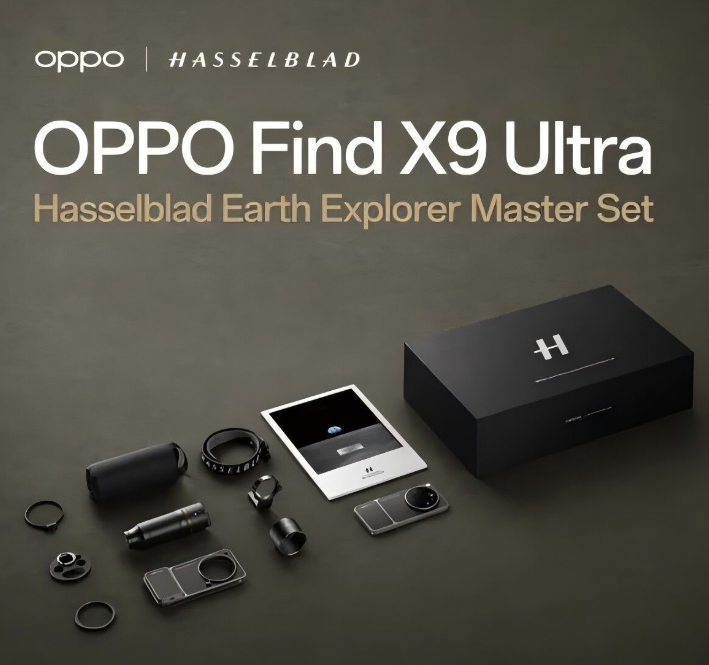
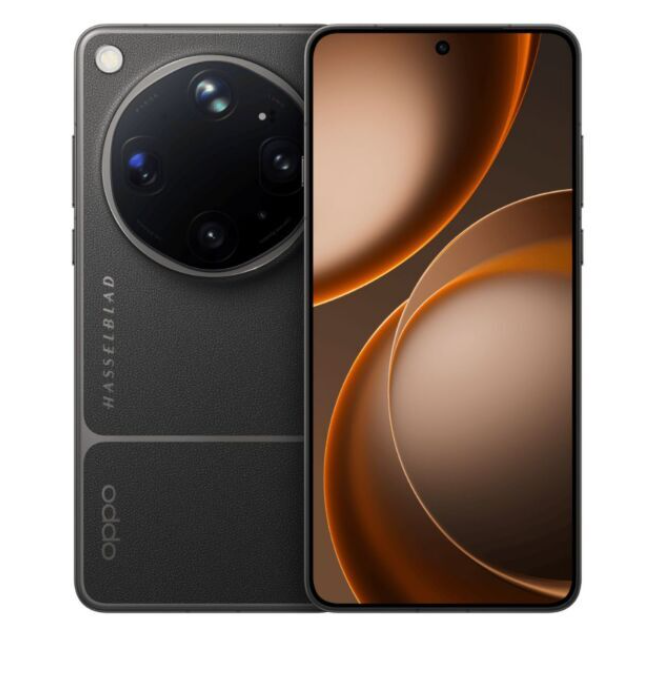
OPPO Find X9 Ultra Hasselblad Earth Explorer Master Set is not just another flagship smartphone. It is designed as a complete photography-focused package for users who want DSLR-like flexibility in a mobile device. With powerful hardware, advanced cameras, and exclusive Hasselblad accessories, this edition targets creators, travelers, and enthusiasts who care about image quality and versatility.
Price and Availability:
This exclusive Master Set is now available via Giztop for $2299. Giztop also provides international shipping, so users across regions can get their hands on this limited-edition photography-focused flagship.
Design and Display
The device features a large 6.82-inch AMOLED LTPO display with a sharp 3168 × 1440 resolution. The screen delivers rich colors, deep contrast, and smooth visuals, making it ideal for both content consumption and photo editing. The overall design follows a premium flagship approach, with a solid build and a camera module that reflects its photography-first identity.
Performance and Battery
Powered by the Snapdragon 8 Elite Gen 5 processor, the phone offers top-tier performance for gaming, multitasking, and heavy creative work. It is paired with 16GB LPDDR5X RAM and 1TB UFS 4.1 storage, ensuring fast speeds and plenty of space for high-resolution photos and videos.
The 7050mAh battery is one of the biggest highlights, delivering long-lasting usage even with heavy camera use. It supports 100W wired SuperVOOC charging and 50W wireless charging, making it quick and convenient to power up.
Camera System and Photography Features
The quad-camera setup is the main highlight. It includes a 200MP main camera, a 200MP periscope telephoto lens, a 50MP secondary periscope telephoto, and a 50MP ultra-wide camera. This setup allows true optical zoom across multiple focal lengths, giving users flexibility similar to professional cameras.
With Hasselblad tuning, the phone focuses on natural colors and high dynamic range. Features like advanced zoom, 8K video recording, and professional shooting modes make it suitable for both casual and serious photography.
Hasselblad Master Set and Special Features
What makes this edition unique is the bundled Hasselblad accessories. The package includes a professional teleconverter lens, a photography grip case, a custom strap, and a filter adapter ring. These additions turn the phone into a more camera-like system, improving handling and shooting control.
This limited-edition set is designed for users who want more than just a smartphone. It brings together performance, camera innovation, and professional tools in one complete package, making it stand out in the ultra-premium segment.
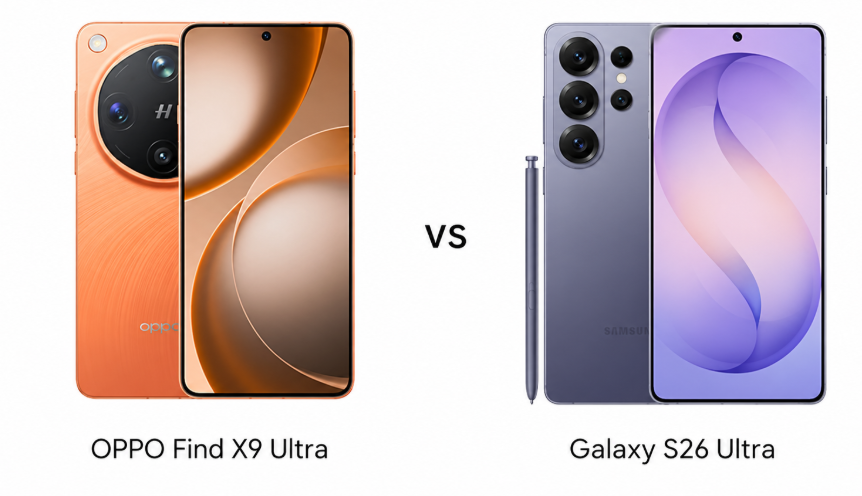
Ultra-flagships are no longer just about power; they’re about how differently brands define “the best.” The OPPO Find X9 Ultra and Samsung Galaxy S26 Ultra take two distinct paths: one pushes extreme hardware and charging innovation, while the other refines performance, software longevity, and ecosystem features. This comparison highlights which approach actually makes more sense, depending on how a flagship is used day to day.
Disclaimer: Specs are based on available data. Actual performance may vary. Verify details from official sources before buying.
Design and Display
Build and Feel
The OPPO Find X9 Ultra leans into a premium, camera-centric design with options like eco leather that add grip and character. It feels built for enthusiasts who appreciate both durability and a slightly bold aesthetic. The Samsung Galaxy S26 Ultra, on the other hand, sticks to a refined, industrial approach with its Armor frame and integrated stylus. It looks cleaner and more business-like, with tighter finishing and a more polished in-hand experience. The inclusion of the S Pen subtly adds functional value that goes beyond just design.
Display Quality
OPPO pushes ahead with a 144Hz LTPO AMOLED panel and extremely high peak brightness, making it more aggressive and fluid, especially for gaming and outdoor use. Samsung counters with a slightly larger panel, excellent anti-reflective coating, and a more color-accurate tuning. While OPPO feels more vibrant and dynamic, Samsung’s display appears more controlled and easier on the eyes during long sessions.
Verdict
OPPO feels more exciting and cutting-edge, while Samsung delivers a more refined and practical flagship experience.
Specifications Including Battery
Performance
Both devices run on the Snapdragon 8 Elite Gen 5, but Samsung edges ahead slightly with a higher clocked prime core and GPU tuning. In real-world use, both feel extremely fast, but Samsung may hold a slight advantage in sustained workloads and optimization. OPPO compensates with aggressive performance tuning that feels snappier in bursts, especially during gaming or multitasking. Software support is another key difference, with Samsung offering significantly longer update longevity, which adds long-term value.
Battery and Charging
This is where OPPO clearly dominates. The massive 7050mAh battery, combined with 100W wired and 50W wireless charging, makes it a powerhouse for heavy users. Samsung’s 5000mAh battery is reliable but feels conservative, and its charging speeds lag. OPPO simply reduces battery anxiety in a way Samsung does not fully match.
Verdict
Samsung offers better long-term polish and slightly stronger optimization, but OPPO wins decisively in battery and charging convenience.
Camera
Main and Secondary Lenses
OPPO takes a more ambitious approach with dual 200MP sensors and a versatile zoom system that includes both 3x and 10x optical options. This setup feels designed for flexibility and detail retention across all focal lengths. Samsung, while more traditional, delivers a highly refined camera system with strong computational photography and reliable consistency. Its 5x zoom is practical, but it lacks the extended reach and experimentation OPPO offers. OPPO feels more like a photography toolkit, while Samsung feels like a dependable point-and-shoot flagship.
Selfie Camera
The difference is clear here. OPPO’s 50MP front camera delivers sharper and more detailed selfies, especially in well-lit conditions. Samsung’s 12MP sensor is tuned for natural results and better consistency, but it lacks the raw resolution advantage.
Verdict
OPPO leads in hardware versatility and zoom capabilities, while Samsung remains more consistent and predictable in everyday shooting.
Pricing
OPPO Find X9 Ultra is priced at around ₹1,03,000, while the Samsung Galaxy S26 Ultra comes in significantly higher at approximately ₹1,40,000. This creates a noticeable gap in positioning, with OPPO offering flagship-level hardware at a more aggressive price point. Samsung justifies its premium with longer software support, brand value, and ecosystem features, but the difference is hard to ignore.
Is the price justified and value for money
OPPO feels like the better deal purely from a hardware perspective, especially considering its battery, charging, and camera system. Samsung, however, positions itself as a long-term investment with better software longevity and ecosystem integration. For users focused on raw specs and immediate value, OPPO stands out more clearly.
Verdict
OPPO delivers stronger value for money, while Samsung charges a premium for refinement and long-term reliability.
Disclaimer: Prices are approximate and may vary based on country, region, launch timing, and applicable taxes. Always check whether the listed price is for a China unit or a global/international variant when purchasing.
Conclusion
OPPO stands out with its massive battery, ultra-fast charging, and highly experimental camera setup that pushes boundaries. It feels like a device built for users who want maximum hardware innovation. Samsung counters with features like the S Pen, DeX support, anti-reflective display, and extended software updates, making it a more productivity-focused flagship. These additions create a more complete ecosystem experience rather than just a hardware showcase.
Verdict
OPPO Find X9 Ultra is the better choice for users who prioritize battery life, fast charging, and camera versatility at a lower price. The Samsung Galaxy S26 Ultra, however, is more balanced, refined, and future-proof, making it a stronger pick for long-term usage and productivity-focused buyers.
Disclaimer: This comparison is based on the specifications provided and is intended for general informational purposes. Actual performance, camera results, battery life, and overall experience may vary depending on real-world usage, software updates, and individual preferences.
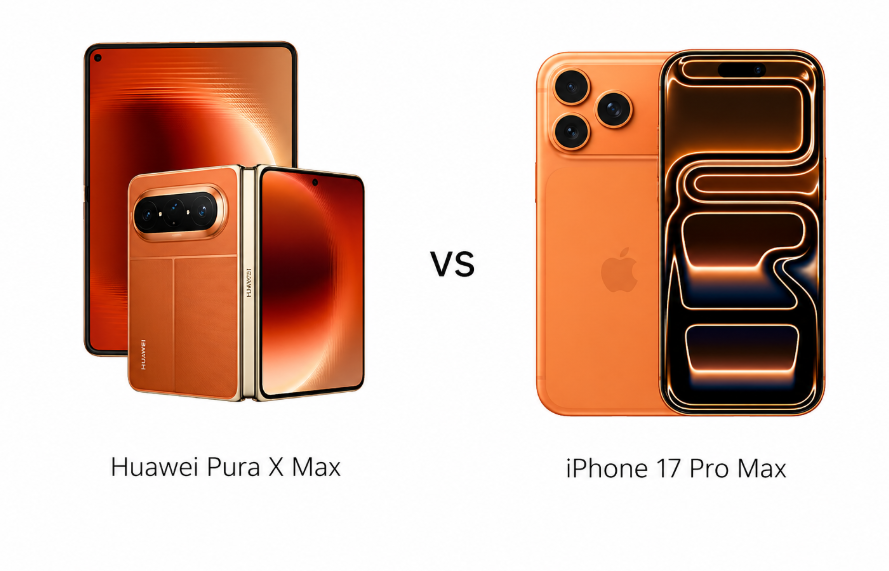
Foldables are no longer just experimental; they’re now competing directly with the most refined flagship smartphones. The Huawei Pura X Max represents that shift, blending a tablet-like experience with smartphone convenience, while the iPhone 17 Pro Max continues to perfect the traditional premium formula with unmatched performance and camera capabilities. This comparison matters for buyers deciding between innovation and reliability, especially at a similar price point. One offers a bold new way to use a phone, while the other delivers consistency that’s hard to beat in everyday use.
Major Features:
Feature
Huawei Pura X Max
iPhone 17 Pro Max
Winner
Form Factor
Foldable + cover display
Standard slab
Huawei – More versatile usage
Build
Kunlun Glass 2, aluminum frame
Ceramic Shield 2, aluminum build
iPhone – Stronger durability rating
Water Resistance
IP58/IP59
IP68 (up to 6m)
iPhone – Better protection
Display
7.7″ foldable LTPO2 OLED, 120Hz
6.9″ LTPO OLED, 120Hz, brighter
Huawei – Bigger immersive screen
Chipset
Kirin 9030 Pro (6 nm)
Apple A19 Pro (3 nm)
iPhone – More advanced process
CPU
9-core
Hexa-core
iPhone – Higher efficiency
GPU
Maleoon 935
Apple 6-core GPU
iPhone – Stronger graphics
RAM
Up to 16GB
12GB
Huawei – Higher RAM option
Storage
Up to 1TB
Up to 2TB
iPhone – Higher storage ceiling
Main Camera
50MP + 50MP + 12.5MP
48MP + 48MP + 48MP + LiDAR
iPhone – More advanced system
Zoom
3.5x optical
4x optical
iPhone – Better zoom
Video
4K, HDR Vivid
4K 120fps, ProRes, Dolby Vision
iPhone – Pro-level video
Selfie Camera
8MP
18MP + depth sensor
iPhone – Better hardware
OS
HarmonyOS 6.1
iOS 26
iPhone – More mature ecosystem
Battery
5300 mAh
4823–5088 mAh
Huawei – Larger battery
Charging (Wired)
66W
~50% in 20 min
Huawei – Faster wattage
Wireless Charging
50W
25W MagSafe/Qi2
Huawei – Faster wireless
Reverse Charging
Yes (wireless + wired)
Wired only (4.5W)
Huawei – More versatile
Connectivity
Wi-Fi 7, BT 6.0
Wi-Fi 7, BT 6.0
Tie – Same standards
Special Features
Stylus, foldable, IR blaster
Face ID, LiDAR, satellite SOS
Tie – Different strengths
Price
~$1600 / ₹150000
~$1200 / ₹150000
iPhone – Lower global price
Disclaimer: Specs are based on available data. Actual performance may vary. Verify details from official sources before buying.
Design and Display
Build and Feel
The Huawei Pura X Max immediately stands out with its foldable form factor, offering a tablet-like experience when opened and a compact footprint when closed. The inclusion of Kunlun Glass 2 and stylus support adds a productivity-focused edge, making it feel more like a hybrid device than a typical smartphone. On the other hand, the iPhone 17 Pro Max sticks to a refined, traditional flagship design with Ceramic Shield 2 and a premium aluminum build, prioritizing durability and consistency. The iPhone feels more predictable and polished, while the Huawei pushes innovation and flexibility in daily use.
Display Quality
Huawei’s large foldable OLED panel delivers immersive viewing with vibrant colors and a smooth 120Hz refresh rate, while the cover screen ensures usability without unfolding. The iPhone counters with a brighter, sharper Super Retina XDR display, offering higher peak brightness and excellent HDR performance. The iPhone’s panel feels more optimized for outdoor visibility, while Huawei’s excels in versatility and multitasking.
Verdict
Huawei Pura X Max is ideal for users wanting a futuristic, productivity-focused display, while iPhone 17 Pro Max delivers a more refined and consistent viewing experience.
Specifications Including Battery
Performance
The Huawei Pura X Max runs on the Kirin 9030 Pro, delivering solid performance for multitasking and everyday usage, especially optimized for HarmonyOS. However, the iPhone 17 Pro Max’s A19 Pro chip is on another level, offering industry-leading speed, efficiency, and long-term performance stability. The difference becomes noticeable in heavy workloads, gaming, and sustained performance, where Apple’s silicon continues to dominate. Huawei feels smooth in regular use, but the iPhone carries more raw power and longevity.
Battery and Charging
Huawei packs a larger battery with faster wired and wireless charging, along with reverse charging options that add convenience. The iPhone focuses more on efficiency, with strong optimization and reliable battery life, though its charging speeds remain comparatively slower. Huawei clearly prioritizes speed and flexibility, while Apple leans toward consistency and battery health over time.
Verdict
iPhone 17 Pro Max wins in performance and efficiency, but Huawei Pura X Max stands out with faster charging and more versatile battery features.
Camera
Main and Secondary Lenses
Huawei delivers a strong triple camera setup with a variable aperture main sensor and a capable periscope zoom, producing balanced and natural-looking shots. The iPhone 17 Pro Max, however, pushes computational photography further with three high-resolution sensors, LiDAR support, and advanced video capabilities, including ProRes and Dolby Vision. The iPhone consistently produces more detailed images and excels in video recording, making it feel like a professional-grade tool. Huawei still holds its ground with versatile photography and strong zoom performance.
Selfie Camera
The iPhone offers a more advanced front camera system with autofocus and depth sensing, resulting in sharper selfies and better video output. Huawei’s setup is functional and consistent, but lacks the same level of detail and advanced features.
Verdict
iPhone 17 Pro Max is the clear winner for both photography and especially videography, while Huawei Pura X Max remains a strong all-rounder for still shots.
Pricing
Both devices are priced similarly at around $1200–$1600 (₹150,000 range), but they target very different audiences. The Huawei Pura X Max justifies its price with foldable technology, dual displays, and added productivity features, making it feel like two devices in one. The iPhone 17 Pro Max, despite a similar price, focuses on performance, camera excellence, and ecosystem reliability rather than hardware experimentation.
Is the Price Justified?
Huawei feels more experimental and feature-packed for the price, especially for users wanting innovation. The iPhone, however, offers a safer and more reliable investment with consistent long-term value and software support. The pricing reflects two very different philosophies, innovation versus refinement.
Verdict
Huawei Pura X Max offers better hardware innovation for the price, while iPhone 17 Pro Max delivers stronger overall value through performance, camera, and ecosystem.
Disclaimer: Prices are approximate and may vary based on country, region, launch timing, and applicable taxes. Always check whether the listed price is for a China unit or a global/international variant when purchasing.
Conclusion
Huawei Pura X Max stands out with its foldable design, stylus support, and dual-screen usability, making it a productivity-focused powerhouse. It appeals to users who want a device that adapts to multiple use cases beyond a standard smartphone. In contrast, the iPhone 17 Pro Max focuses on refinement, offering unmatched performance, industry-leading video capabilities, and a highly optimized ecosystem. It feels more complete and reliable in everyday usage, especially for long-term ownership.
Verdict
Huawei Pura X Max is the better choice for those seeking innovation and versatility, while iPhone 17 Pro Max remains the more balanced and dependable flagship overall.
Disclaimer: This comparison is based on the specifications provided and is intended for general informational purposes. Actual performance, camera results, battery life, and overall experience may vary depending on real-world usage, software updates, and individual preferences.
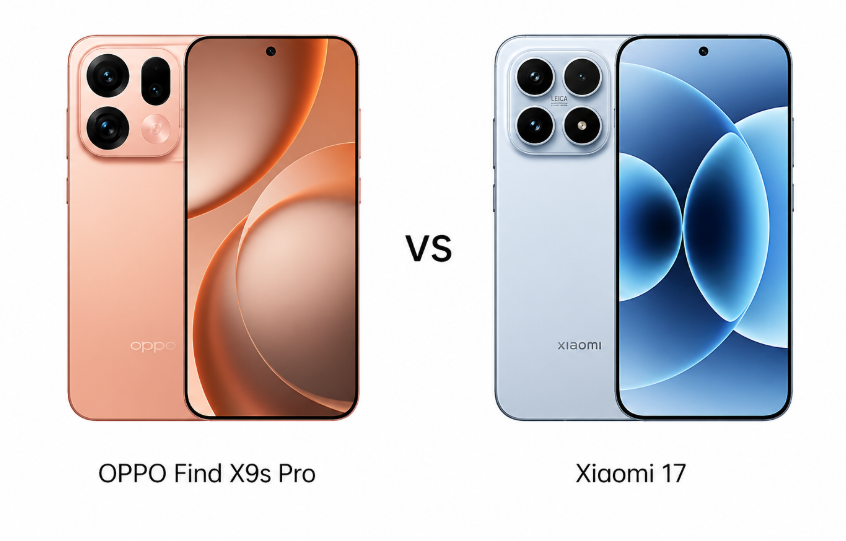
Finding the right flagship in 2026 isn’t just about raw specs; it’s about how well a phone balances performance, camera capability, battery life, and overall experience. The Oppo Find X9s Pro and Xiaomi 17 sit close in the premium segment but take very different approaches. One focuses on massive battery and high-resolution camera hardware, while the other leans into refined performance, display quality, and a more complete flagship ecosystem. This comparison breaks down which one actually makes more sense, depending on priorities.
Oppo Find X9s Pro – Larger battery (global comparison)
Charging
80W wired, 50W wireless
100W wired, 50W wireless, reverse charging
Xiaomi 17 – Faster + more features
Protection
IP66/IP68/IP69
IP68
Oppo Find X9s Pro – Higher protection ratings
Price
~$870 / ₹73,000
~$1000 / ₹90,000
Oppo Find X9s Pro – More affordable
Disclaimer: Specs are based on available data. Actual performance may vary. Verify details from official sources before buying.
Design and Display
Build and Feel
Both phones feel premium, but they approach it differently. The Oppo Find X9s Pro focuses on durability with multiple IP ratings, giving it an edge in rugged confidence. The Xiaomi 17, on the other hand, leans into refinement with its glass-metal construction and more flexible SIM setup, including eSIM support. It feels slightly more modern in everyday usability, especially for global users. Oppo’s design feels more functional, while Xiaomi’s feels more polished and lifestyle-oriented.
Display Quality
The Xiaomi 17 clearly pushes display tech further with higher peak brightness, richer color depth, Dolby Vision, and advanced PWM dimming. It simply looks more vibrant and comfortable for long viewing sessions. Oppo counters with a smoother 144Hz refresh rate, which can feel slightly more fluid in motion, especially in gaming. However, Xiaomi’s overall panel tuning feels more complete and flagship-grade.
Verdict
Xiaomi 17 wins for display excellence and premium feel, while Oppo appeals more to durability-focused users.
Specifications Including Battery
Performance
Xiaomi 17 takes a clear lead in raw performance with the Snapdragon 8 Elite Gen 5 chip. It delivers stronger peak power and better efficiency, especially in gaming and heavy workloads. Oppo Find X9s Pro’s Dimensity 9500 is still very capable, offering smooth performance across daily tasks, but it doesn’t quite match Qualcomm’s top-tier consistency. Xiaomi feels more future-proof for demanding users.
Battery and Charging
Oppo dominates battery capacity with a massive 7025 mAh cell, making it a clear choice for endurance. It’s built for users who prioritize long usage without frequent charging. Xiaomi responds with faster 100W wired charging and versatile reverse charging options, making it more flexible in real-world use. Oppo lasts longer, but Xiaomi charges faster and offers more features.
Verdict
Xiaomi 17 wins in performance and charging versatility, while Oppo Find X9s Pro leads in battery endurance.
Camera
Main and Secondary Lenses
Oppo takes an aggressive approach with dual 200MP sensors, delivering exceptional detail and strong zoom performance. It feels tailored for users who prioritize high-resolution photography and creative flexibility. Xiaomi focuses on balance with its triple 50MP Leica-tuned system, offering more natural colors, better consistency, and advanced video capabilities, including 10-bit recording. Xiaomi feels more refined, while Oppo feels more experimental and powerful.
Selfie Camera
Xiaomi clearly leads here with a 50MP front camera featuring autofocus, making it far more versatile for selfies and video calls. Oppo’s 32MP camera is decent but lacks the same level of detail and flexibility. Xiaomi simply feels more complete for front-facing usage.
Verdict
Oppo Find X9s Pro wins for high-resolution rear photography, but Xiaomi 17 takes the overall camera crown with better balance and superior selfie performance.
Pricing
Oppo Find X9s Pro is priced at around $870 (₹73,000), while the Xiaomi 17 sits higher at approximately $1000 (₹90,000). This places Xiaomi firmly in a more premium bracket, while Oppo undercuts it by a noticeable margin.
Is the Price Justified?
Oppo offers strong value with its massive battery, unique dual 200MP setup, and solid flagship performance at a lower price. It feels like a device built to maximize specs per rupee. Xiaomi, however, justifies its higher price with a more complete flagship experience, better display, stronger chipset, refined cameras, and additional features like reverse charging and advanced video support. It feels more polished overall.
Verdict
Oppo Find X9s Pro is the better value pick, while Xiaomi 17 justifies its price with a more premium and balanced experience.
Disclaimer: Prices are approximate and may vary based on country, region, launch timing, and applicable taxes. Always check whether the listed price is for a China unit or a global/international variant when purchasing.
Conclusion
Oppo Find X9s Pro stands out with its massive battery, dual 200MP cameras, and durability-focused design. It feels like a powerhouse built for longevity and heavy usage. The Xiaomi 17 differentiates itself with a superior display, cutting-edge chipset, Leica camera tuning, and an advanced charging ecosystem. It feels more like a complete flagship with fewer compromises.
Verdict
The choice comes down to priorities. Oppo Find X9s Pro is ideal for users who want maximum battery life and standout camera hardware at a lower price. Xiaomi 17 is better suited for those seeking a refined, all-around flagship with top-tier performance and display quality. Xiaomi edges ahead overall, but Oppo remains a strong value-driven alternative.
Disclaimer: This comparison is based on the specifications provided and is intended for general informational purposes. Actual performance, camera results, battery life, and overall experience may vary depending on real-world usage, software updates, and individual preferences.
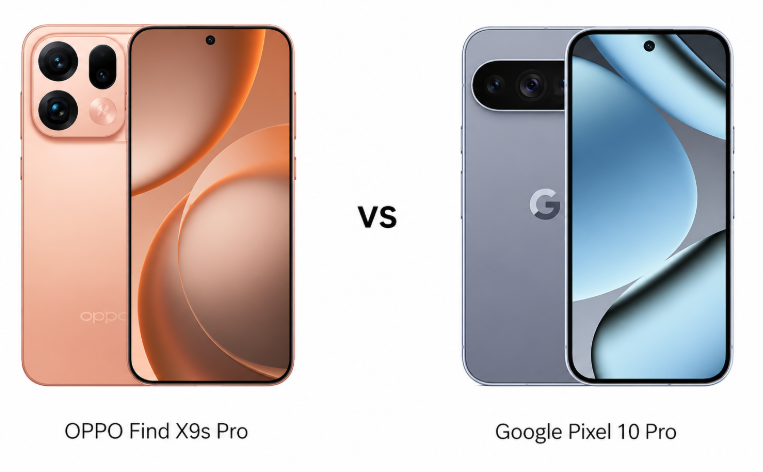
In a flagship space where hardware power and software intelligence are pulling in different directions, the OPPO Find X9s Pro and Pixel 10 Pro represent two very different ideas of what a premium smartphone should be. One pushes boundaries with massive battery, aggressive specs, and fast charging, while the other leans into AI, camera consistency, and long-term software support. This comparison matters because both target the same high-end buyer, but deliver completely different experiences.
Major Features:
Feature
OPPO Find X9s Pro
Google Pixel 10 Pro
Winner
Display Type
LTPO AMOLED, 144Hz, 1B colors
LTPO OLED, 120Hz, HDR10+
OPPO – higher refresh rate
Brightness
800 nits (typ), 1800 nits (peak)
2200 nits (HBM), 3300 nits (peak)
Pixel – much brighter
Resolution
1216 × 2640 (~460 ppi)
1280 × 2856 (~495 ppi)
Pixel – sharper
Chipset
Dimensity 9500 (3nm)
Tensor G5 (3nm)
Tie – both 3nm
RAM
12GB / 16GB
16GB
Pixel – higher base RAM
Storage
UFS 4.1
UFS 3.1 (128GB), UFS 4.0
OPPO – faster storage
Main Camera
200MP + 200MP + 50MP
50MP + 48MP + 48MP
OPPO – higher resolution sensors
Zoom
2.8x optical
5x optical
Pixel – better zoom
Video
8K, 4K@120fps, Dolby Vision
8K (cloud), 4K@60fps, 10-bit HDR
OPPO – higher frame rate
Selfie Camera
32MP
42MP (AF, ultrawide)
Pixel – higher res + autofocus
Battery
7025 mAh
4870 mAh
OPPO – much bigger battery
Charging (Wired)
80W
30W
OPPO – much faster
Charging (Wireless)
50W
15W
OPPO – much faster
Build Protection
IP66/IP68/IP69
IP68
OPPO – more protection
Software Support
Not specified
7 Android upgrades
Pixel – longer support
Connectivity
Bluetooth 6.1, IR blaster
Bluetooth 6.0, UWB, Satellite SOS
Pixel – more advanced features
Price
₹73,000
₹1,10,000
OPPO – far better value
Disclaimer: Specs are based on available data. Actual performance may vary. Verify details from official sources before buying.
Design and Display
Build and Feel
The OPPO Find X9s Pro leans into durability with IP66/IP68/IP69 protection and a clean, minimal design that feels engineered for longevity. It skips premium material highlights but compensates with rugged resistance and practical usability. The Pixel 10 Pro, on the other hand, focuses on refinement with Gorilla Glass Victus 2 on both sides and an aluminum frame, delivering a more traditionally premium in-hand feel. It looks and feels more polished, especially for users who value craftsmanship over outright toughness.
Display Quality
OPPO offers a 144Hz LTPO AMOLED panel with vibrant colors and smooth responsiveness, making it ideal for gaming and fluid UI interactions. The Pixel 10 Pro counters with a brighter LTPO OLED panel, higher peak brightness, and HDR10+ support, resulting in better outdoor visibility and more accurate HDR playback. The higher pixel density also gives it a sharper visual edge.
Verdict
The Pixel 10 Pro feels more premium and visually refined, while the OPPO Find X9s Pro delivers smoother motion and stronger durability. The better choice depends on whether polish or practicality matters more.
Specifications Including Battery
Performance
The OPPO Find X9s Pro runs on the Dimensity 9500, paired with fast UFS 4.1 storage, making it a powerhouse for gaming and sustained performance. It feels tuned for speed and efficiency under load. The Pixel 10 Pro’s Tensor G5 focuses more on AI-driven tasks and optimization, delivering a smoother everyday experience with long-term software support. While not always the fastest in raw benchmarks, it often feels smarter in real-world use.
Battery and Charging
OPPO takes a massive lead with its 7025 mAh battery, easily pushing beyond a full day of heavy use. Charging is equally impressive with 80W wired and 50W wireless speeds. The Pixel 10 Pro’s 4870 mAh battery is more modest, and its 30W charging feels conservative in comparison, though it benefits from better efficiency and features like bypass charging.
Verdict
OPPO clearly dominates in battery and charging, making it ideal for power users. Pixel focuses more on efficiency and smart performance, which may suit users prioritizing consistency over raw power.
Camera
Main and Secondary Lenses
The OPPO Find X9s Pro pushes hardware boundaries with dual 200 MP sensors and Hasselblad tuning, delivering rich detail and versatile shooting modes. It’s built for those who enjoy experimenting with photography styles. The Pixel 10 Pro takes a different approach, relying on computational photography with a balanced triple-camera system and a strong 5x periscope zoom. Its results are consistently accurate, with better color science and reliable HDR processing.
Selfie Camera
OPPO’s 32 MP front camera performs well for standard shots, but the Pixel’s 42 MP ultrawide selfie camera stands out with sharper detail and autofocus, making it more versatile for group shots and video calls.
Verdict
OPPO offers more raw power and flexibility, while Pixel delivers consistency and smarter image processing. The Pixel 10 Pro feels more dependable, especially for point-and-shoot users.
Pricing
The OPPO Find X9s Pro is priced at approximately ₹73,000, while the Pixel 10 Pro sits significantly higher at around ₹1,10,000. This creates a clear gap between the two, positioning OPPO as the more accessible flagship option and Pixel as a premium-tier device.
Value for Money
OPPO delivers exceptional value with high-end specs, massive battery capacity, and fast charging at a relatively lower price. It feels like a performance-focused flagship without the premium tax. The Pixel 10 Pro justifies its higher price through long-term software support, advanced AI features, and a more refined camera experience. It appeals more to users who prioritize ecosystem, updates, and reliability over hardware specs alone.
Verdict
OPPO wins on value and hardware per rupee, while Pixel justifies its price through software longevity and smarter features.
Disclaimer: Prices are approximate and may vary based on country, region, launch timing, and applicable taxes. Always check whether the listed price is for a China unit or a global/international variant when purchasing.
Conclusion
OPPO Find X9s Pro stands out with its massive battery, ultra-fast charging, and high-resolution dual 200 MP camera system, making it a hardware-driven flagship. The Pixel 10 Pro differentiates itself with 7 years of Android updates, advanced AI features, satellite SOS, and a more refined imaging system that prioritizes consistency over specs.
Final Verdict
If one has to be chosen, the OPPO Find X9s Pro comes out as the better overall pick for most users. It delivers significantly better battery life, much faster charging, and stronger raw performance at a much lower price, making it the smarter value-driven flagship. The Pixel 10 Pro still stands out for its cleaner software, longer update support, and more consistent camera processing, but those advantages mainly justify its higher price for users who specifically prioritize software experience over hardware.
Disclaimer: This comparison is based on the specifications provided and is intended for general informational purposes. Actual performance, camera results, battery life, and overall experience may vary depending on real-world usage, software updates, and individual preferences.
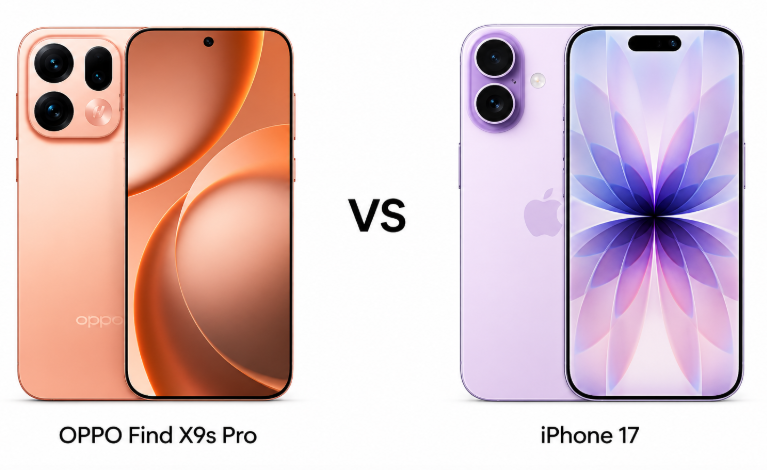
Two very different flagship philosophies collide here, one chasing cutting-edge hardware and aggressive specs, the other refining a tightly controlled ecosystem with consistent performance. The OPPO Find X9s Pro brings massive battery life, ultra-fast charging, and a camera setup that pushes numbers to the extreme, while the iPhone 17 focuses on efficiency, software polish, and long-term reliability. This comparison matters for buyers deciding between raw power and refined experience, where the real winner depends on how those priorities translate into everyday use.
Major Features:
Feature
OPPO Find X9s Pro
iPhone 17
Winner
Display Type
LTPO AMOLED, 144Hz, 1B colors
LTPO Super Retina XDR OLED, 120Hz
OPPO – Higher 144Hz refresh rate
Peak Brightness
1800 nits
3000 nits
iPhone – Much higher peak brightness
Resolution & PPI
1216 × 2640 (~460 ppi)
1206 × 2622 (~460 ppi)
Tie – Nearly identical sharpness
Chipset
Dimensity 9500 (3nm)
Apple A19 (3nm)
Tie – Same 3nm class (no direct data edge)
RAM Options
12GB / 16GB
8GB
OPPO – Higher RAM options
Storage
Up to 1TB (UFS 4.1)
Up to 512GB (NVMe)
OPPO – Higher max storage
Main Camera
200MP + 200MP + 50MP
48MP + 48MP
OPPO – Higher resolution + triple setup
Video Recording
Up to 8K
Up to 4K Dolby Vision
OPPO – 8K support
Selfie Camera
32MP
18MP
OPPO – Higher resolution
Battery
7025 mAh
3692 mAh
OPPO – Much larger battery
Charging (Wired)
80W
PD (50% in 20 min)
OPPO – Faster wattage
Wireless Charging
50W
25W MagSafe/Qi2
OPPO – Faster wireless
Build & Protection
IP66/IP68/IP69
IP68
OPPO – More protection ratings
Biometrics
Ultrasonic Fingerprint
Face ID
Tie – Different approaches
Bluetooth
6.1
6.0
OPPO – Newer version
Special Features
IR Blaster
UWB, Satellite SOS
iPhone – More advanced ecosystem features
Price (Approx)
$870 / ₹73,000
$800 / ₹83,000
OPPO – Cheaper in India
Disclaimer: Specs are based on available data. Actual performance may vary. Verify details from official sources before buying.
Design and Display
Build and Feel
The OPPO Find X9s Pro leans toward a durable, feature-packed design with strong ingress protection and practical additions like an infrared port and ultrasonic fingerprint scanner. It feels engineered for versatility and daily resilience. The iPhone 17, on the other hand, focuses on refined simplicity with its Ceramic Shield 2 and aluminum frame, paired with Face ID and a polished ecosystem approach. The iPhone’s build feels more premium in hand, while the OPPO prioritizes utility and toughness, which may appeal more to power users.
Display Quality
OPPO pushes ahead with a 144Hz LTPO AMOLED panel, delivering ultra-smooth scrolling and vibrant color output. It feels more fluid, especially in gaming and fast interactions. The iPhone 17 counters with a highly optimized 120Hz Super Retina XDR display, brighter peak levels, and Dolby Vision support. While OPPO offers higher refresh rates, Apple’s tuning often results in more consistent color accuracy and better HDR playback.
Verdict
OPPO wins on raw display specs and smoothness, but the iPhone offers a more balanced, premium viewing experience overall.
Specifications Including Battery
Performance
The OPPO Find X9s Pro is powered by the Dimensity 9500, delivering flagship-grade performance with a focus on sustained power and multitasking. Combined with higher RAM options, it feels built for heavy users and long gaming sessions. The iPhone 17’s A19 chip, however, continues Apple’s trend of leading in single-core performance and efficiency. Day-to-day operations feel faster and more refined, with apps opening instantly and animations remaining consistent. The iPhone still holds a slight edge in real-world fluidity, even if OPPO appears stronger on paper.
Battery and Charging
This is where OPPO clearly dominates. The large battery paired with 80W wired and 50W wireless charging makes it extremely convenient, especially for users who prioritize quick top-ups. The iPhone 17 offers decent endurance with optimized power usage, but its charging speeds feel conservative in comparison. OPPO’s setup feels more future-ready.
Verdict
OPPO leads in battery and charging, while the iPhone maintains a slight edge in performance efficiency and overall smoothness.
Camera
Main and Secondary Lenses
The OPPO Find X9s Pro goes all-in with a triple-camera setup, including dual 200MP sensors and Hasselblad tuning. It offers versatility with telephoto zoom and ultrawide flexibility, making it ideal for photography enthusiasts. The iPhone 17 keeps things simpler with a dual 48MP system, focusing on consistency, color science, and video excellence. While OPPO delivers more hardware power and zoom capability, Apple’s processing often produces more reliable and natural results across different conditions.
Selfie Camera
OPPO features a 32MP front camera capable of sharp and detailed selfies, appealing to users who prioritize resolution. The iPhone 17’s 18MP camera, paired with depth sensing and advanced video features, leans toward accuracy and features like spatial audio and Face ID integration. Apple’s front camera feels more polished for video and social use.
Verdict
OPPO offers more versatility and raw capability, but the iPhone remains more consistent, especially in video and processing.
Pricing
OPPO Find X9s Pro is priced at around $870 (₹73,000), while the iPhone 17 comes in at approximately $800 (₹83,000). Despite being cheaper globally, the iPhone ends up costing more in India, which shifts the value equation significantly depending on the region.
Is the Price Justified?
OPPO delivers strong hardware value with its massive battery, faster charging, and advanced camera setup, making it feel like a spec-heavy flagship at a competitive price. The iPhone 17 justifies its pricing through long-term software support, ecosystem integration, and consistent performance. It may not look aggressive on paper, but it often delivers a more refined long-term experience.
Verdict
OPPO offers better hardware value for money, while the iPhone justifies its price through longevity and ecosystem advantages.
Disclaimer: Prices are approximate and may vary based on country, region, launch timing, and applicable taxes. Always check whether the listed price is for a China unit or a global/international variant when purchasing.
Conclusion
OPPO Find X9s Pro stands out with its massive battery, ultra-fast charging, high-refresh-rate display, and versatile camera system with Hasselblad tuning. It clearly targets power users who want cutting-edge specs and flexibility. iPhone 17, meanwhile, focuses on seamless integration, efficient performance, and premium software optimization. Features like Face ID, satellite connectivity, and Apple’s ecosystem give it a distinct advantage in usability and long-term reliability.
Verdict
OPPO Find X9s Pro feels like the better choice for users who prioritize specs, battery life, and camera versatility. iPhone 17 is better suited for those who value consistency, ecosystem, and a refined everyday experience. The final choice depends on whether raw power or polished integration matters more.
Disclaimer: This comparison is based on the specifications provided and is intended for general informational purposes. Actual performance, camera results, battery life, and overall experience may vary depending on real-world usage, software updates, and individual preferences.
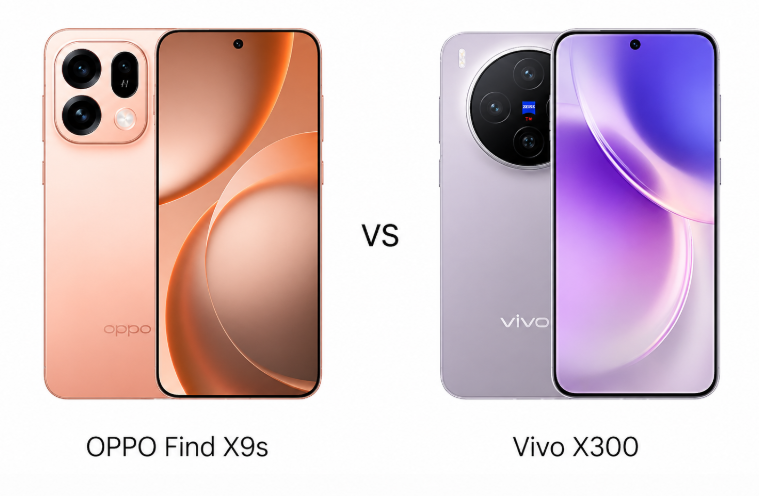
OPPO Find X9s and Vivo X300 take two distinct approaches to the flagship experience, with OPPO focusing on battery life and balanced performance, while Vivo pushes ahead with cutting-edge camera tech and a more advanced display. With a clear gap in pricing and features, this comparison helps highlight which phone better suits users looking for practicality versus premium innovation.
Please Note: When you buy something using the links in our articles, we may earn a small commission at no cost to you.
Major Features:
Feature
OPPO Find X9s
Vivo X300
Winner
Display
6.59″ AMOLED, 120Hz, 3600 nits peak
6.31″ LTPO AMOLED, 120Hz, 4500 nits peak, HDR10+
Vivo X300 – brighter + LTPO
Chipset
Dimensity 9500s (3nm)
Dimensity 9500 (3nm)
Vivo X300 – stronger CPU setup
RAM & Storage
Up to 12GB RAM, 512GB
Up to 16GB RAM, 1TB
Vivo X300 – more options
Rear Camera
50MP + 50MP + 50MP
200MP + 50MP + 50MP
Vivo X300 – higher resolution main sensor
Telephoto
50MP, 3x zoom
50MP periscope, 3x zoom
Vivo X300 – periscope advantage
Selfie Camera
32MP
50MP AF
Vivo X300 – sharper + autofocus
Video
4K up to 120fps
4K up to 120fps + HDR
Vivo X300 – HDR video support
Battery
7025mAh
6040mAh
OPPO Find X9s – bigger battery
Charging
80W wired, 55W PPS
90W wired, 40W wireless
Vivo X300 – faster + wireless
Build & Protection
IP66/IP68/IP69
IP68/IP69
OPPO Find X9s – extra IP66
Connectivity
Wi-Fi 7, Bluetooth 6.1
Wi-Fi 7, Bluetooth 5.4
OPPO Find X9s – newer Bluetooth
USB
USB Type-C
USB Type-C 3.2
Vivo X300 – faster standard
Price
~$730 / ₹60,000
~$900 / ₹76,000
OPPO Find X9s – better value
Disclaimer: Specs are based on available data. Actual performance may vary. Verify details from official sources before buying.
Design and Display
Build and Feel
Both phones bring premium craftsmanship with strong durability ratings, including IP68/IP69 protection. The OPPO Find X9s leans toward a slightly more solid, dense feel, while the Vivo X300 feels more refined and compact in hand. The Vivo’s aluminum frame and polished finish give it a more flagship-like elegance, whereas OPPO focuses on robustness and practicality. Subtle differences in ergonomics make the Vivo easier for long use, while OPPO feels more planted and sturdy.
Display Quality
OPPO Find X9s offers a vibrant AMOLED panel with excellent brightness and color depth, easily handling outdoor visibility. However, Vivo X300 steps ahead with LTPO technology, higher peak brightness, and advanced HDR formats, making content look more dynamic and fluid. The adaptive refresh rate also improves efficiency and smoothness. The difference becomes noticeable in HDR videos and high-contrast scenes, where Vivo simply looks more polished.
Verdict
Vivo X300 delivers a more premium display experience, while the OPPO Find X9s holds its ground with brightness and durability.
Specifications Including Battery
Performance
Both devices are powered by next-generation 3nm MediaTek chips, but the Vivo X300’s Dimensity 9500 shows a slight edge in raw performance and efficiency. The CPU architecture is more aggressive, translating into faster app launches and better sustained performance. OPPO’s Dimensity 9500s still delivers flagship-level smoothness, especially for gaming, but Vivo feels more future-proof with higher RAM options and longer software support.
Battery and Charging
Battery is where OPPO makes a strong statement. The 7025mAh unit is significantly larger, offering excellent endurance for heavy users. Charging is fast and versatile, though Vivo counters with quicker wired charging and the added convenience of wireless charging. Vivo feels more flexible, but OPPO clearly prioritizes longevity.
Verdict
OPPO wins on battery life, while Vivo edges ahead in performance and overall versatility.
Camera
Main and Secondary Lenses
OPPO Find X9s uses a balanced triple 50MP setup, delivering consistent results across all lenses. It focuses on reliability and natural color tuning. The Vivo X300, however, pushes boundaries with a 200MP main sensor and Zeiss optics, offering more detail and superior dynamic range. The periscope lens on Vivo also feels more refined for zoom shots, especially in challenging lighting. OPPO remains dependable, but Vivo feels more ambitious and technically advanced.
Selfie Camera
OPPO’s 32MP front camera is solid for everyday use, with stable video and good HDR. Vivo steps up with a 50MP autofocus selfie camera, producing sharper and more versatile results, especially for video creators and high-resolution shots.
Verdict
Vivo X300 delivers a more flagship-grade camera system, while OPPO focuses on consistency and balance.
Pricing
OPPO Find X9s is priced around $730 (₹60,000), while the Vivo X300 comes in at approximately $900 (₹76,000). This places them in slightly different tiers, with Vivo clearly targeting the ultra-premium segment.
Is the Price Justified?
OPPO offers strong value with its large battery, solid performance, and well-rounded camera system, making it a practical flagship choice. Vivo justifies its higher price with cutting-edge camera hardware, superior display technology, and additional features like wireless charging. The price gap reflects not just specs, but a shift toward a more premium experience.
Verdict
OPPO delivers better value for money, while Vivo justifies its price with top-tier features and innovation.
Disclaimer: Prices are approximate and may vary based on country, region, launch timing, and applicable taxes. Always check whether the listed price is for a China unit or a global/international variant when purchasing.
Conclusion
OPPO Find X9s stands out with its massive battery, balanced camera setup, and dependable performance, making it ideal for users who prioritize longevity and stability. Vivo X300, on the other hand, focuses on pushing boundaries with a 200MP camera, advanced display tech, and flagship-level refinements like wireless charging and extended software support. It feels more like a complete premium package.
Verdict
OPPO Find X9s is the smarter choice for value-driven buyers who want endurance and reliability. Vivo X300 is better suited for those seeking cutting-edge features and a more polished flagship experience.
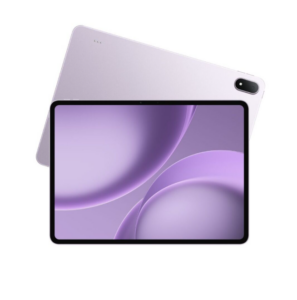
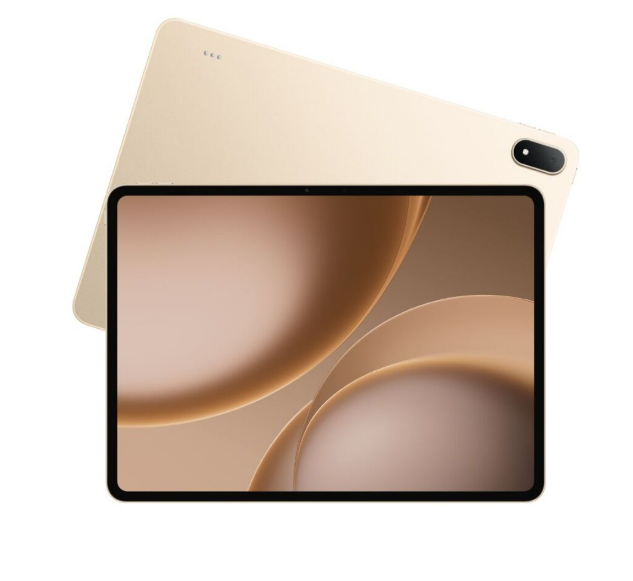
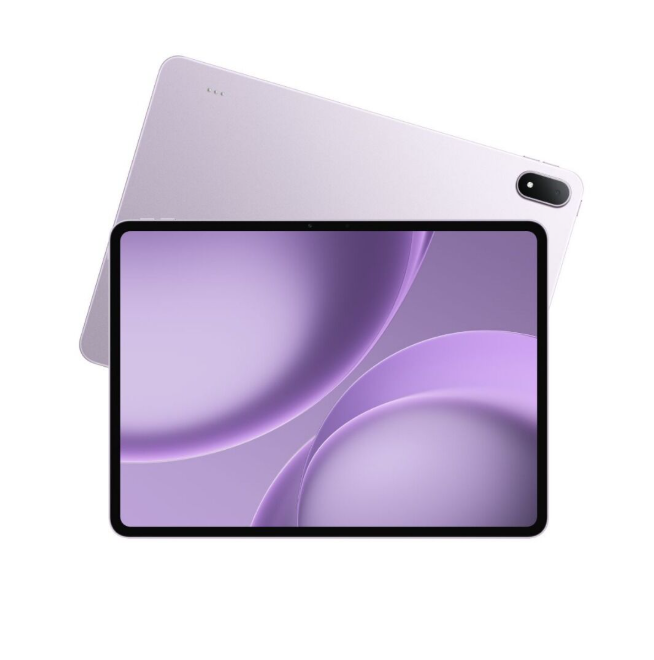
OPPO Pad 5 Pro enters the premium tablet space with a strong focus on display quality, flagship-level performance, and long-lasting battery life. Built for users who want a large-screen experience for productivity, entertainment, and multitasking, it combines a high refresh rate panel with a powerful chipset and modern connectivity features.
OPPO Pad 5 Pro is now available globally via Giztop, with a starting price of $799 for the base variant.
Design and Display
OPPO Pad 5 Pro features a large 13.2-inch LCD designed for immersive viewing. With a 3.4K resolution (3392 × 2400 pixels), the screen delivers sharp visuals and vibrant color reproduction. The 10-bit color support enhances gradients and overall visual accuracy, making it suitable for media consumption and creative tasks.
A 144Hz adaptive refresh rate ensures smooth scrolling and fluid animations, which noticeably improve the overall user experience. The slim bezels contribute to an 89.4% screen-to-body ratio, giving the tablet a modern and premium look while maximizing usable screen space.
Performance and Software
At the core of the OPPO Pad 5 Pro is the Snapdragon 8 Elite Gen 5 octa-core processor, built to handle demanding workloads. Whether it’s multitasking, gaming, or running heavy apps, the chipset ensures stable and smooth performance.
The tablet runs on ColorOS 16 based on Android 16, offering a refined and responsive interface. The software experience is optimized for large screens, with features like split-screen multitasking, parallel windows, and cross-device collaboration, enhancing productivity. The UI feels fluid and well-integrated, especially when switching between apps or using multiple windows.
Memory and Storage
The OPPO Pad 5 Pro is available in two configurations:
8GB RAM + 256GB storage
12GB RAM + 512GB storage
With LPDDR5X RAM and UFS 4.1 storage, the tablet delivers fast app launches, smooth multitasking, and quick data access. This setup ensures that even heavy users won’t experience slowdowns during intensive usage.
Camera Capabilities
For a tablet, the OPPO Pad 5 Pro offers practical camera hardware:
13MP rear camera for basic photography and document scanning
8MP front camera with a 105° wide-angle lens for video calls
The front camera is especially useful for video conferencing, offering a wider field of view that keeps you properly framed during calls.
Battery and Charging
The device is powered by a large 13,380mAh battery, designed for extended usage. Whether you’re streaming content, attending meetings, or working on tasks, the tablet is built to last through long sessions without frequent charging.
It supports 67W SuperVOOC fast charging, allowing you to quickly top up the battery and get back to work or entertainment without long wait times.
Connectivity and Audio
The OPPO Pad 5 Pro comes equipped with modern connectivity options:
Wi-Fi 7 with dual-band support (2.4GHz and 5GHz)
Bluetooth 5.4 for seamless wireless connections
For audio, the tablet features quad speakers with Dolby Atmos support and Hi-Res audio certification. The sound output is loud, immersive, and well-balanced, making it ideal for movies, music, and gaming.
Additional Features
OPPO has included several smart features to improve usability:
Four-finger pinch gestures
Two-finger split-screen multitasking
Parallel windows for better app management
Cross-device collaboration for seamless workflow between devices
These features make the tablet more versatile, especially for productivity-focused users.
The OPPO Pad 5 Pro positions itself as a powerful large-screen tablet with a strong emphasis on display quality, performance, and battery life. The combination of a 144Hz 3.4K display, Snapdragon flagship chipset, and massive battery makes it a compelling option for both entertainment and productivity.
It’s clearly aimed at users who want a premium tablet experience without compromises, especially those who value a bigger display and smooth multitasking performance.
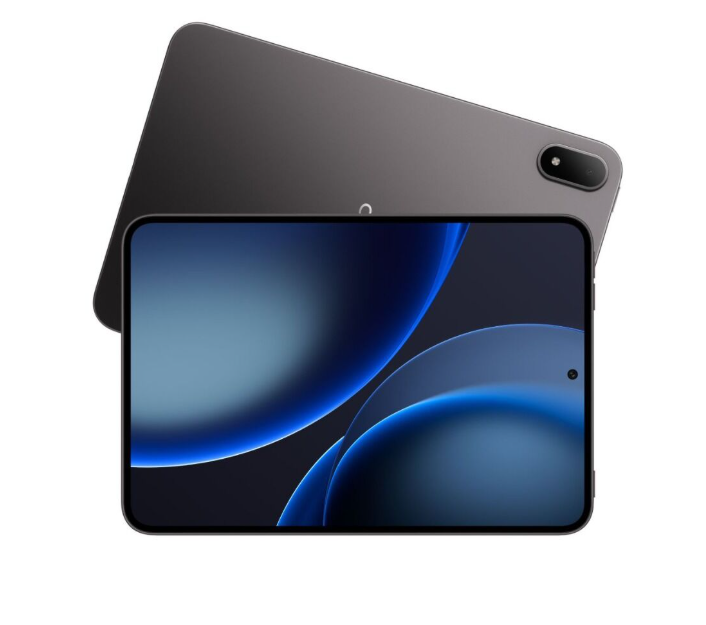
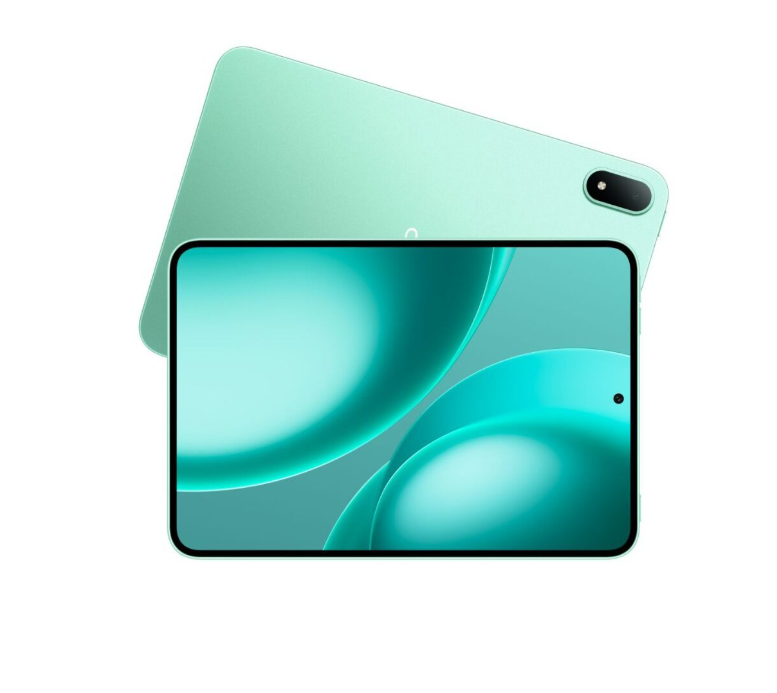
OPPO Pad Mini is a compact yet powerful tablet designed for both entertainment and productivity, featuring a high-refresh-rate AMOLED display and flagship-level performance. It is now available starting at $699, making it a premium small-tablet option, and can be purchased globally through Giztop.
Design and Display
The OPPO Pad Mini features a compact and premium design with an 8.8-inch 2.5K AMOLED display. It offers a sharp resolution of 2520×1680 pixels, making content look detailed and vibrant. The 144Hz adaptive refresh rate ensures smooth scrolling and fluid visuals, which is especially useful for gaming and daily use. With up to 1600 nits peak brightness and ultra-narrow bezels, the viewing experience feels immersive and comfortable even in bright conditions.
Performance and Software
This tablet is powered by the Snapdragon 8 Gen 5 octa-core processor, paired with the Adreno 829 GPU. It delivers fast and stable performance for multitasking, gaming, and heavy apps. The device comes with 8GB or 12GB LPDDR5X RAM and up to 512GB UFS 4.1 storage, ensuring quick data access and smooth operation. It runs on ColorOS 16, based on Android 16, offering a clean, modern, and user-friendly interface.
Camera and Multimedia
The OPPO Pad Mini includes an 8MP front camera with a wide-angle lens, making it suitable for video calls and online meetings. On the back, there is a 13MP camera for basic photography and document scanning. The dual-speaker setup provides balanced stereo sound, enhancing the experience for watching videos or listening to music.
Battery and Connectivity
The tablet is equipped with an 8000mAh battery, which supports 67W SuperVOOC fast charging. This allows quick top-ups and long usage throughout the day. For connectivity, it supports Wi-Fi 7 with 2×2 MIMO for faster internet speeds and Bluetooth 5.4 for stable wireless connections.
The OPPO Pad Mini offers a strong mix of performance, display quality, and fast charging in a compact form, making it a solid choice for both entertainment and productivity.

 Login
Login