Login
Login
How Cruise Passengers Plan Bike Tours During a Lisbon Stop
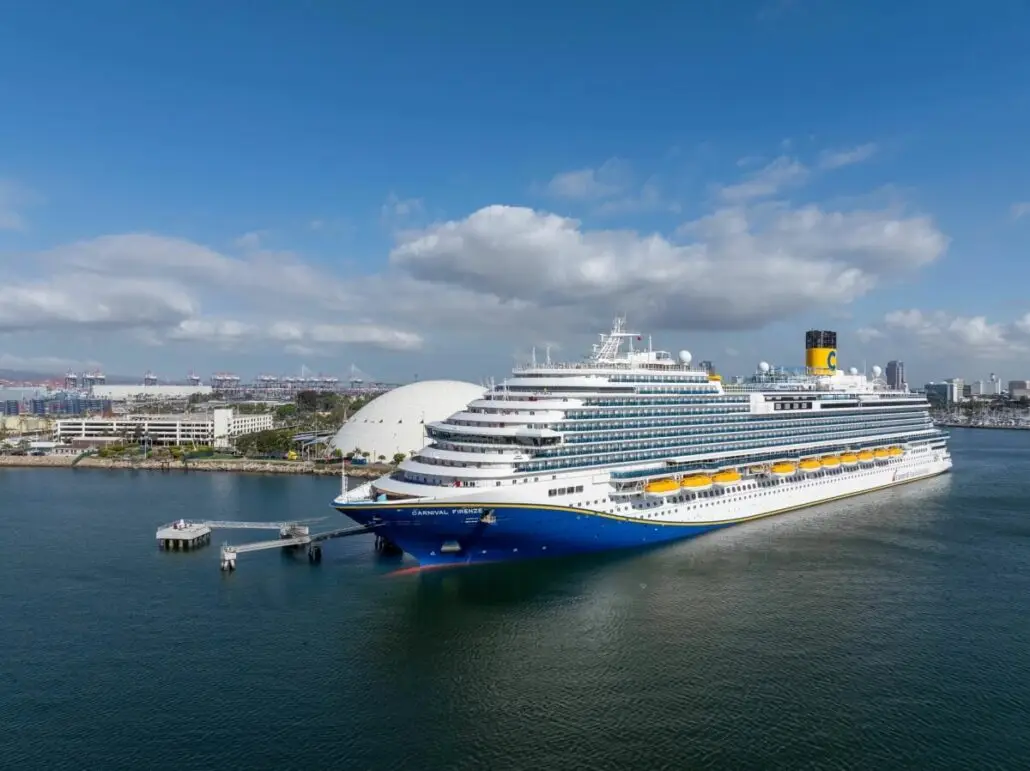
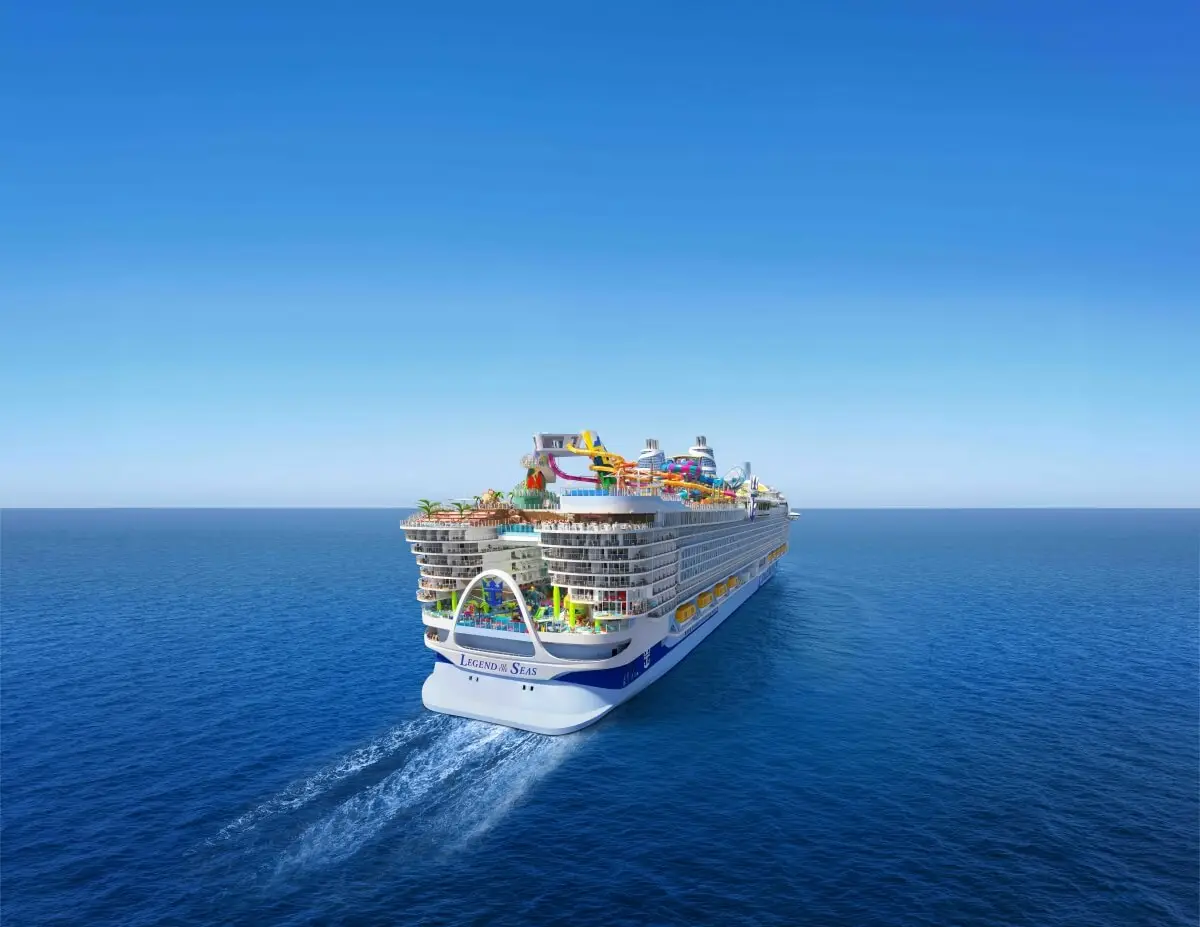
Portugal has become a steady fixture on European cruise itineraries over the past decade, with ports like Lisbon, Madeira, and Porto seeing a growing number of ship visits each year.
In fact, in 2026, over 300 cruise ships will call to Lisbon.
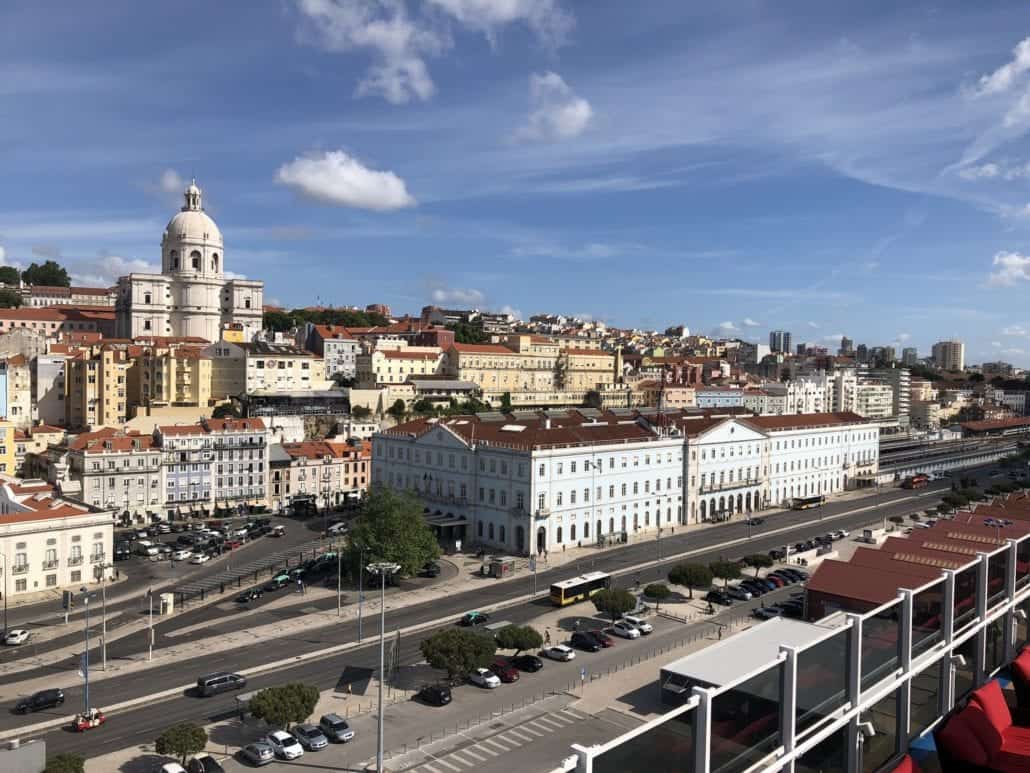
For cruise passengers, that usually means a full day in port, but not a lot of time to wander too far. You’ve got a window to explore, but it needs to be efficient and easy to plan around the ship’s schedule.
That’s where bike tours have started to stand out. They offer more flexibility than a standard bus excursion, while still keeping things simple for a day in port. Around Portugal’s main cruise terminals, these tours have become a popular middle-ground option for travelers looking to see more without overcomplicating their day.
This piece is for the cruise passenger who is approaching a Lisbon, Porto, or Funchal stop and would like a clearer view of how independent bike tours actually work, how to book one without overlapping with the ship’s all-aboard time, and how to pick an operator.
The category covered by best bike tours in Portugal and similar specialised operators has standardised on a specific shore-excursion logic that cruise passengers should understand before arrival in port.
Why Does the Cruise Passenger Bike Tour Look Different From a Land-Based Bike Tour?

The first thing to understand is that a cruise-day bike tour runs on a meaningfully tighter clock than a land-based tour.
A typical ship docks at 8 AM and requires passengers back on board by 5 PM, with all-aboard usually called 30 minutes earlier. The available shore window is roughly 8 to 9 hours, of which 30 to 60 minutes is usually consumed by the queue to leave the ship in the morning and the queue to return to the ship in the afternoon.
Operators serving the cruise category typically design tours within a recognisable set of parameters: a total duration of 4 to 6 hours with a built-in return-to-port buffer, pickup at the cruise terminal or a nearby designated meeting point within walking distance, and return to that same point at a stated time with weather and traffic contingencies documented in advance.

The route is physically achievable for cyclists with mixed experience levels, since cruise groups vary far more than land-based tour groups, and the headline price includes the bike rental, helmet, water, and a basic snack so the passenger does not have to carry anything beyond a small day bag.
A definition useful here: a guided port-day excursion is a structured shore activity with a fixed start time, fixed return time, and operator liability coverage tied to the ship’s all-aboard schedule. Passengers who book independent excursions outside the ship’s official program take on the responsibility for returning before all-aboard, with the ship not waiting for late returns.
The cruise lines themselves often sell bike tours, but the operators they contract with are usually higher-volume operations charging 40 to 80 percent above what an independent passenger pays directly. The trade-off is the cruise line’s all-aboard guarantee: if the cruise-line excursion runs late, the ship waits.
What Are the Major Portuguese Cruise Ports for Bike Tours?

Portugal’s three primary cruise ports each support a distinctive bike-tour profile.
- Lisbon: the most-trafficked port and the broadest tour menu. Routes typically include the Belém district, the Tagus waterfront from Cais do Sodré to Parque das Nações, and the longer 35 to 50 kilometre option to Cascais and back via the coastal cycle path. Mediterranean cruise lines that include Lisbon among their most-recommended Mediterranean cruise ports typically dock at the Santa Apolónia or Alcântara terminals, both within easy access to bike-tour pickup points.
- Porto: the Leixões cruise terminal sits 7 kilometres north of central Porto, and bike tours typically operate from a meeting point in central Porto with operators arranging a shuttle or taxi from the cruise terminal. Routes include the Douro waterfront from Ribeira to Foz, the Vila Nova de Gaia port-house tour, and the longer 30 to 45 kilometre option toward the Douro Valley vineyards.
- Funchal: Madeira’s port supports a different category of bike tour, with elevation changes that demand more cyclist fitness. Routes include the coastal Promenade from Funchal to Câmara de Lobos and the more demanding Levada-side tours that combine cycling with short hiking sections.
How Should Cruise Passengers Book Independently Without Missing the Ship?
The independent-booking calculation comes down to the buffer the passenger builds into the schedule. Cruise lines call all-aboard time 30 minutes before departure, and most ships sail within 5 to 15 minutes of the scheduled departure regardless of late passengers.
A safe independent-booking framework:
- Book a tour that ends at least 90 minutes before all-aboard, not 30 minutes
- Confirm the operator’s documented late-return protocol before paying
- Get the operator’s phone number on a paper card before leaving the meeting point
- Carry the cruise line’s local agent contact number as backup
- Plan the return to the ship using a route that has redundancy (taxi available, public transit available, walking distance achievable)
The U.S. State Department’s country information page for Portugal covers the broader entry and emergency-contact framework that cruise passengers should know, and UNESCO’s World Heritage listing for the Alto Douro Wine Region covers the cultural context that makes the longer Porto-area bike tours particularly worth the time.
What Should Cruise Passengers Look For in a Bike Tour Operator?
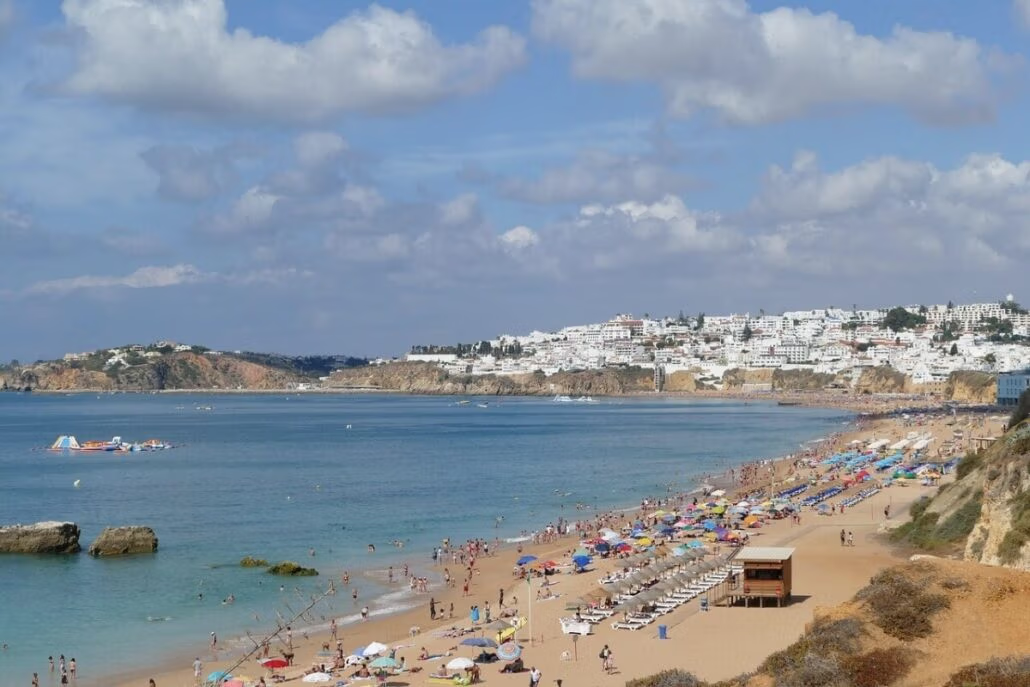
The right operator carries a few signals worth checking before the cruise sails. Stated experience working with cruise passengers (ideally with reviews mentioning specific cruise lines and ports) sits at the top of the list, paired with a documented return-to-port protocol that names buffer times relative to all-aboard rather than waving the question away.
A typical tour group of 6 to 14 passengers usually lands in the right zone for the operator (large enough to cover costs) and the passenger (small enough for a real guide-passenger relationship).
The bike fleet should include step-through, hybrid, and electric-assist options so passengers with knee or fitness considerations are not boxed out, and the headline price should include helmet, water, snack, and a basic mechanical kit so the passenger is not nickel-and-dimed at the meeting point.
The cancellation policy needs to cover ship itinerary changes (cruise lines occasionally skip ports), and a working communication channel for the day before arrival (WhatsApp or SMS, typically) lets the operator handle last-minute coordination without a phone-tag exchange across time zones.
A definition worth knowing: an itinerary change is a cruise-line schedule modification (skipping a port, arriving late, departing early) usually announced 24 to 72 hours ahead. The better bike-tour operators have a documented policy that refunds or reschedules when the ship’s port call is altered through no fault of the passenger.
Common Mistakes Cruise Passengers Make Around Port-Day Bike Tours

The recurring mistakes that surface in operator post-tour surveys cluster around a small set of avoidable misjudgements. Booking a tour that ends 30 minutes before all-aboard rather than 90 minutes is the most common error, and the 60-minute difference is the difference between a calm return and a panicked taxi.
Skipping the tour-operator phone number is the second pattern: cruise passengers who lose track of time without a working number for the operator often miss connections that a quick call would have salvaged.
The third is underestimating the heat in summer, since Portugal cruise season peaks in July and August when daytime highs in Lisbon and Porto reach 32 to 36 degrees Celsius, and tours in that window need earlier start times, more water, and electric-assist options for passengers who do not regularly cycle in heat.

The cobblestone factor is the fourth misjudgement. Lisbon’s central districts are paved with calçada portuguesa, the traditional cobblestone surface, and cyclists with certain joint issues find the cobblestones uncomfortable on a standard hybrid bike (a wider-tyre or electric option helps).
Mixing the tour with a long lunch on the same day is the fifth: the 4 to 6 hour bike tour plus a 90-minute lunch plus the leaving and returning queues at the gangway consumes the full port day, and passengers who plan additional stops sometimes underestimate the cumulative time.
The sixth and final pattern is booking on price alone. The cheapest tour is rarely the right one, and the right operator is the one whose cancellation policy, return-to-port protocol, and experience with cruise passengers all hold up to a brief phone or email conversation before the ship sails.
The same comparison-shopping discipline that experienced cruisers apply to choosing among the four basic stateroom categories before booking the ship itself carries through to the shore-excursion decision once the itinerary is set.
Frequently Asked Questions From Cruise Passengers

How much should an independent bike tour in Portugal cost?
A 4 to 6 hour cruise-day bike tour in Lisbon, Porto, or Funchal typically runs €60 to €110 per passenger inclusive of bike, helmet, water, and a basic snack.
Electric-assist bikes add €15 to €25. Smaller-group premium tours with a wine tasting or specialty-food component run €120 to €180. Operators booking primarily through cruise lines charge meaningfully more for the same route.
What if the cruise line skips Lisbon or Porto due to weather?
The better independent operators have a documented refund or reschedule policy when the ship skips the port through no fault of the passenger.
The policy should be in writing before the tour is paid. Some operators offer credit toward a future booking; others refund 70 to 100 percent depending on how much advance notice they receive. The cancellation conversation should happen at booking time, not after the ship has already skipped the port.
Are electric-assist bikes worth the upgrade?
For most passengers over 50, in Portugal’s hilly central districts, on a tour longer than 25 kilometres, or in summer heat, yes. The electric assist evens out the elevation profile that otherwise becomes the limiting factor for mixed-fitness groups. The €15 to €25 premium typically pays for itself in the willingness to actually finish the route rather than turning back early.
Can solo cruise passengers join a tour without a companion?
Yes. Most operators run tours with mixed solo-and-couple bookings, and a typical tour of 8 to 12 passengers usually has 2 or 3 solo travelers. Solo cyclists generally find the experience welcoming, and the smaller-group format makes it easier to chat with fellow passengers than the larger cruise-line excursions allow.
A Final Note for Cruise Passengers Planning a Portuguese Port Day
The Portuguese cruise itinerary is one of the cleaner European cruise destinations to combine with independent shore excursions, and a quality bike tour is one of the highest-value-per-hour options available in the 8 to 12 hour port window.
The passengers who book carefully (with a 90-minute buffer before all-aboard, a phone number for the operator, and a documented refund policy if the ship skips the port) come back to the ship calm, on time, and with a meaningfully better understanding of the destination than the bus-tour passenger who saw the same neighborhoods through a coach window.
The Portuguese cycling network is built for the casual visitor, the operators serving the cruise category have matured into a real specialty service, and the planning effort required is small compared with the experience-quality difference at the end of the day.