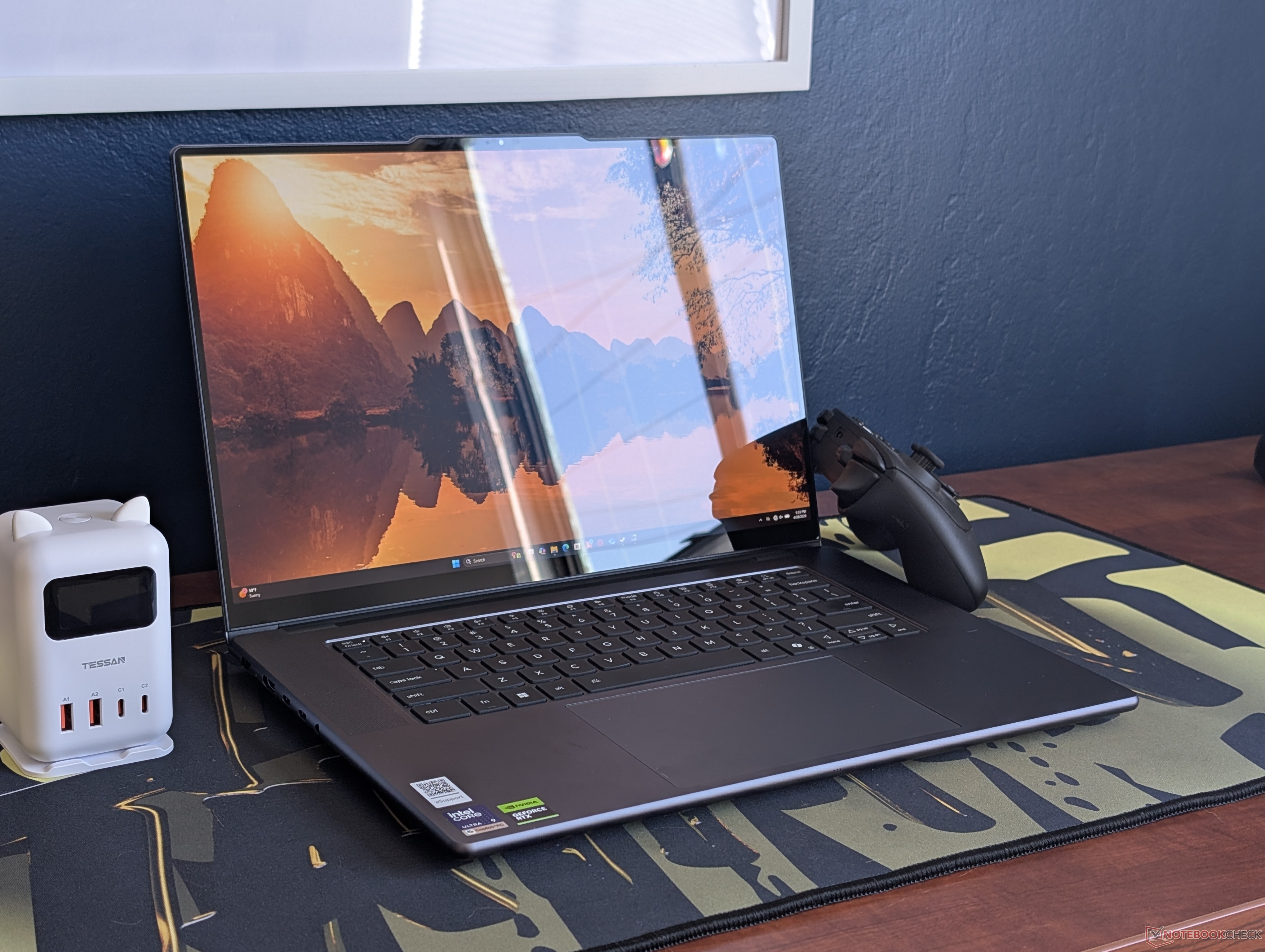
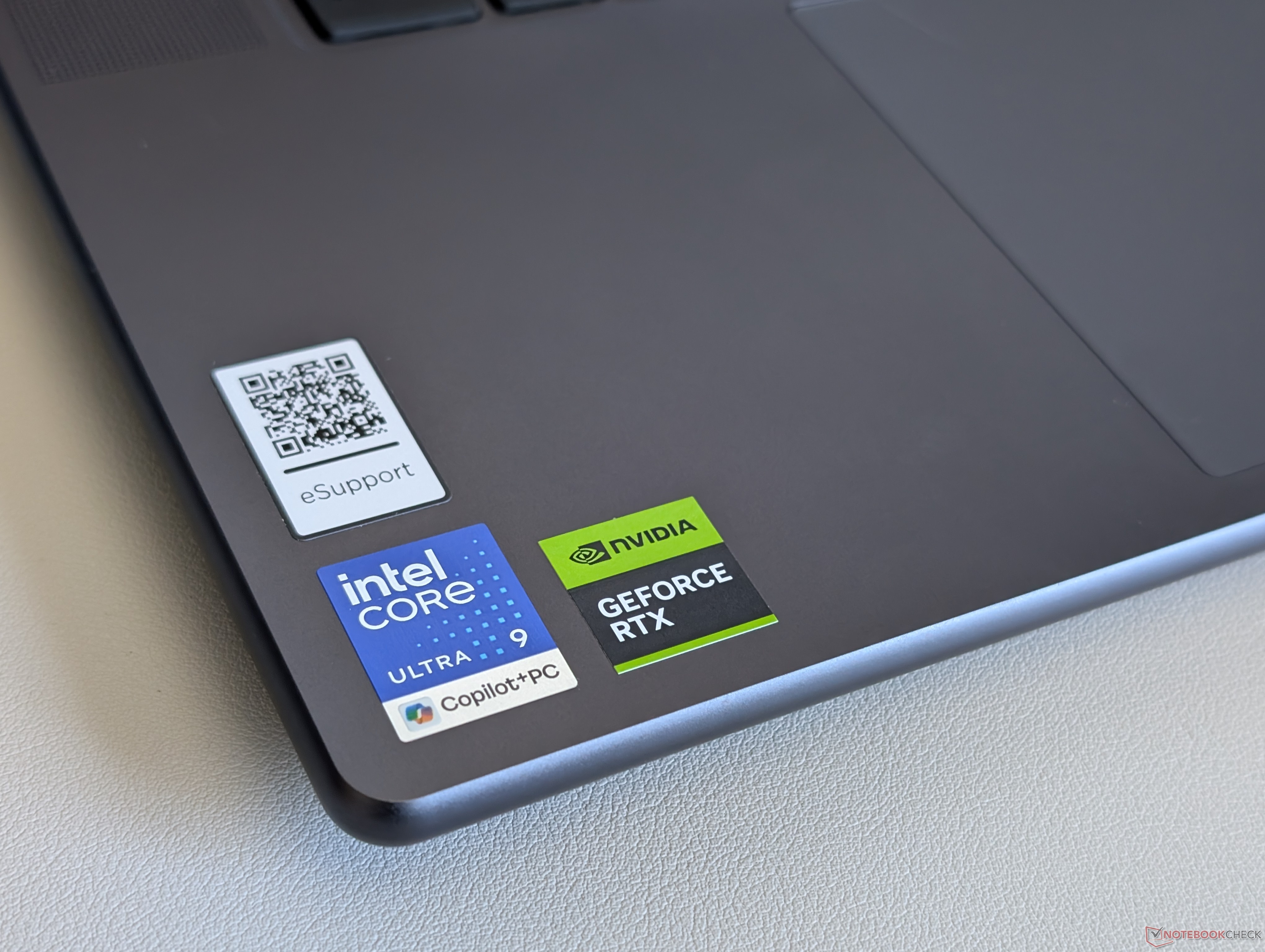
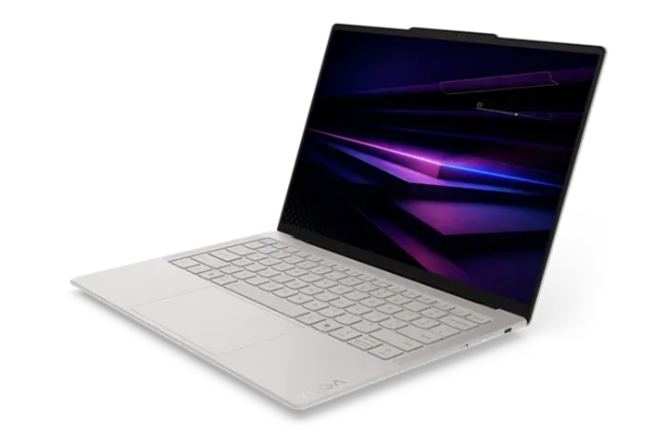
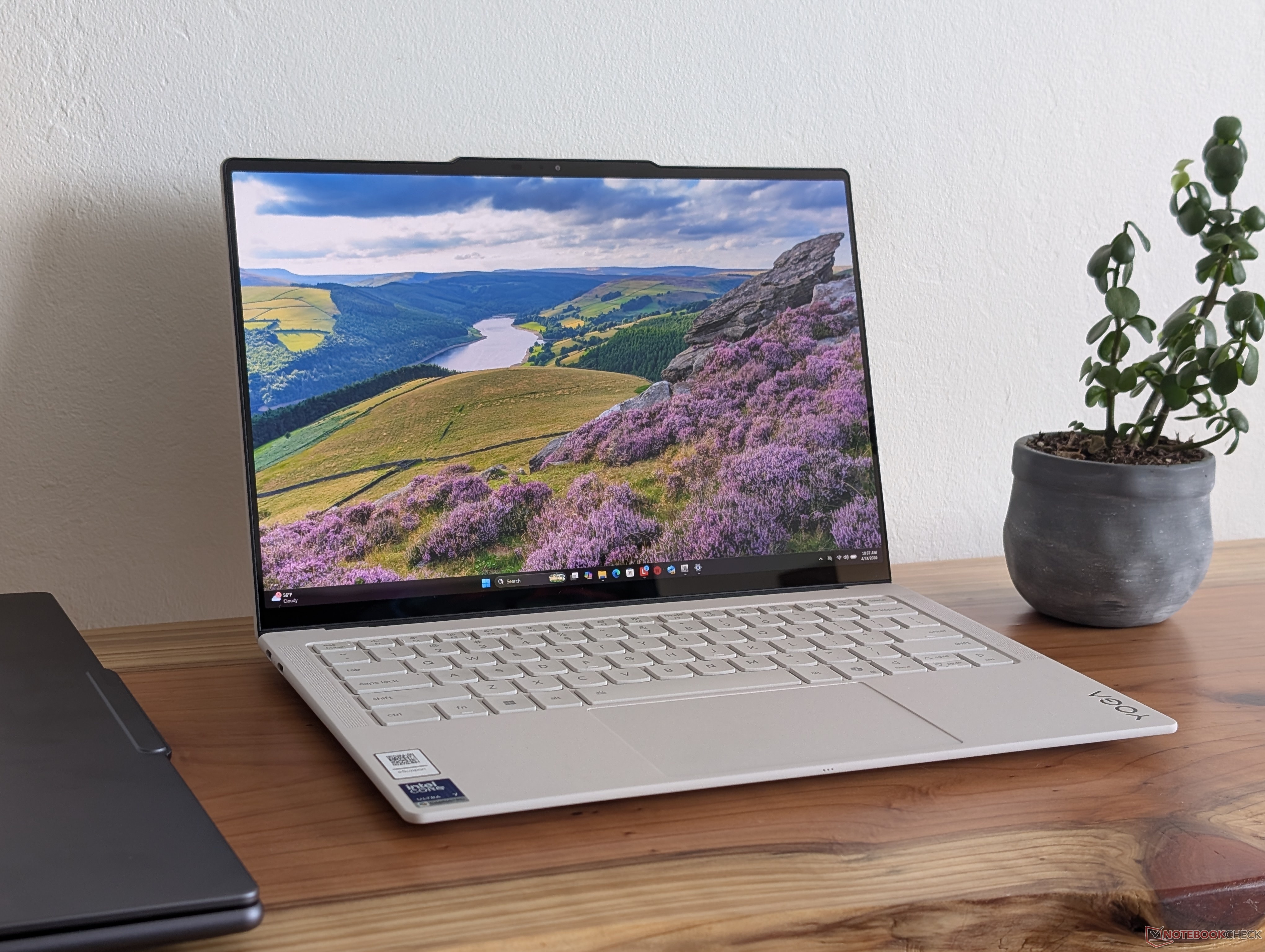
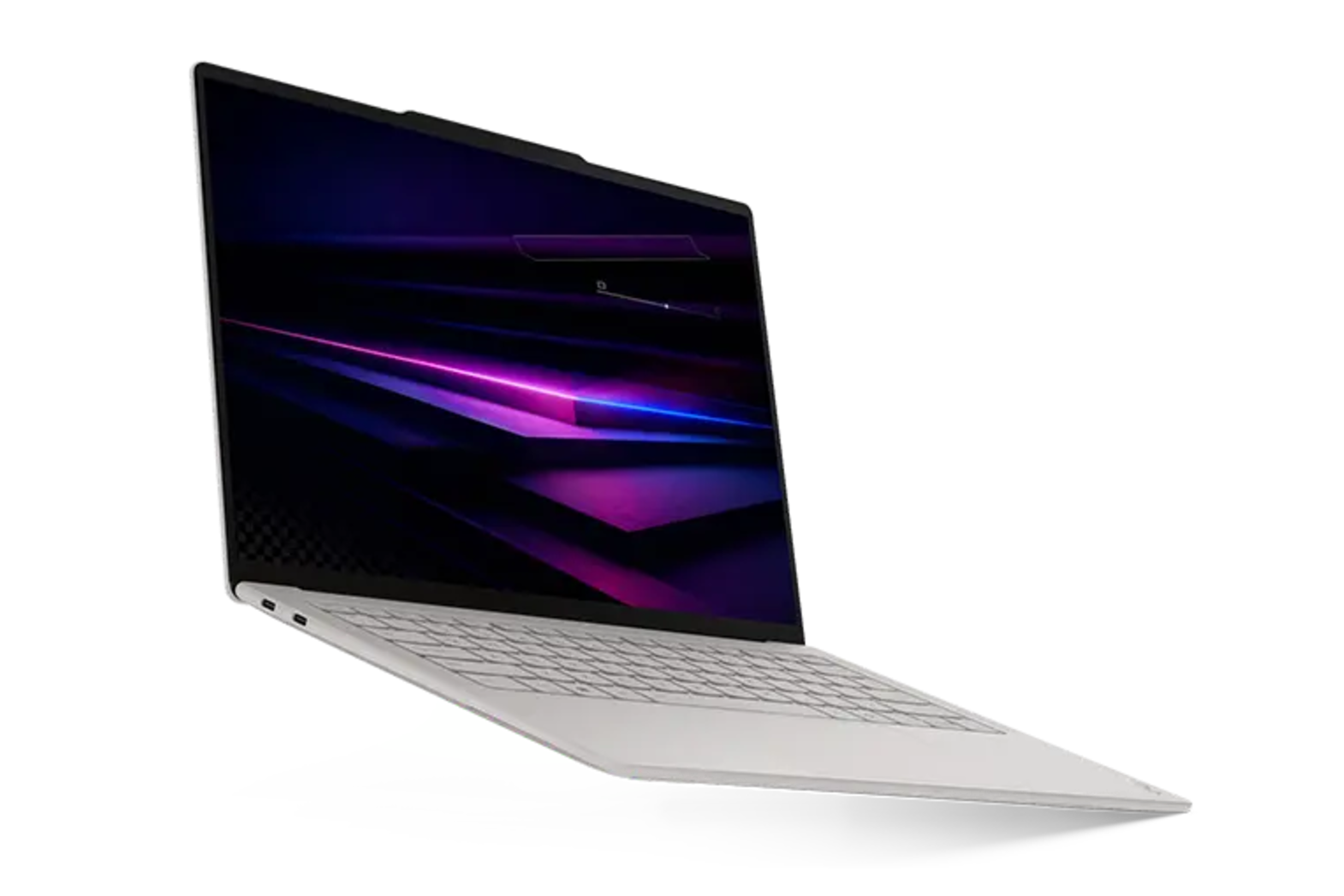
Lenovo makes some seriously good-looking laptops, but you wouldn't know it when shopping through their website. Their product shots are so low resolution that it can be difficult to even see what ports are available.
The latest flagship Lenovo runs almost 10 dB(A) quieter for a mere 10 percent graphics performance deficit which may be well worth the trade-off for most gamers.
The Core Ultra X7 358H set the bar high for Panther Lake especially in terms of performance-per-watt. The Core Ultra 9 386H, however, is a bit less impressive.
The Laptop 13 Pro has improved all aspects of the original Laptop 13.5 especially in terms of chassis rigidity and battery life. However, the system will cost a pretty penny.
If you recently purchased a Lenovo laptop with a high refresh rate display, then it more than likely shipped at 60 Hz by default. Switching to higher refresh rates thankfully takes just a few seconds.
The new Yoga Slim 7 Ultra 14 is noticeably lighter than the XPS 14 by several hundred grams, but there are some clever cut corners that buyers will want to be aware of.
Overdrive mode gets you much closer to the advertised 175 W TGP, but the extreme increase in fan noise is arguably not worth the very minor benefits to gaming performance.
When configured with the same CPU and OLED display, the Lenovo system retails for only $1630 compared to $1960 for the new Dell which comes with just 16 GB of RAM in comparison.
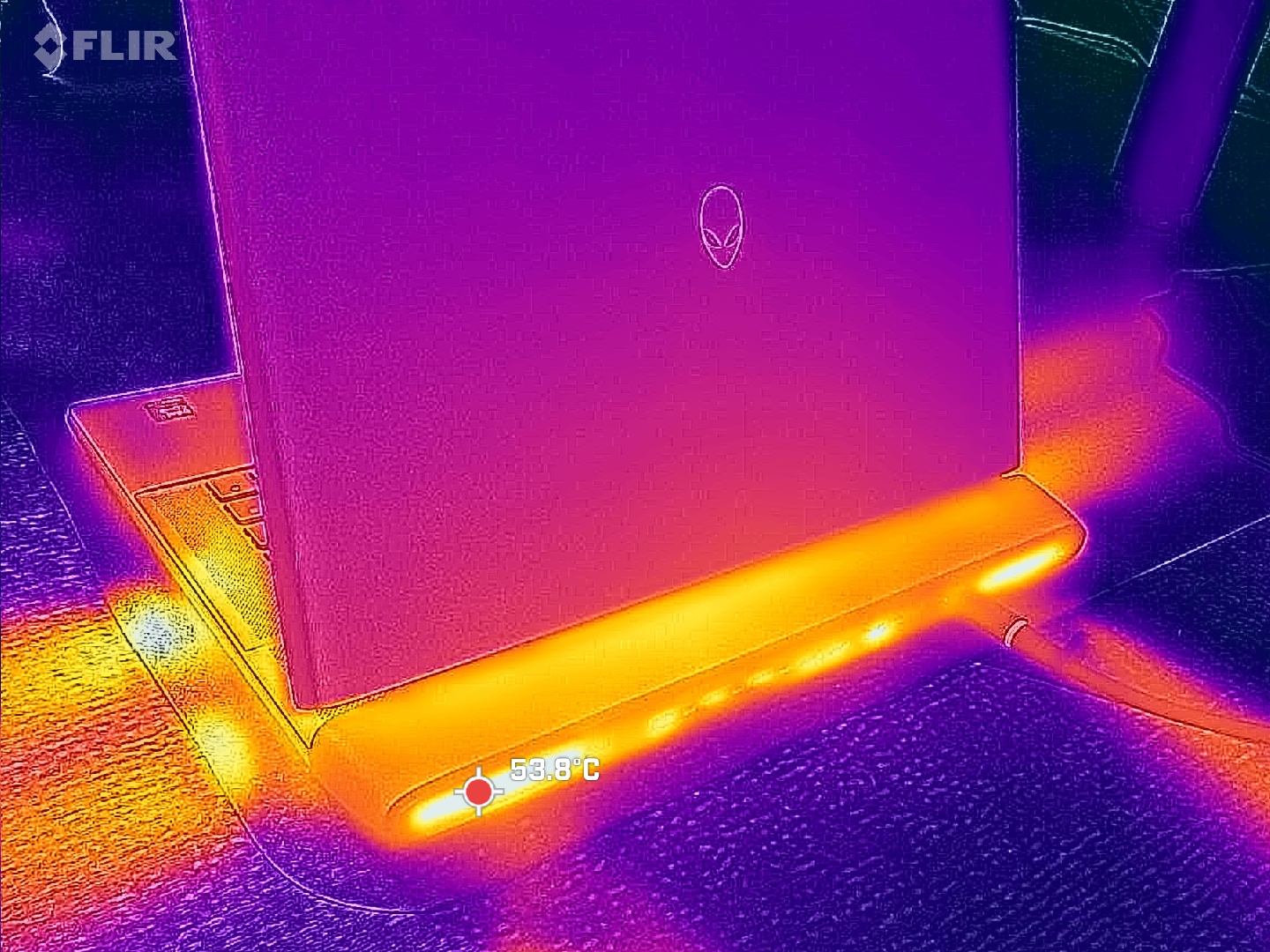
The Arrow Lake CPU even approaches 105 C for short periods when Turbo Boost is most effective before throttling clock rates to keep temperatures in check.
Be prepared to pony up an extra $600 just for the OLED display. Unlike the XPS 16, the Alienware 16 is bundling its best display with certain CPUs only.

 Login
Login