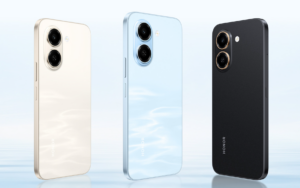
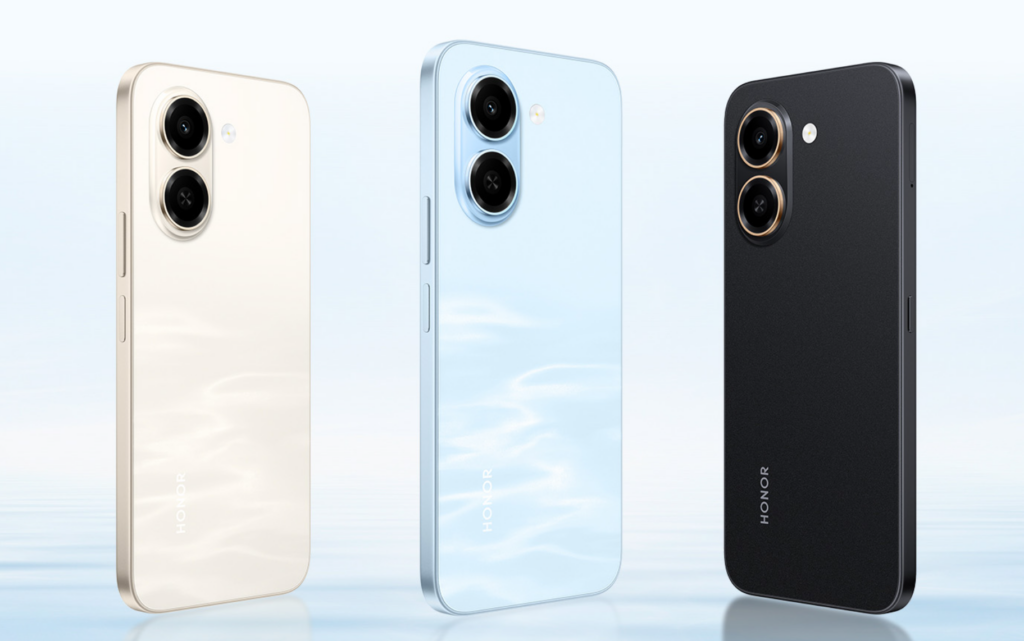
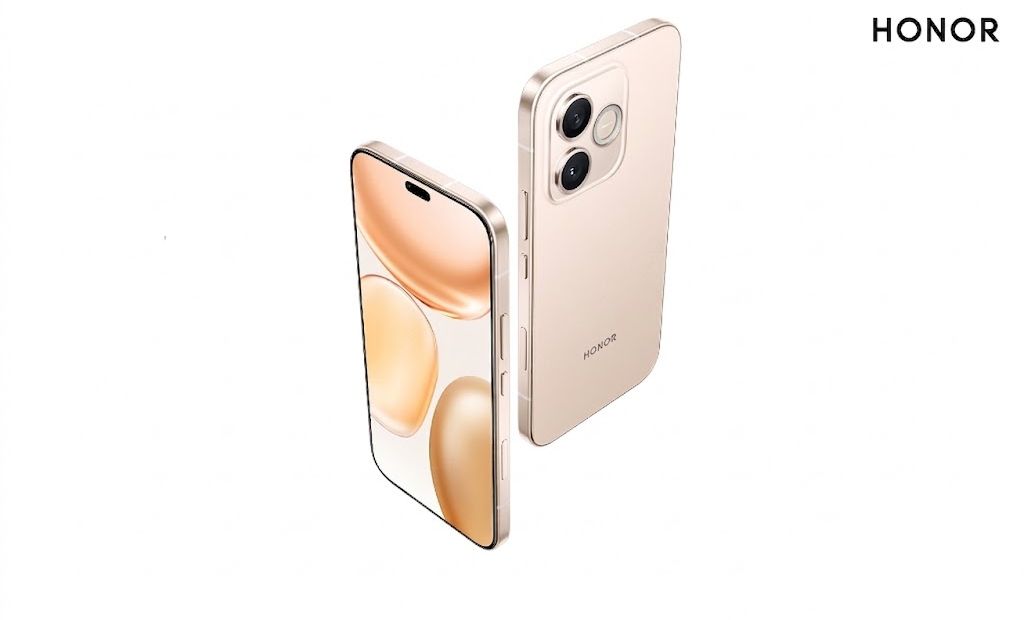
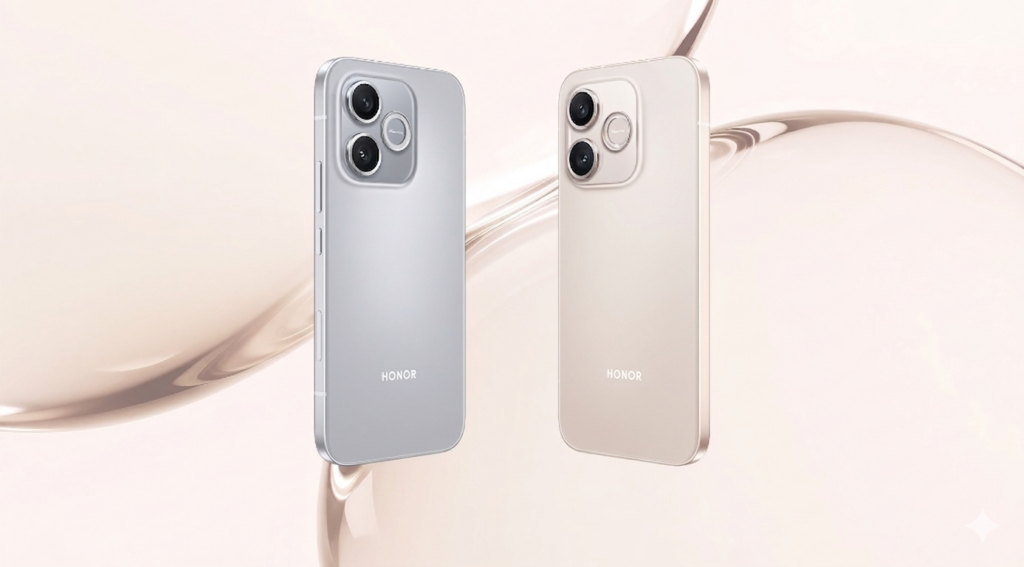
Honor has quietly introduced the Honor Play 80 Plus in China, adding a new entry to its budget lineup with a focus on battery life and everyday performance. The device stands out with a large 7,500mAh battery, a 120Hz display, and Qualcomm’s latest Snapdragon 4 Gen 4 platform. It also brings MagicOS 10 based on Android 16, positioning it as a modern entry-level 5G option. Here is a closer look at what the phone offers.
Honor Play 80 Plus specifications and features
Honor Play 80 Plus
The Honor Play 80 Plus features a 6.61-inch TFT LCD screen with a resolution of 720 x 1604 pixels and a 120Hz refresh rate. The panel supports eye protection features and delivers a 20.05:9 aspect ratio. Like the recent Honor phones, the Play 80 Plus runs on MagicOS 10 based on Android 16.
Powering the device is the Snapdragon 4 Gen 4 chipset, making it the first phone to feature this platform. Announced in December 2025, the 4nm processor comes with an octa-core setup featuring 2 x 2.3GHz Cortex-A78 performance cores and 6 x 1.95GHz Cortex-A55 efficiency cores paired with the Adreno 613 GPU. The chipset focuses on improved power efficiency, better AI handling, and stable connectivity. It is designed to handle daily tasks smoothly while keeping battery consumption in check, which aligns well with devices targeting long endurance.
Honor Play 80 Plus
The phone includes a 13-megapixel rear camera with an f/1.8 aperture and a 5-megapixel front camera. The device is backed by a huge 7,500mAh battery with support for 45W fast charging. Additional features include dual SIM support, Bluetooth 5.0, dual-band Wi-Fi, a side-mounted fingerprint sensor, and a USB-C port. The device measures 163.9 x 75.9 x 8.29mm and weighs around 205 grams.
Honor Play 80 Plus price and availability
The Honor Play 80 Plus is available in Aquamarine, Black, and Gold color options. Pricing in China starts at 1,699 Yuan (~$250) for the 6GB+128GB variant and goes up to 2,099 Yuan (~$310) for the 8GB+256GB model. The device is already on sale in China, but there is no confirmation yet regarding its global availability.
For more daily updates, please visit our News Section.
Lenskart first introduced its AI-powered smart eyewear, B by Lenskart, back in November 2025, offering an early glimpse at its vision for connected wearables. The company has now moved a step further by opening early access, with the official microsite revealing key details about the pricing and full specifications.
B by Lenskart smart glasses specifications and features
B by Lenskart
The B by Lenskart smart glasses are designed to feel like regular eyewear, weighing around 45g and supporting prescription lenses from -6 to +6. Under the frame, the device runs on the Qualcomm Snapdragon AR1 Gen 1 platform, paired with 32GB internal storage. It supports Bluetooth 5.3 and works with devices running iOS 18 and above or Android 12 and above. Interaction is handled through touch controls and voice commands, including a wake phrase for the built-in assistant powered by Google Gemini.
For imaging, the glasses feature a 12 megapixel Sony camera with a 16mm ultra-wide lens. It captures photos at up to 4032 x 3024 resolution and records videos at 1080p in landscape and 1440 x 1920 in portrait at 30fps. Audio is handled through dual directional speakers, while a three-microphone setup supports calls and voice inputs.
B by Lenskart
Battery life is rated at up to 4 hours on a single charge, with the included charging case extending total usage to up to 48 hours. Fast charging is supported, with 50 percent charge achieved in around 15 minutes. The glasses can be charged through the case or directly using a cable.
B by Lenskart smart glasses price and availability
The B by Lenskart smart glasses are priced at Rs 22,000 (~$230) as an early access offer, compared to a listed price of Rs 27,000 (~$285). They are available in Black and Silver colour options and come bundled with a charging case.
The product is currently open for waitlist registrations, indicating a phased rollout. Features like real-time AI assistance, multi-language support, note-taking and hands-free capture position it as more than just a wearable accessory.
For more daily updates, please visit our News Section.
Inllie has introduced two new wearable devices, the Luna Core Bracelet and Sense Core Band, bringing a different take on everyday fitness tracking. The announcement highlights a shift towards blending wellness features with a more refined design language, setting the tone for what these devices aim to deliver.
Inllie Luna Core Bracelet and Sense Core Band features and design
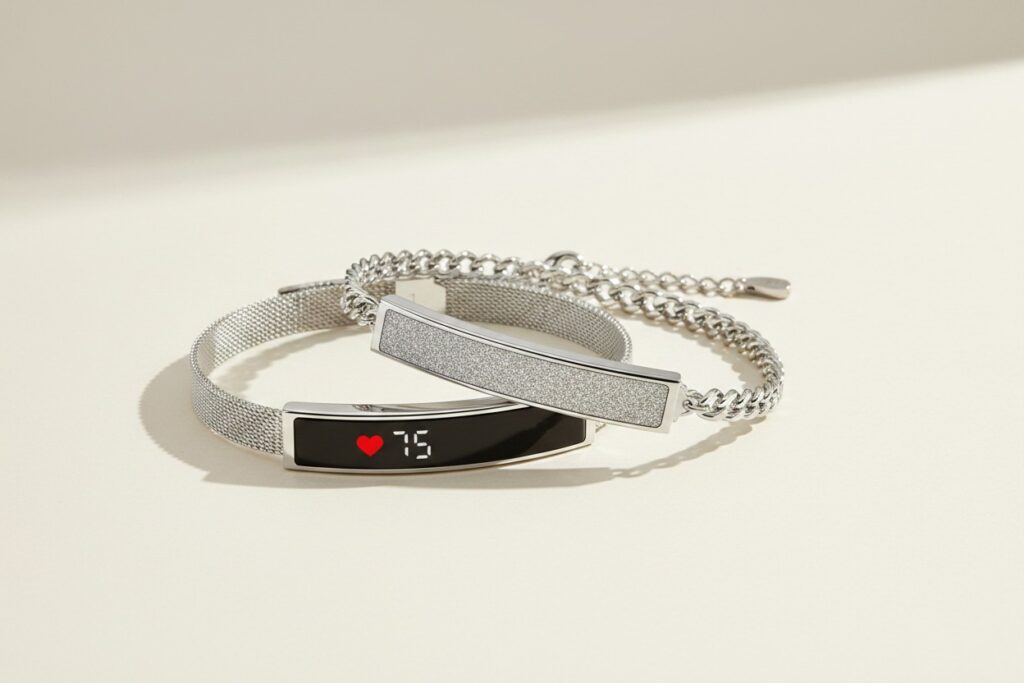
Inllie smart bracelets
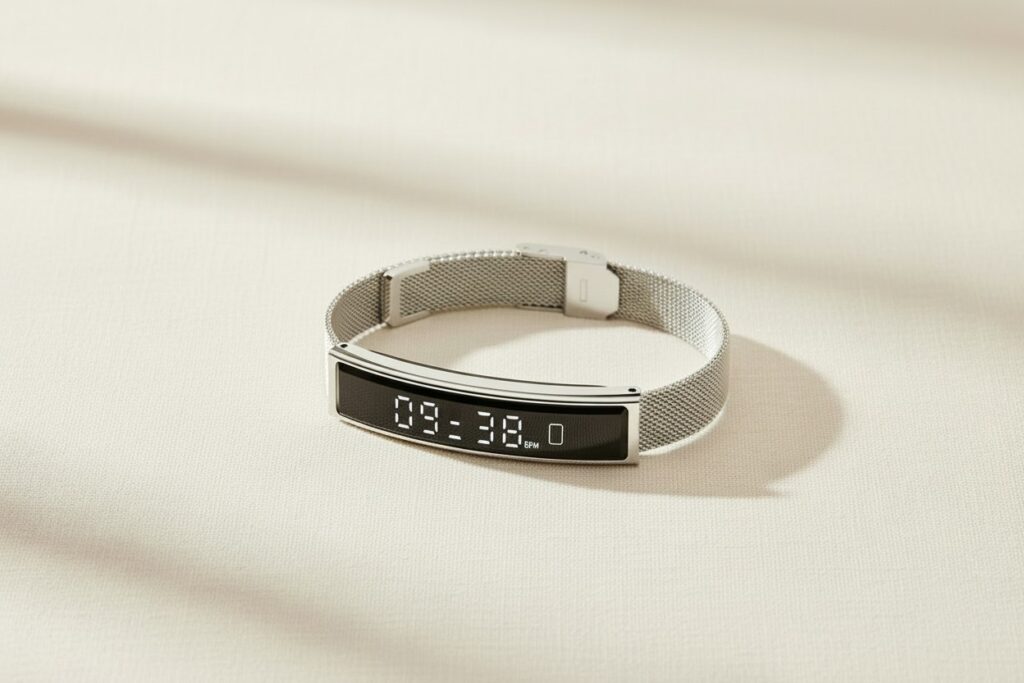
The Inllie Luna Core Bracelet is designed to resemble a piece of jewellery, featuring a stainless steel bracelet paired with a zinc alloy and epoxy resin case. It includes gold and silver accents, giving it a polished look suitable for both casual and formal wear. The device weighs 11.6g, making it comfortable for extended use. The Sense Core Band follows a slimmer and more conventional design, with a 5.6mm thin body and a weight of 16.5g. It offers strap options, including metal Milanese and silicone, allowing flexibility between style and practicality.
Inllie smart bracelets
Both devices focus on integrating health tracking into daily wear without appearing overly sporty. They support heart rate monitoring, blood oxygen levels, stress tracking, heart rate variability, menstrual cycle tracking, sleep insights, step count, and multiple exercise modes. The Sense Core Band also features a compact display that shows essential data such as steps, battery status, and heart rate.
Battery capacity differs between the two models. The Luna Core Bracelet houses a 26mAh battery, while the Sense Core Band includes an 18mAh battery. Each device is rated to deliver around 5 to 7 days of usage on a single charge, with standby extending up to 12 days for Luna Core and 10 days for Sense Core.
Inllie Luna Core Bracelet and Sense Core Band price and availability
Inllie smart bracelets
The Luna Core Bracelet is priced at $149, while the Sense Core Band is available for $109. The company is also offering a limited-time bundle where both devices can be purchased together with a $79 discount.
For more daily updates, please visit our News Section.
Honor has quietly introduced the Honor Play 11 Plus in China, where it is already listed on the brand’s official website and available for purchase. This mid-range 5G phone offers a balance of battery life and everyday performance by packing a large 7000mAh battery and a bright AMOLED display in a slim design. Here is a closer look at its specifications, features, and pricing.
Honor Play 11 Plus specifications and features
Honor Play 11 Plus
The Honor Play 11 Plus features a 6.6-inch AMOLED display with a resolution of 2600×1200 pixels, offering DCI-P3 color support and up to 6500 nits peak brightness. It also includes 3840Hz PWM dimming for eye comfort and aluminosilicate glass protection.
Powering the device is the Dimensity 6500 Elite chipset paired with 8GB RAM and 256GB storage. It packs a 7000mAh battery with support for fast wired charging and reverse charging. The phone runs MagicOS 10 based on Android 16 and brings several AI-driven features such as YOYO smart assistant, AI notes, translation tools, and system-level optimizations.
For photography, the phone includes a 50-megapixel rear camera with an f/1.8 aperture and support for up to 10x digital zoom. On the front, it has an 8-megapixel camera for selfies and video calls. It also supports 1080p video recording.
Honor Play 11 Plus
Other features include in-display fingerprint sensor, stereo speakers, IP66 rating, NFC, infrared remote, Bluetooth 6.0, and dual SIM 5G support. Despite packing a huge battery, it measures 7.34mm in thickness, with a weight of around 185 grams. To sum up, this phone appears to be a rebranded version of the Honor X80i, which debuted earlier this year in China.
Honor Play 11 Plus price and availability
The Honor Play 11 Plus is available in an 8GB + 256GB variant priced at 2,199 Yuan (~$320). It comes in Sunrise Gold and Lanyue Silver colour options, also referred to as Moon Embracing Silver in some listings. The device is already on sale in China via official channels.
For more daily updates, please visit our News Section.
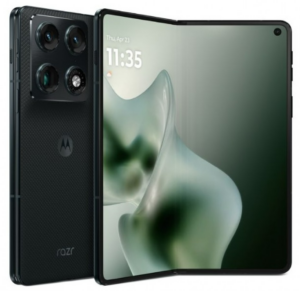
Motorola officially unveiled the Motorola Razr Fold, its first-ever book-style foldable, at MWC 2026. The device is now gradually making its way to different markets. While it has already landed in Europe, it is making its way to China this month. Now, a new development reveals that it is also heading to India in the coming days.
Motorola Razr Fold teaser page
The landing page for the Motorola Razr Fold has gone live in India, indicating that the launch may not be far away. The page states “coming soon” suggesting that t The page includes a notify option, allowing users to register interest ahead of the official launch.
Motorola Razr Fold specs, price
The specifications of the Motorola Razr Fold are already known, as the device has debuted globally. It features a 6.6-inch pOLED outer display with a 2520 x 1080 resolution, 165Hz refresh rate, and peak brightness of up to 6000 nits, protected by Gorilla Glass Ceramic 3. The inner display measures 8.1 inches with an LTPO panel, 2484 x 2232 resolution, 120Hz refresh rate, and up to 6200 nits brightness, along with UTG protection.
The device is powered by the Snapdragon 8 Gen 5 chipset, paired with 16GB LPDDR5X RAM and up to 1TB storage. It houses a 6000mAh silicon-carbon battery with support for 80W wired, 50W wireless, and 5W reverse wired charging.
For photography, the Razr Fold includes a 50-megapixel main camera with a Sony LYT-828 sensor and OIS, a 50-megapixel ultra-wide lens with a 122-degree field of view, and a 50-megapixel periscope telephoto camera offering 3x optical zoom with OIS. It also features a 32-megapixel front camera on the outer display and a 20-megapixel inner camera. The device supports 8K video recording along with Dolby Vision.
On the software front, it runs Android 16 and is promised to receive seven Android upgrades along with seven years of security updates. Additional features include Motorola Pen Ultra support and an IP48/49 rating for durability.
In Europe, the Motorola Razr Fold is priced in the premium segment, placing it alongside other flagship foldables. However, there is no information yet regarding its pricing in India. Once launched, it is expected to compete with upcoming foldable devices such as the Vivo X Fold 6 and the Samsung Galaxy Z Fold 8 in the Indian market.
For more daily updates, please visit our News Section.
Since the beginning of this month, Oppo has been teasing the arrival of the Find X9 Ultra in India, but is yet to confirm the launch date. Most likely, the company may unveil it after its rival brand Vivo introduces the Vivo X300 Ultra tomorrow in India. Ahead of the expected launch this month, Oppo has now shared key details about the camera capabilities of the Find X9 Ultra.
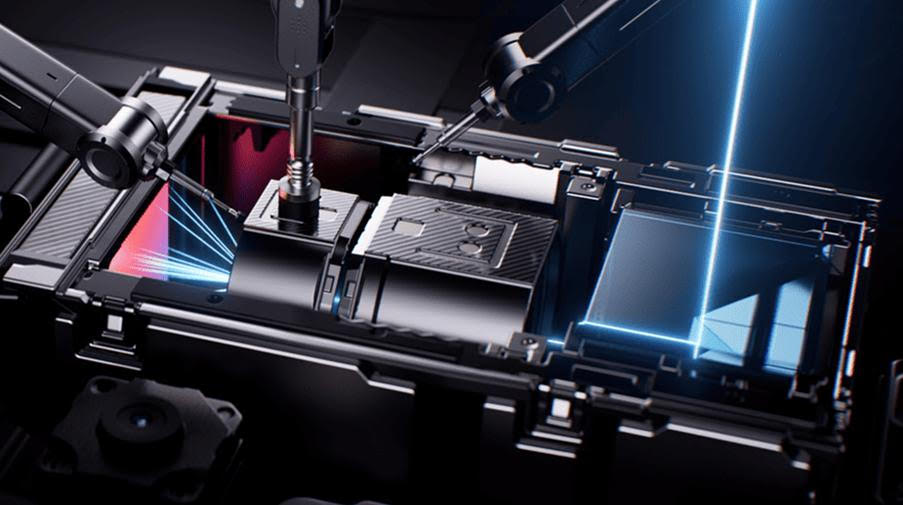
The Oppo Find X9 Ultra introduces a redesigned periscope camera system that aims to deliver 10x optical zoom without increasing module size. At its core is the Industry-first Quintuple Prism Reflection Periscope Structure, where light is redirected multiple times within a compact 29mm space before reaching the 50-megapixel sensor. This design extends the optical path, enabling an approximate 230mm focal length while keeping the device slim.
To maintain image quality across this complex setup, Oppo has developed a refined optical path system that reduces stray light and preserves clarity. The device also integrates sensor shift stabilisation, which physically moves the sensor to counter hand movements at higher zoom levels. This helps in capturing stable shots even at extended zoom ranges.
Find X9 Ultra – Triple Active Optical Alignment
The camera module is further refined through Triple Active Optical Alignment, a precision-based assembly process that ensures accurate positioning of the lens, prism, and sensor for consistent sharpness. The overall setup includes a 200-megapixel main camera with a Sony LYTIA 901 sensor, a 200-megapixel 3x telephoto lens for portraits and telemacro use, and a 50-megapixel ultra-wide camera. All lenses support 4K 60fps Dolby Vision recording, supported by an image engine focused on colour and detail refinement.
Oppo Find X9 Ultra launch date (rumored)
According to tipster Sanju Choudhary, the Oppo Find X9 Ultra and Find X9s could launch in India on May 15. Pricing is expected to be positioned above the Find X9 Pro, which is currently priced at Rs 1,09,999, with the Ultra variant likely to cost significantly more. The Find X9s, on the other hand, may start at around Rs 70,000.
For more daily updates, please visit our News Section.
Last year, Xiaomi launched the Xiaomi 15s Pro powered by its homegrown Xring O1 chip. There have been reports that the brand is now working on a successor version of the chip dubbed the Xring O3. Speculation suggests that the Xring O3 may debut as early as this year, possibly powering the upcoming Xiaomi 17 Fold (tentative name) foldable smartphone. Now, a new leak reveals that it may also power the next-generation Ultra-branded flagship phone.
Xiaomi’s mysterious Ultra flagship with Xring O3 in the works
Xiaomi 17 Ultra
Tipster Yogesh Brar suggests that Xiaomi is working on a new Ultra-branded smartphone powered by its in-house Xring O3 chipset. The report indicates that this device is being developed alongside the upcoming Xiaomi 18 Ultra, which is still expected later this year.
The new Xring O3-powered Ultra model is said to be a separate offering from the 18 Ultra, raising questions about its positioning within Xiaomi’s flagship lineup. It is also being suggested that this device may remain limited to China, with no plans for a global rollout at this stage.
What’s known about the Xring O3?
Reports have revealed that the Xring O3 will arrive with a simplified yet more powerful architecture. It is expected to shift to an octa-core design, moving away from the earlier 10-core layout. The new setup may include a Prime core clocked at up to 4.05GHz, Titanium cores at around 3.42GHz, and efficiency-focused little cores reaching 3.02GHz.
The GPU is also tipped to improve, nearing 1.5GHz frequencies. Memory speeds may remain unchanged at 9600 MT/s. Overall, these changes are likely aimed at improving multitasking, background processing, and sustained performance efficiency across demanding workloads.
For more daily updates, please visit our News Section.
Previous reports suggested that OpenAI was exploring hardware such as AI-focused earbuds and possibly a phone developed with partners like MediaTek and Qualcomm. Now, analyst Ming-Chi Kuo has shared deeper insights into a dedicated AI agent smartphone, including timelines, specifications, and the broader strategy behind it.
OpenAI’s AI agent smartphone vision takes shape
According to Kuo, OpenAI may accelerate development of its first smartphone, targeting mass production as early as the first half of 2027. MediaTek is currently the leading candidate to supply the processor, which is expected to be a customised chip based on the MediaTek Dimensity 9600 and manufactured using TSMC’s N2P process in the second half of 2026.
The hardware is said to focus heavily on AI-driven tasks, with a dual NPU architecture designed for layered computing. Memory and storage could also see upgrades with LPDDR6 RAM and UFS 5.0, aiming to reduce bottlenecks when handling continuous AI workloads. For imaging, an enhanced ISP is expected to improve high dynamic range output, which could help the device better interpret real-world environments visually.
Kuo suggests that the device may rethink how users interact with smartphones. Instead of relying on multiple apps, the focus could shift to AI agents that handle tasks directly based on user intent. This approach may require deep integration between hardware and software, allowing OpenAI to control the entire experience without platform-level restrictions seen on existing ecosystems.
The phone is also expected to continuously process user context, which includes behaviour and usage patterns, making on-device efficiency critical. Simpler tasks could be handled locally, while more demanding processes may be executed through cloud-based AI systems.
Security features such as pKVM and inline hashing are also expected to be part of the system design. If development stays on track, shipments could reach around 30 million units across 2027 and 2028 combined.
For more daily updates, please visit our News Section.
Motorola has launched two different versions of the Edge 70 Pro for India and global markets. Now, the brand is working on a new model called the Edge 70 Pro+ for the Indian market. According to reliable tipster Mukul Sharma, this phone is scheduled to launch by the end of this month. Ahead of the launch, he has revealed that the device will offer three major upgrades over the existing Edge 70 Pro.
Motorola Edge 70 Pro+: Key features revealed
Motorola Edge 70 Pro+
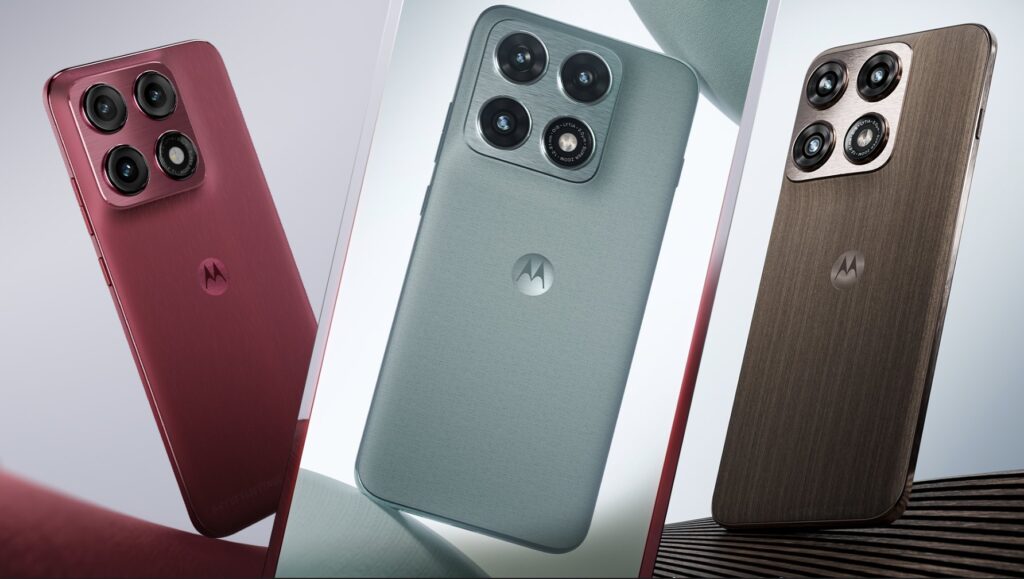
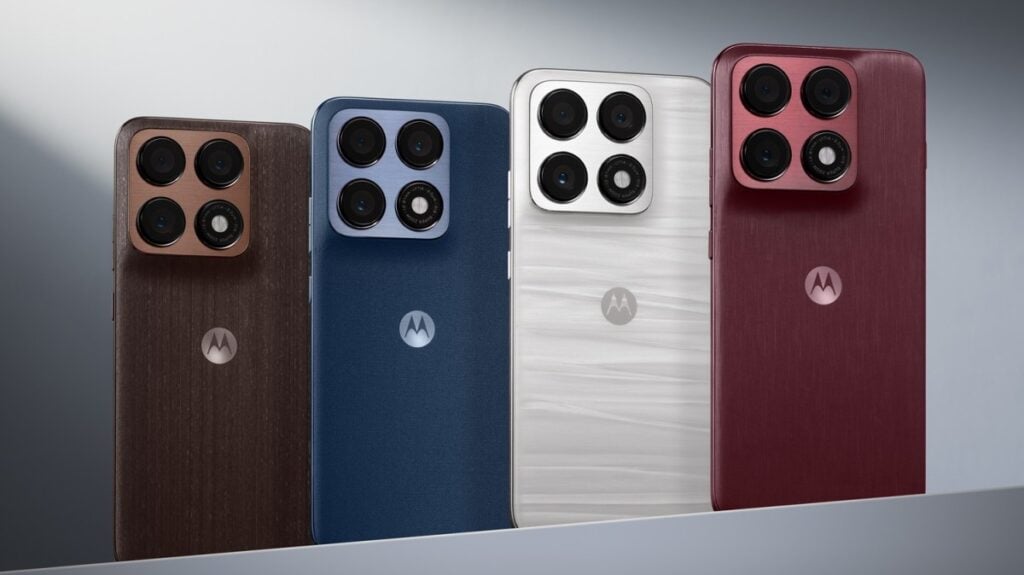
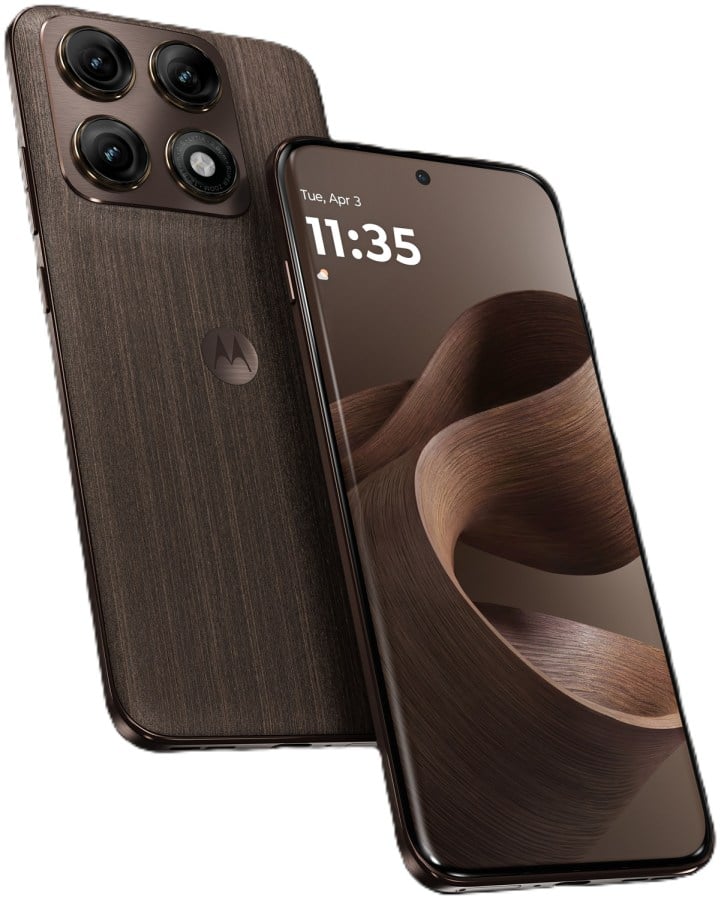
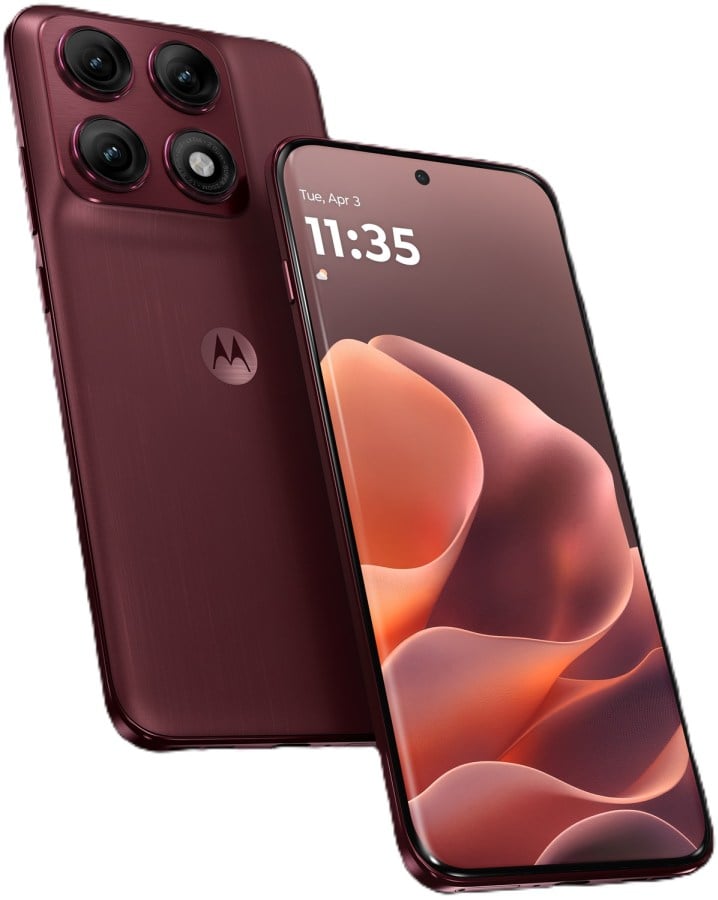
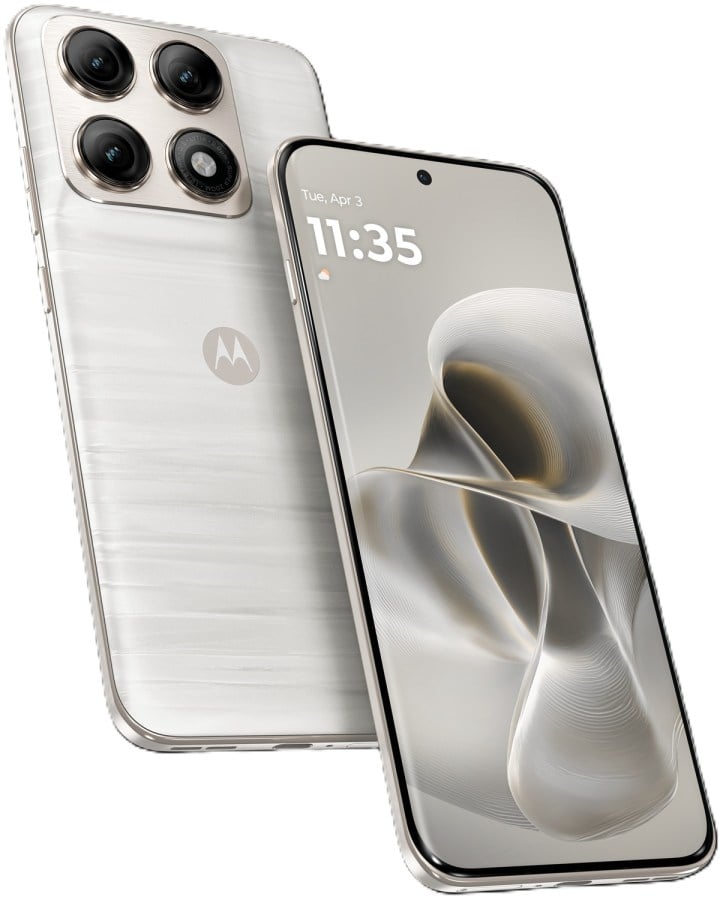
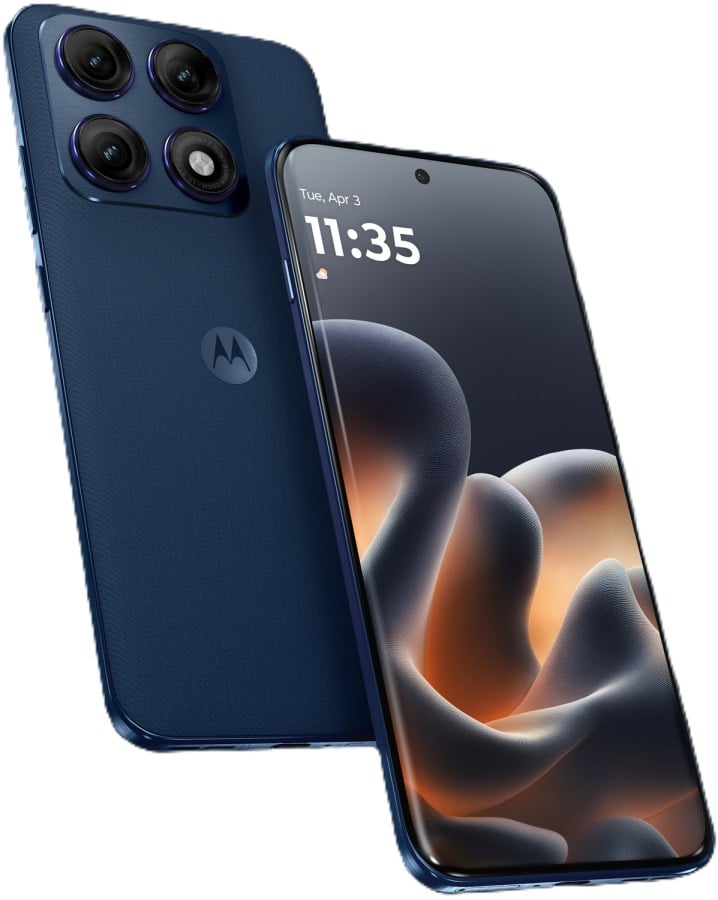
The leak reveals that the Motorola Edge 70 Pro+ will feature a telephoto lens, support wireless charging, and offer a 16GB RAM variant. Additionally, it will be available in three shades, as shown in the image. The extreme left one is dubbed Satin Wine Red, and there is also a wood finish variant.
While the other specifications of the phone are under wraps, they are likely to be identical to the regular Edge 70 Pro. It appears that the global version of the Edge 70 Pro, which includes all the above-mentioned specifications, will be called the Edge 70 Pro+ in the Indian market.
The Edge 70 Pro is priced at Rs 38,999 (~$410) in the Indian market. Therefore, the Edge 70 Pro+ with its distinguishing features may carry a sub-Rs 50,000 price tag.
The Edge 70 Pro+ may feature a 6.8-inch AMOLED panel offering a 1.5K resolution, a 144Hz refresh rate, and 5200 nits of peak brightness. Under the hood, it could be equipped with the Dimensity 8500 Extreme chip and a 6,500mAh battery with 90W wired and 15W wireless charging.
The Edge 70 Pro+ could be equipped with a 50-megapixel front camera and a 50-megapixel (main) + 50-megapixel (ultra-wide) + 50-megapixel (3.5x periscope) triple camera setup. The device will run on Hello UX-based Android 16 and is expected to receive three major Android updates.
For more daily updates, please visit our News Section.
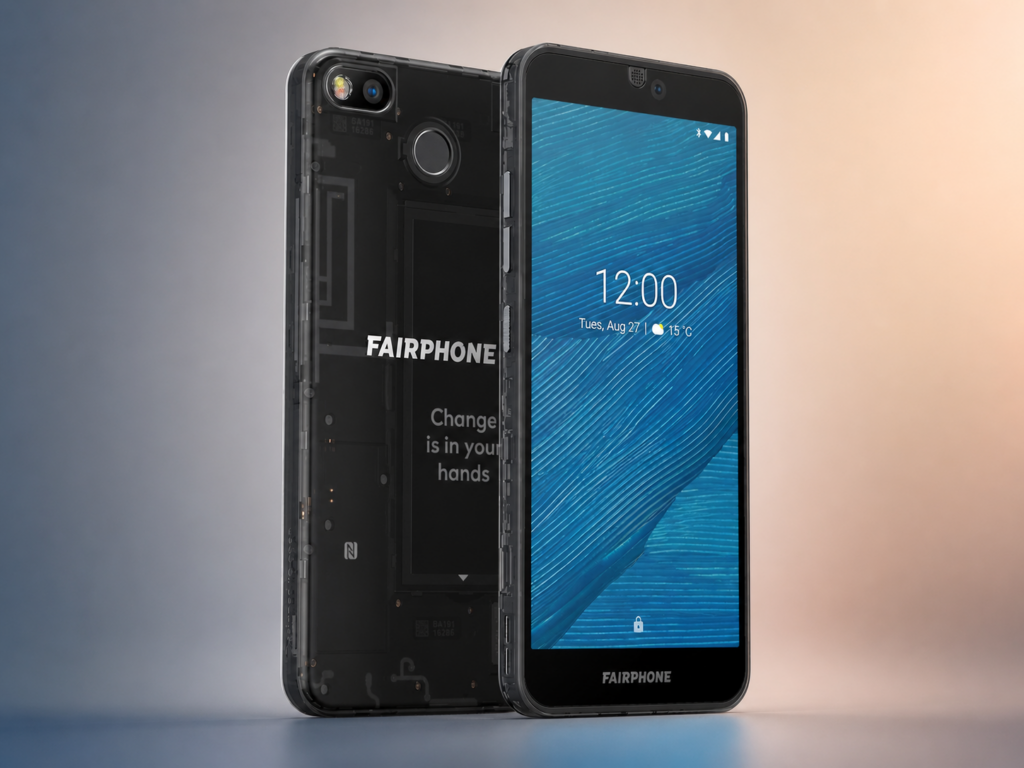
The Fairphone 3 has reached an important milestone, marking the end of its official software support cycle. While the journey is coming to a close, it also highlights how long a smartphone can realistically last.
Seven years of support and design evolution
Fairphone 3
Launched in 2019 with a promise of five years of updates, the Fairphone 3 has now completed seven years of support, extending well beyond its original target. The final software update is expected to roll out by June 2026, with support ending in August. This extended lifecycle stands out in a market where most smartphones receive significantly shorter update timelines.
The device also marked a shift in design for the brand. It introduced a more refined and modular build compared to earlier models, making repairs easier and improving accessibility of spare parts. Over time, updates such as the Fairphone 3+ brought improvements in camera modules and audio, while maintaining compatibility with existing hardware.
Beyond hardware, the Fairphone 3 played a role in Fairphone’s broader sustainability initiatives. It was the first device linked to the company’s living wage program, which has contributed over $1.25 USD to supply chain workers since its introduction. The phone also supported reuse initiatives, where components like displays, motherboards, and speaker modules were refurbished and made available again.
Even as official support ends, the device is expected to remain functional through alternative operating systems. Platforms such as LineageOS, /e/OS, and postmarketOS continue to offer updates, extending the usability of the hardware further. Fairphone has also shared development work to support these communities, encouraging longer device lifespans.
For more daily updates, please visit our News Section.
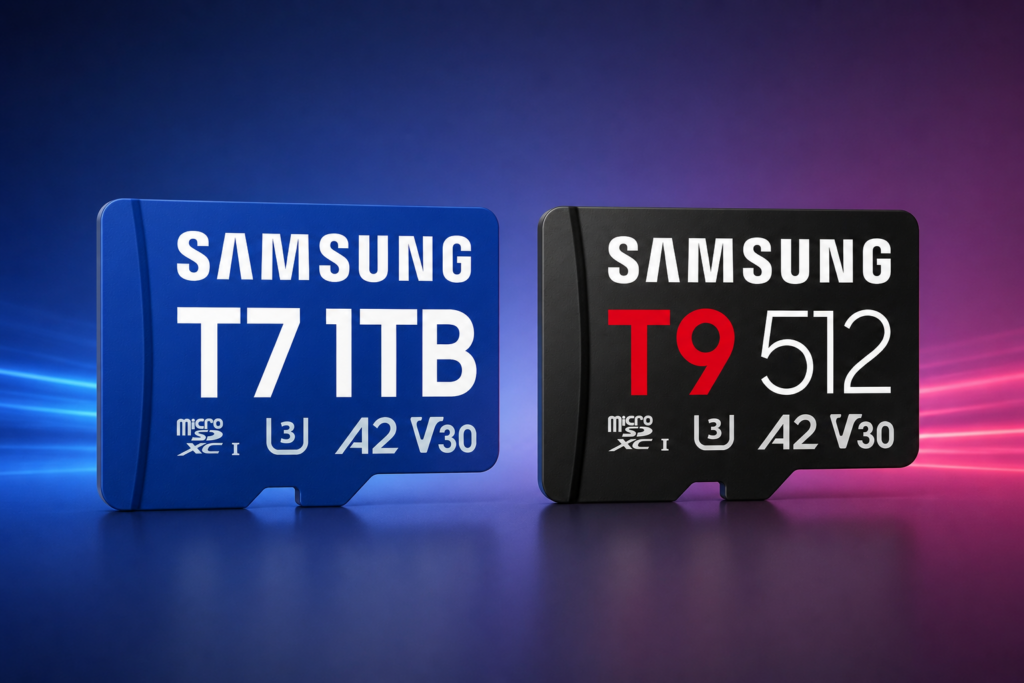
Samsung has expanded its removable storage portfolio in India with the introduction of the T7 and T9 microSD cards. The new lineup signals a shift in branding while addressing growing demand for faster and higher-capacity storage. Here are all the technical details about the new microSD cards from Samsung.
Samsung T7, T9 microSD card key specifications
Samsung T7 and T9 microSD cards
The T7 microSD card is positioned for everyday users looking to expand storage across smartphones, tablets, laptops, and gaming devices. It offers capacities ranging from 128GB to 1TB, with read speeds of up to 170MB/s. This makes it suitable for regular file transfers, media storage, and casual gaming needs without noticeable slowdowns.
The T9 microSD card is aimed at users who handle larger files and need quicker access speeds. With read speeds reaching up to 200MB/s and write speeds up to 130MB/s, it supports demanding tasks such as high-resolution video recording and fast data transfers. It also includes a six-layer protection system designed to safeguard data in varied environments, including use in drones and action cameras.
Samsung is also introducing a simplified naming approach with this launch. The new T series replaces earlier options such as EVO Plus and PRO variants, aligning removable storage with its existing portable SSD naming. The idea is to make it easier for buyers to understand performance tiers while maintaining consistency across categories.
Samsung T7, T9 microSD card: Price and availability
In terms of pricing, the T7 microSD card starts at Rs 4,849 (~$50) for the 128GB variant, going up to Rs 30,399 (~$320) for the 1TB model. The T9 range begins at Rs 5,989 (~$65) for 128GB and reaches Rs 18,999 (~$200) for the 512GB option. Both series will be available in India from the first week of May 2026 through online and offline channels.
For more daily updates, please visit our News Section.
The upcoming Samsung Galaxy Z Flip 8 has surfaced in fresh leaks, pointing towards a refined design rather than a major overhaul. Early details suggest Samsung is focusing on improving the overall experience while keeping core hardware familiar.
Focus shifts to hinge and display refinement
Samsung Galaxy Z Flip 7
According to a tipster on Naver, Samsung may introduce a redesigned hinge mechanism aimed at reducing the visible crease on the Galaxy Z Flip 8’s inner folding display. The improvement could make the screen appear nearly flat when unfolded, addressing one of the most noticeable aspects of flip-style foldables.
The same hinge change is also expected to slightly alter the device’s dimensions. Reports indicate the phone could be marginally wider while becoming around 0.5mm thinner when folded. The weight is also tipped to drop to about 180 grams, compared to roughly 188 grams on the Samsung Galaxy Z Flip 7, making it easier to handle over long periods.
While the design may see subtle refinements, the internal hardware is expected to remain largely unchanged. The device is likely to feature a 4,300mAh battery paired with 25W wired charging, similar to the previous generation. Other elements such as speakers, vibration motor, and cover display are also tipped to carry forward without major upgrades.
Camera specifications could include a 50-megapixel primary sensor and a 12-megapixel ultra-wide lens, along with a 10-megapixel front camera placed on the inner display. The handset is also expected to run on Samsung’s upcoming 2nm Exynos 2600 chipset, aligning with the brand’s approach for its flip series.
The Galaxy Z Flip 8 is expected to debut alongside other foldables at a Galaxy Unpacked event rumoured for July 22 in London. Pricing may see a slight increase due to rising component costs, although exact figures are yet to be confirmed.
For more daily updates, please visit our News Section.
BenQ has introduced the Mobiuz EX271QZ in India, bringing a new focus on blending ultra-fast gaming performance with accurate visual storytelling. The monitor targets gamers who want both responsiveness and immersive visuals.
BenQ Mobiuz EX271QZ: A new direction for gaming displays
BenQ Mobiuz EX271QZ gaming monitor
The Mobiuz EX271QZ features a 27-inch QHD QD-OLED panel paired with a 500Hz refresh rate and 0.03ms response time. This combination improves motion clarity during fast gameplay while keeping transitions smooth in open-world titles and cinematic sequences. The higher refresh rate also helps reduce blur and enhances tracking precision in competitive scenarios.
What sets this monitor apart is its approach to color tuning. Instead of generic presets, it introduces Game Art Color profiles such as Fantasy, Sci-Fi, and Realistic modes. These are designed to align with a game’s artistic style rather than simply boosting colors. Supporting this is Spectral Color Refinement, which adjusts colours across the full spectrum to deliver balanced tones, improved midtones, and more natural highlights.
The QD-OLED panel enables precise lighting control at the pixel level, delivering deep blacks and high contrast. The monitor carries VESA DisplayHDR True Black 500 certification, covers 99 percent DCI-P3 colour space, and can reach up to 1000 nits peak brightness in HDR content. These elements together improve depth and realism in both games and media playback.
It also integrates High Pixel Contrast technology that dynamically enhances shadow detail without affecting brighter areas. For connectivity, HDMI 2.1 with eARC support allows compatibility with modern consoles and multi-channel audio formats like Dolby Atmos and DTS:X. To maintain performance over time, the EX271QZ includes several OLED protection mechanisms such as pixel refresh, logo dimming, pixel shift, and graphene-based cooling.
BenQ Mobiuz EX271QZ price in India, availability
The monitor is priced at Rs 84,998 and is available via online and retail platforms across India.
For more daily updates, please visit our News Section.
Samsung appears to be preparing a subtle yet noticeable visual change for its next major software update. Early leaks around One UI 9 indicate that the company is refining how its media player looks and reacts during playback, hinting at a more immersive experience.
One UI 9 media player may get dynamic color integration
In One UI 9, Media Player seek bar changes its color as per the song
Information shared by tipsters Tarun Vats and Rajesh Rajput suggests that the media player in One UI 9 could feature colour-shifting elements. Instead of sticking to a fixed design, the playback bar and interface accents adapt based on the album art of the track being played. This creates a more responsive visual layer that changes in real time as users switch songs.
Screenshots indicate that this effect also extends to the Now Bar, where colours appear to blend with the overall interface. The shift is subtle but adds a sense of continuity between content and UI. The idea is to make the interface feel more connected to what the user is listening to, rather than remaining static.
In One UI 9, the media player seek bar dynamically changes color based on the album theme.
— Rajesh Rajput (Technobuzz) (@iRaj_r) May 2, 2026
This approach aligns with a broader trend where software interfaces adapt dynamically to content. By syncing colours with music, Samsung appears to be focusing on making everyday interactions feel more engaging without adding complexity to the user experience.
Work on One UI 9, which is expected to be based on Android 17, has already begun internally. Early builds were spotted running on the upcoming Samsung Galaxy S26 series as far back as March. Since then, more glimpses of the software have surfaced through leaked images and short clips.
The same source, Tarun Vats, has previously shared accurate timelines for earlier One UI releases and Galaxy launches, which adds credibility to this update. The redesigned media player is likely to debut with upcoming foldable devices such as the Samsung Galaxy Z Fold 8 and Samsung Galaxy Z Flip 8.
For more daily updates, please visit our News Section.
CMF has confirmed the India launch timeline for its next smartwatch, the CMF Watch 3 Pro. After earlier teasers, the company has now locked in a specific date, setting the stage for its arrival in the country. The specifications of the device are no secret since it was unveiled globally last year.
CMF Watch 3 Pro specifications and features
CMF Watch 3 Pro
The CMF Watch 3 Pro is scheduled to launch in India on May 6, following its earlier global debut. The smartwatch comes with a 1.43-inch circular AMOLED display featuring a 466 x 466 resolution, 60Hz refresh rate, and peak brightness of up to 670 nits with automatic adjustment. It features an aluminium alloy frame paired with a liquid silicone strap and carries an IP68 rating for dust and water resistance.
The device introduces a four-channel optical heart rate sensor, which is claimed to improve accuracy by over 10 percent compared to the previous generation. It also supports continuous SpO2 tracking, stress monitoring, sleep analysis with detailed insights, and women’s health tracking. With support for more than 130 sports modes and automatic workout detection, it aims to cover a wide range of fitness activities.
On the software side, the smartwatch includes AI-powered running guidance, personalized recovery insights, and workout summaries. Additional features include gesture controls, voice note transcription, real-time news updates, and integration with ChatGPT through the Nothing X app. The watch supports more than 120 watch faces and connects with both Android and iOS devices.
The CMF Watch 3 Pro packs a 350mAh battery, which is rated to last up to 13 days under typical usage. With heavier usage, it can last around 10 to 11 days, while enabling always-on display may reduce battery life to roughly 3.5 to 4.5 days.
CMF Watch 3 Pro price and availability
The CMF Watch 3 Pro will be available in India starting May 6 via Flipkart and select offline retail stores. Pricing has not been officially confirmed yet, but it is expected to be positioned under Rs 7,000 (~$75).
For more daily updates, please visit our News Section.
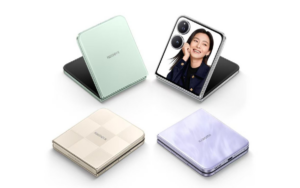
Last year, Xiaomi skipped launching a horizontal foldable smartphone, but recent reports suggest that it may introduce one this year. While it unveiled the Xiaomi Mix Flip 2 last year, there have been some reports that the Mix Flip 3 may not be unveiled this year. Now, a new update reveals that Xiaomi have discontinued the flip phone lineup
Xiaomi Mix Flip series may come to an end
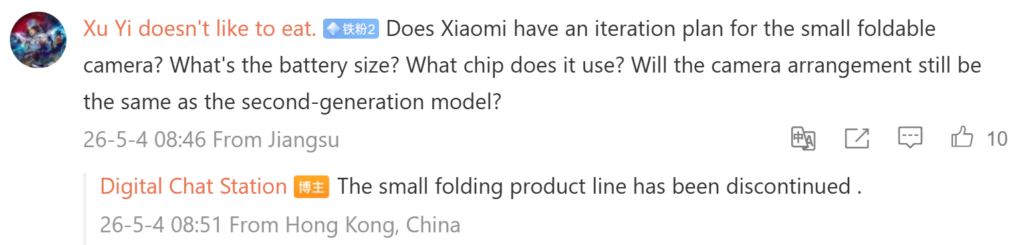
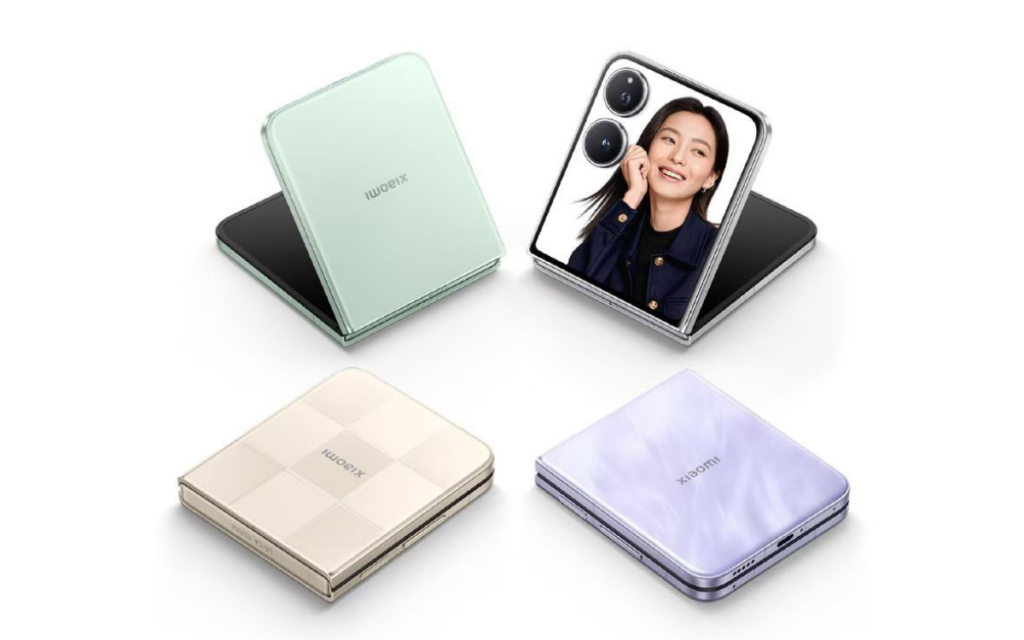
Xiaomi Mix Flip seris discontinued, claims DCS
According to a post on Weibo, a user asked tipster Digital Chat Station whether Xiaomi plans to launch a new compact foldable phone this year and if it would bring upgrades over the Mix Flip 2. In response, the tipster suggested that Xiaomi has discontinued the Mix Flip series.
There is no official confirmation from Xiaomi yet, so the exact reason behind this move remains unclear. However, it is likely tied to market dynamics. Despite small foldables performing reasonably well globally, the segment remains niche and production costs are still high. Compared to larger foldables, compact flip devices may not offer the same value proposition.
Xiaomi MIX Flip 2
Xiaomi is not alone in slowing down its efforts in this category. There is also uncertainty around whether Honor will launch a successor to its flip phone lineup after the Honor V Flip 2. Similarly, Vivo introduced the X Flip as its first flip device, and Oppo launched the Find N3 Flip in 2023, but neither brand has followed up with new flip models since then.
On the other hand, Motorola continues to remain active and dominate in the segment. The brand recently launched multiple flip devices, including the Razr 70, Razr 70+, and Razr 70 Ultra, expanding its presence instead of scaling back.
Coming back to Xiaomi, its upcoming horizontal foldable smartphone is expected to feature the in-house Xring O3 chip. The device is likely to launch around July or August, although its final branding remains uncertain. It could arrive as the Mix Fold 6 or possibly under a new naming scheme such as the Xiaomi 17 Fold.
For more daily updates, please visit our News Section.
This month, Oppo will unveil the Reno 16 series in China. The lineup is expected to reach global markets around July. The Chinese lineup may include the Reno 16, Reno 16 Pro, and Reno 16c as successors to the Reno 15, 15 Pro, and 15c. A new development suggests that the global market may also receive a model called the Reno 16F.
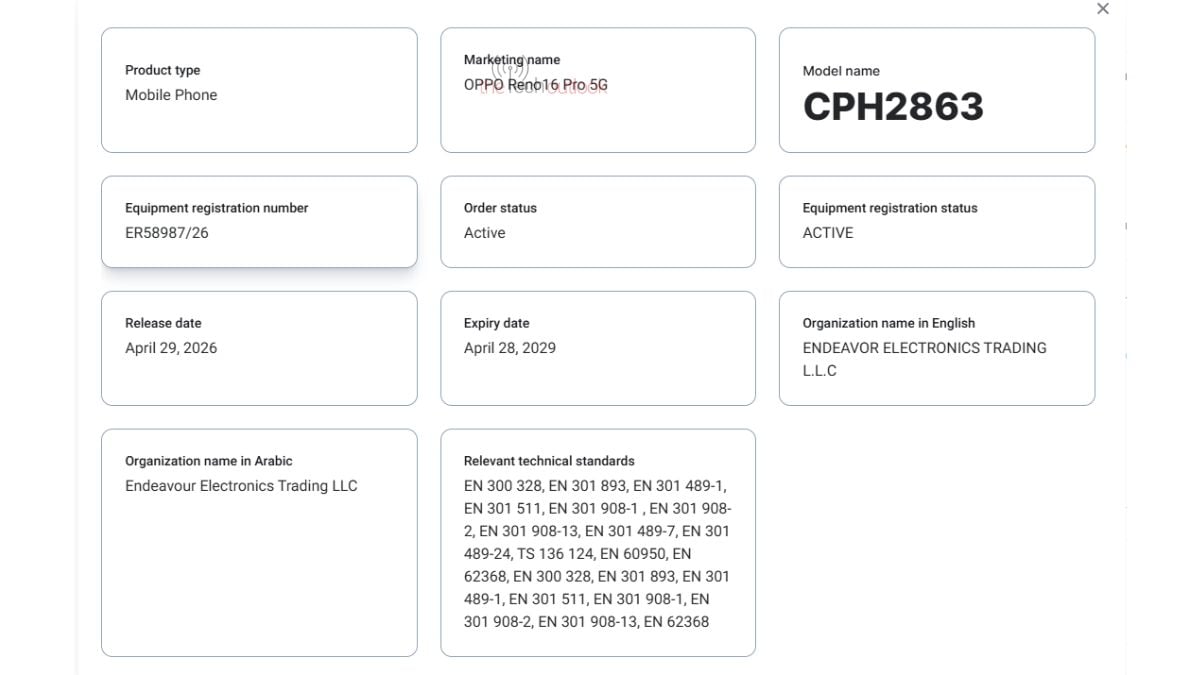
Oppo Reno 16 Pro, Reno 16F global versions spotted
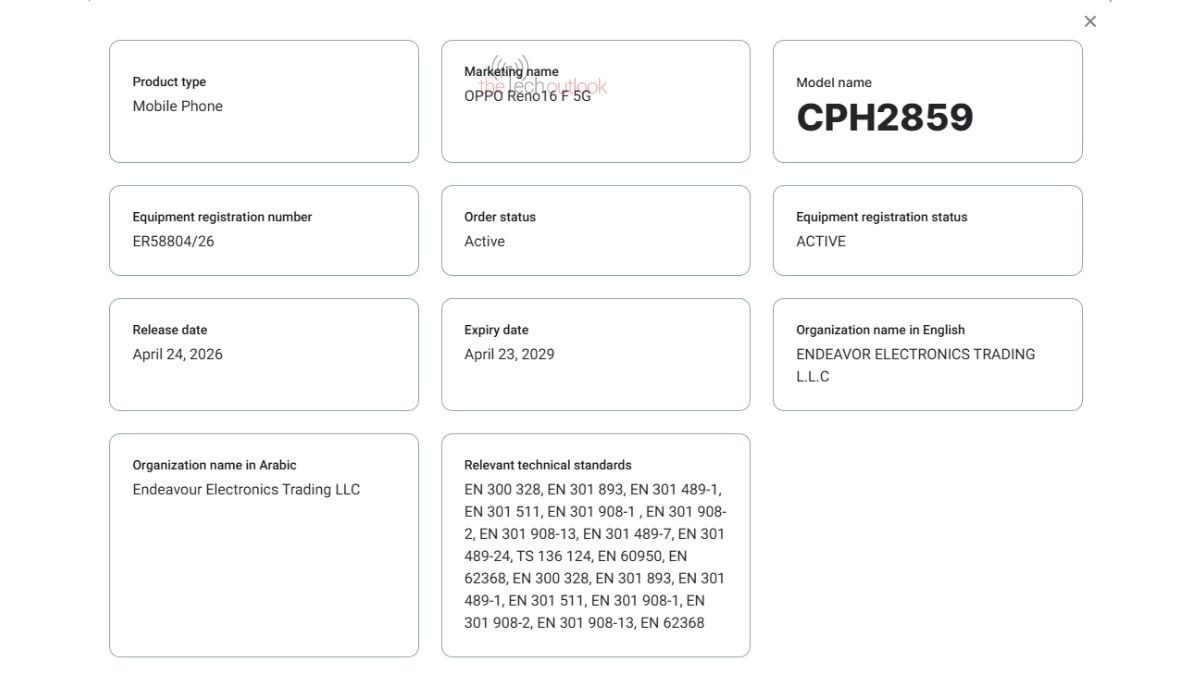
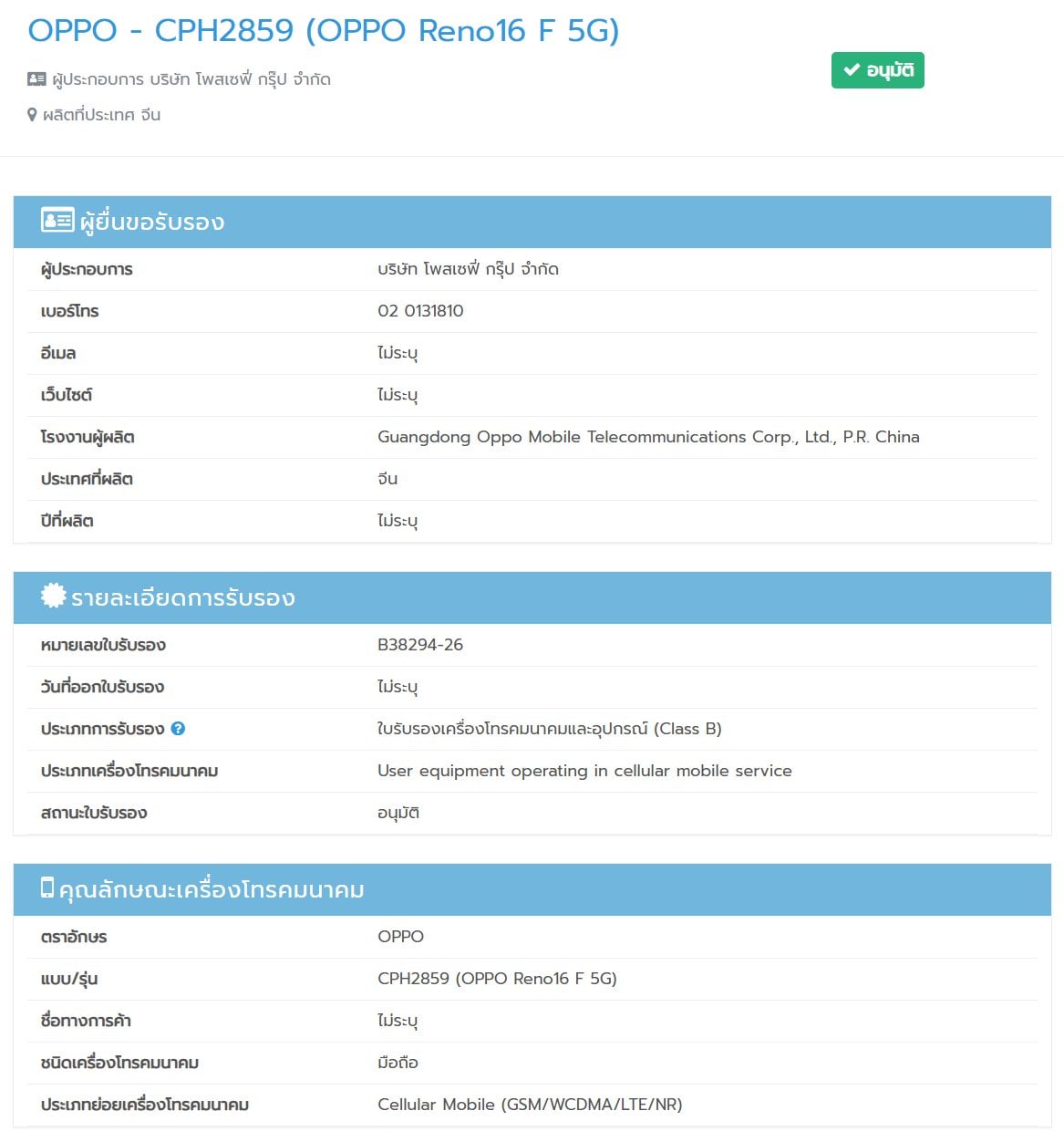
As seen above, the global versions of the Reno 16 Pro and Reno 16F have received multiple certifications. The UAE’s TDRA authority has approved the Reno 16 Pro with model number CPH2863, and the same device has also appeared on Europe’s EEC certification platform.
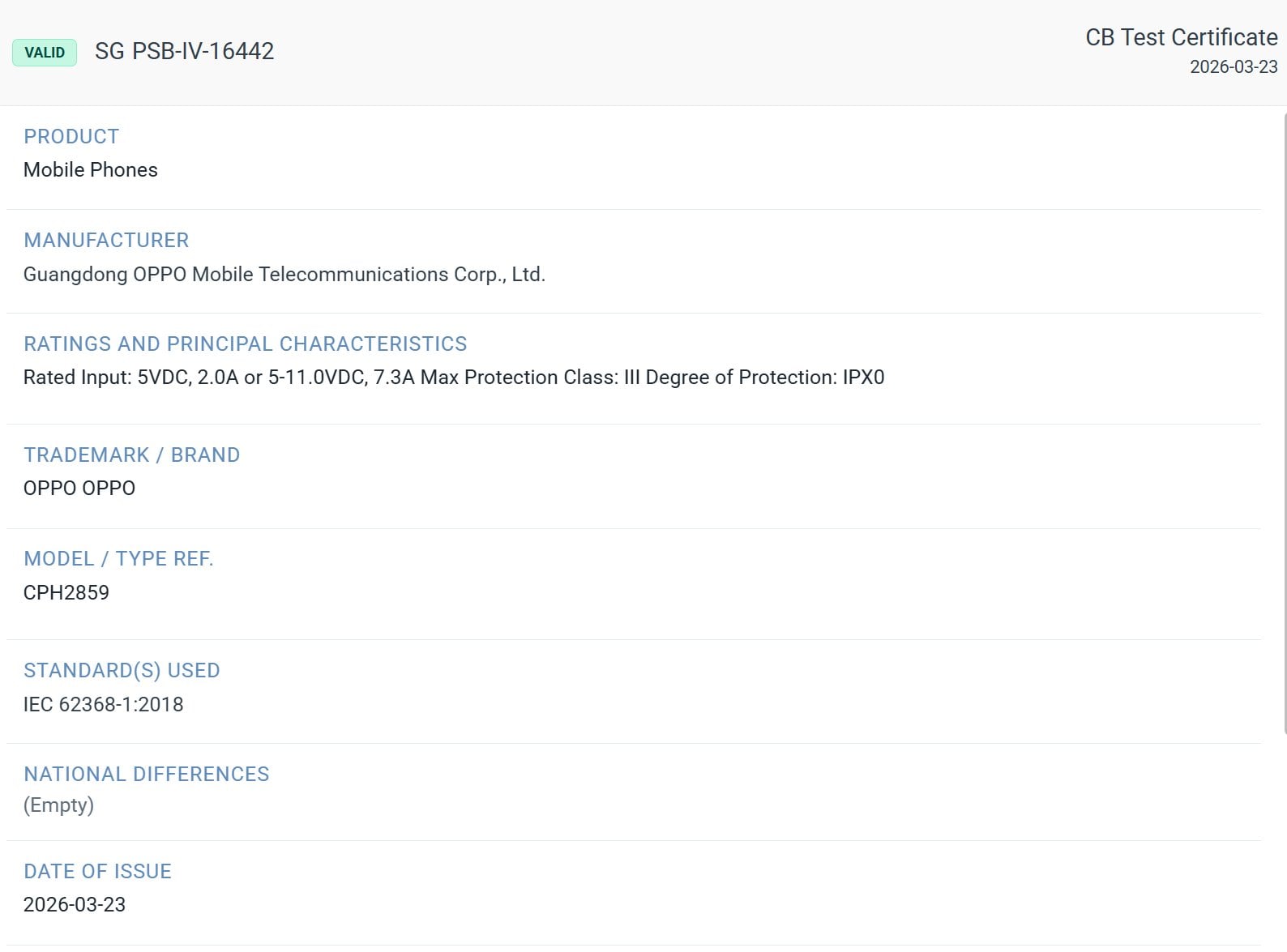
At the same time, the Reno 16F with model number CPH2859 has appeared in the databases of TDRA and Thailand’s NBTC certification authority. The device has also been approved by the TÜV certification platform, which reveals support for 80W fast charging.
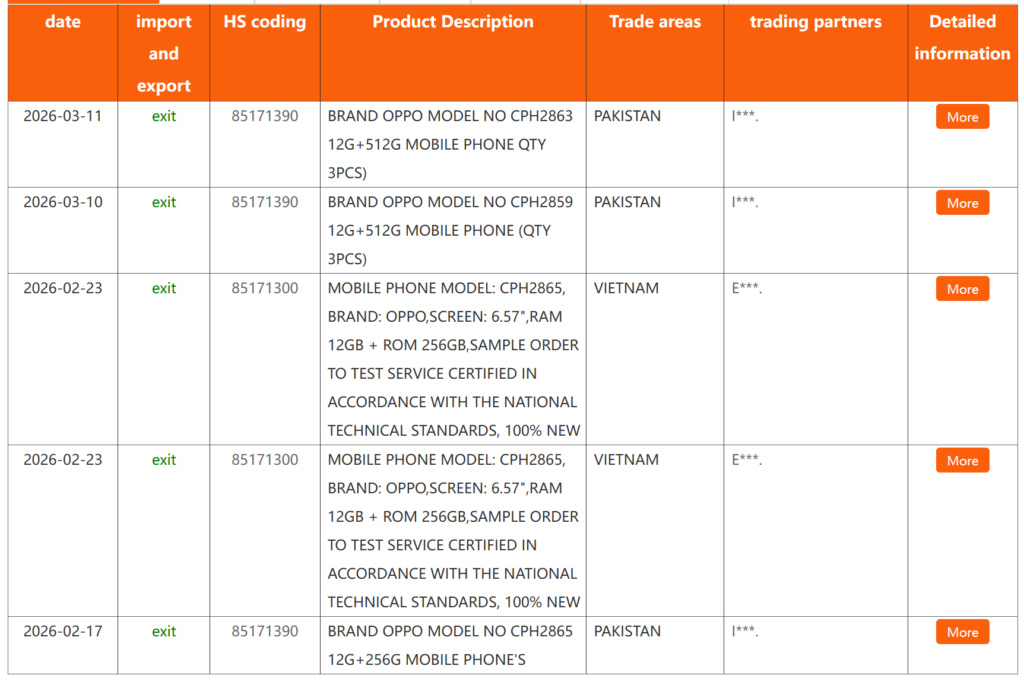
The Reno 16 Pro and Reno 16F have also surfaced in the NBD database, revealing that both devices could be available in a 12GB + 512GB configuration.
The NBD database also reveals details about another Oppo phone with model number CPH2865, which could be part of the Reno 16 series. The listing suggests that the device features a 6.587-inch display, 12GB of RAM, and 256GB of built-in storage.
Reports have revealed that the Chinese versions of the Reno 16 and Reno 16 Pro will be powered by the Dimensity 8500 and Dimensity 9500 chipsets, respectively. It remains to be seen whether the Chinese and global versions will share identical specifications.
For more daily updates, please visit our News Section.
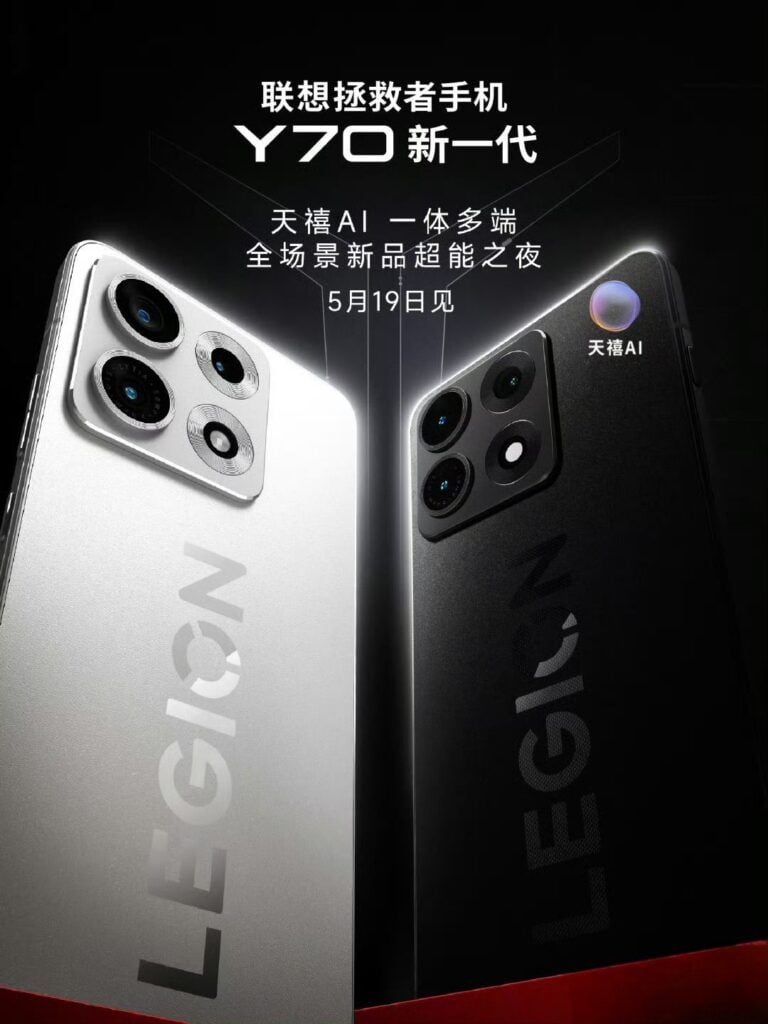
Lenovo is preparing to bring back its Legion gaming smartphone lineup after a long gap. The upcoming Lenovo Legion Y70 has now been confirmed for a May 19 launch in China, while several details about its hardware and gaming-focused features have surfaced online ahead of the announcement.
Lenovo Legion Y70 specifications
Legion Y70-
The Lenovo Legion Y70 is expected to arrive with a 6.8-inch flat display that supports a 2K resolution and a 144Hz refresh rate. The company is reportedly positioning the panel as an energy-efficient option despite its high resolution. Powering the device could be Qualcomm’s Snapdragon 8 Gen 5 chipset, which is likely to place it among the top-end gaming smartphones launching this year.
The phone is also said to focus heavily on thermal management. Reports suggest Lenovo may introduce a new three-layer cooling setup combining a vapor chamber, liquid metal cooling, and thermal gel. The cooling system is said to include a 5,500mm² VC plate aimed at keeping temperatures under control during extended gaming sessions and demanding workloads.
For battery performance, the Legion Y70 is tipped to pack a large 8,000mAh battery with support for 90W fast charging. Lenovo is also said to be focusing on long-term battery durability, with claims suggesting the battery could retain over 80 percent health even after several years of usage cycles.
In terms of design, the handset may continue the Legion gaming phone styling with a textured glass back panel and an aluminium frame. It is expected to arrive in black and silver color options. Apart from the Legion Y70, Lenovo is also expected to unveil several other products during its May 19 event, including new tablets, laptops, and foldable devices.
For more daily updates, please visit our News Section.
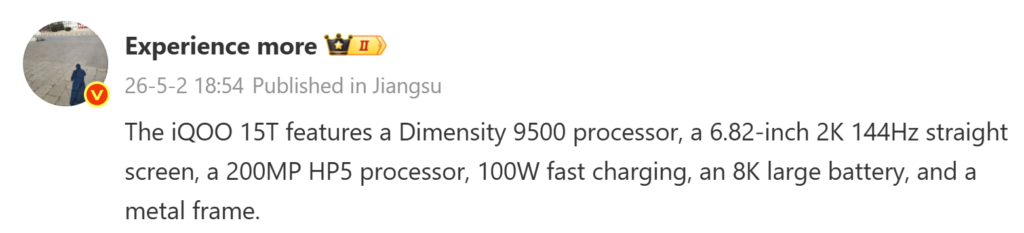
A couple of new flagship phones, including the iQOO 15T, are expected to hit the Chinese market this month. It is speculated that it may rival the likes of the OnePlus Ace 6 Ultra and Redmi K90 Max in its home market. Recently, tipster Digital Chat Station shared key details about the iQOO 15T, and now a new leak has emerged, revealing a few more details about it.
iQOO 15T specifications tipped
iQOO 15T key specs tipped
Starting from the front, the iQOO 15T will reportedly pack a massive 6.82-inch AMOLED panel delivering a 2K resolution along with a 144Hz refresh rate. Like its rivals, the 15T is said to feature the Dimensity 9500 chipset.
It is no slouch in the battery department, as it is said to pack a huge 8,000mAh battery. While it is expected to support 100W wired charging, it will reportedly lack wireless charging.
For photography, it will feature a 200-megapixel Samsung HP5 primary camera. However, details about its other rear cameras remain under wraps. The handset is also said to feature a metal frame.
Apart from this, iQOO is also said to be working on a new Neo 11 series phone for the Chinese market. While its specifications are yet to be revealed, it is said to be an incremental upgrade over the existing model.
Apart from these phones, iQOO is also expected to announce a flagship tablet called the iQOO Pad 6 Pro. This device is said to feature a 13.2-inch LCD screen with support for 4K resolution, a Snapdragon 8 Elite Gen 5chip, 16GB of RAM, 612GB of storage, and a 13,000mAh battery with 90W fast charging support. It may come in three shades: Man Dao, Grey Crystal, and Silver Wing.
For more daily updates, please visit our News Section.
Motorola recently unveiled the Motorola Edge 70 Pro in India. The Rs 38,999-priced phone packs a massive 6.8-inch AMOLED 144Hz screen, a Dimensity 8500 chip, 50-megapixel dual rear cameras, and a 6,500mAh battery. While the Edge 60 Pro from last year featured a telephoto camera, the Edge 70 Pro arrives without one.
The brand has now launched a slew of new phones for the global market, such as the Moto G37, Moto G37 Power, Moto G47, Moto G87, Razr 70, Razr 70 Plus, and Razr 70 Ultra. Alongside these devices, the Lenovo-owned brand has also unveiled the global version of the Edge 70 Pro. Here’s a look at how it differs from the Indian edition.
Global Motorola Edge 70 Pro specifications and price
Motorola Edge 70 Pro (Global)
Priced at 799 euros in Europe, the global version of the Motorola Edge 70 Pro features a 6.78-inch AMOLED panel offering a 1.5K resolution and up to 5000 nits of peak brightness. Under the hood, it features the Dimensity 8500 Extreme chip, paired with 12GB of LPDDR5X RAM and 512GB of UFS 4.1 storage.
It also supports 15W wireless charging and 10W reverse wireless charging, in addition to 90W wired charging for its 6,500mAh battery. The device supports eSIM + nano SIM functionality.
For photography, it features an additional 50-megapixel periscope telephoto camera with 3.5x optical zoom, alongside a 50-megapixel ultra-wide lens and a 50-megapixel primary camera. The global version measures 7.19mm in thickness and comes in four Pantone shades: Chicory Coffee, Zinfandel, Lily White, and Titan.
Motorola Edge 70 Pro (Global)Motorola Edge 70 Pro (Global)Motorola Edge 70 Pro (Global)Motorola Edge 70 Pro (Global)
In comparison, the Indian version of the Edge 70 Pro supports up to 5200 nits of brightness, and its display size is officially listed as 6.8 inches. It packs the same chipset and is available in 8GB and 12GB RAM variants with 256GB of internal storage. It houses the same battery but lacks wireless charging support. The Indian version also misses out on the periscope telephoto camera and eSIM support.
Motorola Edge 70 Pro Plus for the Indian market?
Recent reports have revealed that the Indian market may receive another model called the Motorola Edge 70 Pro Plus. In all likelihood, this model could be a rebranded version of the global Edge 70 Pro.
For more daily updates, please visit our News Section.
While most smartphones today can record audio and even generate AI-based transcripts, relying on a phone for long meetings or interviews is not always ideal. Notifications, incoming calls, battery drain, and limited recording flexibility can quickly become distractions. That is where the itel Zeno AI Weaver comes into play. Instead of juggling multiple apps, it combines recording, transcription, translation, and AI-generated summaries into a compact standalone gadget designed specifically for capturing conversations and turning them into organized notes.
Slim design that fits anywhere
itel Zeno AI Weaver
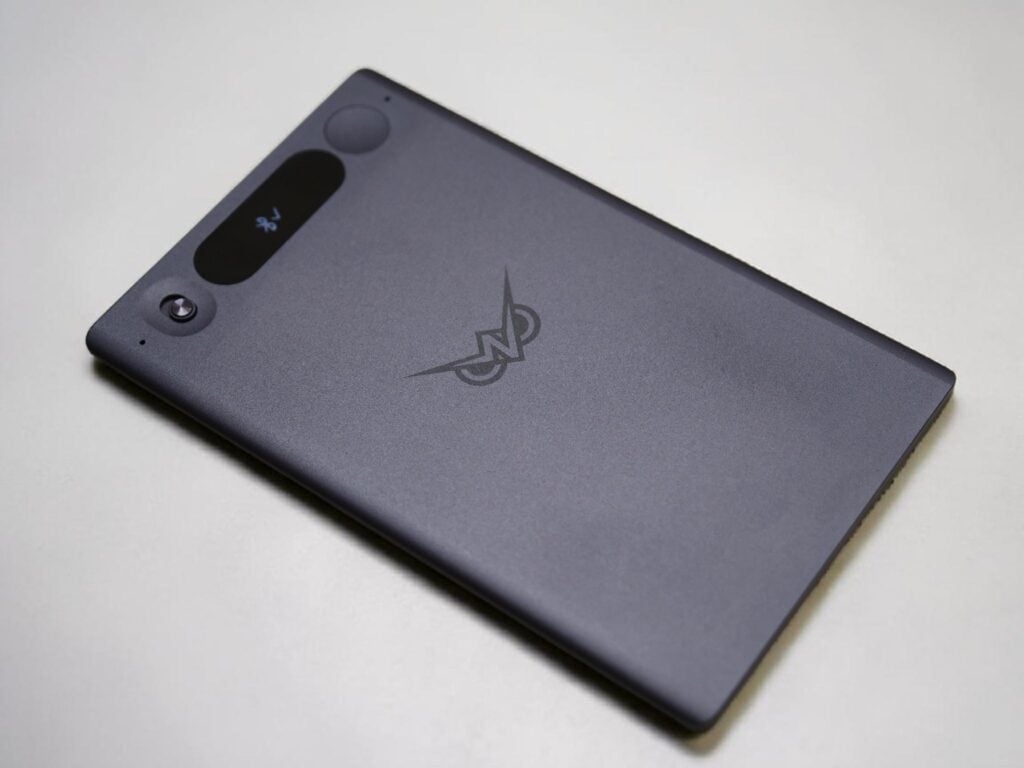
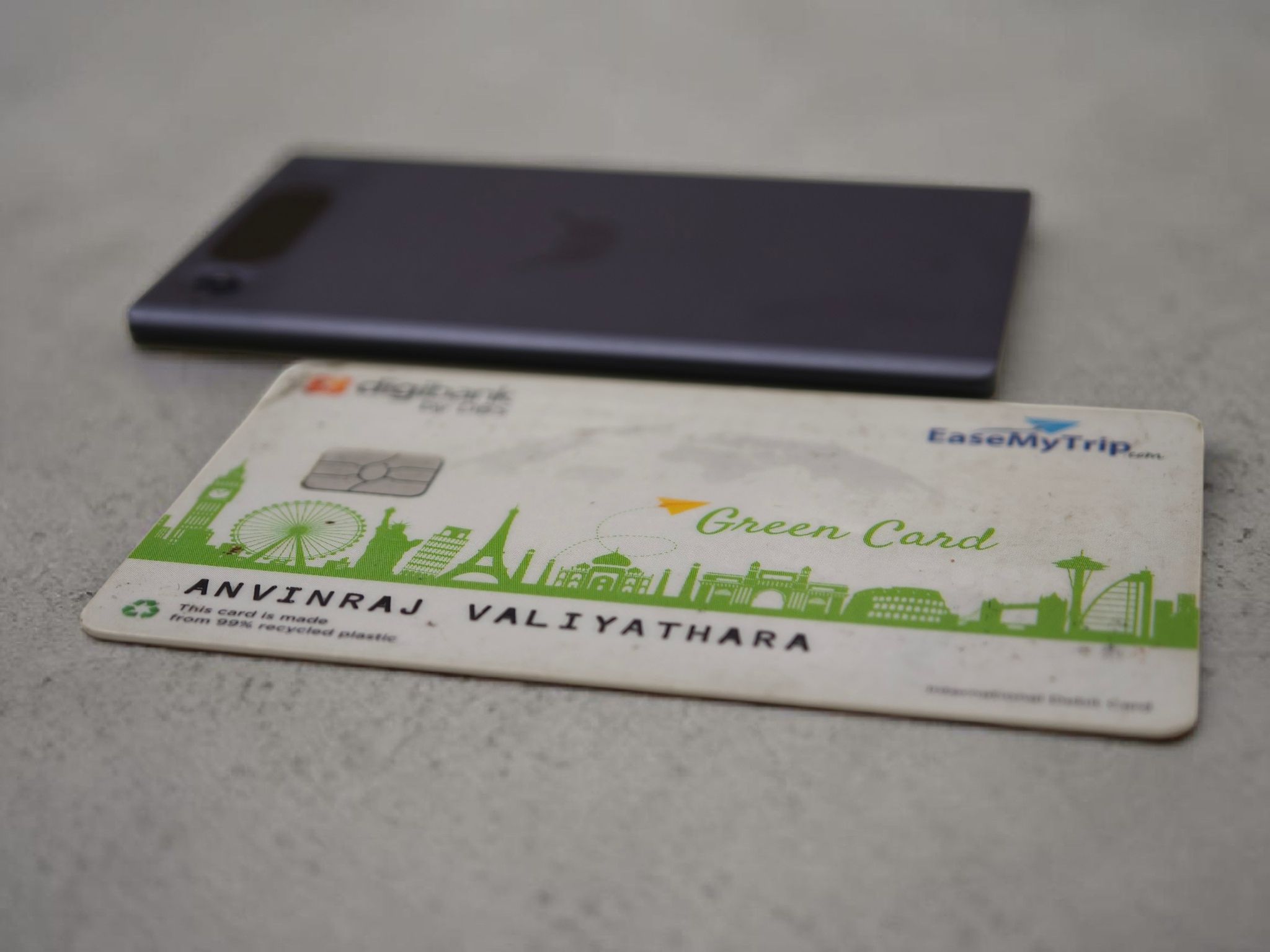
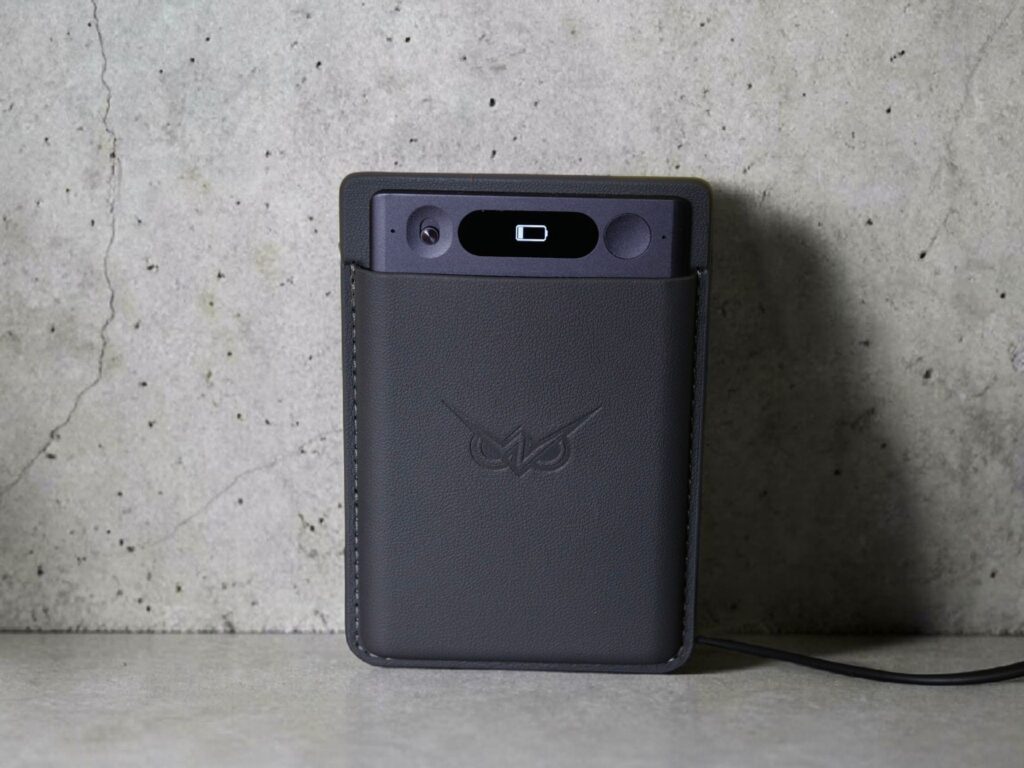
The first thing that stood out to me was the size. The recorder is the exact size of a standard debit or credit card, making it incredibly easy to carry around. It is also slim enough to slide into a pocket without adding bulk. Despite its compact form factor, the build does not come across as cheap and still feels sturdy in hand.
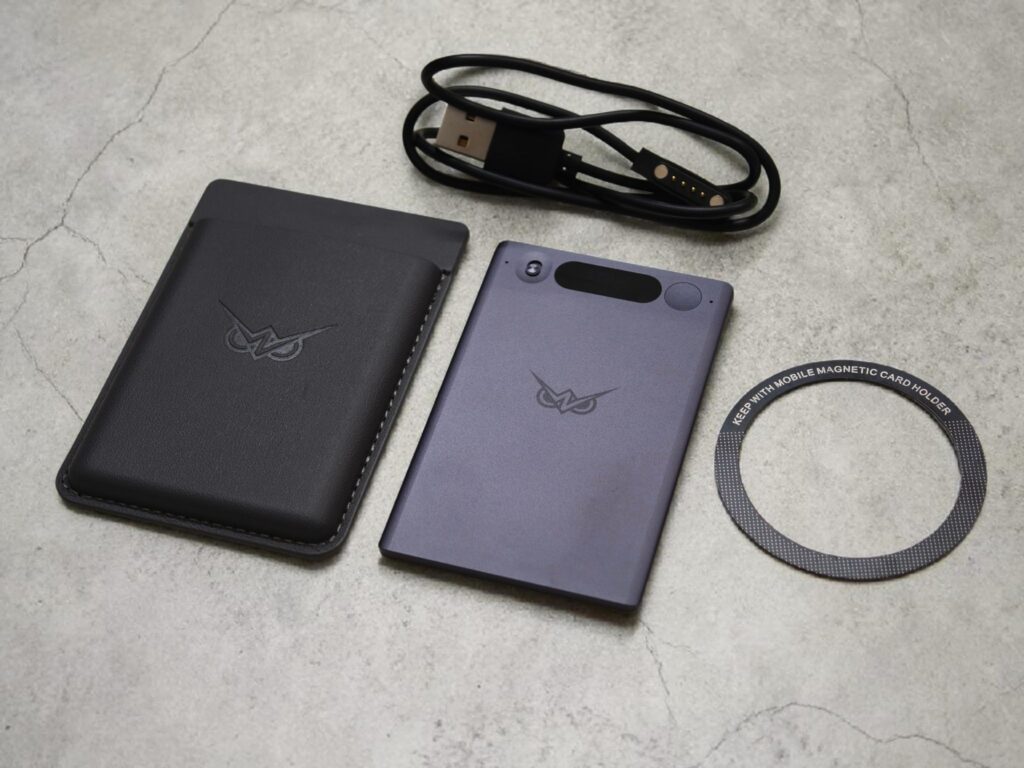
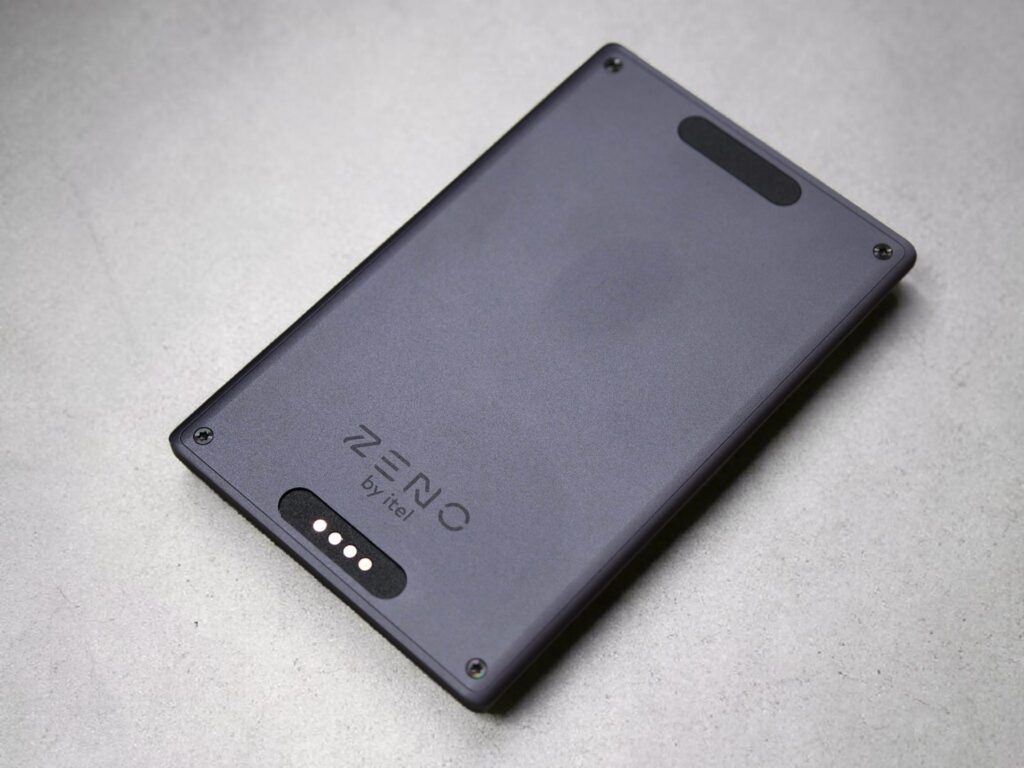
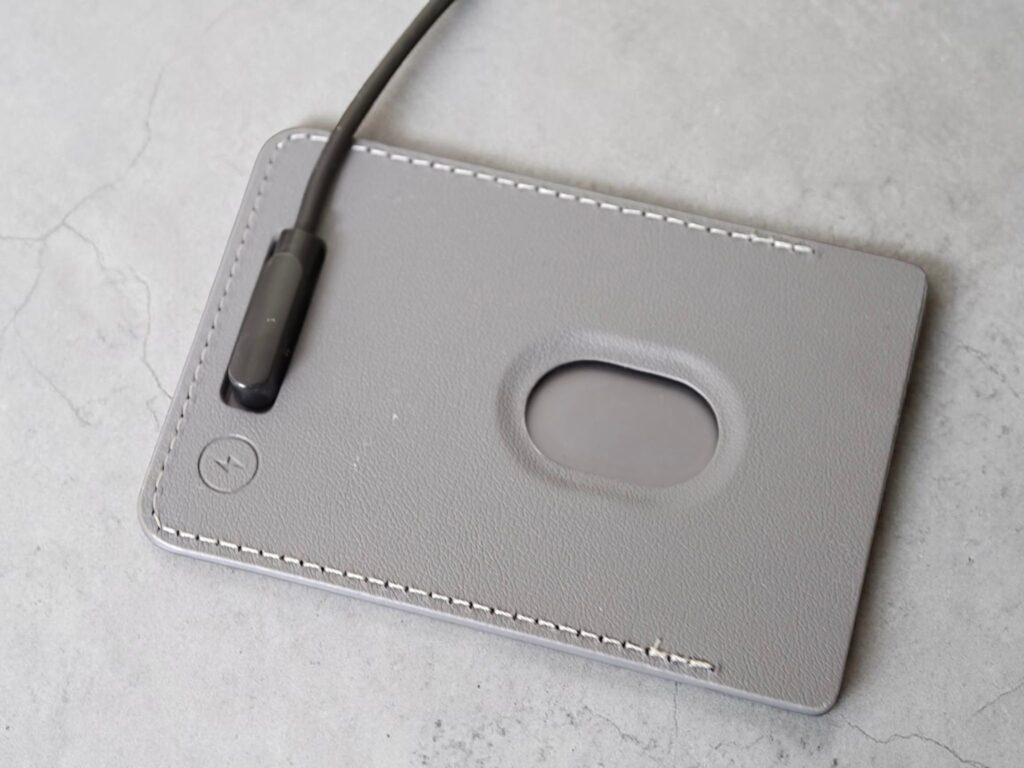
The bundled leather case adds a more premium feel while also protecting the device during daily use. It also includes a cutout at the bottom, allowing the charging connector to attach directly to the pogo pins on the recorder without removing the case.
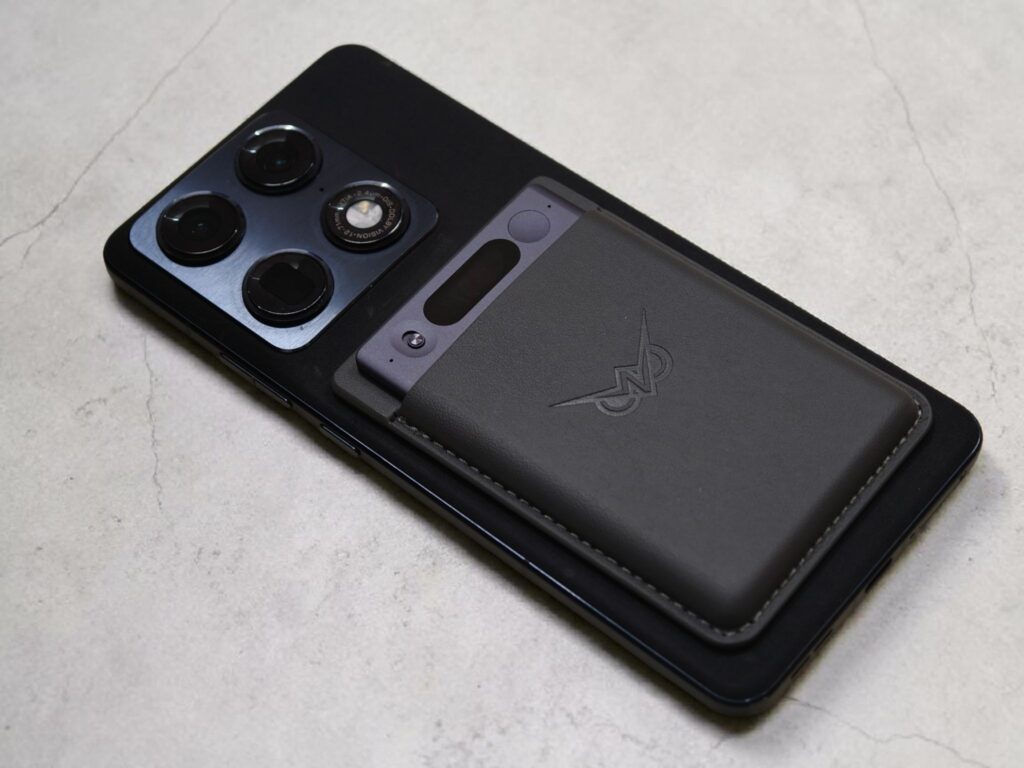
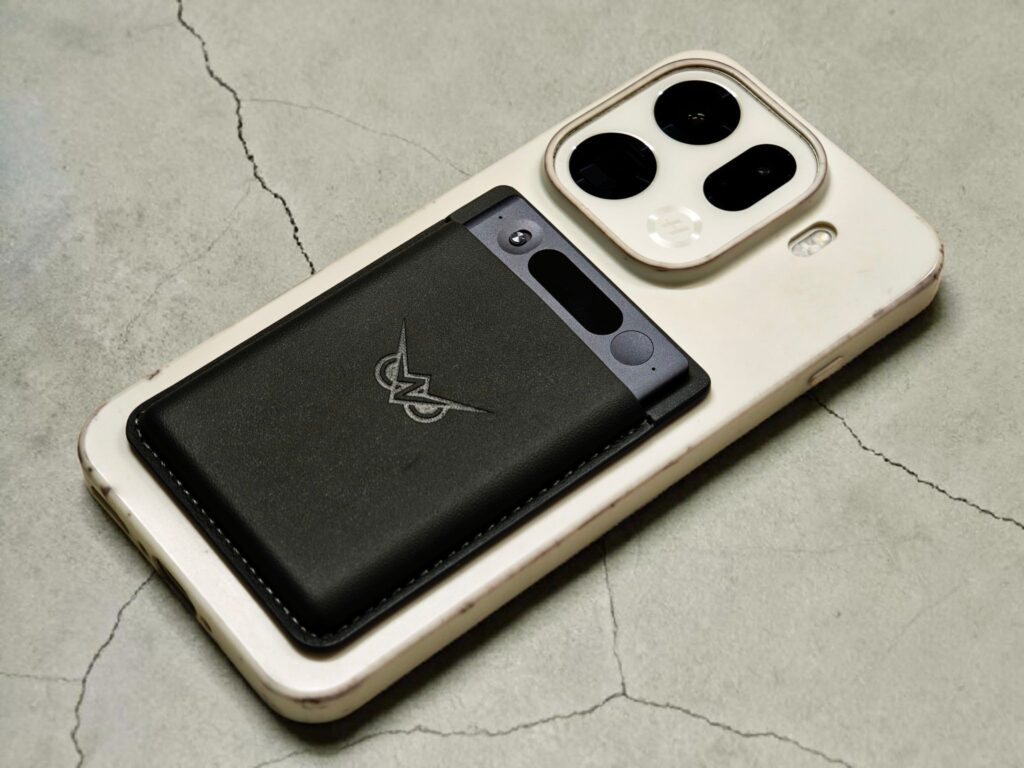
One of the more practical additions is MagSafe compatibility. I used it attached to the back of the Motorola Signature during a couple of meetings, and it stayed securely in place. This made it easier to carry around compared to traditional bulky voice recorders.
itel Zeno AI Weaveritel Zeno AI Weaver
The front features a small display that shows the recording and battery status, with buttons positioned on either side of the device. The recessed button on the right acts as the power/function button. To power it on, you can press it once, while a long press of around seven seconds turns it off. Once the device is powered on, a long press on this button starts or stops recording, and the recorder vibrates to confirm the action. Since it is a multifunction button, you can also tap it once to check the battery and Bluetooth connection status.
Meanwhile, the switch-like button on the left is used to toggle between Call and Meeting modes. It is worth noting that switching modes while a recording is in progress automatically stops the ongoing recording. Personally, I found the Meeting mode more useful, as it recorded voices with better clarity.
Recording quality is surprisingly clear
itel Zeno AI Weaver
A voice recorder is only as good as its audio capture, and this is where the Zeno AI Weaver performed well. During testing, I used it in different environments, including a quiet room, a noisy café, and a crowded media briefing.
The multi-microphone setup with noise reduction did a good job isolating voices. Background chatter was reduced to a manageable level, making conversations easier to understand during playback. Even when multiple people spoke during meetings, voices remained reasonably clear.
The one-touch recording feature is convenient. Instead of opening an app and navigating through menus, I could simply start recording instantly. For journalists or professionals who need to capture sudden conversations quickly, this can be genuinely useful.
Battery life also turned out to be dependable. I did not need to charge it frequently during my usage period, and the claimed long standby time appears realistic for moderate users.
AI transcription makes the biggest difference
itel Zeno AI Weaver
The main reason to consider this recorder is its AI functionality. Through the companion AI Recorder app, recordings are automatically converted into text. I tested it with interviews and meeting discussions, and the transcription accuracy was fairly reliable in clear speaking conditions.
What I liked most was the flexibility of the summaries. Instead of getting only raw transcripts, the app can organize recordings into different formats such as meeting minutes, interview highlights, task lists, and structured notes.
For work-related discussions, this saved a surprising amount of time. Instead of replaying long recordings repeatedly, I could quickly scan the generated summaries and key points.
The translation support is also useful. I tested recordings containing mixed English and Hindi conversations, and the results were decent enough for reference purposes.
The app experience
itel Zeno AI Weaver
The AI Recorder app by Turing Intelligence acts as the control center for the device. Pairing was straightforward, and syncing recordings did not take long.
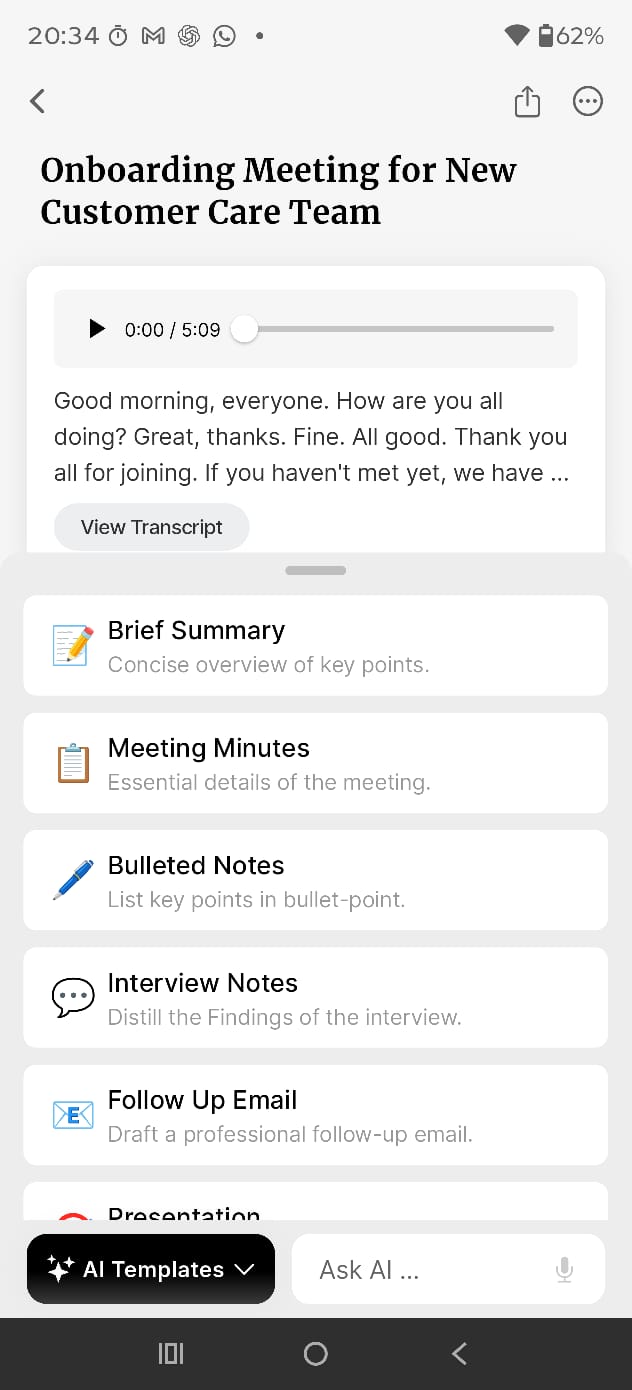
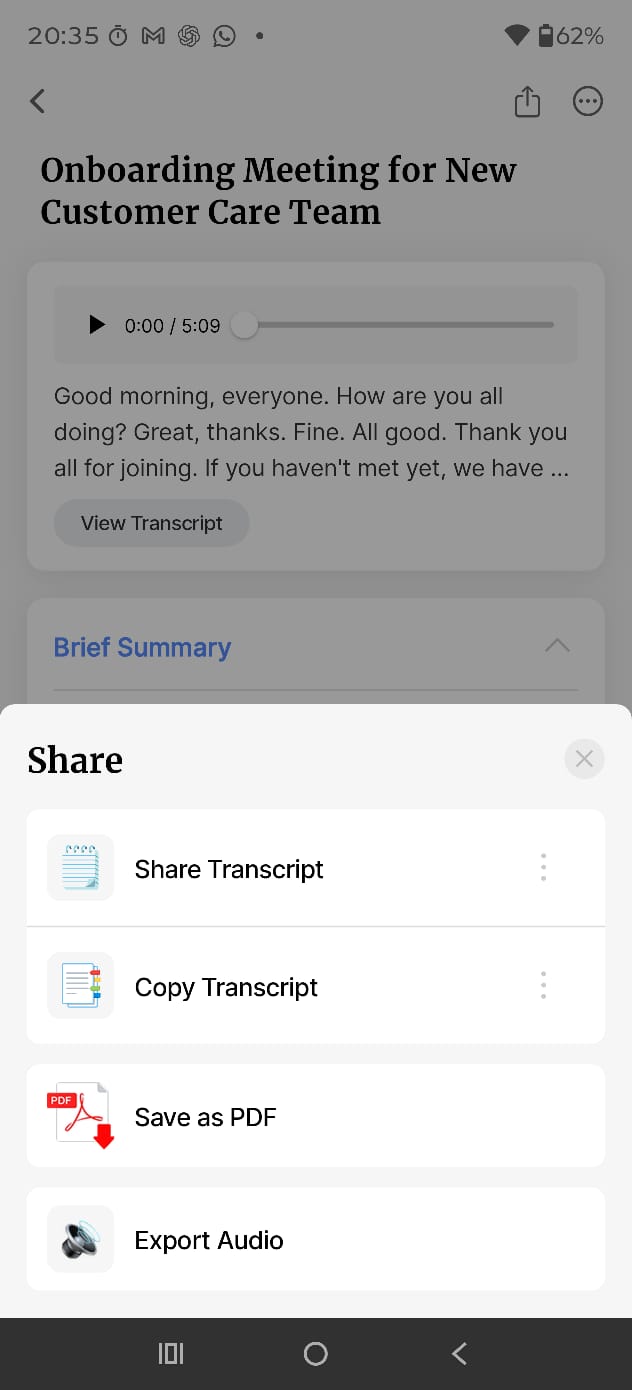
Inside the app, recordings are neatly organized with transcripts and summaries available in one place. Users can select a recording and tap on AI Templates to access options such as Brief Summary, Meeting Minutes, Bulleted Notes, Interview Notes, Follow-Up Email, Presentation, Create To-Dos, and more. Sharing files is simple, and exporting text-based summaries is useful if you need to send meeting notes quickly.
To view a translated version of a recording, users can open a recorded file, tap on View Transcript, and then select Translate from nearly 40 supported languages.
However, the biggest limitation is the subscription model. The itel Zeno AI Weaver comes with a free tier that includes up to 300 minutes of AI transcription and summaries per month, which should be enough for casual users or occasional meetings. However, users who rely heavily on transcription may need to consider the paid plans.
The Pro subscription, priced at around Rs 1,350 per month, unlocks features such as speaker identification, translation support, enhanced transcription accuracy, advanced AI summaries, and up to 1,200 transcription minutes per month. There is also an Unlimited plan priced at roughly Rs 2,050 per month that removes transcription limits altogether while adding extended cloud-based features.
As for the hardware itself, the recorder is currently available on Amazon India for around Rs 11,819. That additional subscription cost is something buyers should keep in mind before investing in the device.
Storage and usability
itel Zeno AI Weaver
The itel Zeno AI Weaver comes with 32GB of internal storage, which the company claims is enough for up to 40 hours of recordings stored directly on the device. The offline recording capability is another advantage because the recorder does not rely entirely on internet connectivity to capture audio.
I also appreciated that it works as a dedicated tool. While smartphones already offer recording and transcription features, having a separate device means fewer distractions and better focus during conversations.
Final thoughts
The itel Zeno AI Weaver feels less like a traditional recorder and more like a compact productivity assistant. Its biggest strengths are portability, clean audio capture, and AI-powered transcription tools that genuinely reduce manual work.
I would have appreciated a simpler and more direct name, such as “itel Zeno AI Recorder,” as it would immediately communicate what the product actually does. The term “Weaver” feels more abstract and may not instantly connect with users looking for an AI-powered voice recorder.
It is not a cheap purchase, especially once subscription costs are considered, but for journalists, students, researchers, and professionals who regularly deal with long conversations or meetings, it can become a useful everyday companion.
If your workflow involves constant note-taking, interviews, or discussions that need documentation, the Zeno AI Weaver offers a more efficient way to manage them without constantly staring at a notebook or phone screen.
For more daily updates, please visit our News Section.
The new Rapoo P101 aims to deliver a premium-style magnetic charging experience without carrying a premium price tag. Priced at Rs 1,299 during the ongoing sale, this 10,000mAh power bank offers Qi2 wireless charging, strong magnetic alignment, and 22W wired fast charging in a compact form factor. I spent some time using it with both the iPhone 17 and the Motorola Signature, and here’s what I found.
Compact design with strong magnetic hold
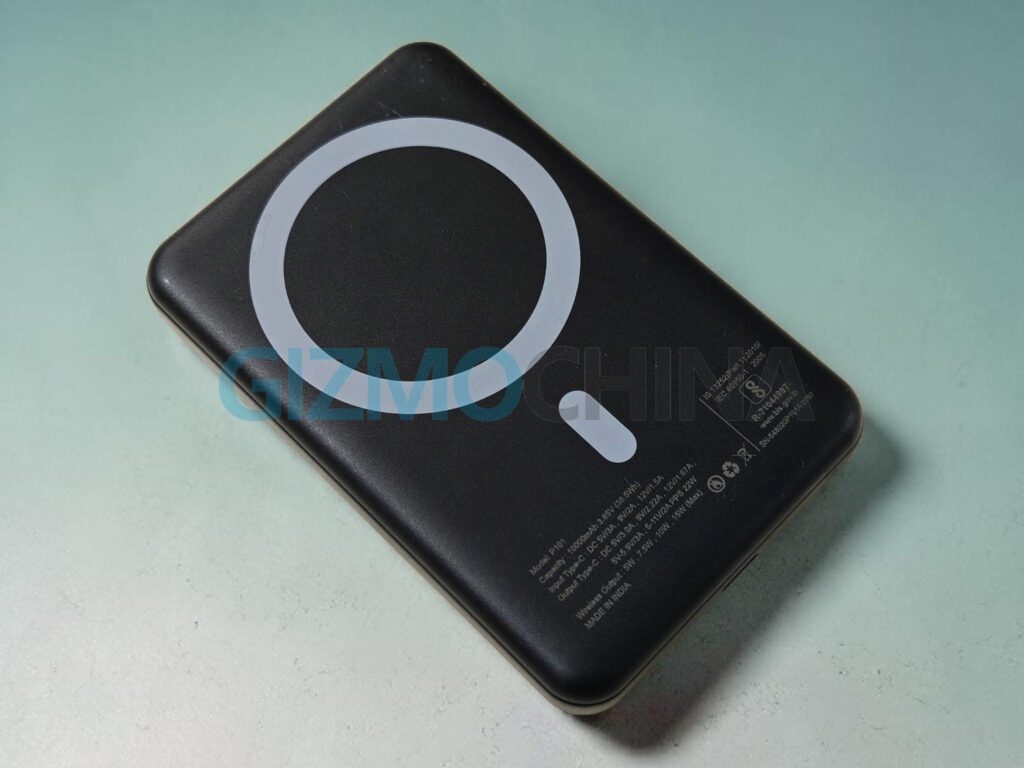
Rapoo P101 Qi2 magnetic power bank
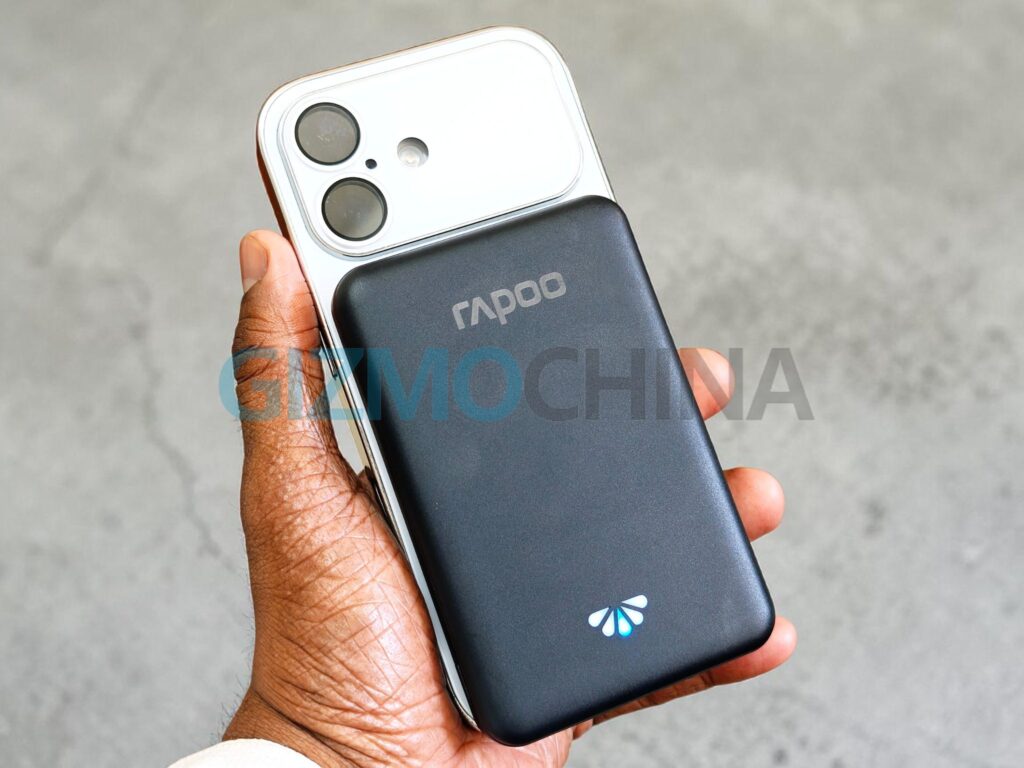
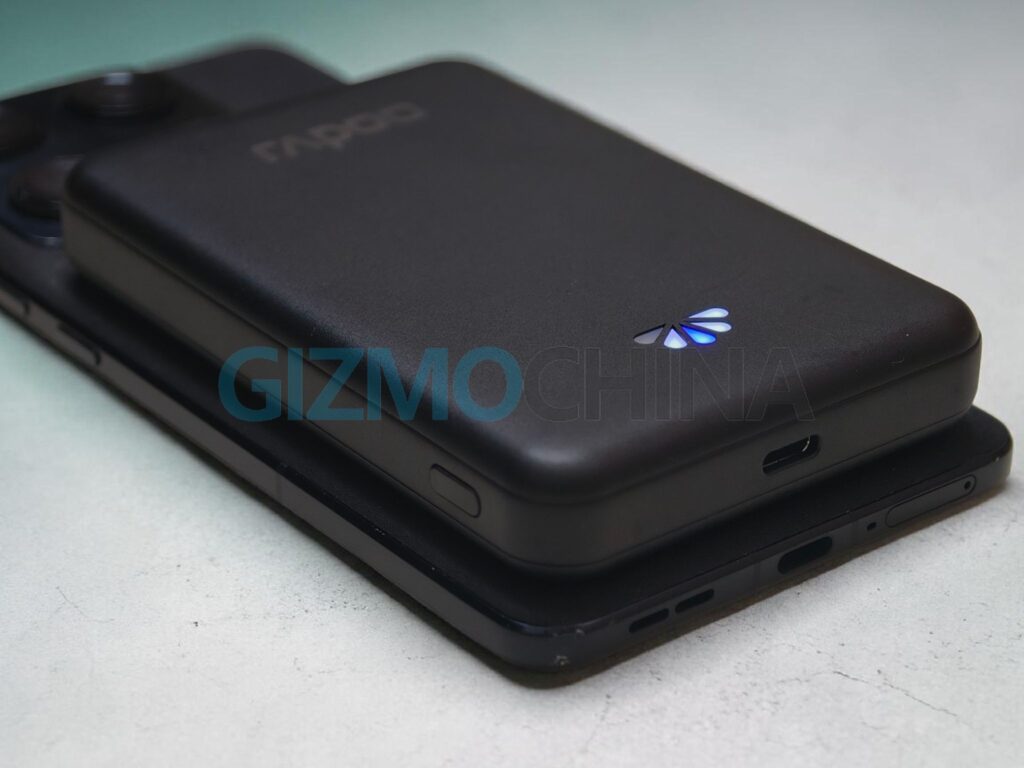
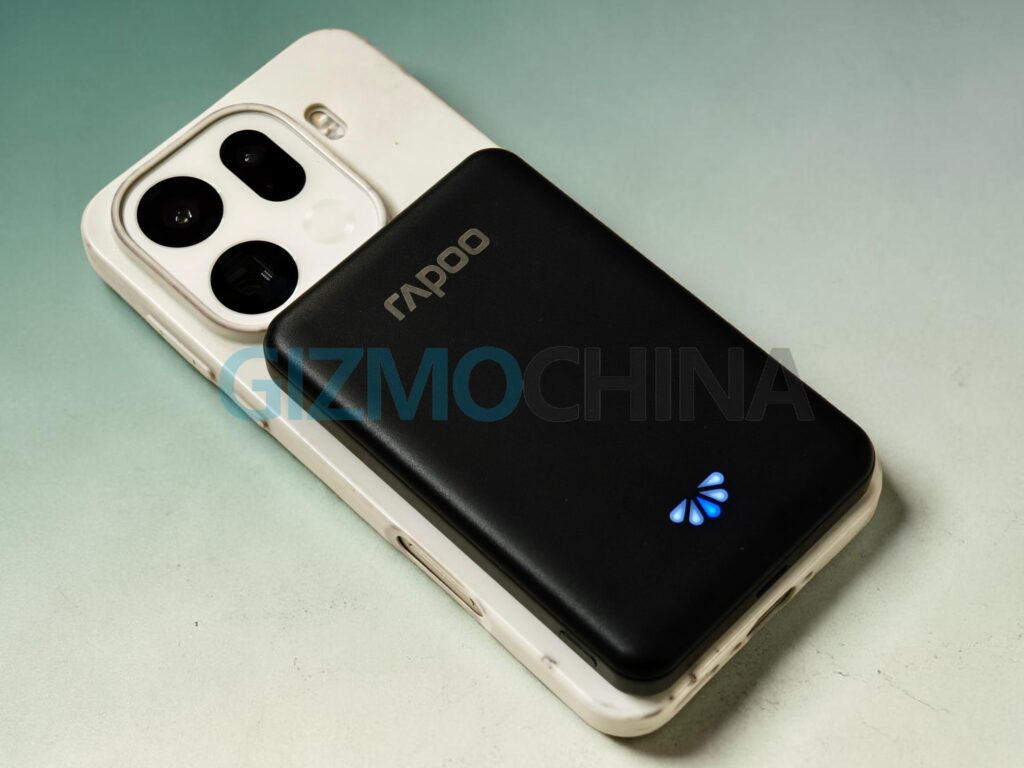
One of the first things I noticed about the P101 was its magnetic grip. Once attached to the phone, it stays in place properly without shifting around too much. That matters because weak magnetic alignment can easily interrupt wireless charging during daily use.
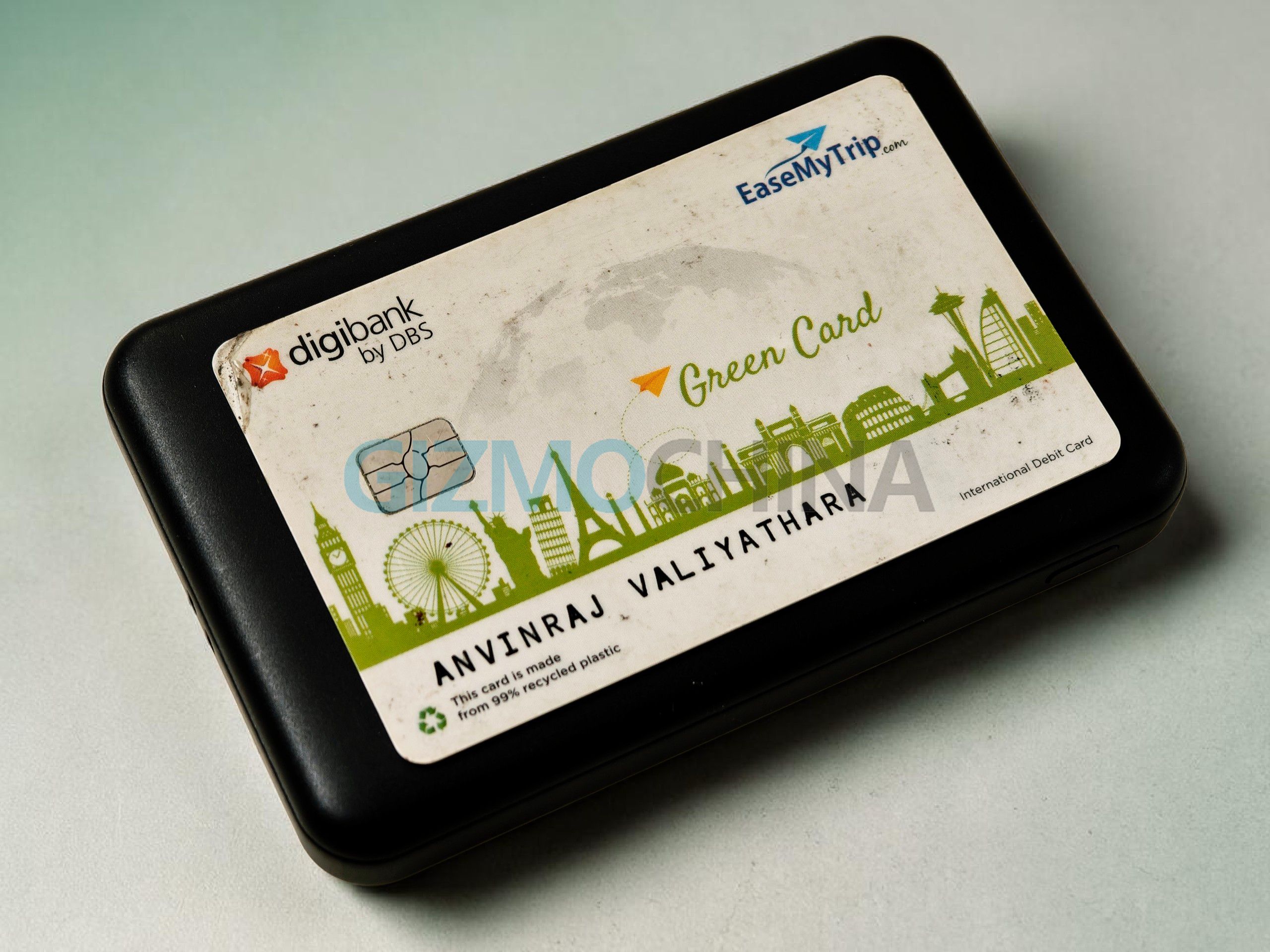
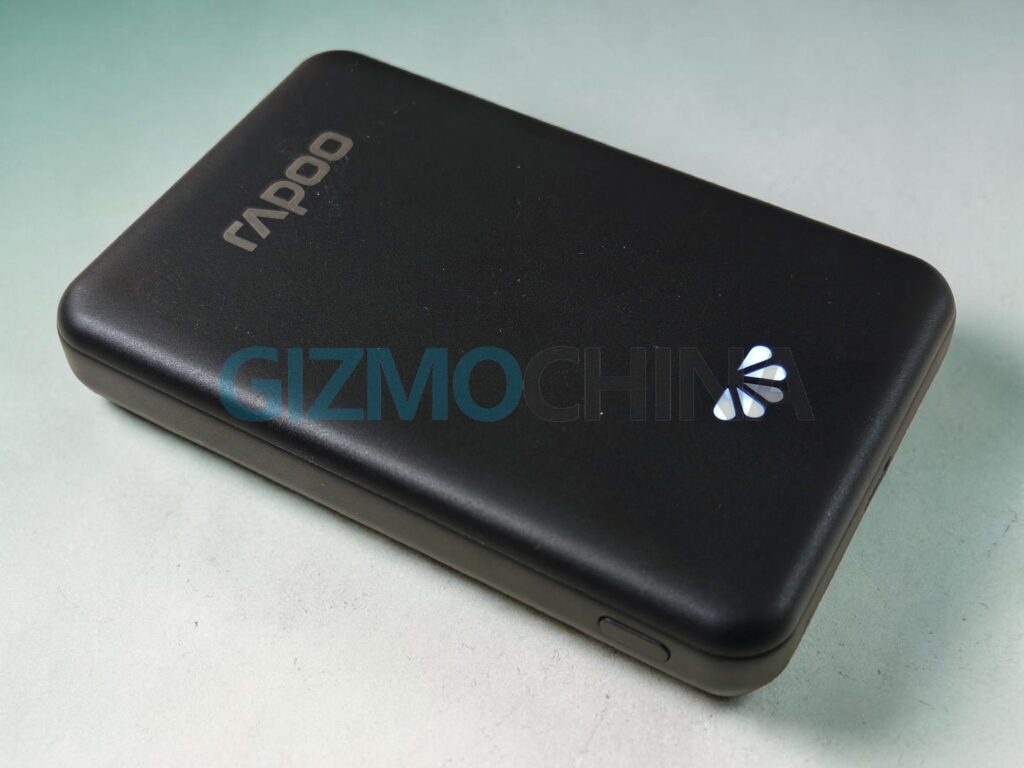
The power bank itself is fairly compact considering it packs a 10,000mAh battery. At around 189g, it does add noticeable weight to the phone, but it still feels manageable for travel or daily commuting. The rounded edges also make it easier to hold while attached to the device.
Rapoo P101 Qi2 magnetic power bank
Rapoo says it supports MagSafe and Pixelsnap compatibility, which should help it work well with a wide range of compatible devices.
Wireless charging performance
Rapoo P101 Qi2 magnetic power bank
The P101 supports up to 15W Qi2 wireless charging. During my testing with the iPhone 17, the charging speed felt fairly consistent.
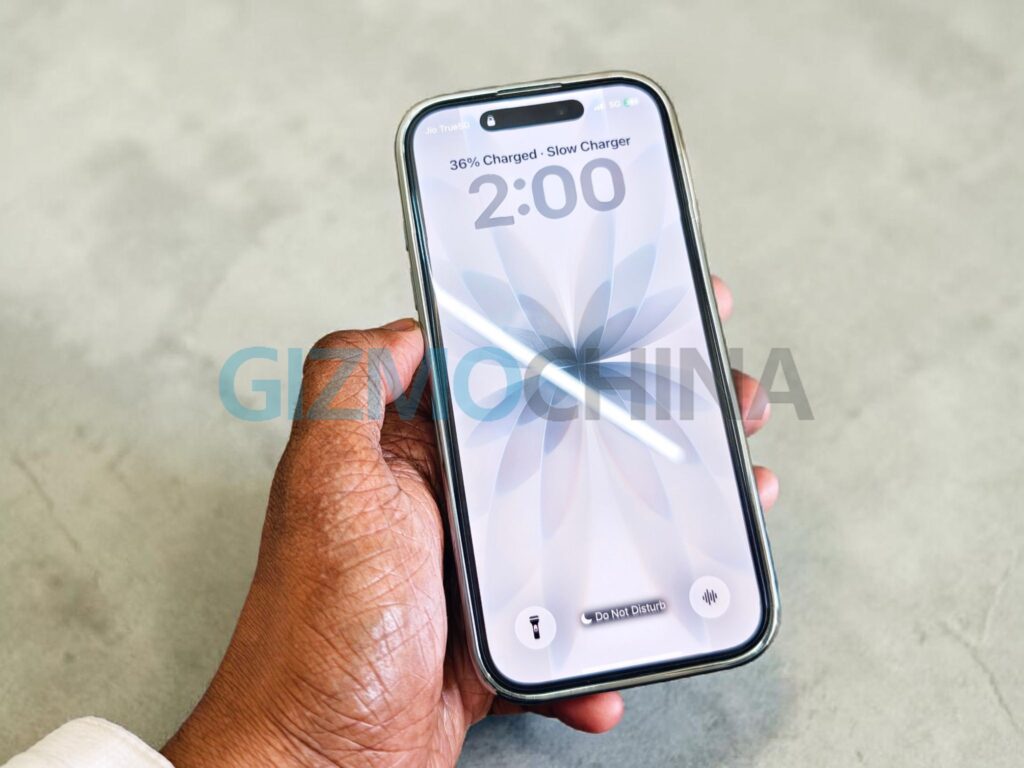
I started charging the phone at 20 percent battery, and after 15 minutes, it reached 36 percent. That works out to roughly 1 percent per minute during the test. Considering the iPhone 17 reportedly features a 3,692mAh battery, the wireless charging performance felt decent for a compact magnetic power bank.
Rapoo P101 Qi2 magnetic power bank
The charging experience was also stable. I did not notice random disconnects or interruptions while using it magnetically attached to the phone. However, as can be seen above, the iPhone 17 displayed “slow charger”, which is fairly common with wireless charging accessories and does not necessarily reflect inconsistent performance in day-to-day use.
Wired charging is noticeably faster
Rapoo P101 Qi2 magnetic power bank
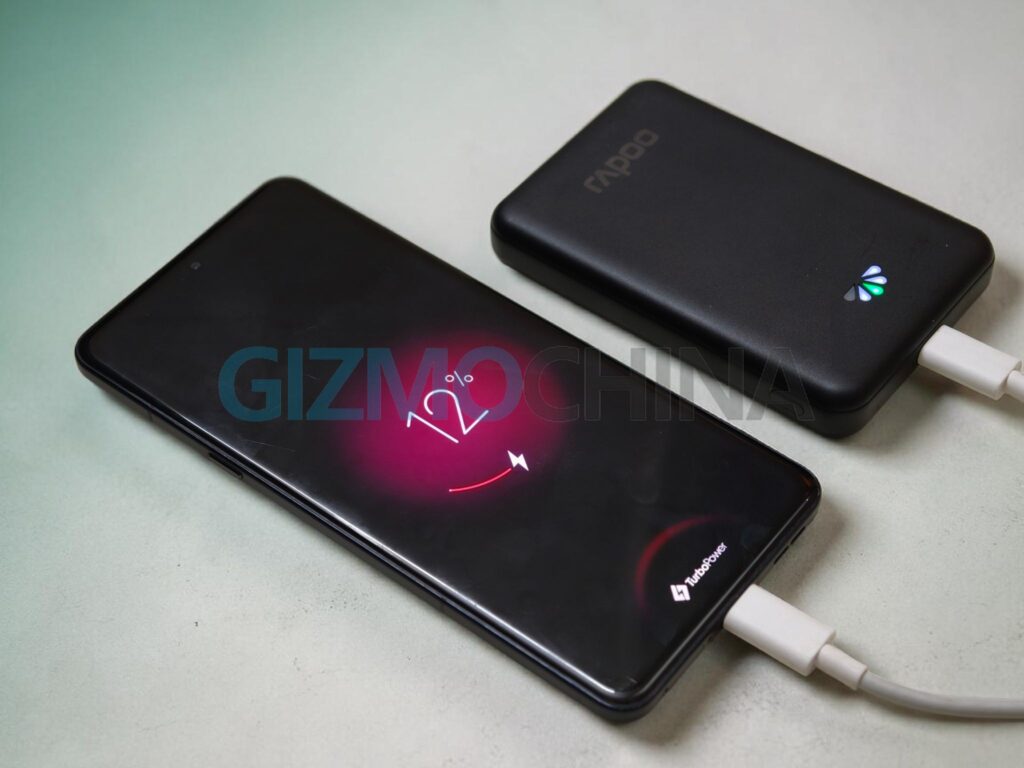
Where the P101 becomes more impressive is wired charging. The USB-C port supports up to 22W output with PD and PPS support.
Using wired charging on the iPhone 17, the battery went from 36 percent to 70 percent in 20 minutes, which felt significantly quicker than the wireless mode.
I also tested it with the Motorola Signature, which packs a 5,200mAh battery. Wireless charging performance there was slower, moving from 6 percent to 11 percent in around 20 minutes. However, once again, wired charging delivered much better results, taking the phone from 51 percent to 75 percent in the same 20-minute period.
Rapoo P101 Qi2 magnetic power bank
So while the wireless charging is convenient for casual top-ups, the wired mode is clearly the better option when you need faster charging in a short amount of time.
Useful features for daily use
Rapoo P101 Qi2 magnetic power bank
The P101 also includes useful additions like multiple charging protocol support including PD3.0, PPS, QC3.0, and Apple charging standards.
The P101 has LED indicators that make it easy to understand its charging status at a glance. During use, I noticed that the indicator glows green while charging devices through the wired connection, while a blue light appears during wireless charging
Rapoo has included several safety protections, too, including temperature control and short-circuit protection, which is reassuring for long-term use. The power bank can be charged via an 18W charger, and it takes nearly 3 hours to achieve a full charge.
Final thoughts
Rapoo P101 Qi2 magnetic power bank
For Rs 1,299, the Rapoo P101 feels like a solid value-focused magnetic power bank. The Qi2 support, reliable magnetic hold, and especially the fast wired charging performance make it practical for everyday use.
Wireless charging speeds are decent rather than exceptional, particularly on larger battery phones, but the convenience factor is strong. If you want a compact magnetic power bank that also doubles as a fast wired charger when needed, the P101 does a good job balancing both.
For more daily updates, please visit our News Section.

 Login
Login