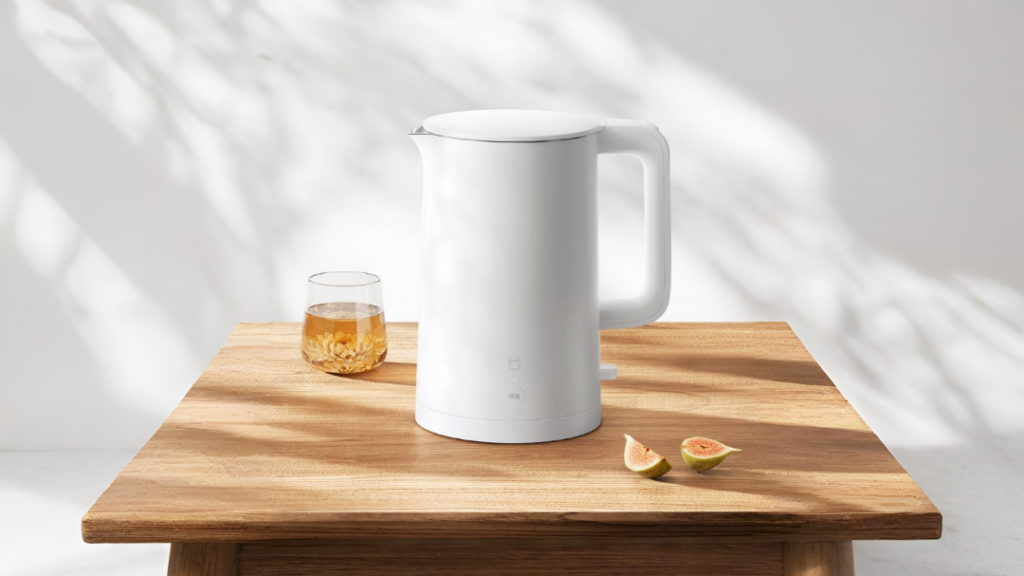
Xiaomi has introduced a new home appliance to its lineup in China: the Mijia Constant Temperature Electric Kettle Titanium Steel Edition. It is priced at 139 yuan (roughly $20) and is now available on the Youpin platform.
Mijia Electric Kettle Titanium Steel Specifications
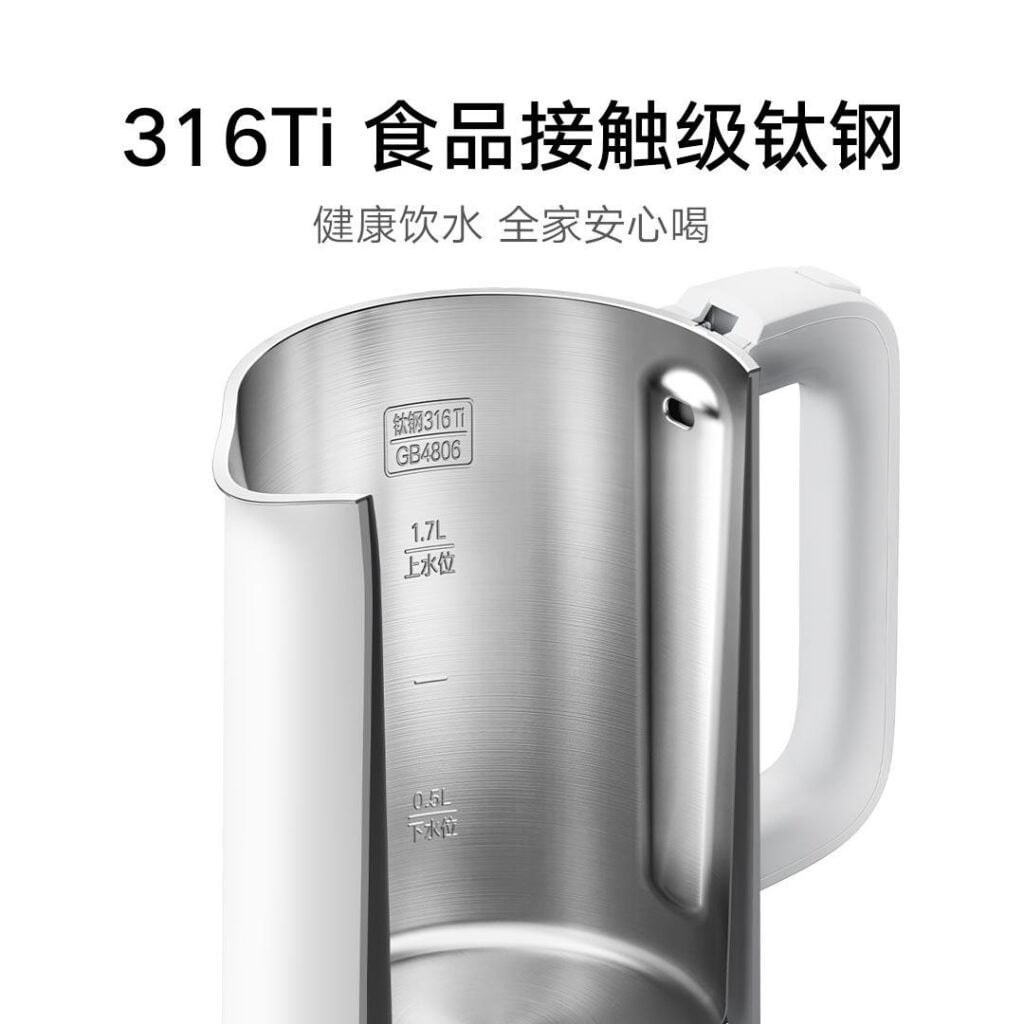
The primary update in this model is the interior construction. Instead of the standard 304 stainless steel found in most budget kettles, Xiaomi is using 316Ti food-contact-grade titanium steel.
The company says that this material provides better resistance to corrosion and acid-alkali wear over time. For everyday use, this means the kettle is less likely to degrade or impart a metallic taste to the water after months of regular boiling.
To make maintenance easier, the interior is a single, seamless piece of metal, which helps prevent hard water scale from building up in hard-to-reach crevices. The top opening is 13.5cm wide, providing enough room to comfortably fit a hand inside for cleaning.
In terms of capacity, the kettle holds 1.7 liters of water, which yields about eight standard cups per boil. It sits on a 1800W base designed for fast and even heating.
The most notable functional feature is the constant temperature mode. By pressing a button on the base, users can set the kettle to hold water at a steady 55°C (about 131°F). It uses a low-power PTC insulation system that can maintain this temperature for up to 24 hours. It is a practical addition for people who regularly drink tea or warm water throughout the day and want to avoid boiling a fresh pot every time.
Xiaomi has also included several standard safety features. The kettle has a dual-layer insulated exterior, so the outside remains safe to touch even when the water inside is boiling.
The lid uses a two-stage dampened opening mechanism, which opens slowly to prevent a sudden rush of hot steam. It also includes dry-boil prevention, automatic shut-off, and overheat protection, managed by a thermostat that has reportedly undergone 10,000 durability tests.
Xiaomi has released a new electric toothbrush in China, the Mijia Sonic Vibration Electric Toothbrush Pro. It has a suggested retail price of 549 yuan (roughly $80), with introductory pricing set at 505 yuan ($74). The toothbrush comes in dark blue, light gold, and light purple colors.
Mijia Sonic Vibration Electric Toothbrush Pro Specs
The toothbrush is built around what Xiaomi calls a dual-degree-of-freedom motor. The goal of this motor is to automatically replicate the Bass method, which is the brushing technique most dental professionals recommend for cleaning along the gumline.
To achieve this, the brush combines a 1mm horizontal vibration with a 30-degree vertical sweeping motion. The hardware is capable of 30,720 vertical sweeps and 600 horizontal vibrations per minute. It also features an automatic resistance adjustment system, meaning the toothbrush will dial back its power if you press too hard against your gums.
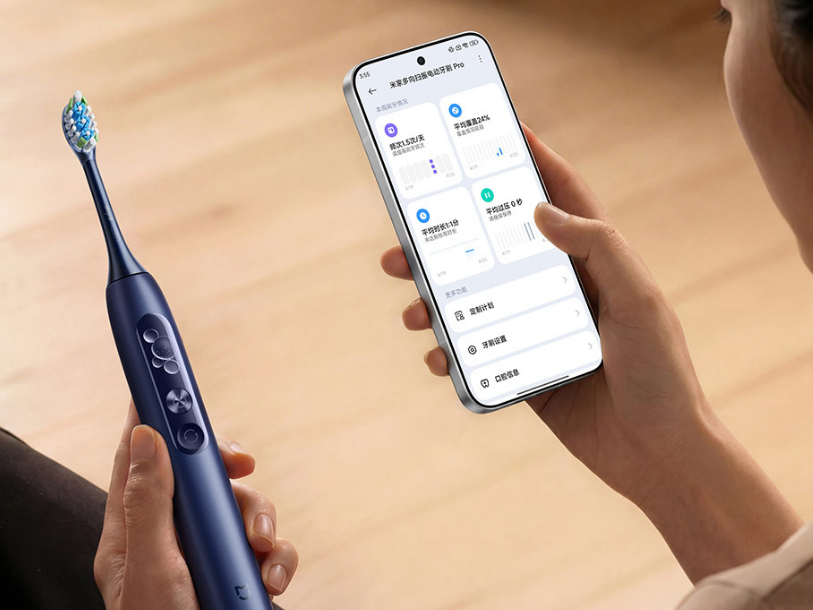
To track your brushing, the device relies on an internal six-axis sensor. The sensor identifies the position and angle of the brush head in your mouth, distinguishing between chewing surfaces, the inner arch, and the back molars. It then adjusts the vibration pattern based on where you are brushing.
All of this tracking data is sent to the color screen on the handle. While you brush, the display shows your duration, coverage area, and pressure warnings. When you turn it off, the screen generates a brief report that highlights any zones in your mouth that need more attention.
For deeper customization, the toothbrush connects to the Mijia app, where you can manually adjust the vibration intensity, sweeping range, and brushing time, or select specific routines for sensitive teeth.
Physically, the toothbrush has an anodized aluminum alloy body, which is a departure from the standard plastic used in most electric toothbrushes. It is IPX8 water-resistant and includes a soft rubber shock-absorbing structure to reduce the amount of vibration you feel in your hand. The brush head itself can flex up to 45 degrees to help reach the back of the mouth.
The device ships with three interchangeable brush heads: a standard cleaning head, a whitening head with polishing bristles, and a softer option for gum care. The bristles use fading technology to indicate when they need to be replaced, which is typically every three months.
In related news, Xiaomi has recently launched the Mijia Smart Dishwasher Pro, featuring a BLDC frequency conversion motor and a built-in detergent tank, alongside a new ultra-slim 10kg washer dryer with intelligent wash and drying modes.
For more daily updates, please visit our News Section.
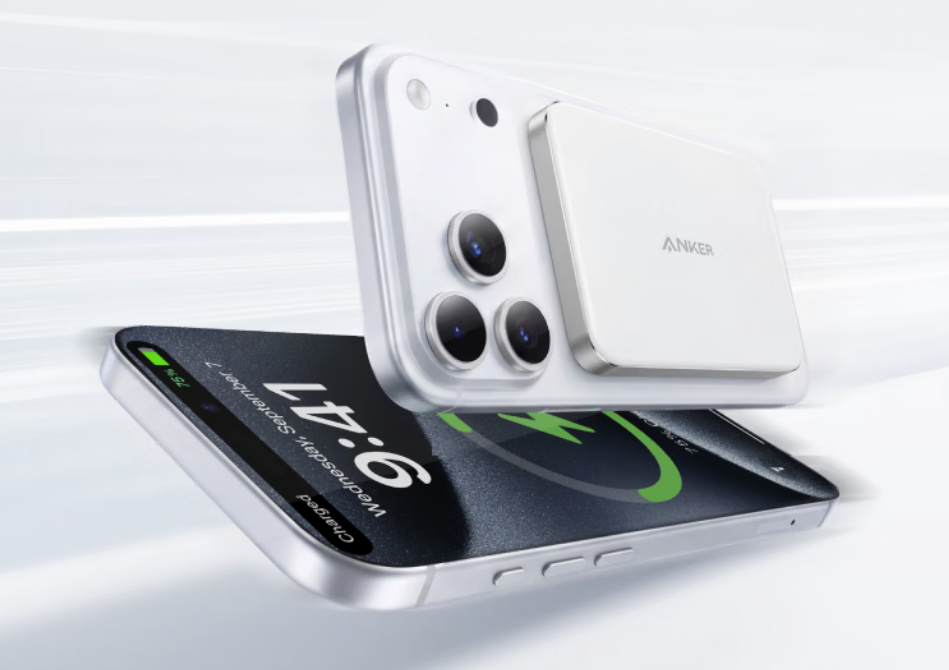
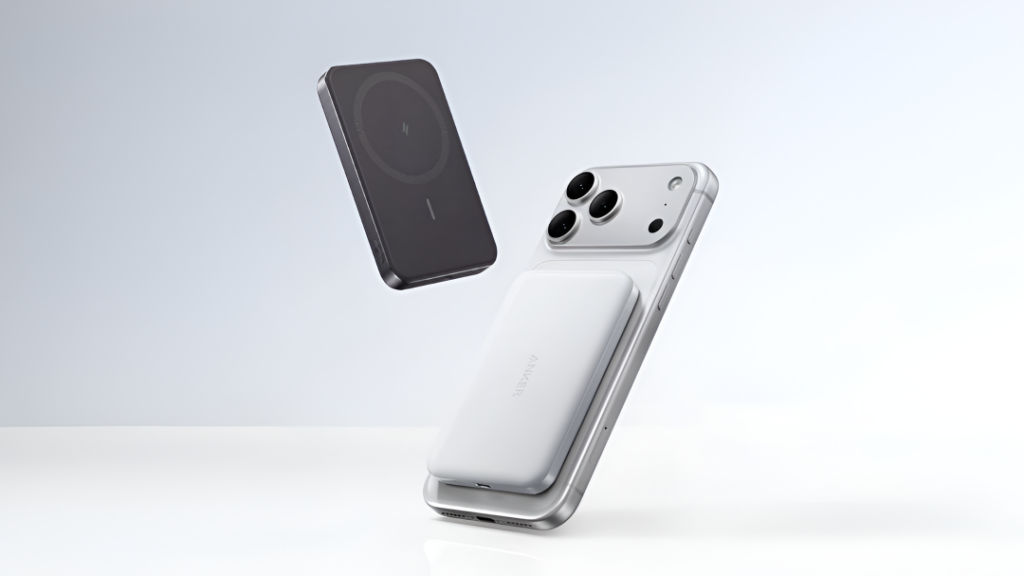
Magnetic battery packs are convenient, but the 10,000mAh models usually come with a clear downside: they add a lot of bulk to your phone. Anker is trying to address that with its new Air+ Ultra Slim Magnetic Power Bank (Nano), which recently went on presale in China for 399 yuan ($58).
Anker Air+ Ultra Slim Magnetic Power Bank Specs
The focus of this new battery pack is keeping the physical footprint down while maintaining a standard 10,000mAh (39.2Wh) capacity. It measures 1.47cm thick and weighs about 210 grams. While it’s not weightless, it is thinner than most standard magnetic power banks in this capacity range.
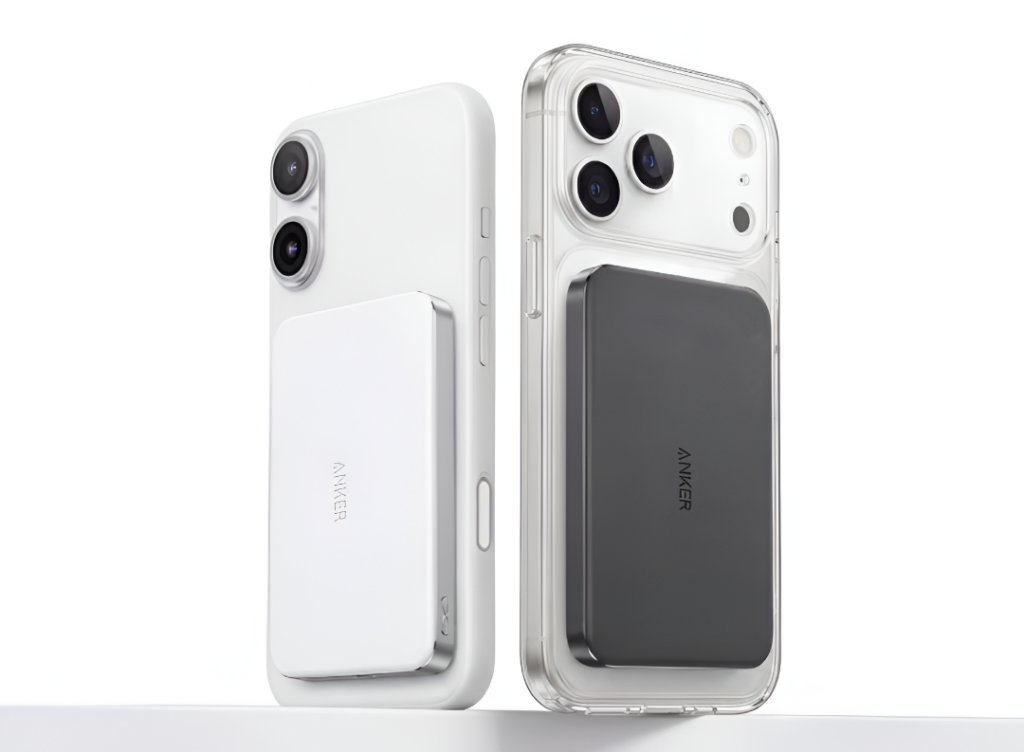
Anker designed the dimensions so it fits properly on the back of supported iPhones, meaning it shouldn’t block the camera bump or stick out past the bottom edge of the device. It attaches using 17 built-in rubidium magnets, which provide a 12.8N magnetic force. It will also work through magnetic phone cases, provided they are under 1mm thick.
For charging, the specs are solid and practical. If you use it wirelessly, it outputs up to 15W for compatible iPhones. According to Anker, that will get an iPhone 17 Pro to about 40% in 30 minutes.
If you need to charge faster, there is a USB-C port that supports up to 30W for both charging your phone and recharging the battery pack itself. Using a cable, an iPhone 17 Pro can reach 50% in around 22 minutes.
The power bank uses ATL battery cells, which is the same supplier Apple uses for its devices. To keep things from getting too warm during use, the internal structure includes high-polymer graphene materials and a dedicated temperature control chip. Interestingly, you can also connect the power bank to Anker’s companion app to monitor the battery’s health and check its real-time temperature.
On the safety side, the device meets China’s 2026 safety standards, passing tests for puncture resistance, compression, and heat exposure. It has a soft-touch finish with metallic accents and comes in four colors: Black, White, Blue, and Orange.
In related news, Ugreen has introduced a new 45W 10,000mAh power bank with a built-in PD3.0 USB-C cable, while OnePlus recently launched a 15,000mAh 120W power bank featuring enhanced battery safety technology.
For more daily updates, please visit our News Section.
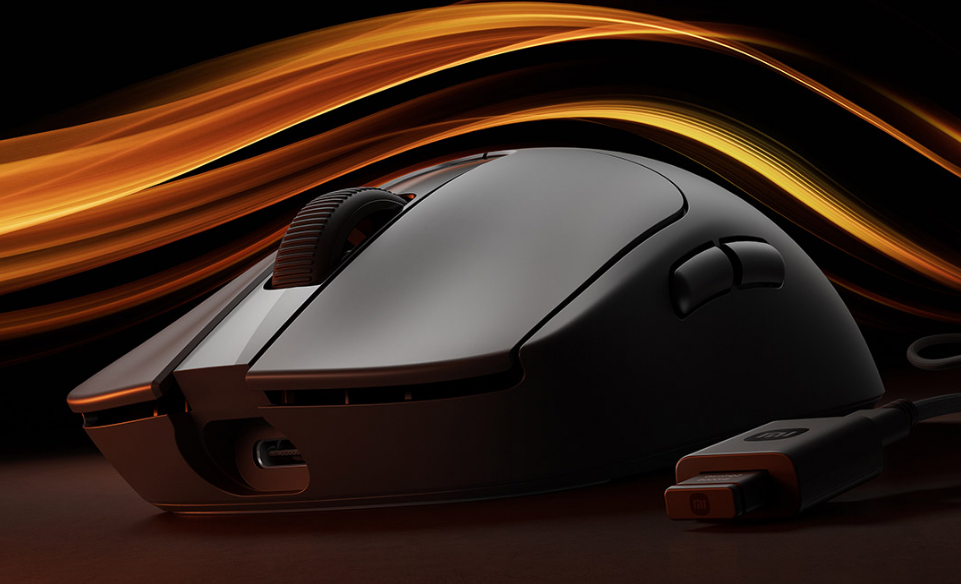
Following a brief teaser campaign, Xiaomi has officially unveiled the Gaming Mouse 2 on its Youpin platform. It is a lightweight, spec-heavy wireless mouse aimed directly at the competitive gaming market, and it arrives with a retail price of 399 yuan ($58) and an introductory price of 349 yuan ($51). The mouse will officially go on crowdfunding sale on May 11.
Xiaomi Gaming Mouse 2 Specifications
The trend of ultra-lightweight gaming peripherals is well-established at this point, and Xiaomi is leaning into it. The Gaming Mouse 2 weighs in at just 58 grams. According to the company, the ergonomic shell was designed using grip data from competitive players to accommodate claw, fingertip, and palm grip styles. To keep the weight down without compromising build quality, the internal structure relies on a lightweight umbrella skeleton frame, which helps maintain a balanced 1:1 front-to-rear weight distribution.
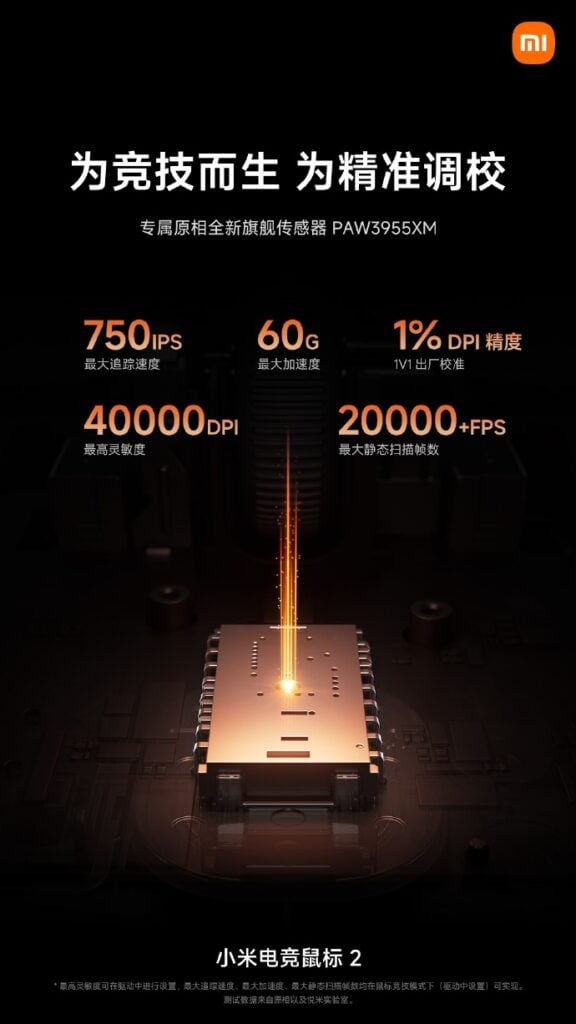
Under the hood, Xiaomi is utilizing a custom PixArt PAW3955XM sensor. The specifications are exactly what you would expect from a modern high-end mouse: up to 40,000 DPI, 750 IPS tracking speed, and 60G acceleration. Xiaomi has also included a dedicated esports mode that pushes the static scan rate over 20,000 FPS.
For players who want granular control, the mouse supports one-step DPI adjustments and comes factory-calibrated with a DPI error rate of less than one percent. It also features Motion Sync for consistent cursor tracking, five levels of lift-off distance adjustment, a 1-degree angle snapping system, and the ability to track on glass surfaces thicker than 4mm.
The mouse runs on a Telink TL3228 dual-core controller. This hardware allows it to support an 8000Hz polling rate in both wired and 2.4GHz wireless modes. To help with wireless stability at that speed, the mouse sends duplicate data packets across two channels every 125 microseconds.
For the buttons, Xiaomi went with TTC optical switches for the main left and right clicks, along with a TTC gold wheel encoder for the scroll wheel, which is rated for two million cycles.
You can connect the mouse via a braided USB-C cable, 2.4GHz wireless, or Bluetooth 6.1. It has a 530mAh battery that Xiaomi says lasts up to 160 hours in 2.4GHz mode, though that estimate requires lowering the polling rate to a standard 1000Hz. You can adjust settings like DPI, polling rate, and sensor tuning through a web-based tool or local software, and save them directly to the mouse’s onboard memory.
For more daily updates, please visit our News Section.
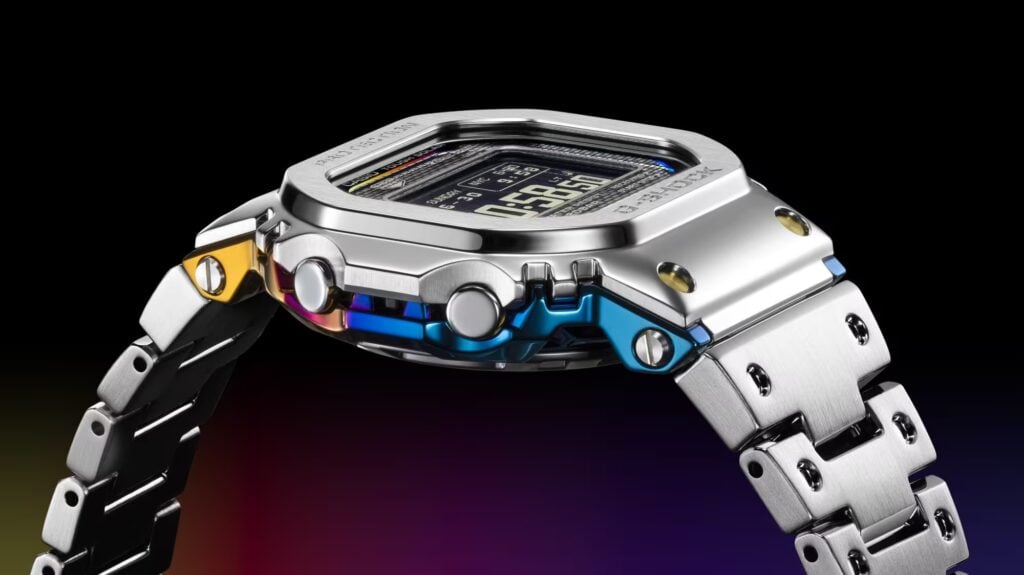
Casio has officially released the GMW-BZ5000RC-1 in the United States. It is the newest addition to the company’s 5000 series of full-metal watches. The model originally launched in Japan in April 2026, followed by a gradual rollout in the UK and select European markets. It is now listed on Casio’s US website and available to purchase for $880.
Design Details
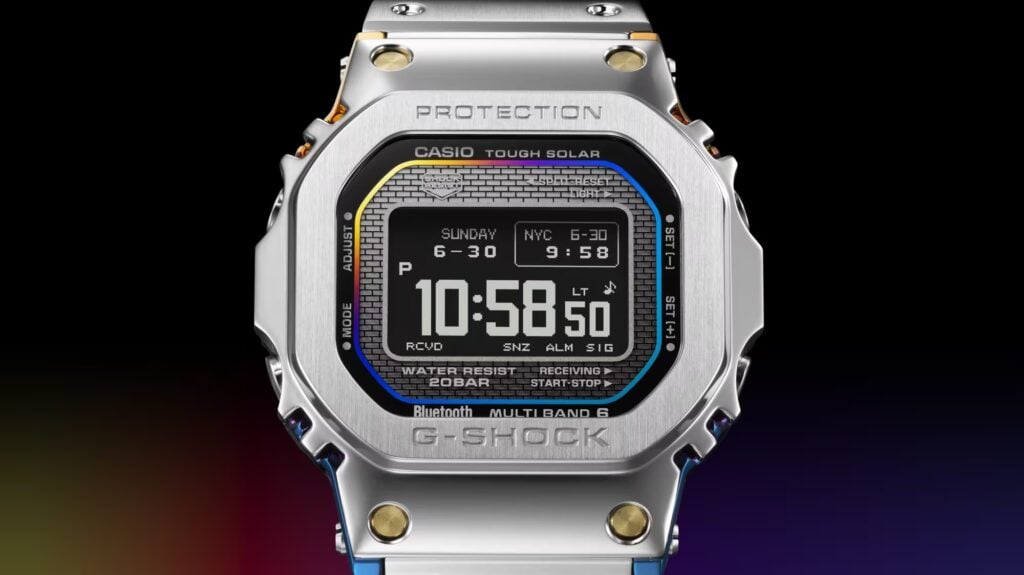
The main draw of this specific model is the design of the case. Casio has tweaked the construction of the 5000 series here, connecting the bezel and the center case at the top and bottom to leave the middle section exposed. That exposed center case is treated with a gradient rainbow ion-plated finish. Because of how the plating process works, the color distribution is slightly different on every unit. It also features gold-colored screws and a glass face treated with a matching rainbow vapor deposition.
Underneath the metal, it still relies on a resin bumper system to absorb impacts. Interestingly, Casio says that it used AI to help design the watch’s structure, feeding decades of drop-test data into a model to optimize the 3D shapes of the interlocking metal components.
Beyond the metal casing, the most practical upgrade is the display. Instead of the traditional LCD found on standard G-Shocks, the GMW-BZ5000RC-1 uses a Memory in Pixel (MIP) screen. MIP displays are noticeably easier to read in direct sunlight and offer much higher contrast. Because it’s a higher-resolution panel, Casio included a feature in its companion mobile app that lets you switch the display font. You can use a standard modern digital font, or swap it to a Classic mode that digitally recreates the blocky, 7-segment look.
The rest of the spec sheet is standard for Casio’s higher-end digital watches. It includes Bluetooth for automatic time syncing with your phone, Multiband 6 radio control as a fallback for time calibration, and solar charging. With the power-saving mode turned on, the watch can theoretically last up to 22 months in complete darkness. It also maintains the standard 200 meters of water resistance.
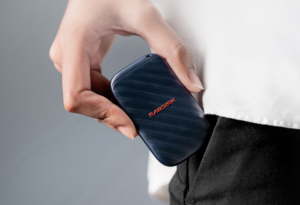
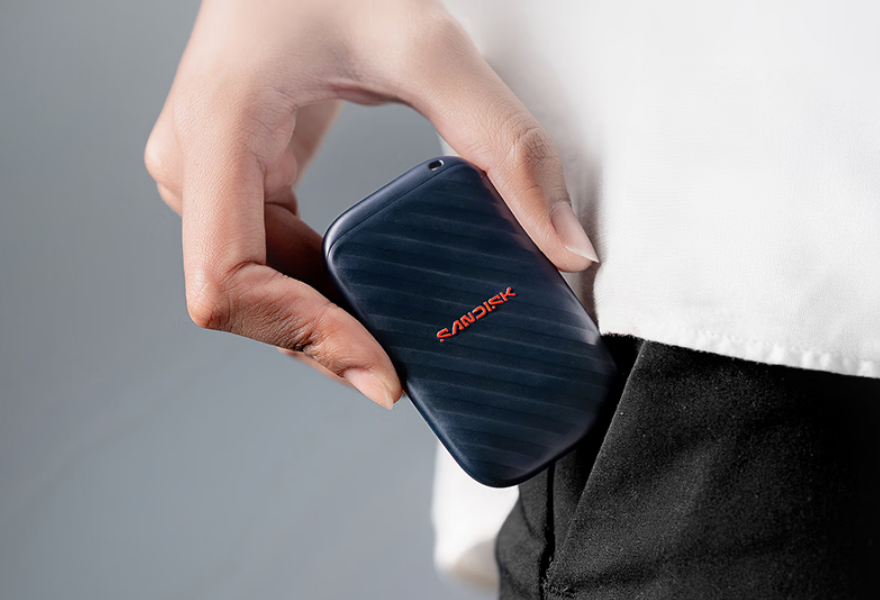
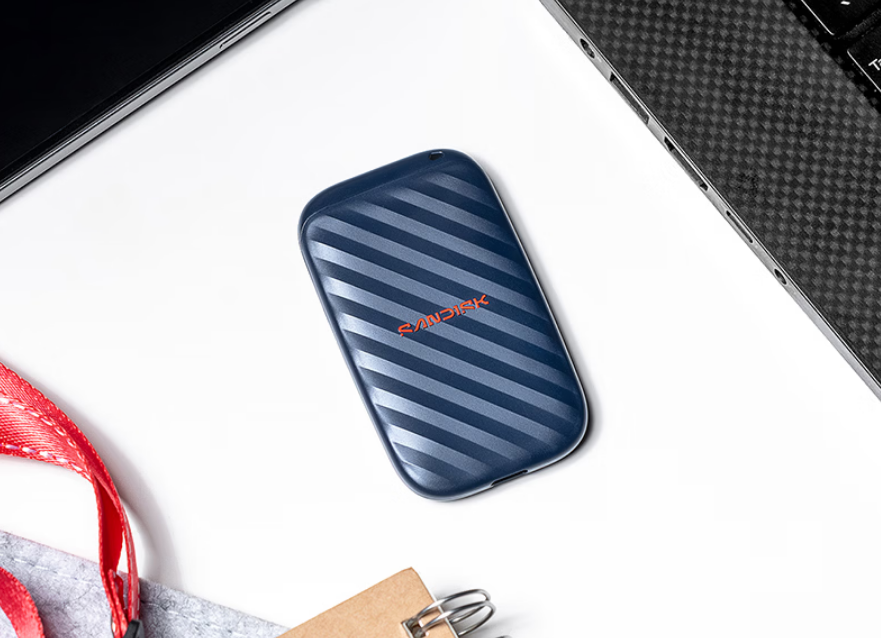
SanDisk has introduced a new portable storage drive in China, the ELE series 1TB portable SSD (upgraded model), which is currently available for an introductory price of 869 yuan (128). It is a straightforward storage device aimed at people who need to keep large files, like video projects or high-resolution photos, on hand without taking up much physical space.
SanDisk ELE 1TB Specifications
The SSD measures 75mm long, 45mm wide, and about 10mm thick, and it weighs just 31.7 grams. Because it is small and lightweight, it fits easily into a pocket, a camera pouch, or a laptop bag. SanDisk says that the drive is tested to survive drops from up to two meters, providing standard physical protection for everyday handling and travel.
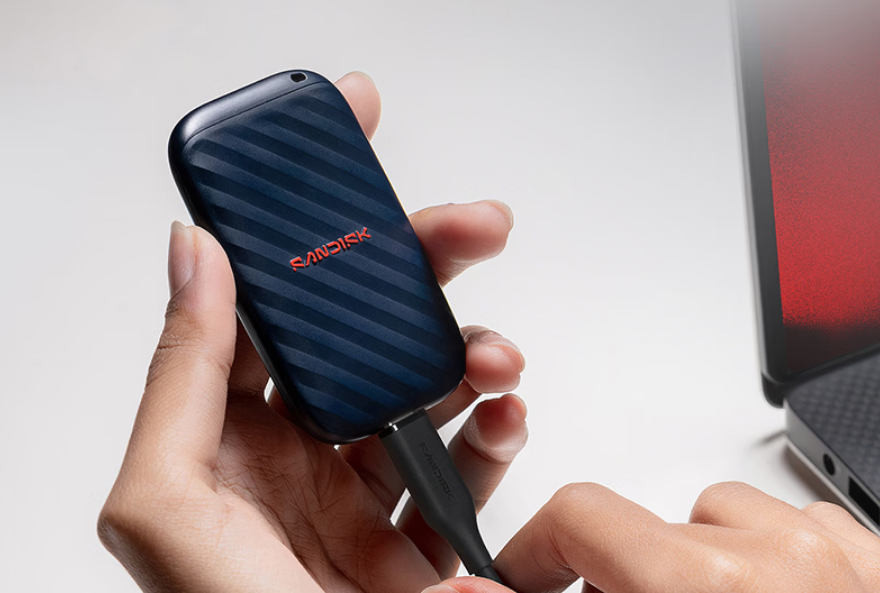
The drive connects via a USB-C port using the USB 3.2 Gen 2 interface, which supports a theoretical maximum bandwidth of 10Gbps. In terms of actual performance, SanDisk says the SSD can reach read speeds of up to 600MB/s.
This speed is sufficient for standard tasks like transferring documents, moving media files, or running routine backups. It is noticeably faster than older mechanical hard drives, though it sits well below the 1,000MB/s or 2,000MB/s speeds offered by more expensive, higher-end portable SSDs currently on the market.
SanDisk has not released the exact write speeds for the ELE, noting only that they are slightly lower than the read speeds. This is a common practice for entry-level and mid-range storage devices, but it is something to keep in mind if your workflow involves writing very large batches of files to the drive on a regular basis, as the transfer might take a bit longer than the advertised read speed suggests.
For compatibility, the SSD is a plug-and-play device. It works out of the box with most hardware that has a USB-C port, including Windows PCs, Macs, tablets, and Android smartphones, without needing extra software. It operates safely in temperatures between 0°C and 45°C and includes a three-year limited warranty.
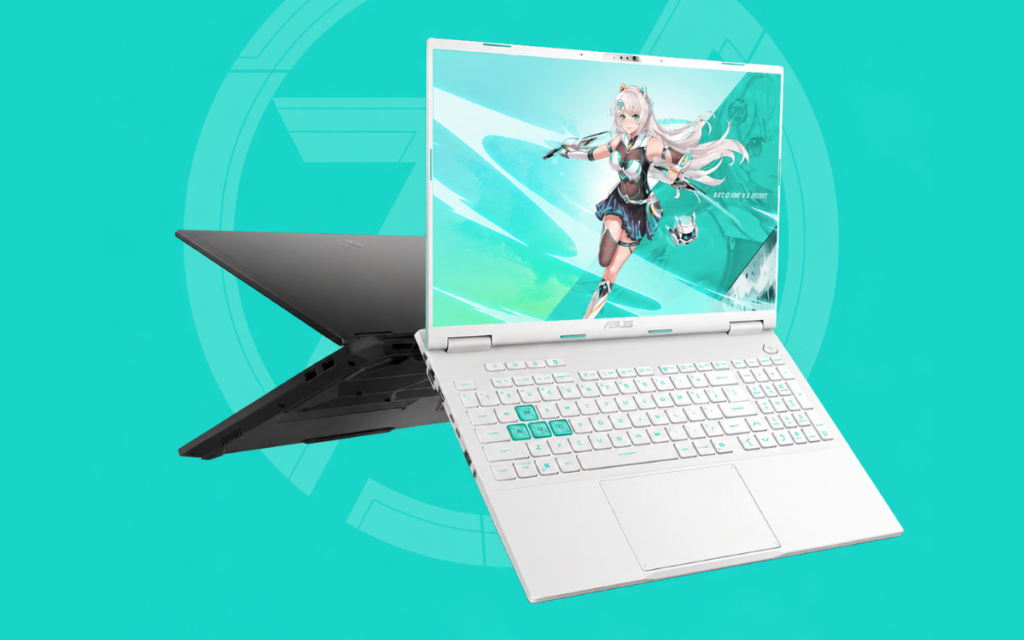
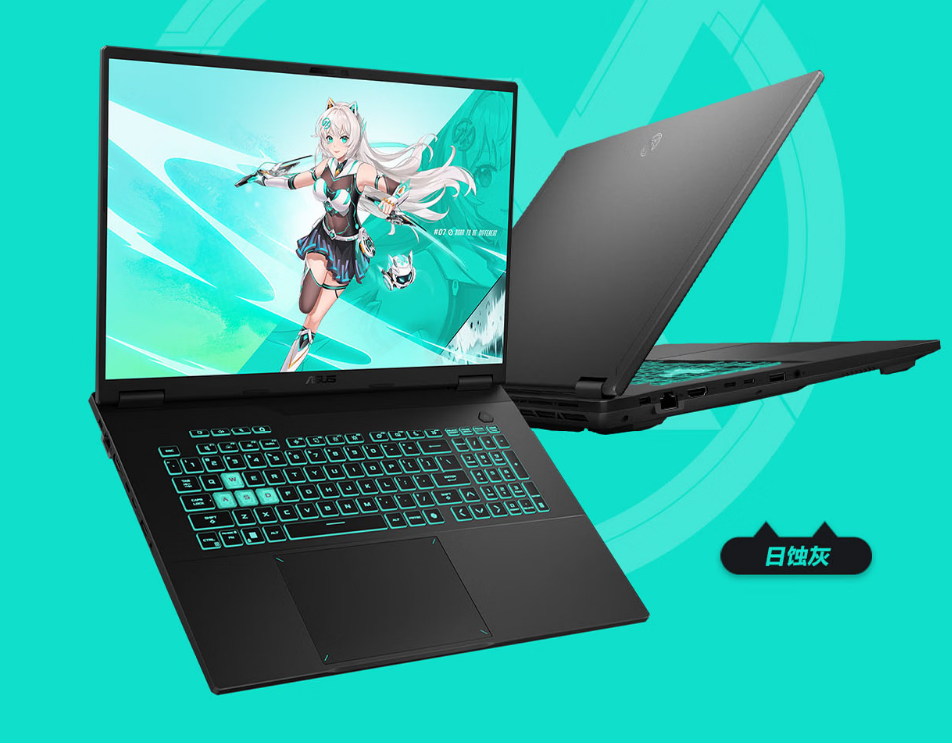
Asus is releasing a new gaming laptop in China, the Tianxuan 7 Pro (Intel Edition), alongside the Tianxuan 7 Pro Max. Pre-orders start on May 8, when the company also plans to announce pricing. It is a 16-inch laptop that runs on Intel‘s new Core Ultra 200HX processors and Nvidia’s RTX 50-series graphics cards.
Asus Tianxuan 7 Pro Specifications
Asus is offering a few different configurations for this model. You can pair the Core Ultra 7 251HX with an RTX 5060, 16GB of RAM, and either 512GB or 1TB of storage. If you opt for the Core Ultra 9 290HX Plus, you can choose between the RTX 5060 and the RTX 5070, with RAM options of 16GB or 32GB.
The Core Ultra 9 processor features a hybrid architecture with 18 cores and 18 threads, reaching clock speeds of 5.1GHz. It also includes an NPU to handle background AI tasks. On the graphics side, both the RTX 5060 and 5070 options come with 8GB of GDDR7 memory and run at up to 115W. They support DLSS 4.5, which helps maintain frame rates in more demanding games.
The screen is a 16-inch, 2560 x 1600 panel with a 16:10 aspect ratio. It has a 300Hz refresh rate, a 3ms response time, and reaches 500 nits of brightness. It covers the DCI-P3 color space and includes an anti-glare coating and G-Sync to help prevent screen tearing.
To manage heat, the laptop uses a dual-fan cooling system with rear exhausts. The system can handle up to 180W of total platform power, allowing the CPU to draw up to 90W and the GPU up to 115W under load. The laptop weighs 2.25kg and is 17.9mm thick.
Inside, there are two M.2 slots for storage upgrades and two RAM slots. It runs on a 90Wh battery and supports 100W charging over USB-C. The port selection includes one Thunderbolt 4, one standard 10Gbps USB-C, three USB-A ports, HDMI 2.1, an Ethernet jack, and a headphone jack. It also features a 1080p webcam with an IR sensor for Windows Hello facial recognition.
For more daily updates, please visit our News Section.
Asus is releasing a new 18-inch gaming laptop in China called the Tianxuan 7 Pro Max. Scheduled to go on sale starting May 8th, the laptop is a large, desktop-replacement style machine that pairs AMD’s current high-end processors with Nvidia’s new RTX 50-series graphics cards.
Asus Tianxuan 7 Pro Max Specifications
Inside, the laptop runs on the AMD Ryzen 9 9955HX processor, a 16-core, 32-thread chip designed for heavy workloads and gaming. For graphics, buyers have a few configuration options: an RTX 5060, an RTX 5070, or the higher-tier RTX 5070 Ti. To manage the heat generated by these components, Asus is using a dual-fan cooling system with 0.1mm fan blades. Under heavy load, the laptop is rated to handle a total system power draw of up to 205W.
The screen is an 18-inch display with a 2560 x 1600 resolution. It features a 300Hz refresh rate and a 3ms response time. The panel covers 100% of the DCI-P3 color space, reaches 500 nits of brightness, and includes Nvidia G-Sync to prevent screen tearing. Asus also applied an anti-glare coating to help with visibility in bright rooms.
For memory and storage, the base models start with 16GB of RAM, while higher configurations offer 32GB of dual-channel DDR5-5600 memory. All models come with a 1TB PCIe 4.0 NVMe SSD. The motherboard includes dual memory slots and dual M.2 slots, meaning users can open the laptop and upgrade both the RAM and storage themselves later on.
Given the 18-inch screen, the Tianxuan 7 Pro Max is a heavy device. It weighs roughly 2.8kg and measures 1.89cm thick. It features an asymmetrical, mechanical-themed chassis design and a 180-degree hinge.
The system is powered by a 90Wh battery that supports fast charging, reaching about a 50% charge in 30 minutes. It also supports 100W USB-C charging.
The port selection covers most standard peripherals. The left side includes an Ethernet jack, an HDMI 2.1 port, two 10Gbps USB-C ports (which support DisplayPort 2.1), one 10Gbps USB-A port, and a 3.5mm audio jack. The right side adds two more USB-A ports.
Rounding out the hardware is an RGB keyboard with 1.7mm of key travel, a 1080p webcam with IR for Windows Hello facial recognition, and Dolby Atmos audio support.
In related news, Dell has recently launched the XPS 14 and XPS 16 in India, featuring 4K HDR webcams, Intel Core Ultra X7 processors, and 100W charging support.
For more daily updates, please visit our News Section.
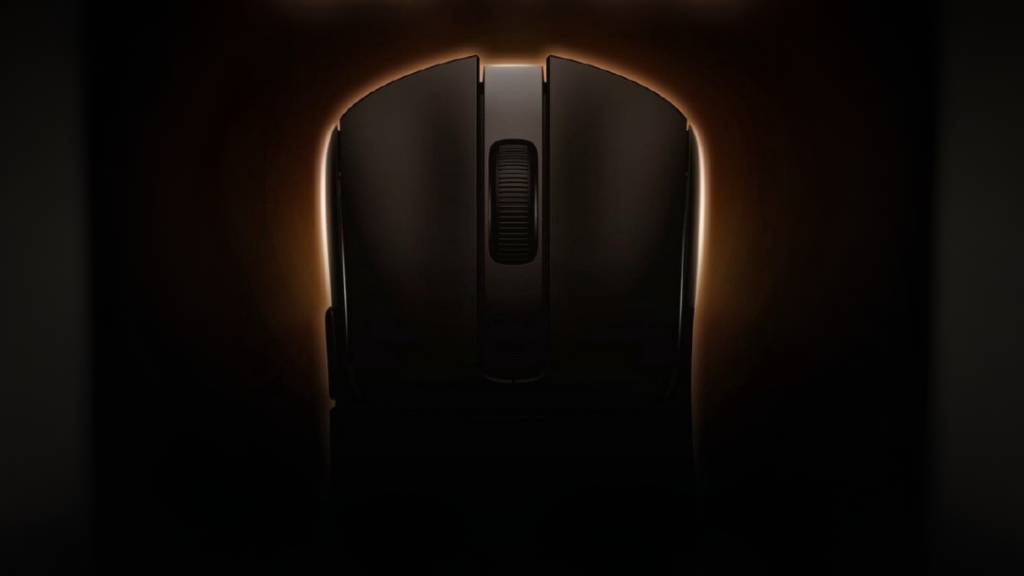
Xiaomi has released more details about its upcoming Gaming Mouse 2. Last week, the company teased the new PC peripheral, and a recent post on Weibo finally outlines the core specifications. The main takeaway is that Xiaomi is using a custom PixArt sensor, which suggests the company is trying to make a more serious entry into the PC gaming accessory market rather than just releasing a basic budget option.
The mouse is built around a custom PixArt PAW3955XM sensor. PixArt makes the sensors for most major gaming mice, and this particular version comes with some high specifications. It supports a maximum sensitivity of 40,000 DPI. While nobody actually plays games at 40,000 DPI, a high maximum sensitivity usually means the sensor will track accurately and consistently at the lower settings most people actually use.
Along with the high DPI, the mouse has a maximum tracking speed of 750 IPS (inches per second) and up to 60G of acceleration. In everyday use, this just means the mouse can keep up with fast physical movements.
Xiaomi also noted a maximum static frame rate of over 20,000 FPS and a 1 percent DPI precision rate, which includes a 1-to-1 factory calibration. According to the company, this setup is intended to prevent cursor drift and frame drops during both small micro-adjustments and larger movements.
Looking at the promotional images, the design is fairly standard. It has a symmetrical shape, but it includes two side buttons on the left edge, making it best suited for right-handed users. Xiaomi is marketing it as an esports mouse, pointing to the sensor, internal controller, and factory tuning as proof of its competitive focus.
Of course, a spec sheet doesn’t tell the whole story. The shape, weight, and overall feel are usually what make or break a gaming mouse. Xiaomi hasn’t shared the weight, battery life, wireless polling rate, or price yet. The company usually prices its devices lower than traditional gaming competitors like Logitech or Razer, but we won’t know how it actually compares until it officially launches.
For more daily updates, please visit our News Section.
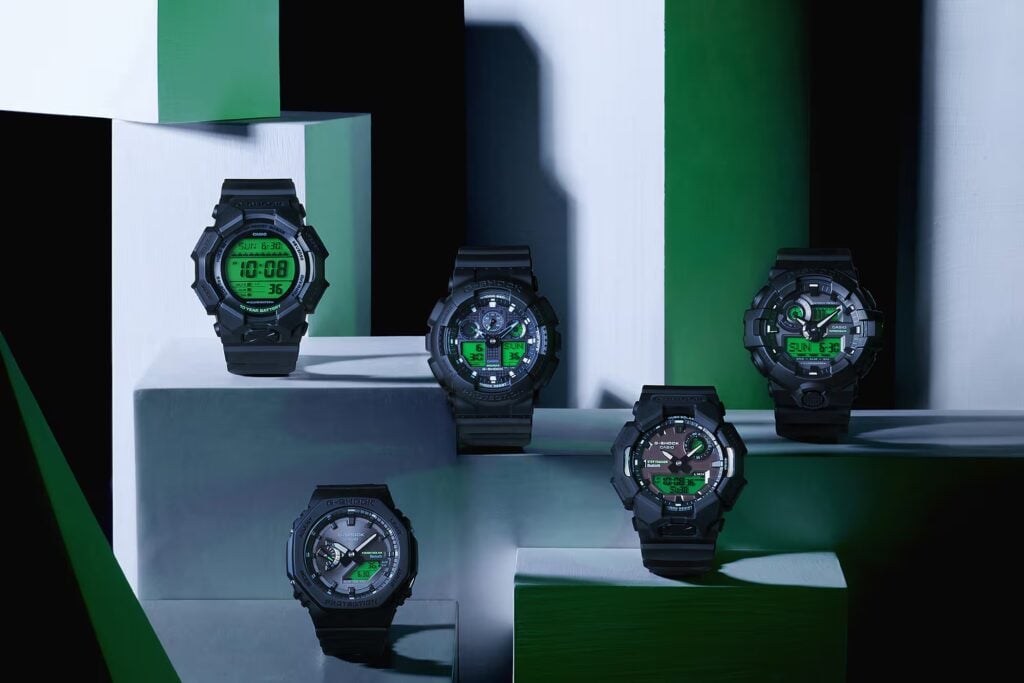
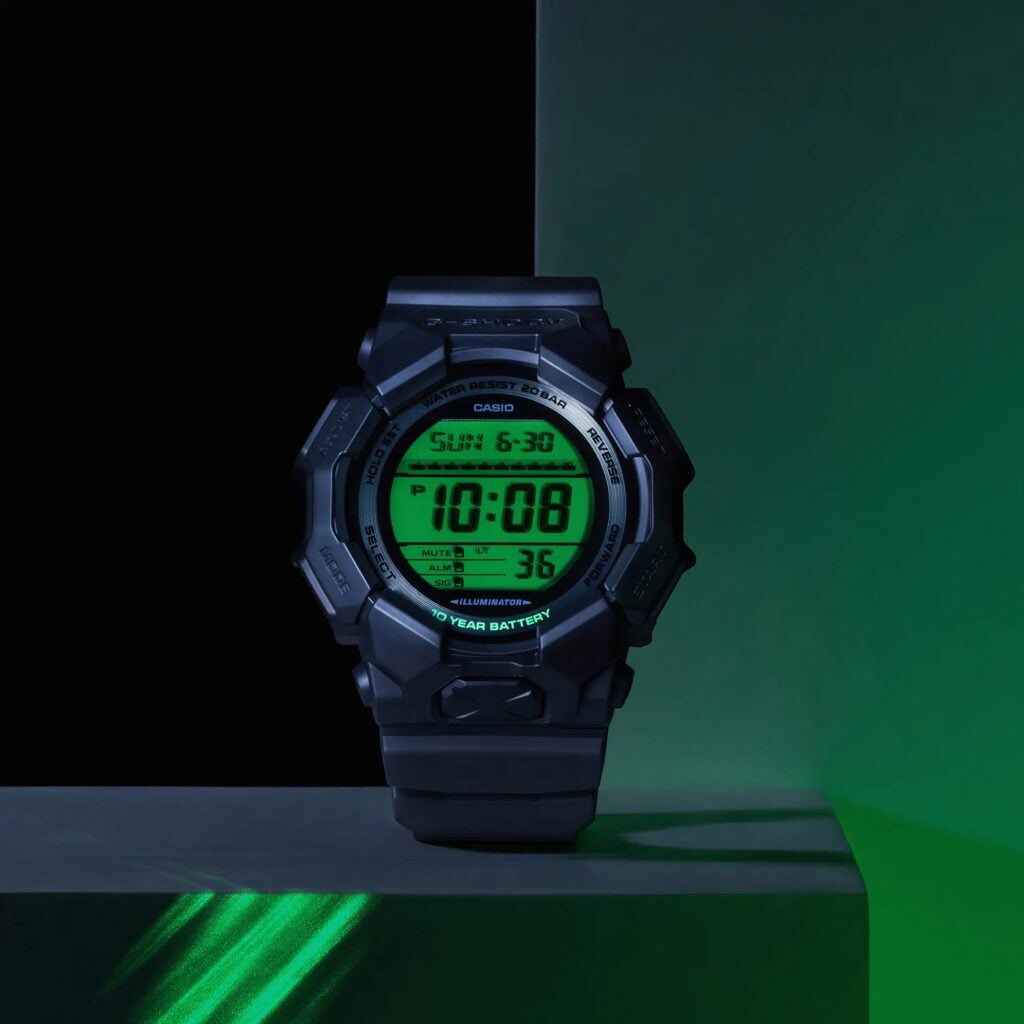
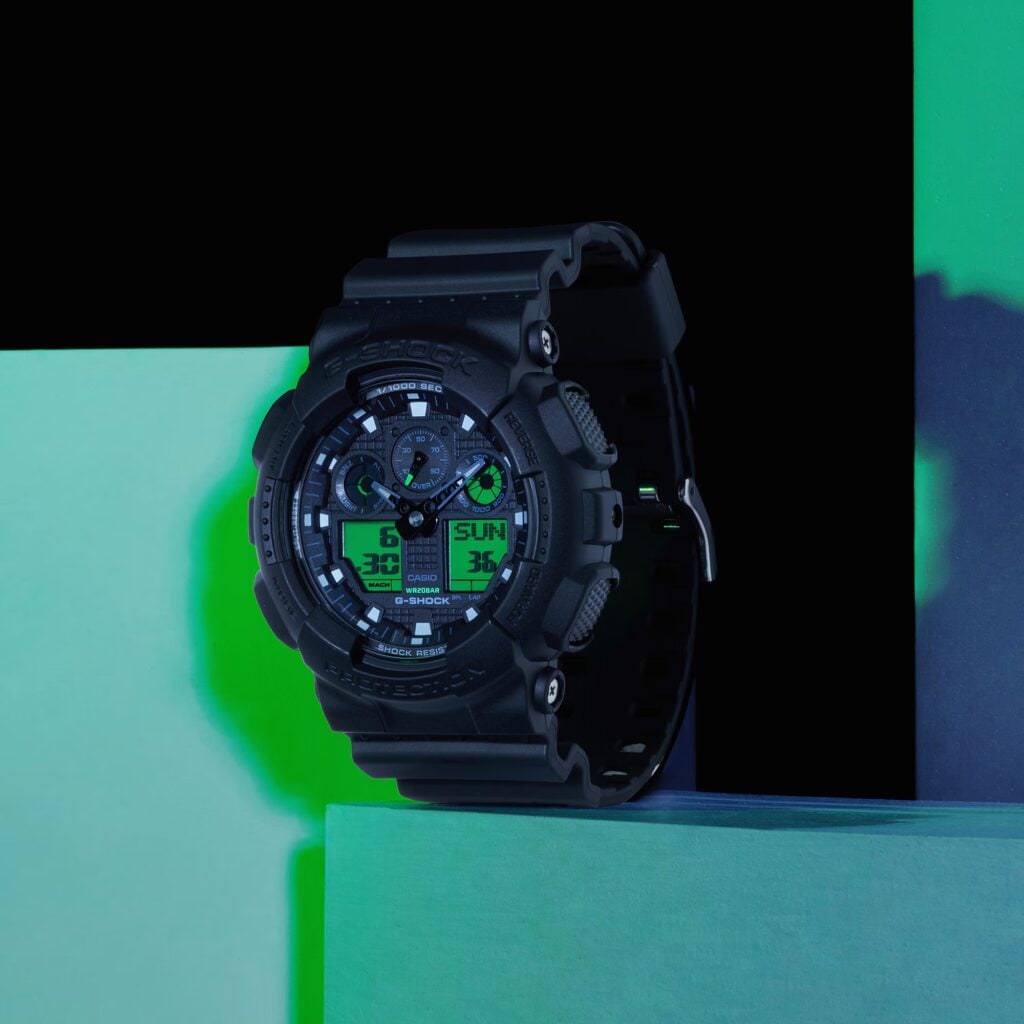
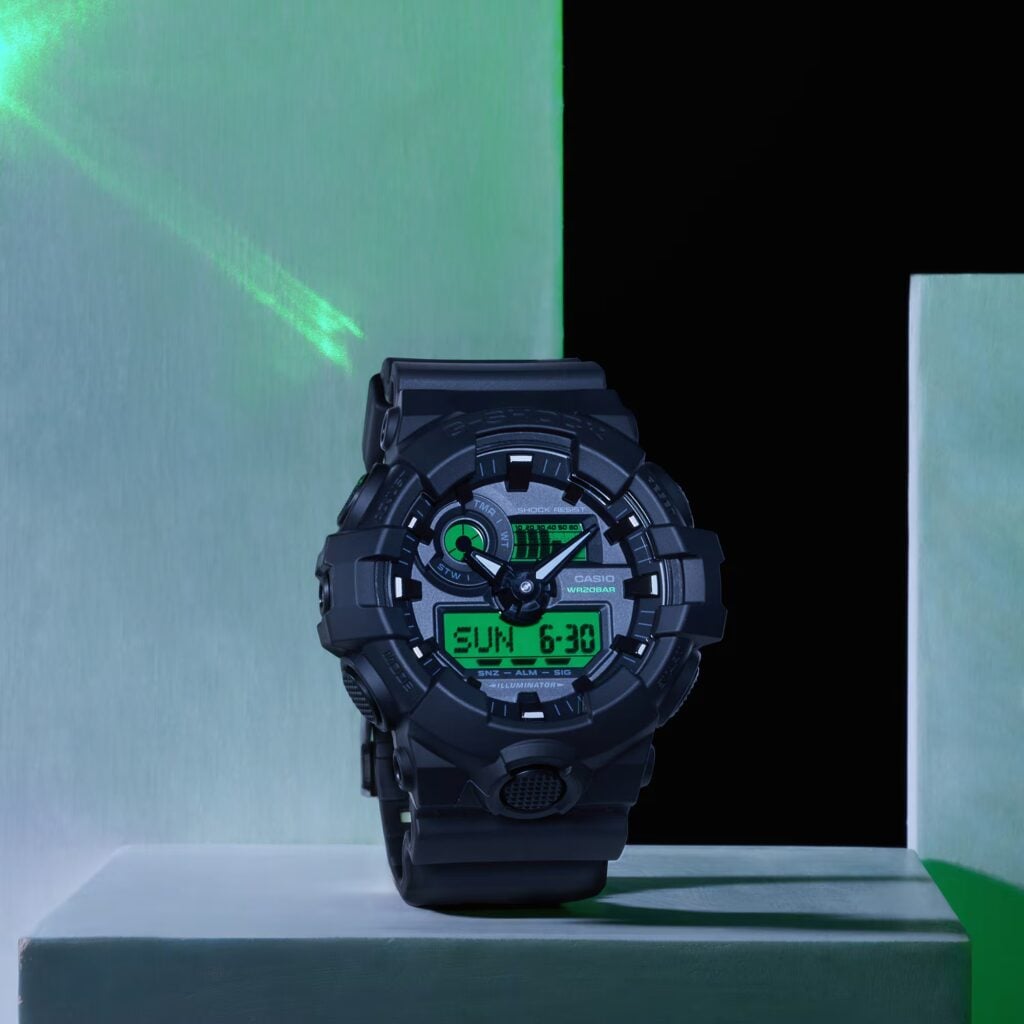
Casio has brought its new Electro Green G-Shock collection to the US. First announced in Japan earlier this April, the lineup takes five of the company’s existing watch models and updates them with a new color scheme. The design is straightforward: a standard matte black case and band, paired with neon green text and a green-tinted LCD panel.
Specs and Pricing
The collection ranges from $110 to $180, split between standard battery-powered models and slightly more expensive versions equipped with Bluetooth and solar charging.
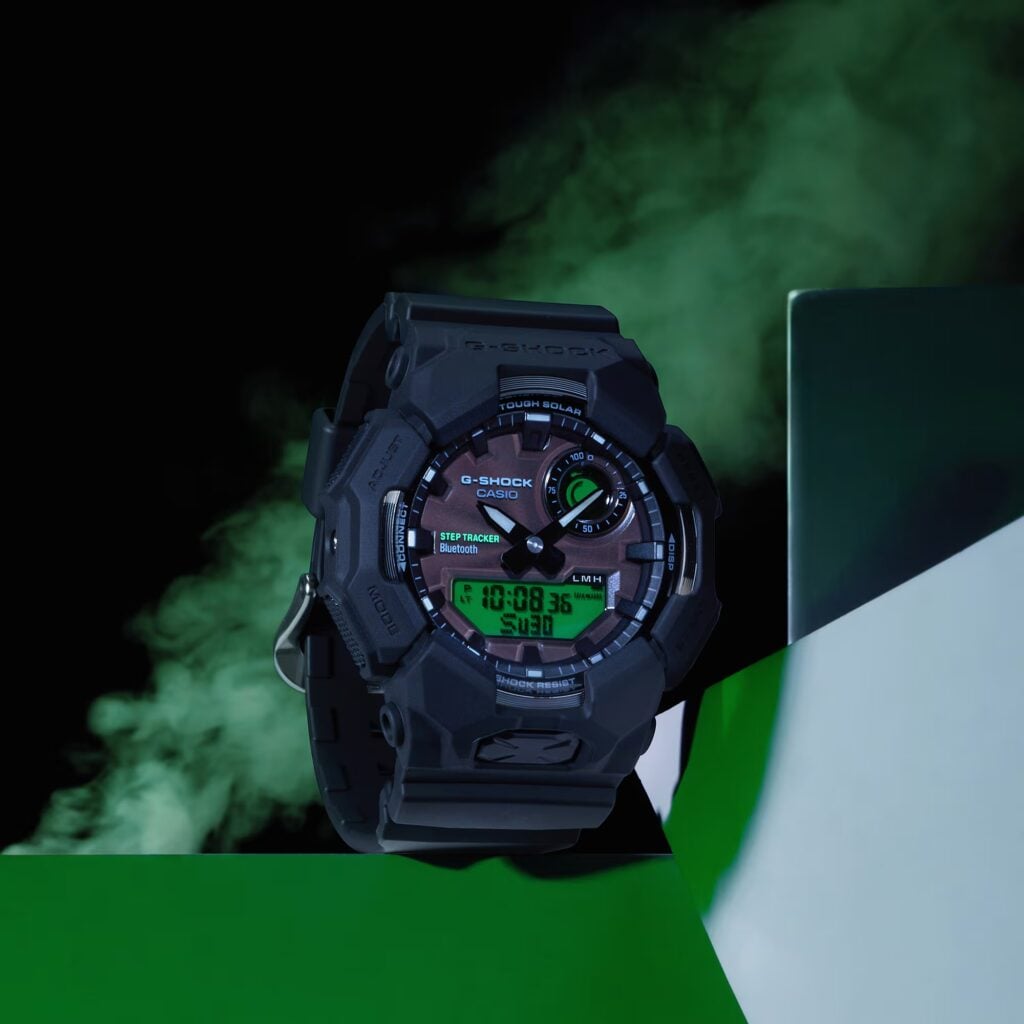
At the top of the price list is the $180 GA-B010BEG-1A. Along with the standard shock and water resistance, it includes Casio’s Tough Solar charging system and Bluetooth connectivity. You can link it to the Casio smartphone app to automatically sync the time, ping your phone if you lose it, and adjust the watch’s alarms. It also features a built-in step tracker.
GAB010BEG-1AGAB2100BEG-1A
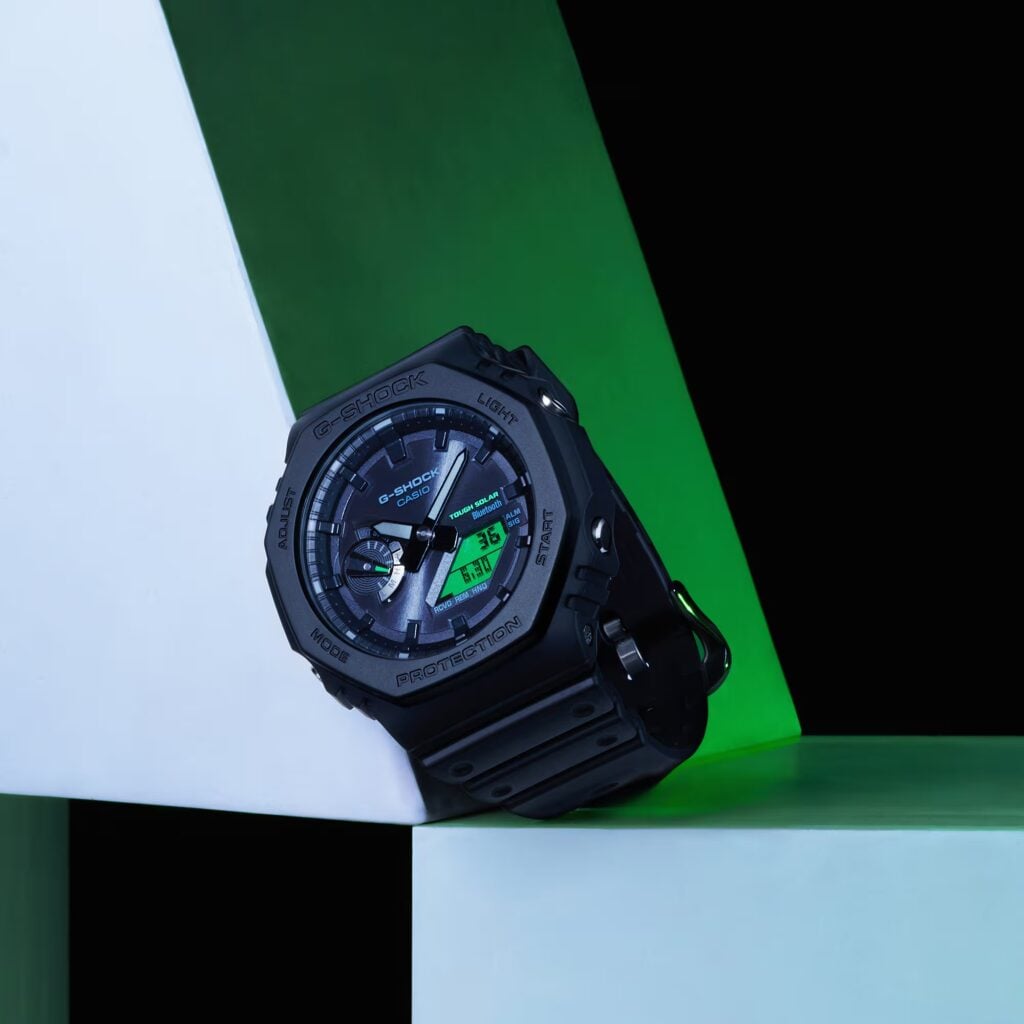
The $165 GA-B2100BEG-1A shares the solar charging and Bluetooth features but skips the step tracker, opting instead for the familiar octagonal case design often referred to as the CasiOak. Both of these connected models are built using Casio’s bio-based carbon and resin materials.
For those who just want a traditional watch without app connectivity, there are three other options. The $110 GD-010BEG-1 is the only fully digital watch in the group. It also uses bio-based resin and runs on a standard CR2025 battery that Casio estimates will last about 10 years.
GD-010BEG-1GA-100BEG-1AGA-700BEG-1A
The remaining two models are analog-digital hybrids made from standard resin. The GA-100BEG-1A costs $120 and includes a magnetic-resistant case along with a speed indicator dial, running on a two-year battery. The GA-700BEG-1A is priced at $110, features a five-year battery, and has a large front-facing button to activate the LED backlight.
As expected from the G-Shock line, all five watches share a baseline set of features. They are shock-resistant, water-resistant up to 200 meters, and include basic functions like stopwatches, countdown timers, world time, and daily alarms.
The Electro Green series is available now through Casio’s website and US retailers.
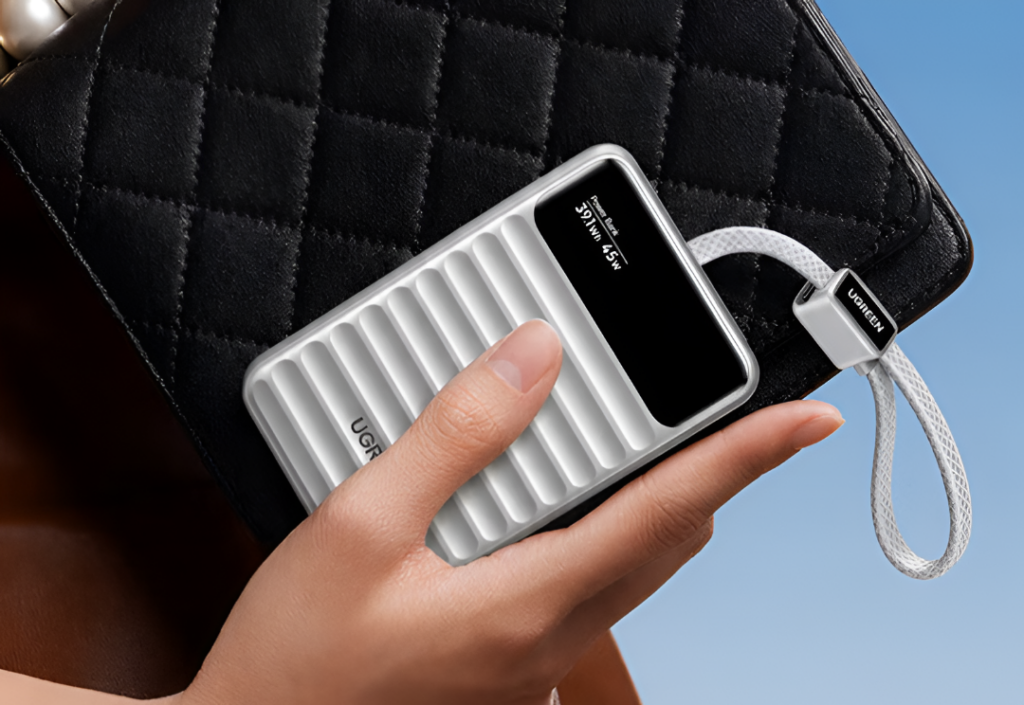
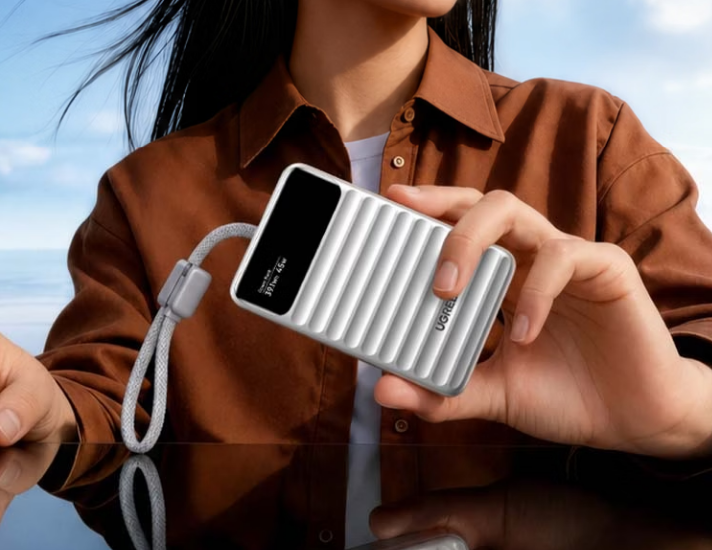
Ugreen has introduced a new 45W power bank, the Rhythm Series S45 (model PB603), currently listed on JD.com in China for 199 yuan ($29). It features a standard 10,000mAh capacity and is designed to address a very common annoyance: remembering your battery pack but forgetting the charging cable. By integrating a built-in USB-C cable, it offers a straightforward solution for keeping your devices powered on the go.
Ugreen PB603 Power Bank Specifications
The device measures 152 x 71 x 29.8 mm. On the outside, it has a ripple-textured finish to help with grip and a small TFT digital display on the front to clearly show the remaining battery percentage.
The built-in 45W USB-C cable sits at the top, supports the PD3.0 fast charging standard, and features a braided finish to handle standard wear and tear. Ugreen hasn’t detailed the rest of the port selection yet.
Inside the casing, the power bank uses ATL battery cells, which are generally known in the industry for their reliability. Ugreen notes that this model includes updated battery technology aimed at extending its overall lifespan.
The company states the new model offers a 166% improvement in charge cycle longevity over its previous generation, which was rated for around 300 cycles.
For safety, it uses a proprietary Battery Management System (BMS) to monitor charging conditions. According to the company, the device has gone through over 150 testing procedures to meet China’s latest 3C safety standards.
Some of these tests are quite specific, for instance, Ugreen says the battery cell passed a puncture test with a 4mm steel needle and withstood 1.43 tons of pressure without catching fire or failing. It also reportedly survived a 135°C heat chamber test.
To keep things cool during standard 45W fast charging, the device relies on a four-layer cooling system. This includes high thermal conductivity graphene materials and an NTC intelligent temperature control system that Ugreen says performs up to 360,000 temperature checks per hour to prevent overheating.
In related news, OnePlus has recently introduced a 15,000mAh power bank with 120W fast charging and advanced battery safety technology.
For more daily updates, please visit our News Section.
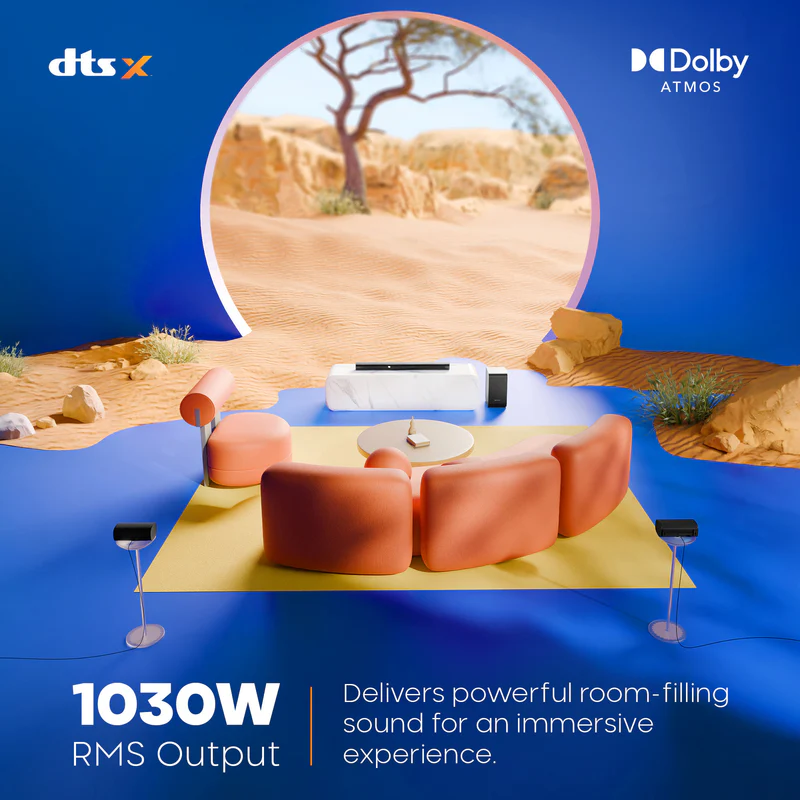
Zebronics has added a new flagship soundbar to its home audio lineup in India. The ZEB-Juke Bar 9890 is a 5.1.2 channel system that supports both Dolby Atmos and DTS:X. It is currently available on Amazon and Flipkart with a launch price of ₹29,999 ($315).
Zebronics ZEB-Juke Bar 9890 Specifications
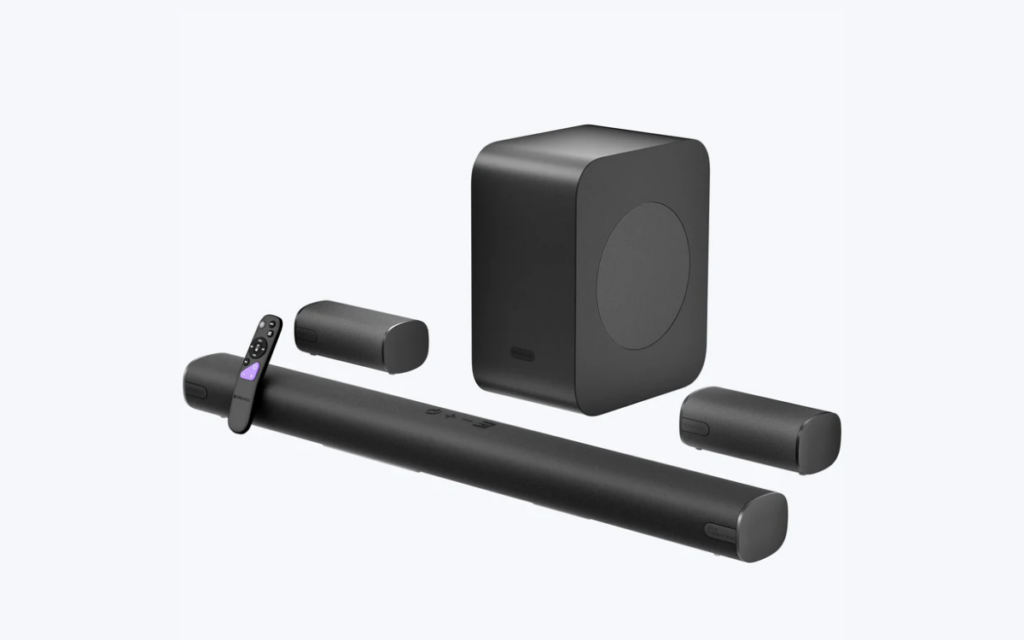
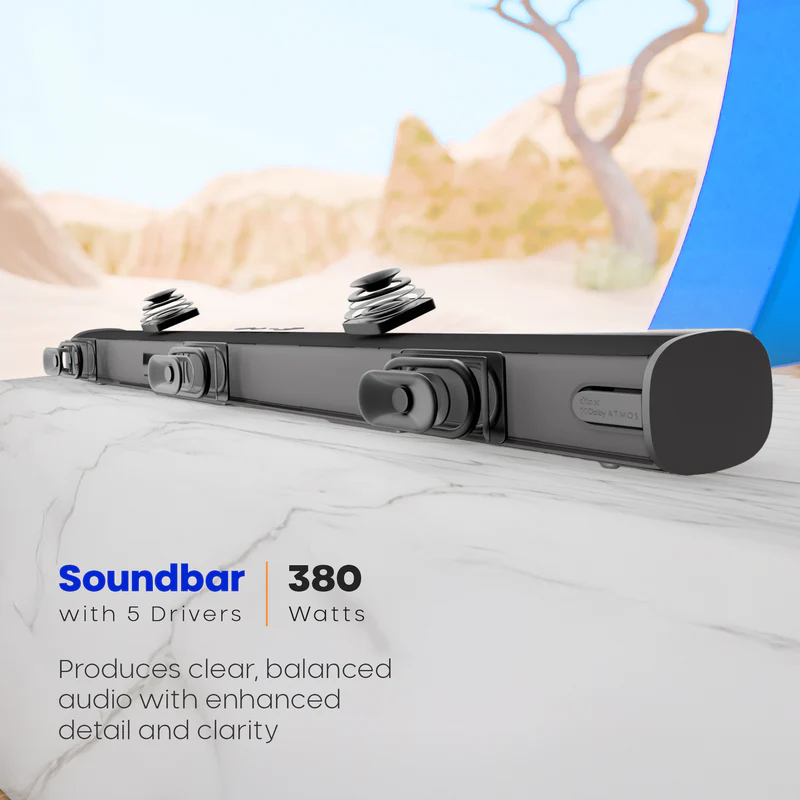
The system has a total stated output of 1030W RMS, which is divided among a few different components. The main soundbar unit contains five drivers, three facing forward and two pointing upward to handle the height channels required for spatial audio formats.
The package also includes two rear satellite speakers and an 8-inch (20.32cm) subwoofer. Because the rear speakers and subwoofer connect wirelessly to the main bar, it cuts down on the amount of cabling needed across the living room, making the initial setup a bit more straightforward.
For audio processing, the soundbar relies on its up-firing drivers to bounce sound off the ceiling, simulating overhead audio for Dolby Atmos and DTS:X tracks. Zebronics also includes its own internal audio processing, which it calls Zeb-AcoustiMax, designed to manage the surround sound distribution.
Physically, the soundbar and satellite speakers are wrapped in a dark fabric finish, a common design choice intended to help the hardware blend in with standard living room furniture. The main bar features a basic LED display on the front to show the current input or volume level, and the unit includes the necessary hardware to be mounted to a wall.
The connectivity options cover the standard requirements for a modern TV setup. The primary connection is HDMI eARC, which is necessary to transmit high-bandwidth audio formats directly from the TV.
It also features an optical input, a 3.5mm auxiliary jack, and a USB port for playing MP3 files from a flash drive. For wireless audio playback from a phone or tablet, it uses Bluetooth 5.3.
In related news, Sony has recently introduced the HT-B500 soundbar with Dolby Atmos, DTS:X, and a 3.1-channel configuration, while boAt has launched the Aavante Prime X, a wireless 7.1.4 Dolby Atmos soundbar delivering 700W output
For more daily updates, please visit our News Section.
Smart rings are becoming pretty common, and RingConn has just announced its third-generation model. The main updates for the RingConn Gen 3 are a built-in vibration motor and a feature that tracks nighttime blood pressure trends. It costs $349 globally (or $314 if you pre-order) and, like the company’s previous models, it doesn’t require a monthly subscription to use the companion app.
RingConn Gen 3 Specifications
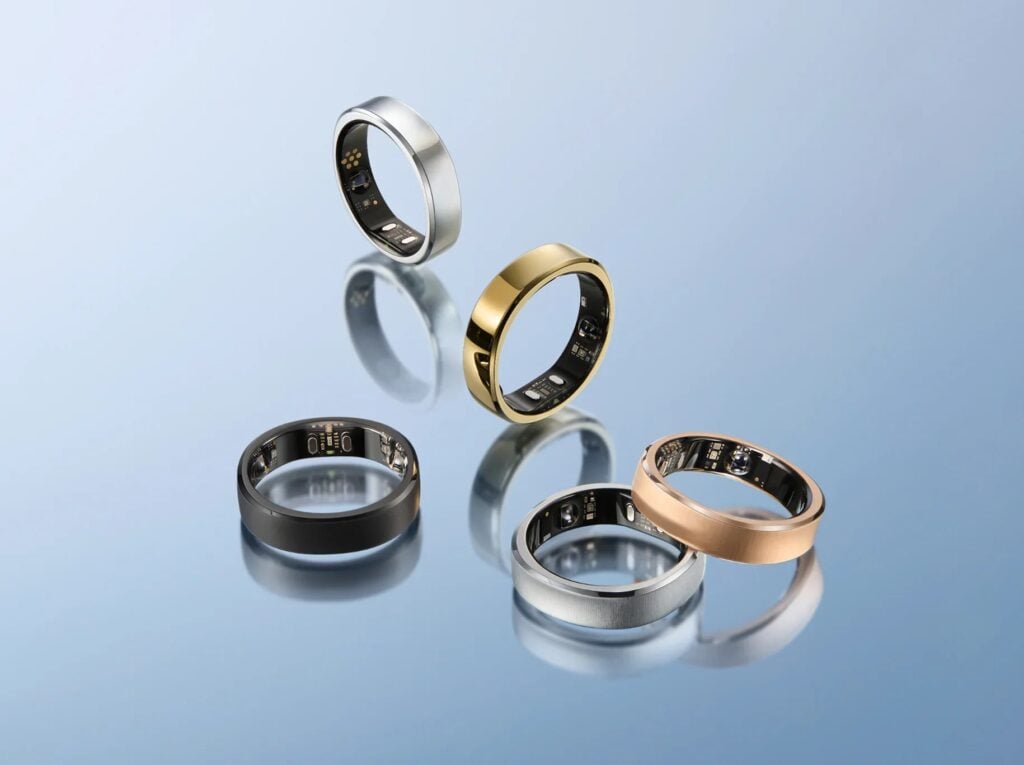
Physically, the Gen 3 is a titanium ring with a medical-grade epoxy resin on the inside. It’s about 2.3mm thick and weighs between 2.5 and 3.5 grams depending on the size you get, which keeps it in line with the standard footprint for this category. The sensors inside are what you’d expect: an optical heart rate sensor, a temperature sensor, and an accelerometer.
The most noticeable hardware change is the vibration motor. Putting haptic feedback in a ring without making it bulky or severely draining the battery is usually tricky, but RingConn included it to give you physical nudges.
The ring vibrates for things like a low battery, high stress, or if you’ve been sitting still for too long. It’s a small change, but it means you don’t have to look at your phone as often to know what the ring is doing.
On the health tracking side, RingConn is introducing a feature it calls Vascular Health Insights. It is important to note that this isn’t a medical diagnostic tool. Instead, it monitors your blood pressure trends automatically overnight while you sleep. The goal is to show you how your daily habits might be affecting your vascular patterns over time.
The Gen 3 also adds sleep apnea pattern tracking and full-cycle predictions for women. For daily use, it tracks standard metrics like blood oxygen, stress, and workouts, with automatic detection for basic exercises like walking, running, and cycling.
Coming to the battery life, RingConn says the Gen 3 lasts 11 to 14 days if you turn the vibrations off, and 10 to 12 days if you leave them on. It comes with a wireless charging case that holds up to 150 days of standby charge and takes about 90 minutes to recharge the ring. It’s also water-resistant up to 10ATM, so you don’t need to take it off to shower or swim.
The ring works with both iOS and Android, and it syncs with Apple Health and Google Health Connect. If you happen to be away from your phone, the ring can store up to 10 days of data locally.
In related news, Rogbid has recently launched the SR15 smart ring, offering health tracking features along with vibration-based alerts.
For more daily updates, please visit our News Section.
For the past ten years, I have relied almost entirely on air conditioning to get through the summer. Where I live, temperatures regularly reach 45°C (113°F), and the heat can be difficult to manage.
However, running an AC unit all day comes with a significant downside: high electricity bills. This year, I decided to look for a more cost-effective way to cool my home during the daytime. I wanted to see if a modern desert cooler could do the job without using as much power.
To test this out, I received the Kenstar TALL BOY Honey Comb 105 Litre BLDC Desert Cooler (Model: KCLTBDBL105FRH) as a review unit. It retails for ₹15,990 ($168) and features a Brushless Direct Current (BLDC) motor, which is designed to be energy efficient.
After using it for a week, including during a particularly hot and humid stretch of weather, I have a clear understanding of how it performs, where it works well, and what its limitations are. Here is my experience using it as a daily cooling solution.
Design and Dimensions
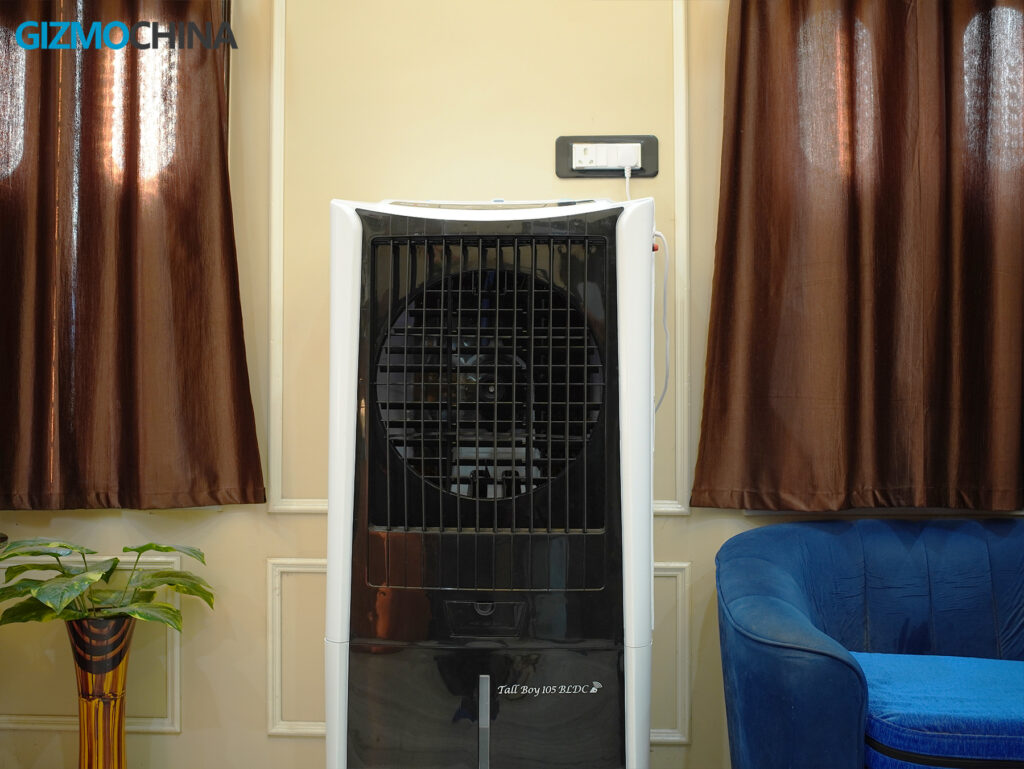
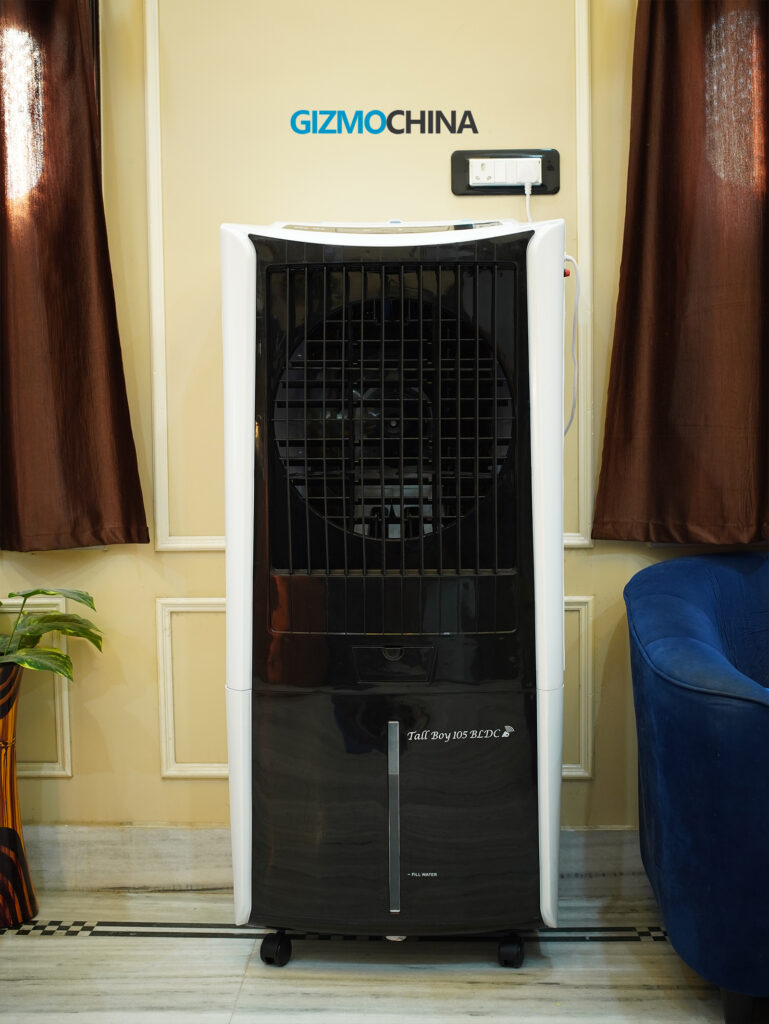
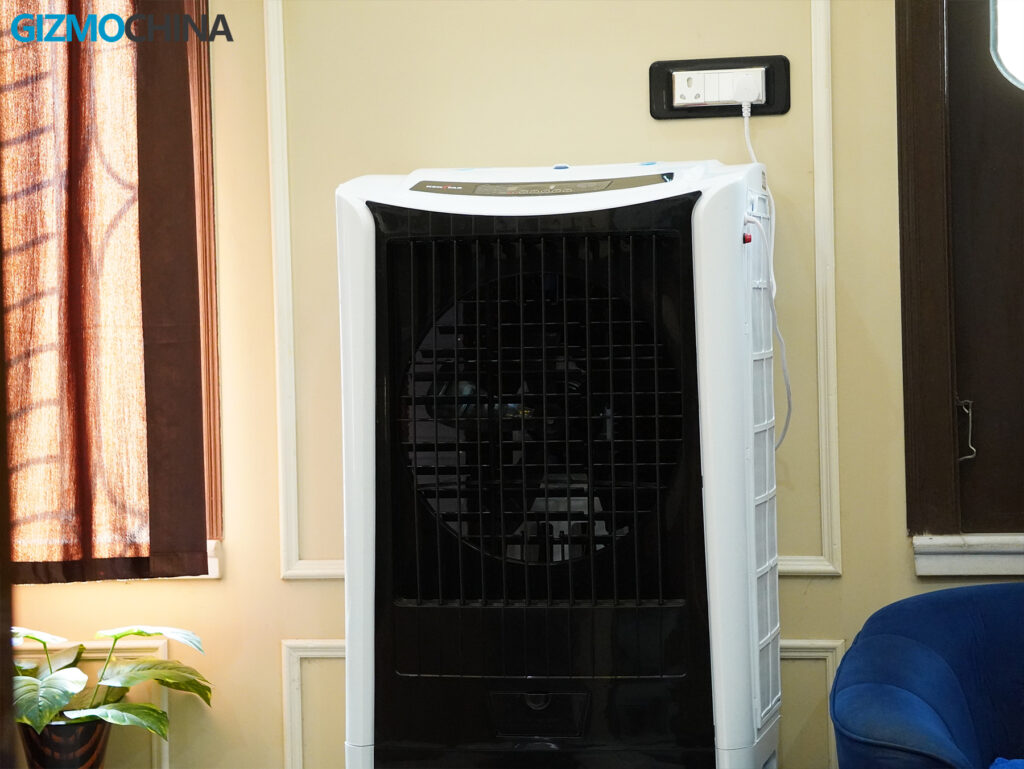
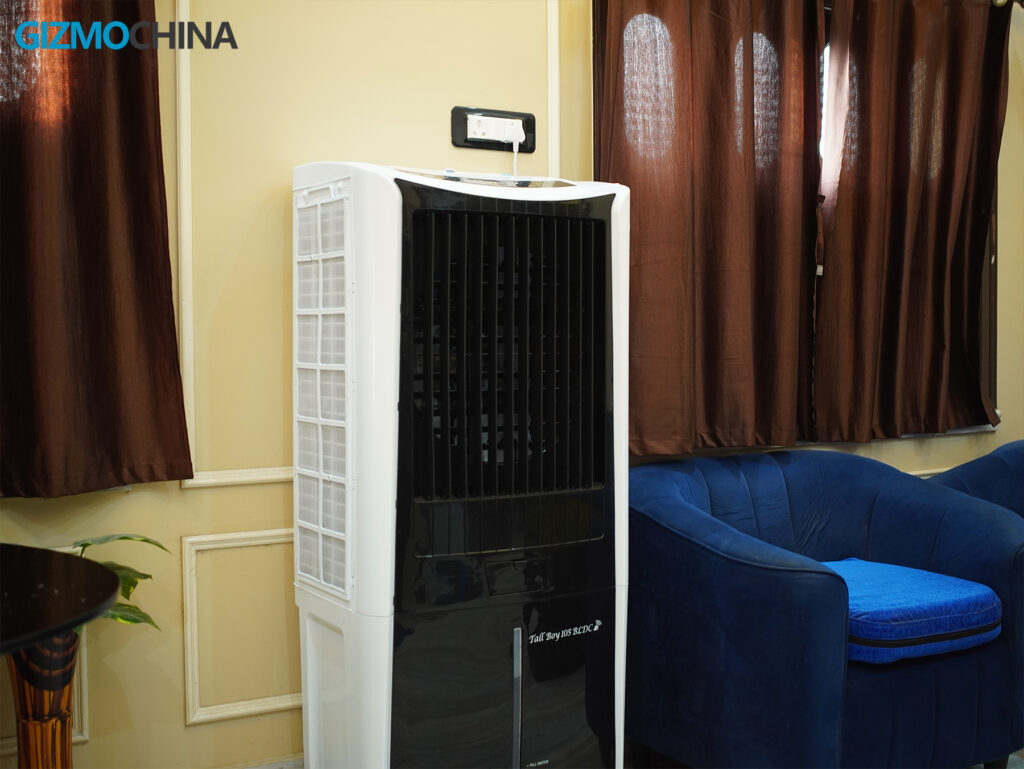
The first thing you notice about the Kenstar Tall Boy is its height. It stands 1428 mm tall, which is about 4.7 feet. It is a large appliance that will be very noticeable in whatever room you place it in. However, the height serves a specific, practical purpose.
Many standard desert coolers are relatively short, meaning the air they blow often hits the side of a bed or the back of a chair. By elevating the 40.6 cm (16-inch) fan, the Tall Boy directs the airflow higher up. When I am sitting at my desk or lying in bed, the air reaches me directly rather than cooling the floor.
Despite being tall, the cooler’s footprint is fairly standard for its capacity, measuring 630 x 445 mm. It fits reasonably well into the corner of my dining room and doesn’t take up too much floor space on my balcony. The body is made from ABS and HIPS plastic. It feels sturdy enough for regular indoor and covered outdoor use, and it hasn’t shown any signs of strain.
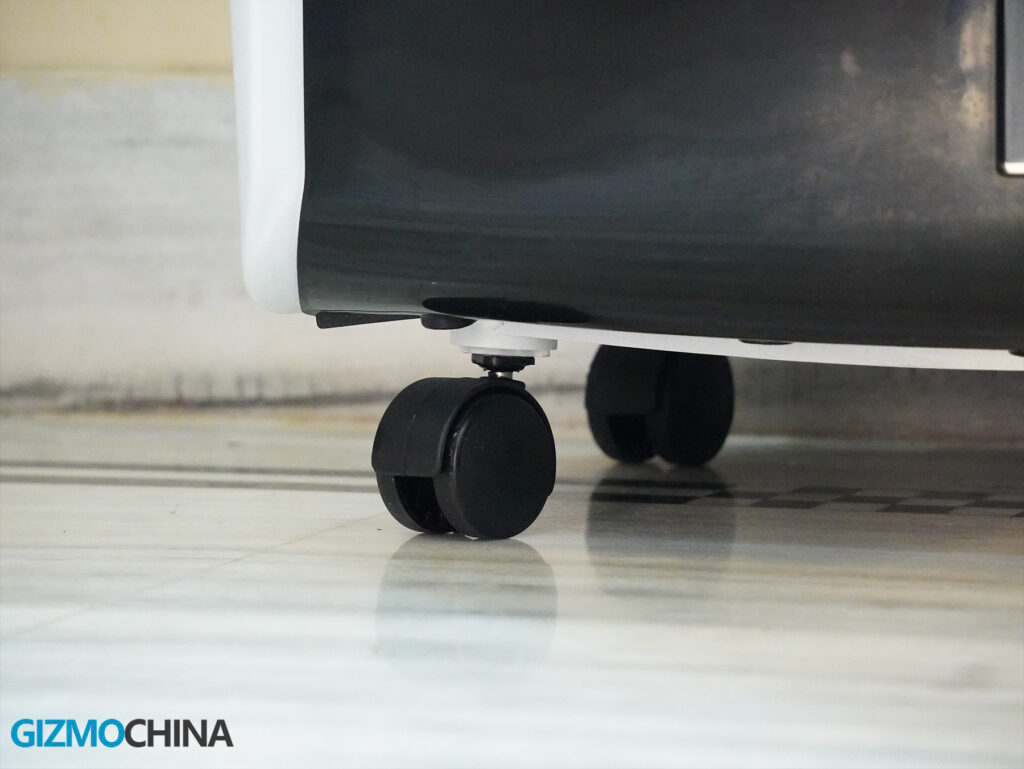
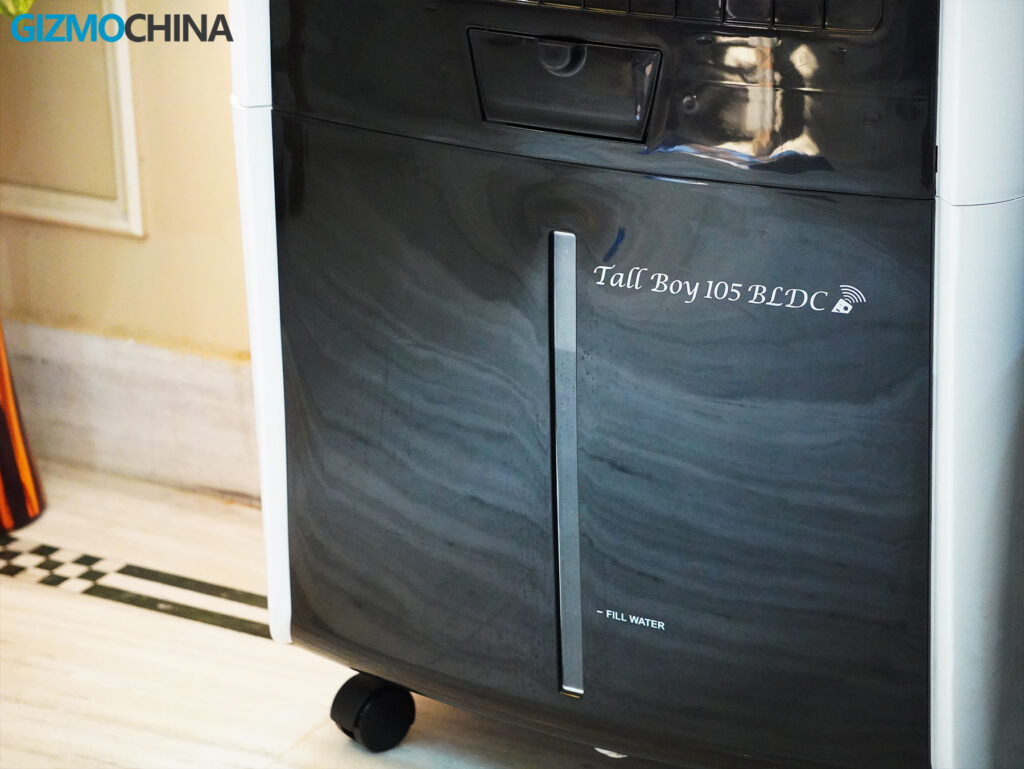
When the cooler is empty, it weighs 18 kg, which is manageable to move. But this model has a 105-liter water tank. Once you fill it up, the total weight exceeds 120 kg. To handle this, Kenstar included four castor wheels at the base. I was initially concerned about moving it when full, but the wheels roll smoothly on flat floors. I can push it from the living room to the terrace without much effort, though you do have to be careful over door thresholds.
BLDC Motor and Power Consumption
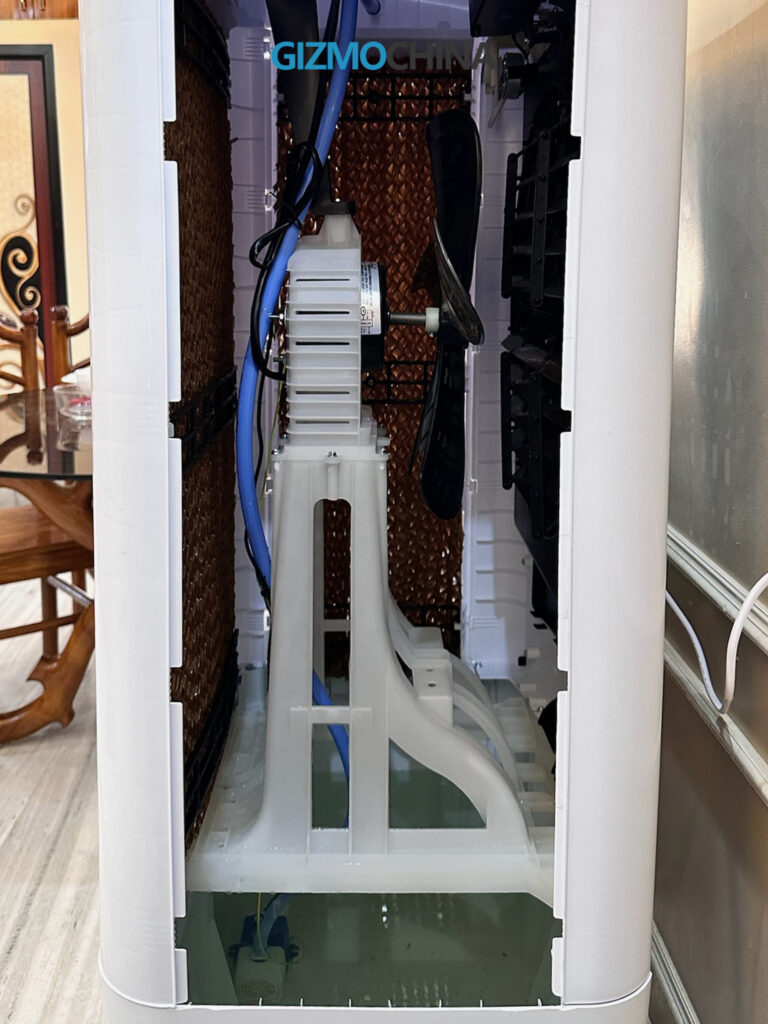
This model comes with a BLDC motor. Traditional desert coolers of this size usually consume between 200 and 250 watts of electricity. The Kenstar Tall Boy is rated at 145 watts. While that might not sound like a massive difference on paper, it adds up over a month when you are running the cooler for 10 to 15 hours a day. It is a noticeable reduction in power consumption compared to older models.
This low wattage also provides a very practical benefit during power cuts. Because it draws only 145 watts, the cooler runs easily on my standard home inverter. In areas where the power grid can be unreliable during peak summer months, being able to keep your primary cooling appliance running on battery backup is highly convenient.
Kenstar says that the motor uses a double ball bearing system. In practice, this is meant to reduce internal friction, which should help the motor last longer and run a bit smoother. It comes with a five-year warranty on the motor, which provides some peace of mind regarding its durability.
Cooling Performance and Airflow
If you are transitioning from an air conditioner to a desert cooler, there is a learning curve. I made the mistake of setting the Tall Boy up in a closed bedroom on the first day. Desert coolers use evaporative cooling, which naturally adds moisture to the air. Because the room lacked ventilation, the humidity increased quickly, and the room just felt sticky and uncomfortable.
Once I realized my error, I moved the cooler to my dining area and opened a window to allow for cross-ventilation. The difference was immediate. In an open space, the cooler works effectively. The fan pushes out 4500 m³/h (cubic meters per hour) of air, and Kenstar claims an air throw of 50 feet.
While I didn’t measure the exact distance, it easily circulates air across my entire living space. The motorized louvers move side to side, helping to distribute the air evenly rather than blowing it in just one direction.
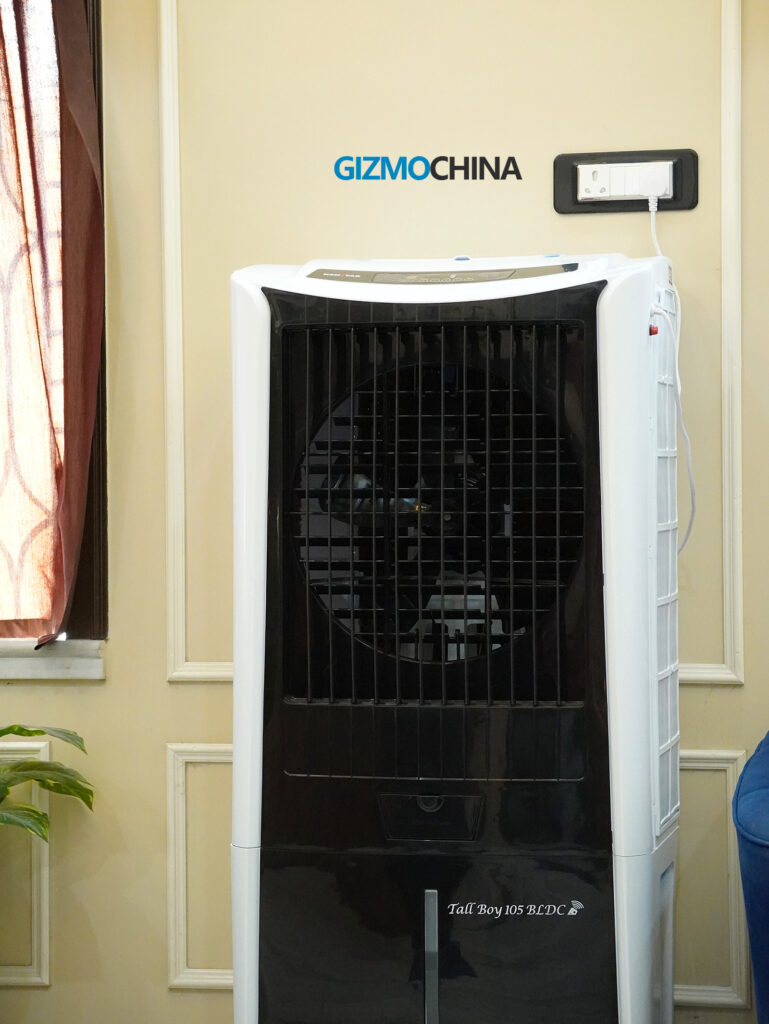
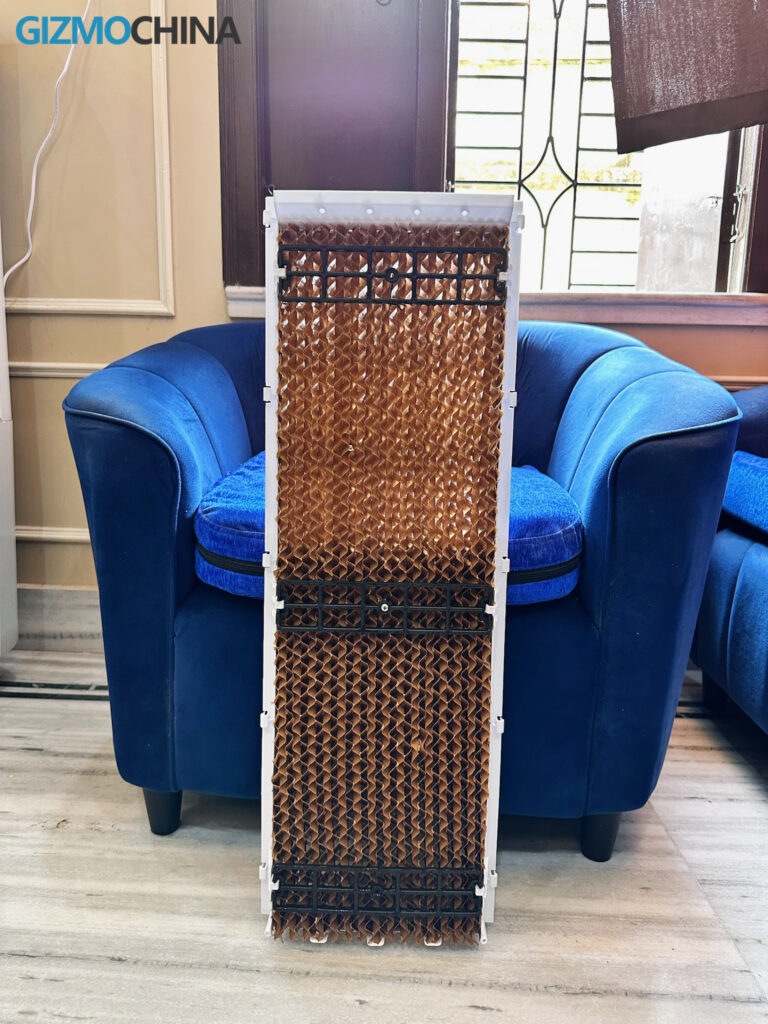
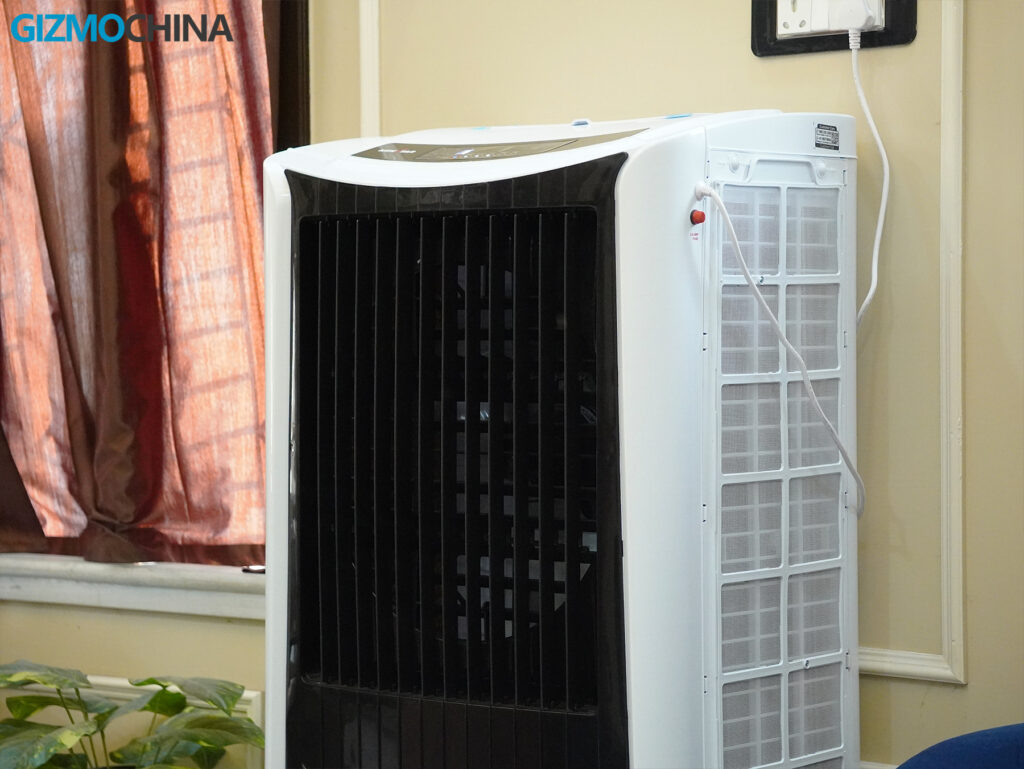
The cooling media consists of honeycomb pads on three sides. They hold water well, don’t sag, and provide consistent evaporation.
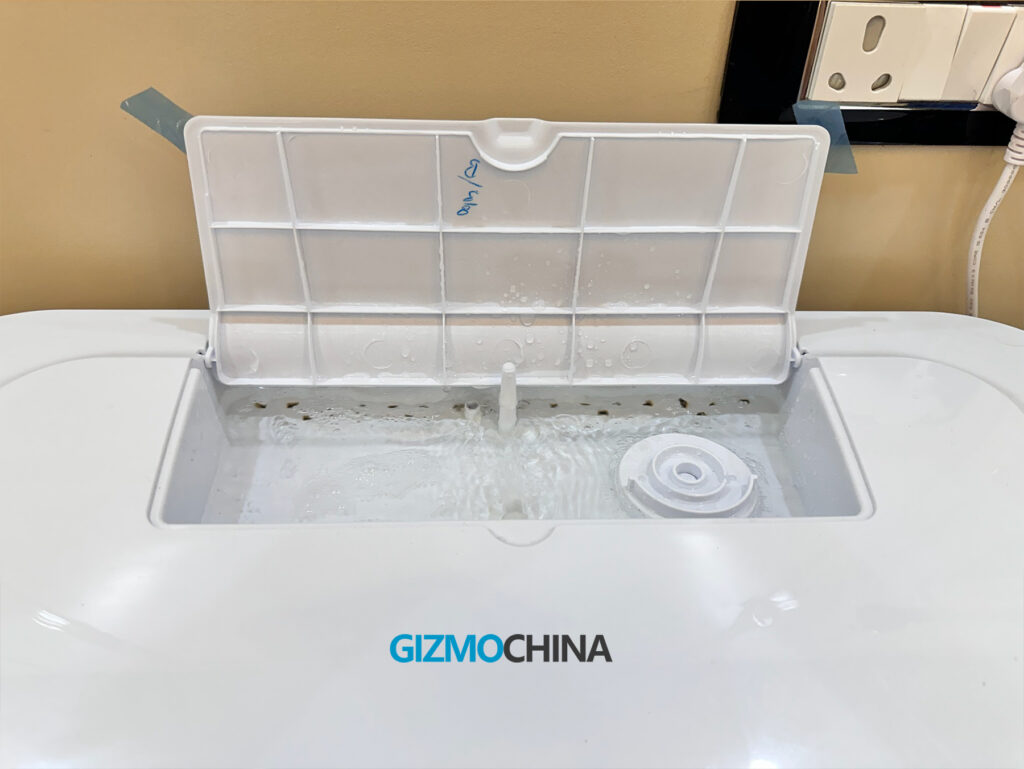
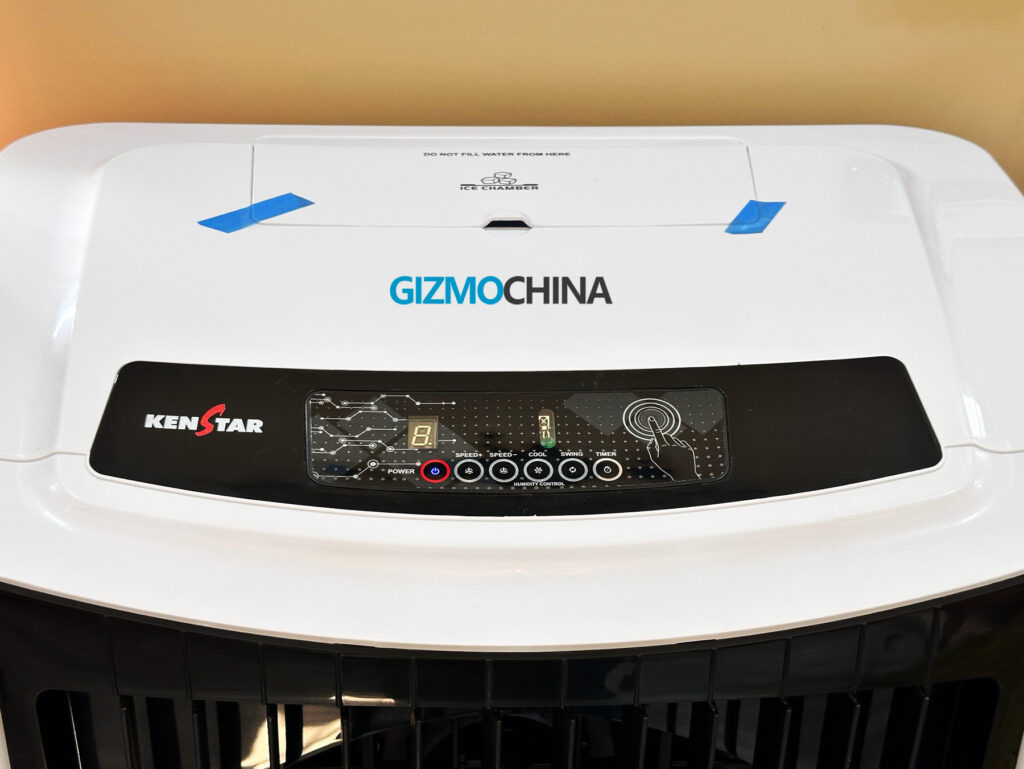
For particularly hot afternoons, the cooler has an ice chamber on top. You can add ice cubes to cool the water before it runs through the pads. It does lower the temperature of the air noticeably for a short period. Once the ice melts, it returns to standard evaporative cooling, which is still effective as long as you keep a window or door open.
Day-to-Day Use and Maintenance
Living with a 105-liter cooler is fairly straightforward. The large tank is very convenient; a full tank easily lasts me 12 to 15 hours of continuous use. I can fill it in the evening and run it through the night without worrying about the water running out. There is a clear water level indicator on the front, so you can check how much water is left at a glance.
The cooler includes a dust filter net on the outside of the cooling pads. This is a simple but useful feature. It catches larger dust particles, pet hair, and insects, stopping them from getting stuck in the honeycomb pads. This means the pads stay cleaner for longer, and the air smells fresher. Also, a quick heads-up for new buyers: if you have just bought it, you will likely notice a distinct smell for the first two days of use, but it eventually goes away completely.
The control panel is a modern touch interface that is intuitive and easy to use, and it also comes with a handy remote control. The touch panel works really well with absolutely no issues, housing all the necessary buttons including power, fan settings, cooling on or off, swing, and a timer. It offers seven different fan speeds, which is highly practical. You can keep it on a low setting for a gentle breeze or turn it up when you need to cool the room quickly.
There are a few drawbacks to keep in mind. First, moving this volume of air generates noise. On the lower settings, it is a manageable background hum. But on the highest fan speeds, it is quite loud. If you are watching TV or taking a phone call in the same room, you will likely need to turn the fan speed down.
Second, maintenance is required. If you live in an area with hard water, minerals will eventually build up on the honeycomb pads. You will need to periodically drain the tank and descale the pads to keep the cooler working efficiently. It isn’t a difficult process, but it is an extra chore you don’t have with an AC.
The Verdict
The Kenstar TALL BOY 105 Litre BLDC Desert Cooler is a practical and effective appliance, provided you use it in the right environment. It will not replace an air conditioner in a sealed room, and it won’t drop the room temperature to 18°C.
However, if you have a large, well-ventilated space, like a living room, a spacious bedroom with open windows, or a covered patio, it performs very well. The 4.7-foot height ensures the air reaches you where you are sitting, and the 105-liter tank minimizes the need for constant refilling.
At ₹15,990 ($168), the initial cost is reasonable, and the 145W BLDC motor helps keep ongoing electricity costs down. It is a sensible, energy-efficient alternative for managing the summer heat, especially if you need an appliance that can run on a home inverter during power outages.
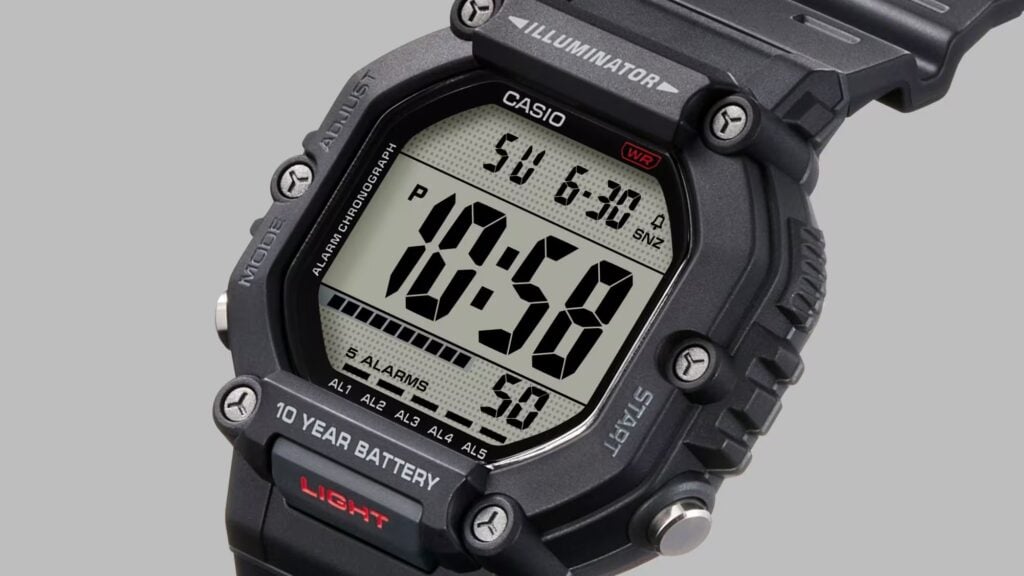
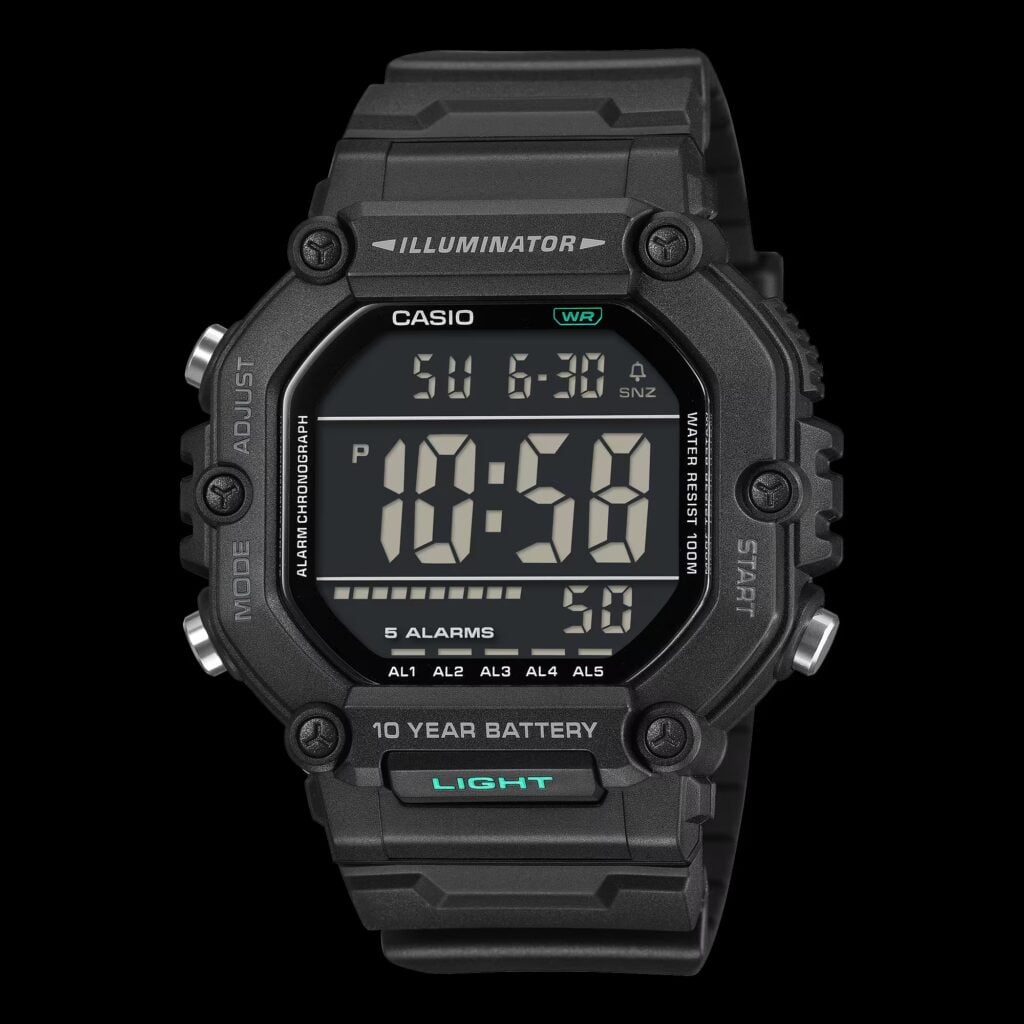
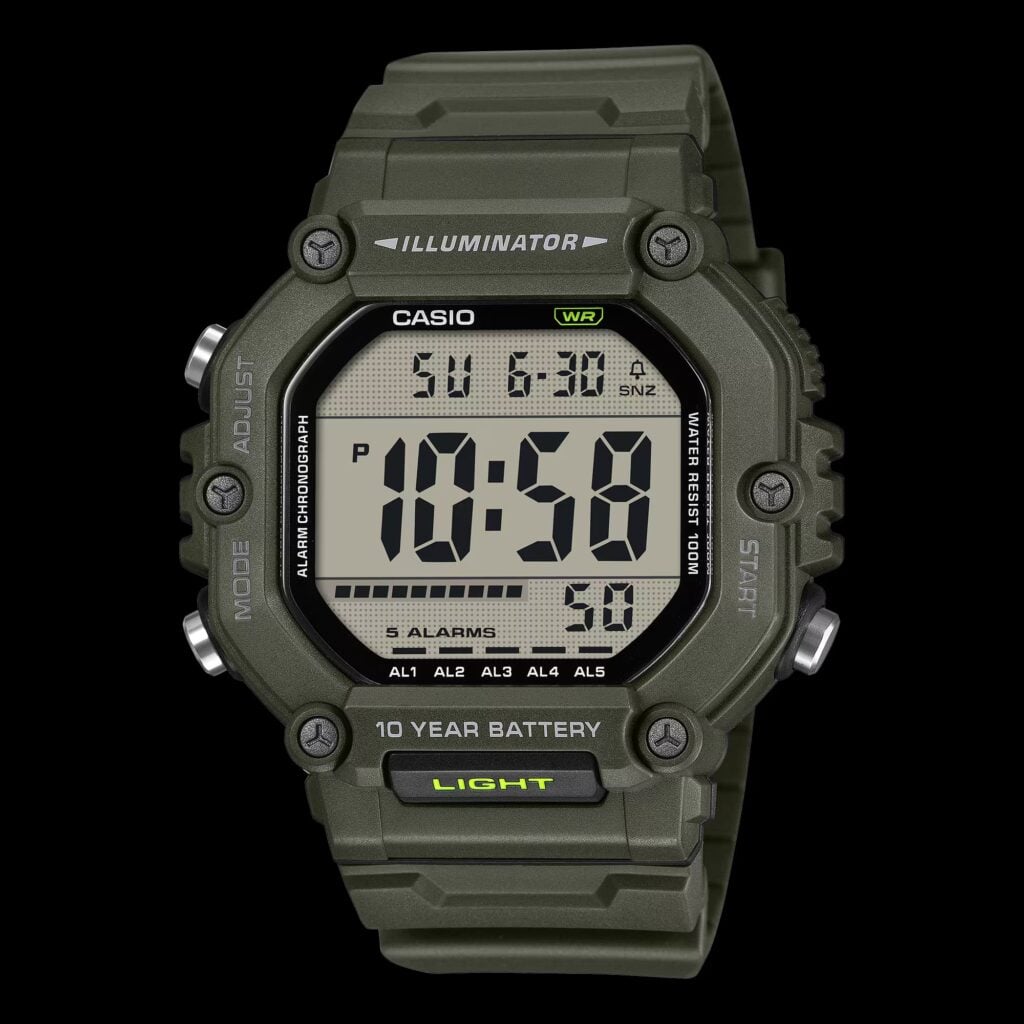
Casio recently added two new digital watches to its US lineup: the AE1600HX-1BV and the AE1600HX-3AV. Both models are priced at $45.95. If they look familiar, it is because they were already listed on Casio’s international and European websites last month, but they are now officially available for US buyers.
Design Details
The main difference between these new “HX” models and the standard AE-1600H series is the strap length. Standard Casio resin bands usually fit wrist sizes up to 215mm. These new models come with an extra-long rally-style strap that accommodates wrists from 145mm up to 235mm.
It is a practical change for people who usually find standard watch bands too tight. The longer band is also useful if you need to wear the watch over a jacket or long sleeves while working or spending time outdoors. The strap uses a double-hole design, which helps keep the watch secure on the wrist.
As for the design, both watches have a large resin case measuring 54.1 by 49.7mm, and they are 15.9mm thick. Despite the bulky size, they only weigh 55 grams. The AE1600HX-1BV is the black model. It uses a negative LCD, meaning the screen background is dark while the numbers are light, and has small light blue text on the case.
The AE1600HX-3AV comes in a dark olive color with a standard LCD screen and lime yellow text. Both versions have a large button on the front of the case that turns on an amber LED backlight, making it easy to check the time in the dark.
Internally, these watches offer the standard set of features you would expect from an affordable Casio. They are powered by a CR2032 coin battery that is rated to last for about 10 years. They also have 100-meter (10-bar) water resistance, meaning you can swim or wash your hands with them without an issue.
The software includes basic daily tools: a dual time function, a 1/100-second stopwatch, a 24-hour countdown timer, and five alarms (including one snooze option). The digital calendar is fully automatic up to the year 2099.

 Login
Login