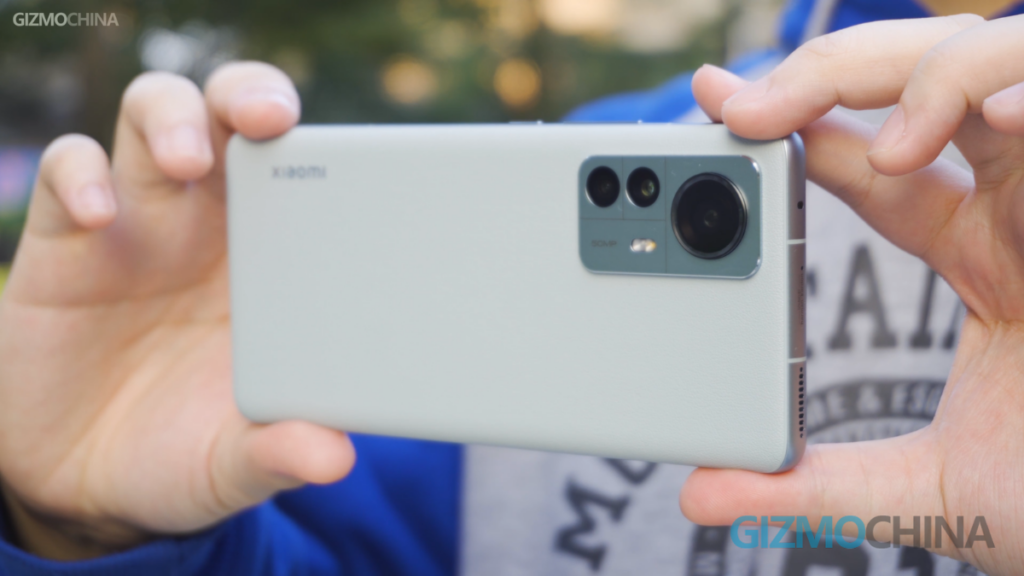
We don’t see this very often, so it’s always a surprise to see an update rolling out to devices added to the EOL list, even though such updates don’t bring major changes. This is currently the case for several Xiaomi, Redmi, and Poco smartphones, where the new update addresses critical issues and improves overall system stability.
When a device is added to the EOL (End-of-Life) list, it means it won’t receive any software updates, including major OS releases and security patches. However, Xiaomi has been seen releasing updates even for EOL devices many times in the past, ensuring the devices remain unaffected from critical issues.
Here’s a list of Xiaomi devices that are receiving new updates despite being out of the support period:
If you have any of these devices, the update may be ready for installation. Check for available updates via the Settings app. It’s recommended to install the update as soon as it’s available on your device, since these updates are released only when the device is affected by critical issues.
While it’s good to have updates on EOL devices, the devices still miss regular security patches and the latest security features released with major HyperOS builds. Therefore, it’s best to upgrade to a newer device with longer software support. Check the list here to find out your next reliable upgrade.
Be sure to visit the Xiaomi section on this website regularly to stay updated. Alternatively, you can join our Telegram channel to get instant notifications when we publish new stories.
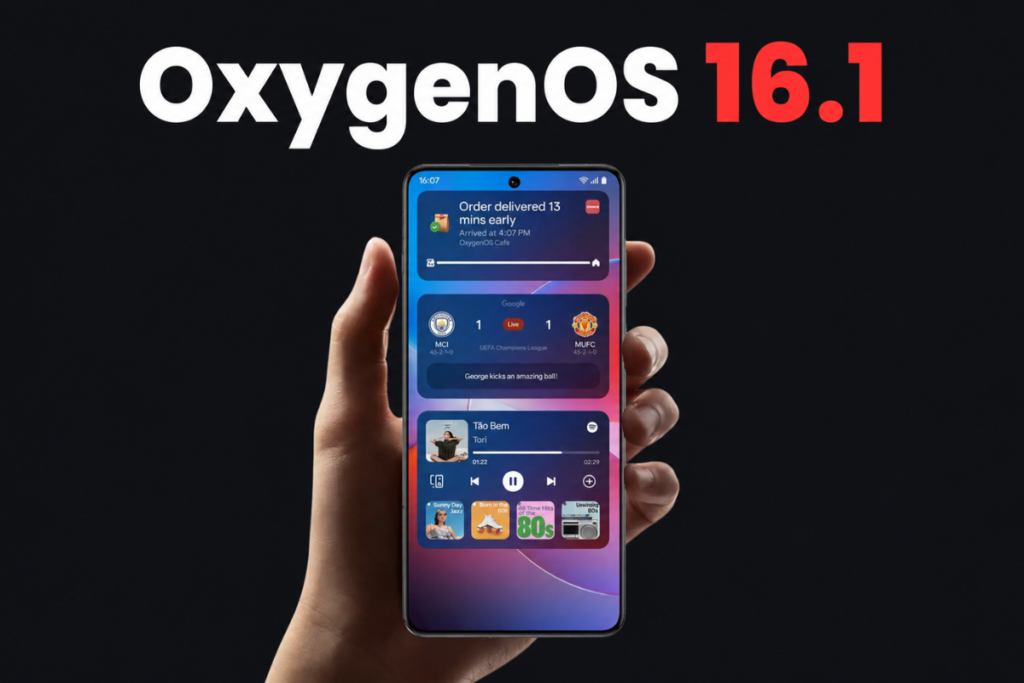
OnePlus has begun rolling out a mid-cycle OxygenOS 16.1 update to its devices, with a major focus on refined animations, a redesigned lock-screen experience, and improved AI processing. The update is currently available for OnePlus 15 users in select regions, with expansion to follow soon.
The update was initially released as a Release Candidate (RC) build, but it started rolling out to a wider audience earlier this week. For OnePlus 15 users, the OxygenOS 16.1 stable update carries firmware version CPH2745_16.0.7.201(EX01) and has a download size of around 2.1GB. It’s currently rolling out to the users in India, but a wider rollout to more regions shouldn’t take long.
To install the latest update on your OnePlus phone, go to Settings > About device, then tap the OxygenOS card at the top to check for available updates. Keep in mind that the update is rolling out in batches, so it may take a few days to reach all the users.
What’s new in the OxygenOS 16.1 upgrade?
One of the biggest highlights of OxygenOS 16.1 is the introduction of Live Space. It’s basically the same feature that’s already available on Samsung phones as “Now Bar”. It’s a capsule-like UI element at the bottom of the lock screen for notifications and live updates, such as timers, music, and match scores. The software now feels more responsive, and so do the animations.
OxygenOS 16.1 introduces a redesigned control center and an upgraded Live Activities feature that now supports ongoing calls, recorder, timer, flashlight, and maps. The update also brings better AI processing for photos, documents, and translation. Read the complete changelog below to see all the changes.
OxygenOS 16.1 update changelog:
[Fast & Smooth]
Luminous Rendering Engine – Smoother, more responsive animations now cover all floating window actions in Livestream Assistant, from launch to resize to full-screen toggle. – Swiping down from the status bar to open the notification drawer or Quick Settings now feels smoother, with more polished pull-down animations.
Trinity Engine – AI-reconstructed touch recognition eliminates scrolling jitter inside apps for a noticeably smoother experience.
[OnePlus AI, Intelligently Yours]
AI Translate – Never struggle with a foreign menu again. Translate menus with AI, complete with dish visuals, allergens, prices with automatic currency conversion, and cart integration. – The Translate app now includes a dedicated on-device AI model, delivering natural, accurate translations even when you’re offline. – Live translation sessions now generate automatic titles and AI summaries, making it easy to review and organize translated conversations afterward. – Live translation now takes context into account to deliver more precise, natural-sounding results in real time.
AI-powered Photos – More flexibility arrives in Collage’s Popout mode, with borders, directions, and subjects all freely adjustable for limitless creativity.
AI-powered Documents – Scanned documents are auto-saved to your Documents app right after capture, keeping everything organized without extra steps (Documents – Recents). – Document scanning is now faster, making back-to-back multi-page captures quicker and more efficient. – Upgraded scanning algorithms remove wrinkles, shadows, and blur in one tap, producing sharp, clean digital documents. – Enhanced text scanning now recognizes handwriting, full paragraphs, and tables, with easy one-tap copy or Word document export.
[Uniquely Yours]
Live Space – Improves the Lock screen with a dual-mode design featuring a notification capsule that displays notifications and Live Updates without covering the wallpaper. View key information at a glance in immersive mode without unlocking your device. – Swipe down to collapse Lock screen notifications and Live Alerts into tidy capsules, and swipe back up to expand the full list. Smooth animations make the whole interaction feel effortless. – Tap the album art or Live Alert capsule on the Lock screen to enter music focus mode, where the album art fills the screen and lyrics appear in full for a fully immersive listening experience. – Stay on top of your timers without unlocking: Tap a timer in Live Alert to expand your countdown to full screen instantly. – Switching between Live Space capsules is now smoother and more dynamic with fluid animations.
Flux Home screen – Organize your Home screen instantly by color or category with a single tap. – Home screen layouts are auto-saved as you go, so you can revert to any earlier setup with just one tap. – Find apps by color in Drawer mode for quicker navigation.
Upgrades light field design – Inspired by how light behaves in the physical world, the new Contour glow option adds organic surface detail to system interfaces, including the Home screen, Lock screen, Quick Settings, Global Search, Quick Glance, Photos, and more. – HDRUI technology brings expanded color range and greater brightness depth to the Lock screen’s large clock display.
[Communication and interconnection]
Network optimization – A Vo5G icon now appears in the status bar whenever your SIM card and current network both support Vo5G calling.
[Attention to detail, everywhere]
Camera – Introduces Master presets. You can now save your custom parameters as presets and share them via watermarks. – Upgrades Camera with cleaner UIs and more natural interactions, resulting in a smoother, more intuitive shooting experience.
Game Assistant – You can now adjust the speaker’s sound effects via the equalizer. Choose from various effects like Pop and Rock, or customize the effects across different frequency bands. You can find this feature in “Settings – Sound & vibration – Sound effect settings – Custom”.
More – Battery stats become more informative with new coverage of personal hotspot usage and activity time at the app level. – Integrates the May 2026 Android security patch to enhance system security.
[Security & privacy]
Others – Better protection against unwanted calls: enhanced caller identification can now recognize telemarketing, spam, and suspected fraud calls.
The MacBook Neo has been a huge hit for Apple, but the surge in demand has also led the company to rethink its chip production strategy. According to a WSJ report, Apple and Intel have just made a “preliminary” chipmaking deal through which Intel’s fabs will be used to manufacture some of the chips that power Apple devices, and that could also include the A27 chips powering the next-gen MacBook Neo.
Taiwanese chip giant TSMC has been exclusively manufacturing Apple chips for years, but its capacity remains tight due to unprecedented demand for artificial intelligence (AI) and high-performance computing (HPC) chips. Therefore, Apple diversifying its chip production partners will help the brand secure additional supply for its entry-level and mainstream-focused chips.
The A18 chip that powers the MacBook Neo and iPhone 16 series is currently manufactured using TSMC’s N3B process technology. That too isn’t unaffected by the ongoing chip shortages, and this has led to a $100 increase in the MacBook Neo’s price, which is a big hike for a $599 product. The deal with Intel will help Apple ensure an optimal quantity of upcoming MacBook Neo laptops in the market.
Apple was also reportedly in talks with Samsung for its chip needs. That could be seen as a backup option in case the need arises. For Intel, this is less about reviving the ‘Intel Inside’ era and more about proving its factories can compete with the world’s best.
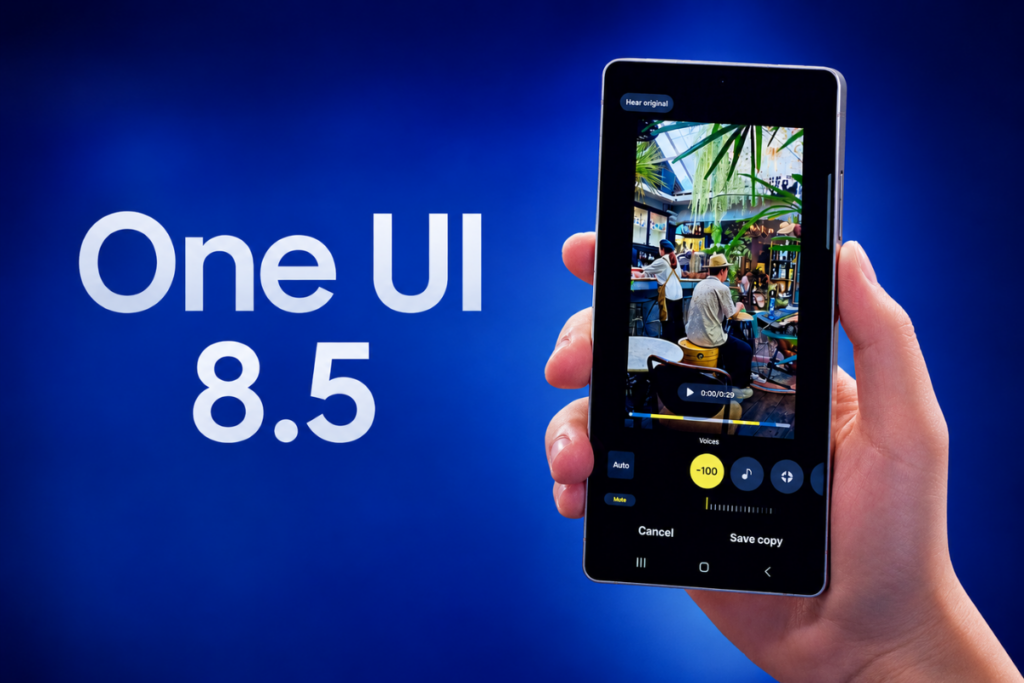
Earlier this week, Samsung started rolling out the One UI 8.5 update to the initial set of devices in Korea, with the global rollout set to begin May 11. Ahead of that, the brand has confirmed One UI 8.5 eligibility for an additional 20 Galaxy devices.
The earlier announcement confirms the One UI 8.5 update arrival for high-end devices, including the Galaxy S25 series (including S25 FE and S25 Edge), Galaxy S24 series (including S24 FE), Galaxy Z Fold 7, Galaxy Z Flip 7, Galaxy Z Fold 6, Galaxy Z Flip 6, Galaxy Tab S11 series, and Galaxy Tab S10 series. The latest announcement from Samsung Germany adds 20 more Galaxy devices to the list.
Here’s the fresh list of Galaxy devices confirmed to receive the One UI 8.5 update:
Galaxy S series
Galaxy S23
Galaxy S23+
Galaxy S23 Ultra
Galaxy Z series
Galaxy Z Fold 5
Galaxy Z Flip 5
Galaxy Tab series
Galaxy Tab S9
Galaxy Tab S9+
Galaxy Tab S9 Ultra
Galaxy Tab A series
Galaxy A15
Galaxy A16
Galaxy A17
Galaxy A25
Galaxy A26
Galaxy A34
Galaxy A35
Galaxy A36
Galaxy A54
Galaxy A55
Galaxy A56
Samsung didn’t reveal a rollout schedule for these devices. However, it’s safe to say the update will start rolling out to these devices once it reaches all high-end devices in the initial wave.
The One UI 8.5 rollout kicked off on May 6, but was limited to Korea, with global expansion scheduled to begin May 11 across multiple regions, including Europe, Hong Kong, India, Latin America, North America, Southeast Asia, and Taiwan.
As the rollout expands in batches, the update may take a few days to reach all the users. To manually check for available updates, head to Settings > Software updates and tap Download and install.
We’ll update you with the latest information in our Samsung section. You can visit the page from time to time to stay updated. Or, join our Telegram channel to receive instant alerts when we post new stories.

 Login
Login