Reading view

I spent 10 hours comparing two fantastic premium compact cameras, the Lumix L10 and Fujifilm X100VI — here’s which one I’d buy with my own money

Panasonic
Lumix L10

Fujifilm
X100VI

Panasonic made quite a splash when it announced the Lumix L10 at its Lumix 25th anniversary event in May this year. I called it 'Panasonic's prettiest Lumix in years', and many tech journalists, myself included, have compared it to the viral Fujifilm X100VI.

These are two premium compact cameras with retro design and high-end features, but both take a different swing at the format. For example, the Lumix L10 packs a 20MP Micro Four Thirds sensor and 24-75mm f/1.7-2.8 lens, while the X100VI shoots 40MP stills with an APS-C sensor and fixed 35mm f/2 lens.

I've already compared the two based on specs and my extensive experience with each camera separately in my Lumix L10 vs X100 VI article. But I was keen to see which one I personally prefer based on using the cameras side by side — it had been a while since I last used the X100 VI.

So, with my loan samples in hand, I headed out, taking the same photos with each camera in a variety of scenarios, including travelling, commuting and weekends exploring. Objectively, each camera has its practical advantages over the other, but there was one camera that truly gave me the feels...

The head
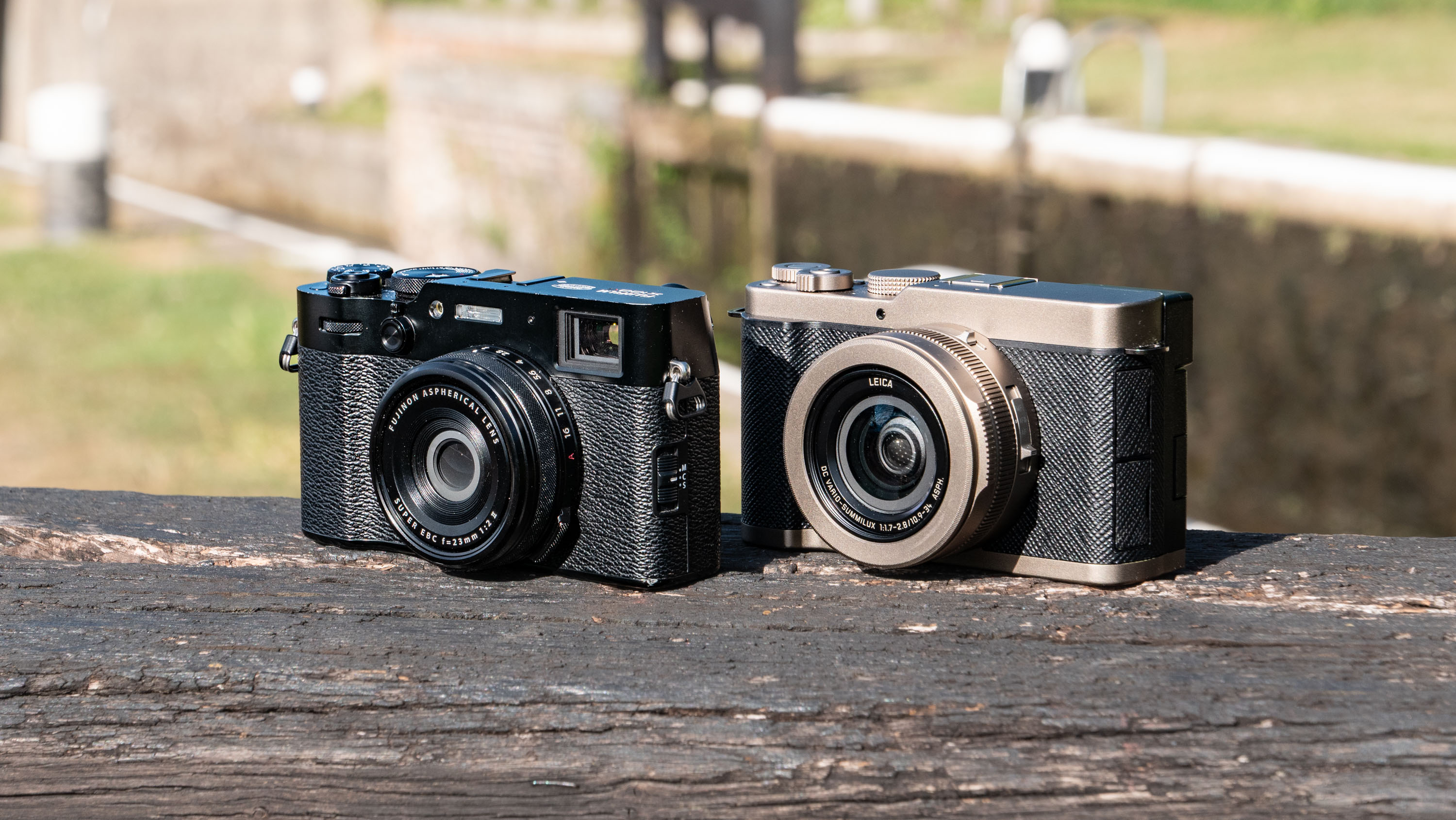
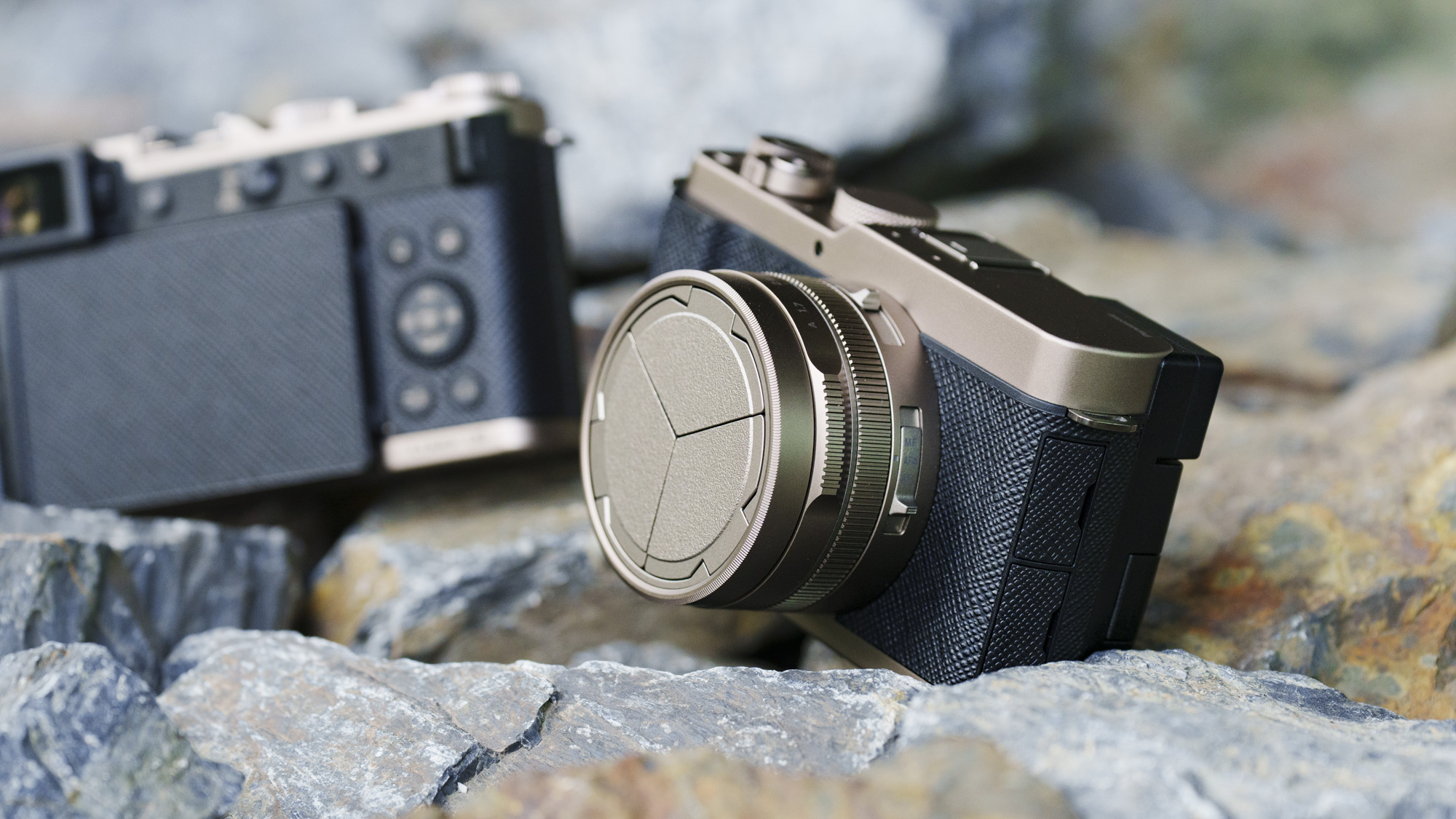
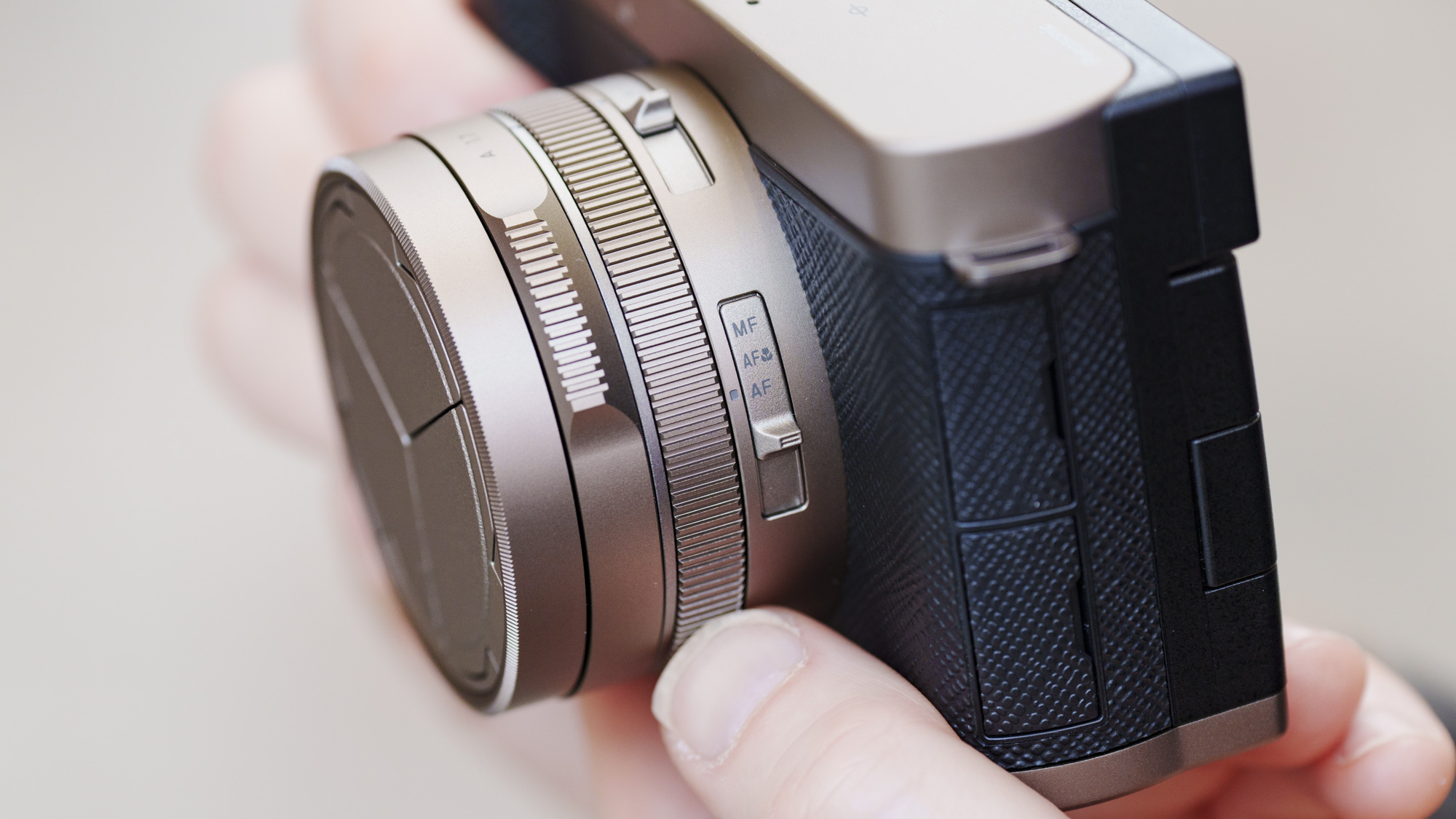
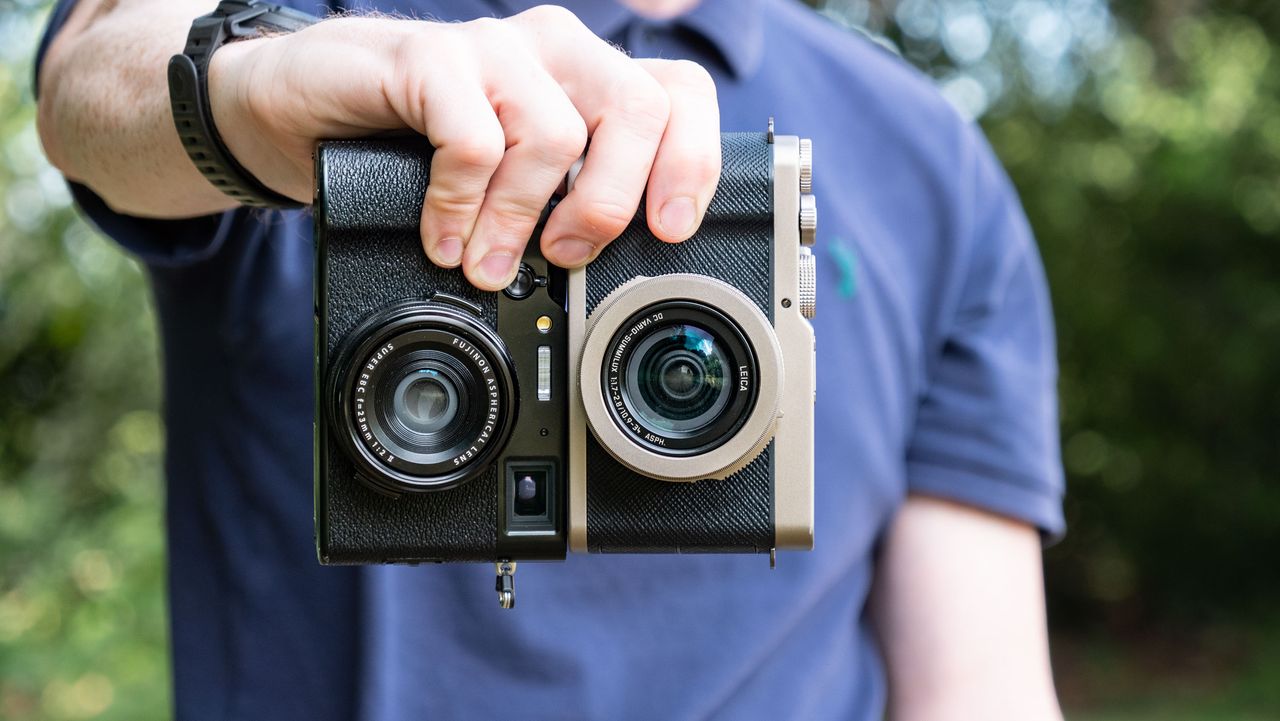
Fujifilm X100VI premium compact camera alongside the Panasonic Lumix L10 on a lock in a UK canal
Tim Coleman
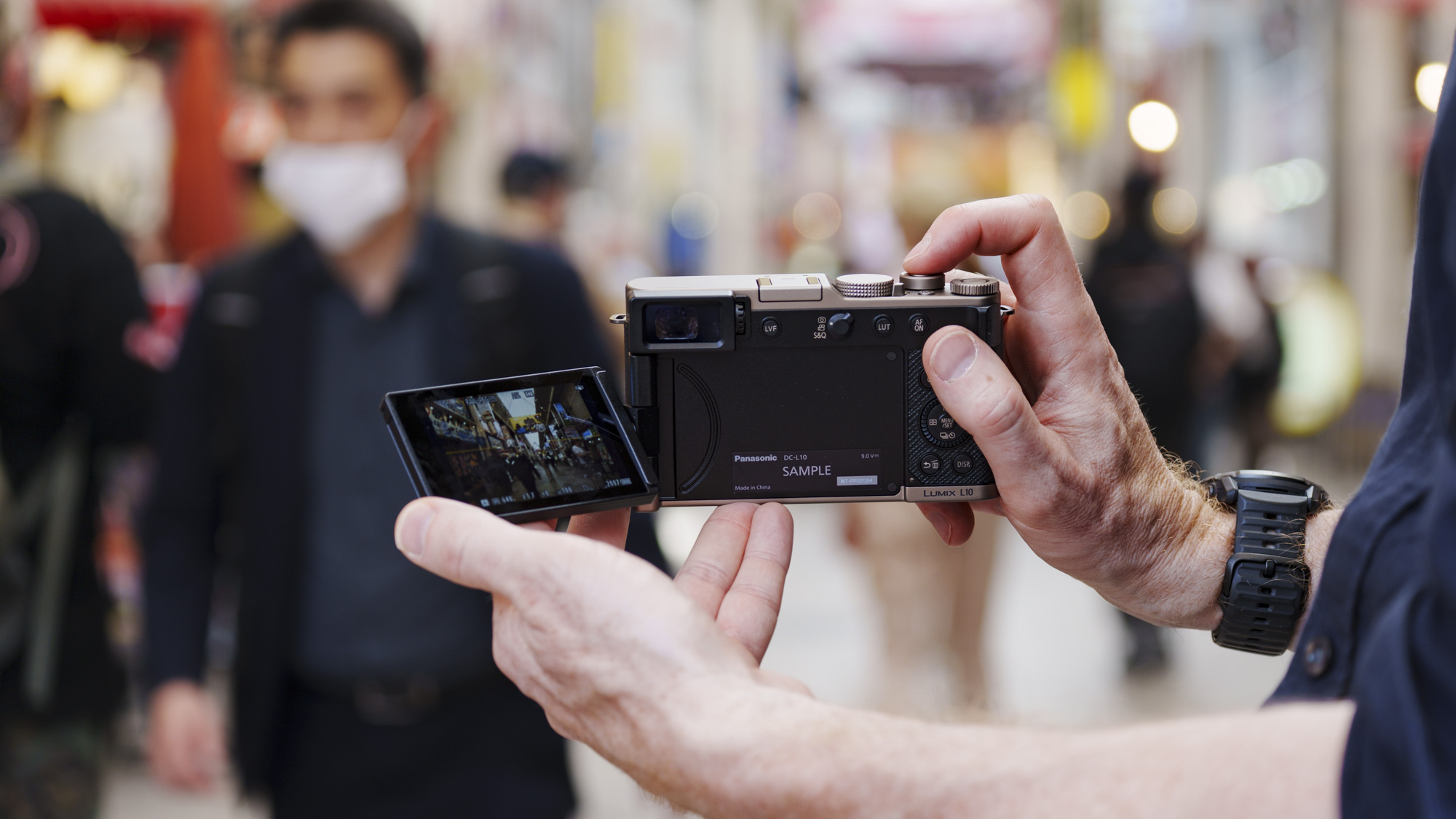
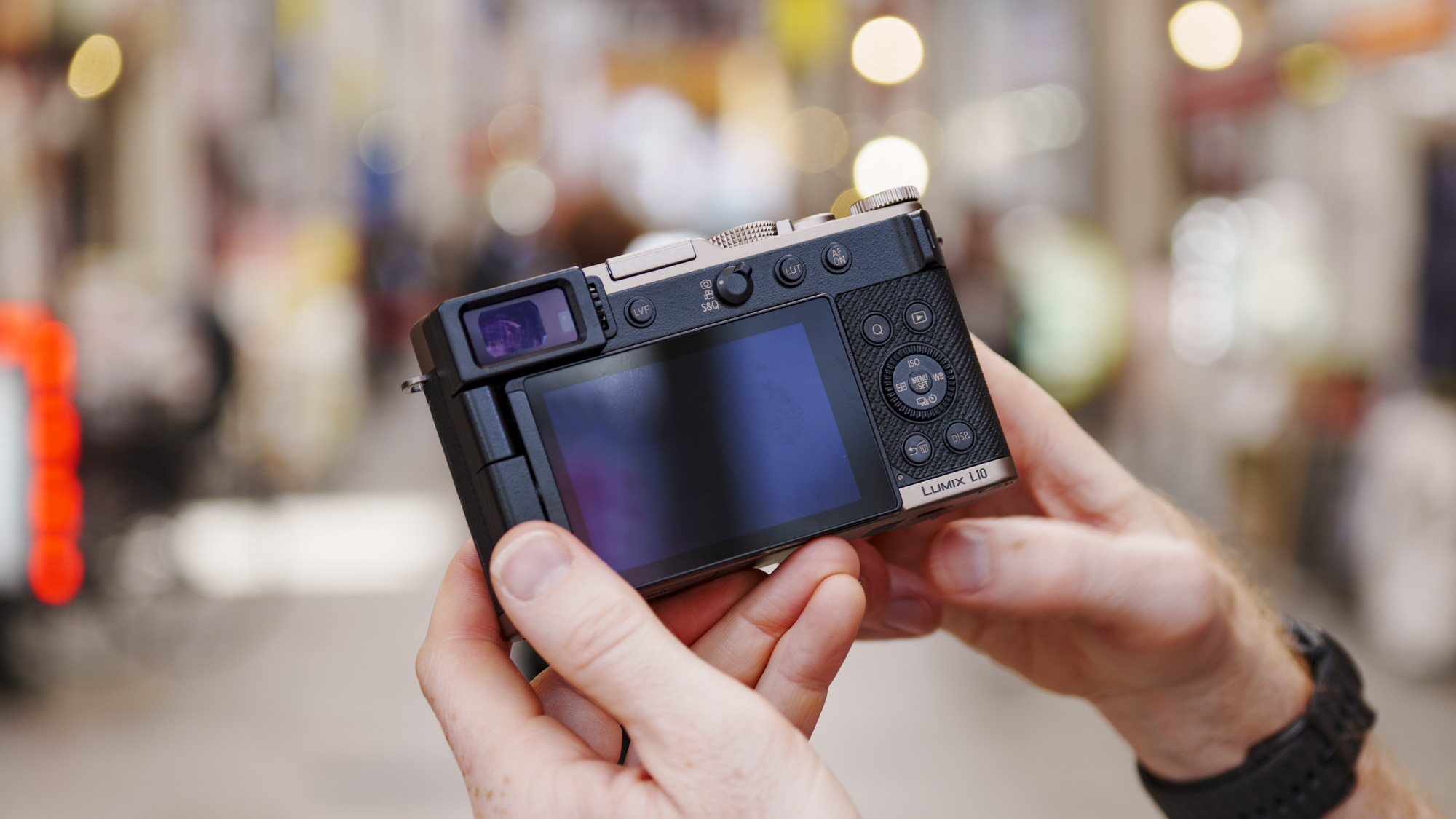
Man holding the Panasonic Lumix L10 compact camera up to his eye, he's looking through the viewfinder, in an urban setting of Japan
The Lumix L10 is a stunning camera, but what's it actually like to use?Tim Coleman
Man holding the Panasonic Lumix L10 compact camera in an urban setting of Japan
Tim Coleman
Man holding the Panasonic Lumix L10 compact camera in an urban setting of Japan
Tim Coleman
The Gold Titanium Special Edition of the Panasonic Lumix L10 compact camera, sat on gray and rust-colored rocks
Tim Coleman
Man holding the Panasonic Lumix L10 compact camera in an urban setting of Japan
Tim Coleman
Man holding the Panasonic Lumix L10 compact camera in an urban setting of Japan
Tim Coleman

If I'm to make a list of pros and cons based on features and specifications, then each model has distinct advantages over the other.

In favor of the X100VI: its 35mm f/2 prime lens quality, 40MP resolution (which is twice that of the Lumix L10), in-body image stabilization, quicker start-up time, fancier viewfinder, and its next-level retro aesthetics.

There's plenty going for the Lumix L10, mind you: its versatile 3.1x optical zoom lens, superior battery life, Real Time LUTs profiles (which for me outdo Fujifilm's film simulations), superior burst shooting speeds, snappier autofocus, vari-angle screen, plus its video performance has the edge. Oh, and it costs less — depending on which region you live in, the price difference can be pretty sizable.

Speaking objectively, I believe I'd get more use from the Lumix L10, especially the telephoto end of its 24-75mm f1.7 to f/2.8 lens. It is overall a more versatile camera. However, objectivity goes out the window when considering creative tools such as cameras for personal use.

We can talk features all day, but you really need to get a feel for a camera, and the only way to do that is to get properly hands-on, which is exactly what I did with the L10 and X100VI side by side. And in doing this direct comparison, a favorite quickly emerged.

The heart
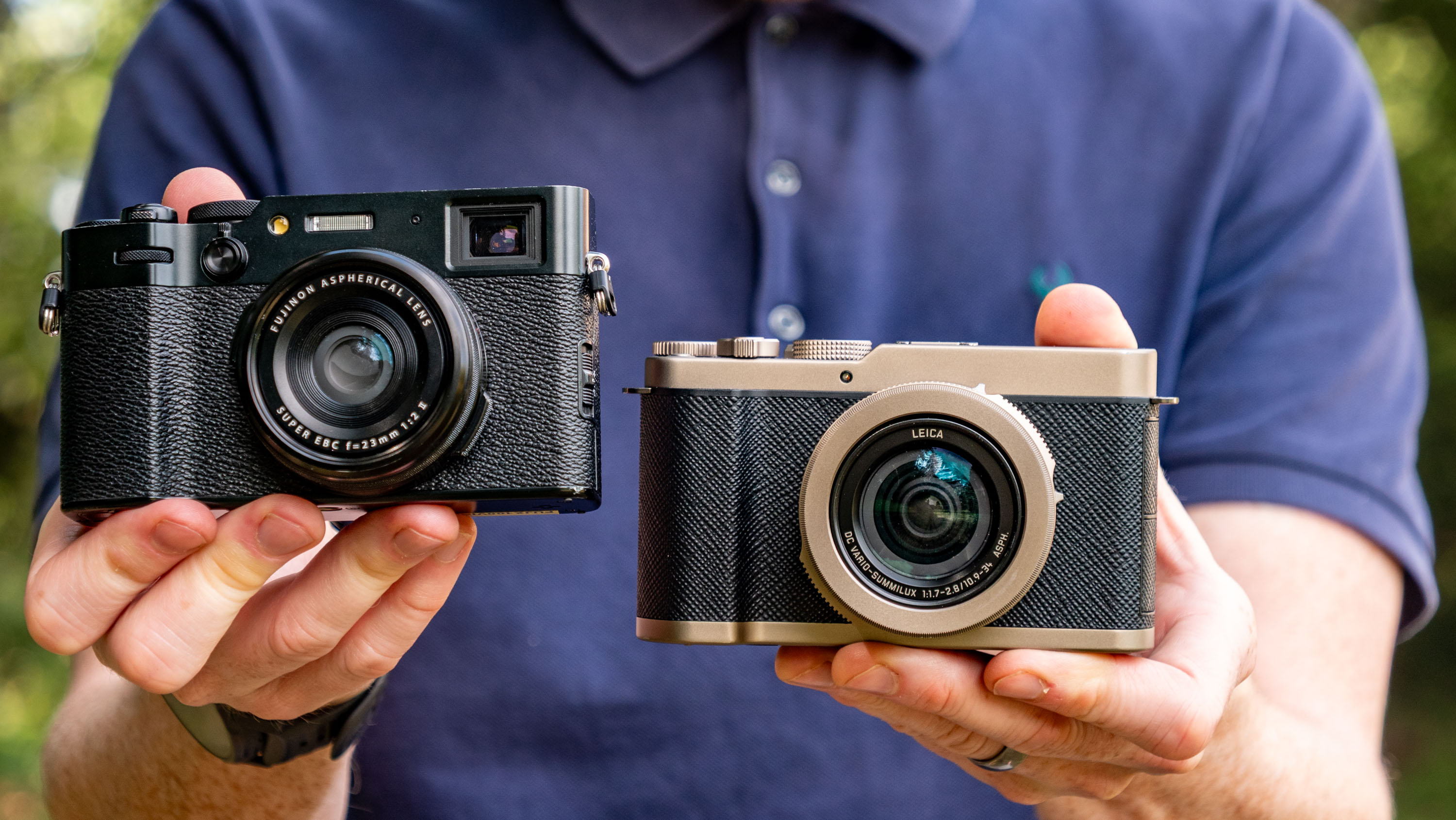
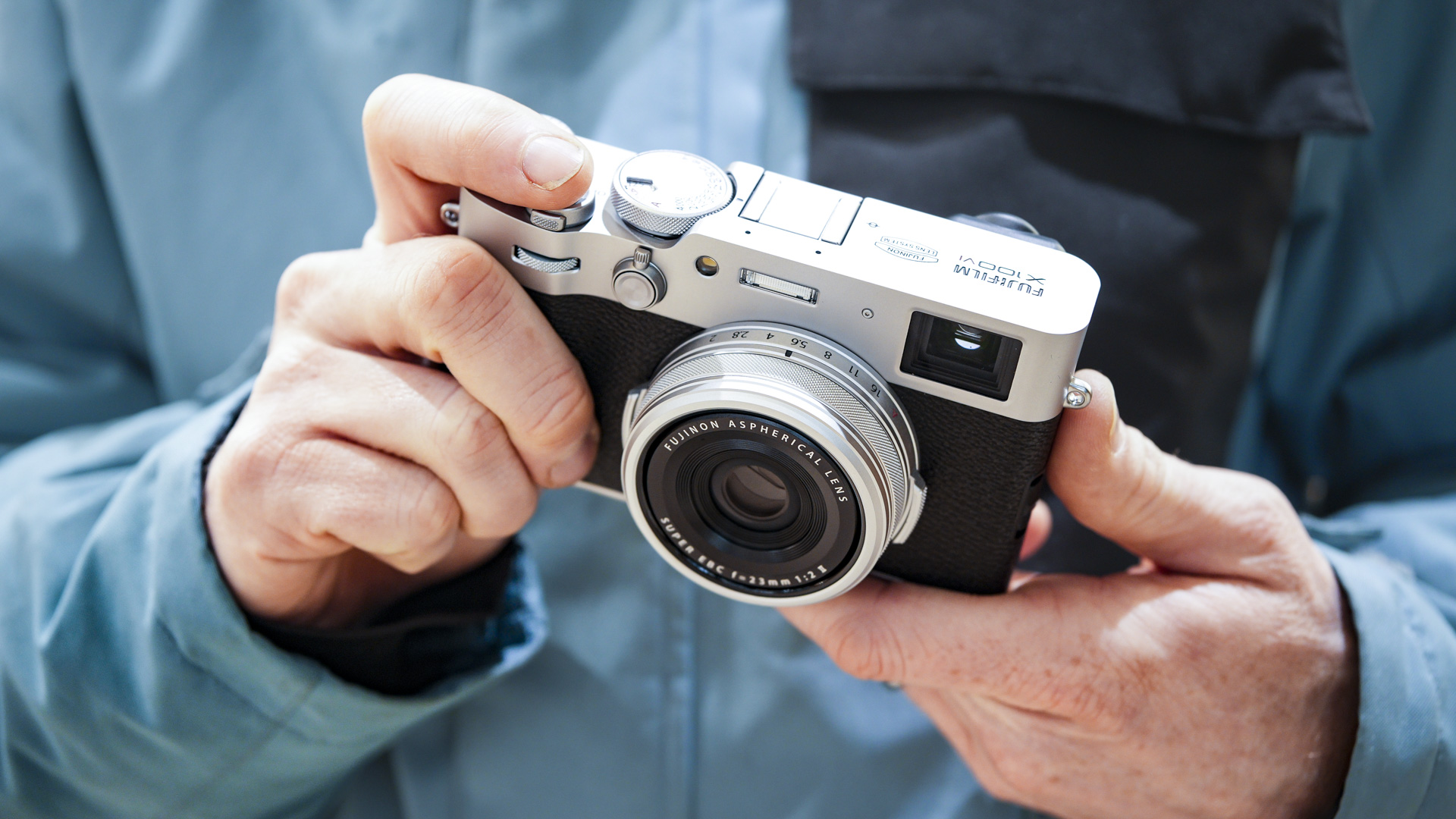
Fujifilm X100VI premium compact camera alongside the Panasonic Lumix L10 in tech journalist Tim Coleman's hands
Tim Coleman
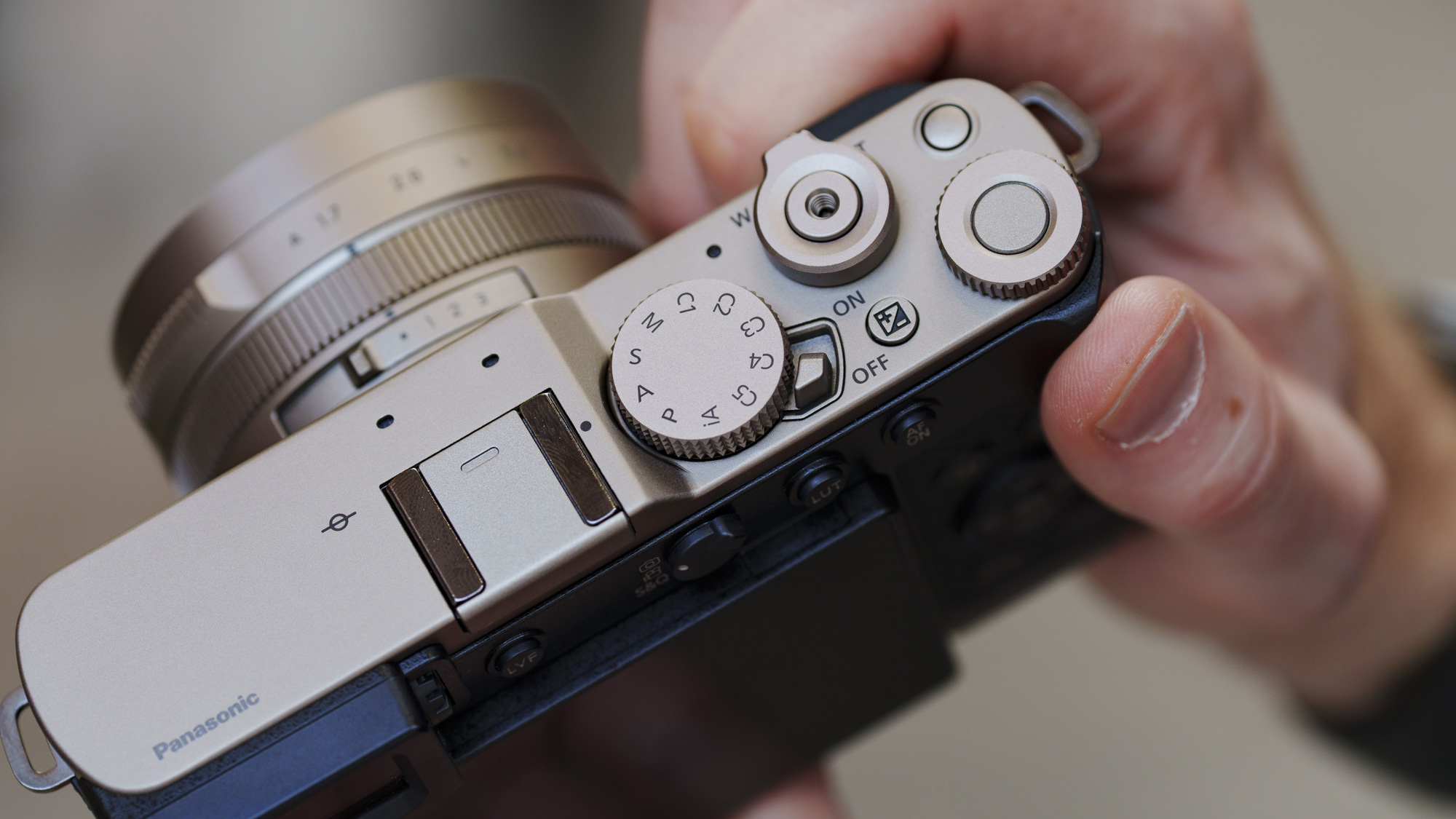
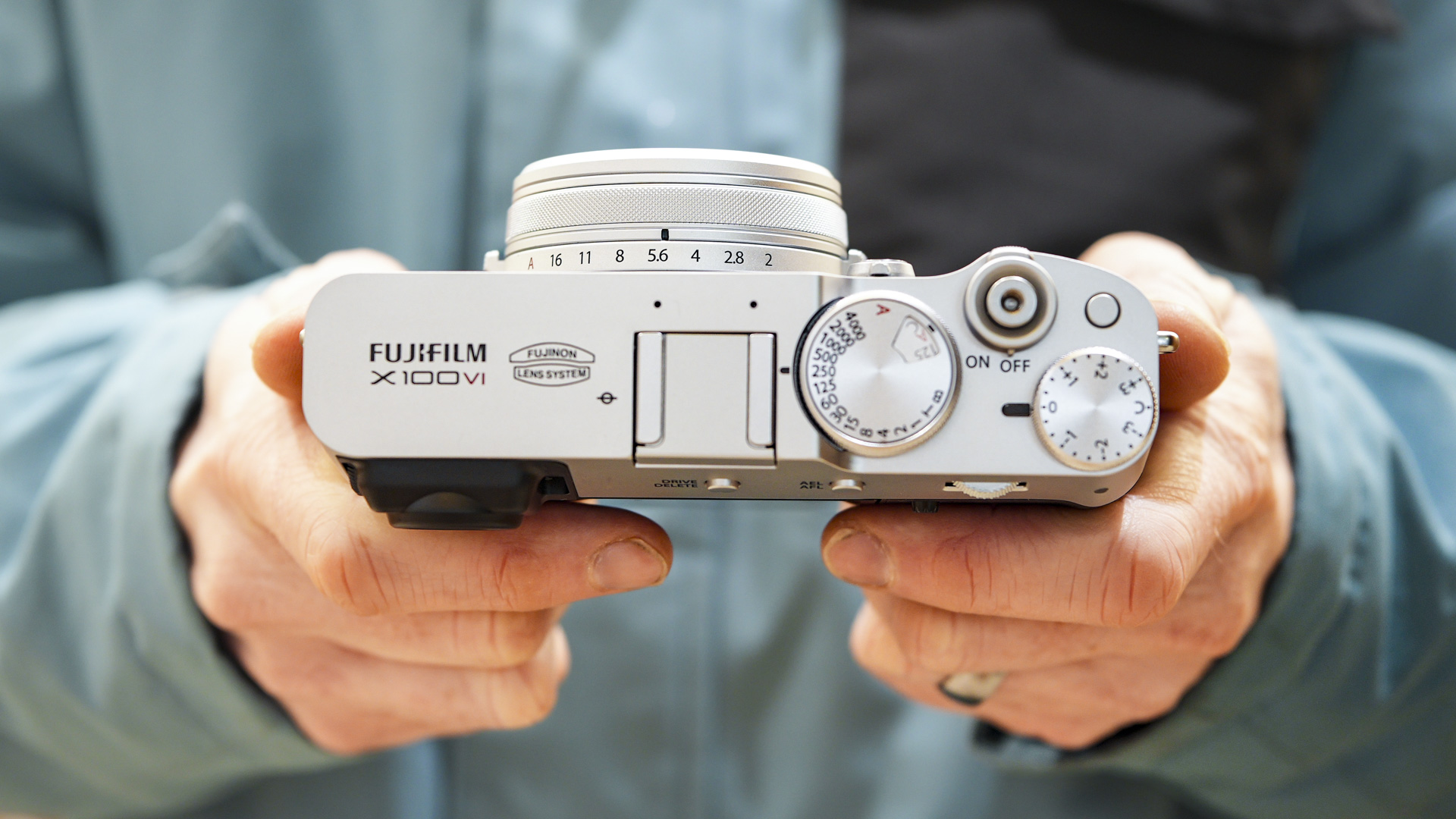
Fujifilm X100VI in the hand with top plate in view
Future
Top plate of theFujifilm X100VI in the hand
Future
Person holding the Fujifilm X100VI camera up to their eye with a bustling Tokyo city background
Future

Rather than getting bogged down in features and specifications, I'm going to articulate what it felt like to use each camera, because honestly that's more important in the long run, especially for this kind of premium compact camera designed for personal, daily use. (My workhorse mirrorless camera is another matter — it's there to do a job efficiently and reliably.)

I'm going to come right out and say it — I enjoyed the X100 VI more. Aesthetically, it has the edge: both cameras are retro, but the X100 VI is next-level with its manual exposure dials and hybrid viewfinder. With the two slung over my shoulder, it was the X100VI that I wanted to reach for first.

When I did, the X100 VI required more effort to master; there's more involvement in operating the exposure controls and such, which I actually preferred as a serious photographer. I liked how much more premium it felt in the hand too: the weightiness, the dampened shutter button...the X100VI just felt... better.

I also appreciated its quicker start-up time, and liked how much more compact its prime lens is. The hybrid viewfinder was more enjoyable too, especially since I'm in the small camp of photographers who genuinely enjoy the optical viewfinder.

Sure, I'd rather that autofocus was as good as the Lumix L10's. And for a variety of scenarios, wished that I could zoom the lens. And it's not like I didn't get any feeling with the Lumix L10 — how its lens handles in particular is a delight. But for feeling alone, and that sense of pursuing a craft, the X100VI captured my heart all over again.

Lumix L10 vs Fujfilm X100VI: the images

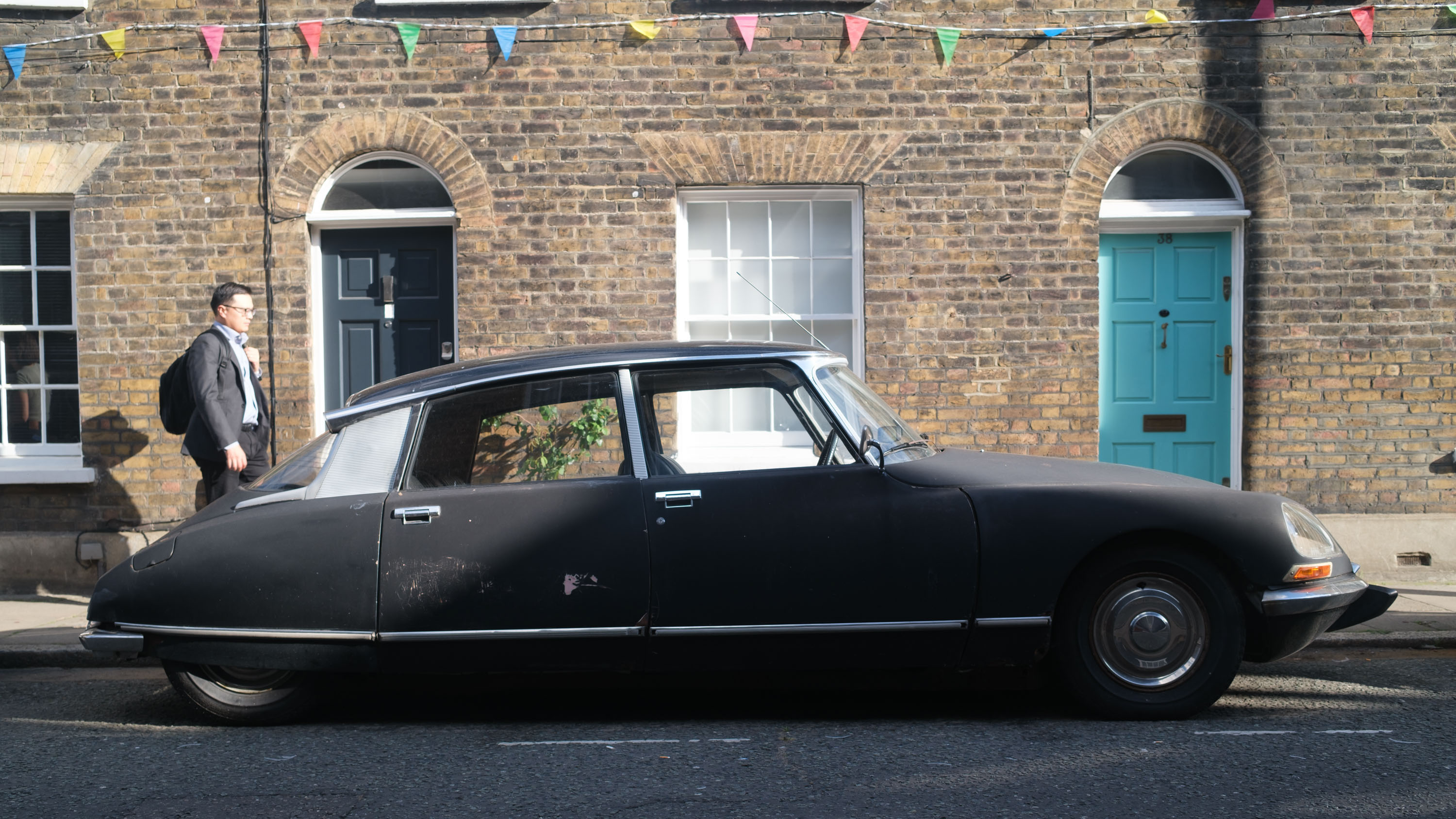
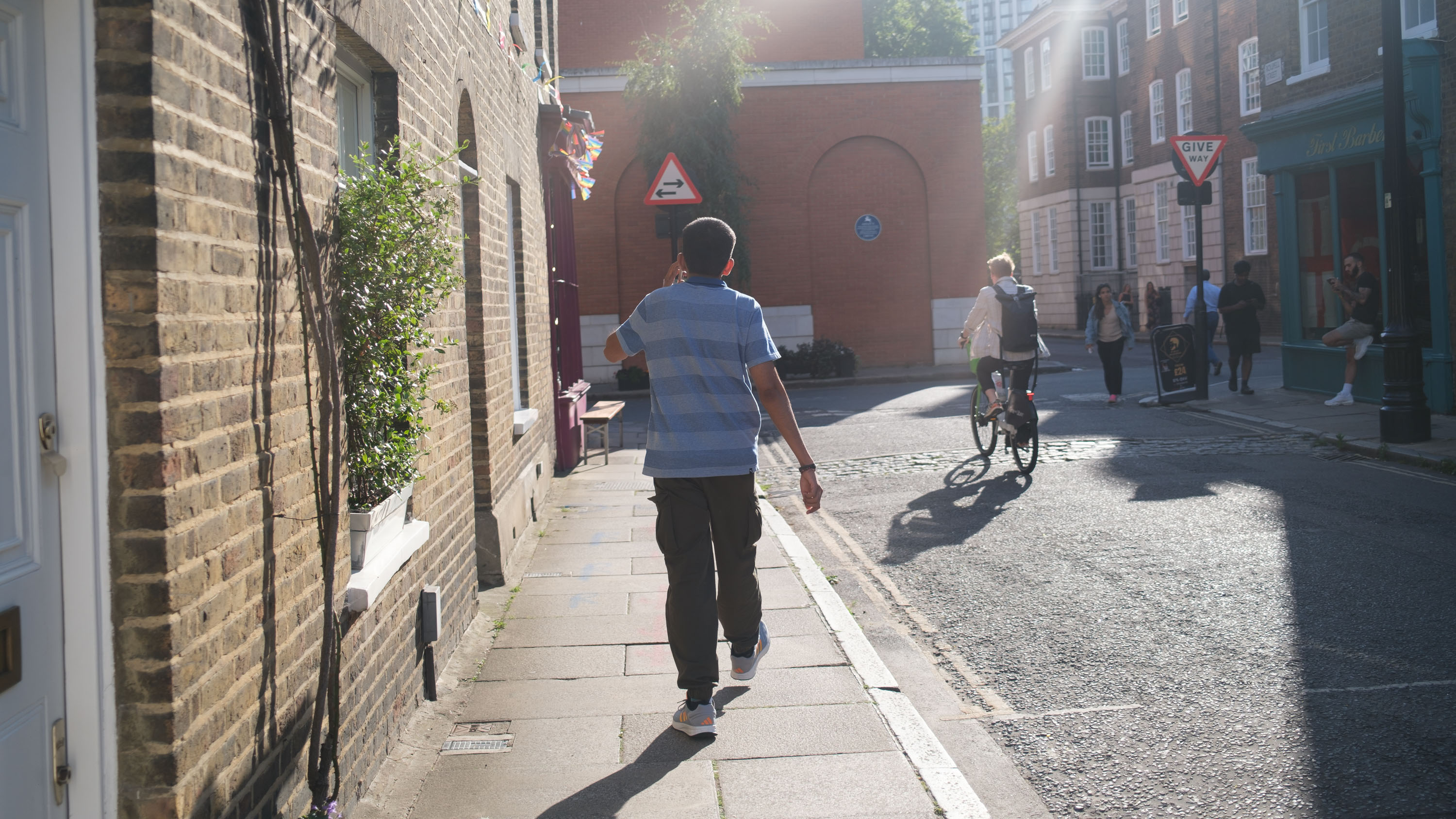
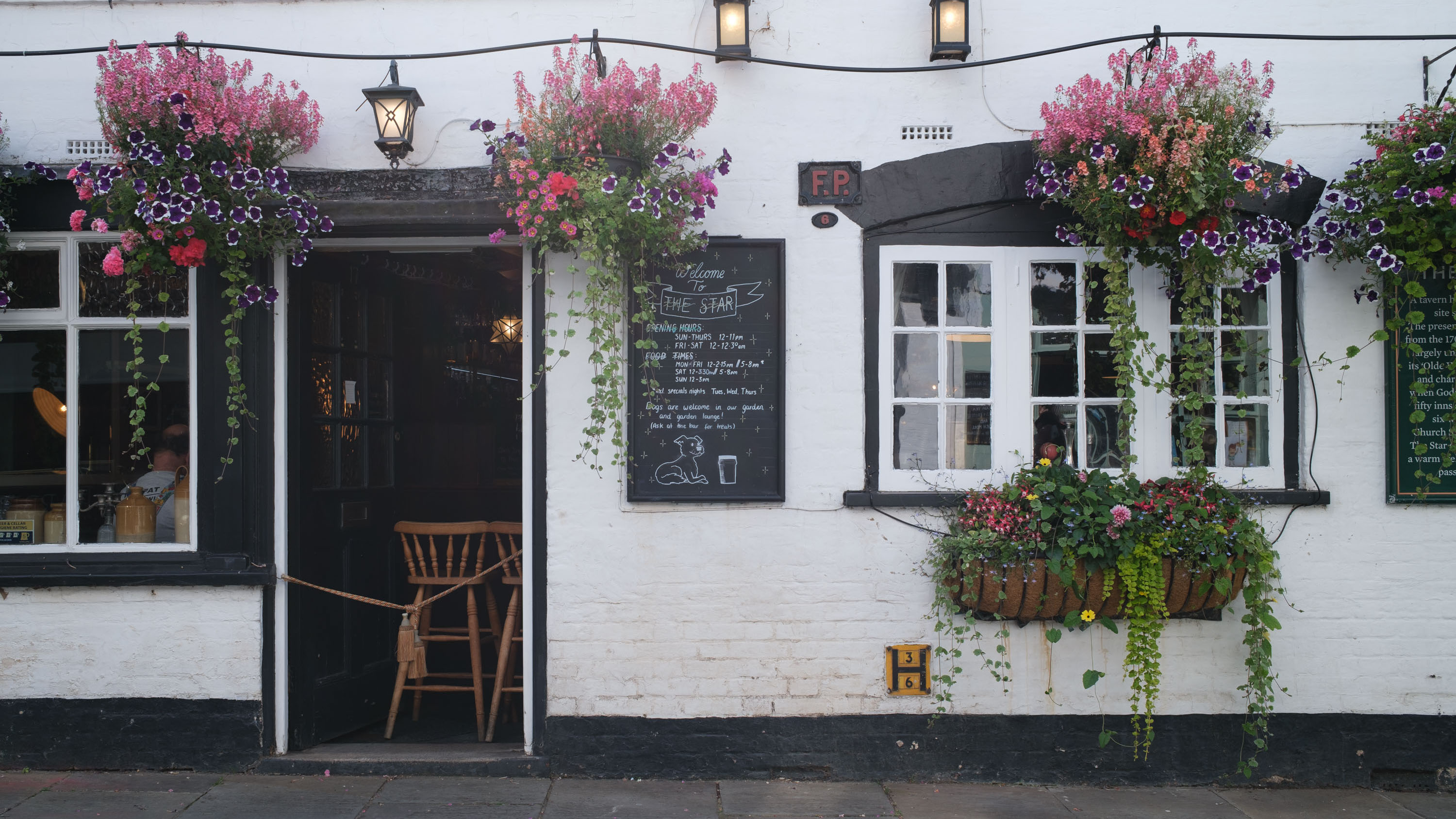
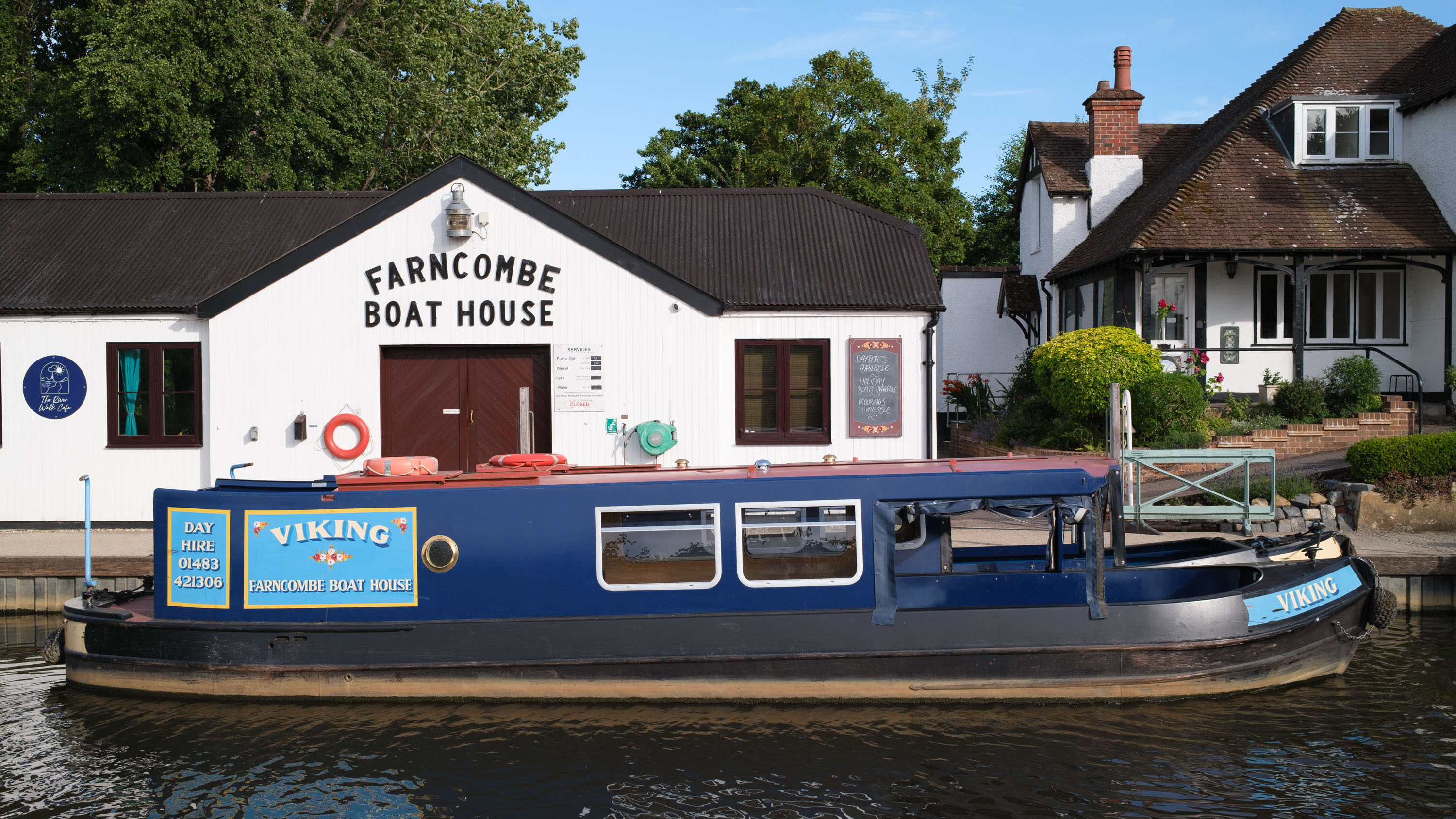
A collection of Panasonic Lumix L10 pictures. I have matched the Fujifilm X100VI's 35mm focal length in most of these samples, but I have also included some at different focal lengths to show how versatile it can be.
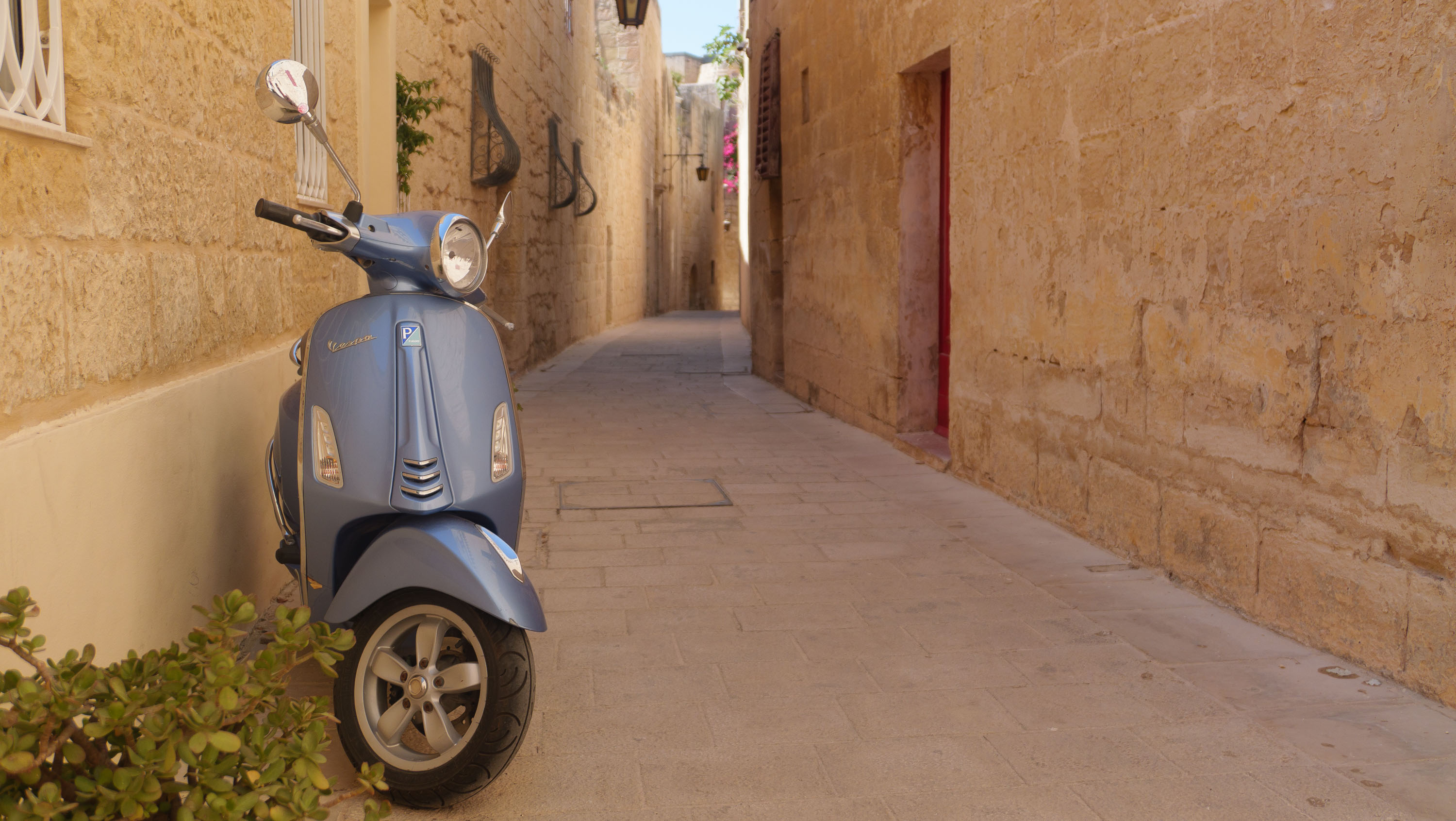
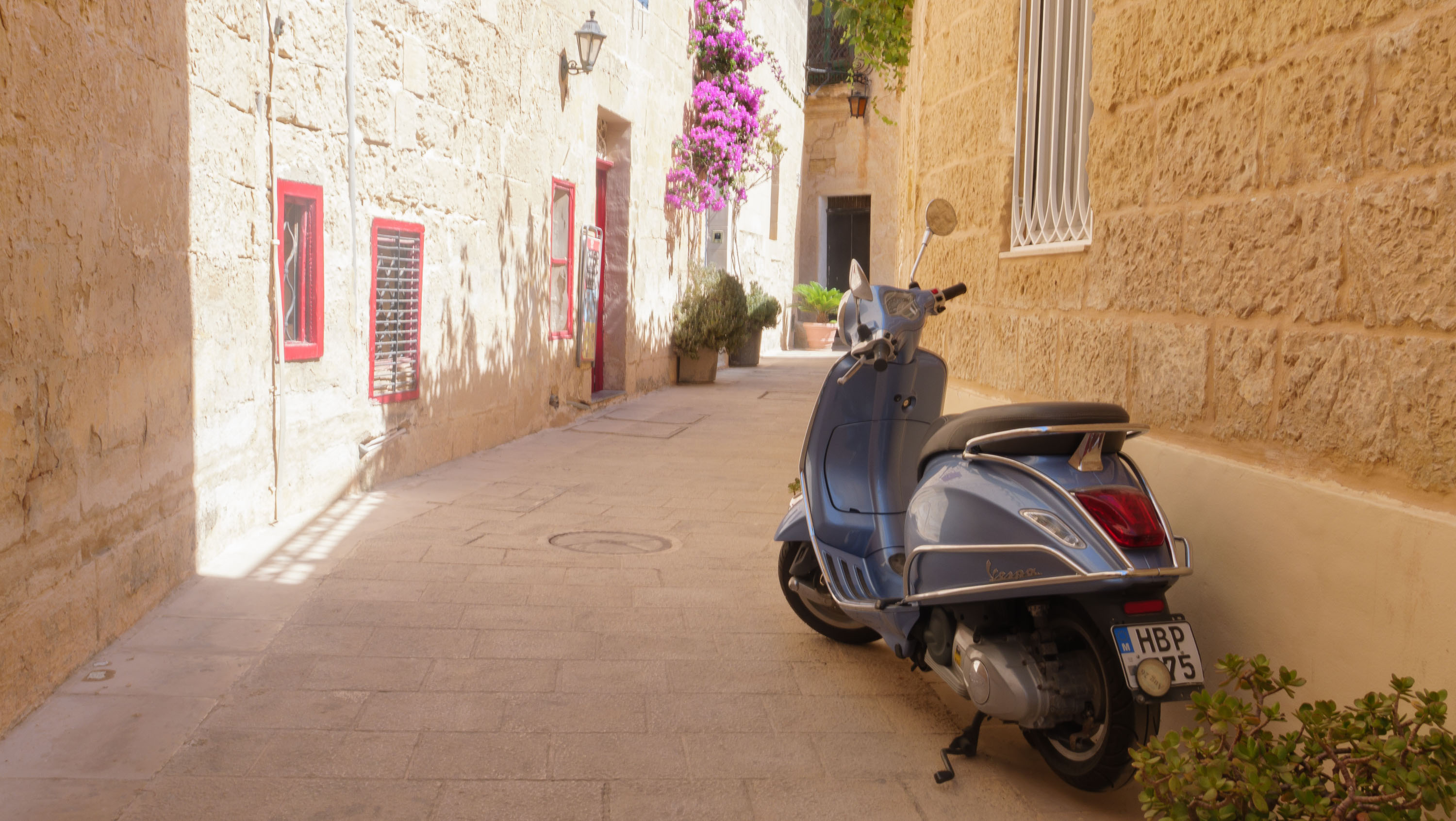
Panasonic Lumix L10 image gallery: a blue vespa in an old alleyway in Valetta, Malta
Tim Coleman
Panasonic Lumix L10 image gallery: a blue vespa in an old alleyway in Valetta, Malta
Tim Coleman
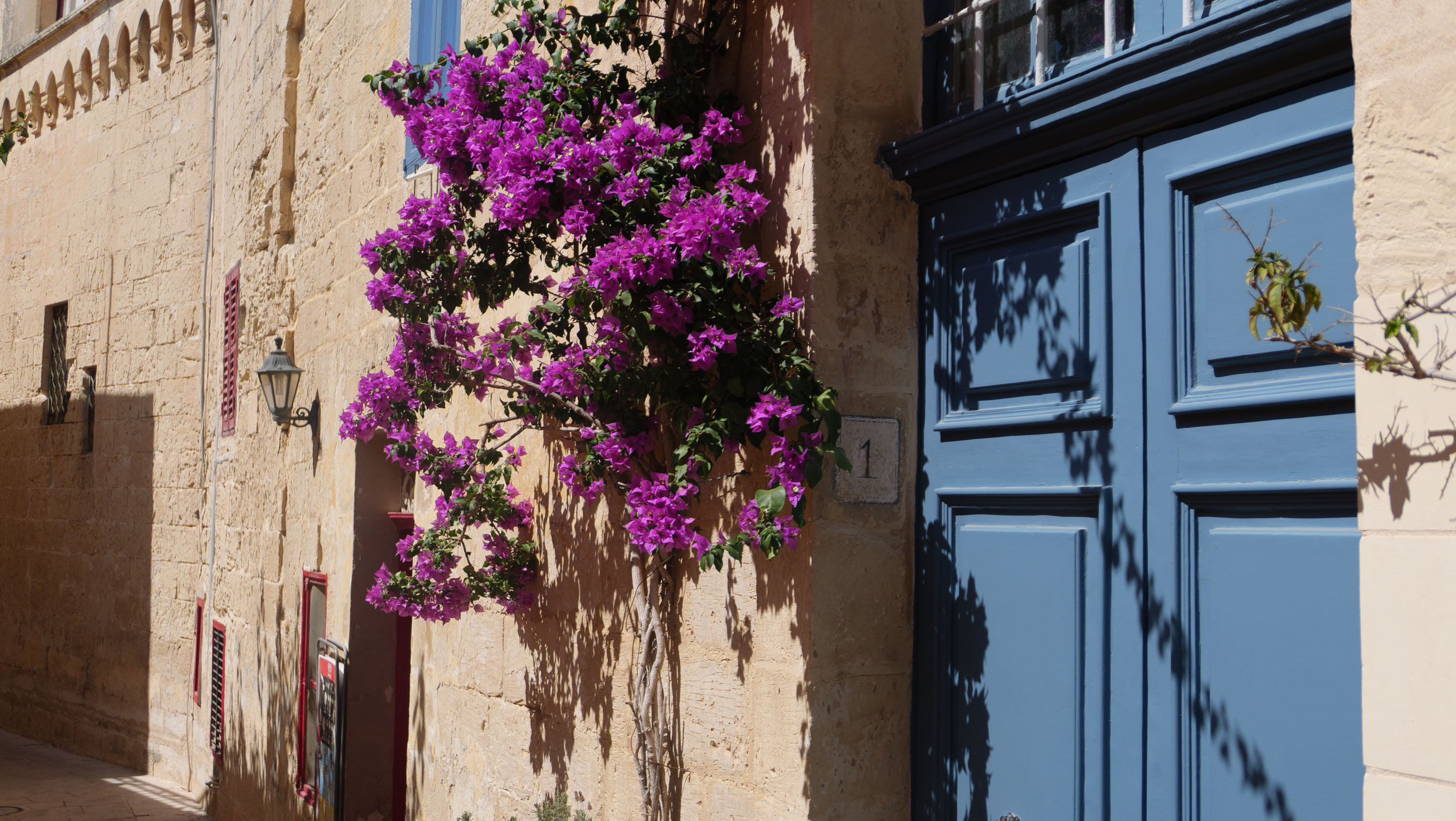
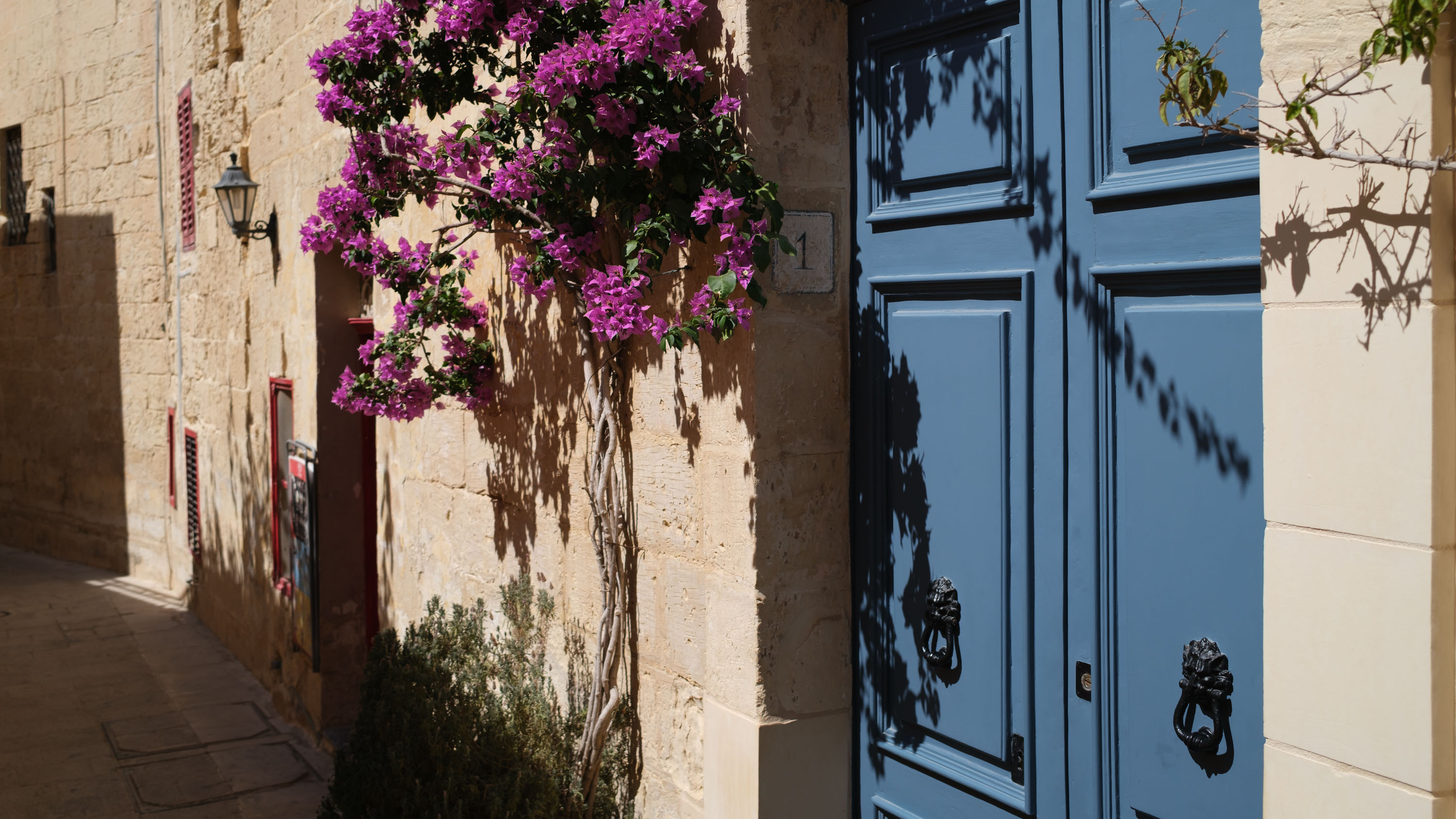
Panasonic Lumix L10 image gallery: ornate blue door and pink wall flowers in an old alleyway in Valetta, Malta
Tim Coleman
Panasonic Lumix L10 image gallery: a bright red door down an an old alleyway in Valetta, Malta
Tim Coleman
Panasonic Lumix L10 image gallery: man besides his horse and cart in an old alleyway in Valetta, Malta
Tim Coleman
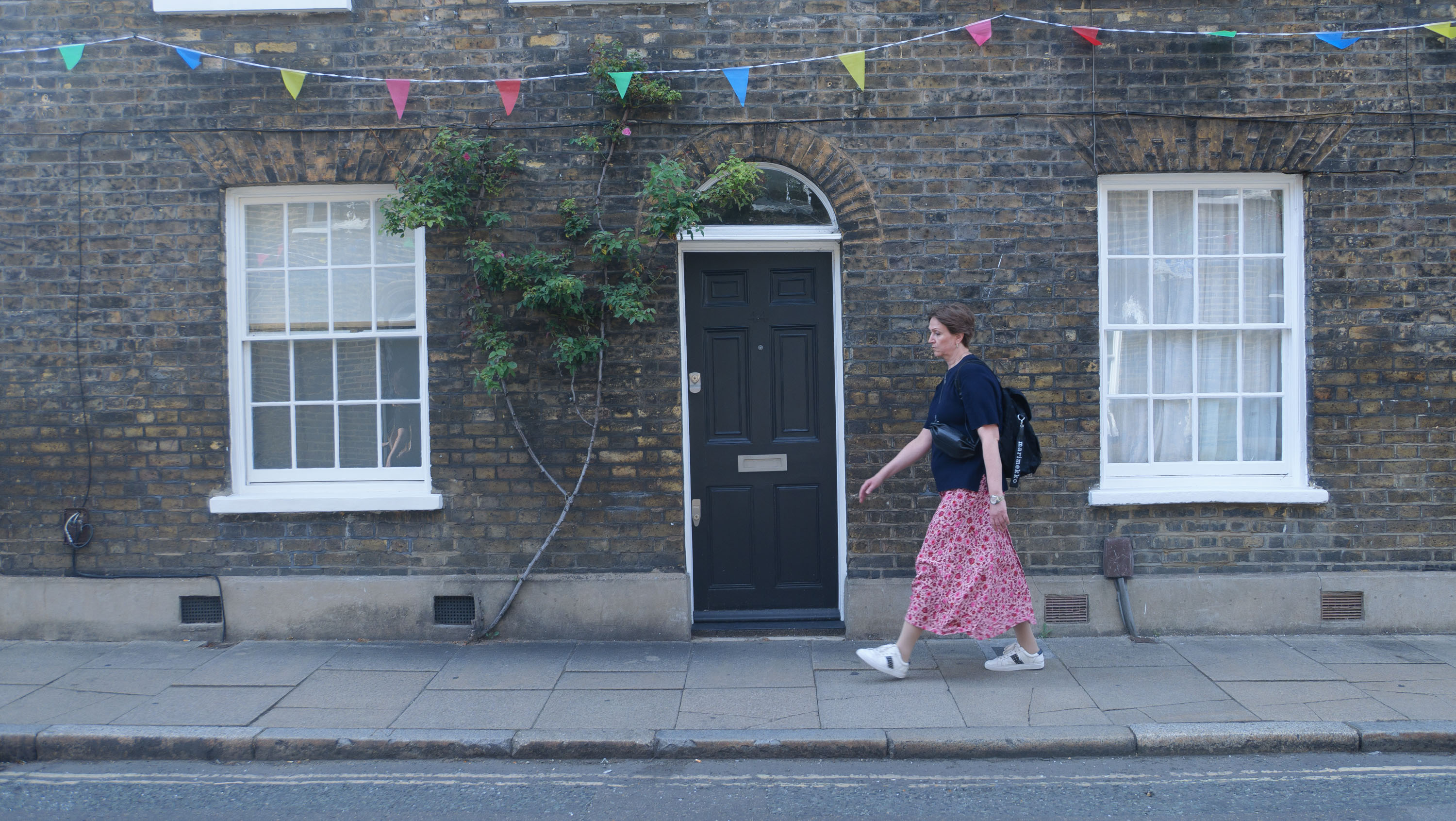
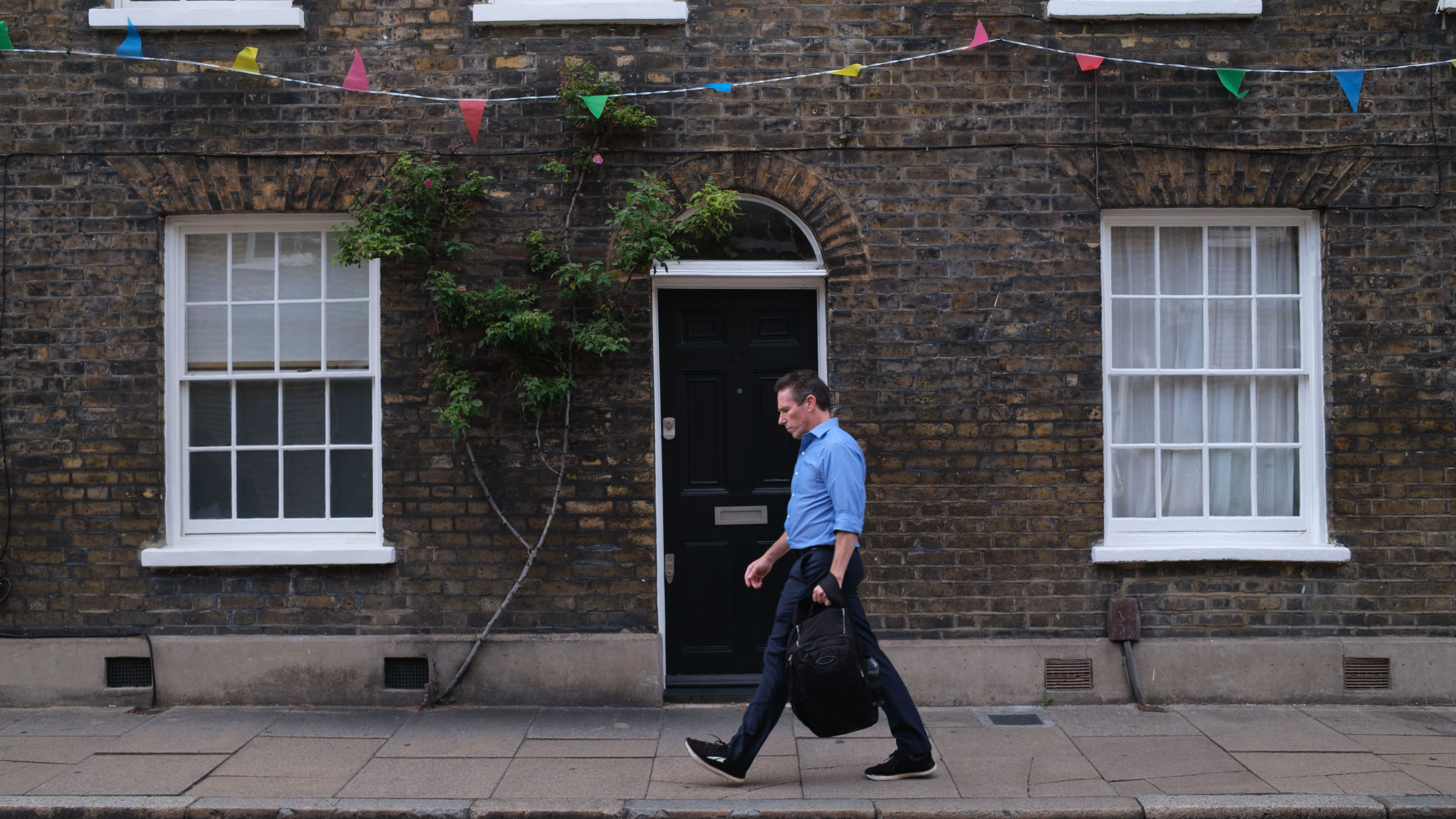
Panasonic Lumix L10 image gallery: a sidewalk in London with an old house front and windows
Tim Coleman
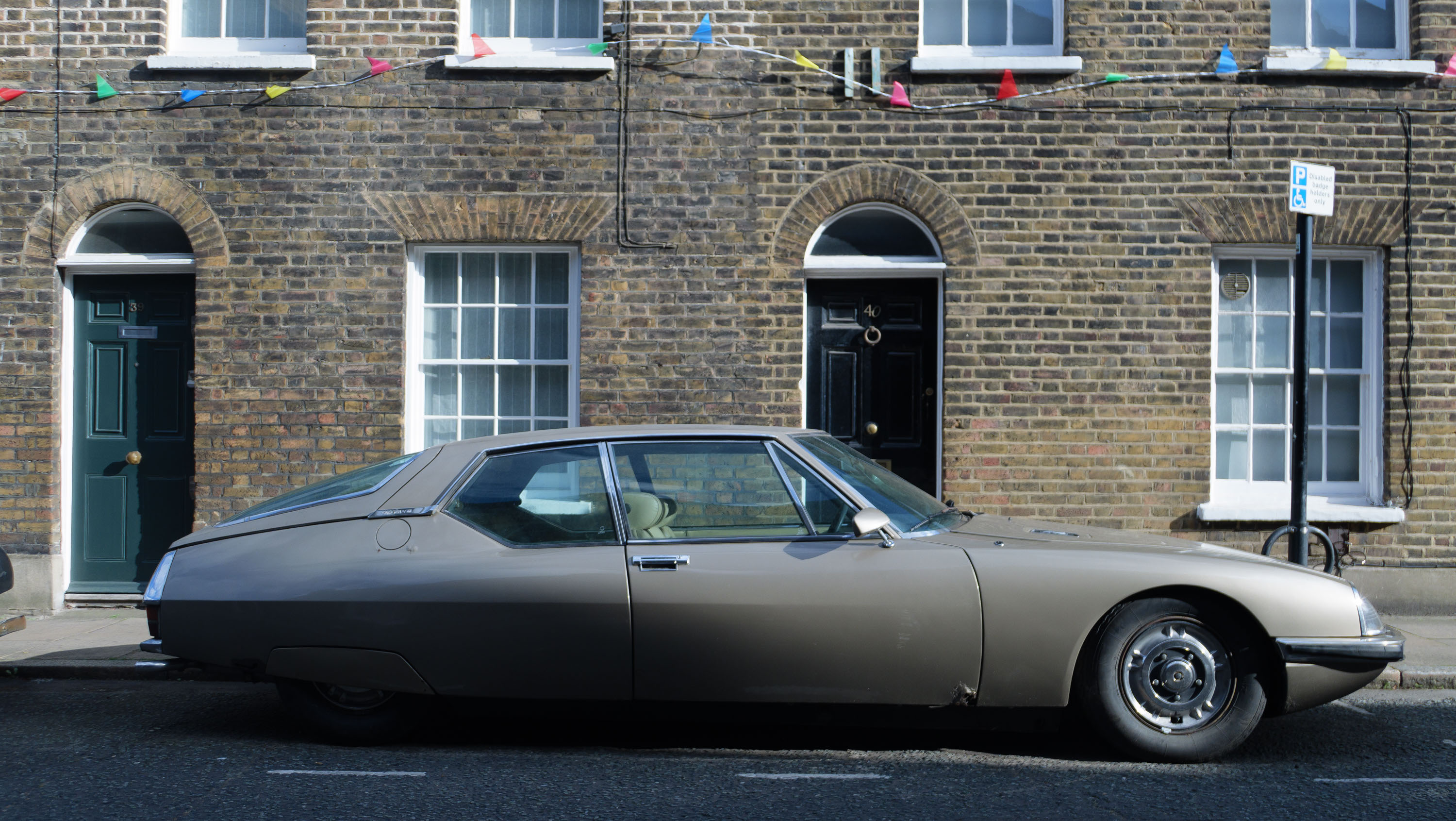
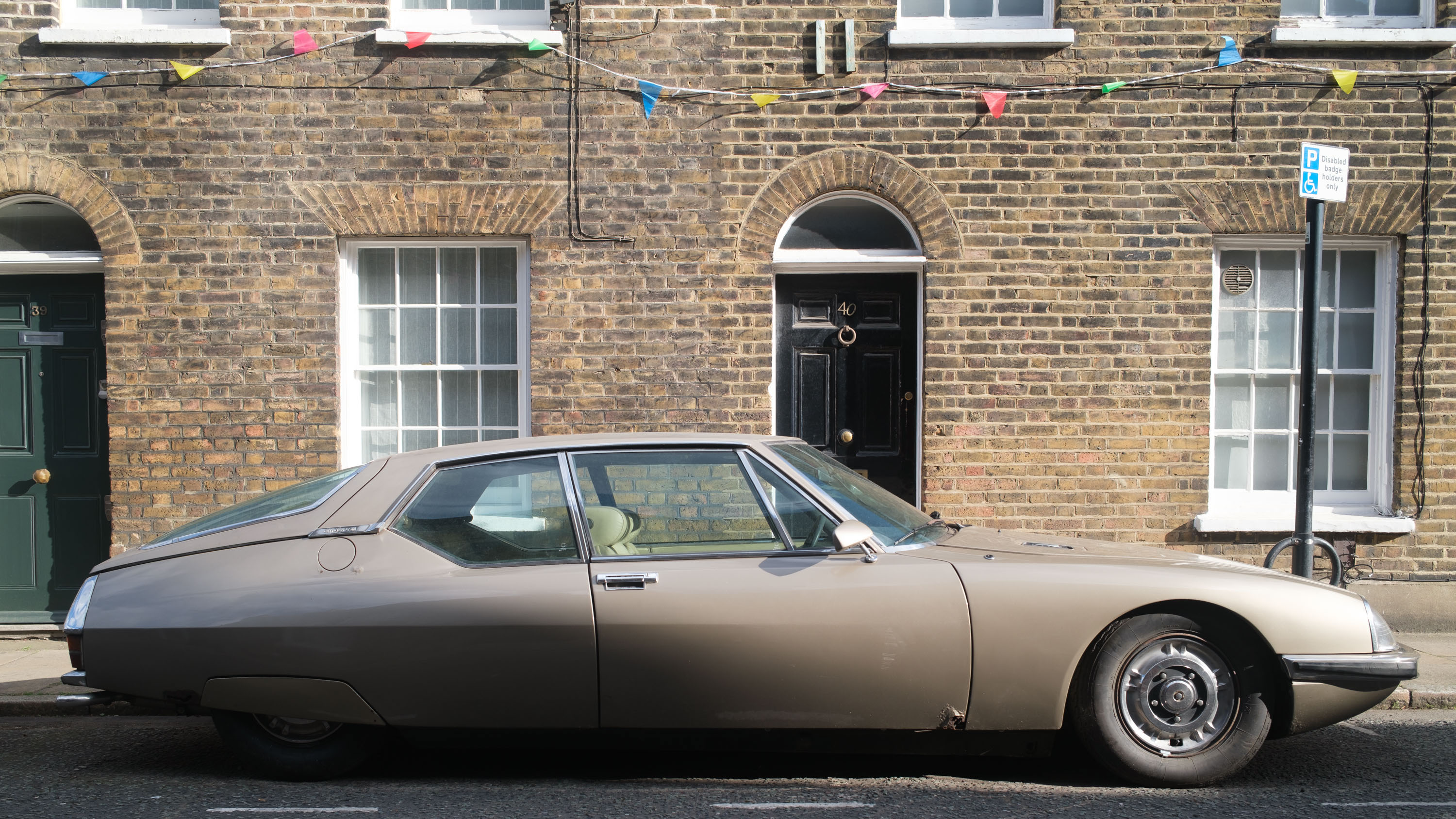
Panasonic Lumix L10 image gallery: a sidewalk in London with a parked classic car in front of old house front and windows
Tim Coleman
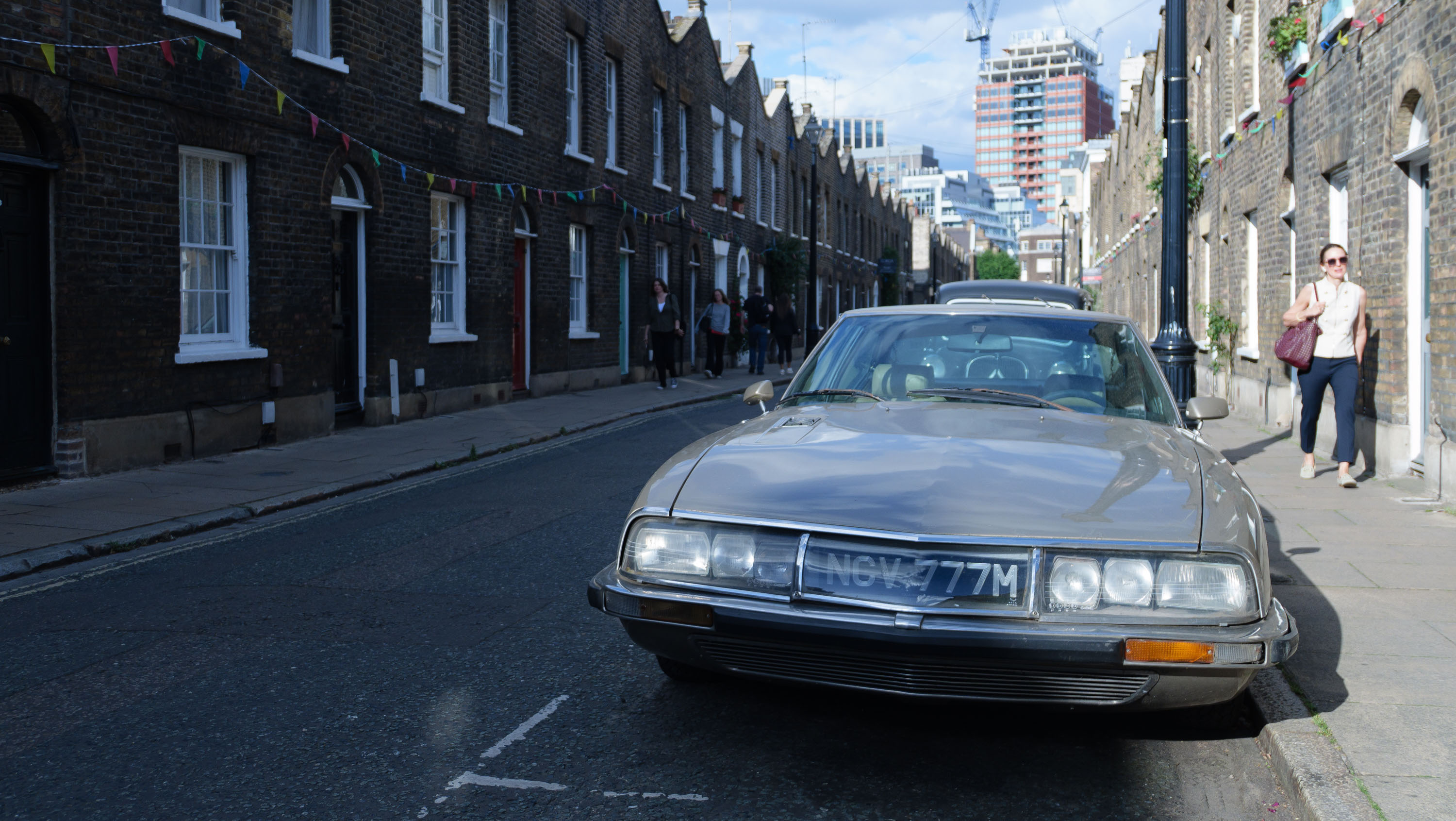
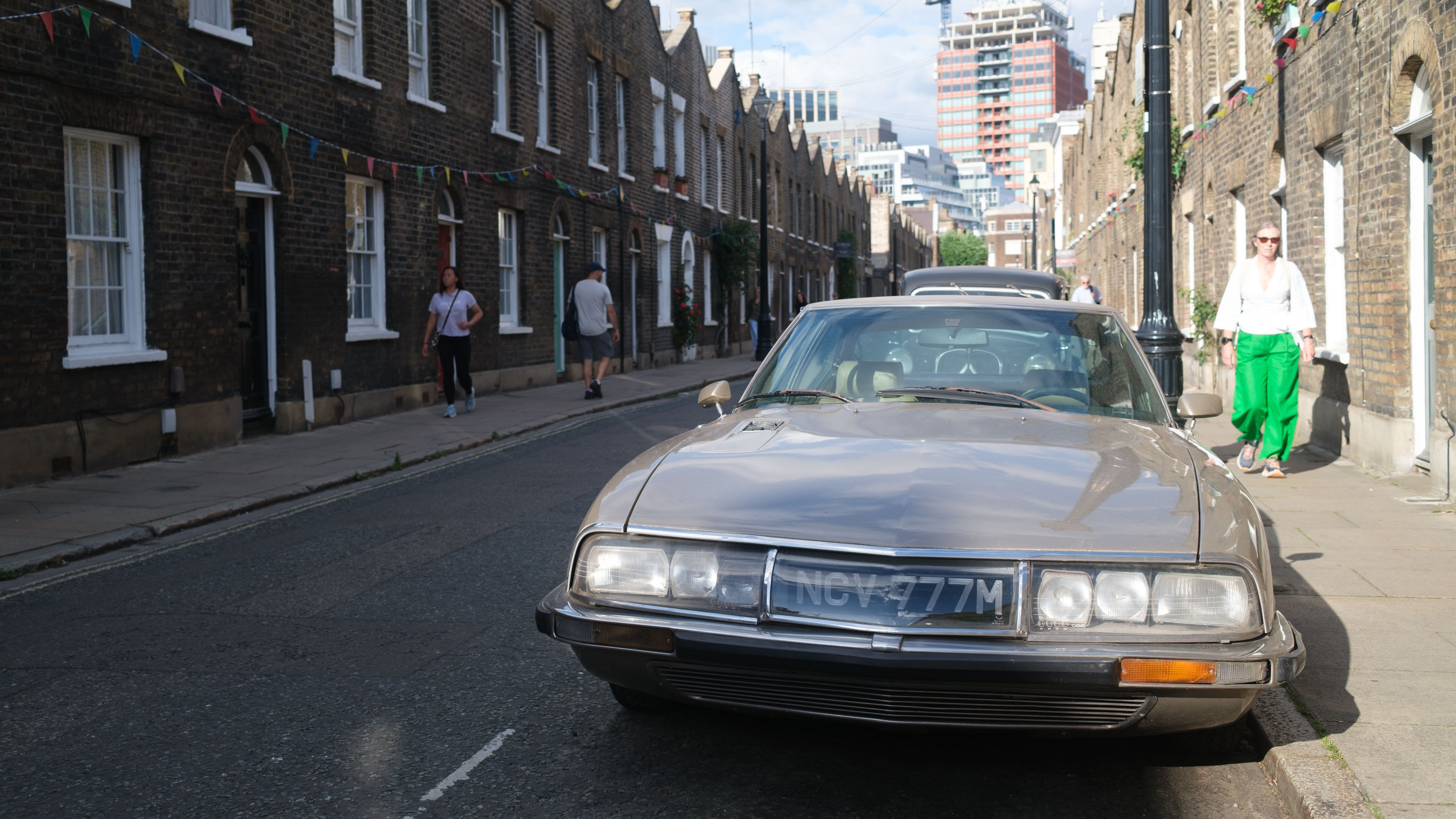
Panasonic Lumix L10 image gallery: a sidewalk in London with a parked classic car in front of old houses
Tim Coleman
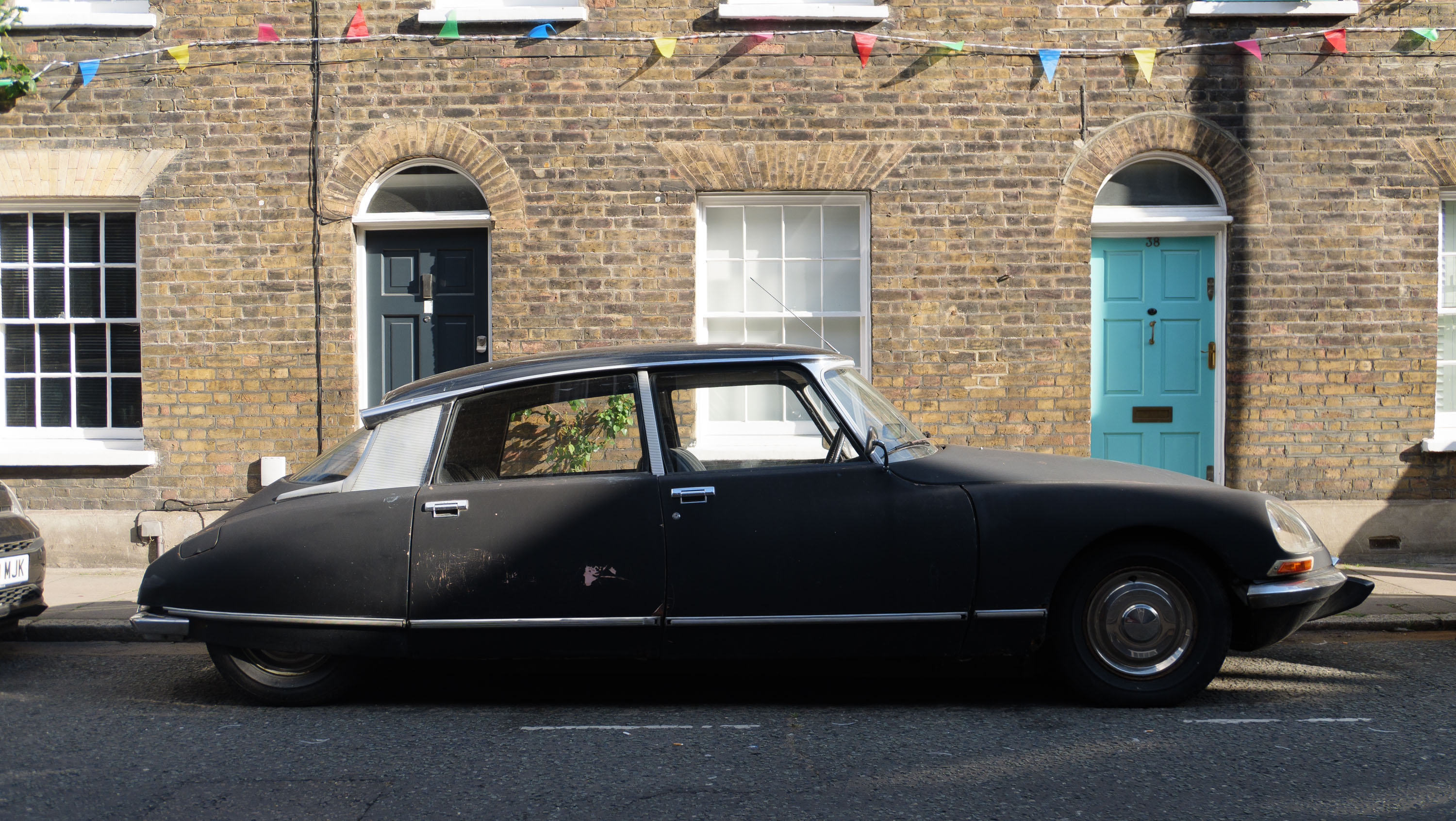
Panasonic Lumix L10 image gallery: a sidewalk in London with a parked classic car in front of old house front and windows
Tim Coleman
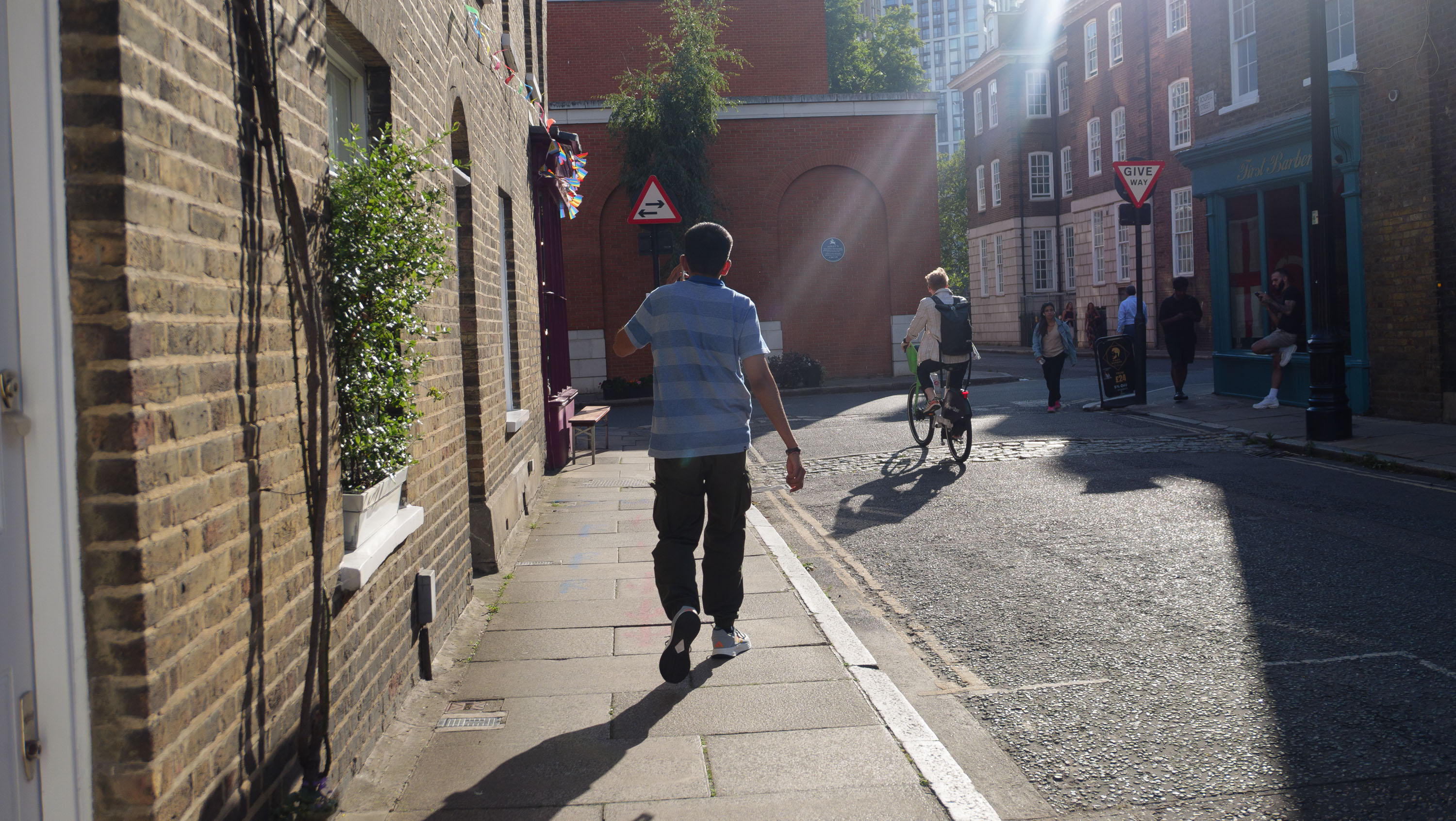
Panasonic Lumix L10 image gallery: person walking down a sidewalk in London, low light sun
Tim Coleman
Panasonic Lumix L10 image gallery: portrait of a man, leaning against a brick wall in London
Tim Coleman
Panasonic Lumix L10 image gallery: portrait of a man, leaning against a brick wall in London
Here and for the following portrait, I've increased the zoom to the maximum 75mm focal lengthTim Coleman
Panasonic Lumix L10 image gallery: portrait of a man, leaning against a brick wall in London
Tim Coleman
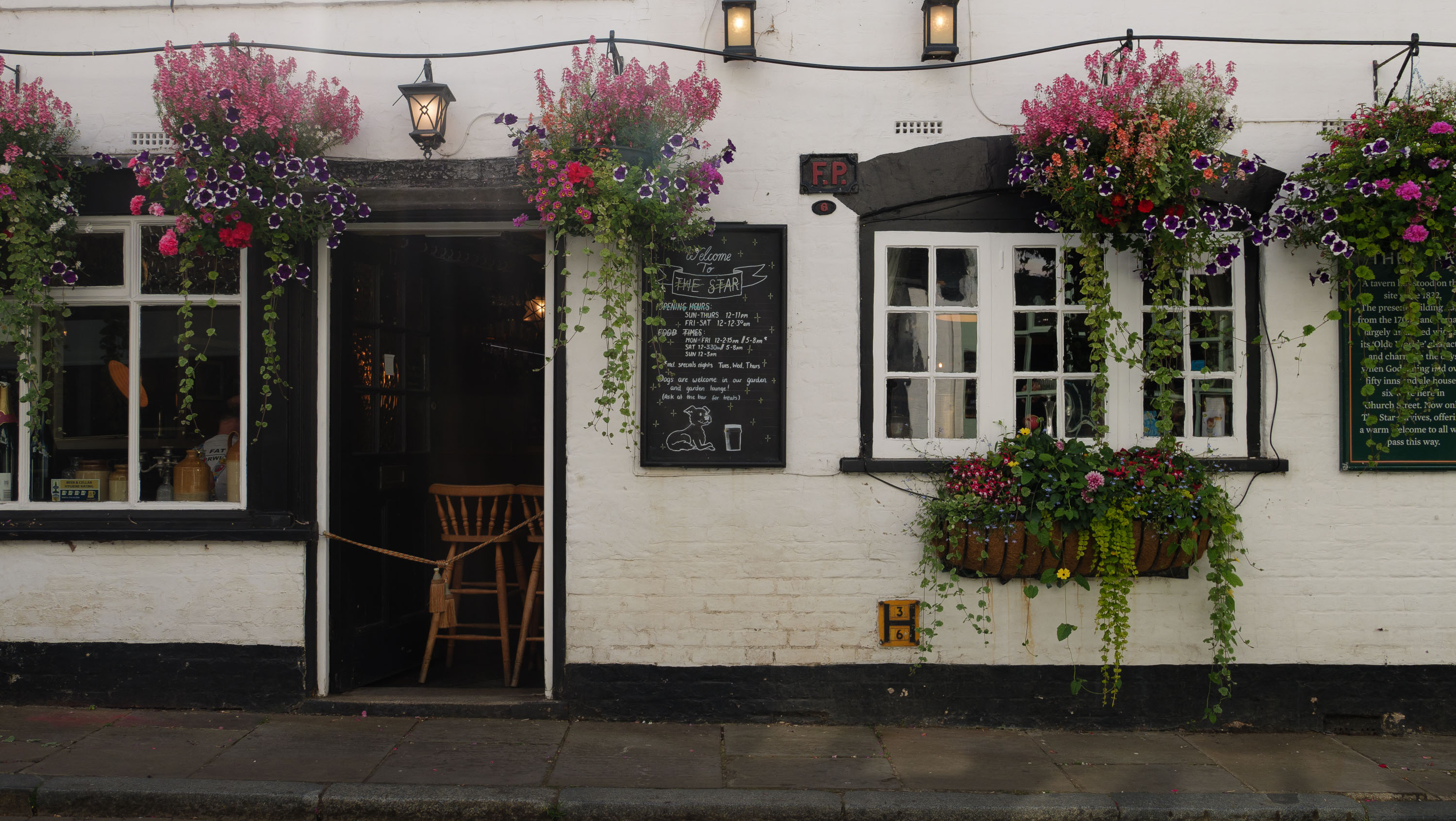
Panasonic Lumix L10 image gallery: a UK pub frontage, there a hanging flowers above old windows
Tim Coleman
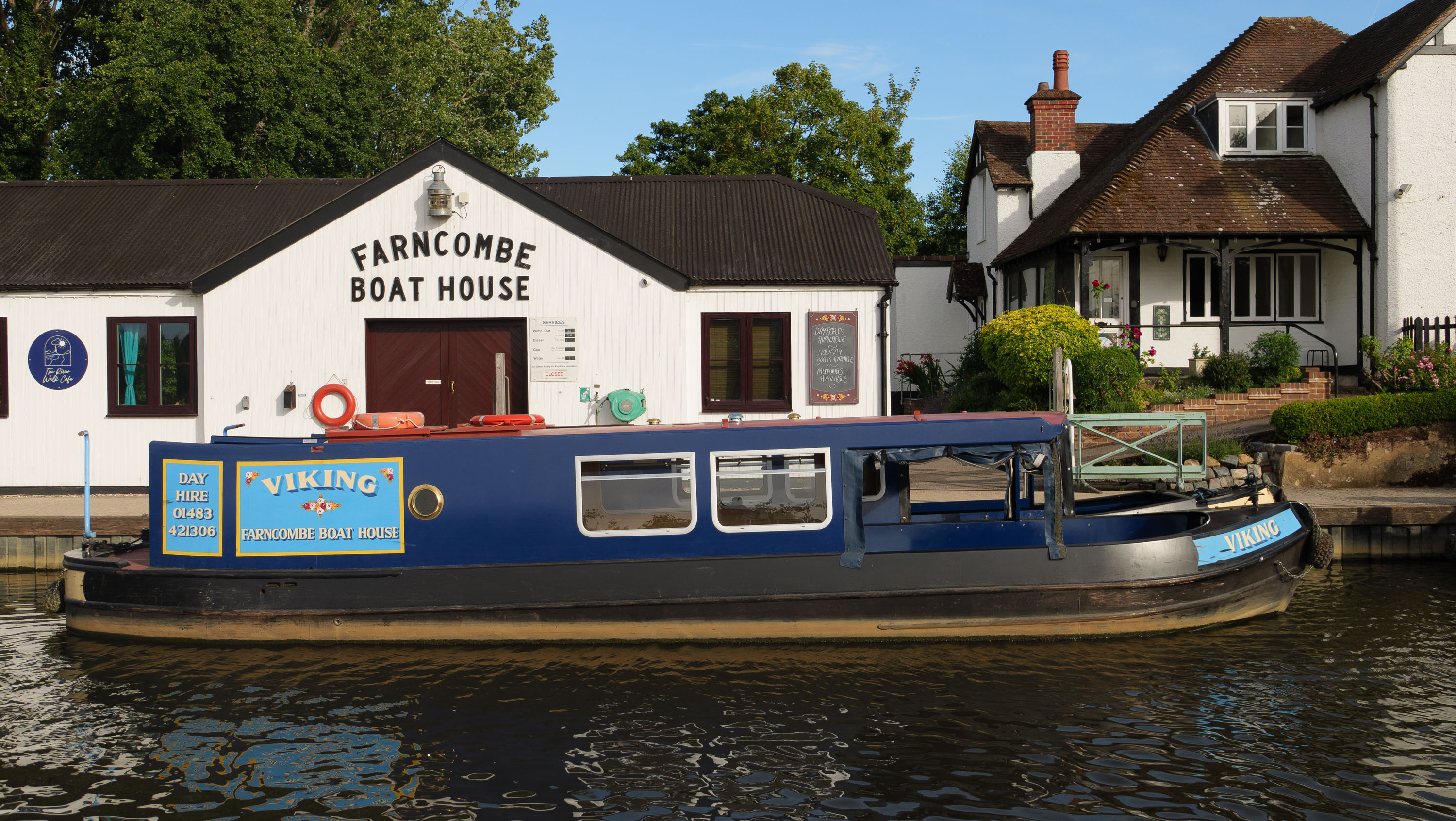
Panasonic Lumix L10 image gallery: a canal boat moored in front of a boat house
Tim Coleman
Panasonic Lumix L10 image gallery: a boardwalk in a nature reserve, lined with tree silhouetted by the low lying sun
Tim Coleman

And the comparisons with the Fujifilm X100VI. For both cameras, I set the color profile to the standard setting, but in reality I would be playing around with various looks and making selective exposure adjustments.
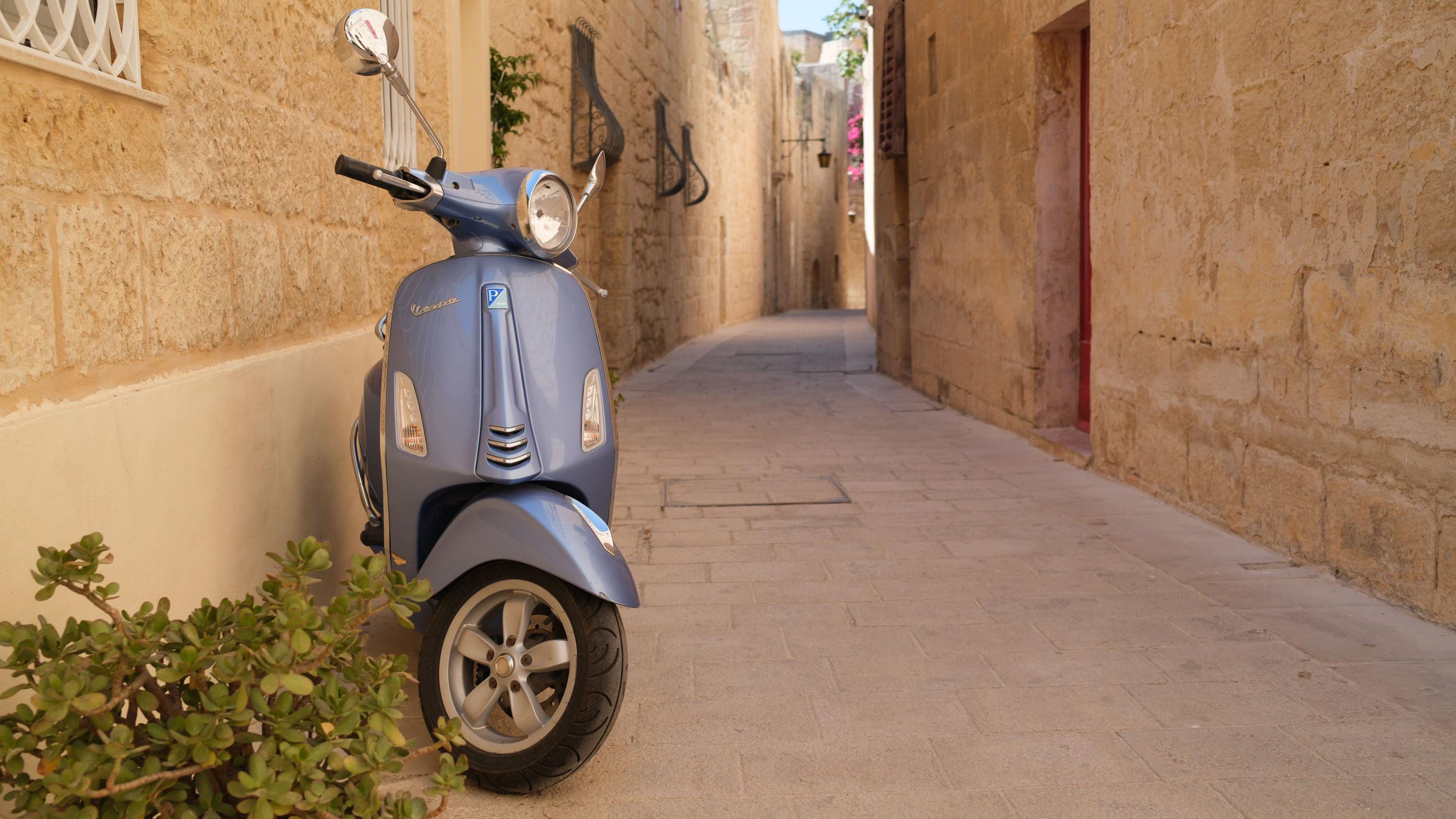
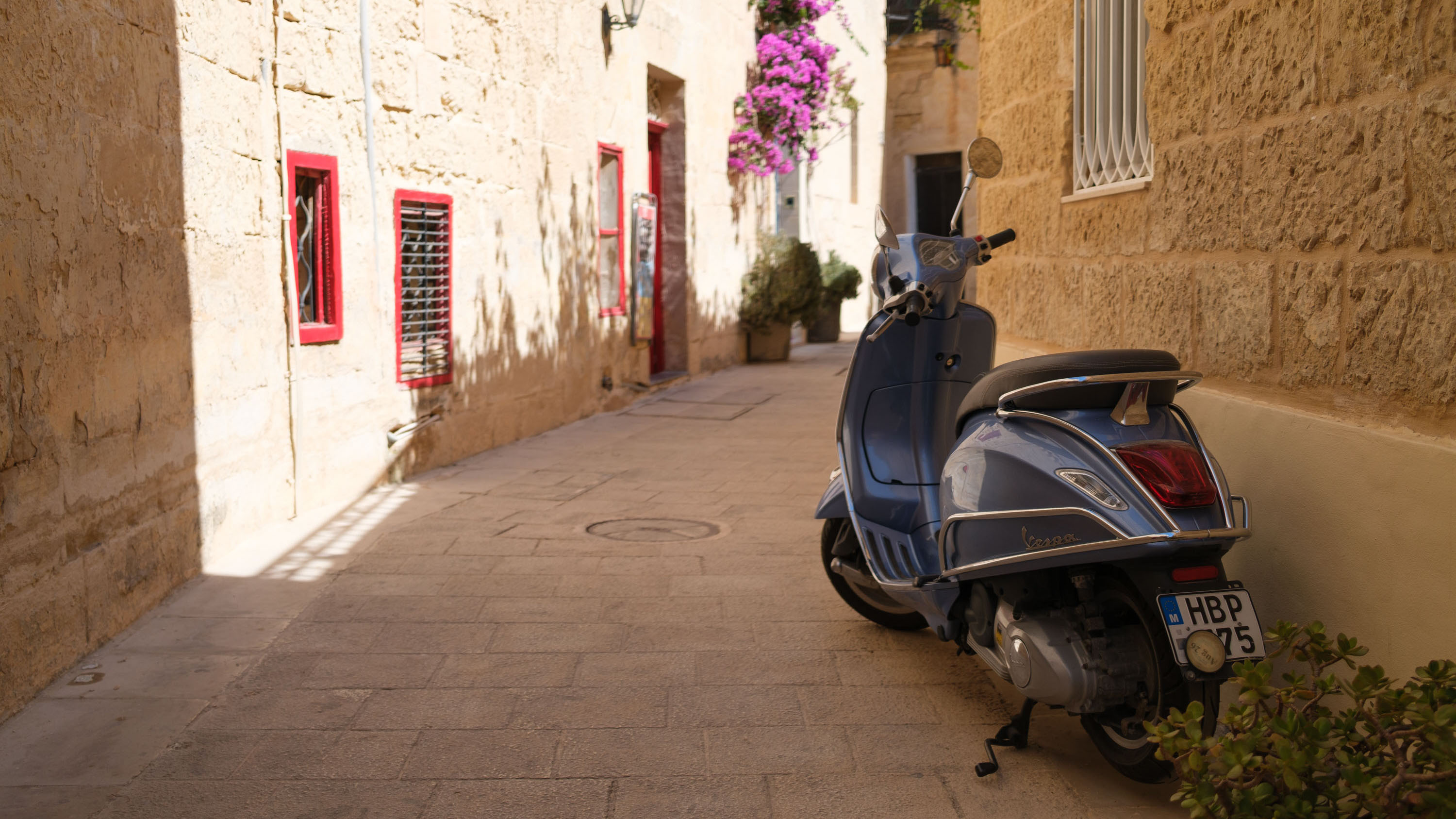
Fujifilm X100VI image gallery: blue vespa down an old alleyway in Valetta, Malta
Tim Coleman
Fujifilm X100VI image gallery: blur vespa down an old alleyway in Valetta, Malta
Tim Coleman
Fujifilm X100VI image gallery: ornate blue door alongside pink hanging flowers down an old alleyway in Valetta, Malta
Tim Coleman
Fujifilm X100VI image gallery: ornate red door down an old alleyway in Valetta, Malta
Tim Coleman
Fujifilm X100VI image gallery: man with his horse and cart in an old alleyway in Valetta, Malta
Tim Coleman
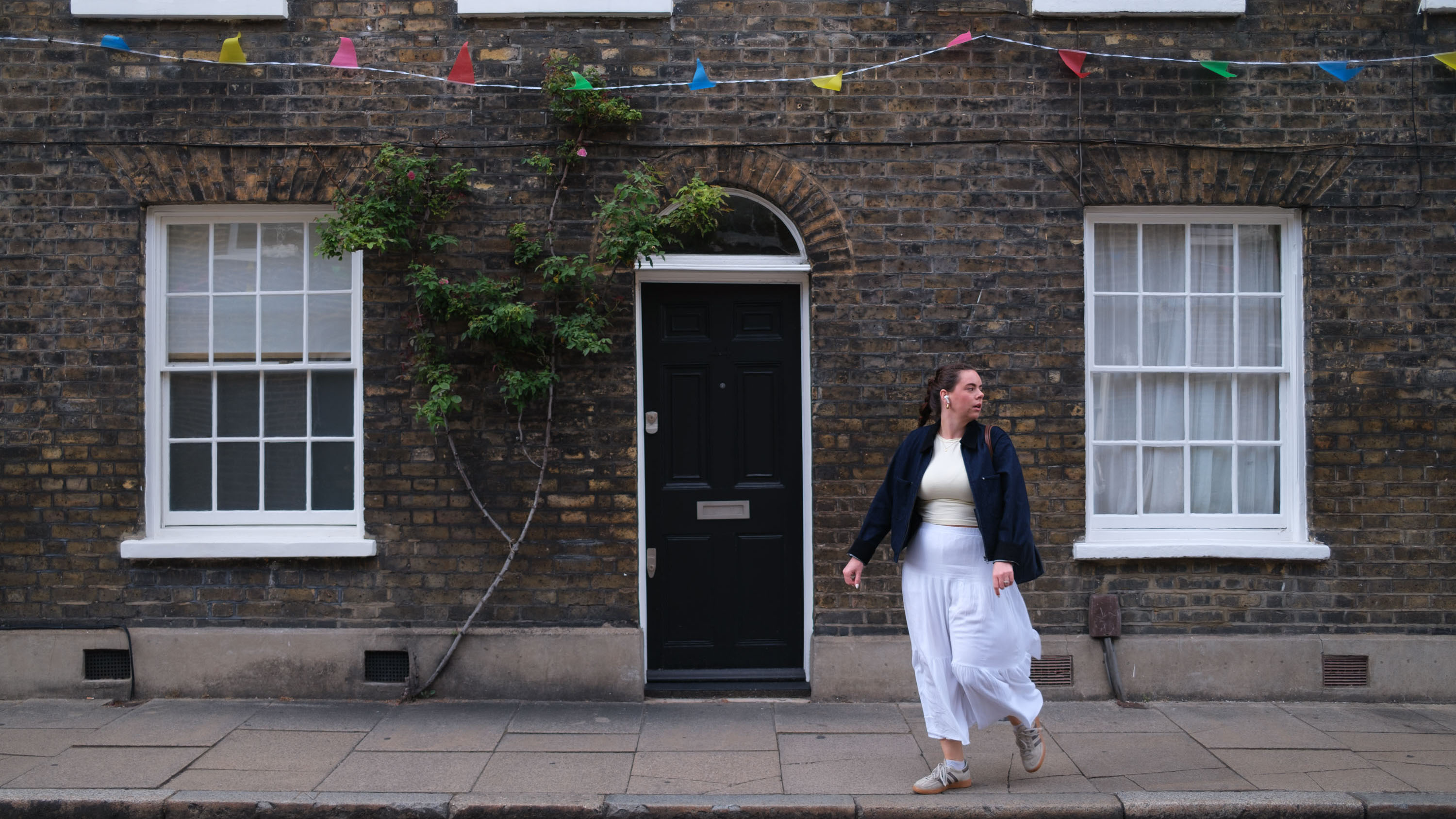
Fujifilm X100VI image gallery: London sidewalk, with old house frontage and tall windows, with passerby
Tim Coleman
Fujifilm X100VI image gallery: London sidewalk, with old house frontage and tall windows, with passerby
Tim Coleman
Fujifilm X100VI image gallery: London sidewalk, a classic car is parked, there's an old house frontage with tall windows behind
Tim Coleman
Fujifilm X100VI image gallery: London sidewalk, a classic car is parked, there are old house frontages behind it
Tim Coleman
Fujifilm X100VI image gallery: London sidewalk, a classic car is parked, there's an old house frontage with tall windows behind
Tim Coleman
Fujifilm X100VI image gallery: person walking on urban London sidewalk with low lying sun
Tim Coleman
Fujifilm X100VI image gallery: portrait of a man, leaning against a brick wall of old street in central London
Tim Coleman
Fujifilm X100VI image gallery: portrait of a man, leaning against a brick wall of old street in central London
Tim Coleman
Fujifilm X100VI image gallery: UK pub frontage, there are hanging flowers
Tim Coleman
Fujifilm X100VI image gallery: canal boat moored by a boat house
Tim Coleman
Fujifilm X100VI image gallery: boardwalk in a nature reserve, there are tress silhouetted by the low lying sun
Tim Coleman

How a camera handles is a major part of the equation — but the resulting images need to be easy on the eye too.

With wildly different sensor sizes, number of pixels, and types of lens, it's tough to pick one camera over the other, plus some assumptions about image quality need to go out the window.

For one, despite having the smaller sensor, the Lumix L10 actually has bigger pixels and light-gathering potential, so don't assume that the X100VI is better in low light. Also, beyond sensor size and pixels, the Lumix L10's autofocus is overall more reliable, so you're more likely to get a sharp image in the first place, depending on the scenario and camera settings.

But for direct comparisons, as in matching the X100VI's 35mm f/2 lens with the Lumix L10 as close as possible (35mm f/2.3), I think what pleased me the most overall is the X100VI's superior control over depth of field.

When I took street portraits at 35mm, the X100VI's images were easier on the eye. I also liked having 40MP to play with and the greater level of detail in the pictures. The X100VI was also less susceptible to lens flare.

That said, the Lumix L10 has that zoom lens versatility, and when set to 75mm and f/2.8, it is very capable of shallow depth of field portraiture too, with a greater compression effect that I prefer.

As for color, I didn't have a strong enough feeling scouring my images to recommend one camera over the other, though the Lumix L10 Real Time LUTs profiles are more versatile.
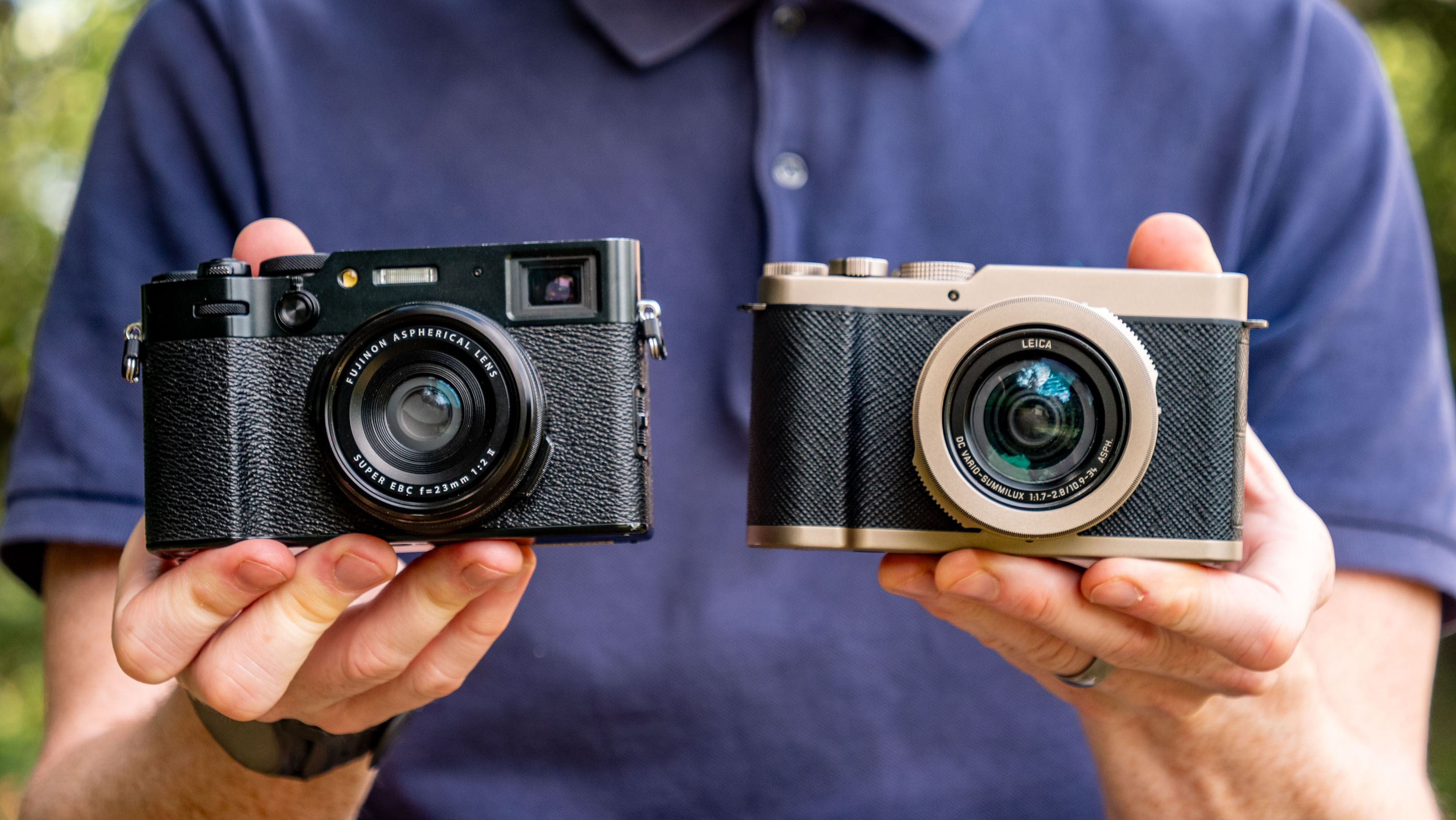
Fujifilm X100VI premium compact camera alongside the Panasonic Lumix L10 in tech journalist Tim Coleman's hands

(Image credit: Tim Coleman)

Conclusion

If you're considering the Lumix L10 or the Fujifilm X100VI, then the choice is tough, and, in truth, you'll be happy with either model! They are two of the best premium compact cameras, with a string of unique advantages over the other.

For me, however, the decision goes beyond specifications and features, and to an underlying feeling that I would get more joy in using the X100VI regularly than I would with the Lumix L10, even though the L10 is more practical. My head says Panasonic Lumix L10, my heart says Fujifilm X100VI.
Lomography just created a super affordable, idiot-proof film camera that doubles your number of photos — and it comes pre-loaded with a roll and the instructions are literally printed on the body

  • Lomography has released a new version of its ‘Simple Use’ disposable-style film camera
  • It’s half-frame, meaning it exposes half a frame of 35mm film at a time to effectively double the shot count
  • It comes pre-loaded with a roll of film, in a choice of color or black & white

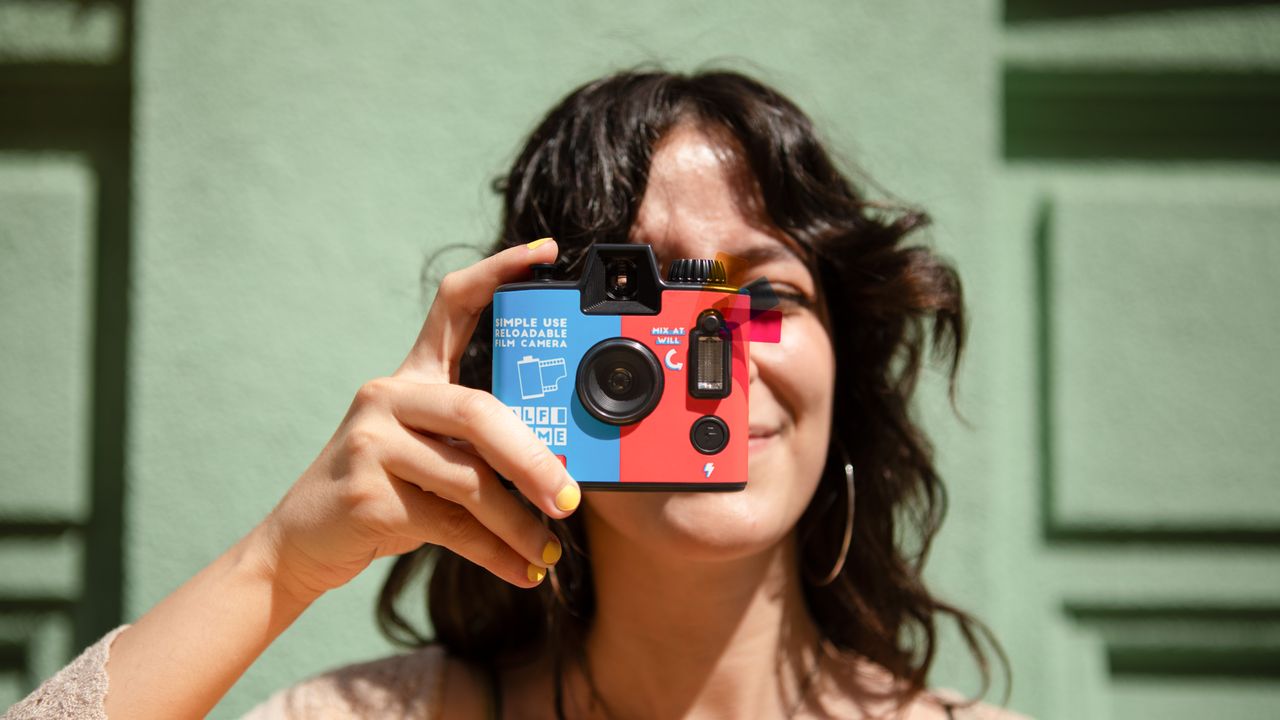
Many people are put off trying out film photography because they perceive it to be too complicated. Lomography tries to take some of that mystique out with its disposable-style ‘Simple Use’ cameras — and today, the analog specialists have announced the new Half-frame Simple Use Reloadable Film Camera, which doubles your shot count from a standard roll of 35mm film.

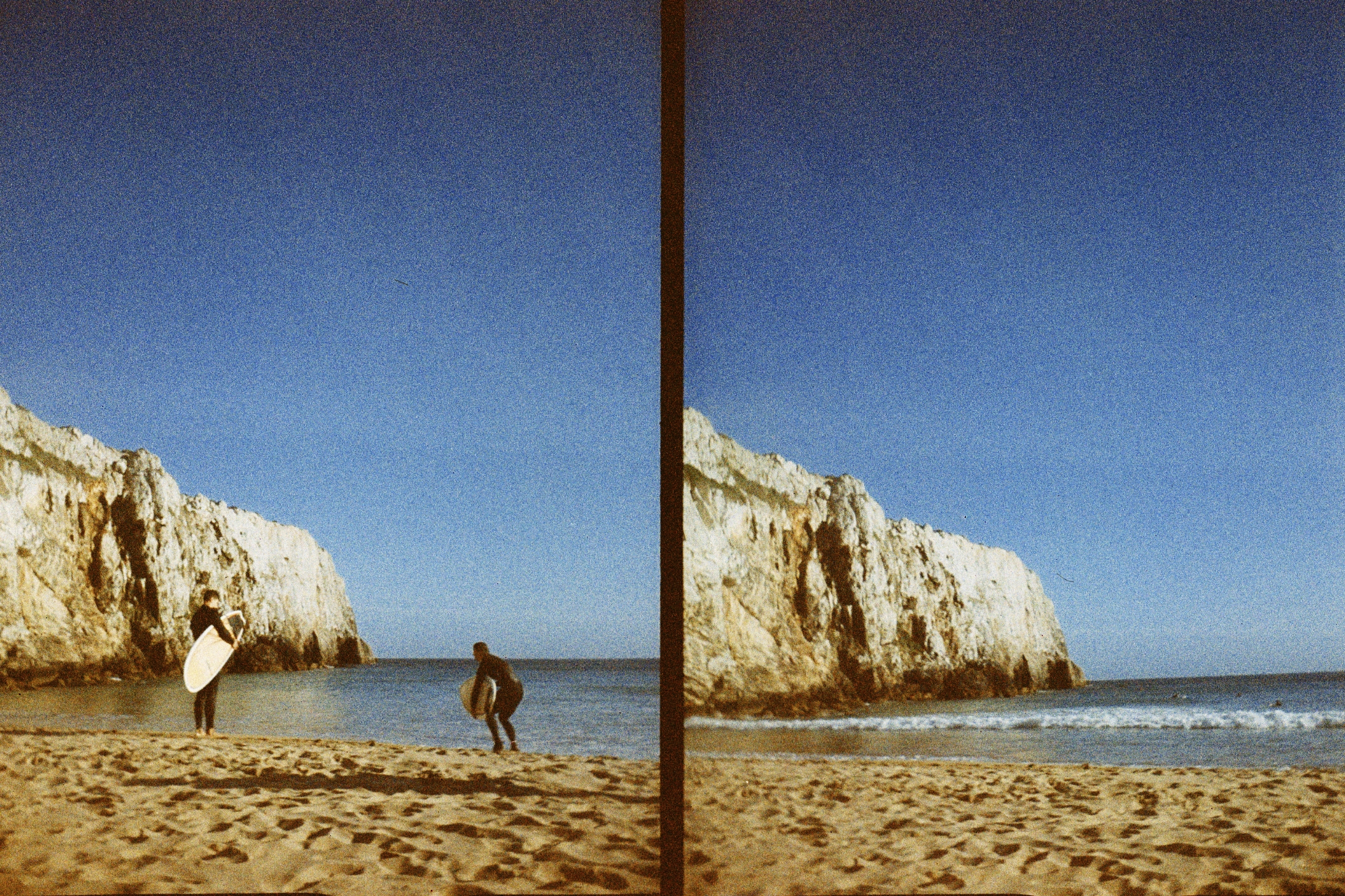
The name ‘half-frame’ refers to the fact that the camera only exposes half a frame of 35mm film at a time, cutting the standard horizontal 36mm x 24mm frame into two shots with rough dimensions of 18 x 24mm. This means that while your shots are smaller, you get a heck of lot more of them — a standard 36-shot roll of film could produce around 72 discrete images when run through the Half-frame Simple Use Reloadable Film Camera.

Half-frame cameras aren’t new. In fact, they’ve been around since the 1960s, with Japanese manufacturers first offering them as a cost-saving alternative to standard 35mm film cameras. We’ve also seen more recent entries in the genre, such as the Kodak Ektar H35N. They tend to be small, cheap and straightforward.

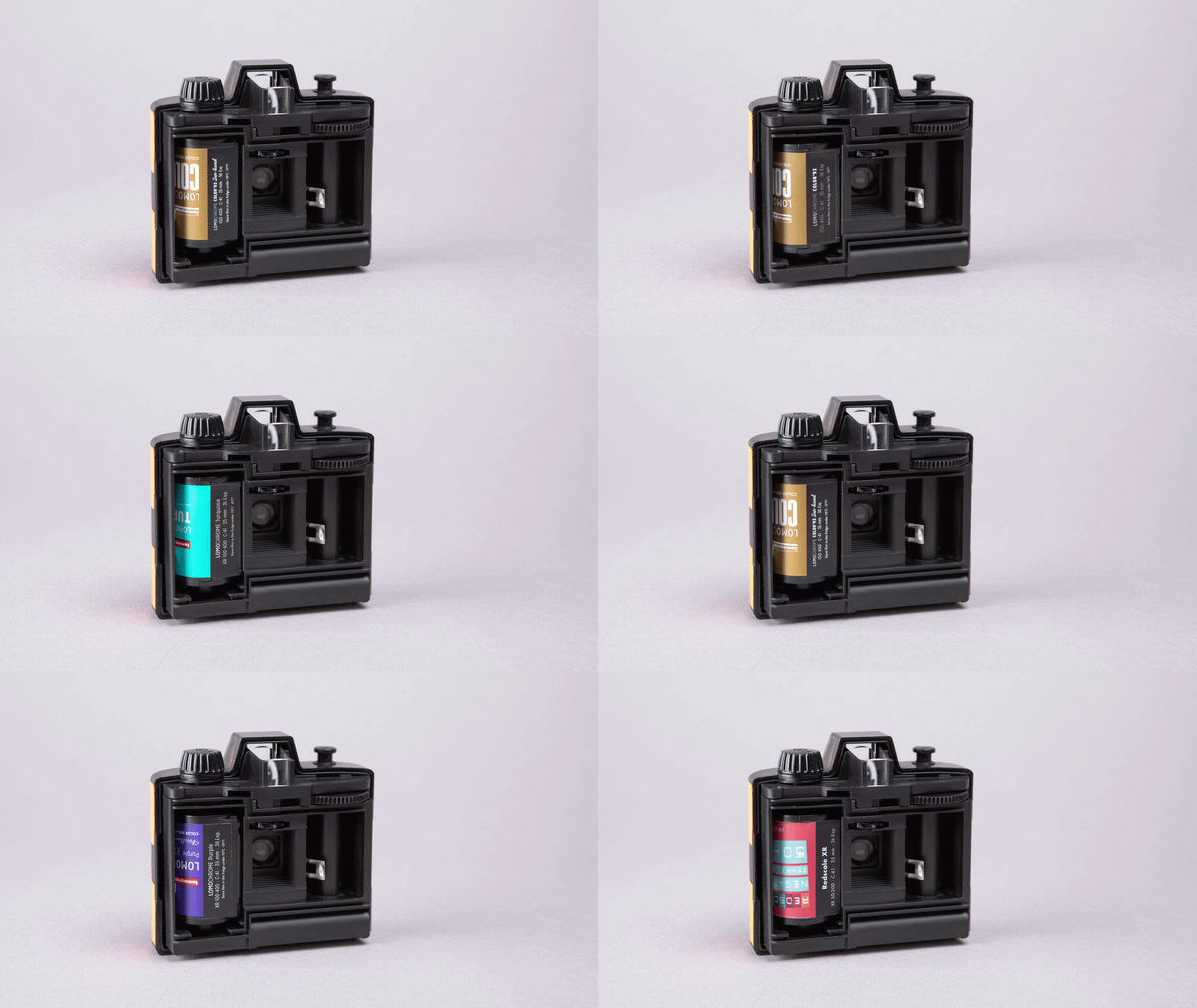
Animation of the Lomography Half-frame Simple Use Reloadable Film Camera with back open and different rolls of film being loaded

Unlike a standard disposable, once the first roll is done, you can reload as you please. (Image credit: Lomography)

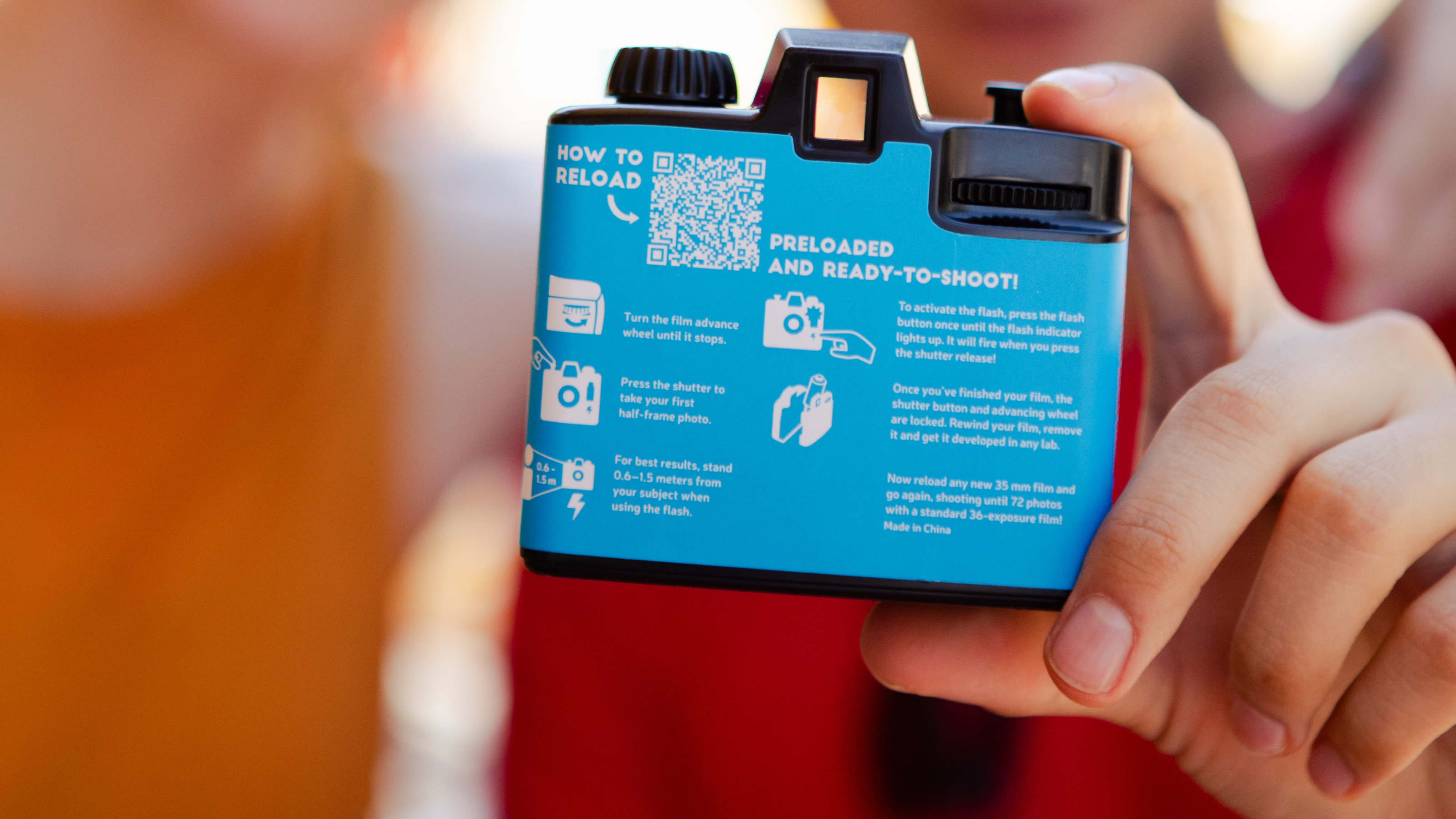
However, the Lomography Half-frame Simple Use Reloadable Film Camera sets itself apart by taking all steps possible to be incredibly, mind-bogglingly easy to use. This is the definition of an idiot-proof camera, one that basically anyone could pick up and use, and for this reason it might just be the ideal gateway drug for anyone who’s been tempted to try film photography.

Photograph of a hand holding the Lomography Half-frame Simple Use Reloadable Film Camera, showing the rear of the camera with written instructions, diagrams and a QR code

It's so beginner-friendly it literally has instructions printed on it. (Image credit: Lomography)

Couldn’t be simpler

The Simple Use cameras are often described as ‘disposable-style’. This means they operate just like the kinds of disposable cameras that everybody used to bring on trips and then drop off to get developed. There’s no means of setting shutter speed or aperture — both are fixed — and the lens is completely fixed focus. The only control other than the shutter release is the flash, which is activated via the unmistakable lightning-bolt button on the front.

The Half-frame Simple Use camera also comes pre-loaded, meaning it’s completely ready to go out of the box. You have a choice of two options — getting one pre-loaded with LomoChrome Classicolor, or with Lomography Lady Grey monochrome film. Both of these stocks have an ISO rating of 400, meaning they’re good all-rounders for most lighting situations. They do only come in rolls of 20 however, which is quite small for a roll of 35mm. But remember, on half-frame, that works out to about 40 shots.

Sample images from the Lomography Half-frame Simple Use Reloadable Film Camera, side by side vertical frames showing a man wearing glasses and a field of sunflowers
Half-frame images can be separated or left as diptychs if they feel complementary.Lomography
Sample images from the Lomography Half-frame Simple Use Reloadable Film Camera, side by side vertical frames showing a young woman lit with differently colored flash
Colored gels can be placed over the flash for special effectsLomography
Sample images from the Lomography Half-frame Simple Use Reloadable Film Camera, side by side vertical frames
The lens is a fairly wide 21mm.Lomography

Once you’ve rattled through your shots, you can rewind using the dial on top to extract your film. In another quite sweet bit of idiot-proofing, the camera body is covered in stickers and labels to remind you to rewind before opening the rear door — indeed, you have to physically remove two of these stickers before opening the door is even possible.

Sample image from Lomography Half-frame Simple Use Reloadable Film Camera showing a woman holding a black cat, lit with flash

Cheap cameras like this will likely find use for quick grab-shots. (Image credit: Lomography)

With a plastic lens and fixed settings, this isn’t a camera that’s going to create images of stunning quality — even before you factor in that your shots will be half the size of normal 35mm frames. However, I think its simplicity means it could be a fantastic choice for anyone who has always wanted to shoot film but has found the process intimidating. And with a low asking price of $29.90 / £21.90 / AU$37.90 for the B&W version, or $34.90 / £24.90 / AU$44.90 for the color, you don’t have a lot to lose by giving it a try.

You might also like

Why is a Kodak point-and-shoot with worse picture quality than your phone the best-selling camera year after year? The answer is surprising, but also kind of obvious

  • Kodak PixPro FZ45 and FZ55 top best-selling lists in multiple regions
  • They are currently the most popular models at Amazon US and elsewhere
  • Prices start from as little as $100 / £90 / AU$145

Camera fans might expect Sony or Canon to top the best-selling charts, but for outright popularity beyond various high-end categories, you'll have to set your sights a little lower, to humble point-and-shoots.

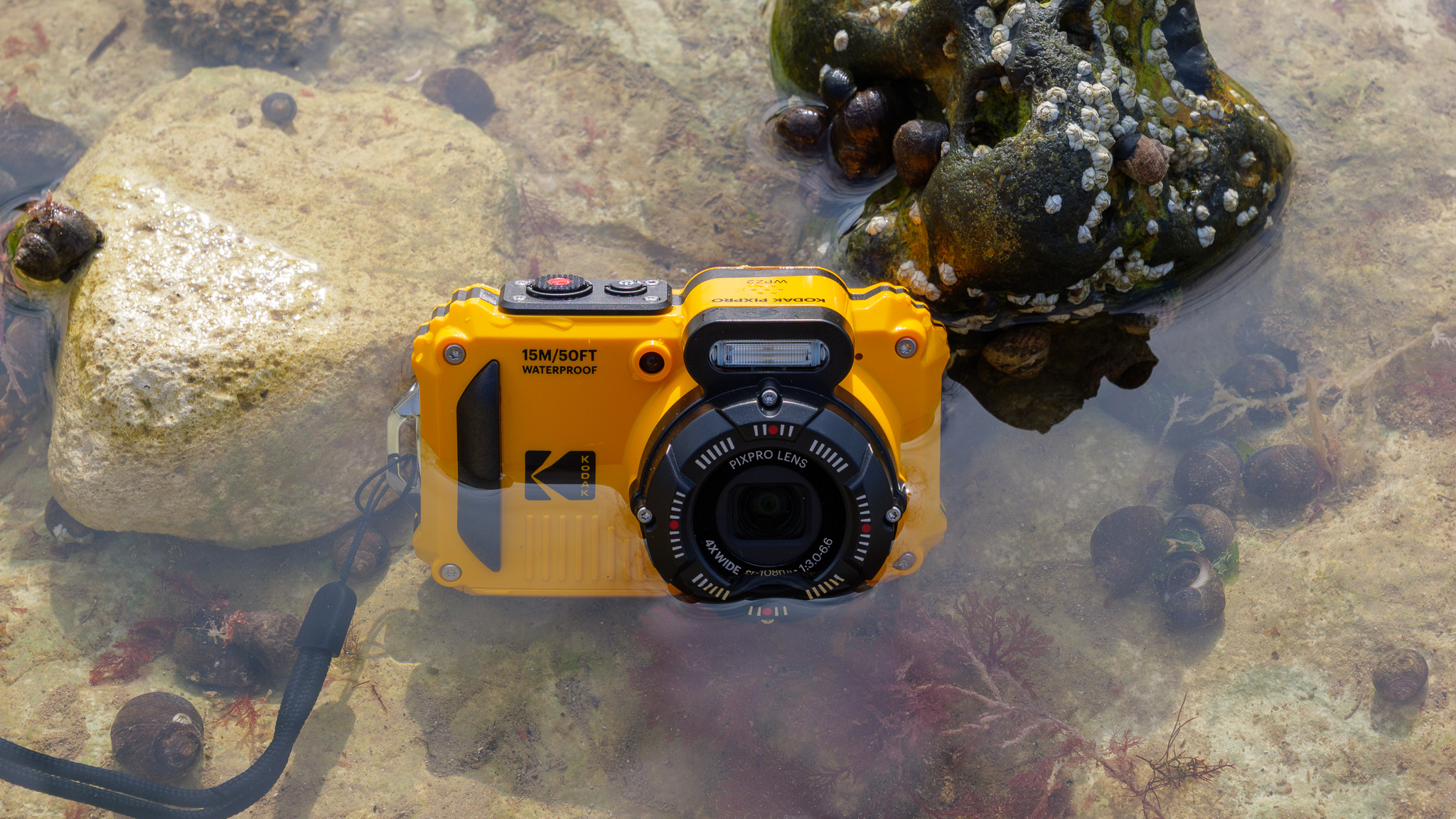
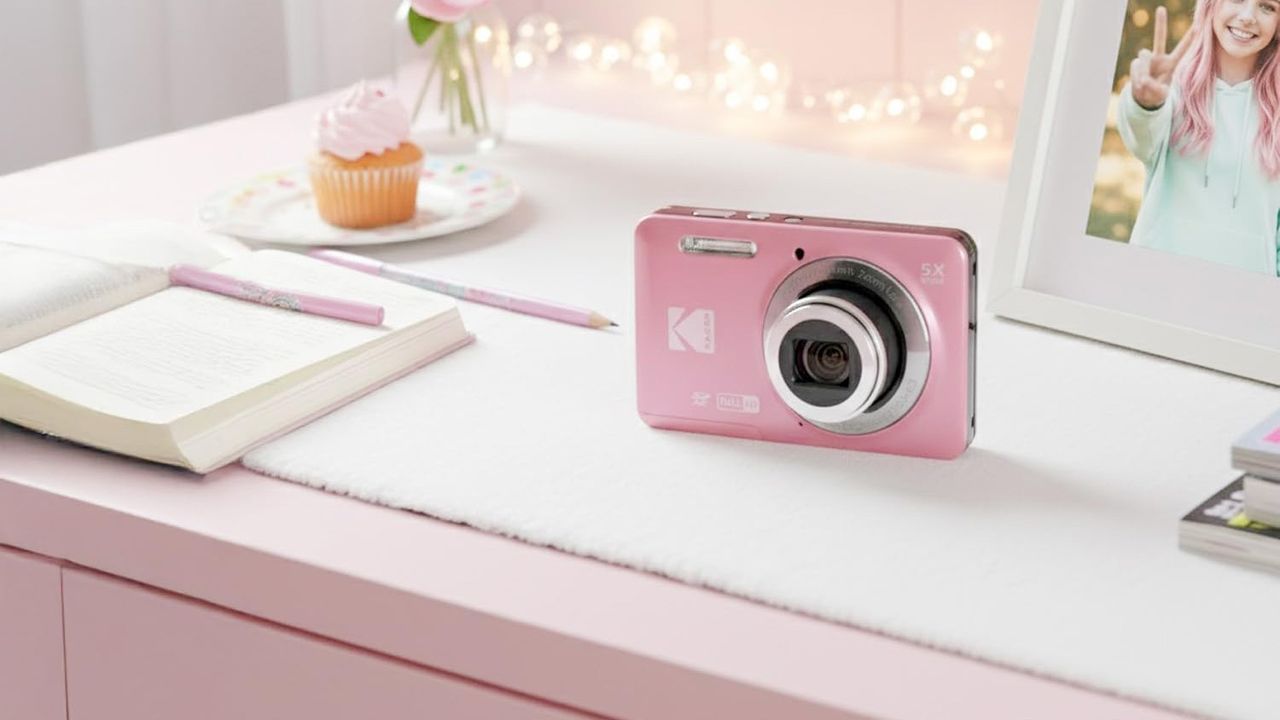
Over recent years, two particularly cheap digital compact cameras have been flying off Amazon US shelves, and from other retailers across the world such as Yodobashi Camera in Japan. They are the Kodak PixPro FZ55 (pictured above) and PixPro FZ45. Other models such as the waterproof PixPro WPZ2 are also in the picture.

The major reason why these PixPro models are so popular is pretty obvious — you'll struggle to find another digital camera with genuine 4x optical zoom for less than the PixPro FZ45's approximate price of $100 / £90 / AU$145. Or one with a 5x optical zoom and built-in rechargeable lithium-ion battery that costs less than the PixPro FZ55.

Both pocketable models shoot 16MP stills and HD video onto SD card, and come in a range of colorways, including black, white, blue and pink.

These cameras are no mere trend — they have dominated best-selling lists month after month, year after year, just when we thought that such cheap cameras had had been replaced by camera phones. So what's really going on here?

kodak pixpro wpz2 waterproof camera

Another popular Kodak is the fully waterproof PixPro WPZ2, which we found surprisingly good for the price (Image credit: Future | Sam Kieldsen)

A surprising truth behind the name, and shopping habits

In addition to the low price point and immediate availability of these PixPro models, the trust in the Kodak name has to be a factor for casual buyers. After all, Kodak is one of the most recognizable names in photography, from its roots in making popular camera film through to pioneering digital camera tech.

However, there's something that you might not know about Kodak today. The original Kodak — Eastman Kodak, which dates back 138 years — stopped its production lines of consumer digital cameras long ago, and due to crippling debts it may not survive at all.

Today, Kodak is instead one of a string of legendary photography brands (alongside Yashica, Rollei, Agfa, Minolta and more), who have licensed their names to third-parties, who are largely manufacturing low-cost digital cameras. The outfit manufacturing the PixPro FZ45 and FZ55 is in fact JK Imaging Ltd, which has less of a ring to it.

There's something further going on here, too: a general rise in camera sales spearheaded by compact cameras, a pushback against always-connected tech, and burgeoning privacy concerns.

A camera such as the PixPro FZ55 shoots directly onto local storage, an SD card. It's not connected to the cloud. It's simple, it's lo-fi, and the kind of tech being embraced by Gen Z.

Will you get better quality photos using these Kodak point-and-shoot compact cameras over your phone? Absolutely not. Even a basic mid range phone will take better snaps.

What you will get, however, is the nostalgic simple pleasure in the simple act of taking everyday snaps, the data of which you are in complete control of.

❌