A fall on a cruise ship deck is not handled the way a fall in a grocery store parking lot is handled.
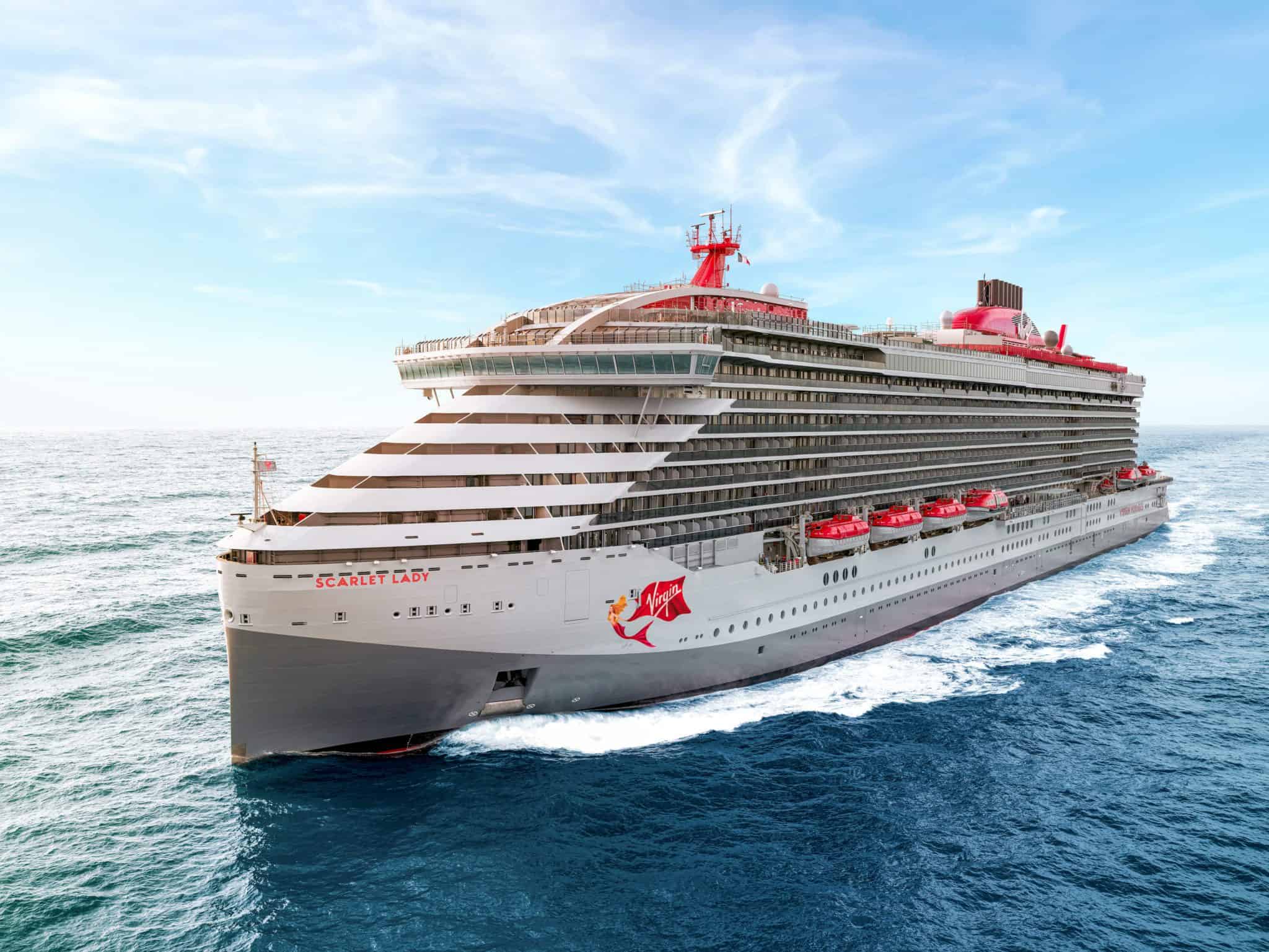
Celebrity Edge arrives in Port Everglades (Photo courtesy of Celebrity Cruises)
Different court, different deadline, different rulebook. Most passengers never learn this until they are already hurt and the clock is running against them.
The numbers are not small. The U.S. Coast Guard counted 2,170 injuries across 3,887 boating accidents in 2024 alone.
Cruise ships add their own tally: 2024 brought 19 reported man-overboard cases across the major lines, on top of the routine slips, trips, and shore-excursion mishaps that rarely make the news.
If you spend time on the water, it helps to know how the law treats an injury out there, because it treats it very differently from an injury on land.
The water runs on its own body of law
Injuries that happen on navigable water fall under maritime law (also called admiralty law), a separate legal system that predates most state injury statutes. It carries its own rules about who is responsible, where you can sue, and how long you have to do it.
A local attorney who is excellent with car accidents can still miss the maritime deadlines, because those deadlines live in federal law and in the contract you agreed to when you booked.
Passengers and crew are not covered by the same rules
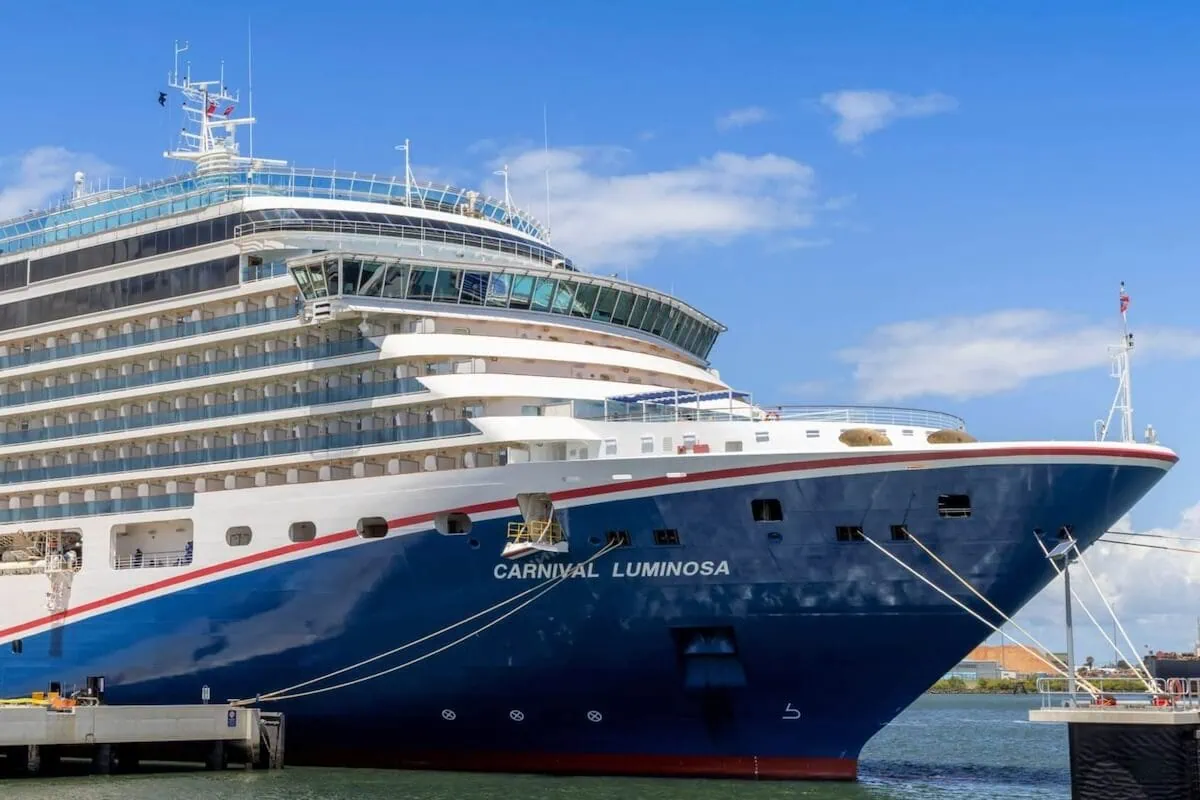
(Photo courtesy of Carnival Cruise Line)
Two very different sets of rules apply, depending on who got hurt.
If you are a passenger, the cruise line owes you reasonable care under the circumstances. When a wet deck, a broken railing, or a poorly run tender boat causes an injury, that can be negligence. But your ticket contract shapes almost everything about how you pursue it (more on that below).
If you are crew, a deckhand, a commercial fisherman, a dock worker, or a diver, you are likely covered by the Jones Act, a 1920 federal law that lets injured maritime workers sue their employer for negligence. The bar to show the employer played a part is famously low, which is one reason maritime workers should never sign anything from an insurer before talking to a lawyer.
The fine print on your ticket can decide your case
Here is the part that surprises people most. The contract printed on the back of a cruise ticket, or buried in the online booking terms, usually does two things that can sink a claim:
It tells you where you are allowed to sue, often a single court in one state, no matter where you live or where you got hurt.
It shortens the deadline. Federal law lets cruise lines require written notice within six months and a filed lawsuit within one year, far less time than most state injury deadlines allow.
This is not theoretical. In the case of Carnival Cruise Lines v. Shute, a passenger slipped on a deck mat and the Supreme Court held her to the forum clause on her ticket, forcing the case to Florida even though she had bought her ticket in Washington. Miss the window or file in the wrong court, and a strong case can be over before it starts.
What actually hurts people on the water
Most injuries are not dramatic overboard events. They are:
Slip-and-fall on wet decks, pool areas, and stairs
Tender boats, gangways, and dock transfers
Shore excursions and watersports run by third-party operators
Foodborne illness and norovirus outbreaks
Boating collisions, where the Coast Guard names operator inattention and inexperience as the top causes
One figure is worth keeping in mind: in 2024, 87 percent of the people who drowned in boating accidents were not wearing a life jacket. A life jacket is the cheapest legal protection you will ever buy.
If you are injured, do these five things
Report it to the ship’s medical center or the vessel operator, and ask for a written incident report.
Get treated onboard and keep every record, receipt, and discharge note.
Document the scene: photograph the hazard and your injury, and collect the names of witnesses and crew.
Keep your ticket and booking terms. Your real deadline is hiding in that document.
Talk to a maritime attorney early, before you give a recorded statement or accept a quick settlement.
When it is worth calling a maritime lawyer
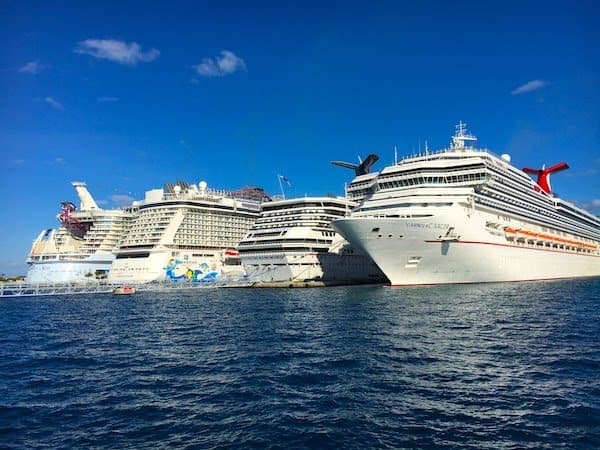
(Photo courtesy of Canaveral Port Authority)
For a minor scrape, it usually is not. For anything involving a hospital, a lasting injury, or a death in the family, it is.
A boat accident attorney who works in maritime law can read your ticket contract, pin down the true deadline, name the right defendant, and file in the court the contract requires.
Those are the exact steps a general-practice lawyer is most likely to miss. Because the notice period can run as short as six months, waiting to see how an injury heals is often the most expensive choice an injured passenger makes.
BoatLaw, LLP has represented cruise passengers, commercial fishermen, and other maritime workers since 1977, across Washington, Oregon, California, and Alaska. The point here is not fear of the water. It is simpler: the water keeps its own rules and its own clock, and the people who protect their claim are the ones who learn both before they ever need them.
If the recent Carnival Corporation data breach caught your attention, it raises a bigger question that doesn’t get talked about enough: what happens when a cyberattack targets not just passenger data, but the ship itself?
Modern cruise ships are essentially floating smart cities. Navigation, propulsion, cargo systems, passenger Wi-Fi, and crew communications are all wired together into one connected digital environment. That connectivity makes your cruise experience smoother, but it also introduces vulnerabilities that the shipping industry is still scrambling to address.
The Systems at Risk Onboard
Today’s vessels rely on a web of interconnected technology that was not originally built with cybersecurity in mind.
Navigation systems, engine controls, ballast management, and satellite communications can all be linked. A weakness in one system can become a doorway into others.
Add to that the growing use of remote monitoring, where shore-based teams can access onboard systems for diagnostics and maintenance, and the number of potential entry points for a bad actor multiplies.
The concern isn’t hypothetical. Shipping companies have been hit by ransomware that disrupted operations across multiple ports.
GPS spoofing incidents have caused vessels to report incorrect positions, creating real navigational hazards at sea. Port infrastructure attacks have led to delays and congestion affecting thousands of passengers.
What the IMO Is Doing About It
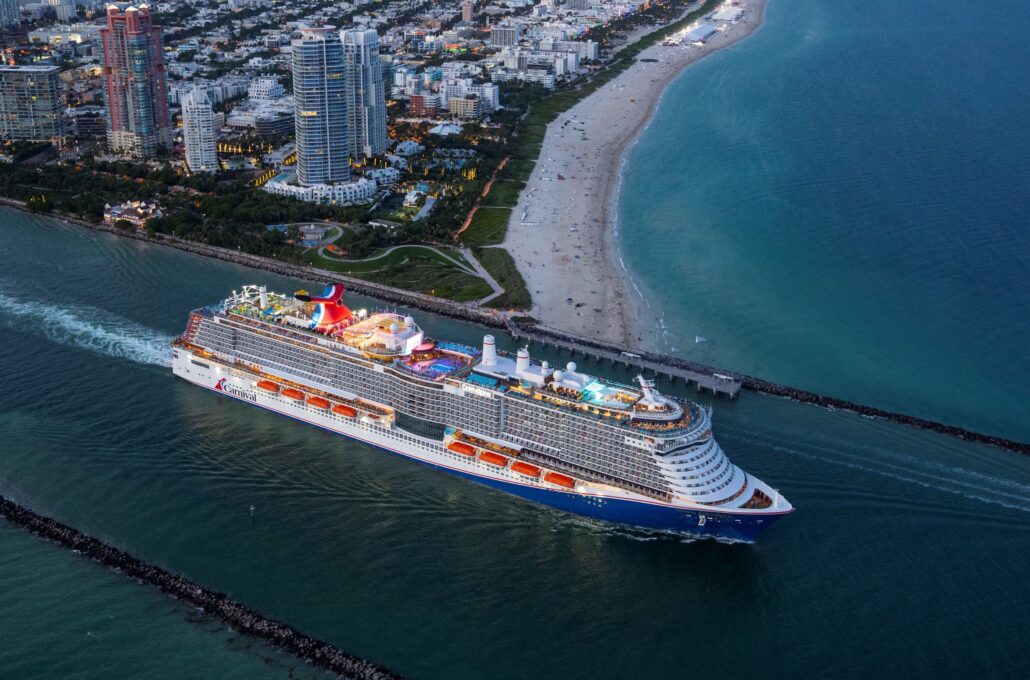
Carnival Celebration leaving its homeport of Miami, Florida.
The International Maritime Organization, the United Nations body that sets global shipping standards, has taken notice. Its guidelines now require cruise lines and other operators to formally incorporate maritime cyber security into their existing safety management systems.
That means identifying which onboard systems are critical, protecting them from unauthorized access, having plans in place to detect and respond to an incident, and being able to recover quickly if something goes wrong. For cruise lines operating in international waters, this is no longer a voluntary best practice. It is a regulatory expectation.
Why Cruise Ships Are a Particularly Complex Target
What makes cybersecurity uniquely challenging on a cruise ship is the mix of systems on board. There are IT systems handling passenger data, bookings, and communications, and there are OT systems, meaning operational technology, controlling physical processes like navigation and engine management.
Traditionally these were kept separate. On modern ships, they increasingly talk to each other. A breach that starts with a phishing email targeting a crew member could, in a worst-case scenario, reach systems that affect how the ship operates.
Older ships are especially exposed because legacy equipment was never designed to handle modern cyber threats, and patching or updating those systems mid-voyage isn’t always practical.
What the Industry Is Doing to Keep Up
Cruise lines are investing in crew training, network segmentation, and incident response planning to close these gaps.
Classification and inspection bodies like Bureau Veritas work with cruise operators to assess onboard digital systems, verify that cybersecurity measures meet industry standards, and help integrate security protocols into broader safety management frameworks.
Independent verification matters here because the stakes are high. Passengers trust that the ship they board is safe in every sense of the word, and cyber resilience is increasingly part of that picture.
What This Means for Passengers
The short answer: the industry is aware of the risk and actively working on it, but the threat is real and growing. As cruise ships get smarter and more connected, the attack surface gets wider.
The best protection for passengers is booking with established lines that take compliance seriously, understanding that breaches like Carnival’s are reminders that no organization is immune, and knowing that regulators are now holding the industry to a higher standard than they were even five years ago.
Cyber threats in shipping may be invisible. The impact, as the industry has already learned, is not.
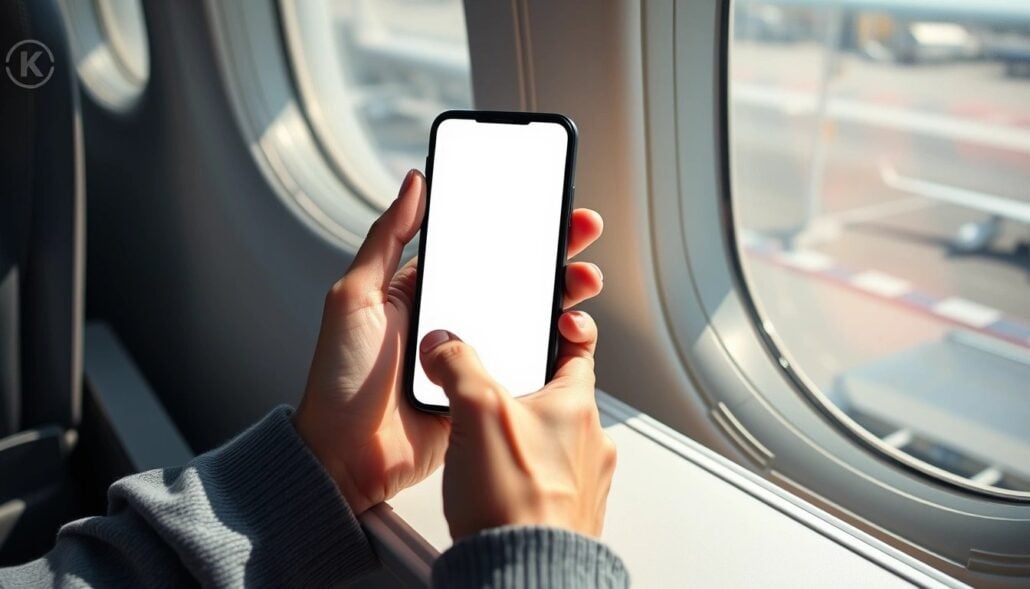
The first time I paid real attention to a free-to-play slots app, I had just gotten off Carnival Celebration in PortMiami.
Like a lot of cruisers, I booked the cheaper afternoon flight home, figuring I’d have plenty of time after debarkation.
Instead, I found myself sitting at the gate for more than three hours after multiple delays. My gate changed twice, and the paperback I’d packed for the trip was already finished.
The woman next to me was tapping at a colorful screen full of spinning symbols, and when I asked what it was, she said something that stuck with me: “It is not gambling, it is more like a sweepstakes.”
Having already felt bad for being nosy, I nodded the way you nod when you do not actually understand.
It took me flying back to Texas to figure out what she meant, and to decide whether one of these apps deserved a spot alongside my podcasts, downloaded shows, and my daily Wordle streak (I’m a nerd!).
Image by Esme Hartley
This is a cruise passenger’s review, not a gambling column. I spend a lot of dead time in transit, at the gate, on sea days when the ship is pointed at nothing but water, and I treat the apps I carry the way I treat a carry-on: everything has to earn its place.
LuckyLand Slots is one of the better known names in the sweepstakes category, so it made a fair test case.
Before I loaded a single reel, I sat in my cabin with the ship’s slow internet and read through a plain-language social casino platform guide from Lineups, which explained the dual-currency setup without the breathless marketing you find on the operator’s own pages.
That hour of reading changed how I approached the whole thing, and it is the reason this review reads more like a vetting process than a star rating.
What follows is how I actually evaluate an app like this from a hotel bed or a deck chair, what I look for, what makes me close the tab, and where LuckyLand landed for me as a way to fill the hours that travel hands you whether you want them or not.
What a free-to-play slots app actually is
The single most useful thing a cruiser can understand before downloading anything in this category is that a sweepstakes app is not an online casino in the real-money sense, and the difference is not a technicality.
A real-money online casino takes a deposit, lets you wager that money directly, and pays out cash you can withdraw.
Those exist legally in only a handful of states, and they are geofenced tightly. A sweepstakes or social casino works on a different legal footing entirely, which is why LuckyLand can operate in most of the country while a real-money casino app cannot.
The mechanism is a two-currency system. Gold Coins are the play-for-fun currency. You can spin all day with them, you can run out and grab more, and none of it has any cash value. You cannot redeem Gold Coins for money, gift cards, or anything else, no matter how many you pile up.
Sweeps Coins are the other currency, and they are the ones that carry weight, because they can be redeemed for cash prizes once you meet certain conditions.
The app gives you Sweeps Coins through promotions, free daily entries, and as a bonus attached to Gold Coin purchases, which is the legal hinge the entire model turns on: you are never actually buying the chance to win.
If you live in or are sailing out of California, a point of accuracy matters here. Online casinos are not legal in California. A sweepstakes or social casino is a separate, free-to-play model, and it is wrong to lump the two together. Knowing which one you are holding keeps your expectations honest and keeps you from assuming a regulatory protection that does not apply.
Image by Esme Hartley
Why travel downtime is the natural test environment
I trust my read on these apps more when I am traveling than when I am at home, and the reason is that travel strips an app down to its essentials.
At home, a slots app competes with my couch, my kitchen, and a hundred other comforts, so I never really test it. On the road, the competition is honest: a delayed gate, a long transfer, a sea day between ports, the slow hour after dinner when the show does not start until nine. Those are the moments an app either holds up or gets deleted, and there is no pretending otherwise.
Travel also surfaces the friction points fast. A glitchy app reveals itself the moment you are on weak hotel Wi-Fi. A pushy one shows its hand when it nags you for a purchase the first time you are bored and a little jet-lagged.
A confusing redemption process becomes obvious when you are trying to sort it out in a time zone where customer support is asleep. The conditions that annoy a traveler are exactly the conditions that expose a weak product, which makes the road a better laboratory than the living room.
So my review is built on that footing. I am not asking whether LuckyLand is the most generous app in some abstract sense. I am asking whether it earns the few minutes of attention I can spare between a missed connection and a boarding call, and whether it does so without creating problems I will regret later.
How I vet an app before the first spin
Here is the part that does the heavy lifting. Before I spin once, I run any free-to-play app through a short checklist, the same way I check a rental car for scratches before I drive off the lot.
The goal is not to find the perfect app, which does not exist, but to catch the things that turn a harmless time-filler into a headache. The table below is the exact rubric I used on LuckyLand, and you can carry it into any app in the category.
Factor
What to look for
Red flag
Currency model
Clear split between play-only coins and redeemable coins, explained in plain terms
Vague promises of “real winnings” with no mention of how redemption actually works
Cost to start
Genuinely free to register and play, with purchases optional
A required payment, deposit, or card on file just to open an account
Redemption terms
Stated minimum, a fixed coin-to-dollar value, and a published payout timeline
Hidden thresholds, shifting values, or “contact us to learn more” instead of numbers
Identity checks
Standard verification before a cash redemption, not before play
A request for bank or Social Security details before you have won anything
Pressure level
Calm prompts you can ignore
Countdown timers and urgent “act now” nudges aimed at impulse purchases
Support and rules
Findable terms, a real support channel, and a clear sweepstakes rules page
No published rules, dead links, or a support form that goes nowhere
Connectivity needs
Works on weak or intermittent connections, or has an offline-tolerant mode
Constant high-bandwidth demands that fail the moment your signal dips
LuckyLand cleared most of these without drama. Registration was free, the currency split was spelled out, the rules page existed and was findable, and nothing demanded my financial information before I had earned anything to redeem. The two factors that need a traveler’s attention are the redemption terms and the connectivity needs, and both of those deserve their own section because they are where the road tests an app hardest.
Reading the redemption rules before you care about them
I always read redemption rules before I have any Sweeps Coins worth redeeming, because that is the only time I can read them calmly.
Once you have a balance you are excited about, every rule feels like an obstacle, and that is precisely when people make mistakes.
So I sat with the LuckyLand sweeps rules cold, with no skin in the game, and here is what they say as of the most recent terms I reviewed. Treat these as current-at-time-of-writing rather than carved in stone, because operators do adjust them.
The headline numbers are straightforward. You need a minimum of 50 Sweeps Coins before you can request a redemption, and each Sweeps Coin is valued at one dollar when redeemed for prizes.
Sweeps Coins you win directly through gameplay are generally redeemable right away, while Sweeps Coins you receive free through promotions carry a one-time playthrough requirement, meaning you have to play them through once before they become eligible. Redemptions are processed through ACH or the Coins App option, and the published window is roughly two to seven business days depending on the method and on how far along your account verification is.
The stated maximum redemption sits at fifty thousand dollars, which is a number most casual players will never approach but which tells you the system is built for real payouts rather than novelty credits.
None of that is unusual for the category, and none of it is a trap. What matters for a traveler is timing.
A two-to-seven-day window means a redemption you start at the airport is not money you will see before the trip ends, so I never treat any of this as travel spending money. It is a slow, occasional thing that might deliver a small prize weeks later, not a way to fund a shore excursion. Anyone who tells you otherwise has misunderstood the model, or wants you to.
Image by Esme Hartley
The connectivity problem at sea and in the air
Here is the factor that almost nobody warns travelers about: these apps need a connection, and travel is where connections go to die. A sweepstakes app is not much use on a transatlantic flight with no Wi-Fi, and on a ship it lives or dies by what you are paying for internet. That makes connectivity a real part of the review rather than an afterthought, and it changes the calculus depending on how you travel.
On a cruise specifically, your internet quality is often tied to your loyalty tier, and the lines have been reshuffling those benefits constantly. Celebrity, for instance, recently overhauled its Captain’s Club program, and the changes to its loyalty program tiers include premium Wi-Fi minutes baked into the higher levels.
If your status gets you reliable onboard internet, a sweepstakes app becomes a viable sea-day filler. If you are paying by the day for a shaky connection, the math shifts hard, and you are better off with downloaded entertainment that asks nothing of the network. I have learned to check my Wi-Fi situation before I assume any connected app will be part of the trip at all.
In the air, the rule is simpler: assume it will not work unless you have confirmed paid Wi-Fi, and even then expect it to stutter.
LuckyLand handled intermittent hotel and port-area connections well enough, recovering after a dropped signal without losing my session, which is more than I can say for some apps. But no amount of good engineering beats the basic fact that a dead connection means a dead app, and a traveler who plans around that is never disappointed.
Identity verification, and why it is not the red flag it looks like
One thing trips up a lot of first-time users, and I want to address it head-on because it sits right next to a genuine scam signal.
At some point, usually when you go to redeem, a legitimate sweepstakes operator will ask you to verify your identity. That can mean a government ID, proof of address, or similar documentation. To a cautious traveler this can feel alarming, because we are trained to guard our personal data, especially on hotel and ship networks.
The distinction is about timing and purpose. A legitimate operator asks for verification before paying out a cash prize, to confirm you are who you say you are and old enough to participate. That is normal, and it is the same reason a bank or a payout processor asks.
The actual red flag, the one to run from, is any request for financial or sensitive personal information before you have won or before you can even play, or any demand that you pay a fee to “release” a prize.
LuckyLand’s verification fell into the normal bucket: nothing was asked of me until redemption was on the table, and nothing involved paying to collect. If an app inverts that order and wants your bank details up front, close it.
Budgeting it like any other line on the trip
I budget a sweepstakes app the same way I budget a coffee habit on a trip, which is to say I decide the number before I am tired, bored, or a little too relaxed by the pool. The free-to-play structure means you can spend exactly nothing and still play, and on most trips that is what I do. The optional purchases are real, though, and they are designed to be easy in a moment of downtime, so the discipline has to come from you, not the app.
My rule is that any optional spend on an app like this comes out of the same mental envelope as a souvenir or a second cocktail, never out of anything that matters. On a cruise, the dangerous comparison is the onboard account, where every charge is frictionless and the total only becomes real on the last morning.
A few dollars of Gold Coins is a rounding error against tickets, excursions, and dining; the risk is never the average case but the outlier who lets one easy line item creep. I check the proportion the same way I check my onboard balance midway through the week, and if it looks off, I stop.
That discipline is not just bookkeeping: research on free-to-play casino apps finds that spending real money on virtual coins is the strongest predictor of moving on to real-money gambling, which is exactly why I keep any optional spend boxed off from the start. An app that lets you set those limits and respects them passes; one that fights you on it fails, regardless of how fun the games are.
Image by Esme Hartley
Where the real scams hide
Because this category sits next to a lot of genuine fraud, a traveler should know the difference cold, since you are often making these judgments alone in an unfamiliar place with no one to ask. The good news is that the warning signs are consistent and well documented. Consumer-protection agencies lay out the tells plainly in their guidance on fake prize and sweepstakes scams, and they map almost perfectly onto the checklist I run.
The core rule is that a real prize is free. If you are told to pay a fee for taxes, shipping, processing, or customs to release your winnings, it is a scam, full stop. If you are pressured to act immediately, that urgency is a tactic, not a deadline. If an outfit asks for your bank account or Social Security number to “claim” something, walk away. And if a message impersonates a real agency or invents an official-sounding bureau, treat it as a fraud signal rather than a credential.
A legitimate sweepstakes app like LuckyLand does none of these things; it does not pay you to chase you, and it does not demand money to give you money. Carrying that distinction in your head is the single best protection a traveler has, because the scams that imitate this category are far more dangerous than the apps themselves.
A traveler’s verdict on LuckyLand Slots
So where did it land for me. As a way to fill the unavoidable dead time of travel, LuckyLand Slots earned a spot in my rotation, with conditions. It is genuinely free to play, the currency model is honest once you understand it, the redemption terms are published in real numbers, and the verification process behaves the way a legitimate one should. Those are the things I needed to confirm before I trusted it on a hotel or ship network, and it confirmed them.
The conditions are the traveler’s conditions. Connectivity decides whether it is usable at all, so check your Wi-Fi situation before you count on it, especially at sea. Redemptions are slow, so never treat any balance as trip money. And the optional spending is easy by design, so set your number before you are tired and stick to it.
Handled that way, it is a fine digital equivalent of flipping channels at the gate, no more dangerous than that and occasionally more fun. Handled carelessly, like anything that mixes money and boredom, it can become a problem, and the responsibility for that sits with the user, not the app.
For a cruise passenger who keeps it in proportion, it passes the only test I really care about: it earns the few minutes I can spare, and it does not cost me anything I will miss.
Frequently Asked Questions
Can I actually win real cash on LuckyLand Slots while traveling?
Yes, through the Sweeps Coins currency, which can be redeemed for cash prizes once you reach the minimum threshold and meet any playthrough conditions.
The catch for travelers is timing, since redemptions take roughly two to seven business days to process, so any prize is not money you will have in hand during a short trip.
Will LuckyLand Slots work on a cruise ship or a flight?
Only if you have a working internet connection, which is the real limiting factor at sea and in the air. On a ship your connection quality often depends on your loyalty tier or what you pay for Wi-Fi, and on a flight you should assume it will not function unless you have confirmed paid Wi-Fi, so plan to have downloaded entertainment as a backup.
Is a sweepstakes app the same as an online casino?
No, and the difference matters legally and practically. An online casino lets you wager deposited money directly and exists in only a few states, while a sweepstakes app uses a free-to-play dual-currency model that is available in most of the country, including states like California where online casinos are not legal.
Why does the app ask me to verify my identity?
Legitimate operators ask for identity verification before paying out a cash prize, to confirm your age and identity, which is standard and not a warning sign. The actual red flag is any request for financial details before you can play or win, or any demand that you pay a fee to release a prize, both of which point to fraud.
How much should I budget for an app like this on a trip?
Treat any optional spending the way you would a souvenir or an extra drink, decide the amount before you are bored or tired, and keep it well separated from money that matters. The structure is free to play, so spending nothing is always an option, and the discipline has to come from you rather than from the app’s prompts.
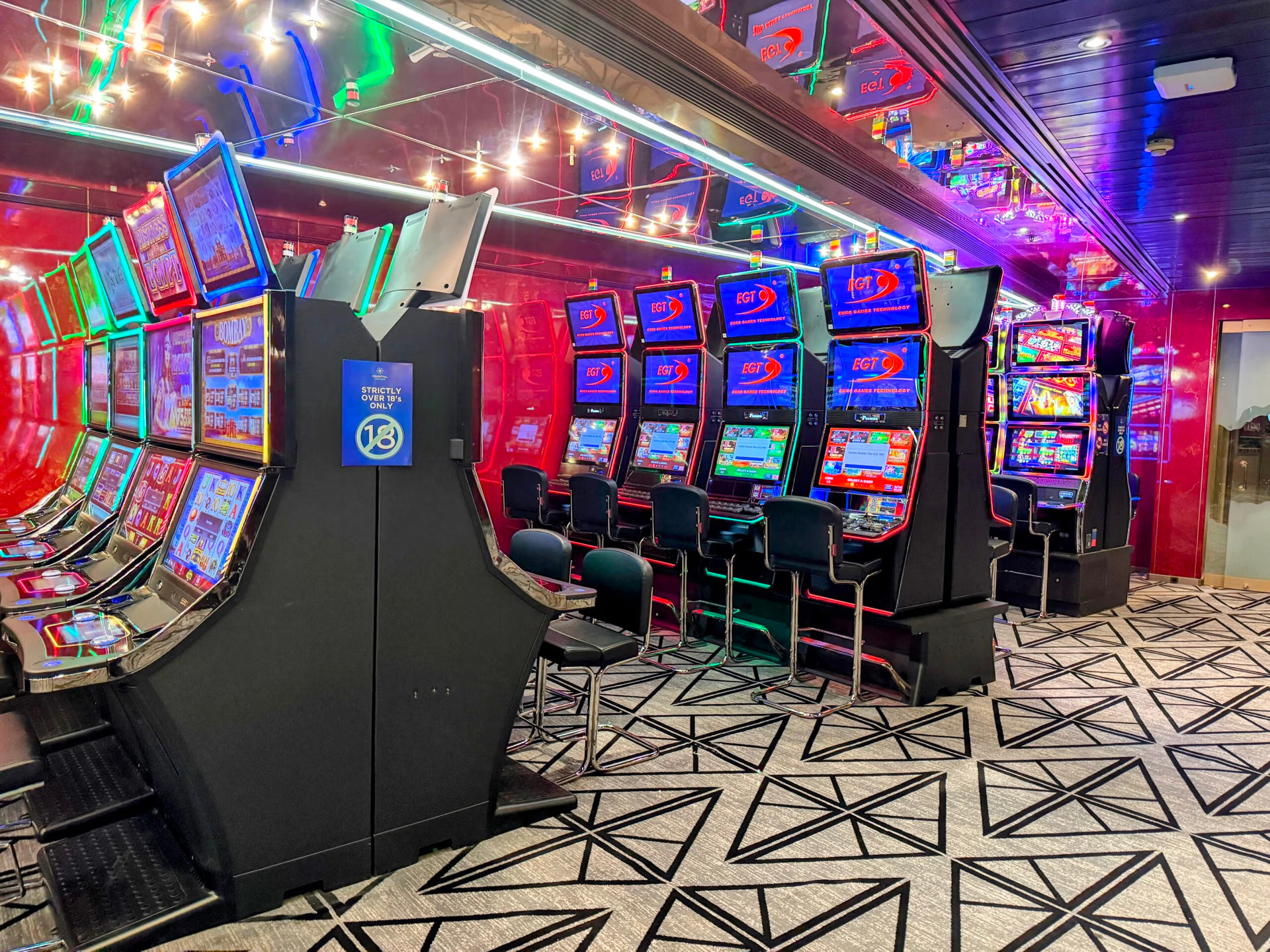
Cruise casino etiquette begins with knowing that the onboard casino is entertainment, not a guaranteed way to win money. This is important.
(Photo courtesy of Carnival Cruise Line)
Most cruise casinos open only when the ship is at sea or in international waters, and they usually close while docked in port.
Many cruise lines note that sea days are prime casino times because casinos must close in port with few exceptions which can vary by cruise line.
Know the Age Rules Before You Play
Cruise casino age rules must be checked before you sit at a slot machine or table. Carnival and Norwegian list 18 as the minimum gambling age, while Royal Caribbean allows guests 18 and older except on Alaska sailings, where guests must be 21.
Do Learn the Basics Before Joining a Table
Casino table games move faster than many first-time passengers expect. Blackjack, roulette, poker-style games, baccarat, and craps all have their own flow, so watch a few rounds before buying in.
Place chips clearly, wait for the dealer’s signal, and avoid interrupting a hand already in progress. Using proper hand signals at blackjack and keeping phones off the table are standard casino manners.
Don’t Touch Bets, Cards, or Chips at the Wrong Time
Table etiquette protects the game and the other players. Once cards are dealt or the wheel is spinning, do not move your wager unless the dealer tells you to.
Face-up blackjack cards should not be touched, and cash should usually be placed flat on the felt instead of handed directly to the dealer.
Do Buy In and Cash Out Properly
Buying in properly keeps the table organized. Wait until a round ends, place your cash or cruise card where the dealer can see it, and let the dealer convert it into chips. Royal Caribbean says guests can use cashless wagering at slots and tables through their SeaPass account, while Norwegian notes that casino credit and onboard ATMs may be available.
Don’t Slow Down the Game
Cruise casino games are social, but they are still structured. Do not ask for long strategy debates during live hands, argue with other players’ choices, or delay the dealer while deciding every move. New players are welcome, but the best etiquette is to ask quick questions before the next round begins.
Do Respect Dealers and Other Passengers
Dealers manage the pace, payouts, and rules of the table. Speak politely, accept corrections calmly, and never blame the dealer or another passenger for a losing hand. Gambling is based on chance, and bad manners can ruin the atmosphere faster than a bad card.
Don’t Drink Beyond Your Limit
Alcohol can make a casino feel more relaxed, but it also affects judgment. Free or discounted drinks may be tied to casino loyalty programs on some lines; Carnival, for example, says Players Club benefits can include free drinks while playing for guests 21 and older.
Do Understand Smoking and Personal Space
Smoking rules vary by cruise line and ship, so passengers should follow posted signs and crew instructions. Even where smoking is allowed in a casino area, keep ash, smoke, drinks, bags, and elbows away from other players’ space. A cruise casino is smaller than many land-based casinos, so courtesy matters more.
Don’t Treat Online Casino Habits as Cruise Casino Rules
Wildz online casino and similar online platforms may feel familiar to digital players, but cruise casinos follow onboard procedures, dealer instructions, ship policies, and local or maritime restrictions. Online habits such as fast clicking, private play, or switching games instantly do not always translate to a live table shared with other passengers.
Do Set a Budget Before You Start
A cruise casino budget should be decided before the first bet. Bring only what you are comfortable losing, separate gambling money from excursion or dining money, and stop when your limit is reached.
CLIA says member cruise lines must maintain gambling regulations designed for fairness, transparency, and internal audits, but personal bankroll control is still the passenger’s responsibility.
Final Dos and Don’ts Checklist
Cruise casino etiquette is simple when passengers remember the basics: follow the posted rules, respect the dealer, wait your turn, use chips correctly, tip when appropriate, and play for fun.
Do not touch active bets, pressure other players, chase losses, bend age rules, or assume every ship has identical casino policies. Good manners help the game run smoothly and make the casino more enjoyable for everyone onboard.

 Login
Login